
🚀 Programming Languages Heading into 2030: My 2026 Reality Check
With AI everywhere, cloud booming, and performance/safety mattering more than ever, here’s my updated forecast based on current TIOBE, PYPL, GitHub, and job trends:
☠️ Dying out fast
Visual Basic & Perl — legacy only, almost no new projects.
📉 Slowly fading
Groovy & Fortran — niche holdouts, but not the future.
⚖️ Stable & still powering the world
PHP, Ruby, Lua, Dart (Flutter mobile is nice), SQL 💾 (data is king — pair this with anything).
💪 Strong & reliable for decades
Java, C#, Swift, Kotlin, Scala — enterprise, mobile, big systems. These quietly pay the bills.
🔥 Exploding right now
- Python 🐍 — AI, data, automation. Still dominating charts.
- JavaScript / TypeScript 💻 — Web runs on this. TS is the pro standard now (GitHub favorite).
- Go⚡ — Cloud-native, microservices, simple & fast backends.
- Rust 🦀 — Memory safety performance. Hitting new highs, winning in systems, blockchain, embedded.
- Zig — Dark horse for low-level work. Simpler C vibes.
My 2026 advice for learning/career moves:
Start with Python TypeScript — unstoppable combo for speed real-world apps.
Add Rust (systems/performance/future-proof) or Go (scalable backends/cloud).
Throw in SQL — you’ll thank yourself on every project.
The winners will be versatile devs who ship fast *and* build safe, high-perf code. AI handles boilerplate, but understanding tradeoffs wins jobs.
What am I missing? Is TypeScript underrated? Mojo going to take off? Or any surprise risers/faders in your view? Drop thoughts 👇
#FutureOfProgramming #TechCareers #Python #Rust #TypeScript #AI #LearnToCode
3
5
161

May 19
The AI coding race is absolutely on fire right now 🔥🚀
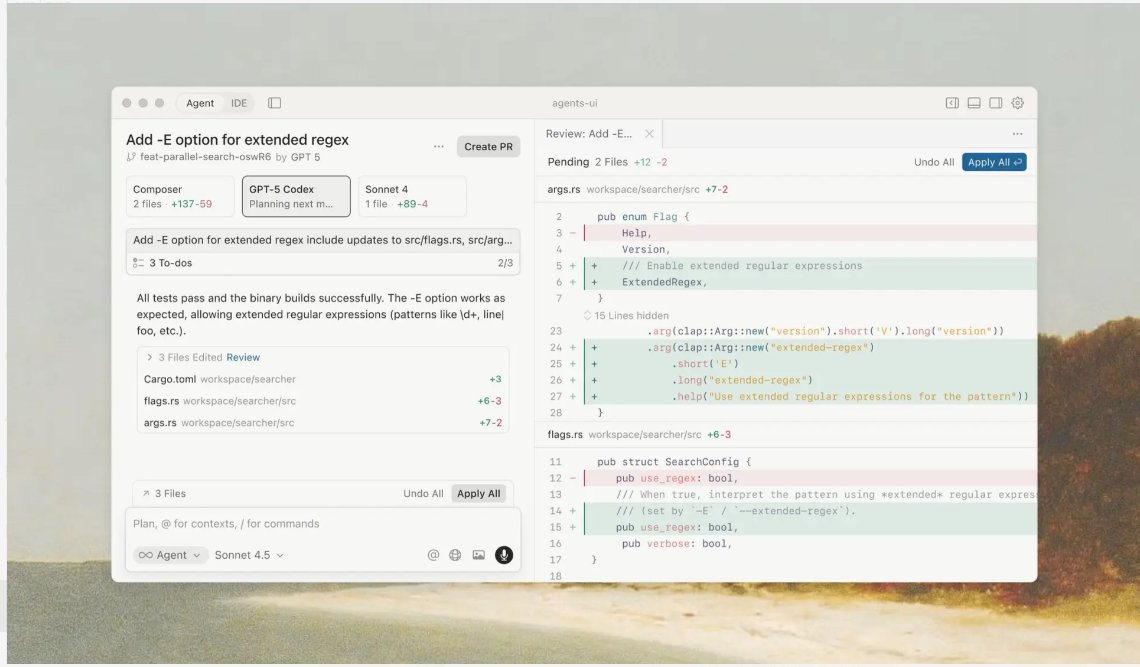
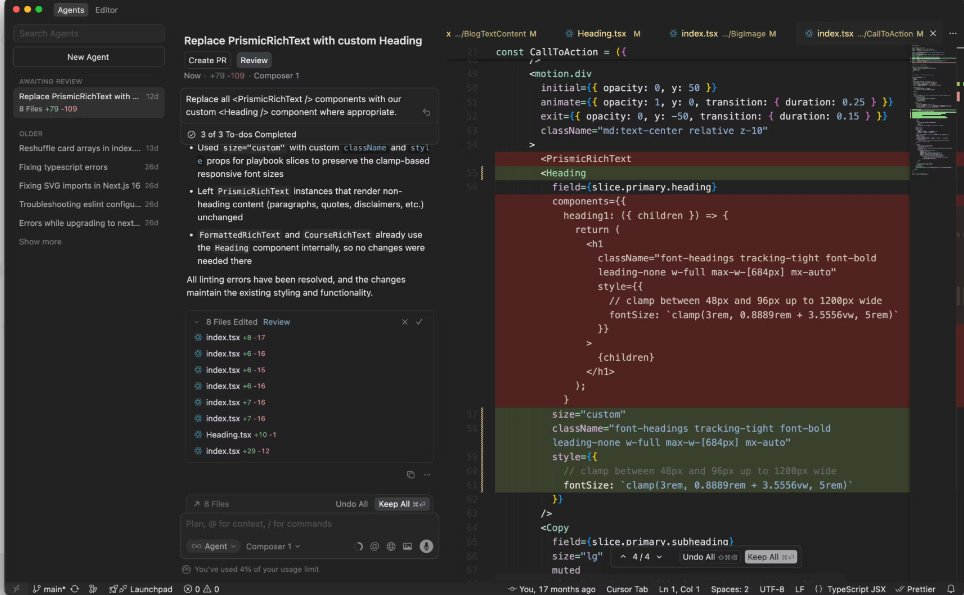
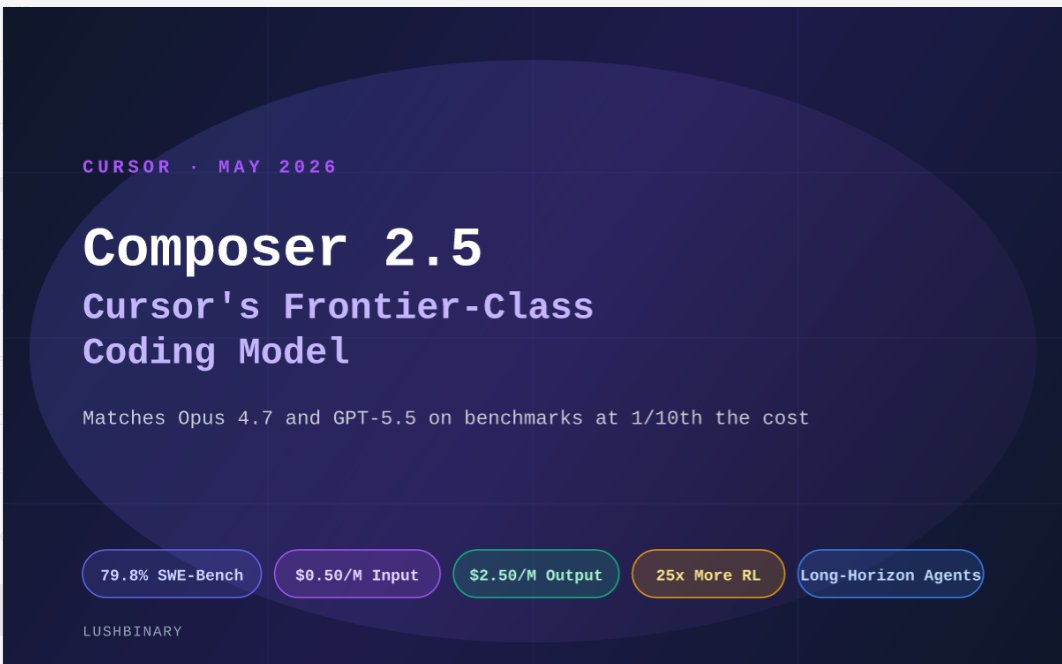
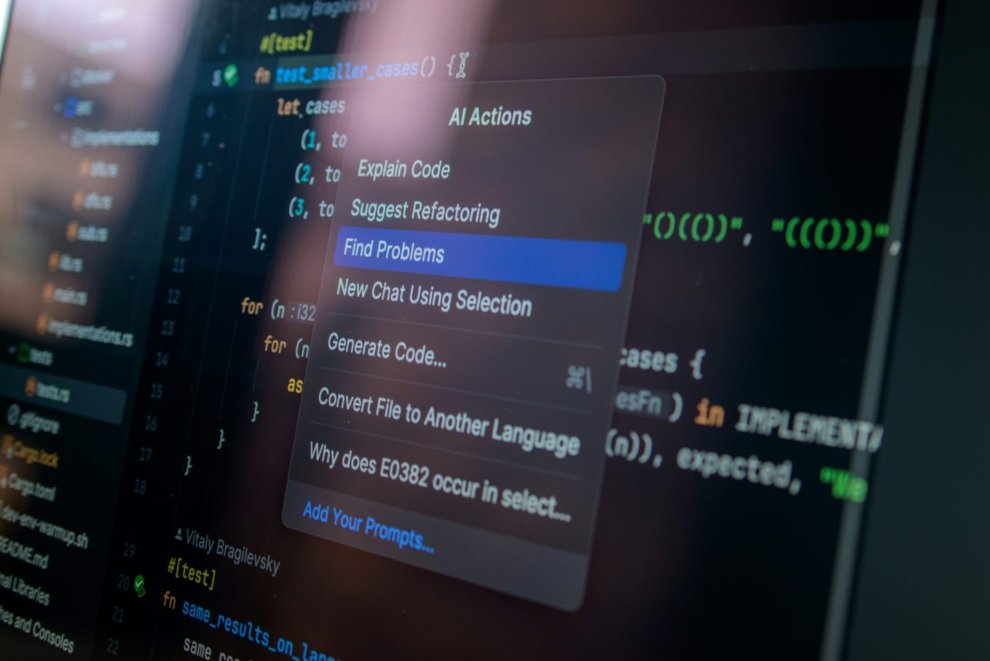
Cursor just shipped Composer 2.5 — and it’s a massive leap forward.
Smarter context understanding, significantly faster, and dramatically better at handling complex, multi-step instructions. This isn’t just an incremental update. It feels like a real jump in agentic coding capability.
What makes it even more exciting? It’s running with serious firepower — getting the full Colossus 2 supercluster treatment from xAI. That kind of compute muscle behind a coding agent is next-level.
We’re watching the convergence of frontier models god-tier infrastructure elite product execution in real time. The gap between “AI can write code” and “AI can own entire features and projects” is closing faster than most people realize.
Developers who master these tools today will have an insane advantage tomorrow.
Huge respect to the Cursor team for shipping at this pace. The future of software engineering is being written right now.
Who’s already playing with Composer 2.5? Drop your thoughts below 👇
#AICoding #Cursor #xAI #Colossus #AgenticAI #FutureOfProgramming
2
1
4
46

Jake Ward explains: AI Brings Vibe Coding Back. AI tools like Claude & Vercel are sparking a new era of rapid prototyping & vibe coding—raising the floor for developers and accelerating real software innovation! ⚡
#AICoding #VibeCoding #FutureOfProgramming #SoftwareDevelopment
2
127
Jake Ward explains: Is Programming Dead? AI won’t replace developers—automation is changing coding, not killing it. The future of programming is evolving, not disappearing! ⚡
#FutureOfProgramming #AI #SoftwareDevelopment #Coding #AICoding #TechTrends
1
27

everyone talks AI, few know which tools are worth it. cherry-pick wisely if you want an edge.
Source: topdealsnet.com/blog/best-ai…
#AICoding #AIForDevelopers #CodeWithAI #FutureOfProgramming
3
5
8
5,613

Kids these days are learning “vibe coding” Will the programming industry now run without actual coding?
Or has the entire way we learn to code just changed forever with AI? What do you think?
#AI #Coding #FutureOfProgramming #LLMs #vibecoding
4
3
146

Feb 14
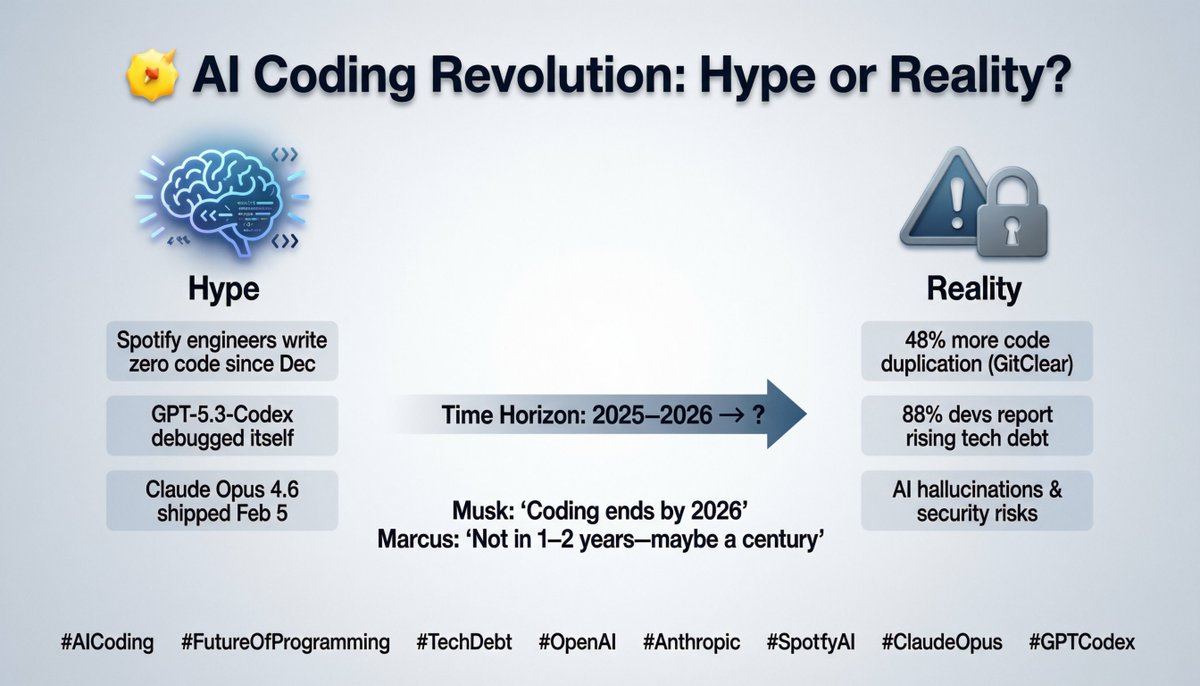
🚨 AI Coding Revolution: Hype or Reality? 🚨
OpenAI's GPT-5.3-Codex and Anthropic's Claude Opus 4.6 launched on Feb 5, sparking fierce debate on whether traditional programming is dead. Spotify's top engineers haven't written a single line of code since December—they now instruct AI via Slack's "Honk" system to fix bugs or ship iOS features from their morning commute!
Co-CEO Gustav Söderström revealed: Engineers get app updates pushed to their phones for instant merge to production. OpenAI claims Codex even debugged its own training. Matt Shumer's viral essay (80M X views) warns of "Covid-level disruption."
**But skeptics like Gary Marcus push back hard:** AI hallucinations, security risks, and "perceived" productivity gains that vanish. GitClear data: AI codebases saw 48% more duplication, 60% less refactoring (2021-2024). 88% of devs report rising technical debt; burnout soars.
Microsoft's Suleyman predicts white-collar automation in 18 months; Musk says coding ends by 2026. Marcus: "Not in 1-2 years—maybe a century."
Is AI your new dev team, or a debt bomb? What's your take—hype or horizon?
#AICoding #FutureOfProgramming #TechDebt #OpenAI #Anthropic #SpotifyAI #ClaudeOpus #GPTCodex #SoftwareEngineering #DigitalTransformation
Sources: Spotify Earnings Call (Feb 10), GitClear Analysis, Gary Marcus Substack/BI Interview, Matt Shumer X Essay [1][2]
2
2
92

Jan 16
“The best programmers are already using AI.” 🤖
I echo with a senior engineer with decades of hands-on coding experience recently shared a grounded perspective on the future of programming—and it resonates with many of us in #SoftwareEngineering including me.
In my 2 decades of software engineering experience, this shift isn’t sudden.I have always leveraged abstractions—📚 code libraries, ⚙️ automation frameworks, and 🧠 IDE features like auto-completion and IntelliSense. AI is simply the next evolution, made possible by advances in #HighPerformanceComputing, massive parallel processing, and scalable storage.
The real question isn’t whether to use AI—but how.
When I use AI as an assistant—embedded thoughtfully into enterprise systems, architecture, and design workflows—it helped me enhancing productivity and decision-making without replacing engineering judgment. 🧩
Core fundamentals still matter:
• Problem-solving
• System design
• Security & reliability
• Ownership & accountability
AI helps us move faster 🚀 and focus on higher-order thinking—the work that truly differentiates great developers.
In my experience, if we use AI responsibly, the future of programming isn’t something to fear—it’s an opportunity to raise the bar by ourselves. 💡
#AIinEngineering #FutureOfProgramming #DevTools #EnterpriseAI #SoftwareArchitecture #EngineeringLeadership #Productivity #Innovation
Jan 16

“the best programmers are using AI already.” here is what a senior programmer who’s been coding for decades thinks about the future of programming:
2
1
12
583

7 Dec 2025
⚛️ Quantum Computing Is Changing How We Code
Website : bervice.com
#Bervice #QuantumComputing #SoftwareEngineering #FutureOfProgramming #QuantumTechnology #Qubits #AI #DeepTech #Cybersecurity #PostQuantum #Innovation #TechTrends #Developers
1
2
39

17 Sep 2025
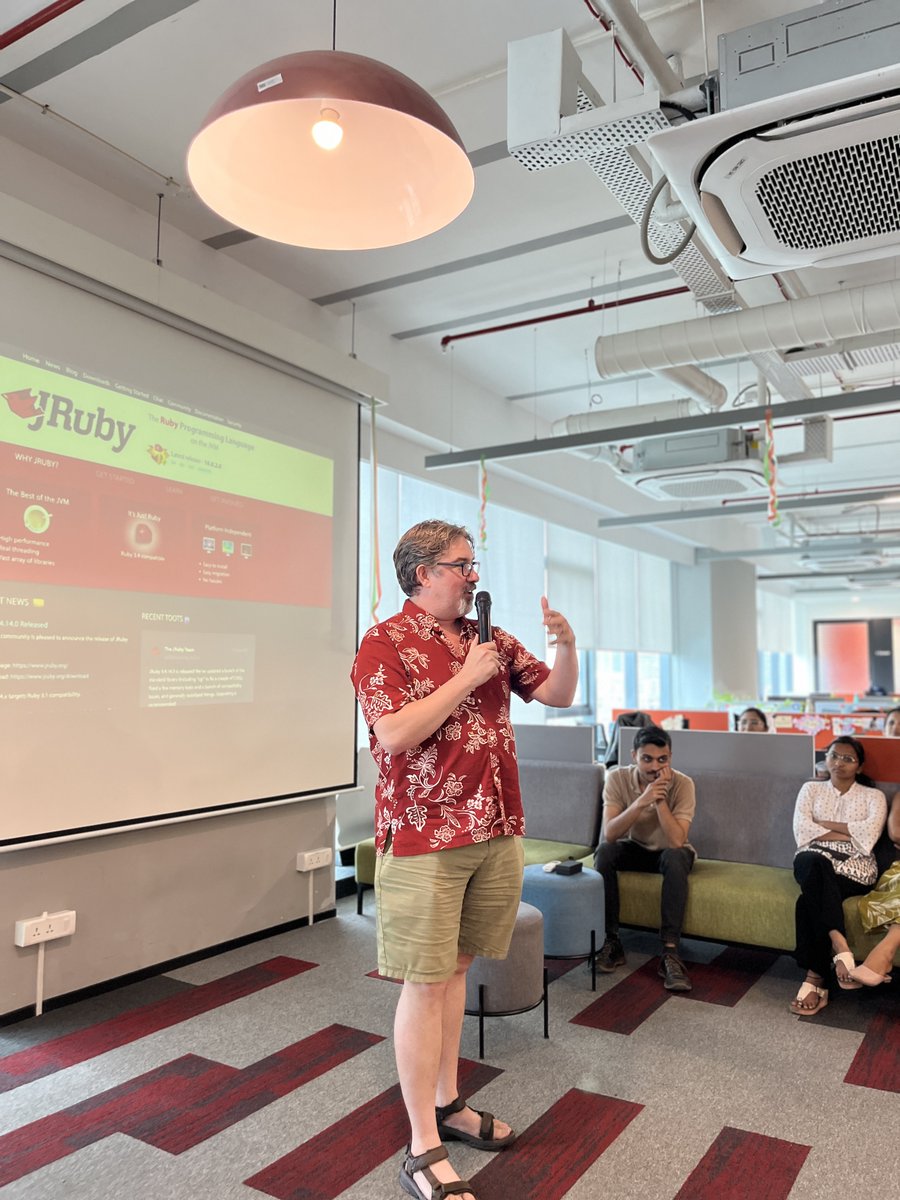
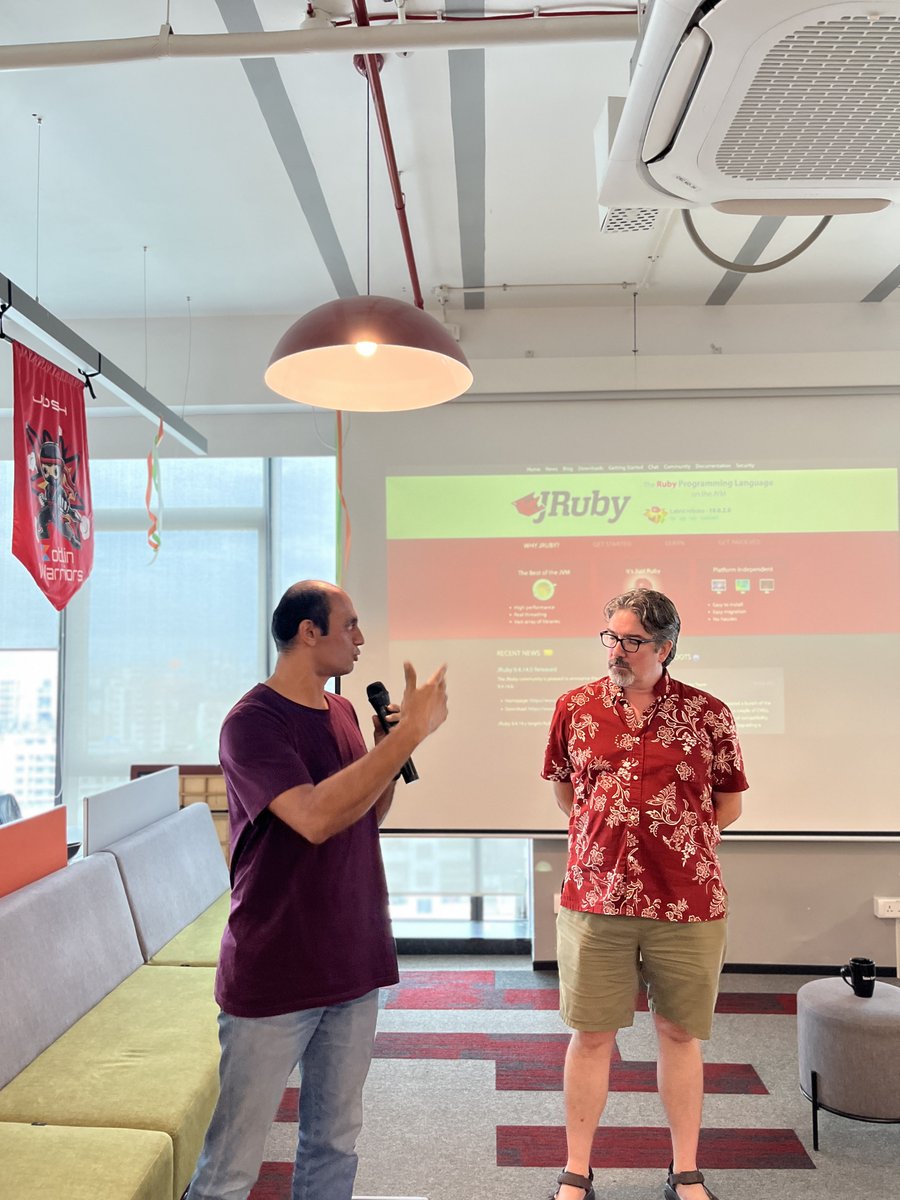
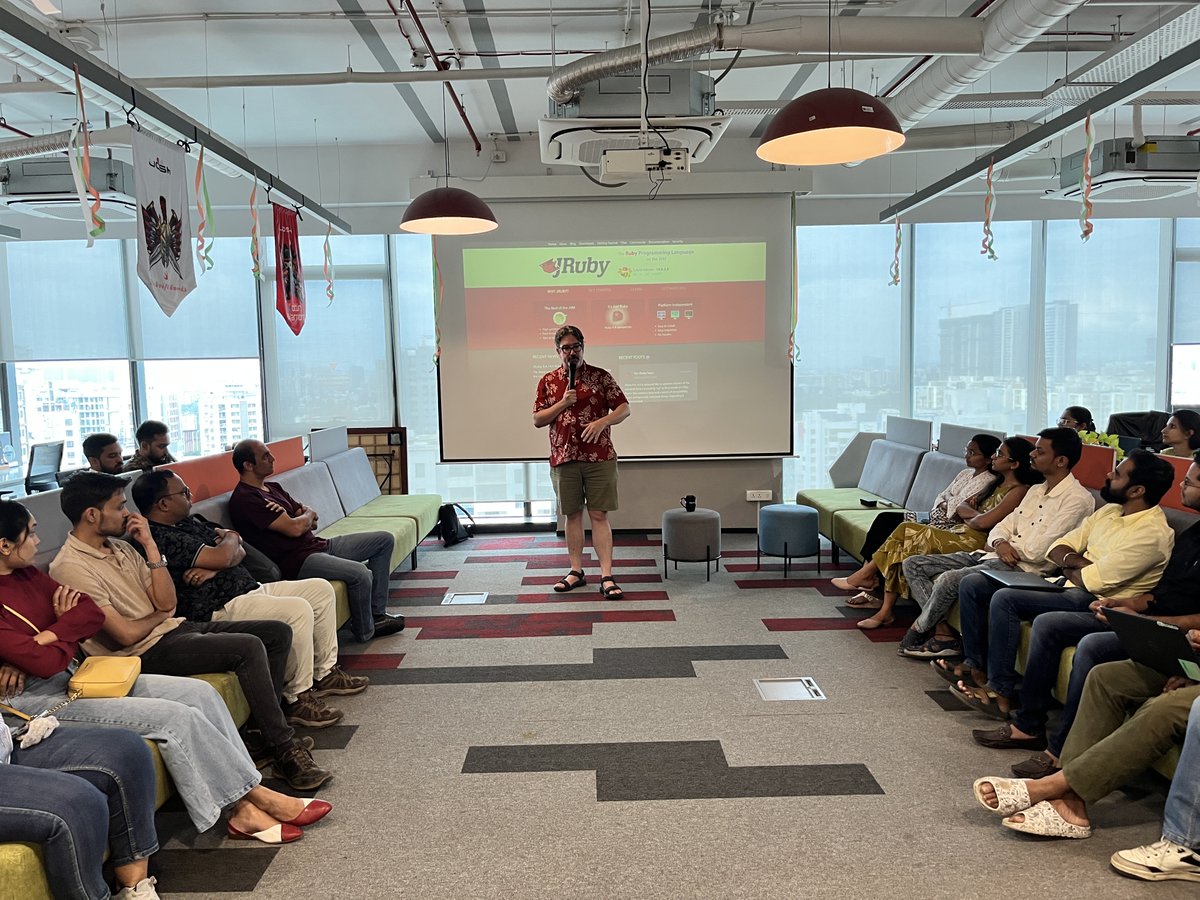
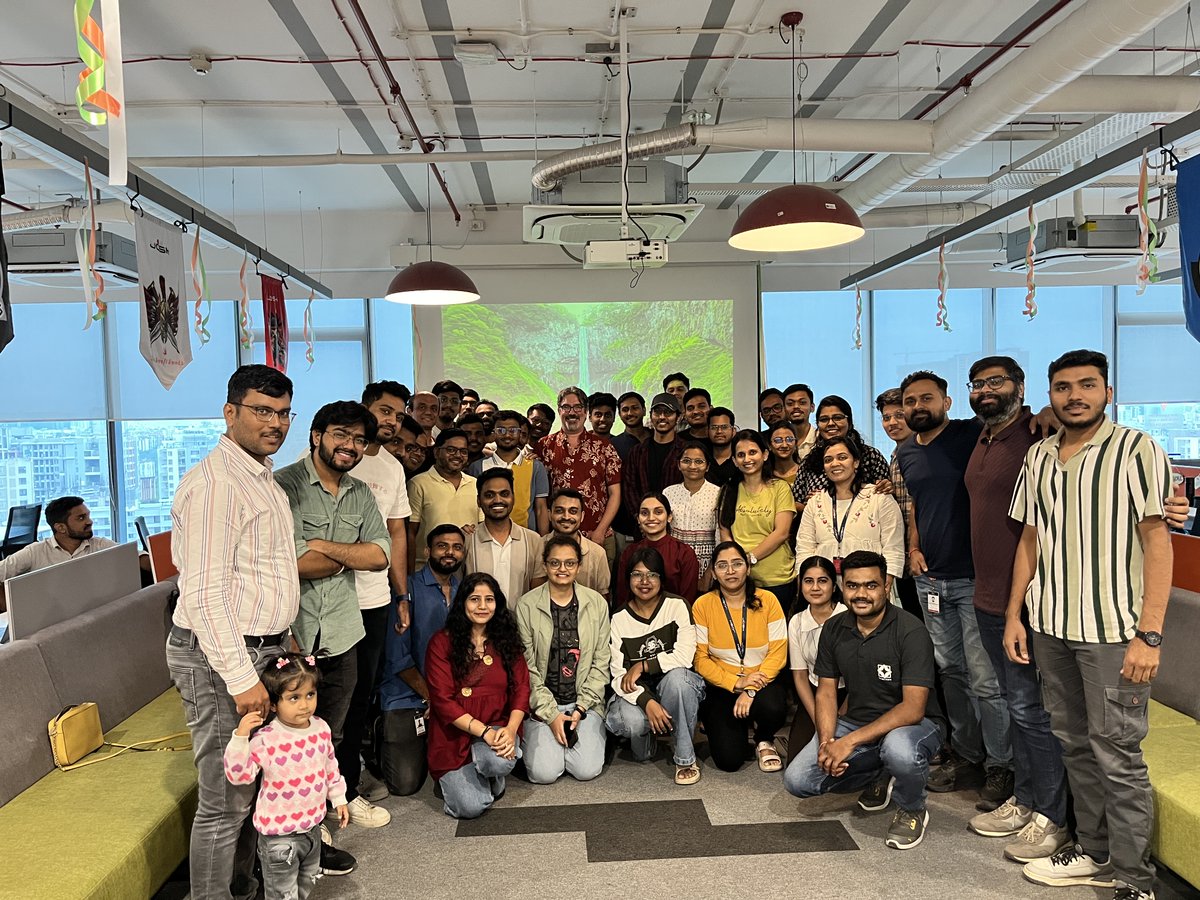
We had the privilege of welcoming Charles Nutter – the JRuby legend – to the Josh Software office!
From the journey of JRuby, to the learnings along the way, and the opportunities JRuby offers to the Ruby ecosystem - his session was nothing short of inspiring.
Thank you, Charles, for sharing your wisdom and vision with us! 🙌
#JoshSoftware #JRuby #RubyEcosystem #FutureOfProgramming
1
2
7
462

4 Sep 2025
Codex usage up 10x in two weeks—clear proof that AI-assisted coding is hitting escape velocity. This isn’t just momentum, it’s a paradigm shift in how software gets built. 🚀
#AI #Codex #FutureOfProgramming
3 Sep 2025

really cool to see how much people are loving codex; usage is up ~10x in the past two weeks!
lots more improvements to come, but already the momentum is so impressive.
3
19

26 Jun 2025
𝐋𝐚𝐬𝐭 𝐲𝐞𝐚𝐫 𝐬𝐩𝐚𝐫𝐤𝐞𝐝 𝐬𝐨𝐦𝐞𝐭𝐡𝐢𝐧𝐠 𝐢𝐧𝐜𝐫𝐞𝐝𝐢𝐛𝐥𝐞. 𝐓𝐡𝐢𝐬 𝐲𝐞𝐚𝐫, 𝐰𝐞’𝐫𝐞 𝐭𝐚𝐤𝐢𝐧𝐠 𝐢𝐭 𝐟𝐮𝐫𝐭𝐡𝐞𝐫.
IICT 2025 returns with deeper discussions, impactful presentations, and a growing community of compiler enthusiasts from academia and industry.
Join us for two days of groundbreaking talks, deep technical exchange, and a community pushing the boundaries of compiler technology.
📍 IISc Bangalore
📅 September 27–28, 2025
🌐 compilertech.org
#IICT2025 #CompilerTech #ProgrammingLanguages #StaticAnalysis #MLIR #TechConferenceIndia #ACMIndia #CompilerResearch #FutureOfProgramming #IISCBangalore
1
2
109

24 Mar 2025
AI is changing software development, but will it replace programmers? Explore vibe coding, AI hype, and the future of coding in this insightful perspective. - hackernoon.com/vibe-coding-a… #vibecoding #futureofprogramming
1
2
433

15 Nov 2024
The future of programming is about collaboration between humans and AI. Code will be more accessible, modular, and automated, but creativity and problem-solving will remain uniquely human. Adaptation is key. #FutureOfProgramming #AI
3
45

Couldn't agree more! The evolution of programming is exciting. AI tools are enhancing, not replacing, programmers. We're entering a golden age of creativity and innovation. #FutureOfProgramming
1
4
534

17 Aug 2024
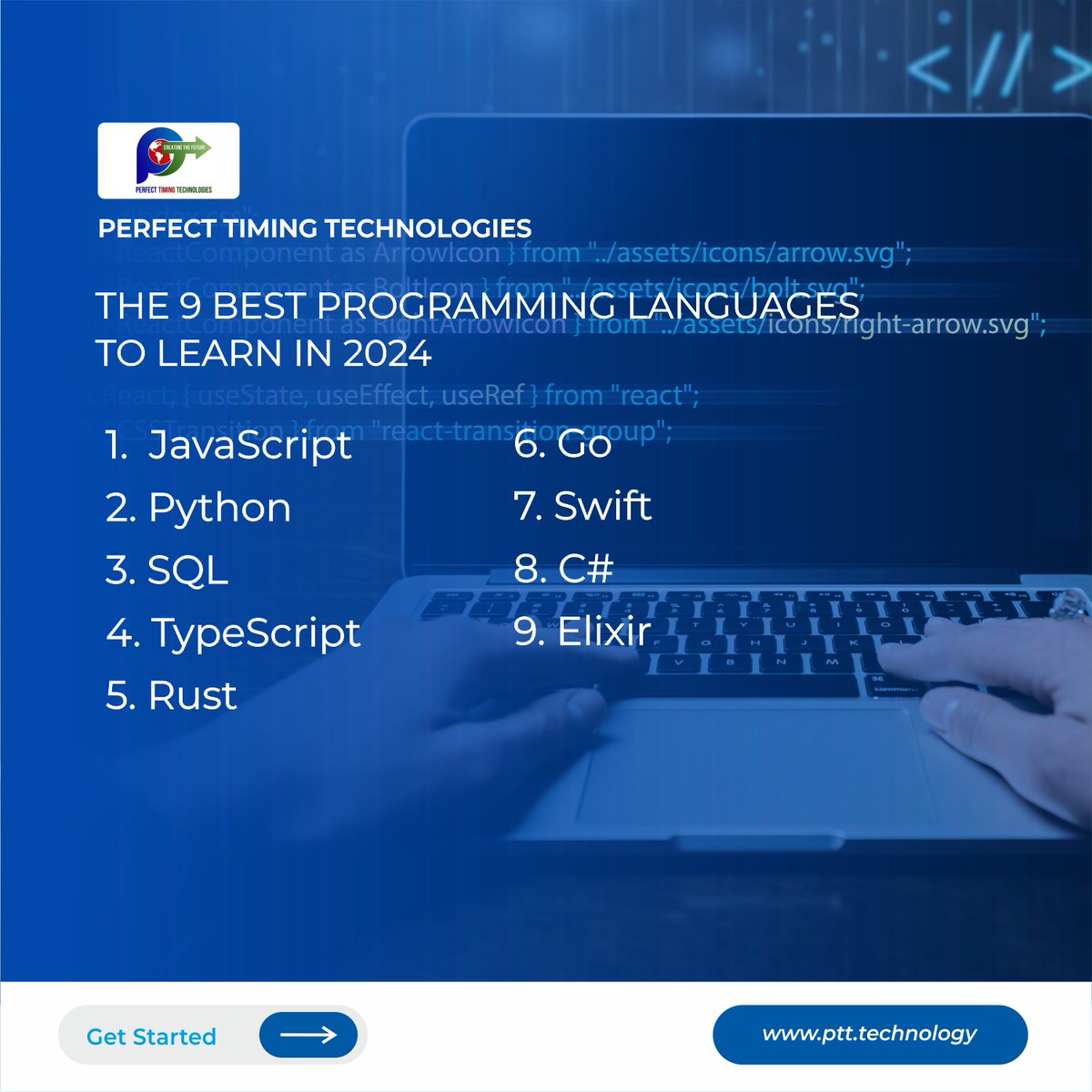
The 9 Best Programming Languages to Learn in 2024
Read Here: fullstackacademy.com/blog/ni…
#PerfectTimingHolding #PerfectTimingTechnologies #BestProgrammingLanguages #LearnToCode #Programming2024 #TechSkills #CodingLanguages #SoftwareDevelopment #FutureOfProgramming #CodingTrends
3
3
12

15 Jun 2024
The Future of AI and Job Security | Mark Zuckerberg youtu.be/WRkCvPOyW9o?si=EWIN… via @YouTube #ai #agi #generativeai #genai #softwaredevelopment #aiprogramming #aisoftware #machinelearning #largelanguagemodels #neuralnetworks #futureofcoding #futureofprogramming #aijobs
1
56

"Smarte Technologie, innovative Programmierung – gestalten wir die Zukunft!"
#CodingLife
#TechInnovation
#FutureOfProgramming
#CodeNewbie
#TechRevolution
#ProgrammersLife
#DigitalTransformation
#InnovativeTech
#FutureTech
#TechTrends

1
39

27 May 2024
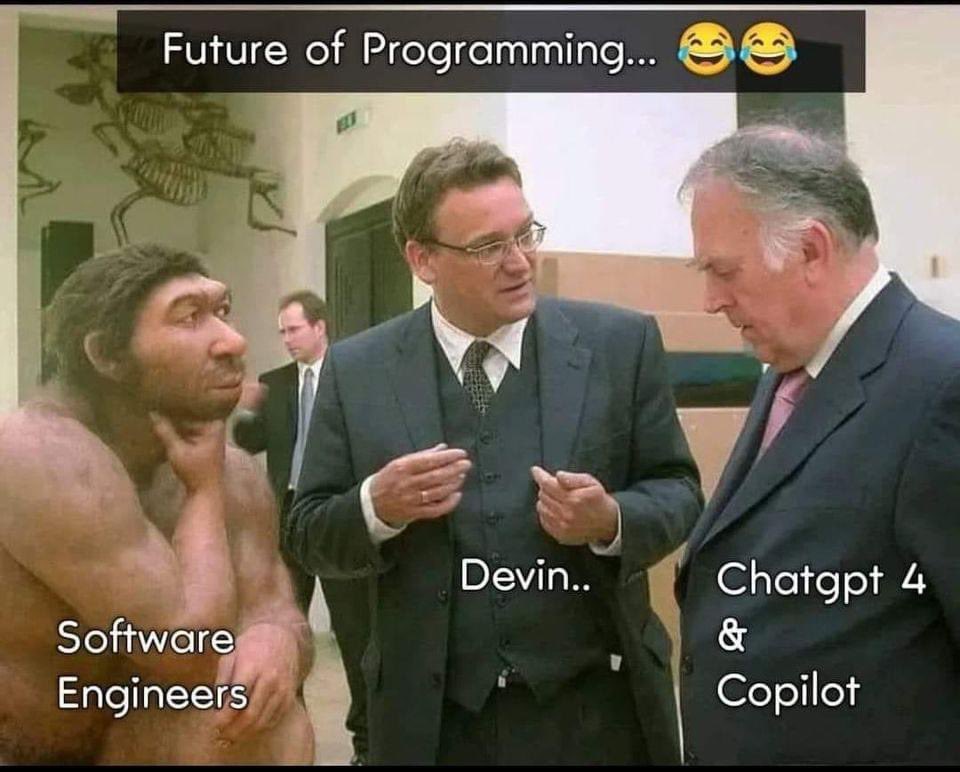
Looks like software engineers just got an upgrade… or a downgrade? 😂 Welcome to the era of ChatGPT 4 and Copilot #EvolutionOfTech #AI #Sarcasm #FutureOfProgramming #ChatGPT4 #Copilot #TechHumor #SoftwareEngineering #Innovation #ArtificialIntelligence #HumorInTech
1
1
3
188

25 Mar 2024
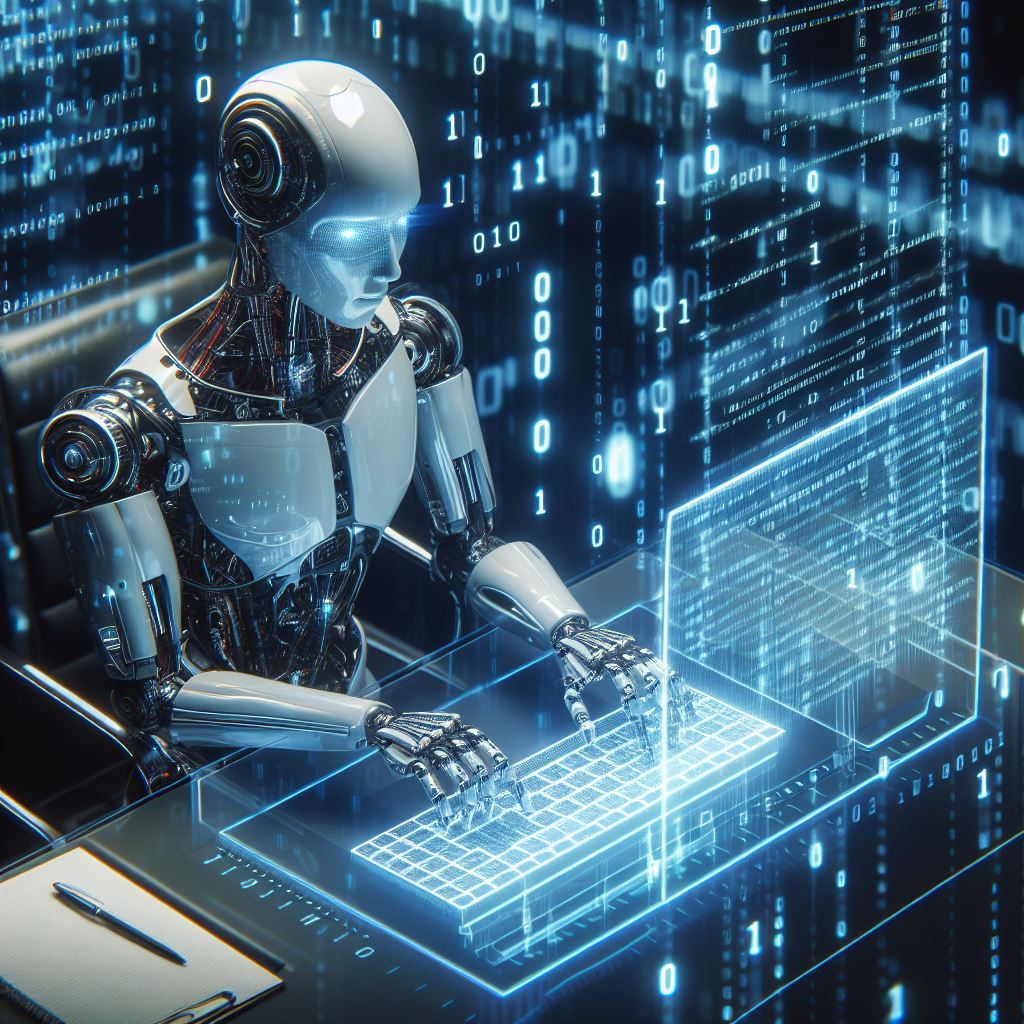
🚀 The programming world is constantly evolving!
🧵Thread: Here are some key trends shaping the future of how we code: 🌐💻 #FutureOfProgramming
1
1
2
44