
🐉
Day 69 – Web3 Development
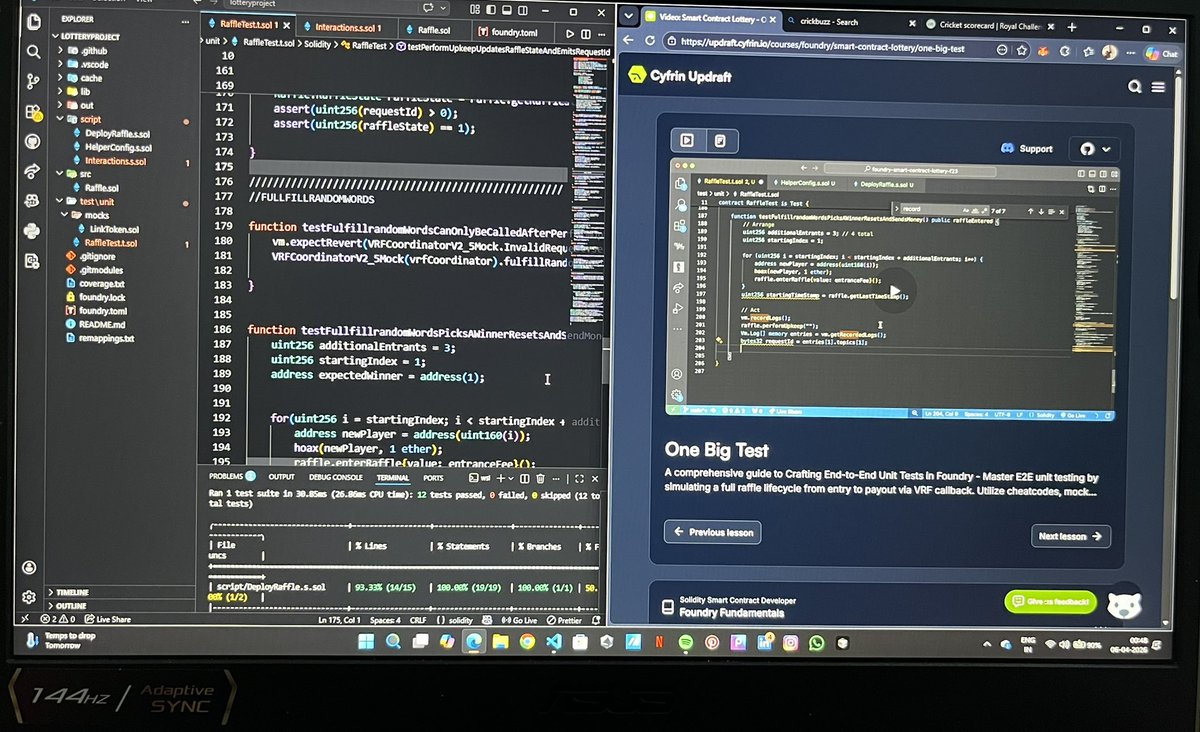
Today I continued building and refining the Lottery Smart Contract.
✅ Added a consumer contract for Chainlink VRF
✅ Wrote additional test cases to improve reliability
✅ Tested and refactored the performUpkeep function
✅ Refactored event data for better clarity and usability
✅ Learned about fuzz testing in Foundry
#Web3 #Solidity #Foundry #Chainlink #SmartContracts #FuzzTesting #Ethereum
2
19
142

Feb 17
Beyond Unit Tests: Why Fuzz Testing is Non-Negotiable for Smart Contract Security
Think of your smart contract like a ship. Unit tests check if it floats in calm water. Fuzz tests are the hurricane that reveals every leak and weak point you never knew existed.
So, what is fuzzing? Fuzzing,or fuzz testing, is the process of automatically feeding your smart contract thousands of random, unexpected, and invalid inputs to break it. Its sole purpose is to find edge-case vulnerabilities that are impossible to predict and replicate with traditional testing.
Why do you need it? Because attackers are creative.They won't use your neat, expected inputs; they'll throw everything they can at your contract to break it. Fuzzing does this for you, before they do.
Tools like Foundry's forge fuzz make this incredibly easy to implement, continuously testing your invariants the core rules of your system that should never break.
Embrace the chaos. Let the fuzzer break your code in development so an attacker can't break it in production.
Have you integrated fuzzing into your workflow? What was the most surprising bug it found?
#SmartContractSecurity #FuzzTesting #Blockchain #Web3 #CyberSecurity #SoftwareDevelopment
1
2
28

19 Dec 2025
Day 15 – Advanced Foundry
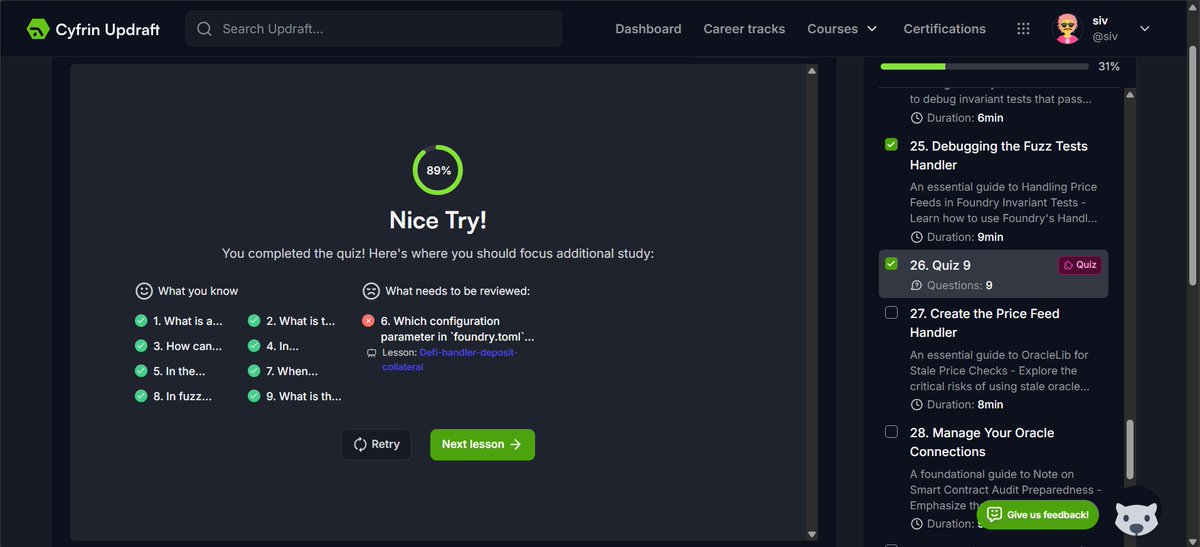
Today was all about invariant testing and fuzzing at protocol scale: one of the most important (and hardest) parts of DeFi development.
🟣 Built a stateful fuzz testing Handler for invariant testing in Foundry.
🟣 Extended handlers to support deposit collateral flows.
🟣 Implemented redeem collateral handlers to test withdrawal paths.
🟣 Added a mint handler to simulate realistic user behavior.
🟣 Debugged failing invariant tests and learned how to reason about fuzz failures.
🟣 Gained hands-on experience diagnosing issues caused by price feeds and state transitions.
Big takeaway:
Invariant testing doesn’t tell you what broke — it forces you to understand why the protocol broke.
This really shifted my mindset from “writing tests” to proving protocol safety under chaos
#BuildInPublic #Web3 #DeFi #Solidity #Foundry #FuzzTesting #InvariantTesting #Cyfrin #SmartContracts
2
52

Day 7: Explored PoW mining in Rust! 🛠️🔗 Built Block struct with nonce/data, SHA-256 mining with adjustable difficulty & safety checks. Added tests AFL fuzzing. Rust = low-level control safety ⚡🦀 #RustLang #Blockchain #PoW #FuzzTesting
Repo: github.com/everestp/blockcha…
2
134

14 Jul 2025
🐞 In the era of #AI, old tools get a new purpose.
Our latest blog explores how fuzz testing is making a comeback—helping uncover hidden bugs and vulnerabilities in complex, AI-powered systems.
🔗 Read more: ter.li/k2li1c
#FuzzTesting
1
1
5,863

8 Mar 2025
Traditional testing methods often miss the toughest vulnerabilities—fuzz testing doesn't. Discover how this technique strengthens software security in our latest blog. 🛡️ 💻 🔍
#CyberSecurity #FuzzTesting #Fuzzing #AppSec
cybernewslive.com/fuzz-testi…
2
2
43

29 Jan 2025
The panda mating season occurs in spring. Pandas stay with each other for one to two days, during which their code is covered with many #tests. Mateusz will tell us more about #codecoverage, #mutationtesting and #fuzztesting.
#phpconpl23 #tests #conference
youtu.be/ykAKNjzLems

1
1
3
120

19 Dec 2024
Is fuzz testing the best ROI for your AppSec program?👉 Read the full breakdown here: hubs.la/Q030b08F0
#AppSec #fuzztesting #DevSecOps #cybersecurity #MayhemSecurity
3
84

8 Nov 2024
Using Nix to Fuzz Test a PDF Parser (Part One) # FuzzTesting #Nix #PDFParser #Honggfuzz #Workflow mtlynch.io/nix-fuzz-testing-…
16
39
2,485

30 Oct 2024
Fuzz Testing — An Advanced Methodology for Finding Vulnerabilities
Read more: link.medium.com/khjuZofi7Nb
#FuzzTesting #SecurityTesting #VulnerabilityScanning #PenetrationTesting #ThreatHunting #BugBounty #ApplicationSecurity #DevSecOps #ExploitDevelopment #RiskManagement
7
106

1 Oct 2024
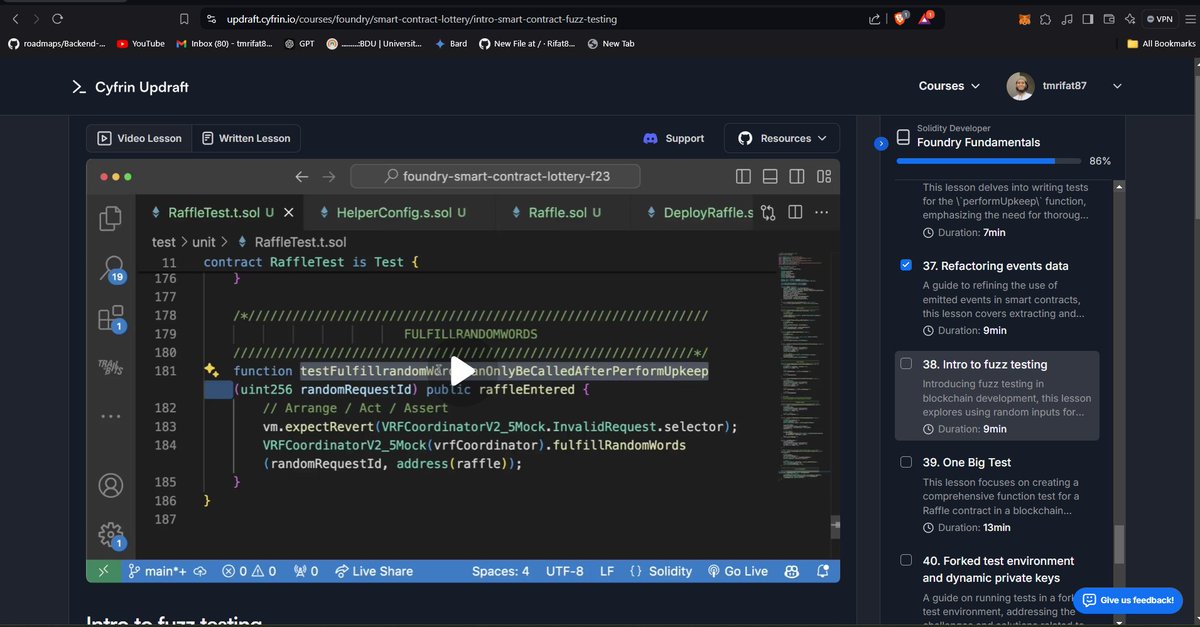
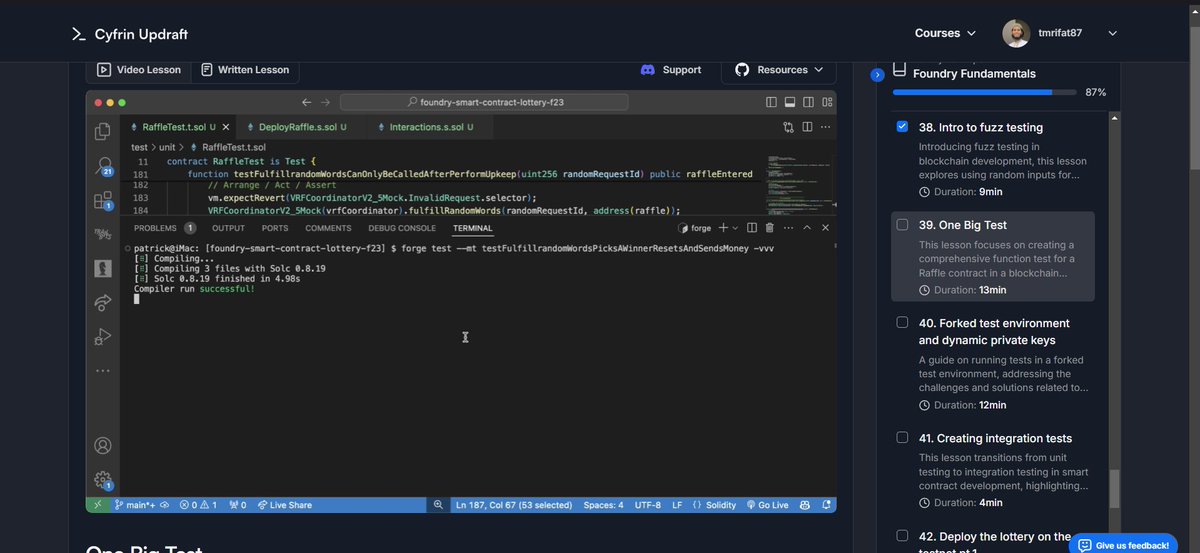
Intro to Fuzz Testing Discover the power of fuzz testing in blockchain development. Random inputs ensure secure and stable systems with mock functions and fuzz testing. #FuzzTesting #BlockchainDevelopment #SmartContractSecurity @CyfrinUpdraft @PatrickAlphaC
1
4
101

24 Sep 2024
At #TROOPERS23 @_tunn3l and me presented KubeFuzz for fuzztesting operators and their admission controllers.
Maybe we should put some work into it, looks like operator security is getting more attention.
2
5
402

16 Sep 2024
"We want automation to reduce developer toil," says Abhishek Arya from @Google, to provide a more effective security landscape. #AI can help #fuzztesting as one example cited. #OSSUMMIT #OSSEU

2
1
7
433

12 Sep 2024
Why Fuzz Testing is Essential for Medical Device Cybersecurity
🔗 bluegoatcyber.com/blog/fuzz-…
#Cybersecurity #MedicalDevices #HealthcareSecurity #FuzzTesting #RiskManagement #RegulatoryCompliance #PatientSafety #MedicalDeviceManufacturing #BlueGoatCyber

1
1,043
14 Aug 2024
Are you overwhelmed by all the options when it comes to security testing tools? Learn how to pick the right tools for your needs: hubs.la/Q02K100t0
#securitytools #devsecops #appsec #apisecurity #fuzztesting #MayhemSecurity
8
110

3 Aug 2024
Give Trident a try! 🛩️It's easy to set up 😊and start testing your code 👩💻. The more you test, the safer your program will be. #BlockchainSecurity #FuzzTesting #OpenSource
2
5
143


28 Jun 2024
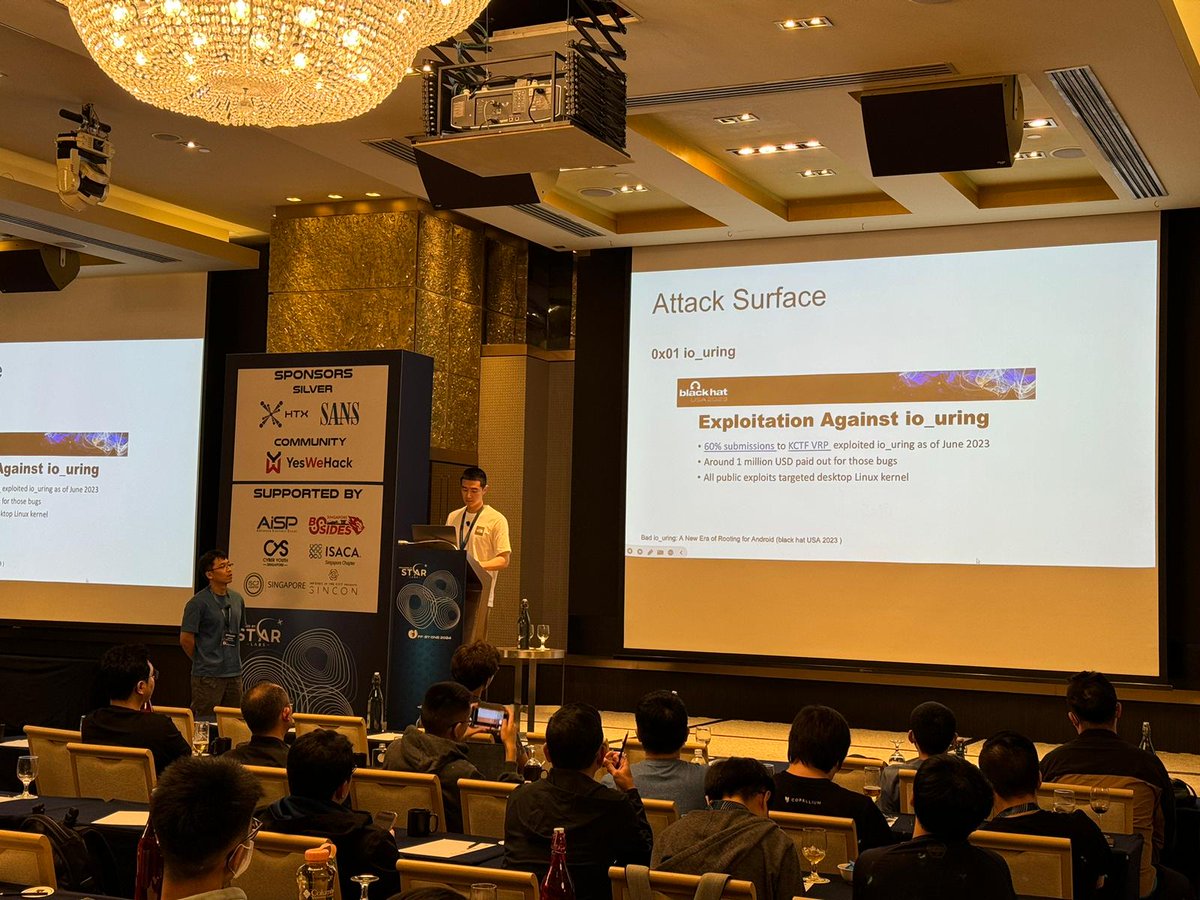
Our researcher Slim (@HBh25Y) shared at @offbyoneconf:
The Forgotten Treasure in Classic Targets: Despite powerful fuzzers like AFLplusplus & syzkaller, recent vulnerabilities show secrets lie deep in the code. Manual audits on Linux kernel & mobile decoders reveal many high-value vulnerabilities. #CyberSecurity #FuzzTesting #offbyone2024
2
9
16
3,916
12 Jun 2024
Are you overwhelmed by all the options when it comes to security testing tools? Learn how to pick the right tools for your needs: hubs.ly/Q02B8lzn0
#securitytools #devsecops #appsec #apisecurity #fuzztesting #MayhemSecurity
1
10
206