
Jun 15
Tier List ความรักของพี่นักวิ่ง 🏃♂️
ลู่วิ่ง (Can’t Keep Up) - Tilly Birds
🔗 : youtu.be/irMw09ie1wE
#ลู่วิ่ง #TillyBirds #GeneLab
#GMMMusic
2
5
1,371

Jun 12
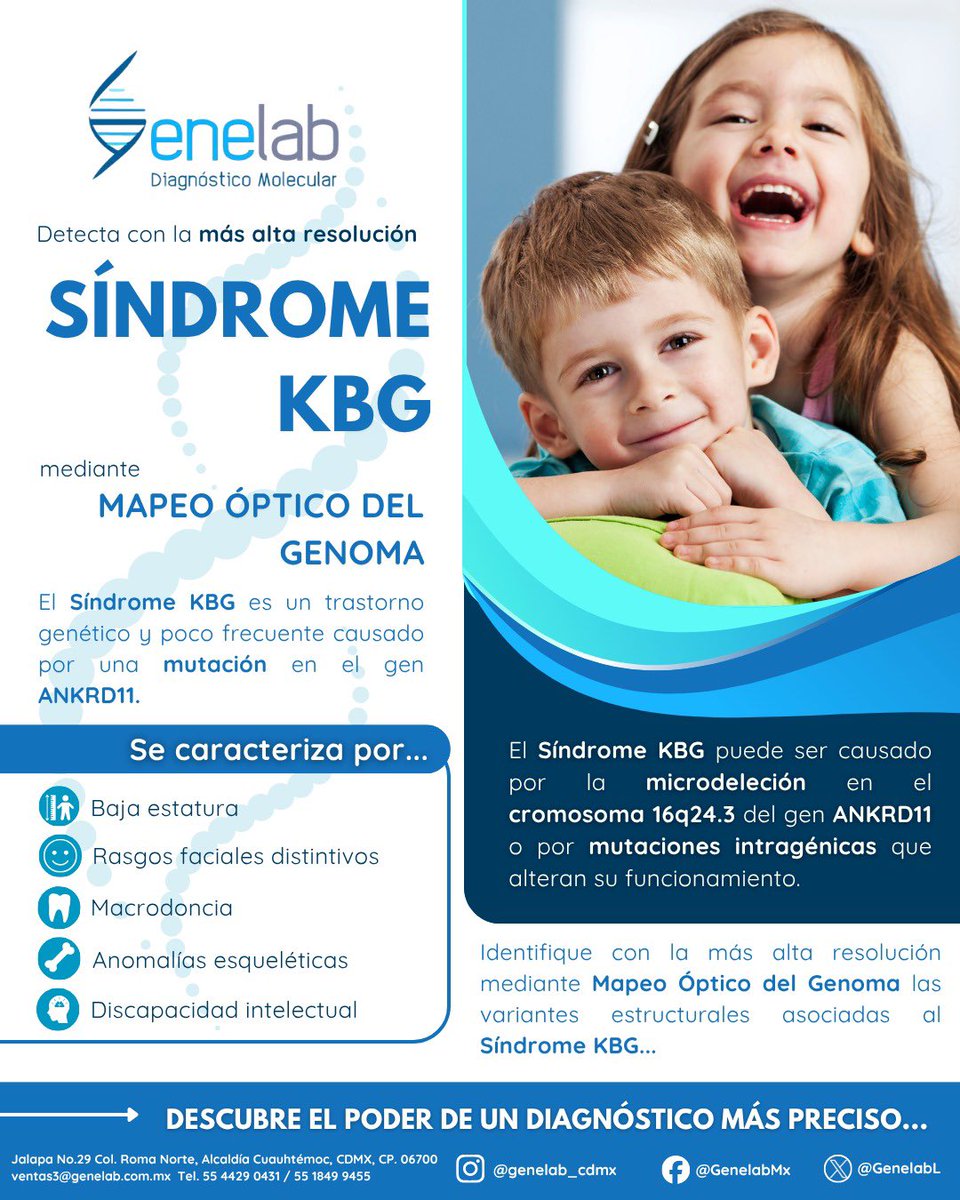
🧬 Síndrome KBG: la importancia de un diagnóstico preciso. Gracias al Mapeo Óptico del Genoma, es posible identificar con alta resolución variantes estructurales como microdeleciones y otros cambios genéticos relacionados.
📞 Contáctanos: 55 1849 9455.
#Genelab
2
Jun 11
🔵 11 de junio | Día Mundial del Cáncer de Próstata
En este Día Mundial del Cáncer de Próstata, recordamos la importancia de los chequeos preventivos, especialmente a partir de los 50 años o antes si existen antecedentes familiares.
📞 Agenda una cita: 55 1849 9455.
#Genelab 💙

5
Jun 10
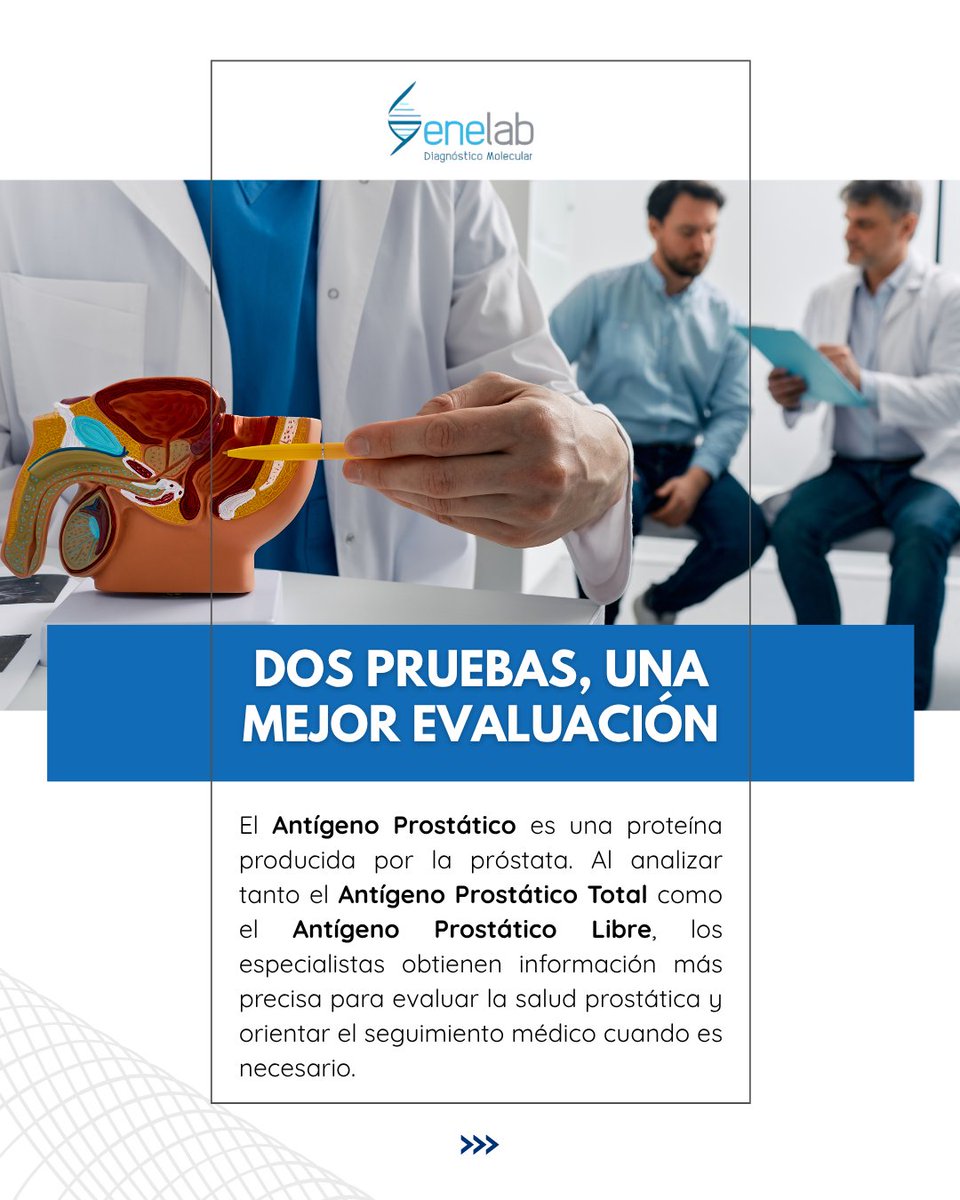
🔵 El panel de Antígeno Prostático Libre y Específico (PSA) es una herramienta que ayuda a evaluar la salud de la próstata, apoyar la detección oportuna de alteraciones y dar seguimiento a pacientes con enfermedades prostáticas.
📞 Agenda tu estudio al 55 1849 9455.
#Genelab



5
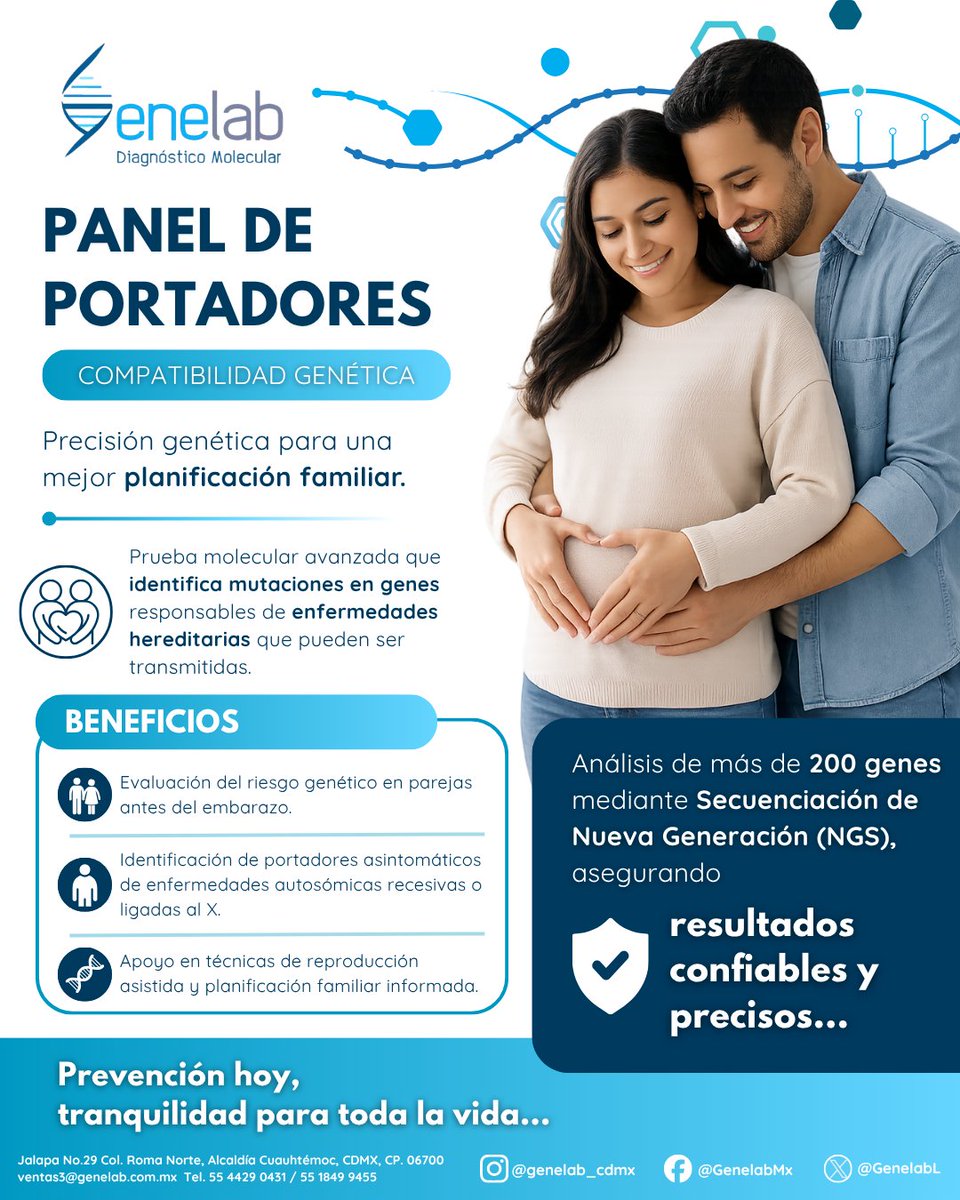
🧬El Panel de Portadores permite identificar si tú o tu pareja son portadores de variantes genéticas asociadas a enfermedades hereditarias que podrían transmitirse a sus hijos.
✅ Análisis de más de 200 genes mediante tecnología de NGS.
📞 Agenda al: 55 1849 9455.
#Genelab
19

Jun 5
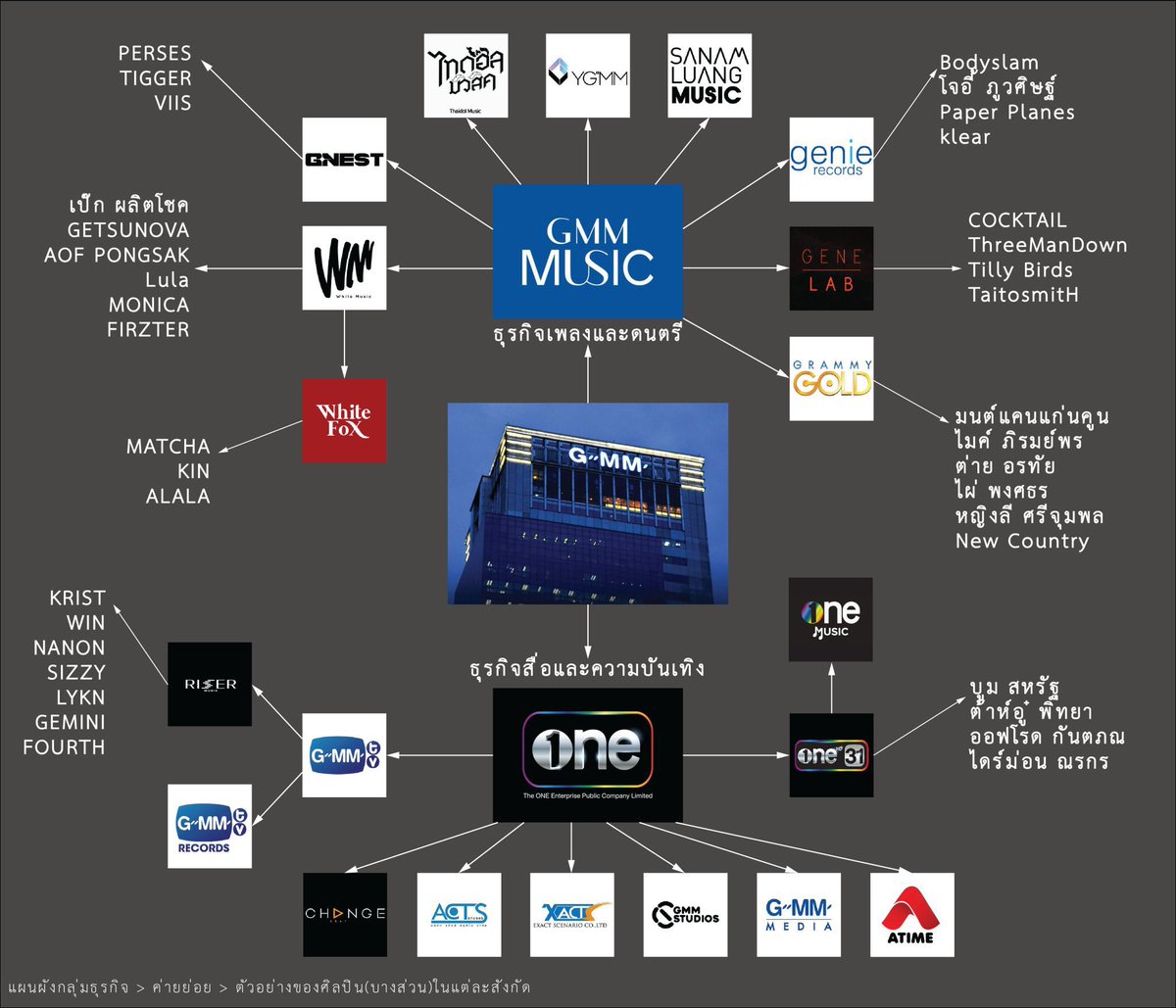
ควรทำผังใหม่ได้แล้วล่ะเดี๋ยวคนจะเข้าใจผิด ยังมีYGMM อยู่เลย คือYGMM เจ๊งมาหลายปีแล้วนะ Genelab ตอนนี้ก็ทีมใหม่แล้ว พี่โอมแยกไปดูแลครึ่งเก้าแล้ว

1
1
2
768

ขอเพิ่มเติม
GeneLab ตอนนี้ไม่ใช่ทีมครึ่งเก้าบริหารแล้วและตอนนี้ Three Man down กับ TillyBirds ย้ายการดูแลมาอยู่ค่าย bridge (แต่ยังต้องทำงานกับ gmmอยู่) ส่วน taitosmith ย้ายไปค่าย 9อัคคัญญ์เรียบร้อยแล้ว (บางงานก็ยังต้องทำกับ gmmอยู่เช่นกัน) และ cocktail แยกย้ายกันโดยสมบูรณ์
3
8
6
1,359

Totally agree, a no-brainer for long missions:
For Starship’s large interior volume and long-duration missions (e.g., to Mars), plants offer food production, air/water recycling, CO₂ scrubbing, oxygen generation, and major psychological benefits through biophilic design—lush greenery combats isolation and stress.
Zero-gravity constraints rule out traditional soil (messy, heavy, and prone to floating particles). Instead, focus on hydroponics (nutrient-rich water solutions) and especially aeroponics (roots misted with nutrient solution in air), which have been successfully tested on the ISS via systems like Veggie, Advanced Plant Habitat (APH), and Sierra Space’s XROOTS experiment. These use minimal water, enable exposed roots that grow freely in all directions in micro-g, and scale well.
Fast-growing, compact crops thrive in controlled LED lighting (red/blue spectra optimized for space, often with green for natural appearance):
Leafy greens and salads: Red romaine/Outredgeous lettuce, Waldmann’s green lettuce, red Russian kale, mizuna mustard, Chinese cabbage/Tokyo bekana, Swiss chard. Quick harvests (weeks), high yield, nutrient-dense, excellent for fresh eating and morale. Grown in Veggie “plant pillows” (clay-based media) or aeroponic setups.
Herbs: Basil, mint, cilantro (common in Earth hydroponics; logical extensions from ISS greens). Provide aroma, flavor variety, and sensory stimulation.
Fruiting crops: Chili peppers (already harvested and eaten on ISS), dwarf strawberries, miniaturized tomatoes or peppers. Bio-engineered compact varieties with high harvest index (more edible parts, less waste) and parthenocarpy (fruit without pollination) are ideal.
Others: Radishes (fast roots), dwarf wheat (for grains/carbs in APH), and nitrogen-fixing legumes (beans/peas) paired with symbiotic microbes for natural fertilizer.
For lush, non-edible greenery that “feeds off air” and humidity:
Epiphytes / air plants (e.g., Tillandsia species, some bromeliads, orchids, ferns). These absorb water/nutrients directly through leaf trichomes (tiny scales) from humid air—no soil or constant watering needed. In Starship’s controlled humidity, they’d require only occasional misting. Secure them on mounts, driftwood, or structures; they won’t need pots. Excellent for air purification and visual interest without heavy systems.
Moss walls or low-light tolerant species (some ferns) for living panels.
Genetic engineering and selective breeding (via CRISPR and spaceflight data from GeneLab) can optimize for space:
Low-lignin plants: Easier to digest, better nutrient absorption for crew, and simpler waste composting/recycling. NASA is already testing these concepts.
Compact, high-yield varieties: Miniaturized tomatoes, dwarf fruit trees, or greens with faster cycles, higher photosynthesis efficiency, radiation/oxidative stress resistance, and altered growth responses to micro-g.
Biofortified or functional plants: Antioxidant-rich berries/tomatoes for radiation protection; nitrogen-fixers; or transgenic lines producing pharmaceuticals, bioplastics, or extra oxygen. Epigenetic adaptations from multi-generation space growth could be selected for hardier offspring.
Creative twists: Bioluminescent moss/plants (engineered for soft ambient lighting, reducing electrical load). Or vines/climbers trained into tubular or structural forms.
Starship’s volume allows artistic integration beyond ISS-scale chambers:
Aeroponic tubular towers/columns: Vertical or curved “tubes” (stackable modular sections) with internal misting. Plants grow outward in a living cylinder—use as room dividers, railings, or decorative pillars. Roots thrive in the aerated interior mist; scalable like commercial Tower Garden systems but space-optimized.
Wall/ceiling vertical gardens: Hydro/aeroponic panels lining bulkheads for immersive greenery. Combine with LEDs for glowing walls.
Floating or suspended epiphyte gardens: Secured air plants in artistic clusters or “zero-g mobiles” that appear to float (tethered for safety).
Hybrid biophilic habitats: Integrate plants into furniture, lighting fixtures, or partitions. Think living archways or tubular vine tunnels using climbing species. Concepts from biophilic design research emphasize this for crew well-being.
Key advantages in Starship: Ample volume/power compared to ISS allows larger Astro Garden-style systems for a crew of 4 (fresh salads decor). Plants recycle water via transpiration and integrate with ECLSS (Environmental Control and Life Support Systems).
Use plants to absorb and recycle human waste (urine, feces) and cooking waste (food scraps, gray water from sinks/cleaning) is a foundational concept in bioregenerative life support systems (BLSS/CELSS). These systems close the loop for air, water, and nutrients, turning "waste" into resources for food, oxygen, and clean water—exactly what long-duration Starship missions need.
Urine: Nutrient-rich (high in nitrogen, phosphorus, potassium) but salty. Processed via nitrification (microbes convert urea/ammonium to nitrates) or direct feeding after dilution/salt management.
Feces cooking/plant waste: Anaerobic/thermophilic digestion or composting (microbial bioreactors break down organics into bioavailable nutrients, CO₂, and water). Pathogens are controlled with heat, irradiation, or bacteriophages.
Gray water (from cooking, hygiene): Filtered and fed into the nutrient stream.
1
49
Jun 1
งวดนี้แหละ มาแน่ๆๆ #สาธุ 🙏🏼
สาธุ (Sathu) - ASIA7 Feat. ปลาย กนกพร
youtu.be/vxHVQtJj2uQ
#หวย #ASIA7 #ปลายกนกพร
#GeneLab #GMMMusic

1
827

May 29
3
3
47

เหมือนทรีแมนดาวน์ก็เคยพูดว่าทำวงมาหลายปี ถึงขั้นลาออกจากงานประจำมาเป็นนักดนตรีเต็มตัว ตอนได้ปล่อยเพลงกับ GeneLab แรกๆ คิดว่ามั่นคงแล้ว แต่ก็ยังไม่ดัง จนรู้สึกผิดว่าเอาเงินบริษัทพี่โอมมาผลาญไปวันๆ ถ้ายังไม่สำเร็จก็จะแยกย้ายไปทำงานประจำเหมือนเดิม สรุปฝนตกไหมดังในระดับ megahit แล้วหลังจากนั้นก็มีเพลงฮิตมาเรื่อยๆ จนถึงตอนนี้ คือศิลปินทุกคนเก่งมากจริงๆ ขอบคุณที่ยังเชื่อในตัวเอง ยังมีไฟในการทำเพลงดีๆ ออกมาให้เราได้ฟังกันค่ะ 🤍🤍🤍
May 8

นึกถึงดารา ศิลปิน คนดัง คนไหนบ้างที่อยู่ในวงการมานานกว่าจะประสบความสำเร็จ ของนี่ที่นึกขึ้นได้คือ
เบลล่า ราณี
นัตตี้ Kiss Of Life
ญดา นริลญา
เนเน่ พรนับพัน
เจนเย่ เมธิกา
ตรี ภรภัทร
นาย นภัทร
เจฟ ซาเตอร์
คิดว่ามีอีกหลายคน นึกถึงใครอีกแชร์กันมาได้ ✨
1
11
11
1,172

May 4
ข้อเสียของ gmm คือเพลงที่แต่งโดยศิลปินแต่ไม่ใช่ลิขสิทธิ์ของศิลปินนี่แหละ คนทำเพลงของค่าย genelab เลยอยู่ไม่ได้
1
77
90
4,053

Kinda 5555555555 because the whole genelab is there
But the music from gmm music vs. Krueng Kao is gonna be v distinctive ig
1
2
309

May 3
Bridge: Three Man Down, Tilly Birds, The Darkest Romance, ADORA, Famoso, Hard Boy, Par-T, Jigsaw Story, QEETHA, fit aroon, ossey, M DAOSAI, AYEJAY Dena Euprasert, AYLA's, ASIA7, NINEOKMAI, miller, Flure
Concept is Music w/o boundaries, basically entire GeneLab w/o Only Monday
1
2
7
743

May 2
Two yrs ago in our database paper, I estimated just over 200 AWG members provided consensus agreement on the space life science/biomed/omics data standards in NASA GeneLab & Ames Life Sciences Data Archive datasets, spanning over 100 assays by today. Super proud of the quality of the ~1000 space life sciences datasets. I suspect this is why just under ~50% of the worlds global papers projects in space bio/space health using any AI/ML mine NASA OSDR/GeneLab. Data so rare and precious its quality/curation/processing was taken very seriously and innovative @AlexanderKalian @mkoeris @patxibarbero @mason_lab @rodcoutalmeida @NJBBrereton @mkratsios47 @GeorgeAlderman_ @BoWang87 @KexinHuang5 @peterrhague @Jack_W_Lindsey @MasafumiMurata1 @mgdurrant @PracheeAC
🔗At-a-glance on the data: visualization.genelab.nasa.g…
🔗Pub on standards/everything: doi.org/10.1093/nar/gkae1116
🔗AWG about page with quick links to everything/APIs/tools/etc: awg.osdr.space/about
🔗Data Processing GitHub: github.com/nasa/GeneLab_Data…
🔗Data Curation GitHub: github.com/nasa/OSDR_Data_Cu…
1
5
318
May 2
Woohoo! A shout out to the Analysis Working Groups which mine data from NASA’s GeneLab & Open Science Data Repository 🎉🚀🔗About/Quick Links: awg.osdr.space/about
May 2

You don’t have to go to space to help humans thrive there.
NASA citizen science volunteers support research on astronaut health, space weather, and even growing food for future missions. No experience needed, just curiosity.
Learn more: go.nasa.gov/4sYSuG8
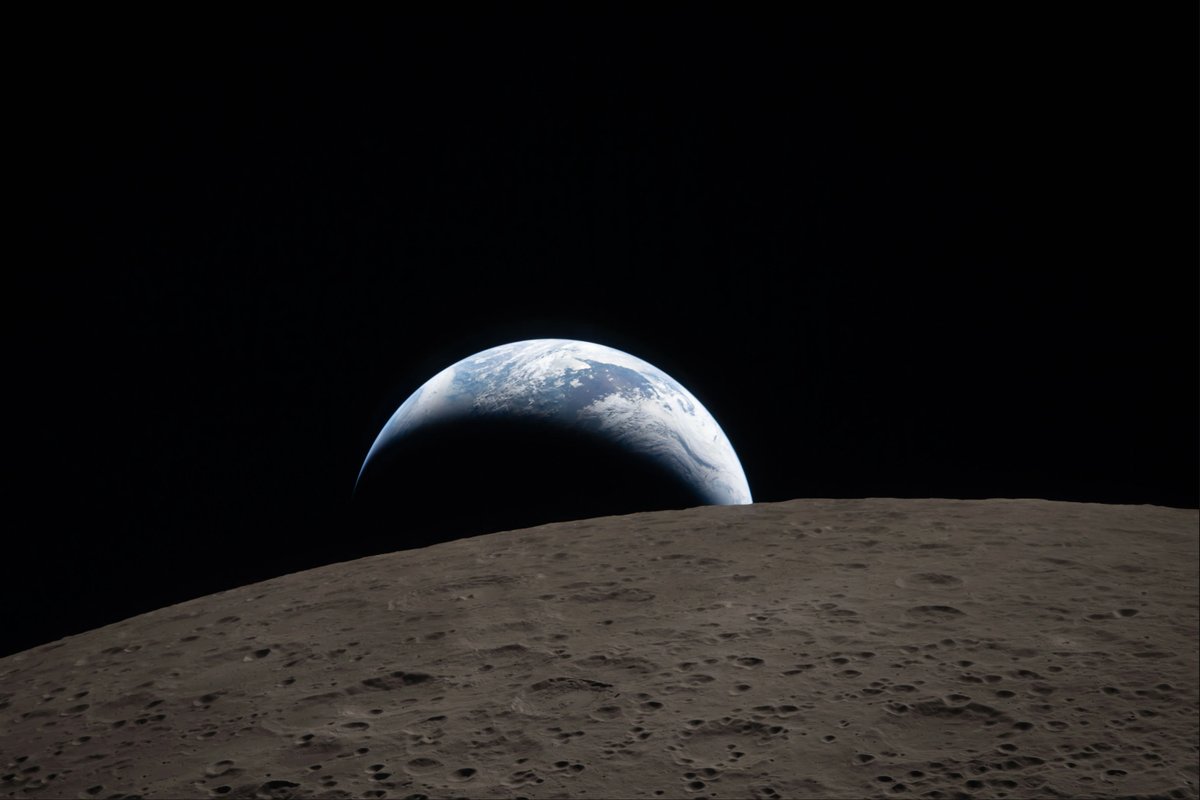
ALT Earth rises above the Moon\u2019s cratered horizon, appearing as a blue-and-white crescent against the blackness of space. The lunar surface in the foreground is gray and pitted with craters, stretching across the lower half of the image. Credit: NASA
5
12
554

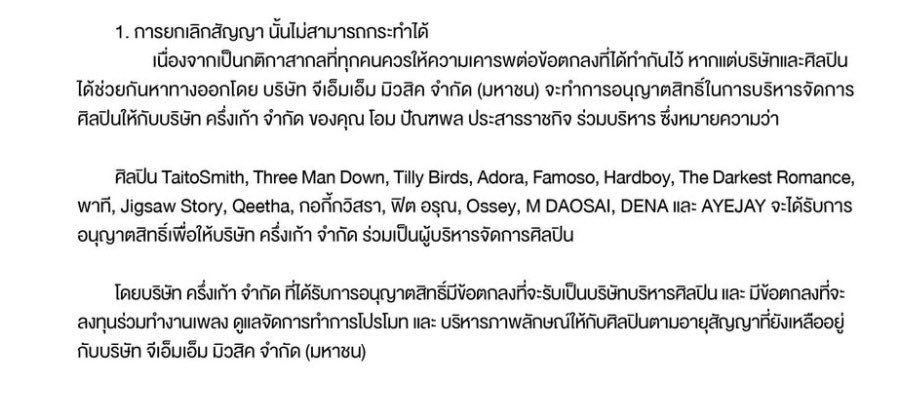
ถ้าเท่าที่เข้าใจ ในแถลงมีแค่ gmm ค่ายใหญ่ ยังถือสัญญาบางศิลปินแต่ให้ครึ่งเก้าเข้ามาดูแลแทนจนสัญญาหมด ครึ่งเก้าก็ดูแลโดยให้อยู่ค่ายใหม่เลย แต่ยังเป็นศิลปินของ gmm ที่ฝากดูแล ผลประโยชน์แบ่งยังไงก็ว่ากันไป / genelab ไม่มีคนเหลือแล้ว รอดูว่า gmm จะเริ่มต้นใหม่ยังไง หรือปิดตำนานไปเลย
2
246

ใช่ค่ะ Genelab เป็นค่ายในเคลือGMM Musicค่ะ สัญญาที่ศิลปินถืออยู่เป็นของgmmค่ะ ตอนนี้ก็ถือว่าออกมาอยู่ครึ่งเก้ากันแล้วค่ะ แต่ยังถือสัญญากับทางgmmอยู่ค่ะ
2
223
เท่าที่ไปอ่านและพยายามตีความมาอีกรอบ เท่ากับว่าตอนนี้ศิลปินทั้งหมดไม่ได้อยู่ค่าย genelab แล้ว
ไม่รู้ในเรื่องสัญญาต่างๆนะ ไม่เข้าใจเหมือนกัน แต่ ณ ตอนนี้คือ ไม่มี genelab ในทุกเรื่องละ
เหมือนว่าศิลปินยังมีสัญญากับ gmm คือตึกใหญ่ แต่ไม่ใช่ในนาม #genelab แล้ว #ครึ่งเก้าGROUP
2
621
gmm ในที่นี้ คือตึกใช่มั้ยครับ เมื่อกี้ผมก็ย้อนกลับไปอ่านมาอีกรอบ น่าจะประมาณว่า พูดง่ายๆคือถือสิทธิ์คนละครึ่งไปก่อน จนกว่าสัญญากับตึกจะหมด และ ในที่นี้ gmm ไม่ใช่ genelab ทุกศิลปินไม่ใช่ศิลปินของ genelab อีกแล้ว เท่ากับว่า ณ ตอนนี้ทุกศิลปินคืออยู่ค่ายใหม่กันแล้วทั้งหมด
1
1
558