ALT JK Flenory & Company, Building Organizations by Developing People.

ALT HR analytics unlocks workforce planning, engagement, and performance insights that directly impact the bottom line.

ALT Data Driven HR – Smarter Decisions, Better Outcomes

ALT Your HR data is full of hidden insights. JK Flenory & Company help turn metrics into decisions that improve performance, retention, and ROI.
ALT JK Flenory & Company, Building Organizations by Developing People.

ALT Recruitment Avoiding a single bad hire can save multiple times that employee’s annual salary.
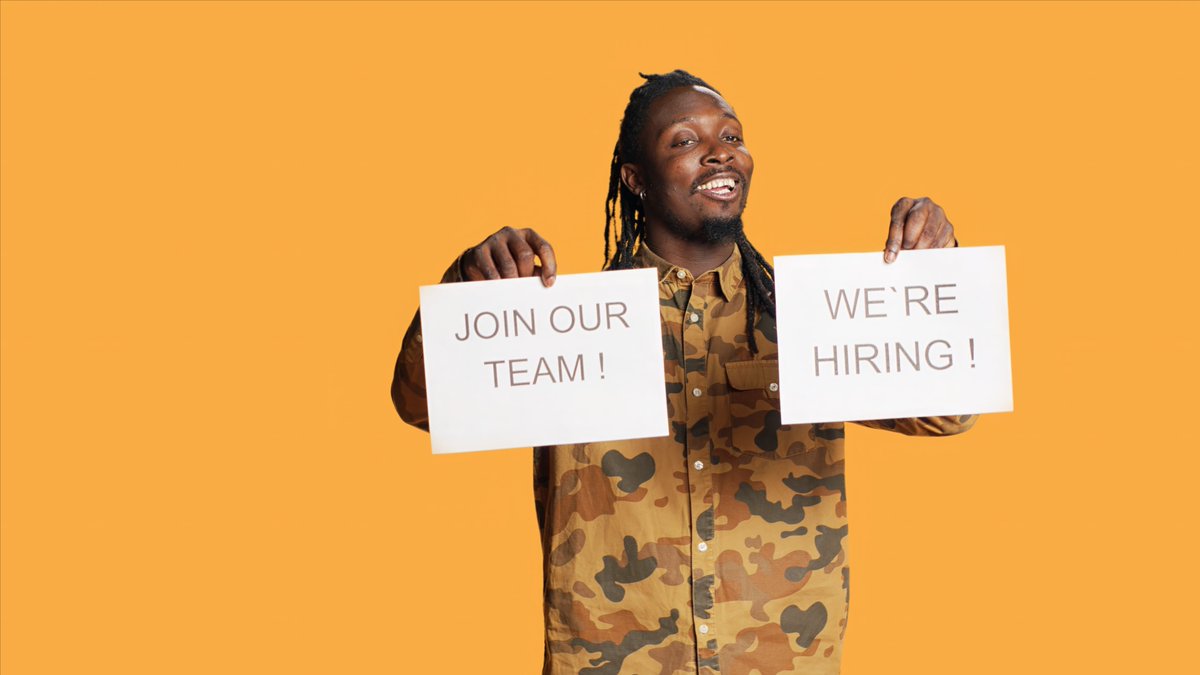
ALT Recruitment partner We partner with HR, CTOs, and business leaders to design recruiting processes, interview frameworks, and offers that attract and retain the right talent.

ALT Recruitment and Culture Recruiting is more than filling seats; it is building the future of your business. Smart hiring cuts costs, improves retention, and strengthens your culture.
ALT If you’re scaling quickly or replacing key roles, let’s talk about recruiting that is built for long term success. Contact JK Flenory and Company today: https://www.jkfcompany.com or (888) 209-7595 and ask for Marcellus.

ALT Investing in employee relationships pays dividends in productivity and morale.

ALT Positive employee relations are the heartbeat of culture.

ALT Engaged teams experience significantly less turnover and higher energy at work.
ALT ER of HR, Your Employee Relations Resource. ER of HR in the dynamic realm of HR, we expertly navigate through a spectrum of employee challenges, from straightforward to the intricate, all aiming to optimize your organization's efficiency and bottom-line profits.
ALT Automating and streamlining compliance reduces legal risk, avoids costly fines, and frees HR capacity for strategic work.

ALT JK Flenory Company supports policy reviews, documentation, ER of HR implementation, and EEOC aligned practices to safeguard your organization.

ALT Compliance is the silent guardian of your organization. Proactive HR compliance avoids fines, reduces legal risk, and protects your brand.
ALT Your Employee Relations (ER) Resource. ER of HR in the dynamic realm of HR, we expertly navigate through a spectrum of employee challenges, from straightforward to the intricate, all aiming to optimize your organization's efficiency and bottom-line profits.

ALT Performance management should align people with purpose, not just track ratings. Strong systems boost engagement, clarify expectations, and drive measurable results.

ALT Companies with strong performance management practices see higher revenue per employee and better goal achievement. It is one of the most under leveraged levers in HR.

ALT Performance Management – Aligning for Results. We help organizations move from once a year reviews to continuous performance enablement with feedback, coaching, and development that support real business outcomes.
ALT JK Flenory & Company Building Organizations by Developing People.














ALT "Greatness is not an accident. It is an attitude. Excellence begins in the mind. Every thought must be aligned with your goals and dreams." -Harry Petsanis #greatnessmindset #excellenceinmind #goalalignment #attitudeofsuccess #LifeCoach #Mindset #MindsetCoach #MindsetMentalist "Greatness Begins with the Right Mindset" by Harry Petsanis