

Jun 9
They were good with blackface
Good with gripping reporters as ( Kokanee grooper)
Good with why he left west pointe grey teacher job ( kid toucher)
Good with his college roommate running a pedo ring
Good with him stealing 100s millions
THEY dont care. It’s a cult party above al
23
914

Jun 3
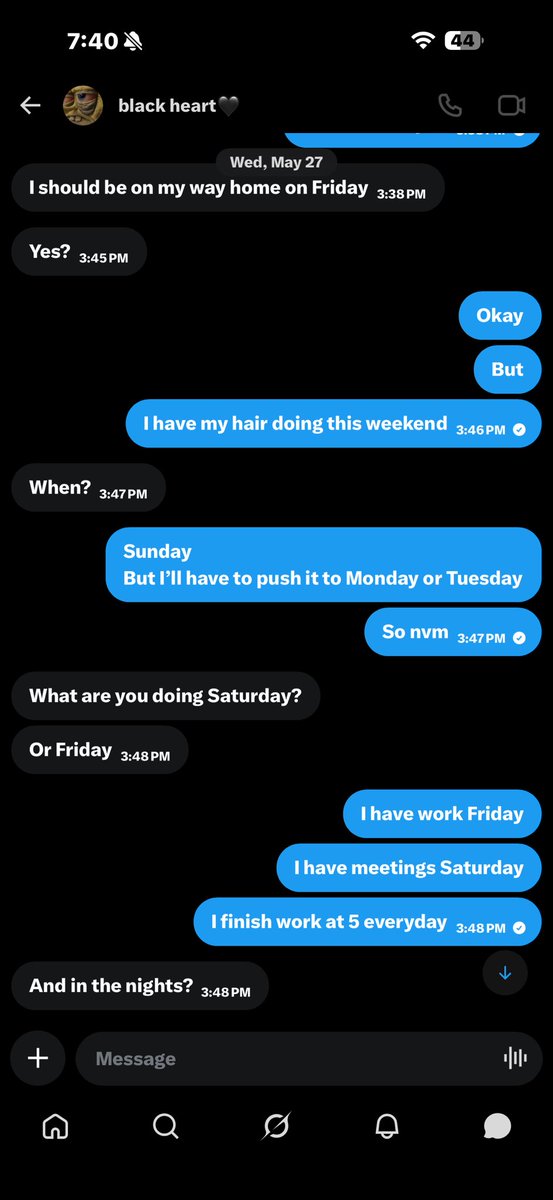
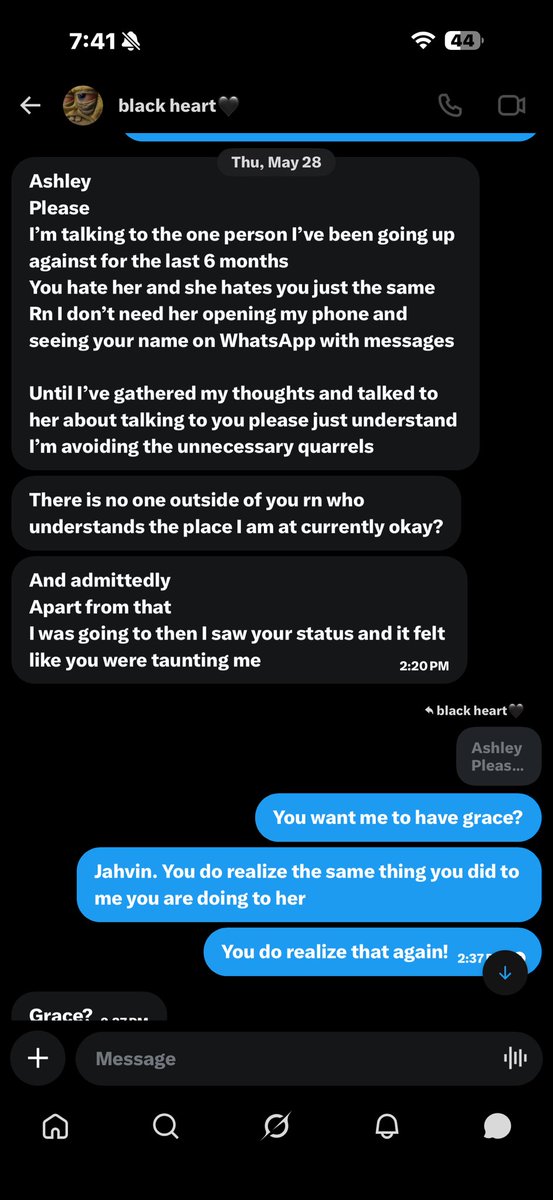
Anyways Jahvin I’m bored of these constant back and forth and every time you fuck up, I am going to class you. You and your groupie grooper can piss off and yall leave me tf alone. From last year June till now why unnu doh just breeze me bro
1
2,551


May 17
Why are republicans always falling for democrat Hoaxes fed ops et cetera. It's so fkd. this whole grooper movement, started by fed operation, january six a fed operation, that date boebert was on, He was a open democrat.
We never f learn.
3
46



Mar 3
Captive Fuentes Wu Mutant Pavlou Hildawg Bronze Hopping Hegseth 666 IQ jewchad Liu Hapa Hyper Booboorean El Groyper Age El Golden Age Le West Epic Rapist Gooper Grooper Libs Taking Ls!!!!!

1
7
141

Jan 9
That's a Paul Town/Grooper artifact. I wouldn't fw those niggas, they're malevolent beings.
2
86

Jan 1
Publix Grooper and the filet mignon that were on sale and Chinese dumplings
2
29


27 Dec 2025
TFW you find out your Gropper is somebody else's Grooper
1
1
9
560

16 Dec 2025
Now you got a Goliath grooper wanting to eat your whole ass staring at you from half a foot away.
2
1
39
566

1 Dec 2025
“A quasi middle conception of this matter, invented by M. Bucero, was accepted by some important Catholic apologists, like Pigge and Grooper in Germany, Catarinus and especially Seripandus in Italy. According to this explanation, our justification consists not alone in the fact that the justice of Christ is imputed to us extrinsically; but also not alone in the fact that a certain justifying form is given to us intrinsically, that is, our justice. Certainly these doctors thought that both forms of justice are essentially required (both our justice and the justice of Christ) in our justification, and that we are justified formally at the same time by both of them. Surely our justice is required as a certain form inhering intrinsically in us. But because our justice is always imperfect, the justice of Christ is also required, which is imputed to us and so acts as a kind of extrinsic form of our justification. Some theologians at the Council of Trent defended this opinion — especially Seripandus during the general congregation on October 8, 1546. On this occasion, the question for debate was proposed to the official theologians, which Seripandus himself formulated thus: “Whether a justified man before the divine tribunal is to be judged only on the basis of his inherent justice or on the basis of the works done with grace, or whether with this inherent justice he also has need of the mercy of God and the justice of Christ, that is. His merit and His passion, whereby the defect of his own justice is corrected; this justice of Christ is not communicated totally to all, but according to the divine dispensation or according to the measure of each one’s faith and charity.” Some theologians defended the necessity of imputed justice in addition to inhering justice, but most of them rejected it; the leader of the latter group was I. Lainez who totally refuted the theory with twelve arguments: namely, because it would take away merit, pervert true justification, satisfaction and purgatory, the providence of God, inherent justice itself, in addition to the fact that it would be a novel opinion and vitiated by its base origin. After the question had been fully discussed, the theory of the twofold formal justice was rejected by the Council with these words: “the single formal cause is the justice of God, not (that) by which he himself is just, but (that) by which he makes us just” (D 1529).”
- STS IIIB.
2
124

7 Nov 2025
If a groyper is also a boomer does that make him a grooper?
2
46


What are real-life examples of how LLMs are reshaping businesses? How are we at Grooper using LLMs every day?
Get all your LLM questions answered here:
na2.hubs.ly/H01FRvR0
#ai #artificialintelligence #grooper #llm #workflow

ALT llm ai
2
36

10 Oct 2025
HBD eldinian grooper


15
226

Transform the way you process documents with AI!
Reserve your spot today and unlock new levels of efficiency and accuracy with Grooper AI!
na2.hubs.ly/H01nLmJ0
#Grooper #Automation #AI #Software #Process #Solution

ALT ai extraction tool
1
2
44