
Environmental hazards are everywhere—from polluted air to chemical exposure and extreme weather.
Learn practical safety measures that help protect your health, family, and community.
#EnvironmentalSafety #HealthProtection #PollutionAwareness
strengthprotection.com/envir…
1
7

Jun 12
Supplemental insurance helps add another layer of financial protection when medical costs add up unexpectedly.
👉 Let us help you add extra protection: zurl.co/3xwwG
#SupplementalCoverage #HealthProtection #GapCoverage


How prepared are you for a health emergency?
Unexpected medical situations can happen anytime. Stay informed, know your options, and protect your loved ones.
Take the first step with GetMedicalPlan.
Link in Bio
#GetMedicalPlan #HealthProtection
5

Jun 11
🐾 GRASSMONSTER SAYS: Official figures show salmonella infections in England reached 10,406 confirmed cases in 2025, the highest level in a decade, while campylobacter remained stubbornly high. Food safety is rarely glamorous, but it saves a great deal of misery. #Salmonella #FoodSafety #PublicHealth #HealthProtection
1
5

Jun 9
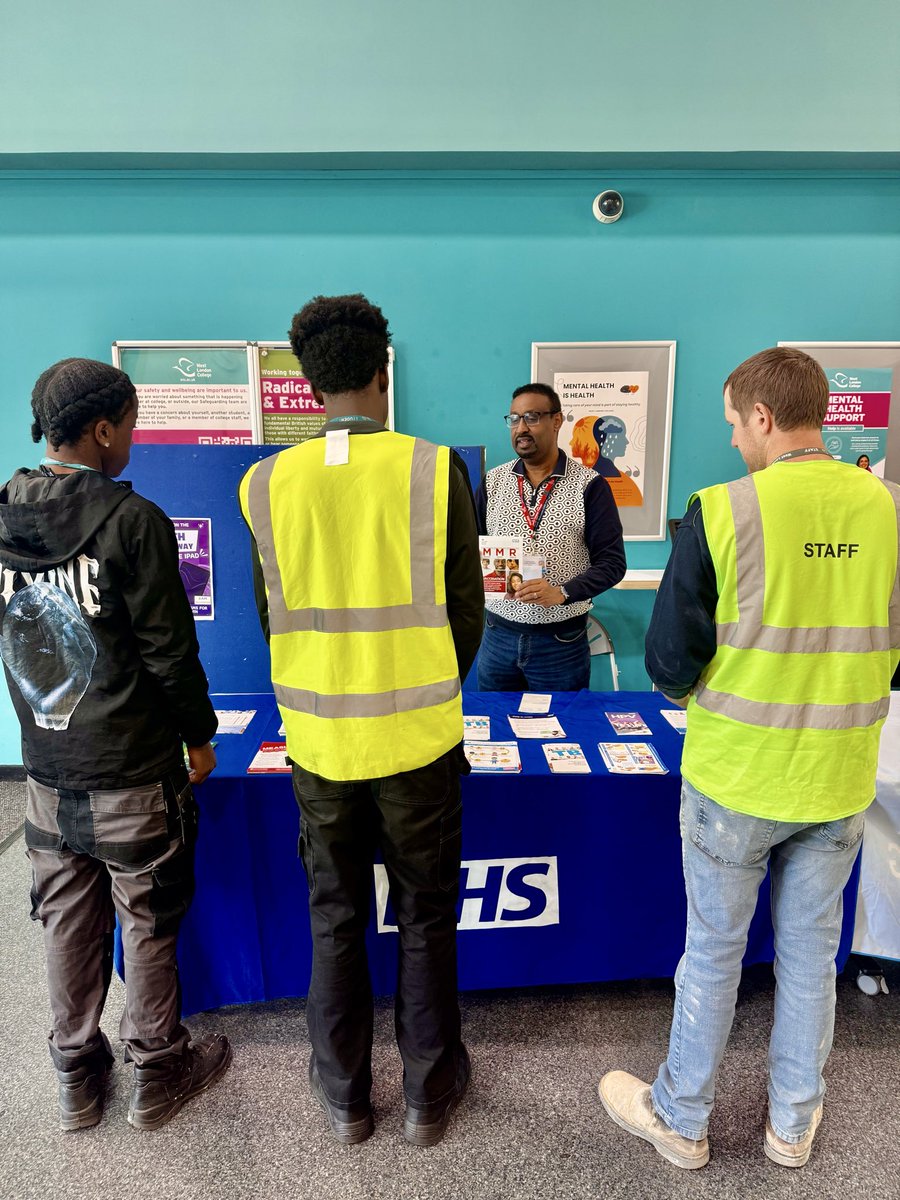
Join us today at Southall College, 10am–1pm, for our Health Protection Stall. Promoting health, wellbeing and community support. #HealthProtection #Southall @EalingSmokefree @EalingCouncil @EalingWellbeing @EalingPartners @westlondonnhs
5
40

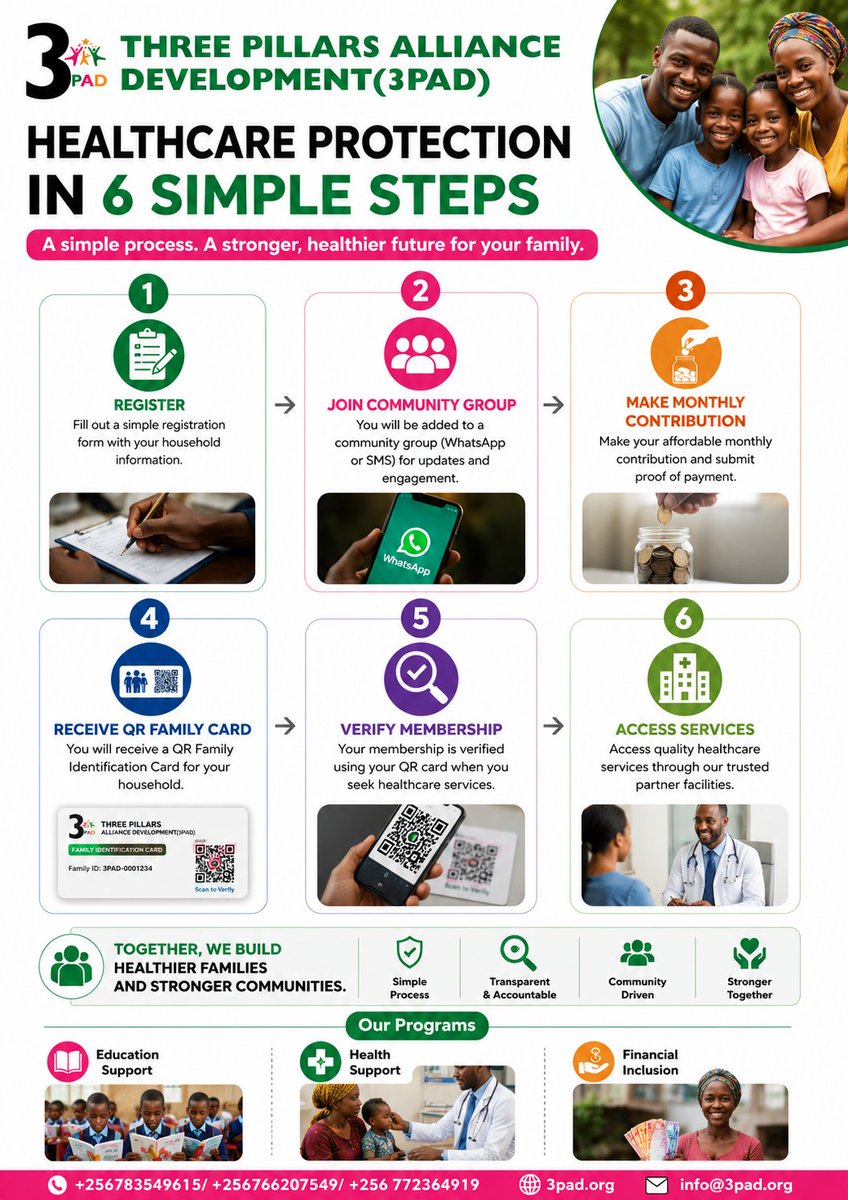
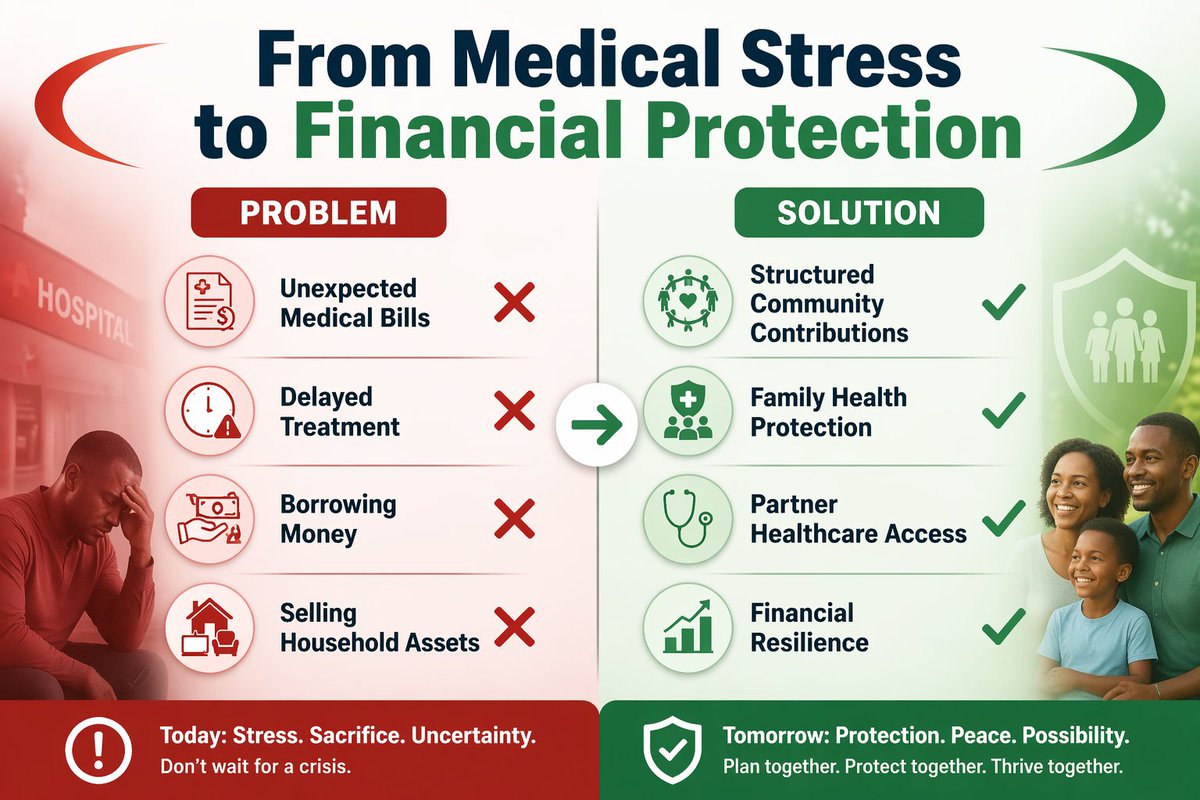
Healthcare Protection in 6 Simple Steps 🏥
1️⃣ Register
2️⃣ Join Community Group
3️⃣ Contribute Monthly
4️⃣ Receive QR Family Card
5️⃣ Verify Membership
6️⃣ Access Services
Simple. Transparent. Community Driven.
#3PAD #CommunityHealth #Uganda #HealthProtection #StrongerCommunities
3

It's important to look after your #SexualHealth and #GetTested regularly for #STIs if you didn't #UseComdoms especially with new or casual partners
#WestMidlands people including #HealthProtection and #PublicHealth partners can get information about genital herpes in our blog

📈 Genital herpes cases are rising, with a 3.1% increase reported in England between 2024 and 2025. It’s a common STI, and many people have no symptoms.
You can catch it through skin-to-skin contact like touching or rubbing, so it can be passed on without having penetrative sex.
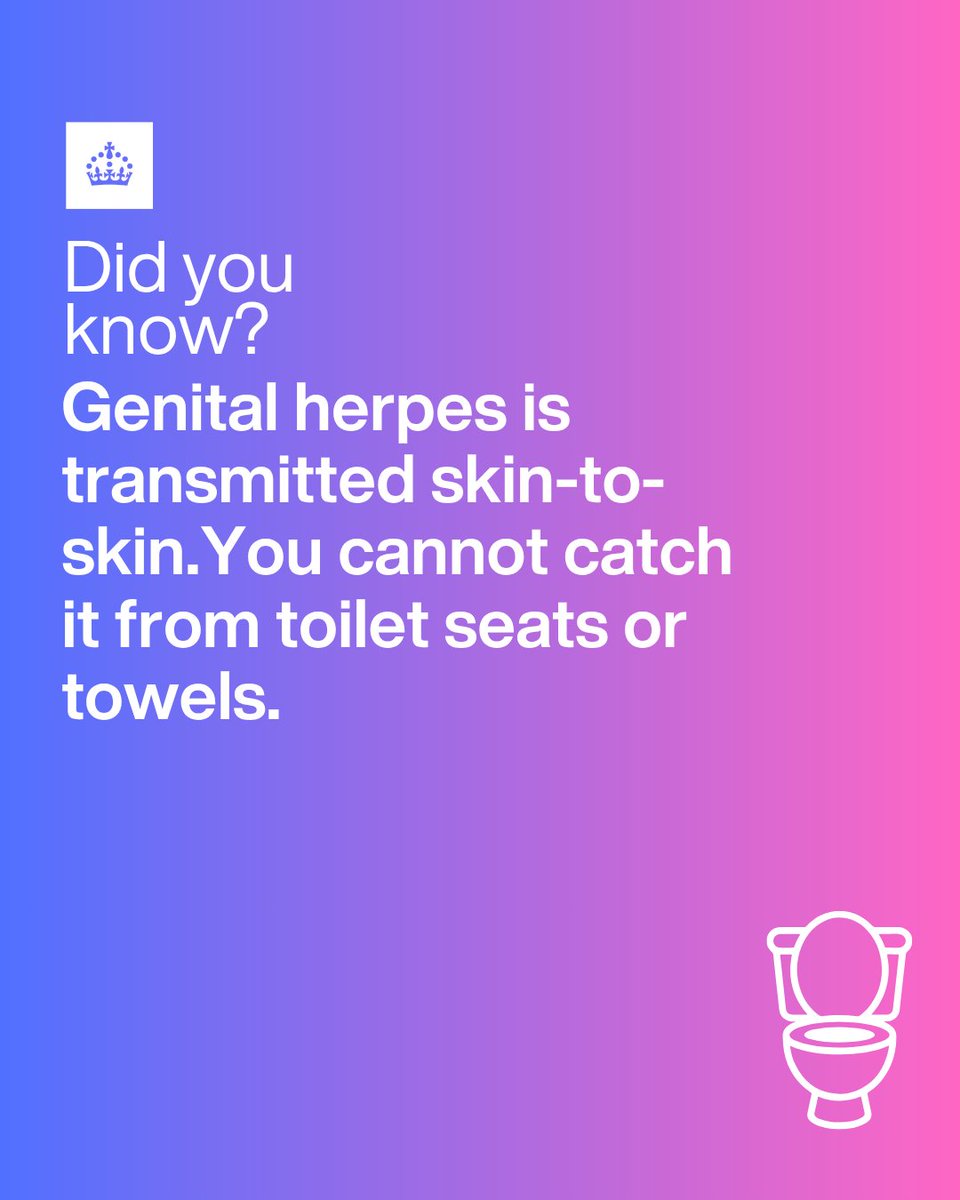
ALT Did you know? Genital herpes is transmitted skin-to-skin. You cannot catch it from toilet seats or towels.
75

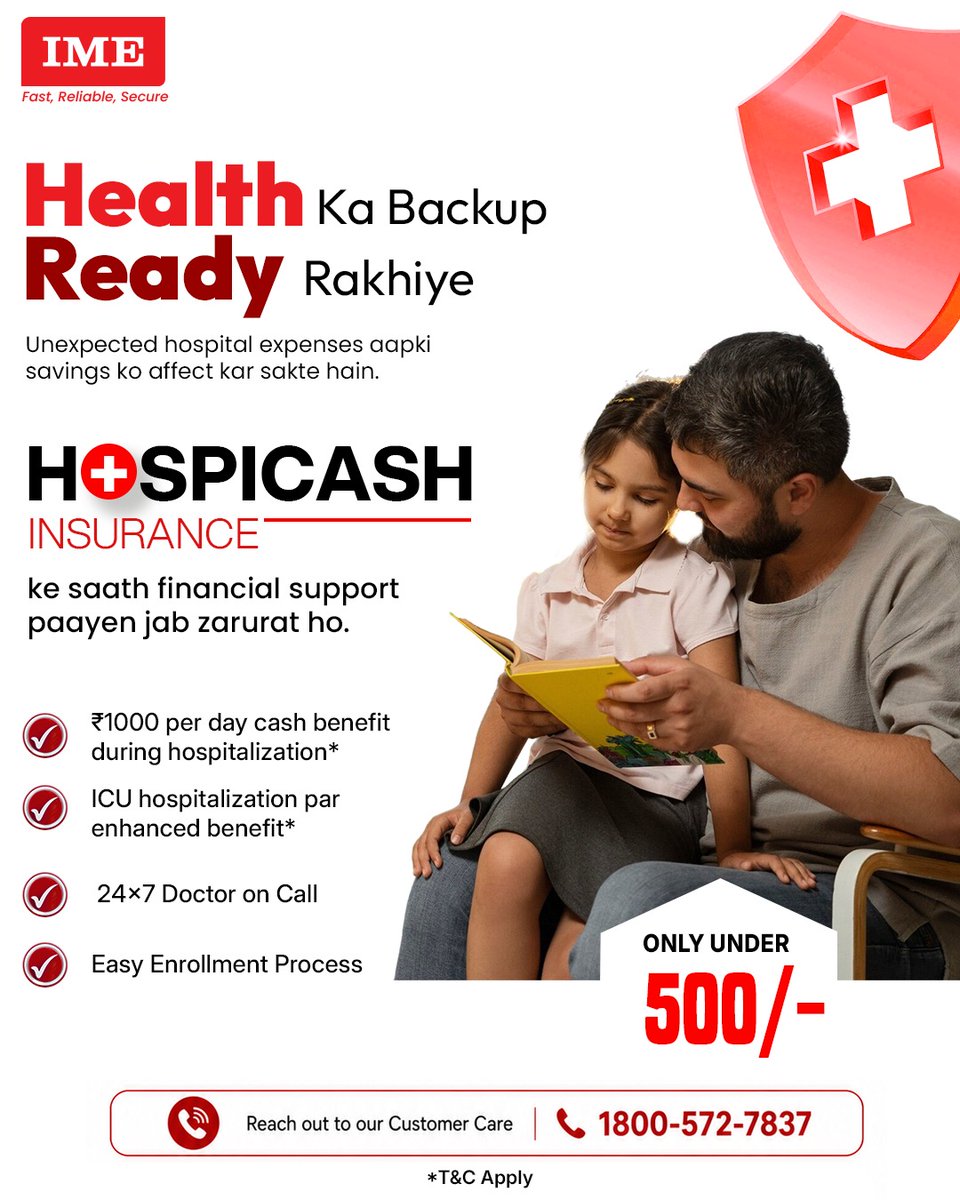
📷 Hospitalization ke kharchon ki chinta kam, recovery par dhyaan zyada!
Aaj hi apni aur apne parivaar ki suraksha sunishchit kijiye.
@socialime22
#IME #HospiCash #HealthProtection #FinancialSecurity #HospitalCash #HealthInsurance #FamilyProtection #Healthcare #SecureFuture
5

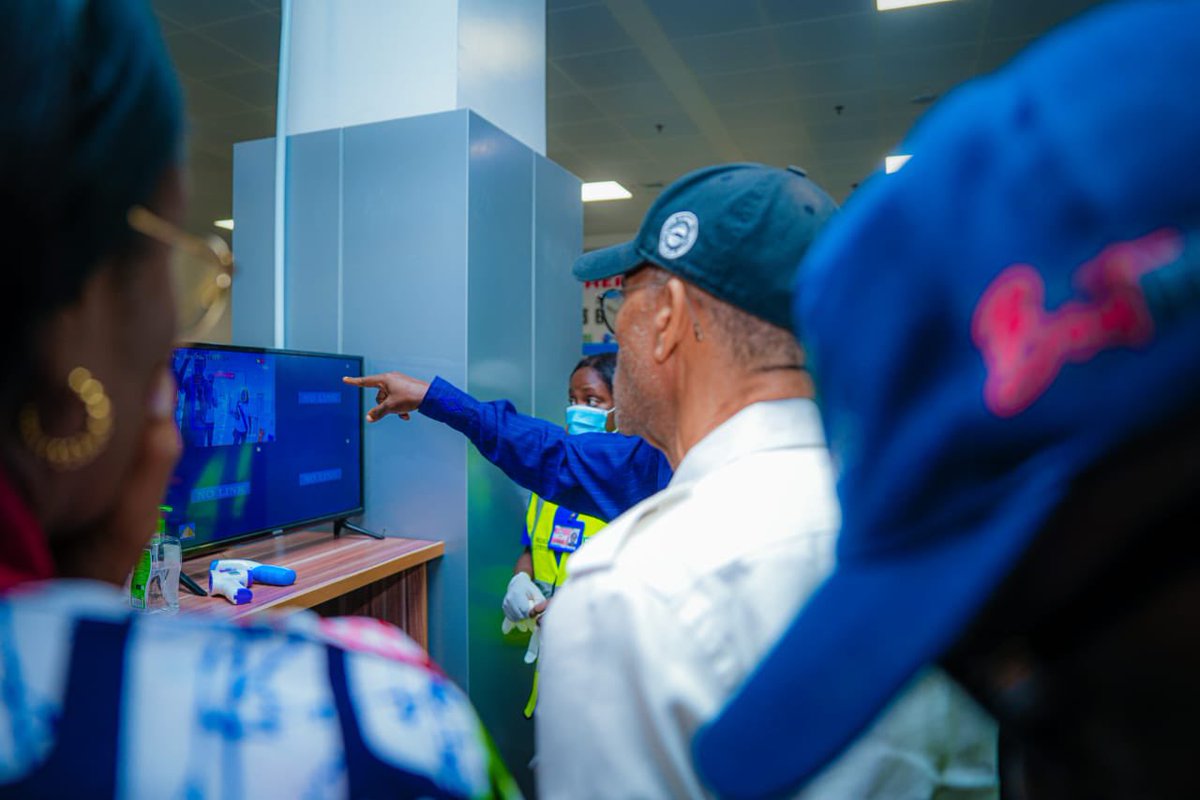
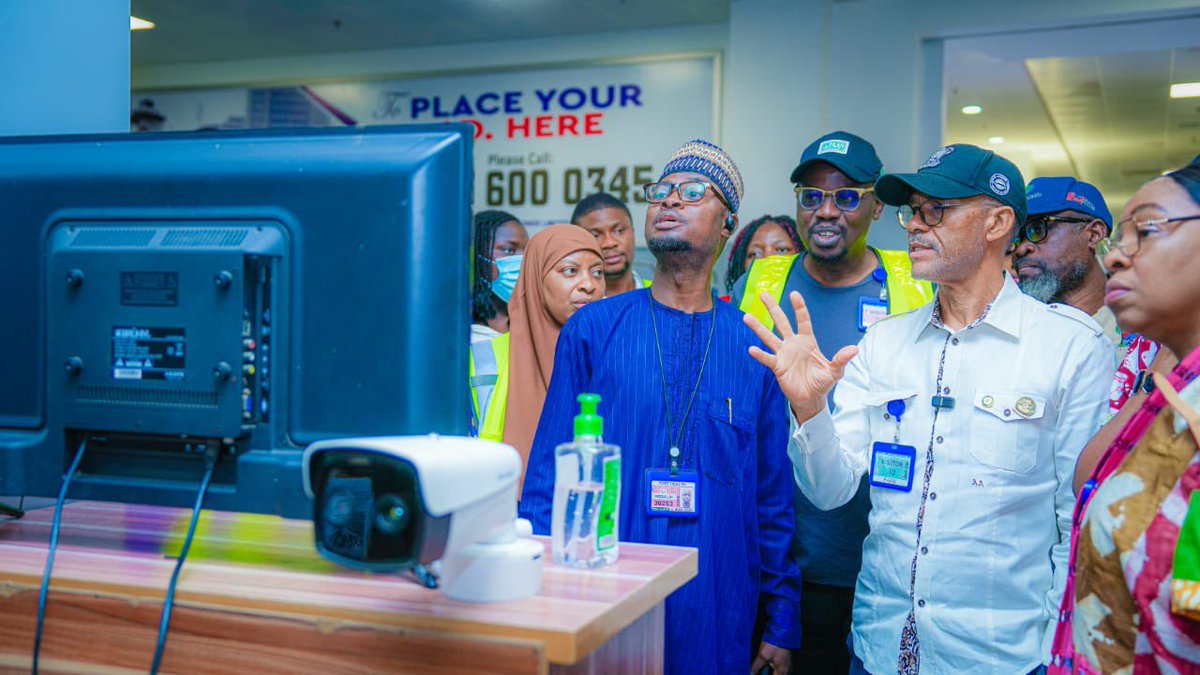
International points of entry, specifically our airports are the absolute frontlines of infectious disease control. What happens at these entry points determines the profile of the impact of imported pathogens capable of causing disease outbreaks.
With the rising concerns of the Ebola Virus Disease (EVD) outbreak in East Africa, Lagos State has firmly anchored its bioshield strategy on heightened monitoring and absolute vigilance at points of entry like the Murtala Muhammed International Airport (MMIA). This underscores the critical necessity of our recent high-level collaborative visit to the airport.
Lagos EVD Risk and The MMIA Factor
Lagos carries an elevated importation risk and an outsized amplification potential for the following reasons:
• MMIA handles over 70% of Nigeria’s inbound passenger traffic. Lagos maintains multiple weekly flight connections from countries in the vicinity of the epicentre.
• As West Africa's busiest airport, any breach in Lagos raises a severe concern for secondary spread to neighboring West African countries.
• A high proportion of passengers originating from East and Central Africa transit making them inherently harder to trace.
• With a population pushing 30 million, a single undetected importation could rapidly spread into the community.
The Nature of the Current Outbreak
• The specific Bundibugyo Ebola strain currently circulating in East Africa lacks a vaccine or specific treatment, making prevention our ultimate defence.
• EVD has a long incubation period of up to 21 days. Asymptomatic passengers can easily pass standard thermal screenings and enter the community before showing signs.
Furthermore, early symptoms mimic common illnesses like malaria, flu, or gastroenteritis, bleeding only occurs in the late stages.
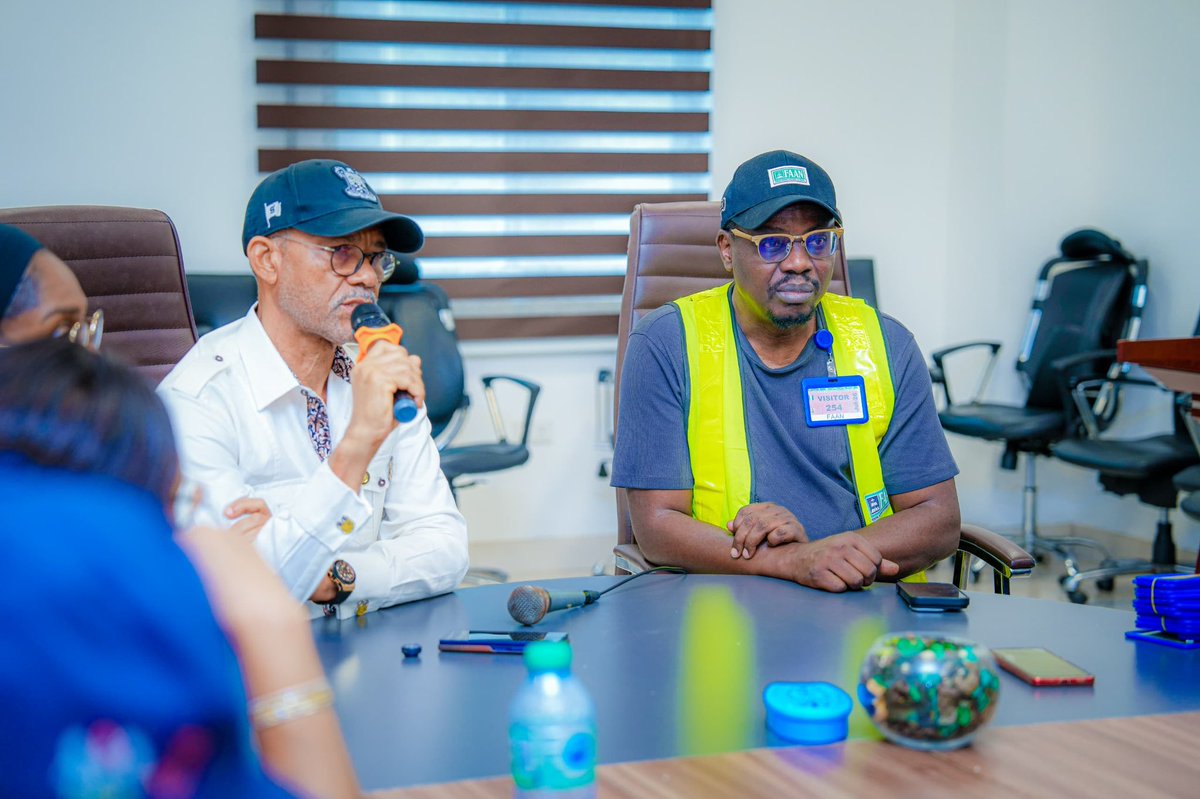
Our collaborative engagement with the MMIA airport team is crucial in aligning field operations at the airport with Lagos State’s broader biosecurity goals.
We are actively synchronizing readiness protocols and fine-tuning epidemiological data-sharing mechanisms. This ensures that if a passenger of interest lands, rapid downstream contact tracing and tightened surveillance are activated instantly.
#ForAGreaterLagos #PublicHealth #EbolaPreparedness #HealthSecurity #MMIA #LagosState #EmergencyPreparedness #OneHealth #HealthProtection

11
18
1,203
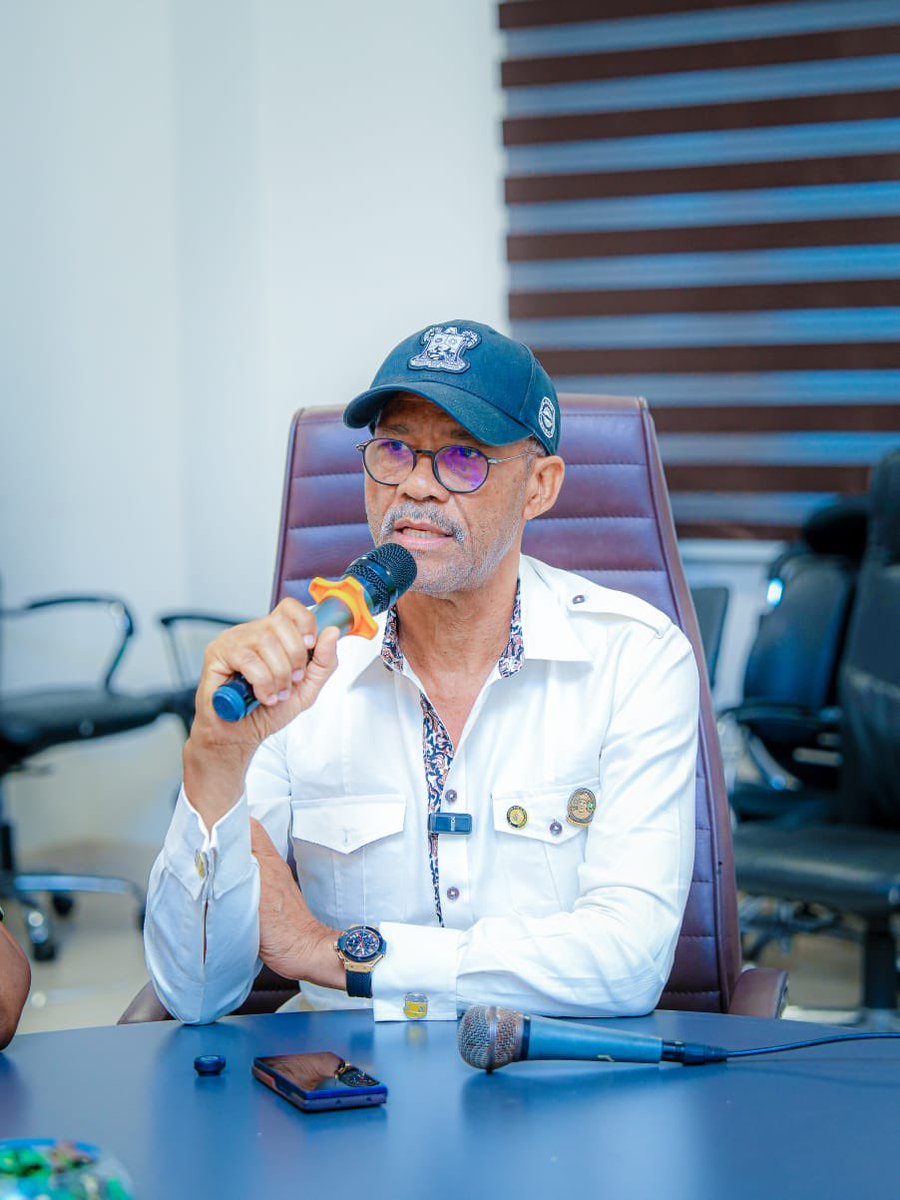
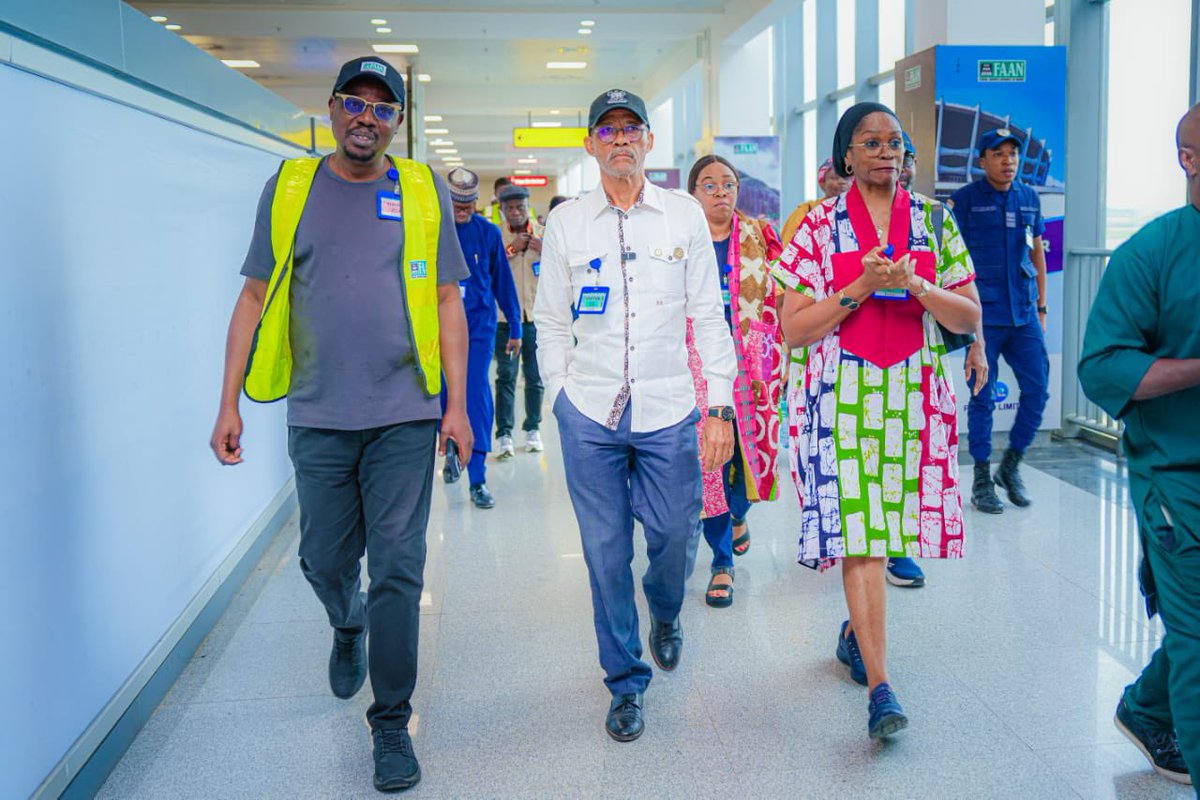
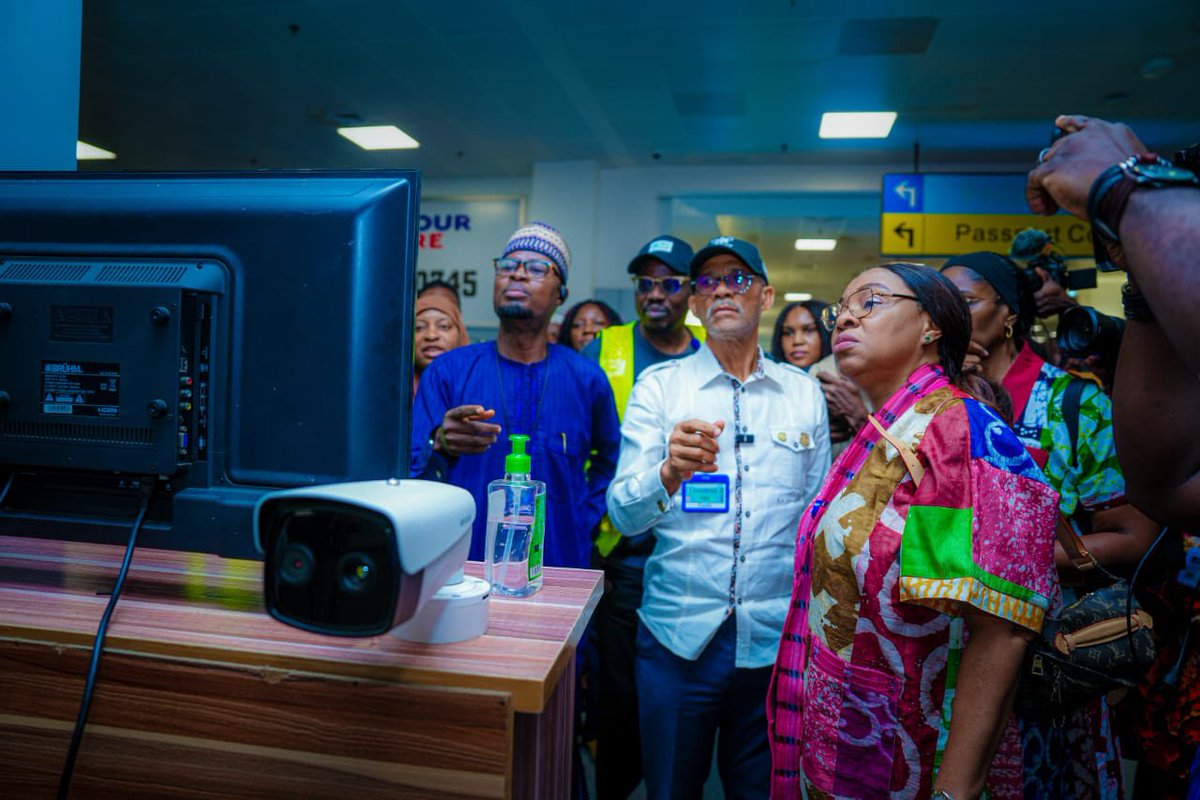
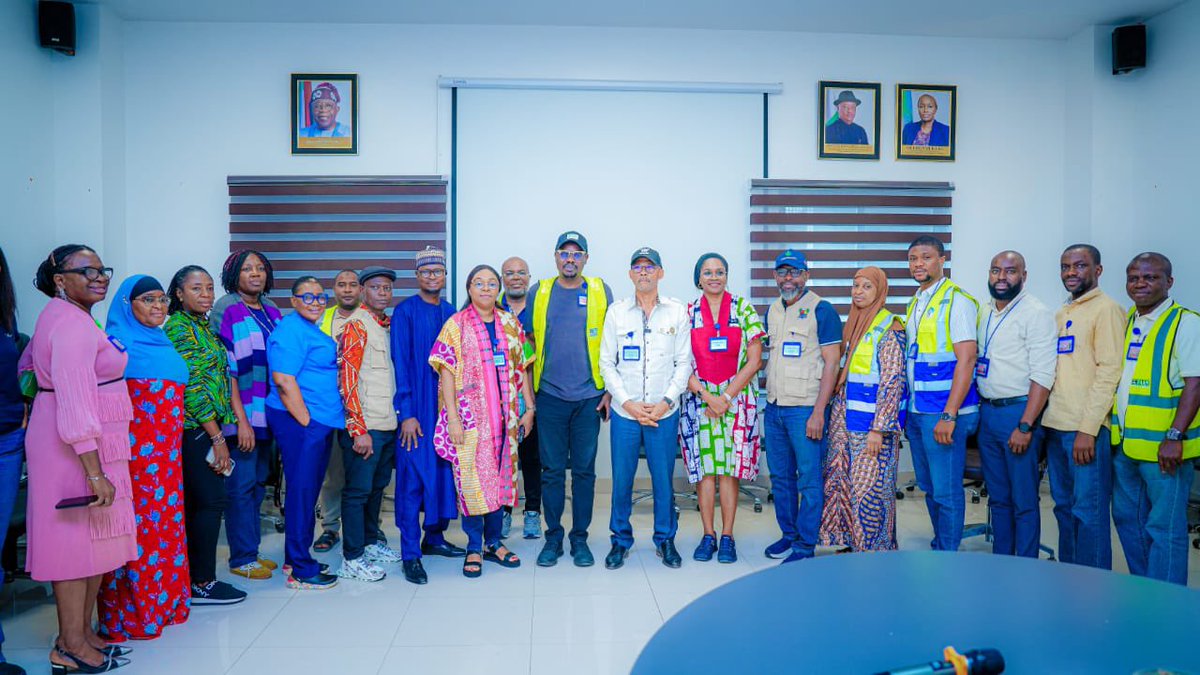
On Saturday, I led a high-level preparedness assessment visit to Murtala Muhammed International Airport (MMIA), Lagos, as part of our ongoing efforts to strengthen the State’s readiness against Ebola Virus Disease (EVD) and other emerging public health threats.
The visit brought together key stakeholders including Port Health Services, airport authorities, the Nigerian Civil Aviation Authority (NCAA), Border Health Services, epidemiologists, public health experts, and other partners responsible for safeguarding our points of entry.
Our discussions focused on ensuring that Lagos remains fully prepared to prevent, detect, and respond rapidly to any suspected case entering through our international gateways.
Key areas reviewed included:
• Passenger screening and surveillance systems at points of entry.
• Early warning and notification mechanisms between airlines, Port Health Services, airport authorities, and the Lagos State Government.
• Isolation and case management procedures for suspected cases.
• Contact tracing and passenger monitoring systems.
• Infection Prevention and Control (IPC) measures and availability of Personal Protective Equipment (PPE).
• Risk communication and public awareness activities.
• Emergency response coordination among federal, state, and airport stakeholders.
• Capacity building and continuous training of frontline personnel.
We received updates on ongoing preparedness activities, including the activation of emergency response structures, enhanced surveillance measures, stakeholder sensitisation, public awareness campaigns, and the strengthening of screening processes for travellers arriving from countries of concern.
Particular attention was given to the procedures for managing symptomatic passengers during flights and upon arrival, including advance notification by airlines, rapid response protocols, designated screening areas, isolation arrangements, and safe referral pathways.
We also reviewed infrastructure and operational readiness at the airport, including the deployment of additional screening equipment, contactless sanitisation facilities, and emergency response resources.
One of the major outcomes of the visit was the reaffirmation of strong collaboration between Lagos State, Federal Government agencies, Port Health Services, aviation authorities, airport operators, and development partners. We agreed on the need for continuous information sharing, harmonised standard operating procedures, regular simulation exercises, and sustained preparedness efforts.
Next Steps:
✓ Strengthen surveillance and screening activities at MMIA and other points of entry.
✓ Continue training and capacity building for frontline personnel.
✓ Enhance interagency coordination and information sharing.
✓ Ensure readiness of isolation, referral, and emergency response systems.
✓ Intensify public health communication and traveller awareness activities.
✓ Conduct ongoing preparedness assessments and simulation exercises.
Lagos has successfully confronted major public health threats in the past, including Ebola and COVID-19. The lessons learned from those experiences continue to guide our preparedness efforts today.
I commend all agencies and stakeholders for their commitment, professionalism, and vigilance. While there is currently no cause for panic, there is every reason for preparedness.
The health and safety of Lagosians remain our highest priority, and we will continue to take all necessary measures to protect our people and maintain Lagos as a safe, resilient, and globally connected city.
#ForAGreaterLagos #PublicHealth #EbolaPreparedness #HealthSecurity #MMIA #LagosState #EmergencyPreparedness #OneHealth #HealthProtection
1
6
16
1,206
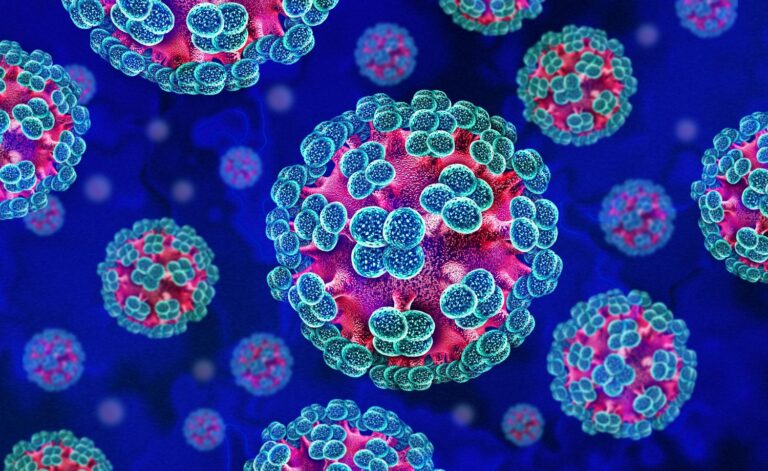
We're working with #PublicHealth and #HealthProtection partners internationally to support work to manage the outbreak of #Hantavirus on a cruise ship
#WestMidlands people who want more information can read our blog:
bit.ly/HantavirusBlog
@NaTHNaC
1
2
2
99

Apr 28
🛡️ Protect What Matters Most, your family deserves safety, care, and peace of mind. With Baraka Insurance Family Coverage, you’re always prepared for life’s unexpected moments.
✔️ Medical & Hospital Coverage
✔️ Emergency Support
✔️ Affordable Family Plans
✔️ Fast & Easy Claims Process
Why Choose Baraka Insurance?
Trusted Takaful (Sharia-Compliant) Insurance
Wide Network of Hospitals
Reliable & Customer-Focused Service
Email: info@barakatakaful.com
Website: barakatakaful.com/
#BarakaInsurance #HealthProtection #PeaceOfMind #FamilyCare #BarakaTakafulInsurance

2
15

Apr 20
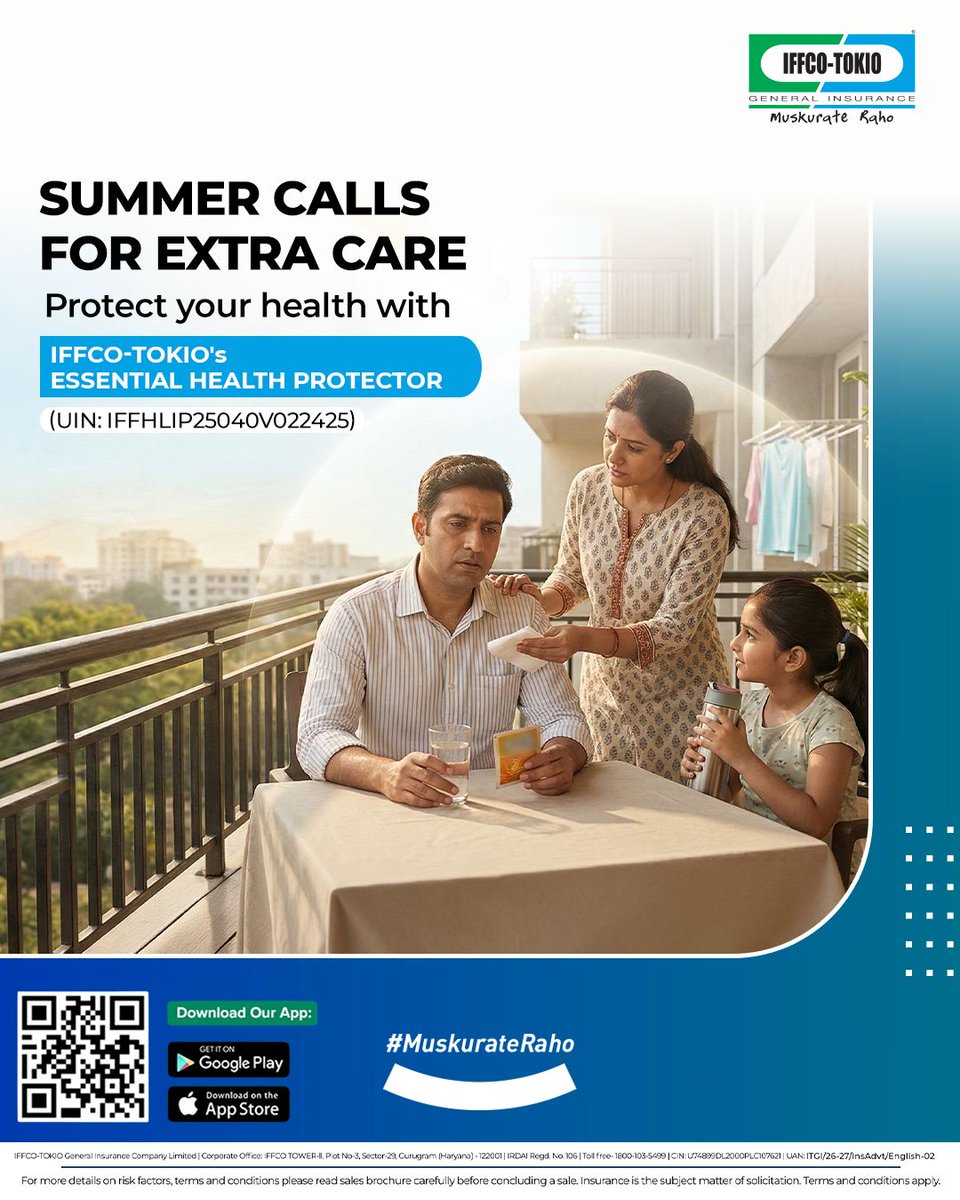
Summers bring more than just heat, they bring health risks, often accompanied by medical bills you didn’t plan for. IFFCO-TOKIO’s Essential Health Protector covers hospitalization and medical emergencies, so sudden health scares don’t turn into financial stress.
Stay cool. Stay covered. Click to know more: bit.ly/3LSwzAY
#IFFCOTOKIO #MuskurateRaho #HealthInsurance #SecureYourFuture #HealthCare #Wellness #HealthProtection #SummerHealth
1
5
25
243

Nishan appointed HPA’s Director General see.mv/104578?utm_source=dlv… #PublicHealth #HealthProtection #DirectorGeneral
1
780

Apr 13
Songkran may be in full swing, but the weather is turning harsher across much of the country.
The Meteorological Department has warned of extreme heat, hazy skies and rising dust levels, with some areas set to see temperatures hit 42C.
And that is not the end of it. Summer storms, strong winds and hail are expected to follow in the days ahead, adding another layer of risk for travellers and revellers.
#TheNation #TheNationThailand #WeatherUpdate #Songkran2026 #HealthProtection
nationthailand.com/news/gene…
468
CSC: HPA’s Director General vacancy will be filled within this month see.mv/104506?utm_source=dlv… #DirectorGeneral #PublicHealth #HealthProtection
342
Apr 8
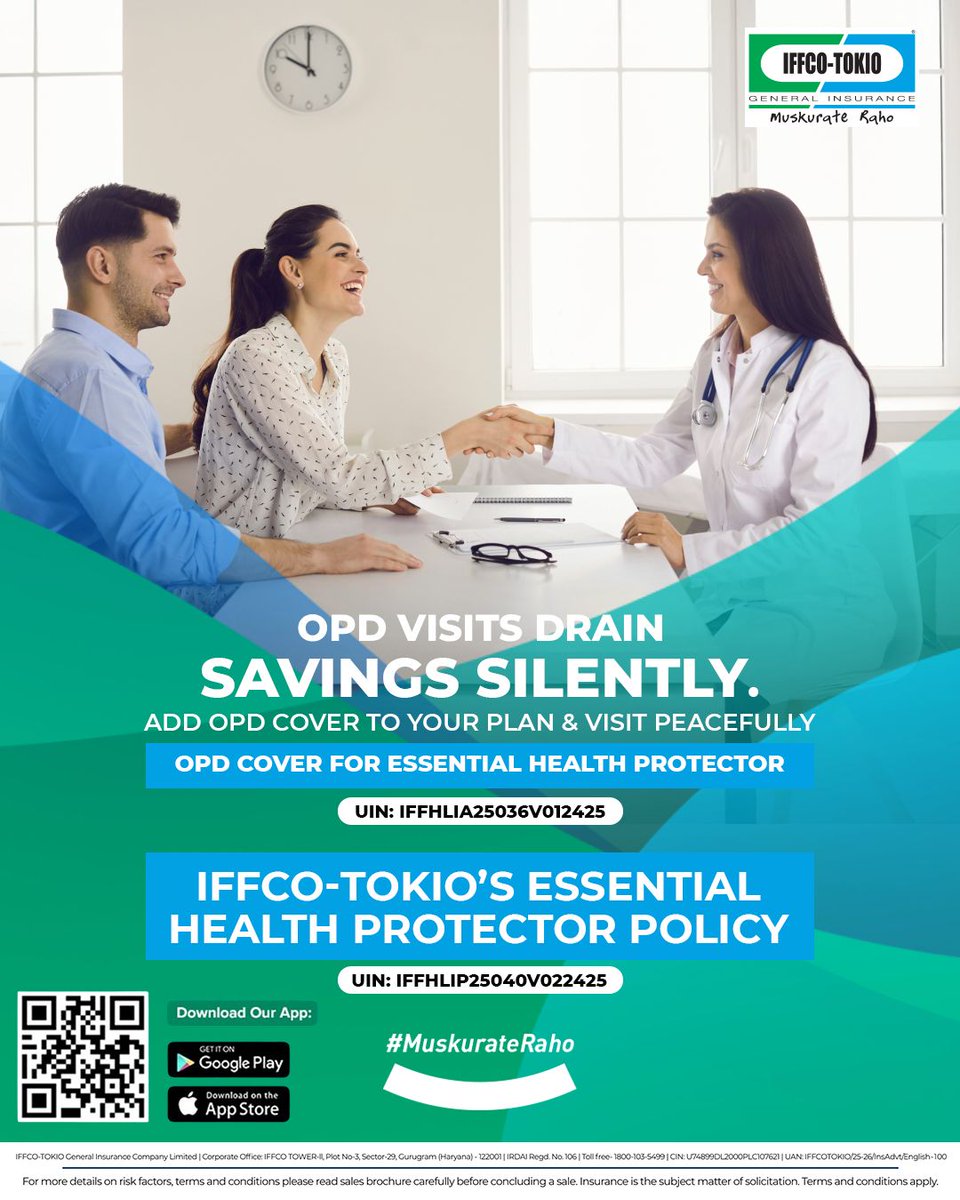
Routine OPD expenses for consultations, medicines, tests, and follow-ups may seem small individually, but together they can quietly impact your savings.
With IFFCO-TOKIO’s Essential Health Protector Policy, add OPD cover for doctor consultations, diagnostics, and medicines so regular healthcare stays manageable, not stressful.
Visit your doctor with peace of mind.
Click to know more: bit.ly/3LSwzAY
#IFFCOTOKIO #MuskurateRaho #HealthInsurance #OPDCover #EssentialHealthProtector #HealthProtection #FinancialProtection
2
11
223

Scientists Discover Simple Saliva Test That Reveals Hidden Diabetes Risk
cc @Nanoappsm @cellrepair777 @tantriclens
#NanoApps #Research #SDGs #Science #HealthProtection #HealthMed #Diabetes #Diagnose
nanoappsmedical.com/scientis…
3
3
7
195
One Nasal Spray Could Protect Against COVID, Flu, Pneumonia, and More
cc @Nanoappsm @cellrepair777 @tantriclens
#NanoApps #Research #SDGs #Science #COVID #Flu #Pneumonia #NasalSpray #HealthProtection #HealthMed
nanoappsmedical.com/one-nasa…
1
3
7
269
Scientists Discover Simple Saliva Test That Reveals Hidden Diabetes Risk
cc @Nanoappsm @cellrepair777 @tantriclens
#NanoApps #Research #SDGs #Science #HealthProtection #HealthMed #Diabetes #Diagnose
nanoappsmedical.com/scientis…
3
6
207