
22 Dec 2025
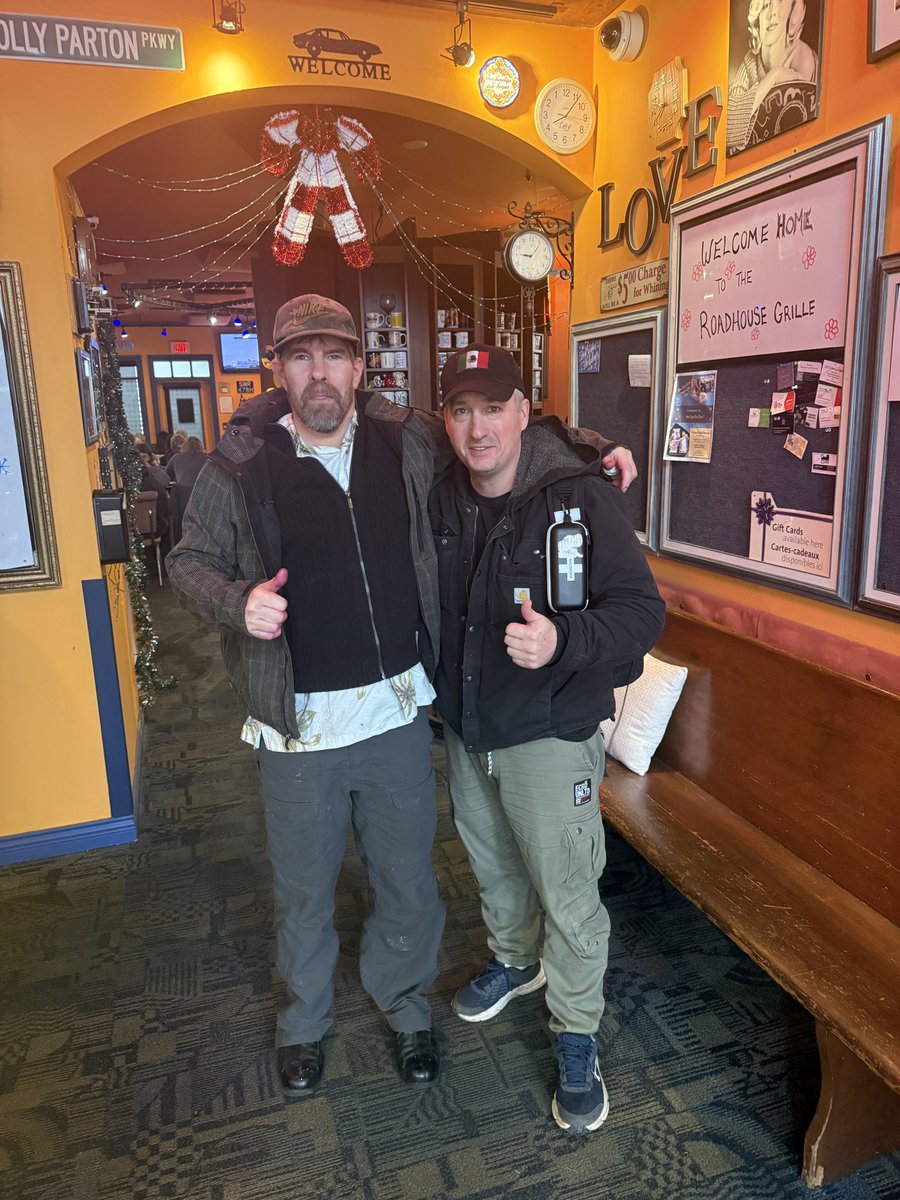
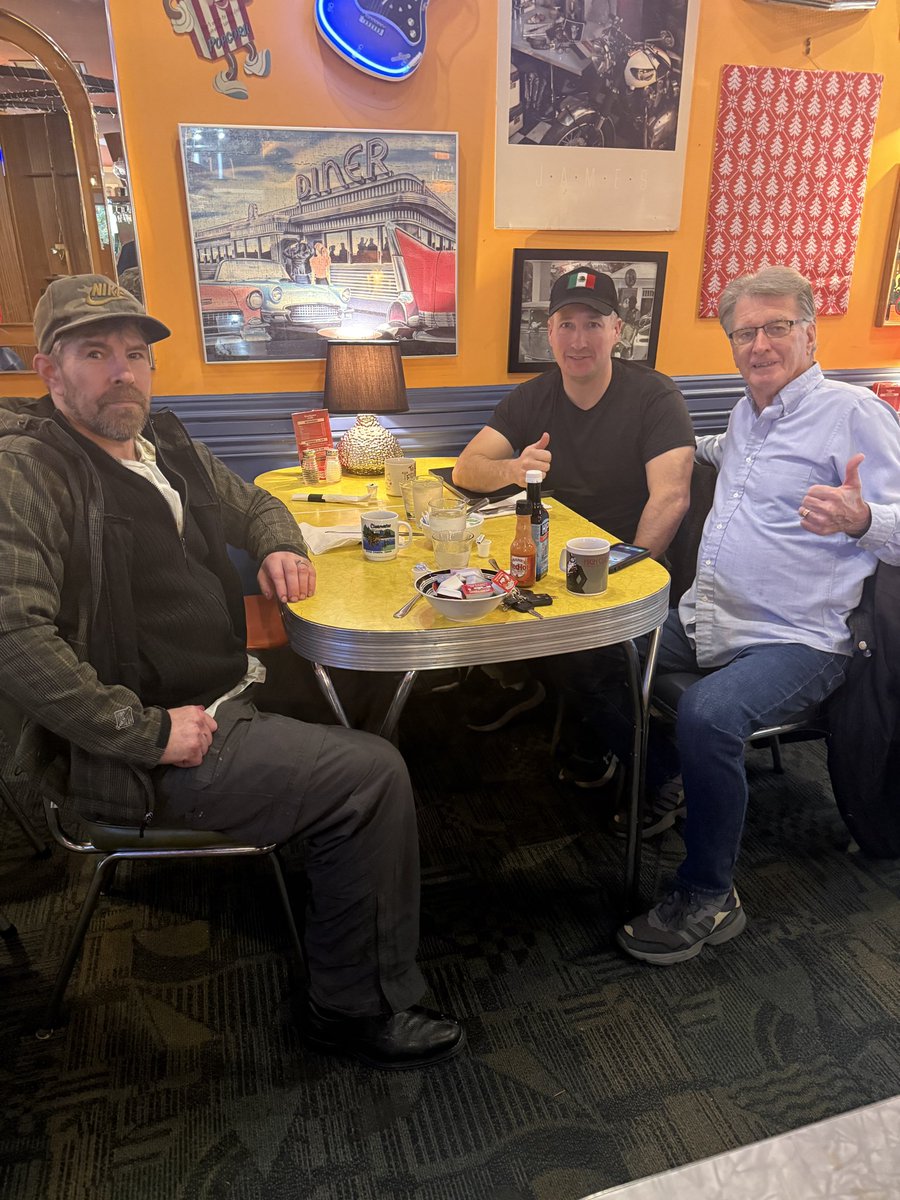
Great to have coffee and spend some time with my friend Don and his two sons, Gavin and Jay. We had an encouraging time of fellowship, talking about my testimony and how God rescued me from drug addiction. Sharing that I am now eight years clean and sober was encouraging for the boys.
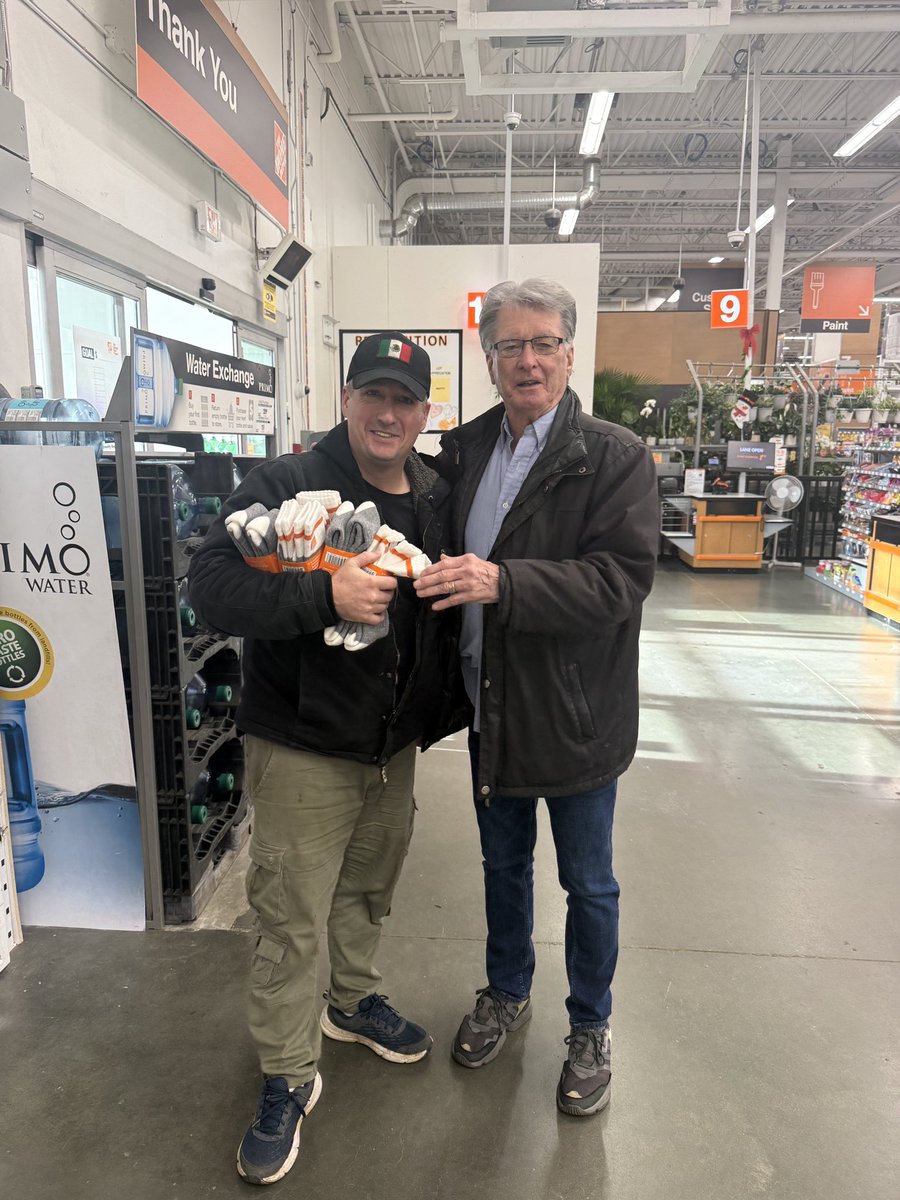
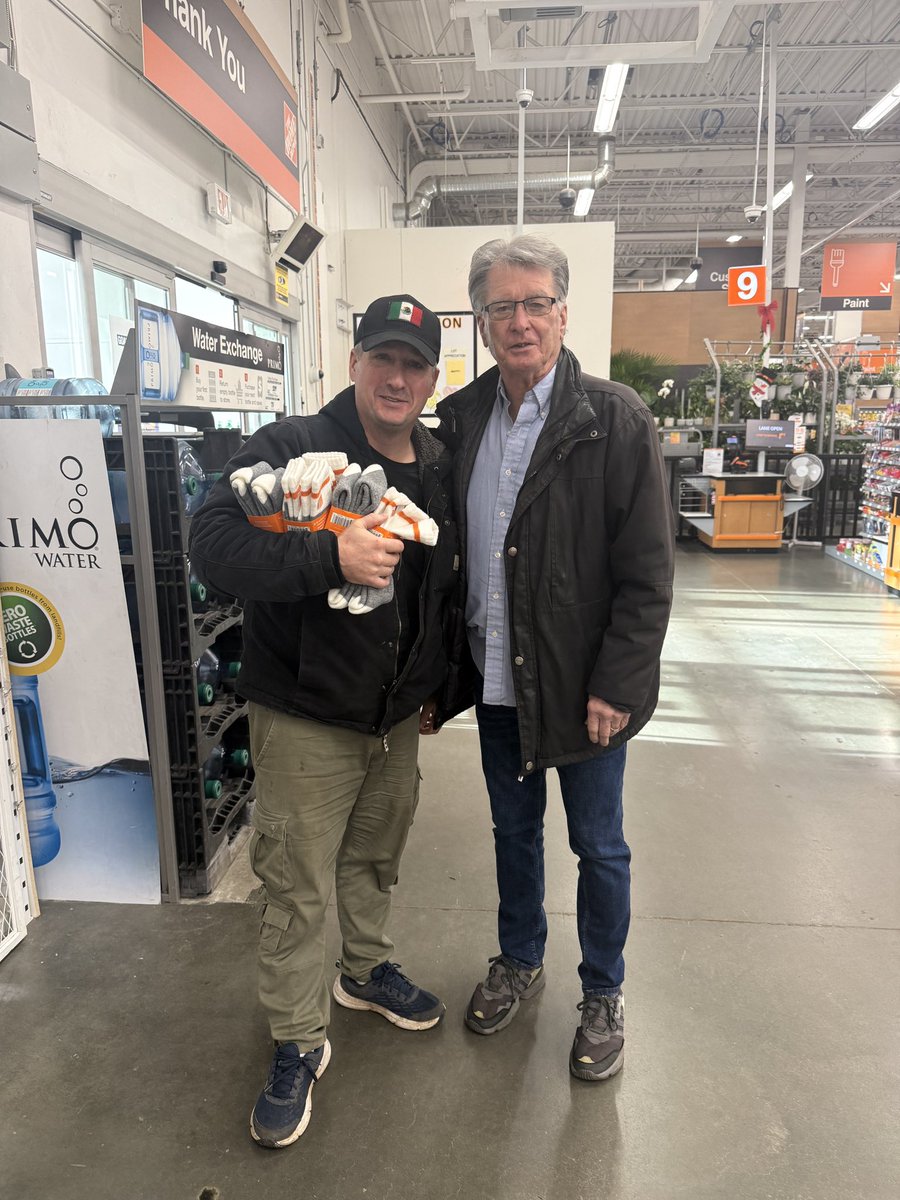
Afterward, Don took me down to Home Depot and we picked up socks for my street outreach. On Christmas Eve, I’ll be downtown helping people and preaching the gospel in Vancouver around Main and Hastings.
If you or a loved one is struggling with addiction, my website is a free resource.
If you’d like to support my street ministry outreach, thank you to the friends who help me reach people in addiction and in need. I truly appreciate your support.
Http://www.brotherjohnelving…
#Intervention
#OpiateCrisis
#OverdoseAwareness
#DrugAddiction
#AddictionRecovery
#CleanAndSober
#HopeForRecovery
#StreetMinistry
#Outreach
#FaithInAction
#JesusSaves
#Vancouver
#MainAndHastings
9
144

18 Dec 2025
বেগম খালেদা জিয়াকে নিয়ে আশার কথা শোনালেন ডা. জাহিদ...
#KhaledaZia #DrZahid #HopeForRecovery #BNP
rtvonline.com/politics/36018…

5
198

2 Oct 2025
Rajvir ਲਈ Mankirat Aulakh ਨੇ ਕੀਤੀ ਅਰਦਾਸ
#RajvirJawanda #MankirtAulakh #ArdaasForRajvir #PrayersForRajvir #StayStrongRajvir #PunjabiSinger #GetWellSoon #SupportAndPrayers #PunjabiCommunity #HopeForRecovery #StarNewsPunjabiTv
1
2
101

27 Aug 2025
🌟 Discover the power of innovation in mental health care! 🌟
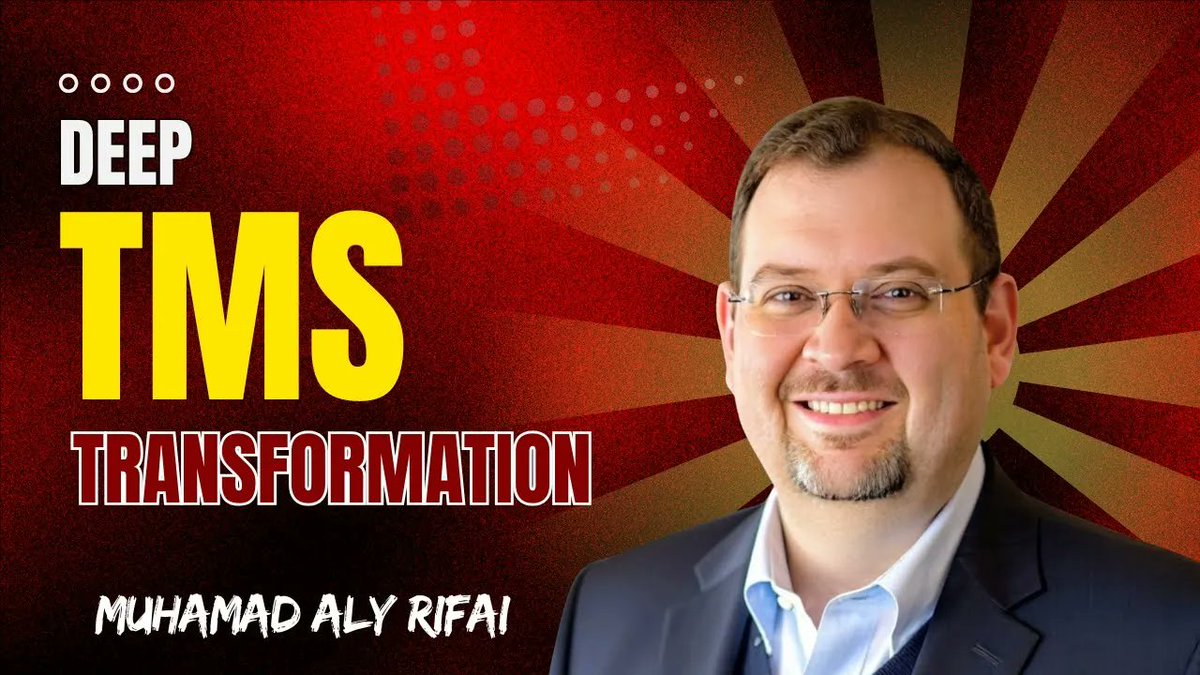
Deep Transcranial Magnetic Stimulation (dTMS) is revolutionizing how we approach conditions like depression, anxiety, OCD, and even smoking addiction. Join Dr. Muhamad Aly Rifai and the Israeli TMS Host as they dive into the latest breakthroughs, share technical insights, and present real patient stories that inspire hope.
Whether you're seeking solutions for treatment-resistant symptoms or simply curious about the future of mental health, this conversation is a must-watch.
🎥 Watch now: youtube.com/watch?v=KqvFMh36…
#dTMS #MentalHealthInnovation #NeuroScience #HopeForRecovery #TreatmentResistantDepression #OCDTreatment #AnxietyRelief #SmokingCessation #MentalHealthAwareness #BreakthroughsInCare
1
3
64

18 Aug 2025
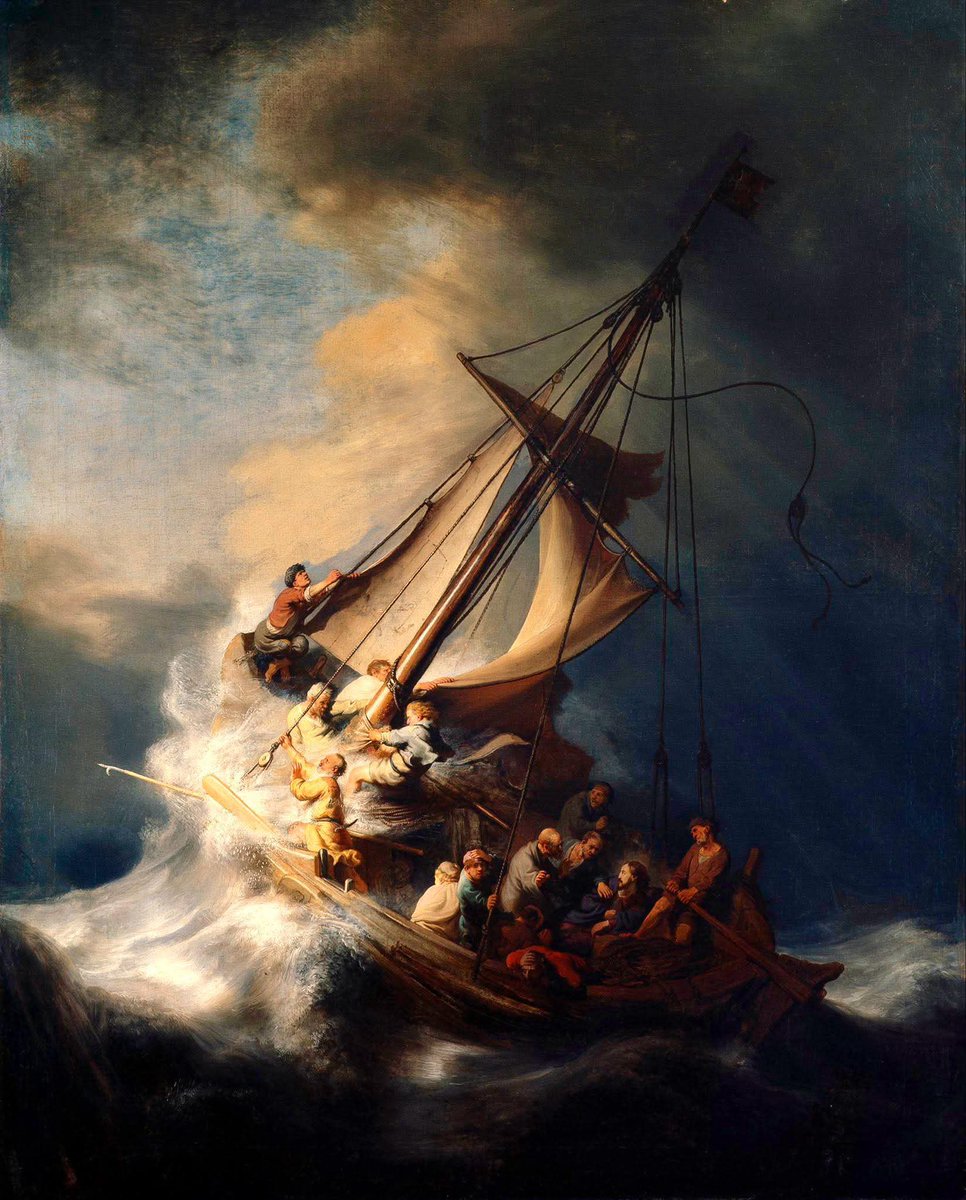
Rembrandt van Rijn’s The Storm on the Sea of Galilee, 1633, is a breathtaking masterpiece, the artist’s only seascape. Painted with oil on canvas (160 x 128 cm), this work captures the biblical moment from Matthew 8:23–27, where Christ calms a violent storm on the Sea of Galilee. The towering waves, straining sails, and vivid emotions of the disciples, ranging from terror to desperate prayer, create a gripping narrative. Christ’s serene presence anchors the chaos, illuminated by Rembrandt’s genius use of light and shadow, with dynamic brushwork and a diagonal composition that pulls you into the heart of the tempest.
Tragically, this iconic painting was stolen from Boston’s Isabella Stewart Gardner Museum on March 18, 1990, in the largest art heist in history. Despite global efforts, it remains missing, its empty frame a haunting symbol of cultural loss and the hope for its return.
#ArtHistory #Rembrandt #TheStormOnTheSeaOfGalilee #Masterpiece #DutchArt #Baroque #StolenArt #IsabellaStewartGardnerMuseum #ArtHeist #CulturalHeritage #Painting #ArtLovers #Museum #LostArt #HopeForRecovery
1
5
114

The History of the Purple Heart
Way back in 2012 we created the purple heart of recovery as our charity’s emblem to represent the bravery & courage required & practiced daily, by people in recovery & their families, friends & allies.
Honouring all those lost to addiction, & those seeking & sustaining their own recovery journeys, It has quietly done its thing across the UK over the years.
facesandvoicesofrecoveryuk.o…
#PurpleHeartOfRecovery #RecoveryWarriors #BraveryInRecovery #FacesAndVoicesOfRecovery #AddictionAwareness #StrengthInRecovery #RecoveryJourney #HealingTogether #RecoveryIsPossible #CourageInRecovery #RecoveryHeroes #BreakingTheChains #HopeForRecovery #PurpleHeartOfHope #SupportRecovery #RecoveryCommunity #HonourRecovery #InspiringRecovery #RecoveryMatters
2
6
393

10 Jun 2025
'अल्कोहोलिक्स अनॉनिमस’ (A.A.) ही संस्था म्हणजे दारूच्या व्यसनातून सुटका मिळवण्यासाठी एक आशेचा किरण आहे. ही संस्था १० जून १९३५ रोजी अमेरिकेत सुरू झाली. बिल डब्ल्यू. नावाचे शेअरब्रोकर आणि शल्यकर्म विशारद डॉ. बॉब हे दोघं स्वतः दारूच्या विळख्यात अडकलेले होते. अनेक उपचार करूनही त्यांना काही फायदा झाला नाही. पण एकमेकांशी मनमोकळं बोलल्यानंतर त्यांना असं वाटलं की, आपली अडचण एकसारखी आहे आणि आपण एकमेकांना मदत केली, तर दारूपासून दूर राहता येईल. त्याच विचारातून ‘अल्कोहोलिक्स अनॉनिमस’ या संस्थेची सुरुवात झाली.
या संस्थेचं काम खूप वेगळं आहे. इथे दारूपासून मुक्ती मिळवलेल्या लोकांनी आपल्या अनुभवातून दुसऱ्यांना मदत करायची असते. इथे कोणतीही औषधे दिली जात नाहीत, हॉस्पिटलमध्ये भरती केलं जात नाही, कोणतीही फी घेतली जात नाही. ए.ए. मध्ये येण्यासाठी एकच अट आहे ती म्हणजे तुम्हाला खरंच दारूपासून मुक्त व्हायचं आहे. आणि ही सेवा अगदी मोफत असते.
आज जगभर १९० हून अधिक देशांमध्ये ही संस्था काम करते. पन्नास लाखांपेक्षा जास्त लोकांनी या संस्थेच्या मदतीने दारू सोडली आहे. भारतात ही संस्था १९५७ साली सुरू झाली आणि आज भारतात १००० पेक्षा जास्त ए.ए. ग्रुप आहेत. मुंबईत १९८८ मध्ये या संस्थेचं एक मुख्य कार्यालयही सुरू झालं आहे.
'अल्कोहोलिक्स अनॉनिमस’ ही संस्था कोणत्याही धर्म, जाती, राजकारण किंवा समाजसेवी संस्थेशी जोडलेली नाही. या संस्थेचं ध्येय एकच आहे ते म्हणजे स्वतः दारूपासून दूर राहणं आणि इतरांना त्या व्यसनातून बाहेर काढण्यासाठी मदत करणं.
आज १० जून २०२५ रोजी या संस्थेला ९० वर्षं पूर्ण होत आहेत. हा एक मोठा टप्पा आहे. या संस्थेने लाखो लोकांना नवजीवन दिलं आहे. त्यांच्या कामाला मनापासून सलाम आणि पुढील वाटचालीसाठी मनःपूर्वक शुभेच्छा.
#AlcoholicsAnonymous #HopeForRecovery #90YearsOfAA #AddictionRecovery #SoberLife #OneDayAtATime #SupportAndSobriety #FreedomFromAlcohol #AAJourney #HealingTogether
3
73

6 Jun 2025
🌸 Understanding Anorexia Nervosa: Why We Need to Do Better 🌸
🗓 Published in @JAMAPsych, June 2025
Anorexia Nervosa (AN) is not just about losing weight or avoiding food. It's a serious mental health condition—often misunderstood—that affects both the mind and body in deep and life-threatening ways.
💡 1. What Is Anorexia Nervosa Really?
AN is a mental illness where a person:
Struggles with body image and fears gaining weight.
Severely limits food intake or uses harmful methods to control weight (like vomiting or over-exercising).
Often ends up at an extremely low body weight.
But this is just the surface. Inside, there is often:
Anxiety, fear, and deep emotional pain.
A sense of control through food restriction.
A belief that they’re not “sick enough” to need help—even when they are.
⚠️ 2. Why Is Anorexia So Dangerous?
It affects every organ in the body—heart, brain, bones, hormones.
It has one of the highest death rates of any mental illness, second only to opioid addiction.
Many people struggle for years, with only 50–60% reaching long-term recovery.
😞 3. What’s Wrong with Current Treatment?
Most current treatments focus heavily on:
Weight gain and
Getting people to eat again
While this is important—especially when someone is medically at risk—it’s not enough.
👉 The problem? We treat the body first, but often forget the mind.
Many people relapse because their emotional struggles weren’t addressed.
Some feel judged or misunderstood when their only goal is to reach a certain weight.
🧠 4. What Needs to Change?
The article urges doctors, researchers, and mental health systems to:
✔️ Stop treating weight as the only sign of recovery
✔️ Focus more on mental health, emotional healing, and body image
✔️ Include psychologists, psychiatrists, dietitians, and medical doctors in a team approach
✔️ Start treatment early, especially in teens and young adults
✔️ Listen to patients—especially when they say, “My thoughts, not my weight, are the real issue.”
💬 5. What Does This Mean for You or Your Loved One?
🌼 If you're struggling with AN:
Know that you are not alone, and this is not your fault.
You deserve care that treats your mind and your body, not just your weight.
Healing takes time—and that’s okay.
🌼 If you’re a parent, friend, or partner:
Understand that it’s not “just a phase” or “about vanity.”
Try not to focus only on food or weight. Ask: “How are you feeling inside?”
Help the person find care that includes mental health support, not just food plans.
💖 6. What Can We Hope For?
The future of anorexia treatment should be:
🌱 More compassionate
🌱 More scientific
🌱 More complete
We need to: 🔬 Do more research on why AN happens
🧩 Create personalized treatments
👩⚕️ Train more professionals in eating disorder care
📣 Fight stigma—because AN can affect anyone, not just young white girls
🤝 Work together—across psychology, medicine, families, and communities
📢 Final Message:
You are not defined by your weight. Your struggles are real. And your recovery deserves attention—not just for your body, but for your whole self.
Let’s stop oversimplifying anorexia.
Let’s start treating the person, not just the number on the scale. 💜
#AnorexiaRecovery #EatingDisordersAwareness #MentalHealthMatters #WholePersonHealing #JAMAPsychiatry #YouAreNotAlone #HopeForRecovery #BodyAndMind
jamanetwork.com/journals/jam…
2
4
287

9 May 2025
7/
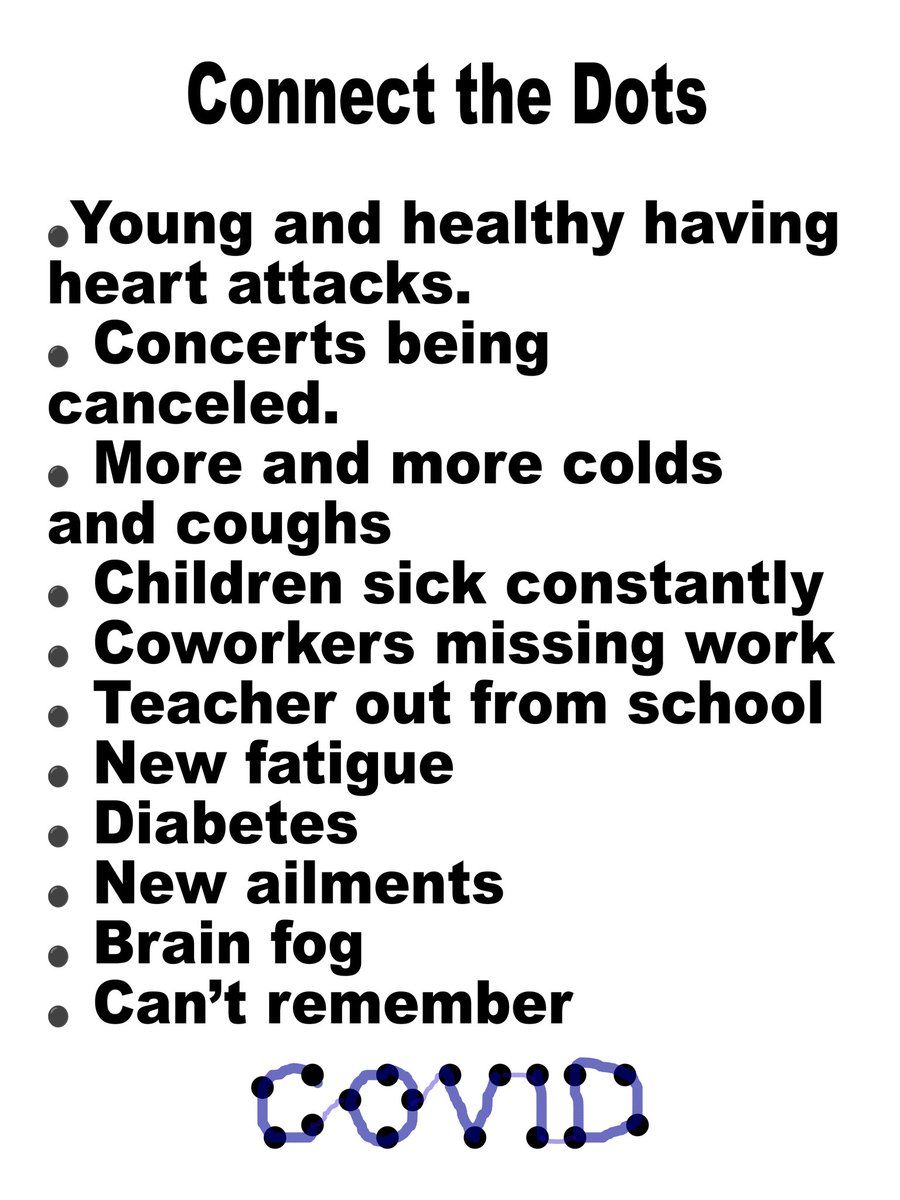
"I've worried myself sick. Sometimes I just feel like an appendage to my poor partner." Simple pleasures like grocery shopping or eating out are now distant dreams. "I miss being able to decide for myself and do what I want." #QualityOfLife #HopeForRecovery
1
5
27
384

25 Mar 2025
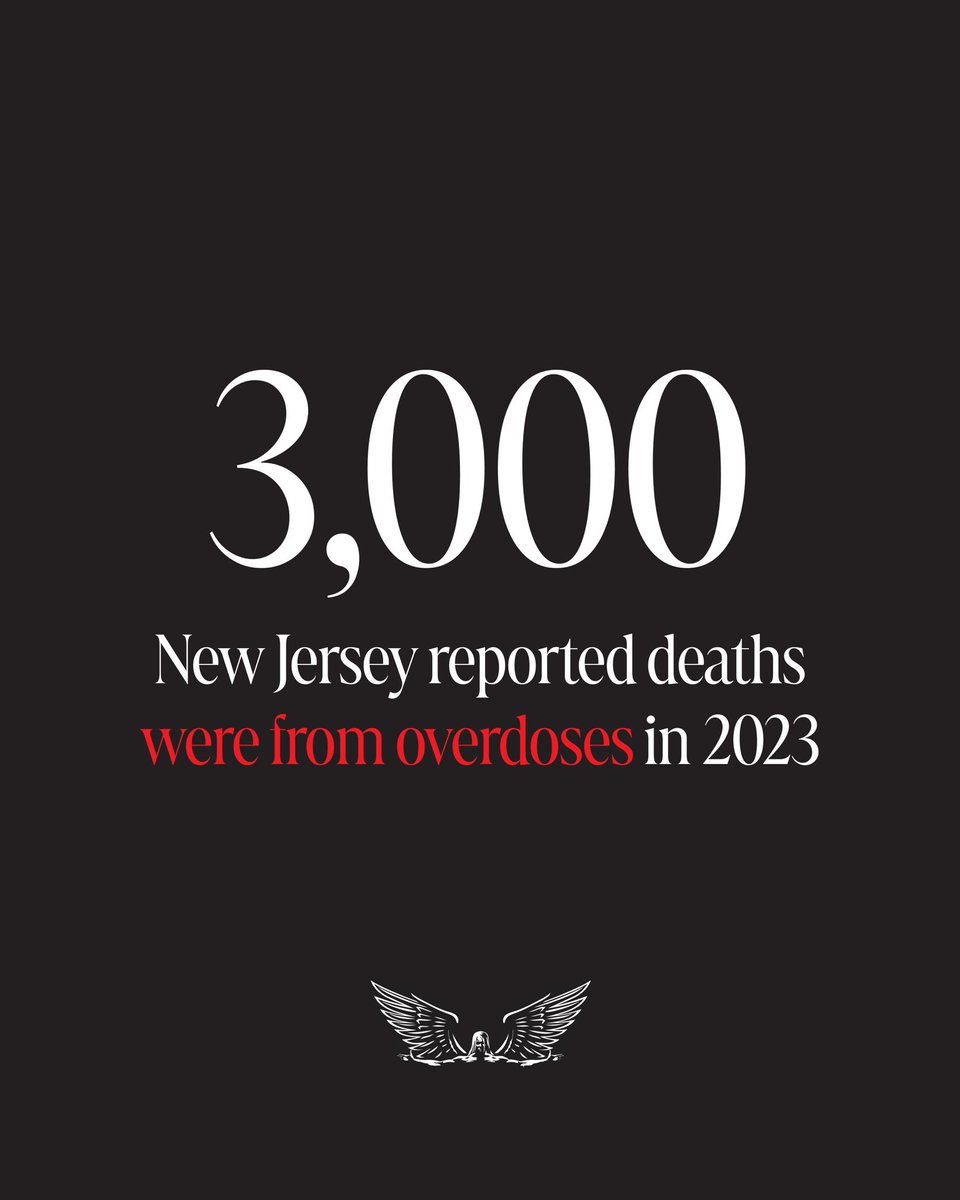
New Jersey lost 3,000 lives to overdose in 2023, a heartbreaking reality that demands change. Archangel Centers is committed to providing life-saving, evidence-based care to help individuals reclaim their futures. Recovery starts here. Stay tuned for more information.
ArchangelCenters.com
#ArchangelCenters #HopeForRecovery #EndOverdose
4
6
38
5,135
20 Mar 2025
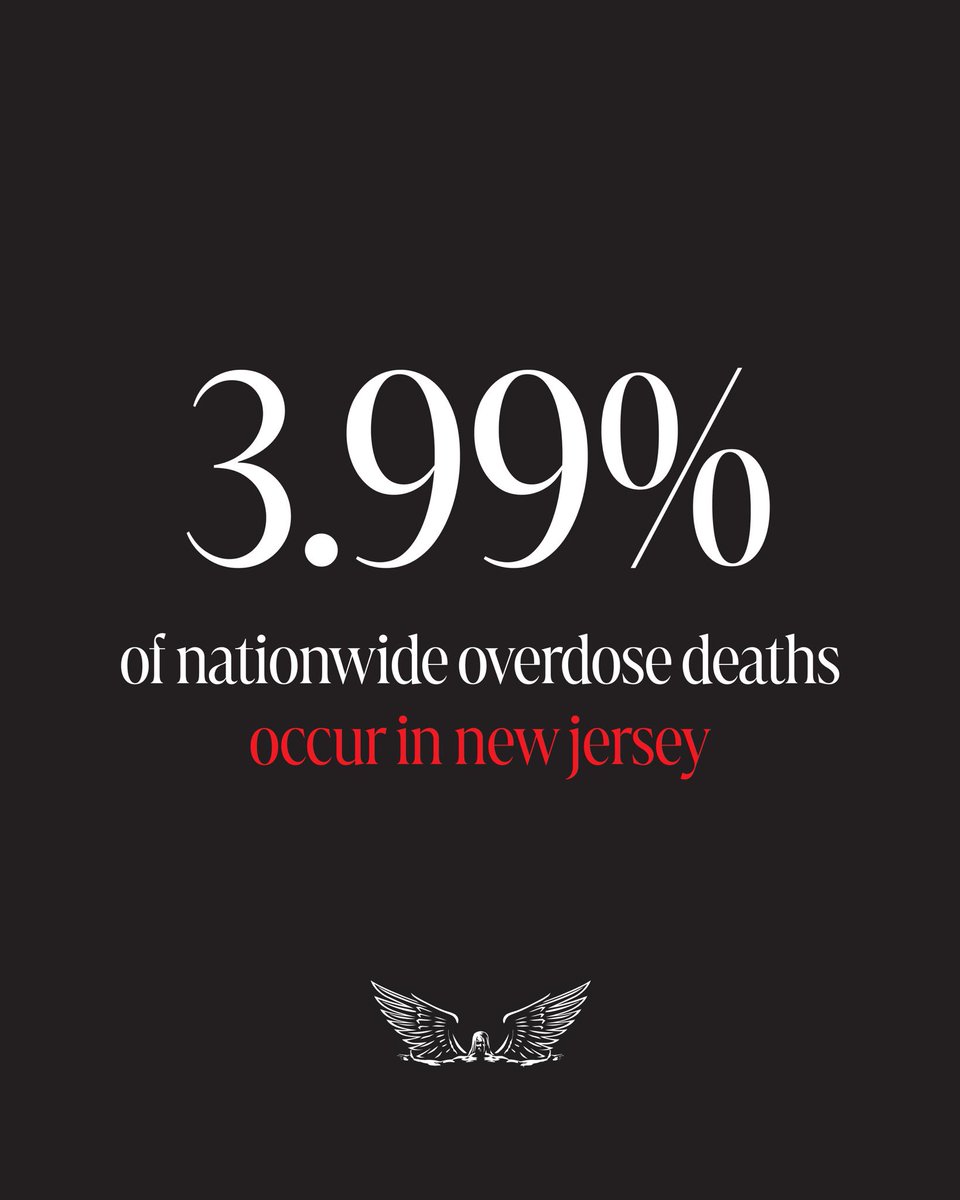
Nearly 4% of nationwide overdose deaths happen in New Jersey, a statistic that calls for action. Archangel Centers is coming soon to provide compassionate, evidence-based support for those battling addiction. Hope, healing, and recovery are on the way.
ArchangelCenters.com
#ArchangelCenters #ComingSoon #HopeForRecovery
5
4
32
5,109

3 Feb 2025
Still watching the market? 📈 'Bitcoin Up' captures the thrill of the rise & the resilience needed. With tariffs news, let's stay strong, support each other, & back artists. 🎨#ArtInCrypto #HopeForRecovery #bitcoin #crypto
@realDonaldTrump
@elonmusk

3
78

2 Feb 2025
tiktok.com/@thezuza.official…
We're still fighting! Your support is priceless. ❤️🙏 #Siepomaga #TogetherWeCan #SupportMatters #HopeForRecovery #EveryHelpCounts #TogetherForOlga 💙✨
2
5
94

23 Dec 2024
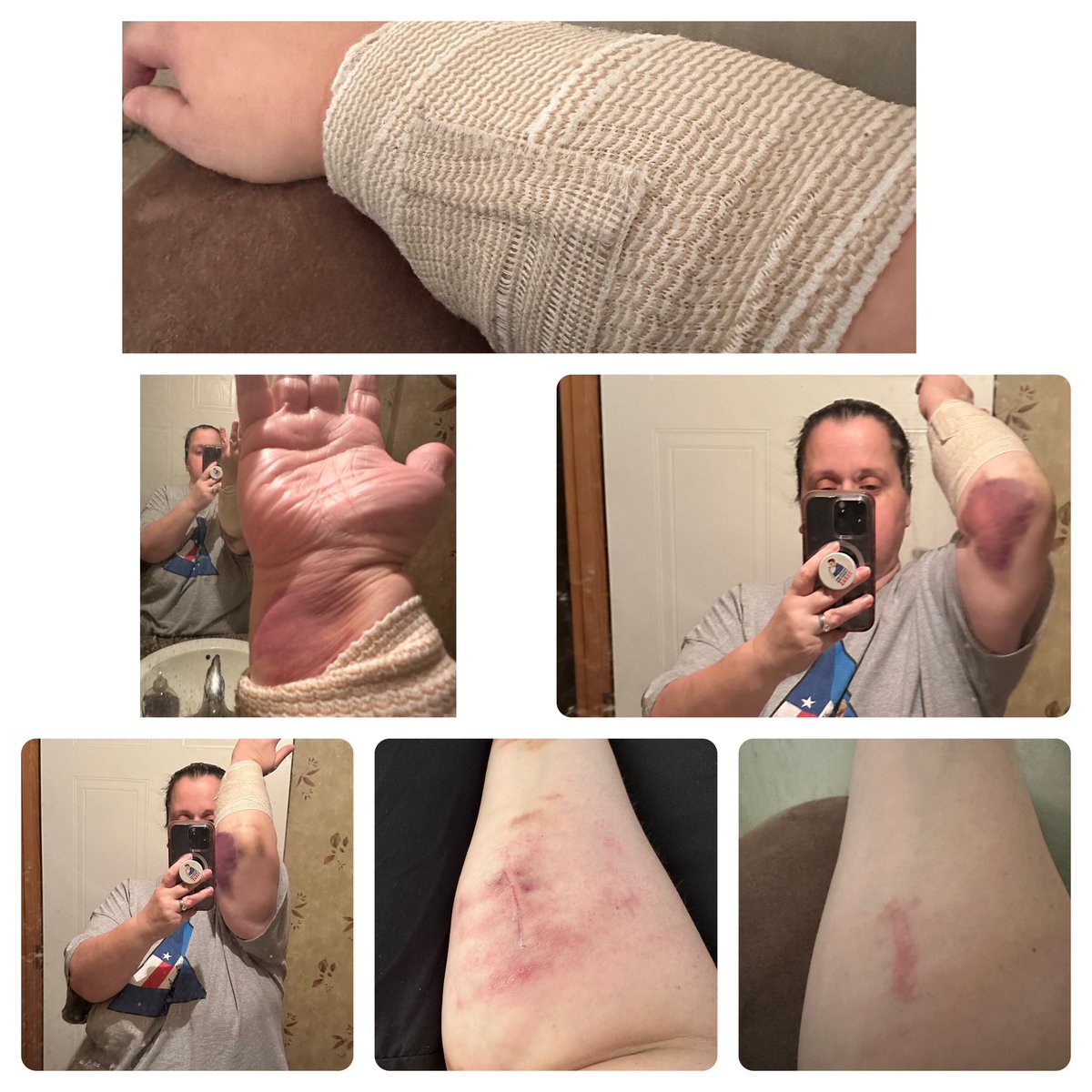
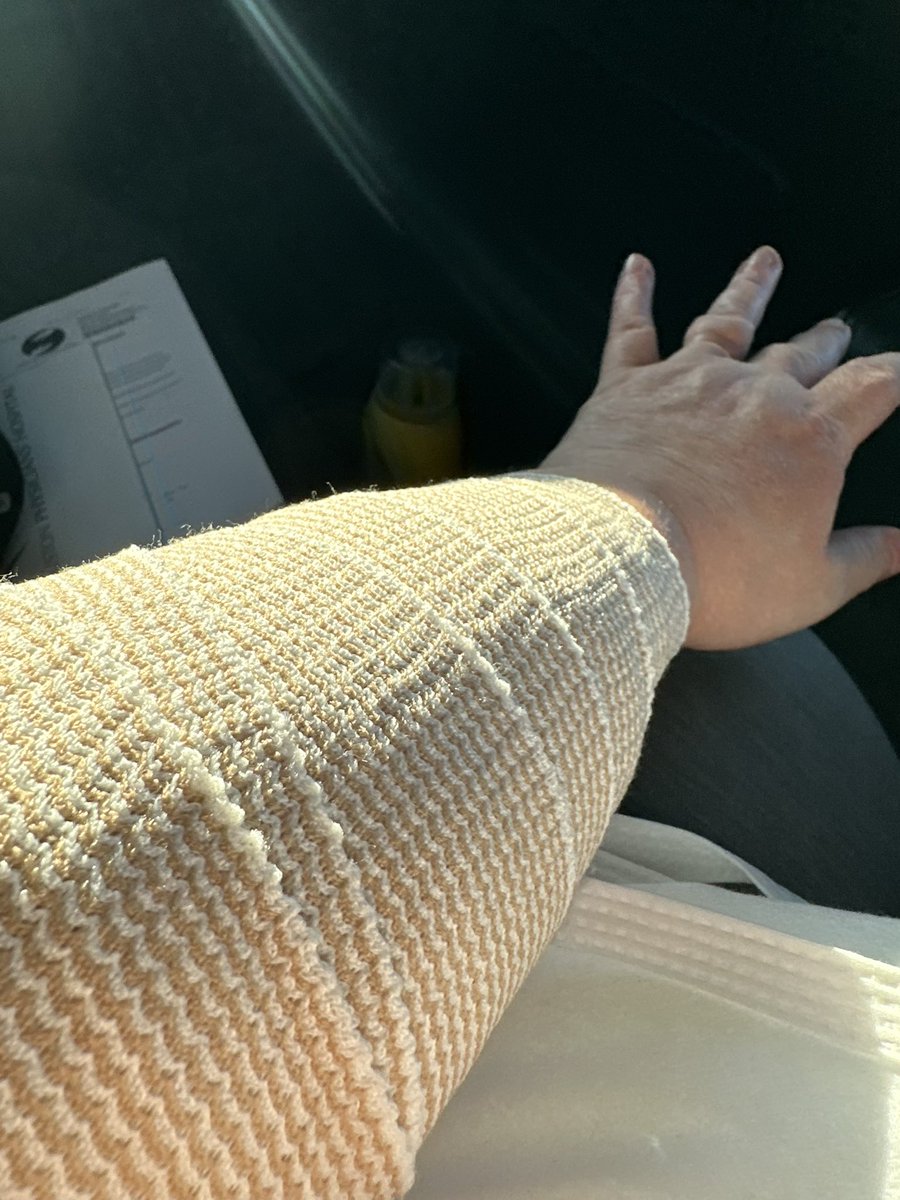
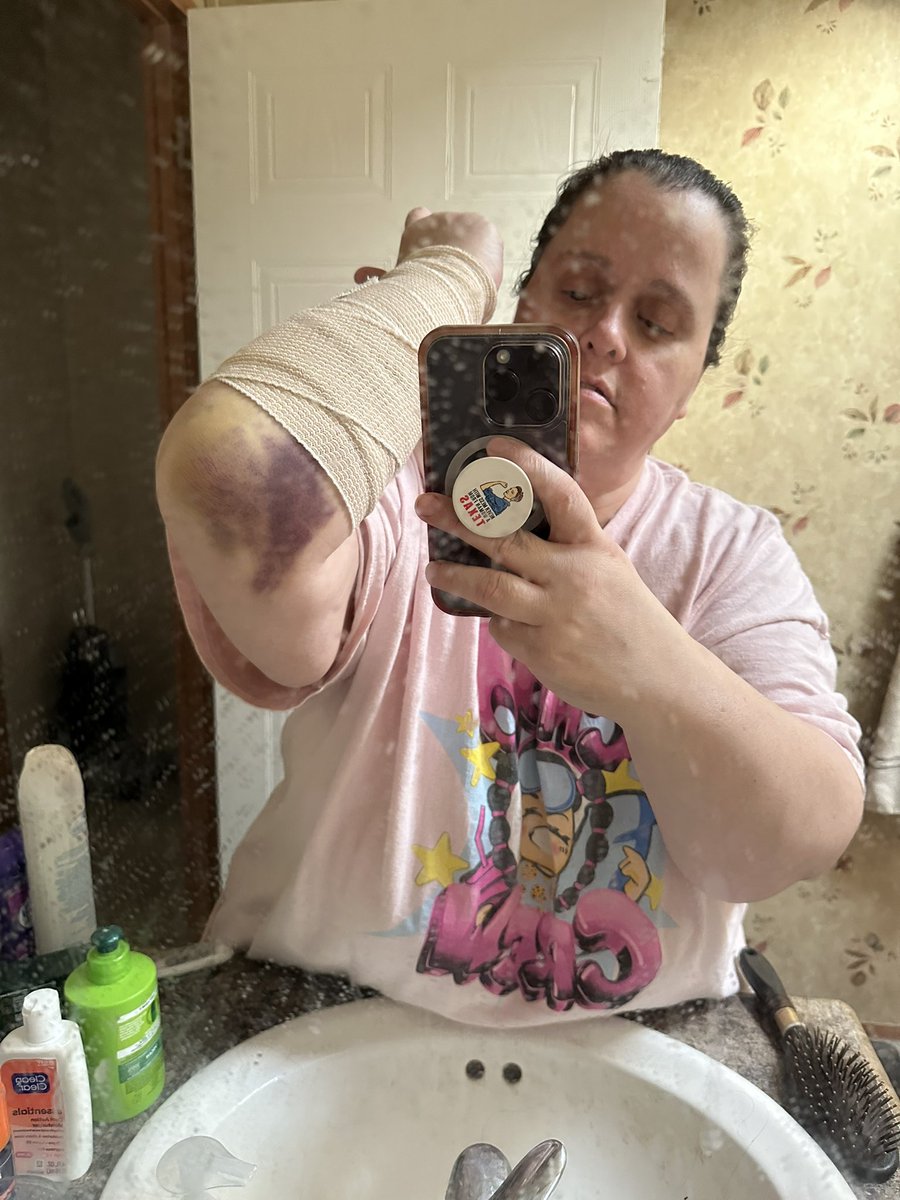
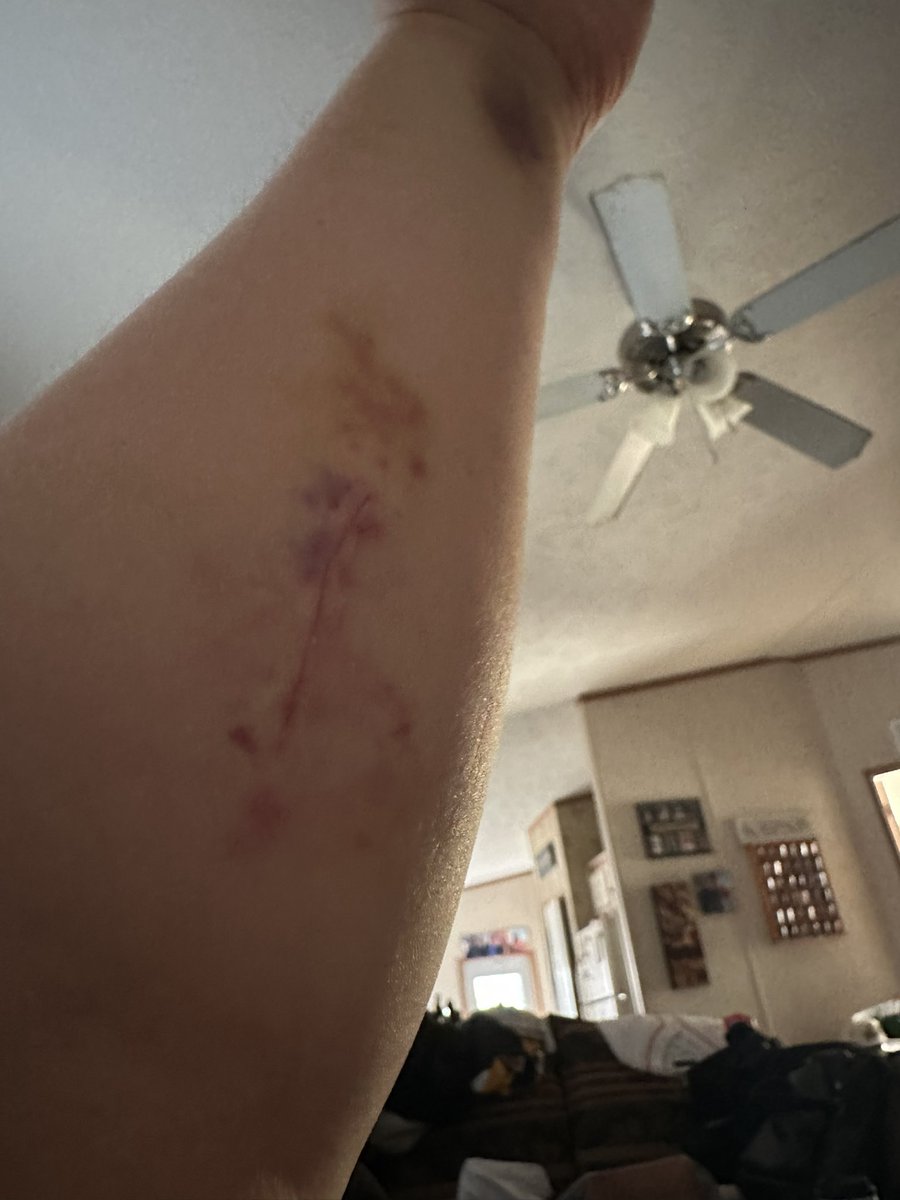
Any help would be greatly appreciated!
If you’re not able to donate, I just ask if you can repost this! 🙏🏻🙏🏻🙏🏻
gofund.me/14763cb9
#HelpNeeded #RecoveringFromPronatorSyndrome
#HealthAndHealing
#HopeForRecovery
#MentalAndPhysicalRecovery
#GratefulForSupport
5
8
12
984

19 Dec 2024
Addiction doesn’t take a break for the holidays, but we can take action to help. By donating to Taking Action On Addiction, you're providing essential resources, counselling, and a path to recovery for those struggling. 💫
Your contribution can bring hope and healing during a time when it’s needed most. 🌟
This festive season, let’s come together to make a real difference and show that recovery is possible. 🎁
Find more information about donating on our website.
taoa.raiselysite.com/
#HopeForRecovery #Donate #SupportAddictionRecovery #EndTheStigma #SeasonOfHope #DonateForChange ##TakeActionThisSeason #HealingThroughGiving #TogetherForRecovery #GiftOfCompassion #RecoveryIsPossible #TakingActionOnAddiction
3
89

10 Dec 2024
In the journey to overcome addiction, never give up on yourself.
Our co-founder is recognized for unwavering dedication to supporting addicts, no matter how tough it gets. Together, we press on in the fight against alcohol and drug abuse.
#HopeForRecovery #YouthAgainstDrugs
3
8
101

8 Dec 2024
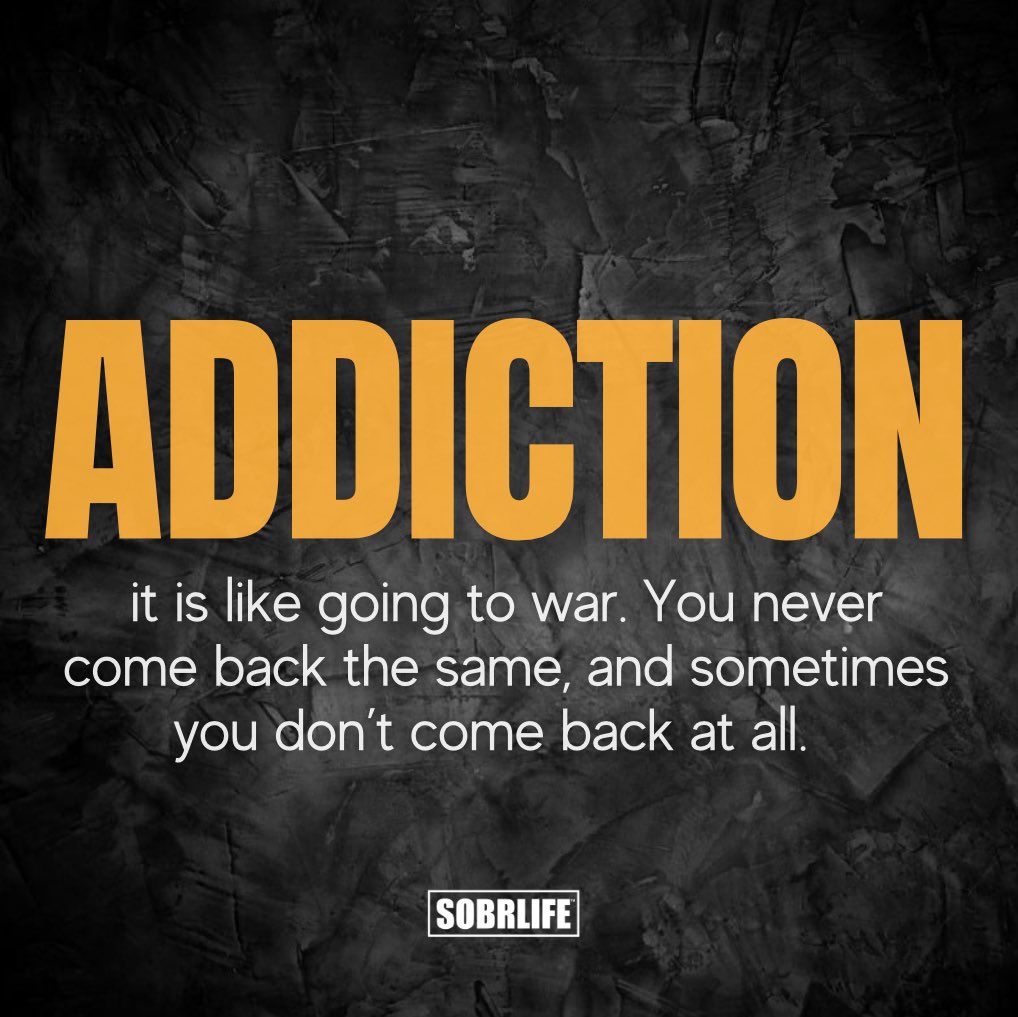
Addiction is a battle most don’t see, but for those who fight, the scars are real. Recovery is the comeback story that rewrites it all.
#addictionrecovery #soberlife #recoveryjourney #mentalhealthawareness #endthestigma #healingtogether #addictionawareness #sobrietyisstrength #youarenotalone #hopeforrecovery #sobrlife
1
2
202

On the eve of Thanksgiving, I extend deep gratitude to all who stand with us in our mission to foster job growth in America. As we give thanks, let's also keep in our hearts the resilience of those affected by #HELENE and Milton. Join us in supporting their recovery through donations or volunteering. Please check out @TheShawnHendrix #HopeForRecovery

2
12
289

6 Sep 2024
Spinal cord injury recovery breakthrough,could this be the solution?
Hope for those with spinal cord injuries! Check out this groundbreaking clinical trial!
Please share to raise awareness for those in need!
#SpinalCordInjury, #MedicalResearch, #ClinicalTrial, #HopeForRecovery
5 Sep 2024

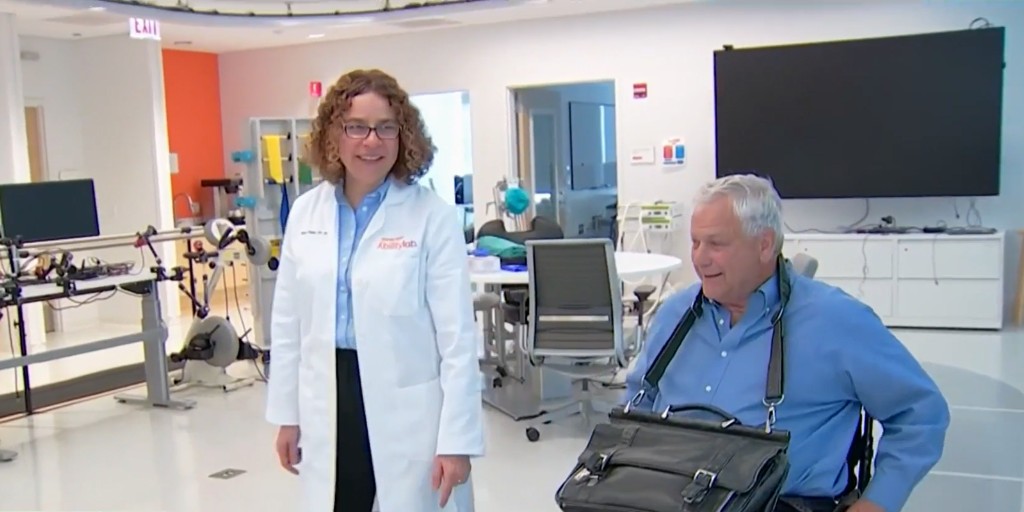
.@nbcchicago featured a first-of-its-kind clinical trial underway at Shirley Ryan AbilityLab testing NVG-291, for an investigational treatment for spinal cord injury. Watch the full story and learn more about study eligibility and enrollment. bit.ly/3XgYZ9y
2
90

4 Sep 2024
🍄 Mushroom Medicine: Psilocybin's Potential for Anorexia Treatment 🍄
Groundbreaking research shows that psilocybin, the psychoactive compound in "magic mushrooms," may offer new hope for treating anorexia nervosa. A recent clinical trial revealed that 40% of participants saw significant reductions in eating disorder symptoms after just one dose. While more research is needed, these results are a promising step forward in addressing one of the most difficult mental health challenges.
🔗 Read the full article: greenmedinfo.com/content/mus…
#Psilocybin #AnorexiaTreatment #MentalHealth #MushroomMedicine #GreenMedInfo #NaturalHealing #HopeForRecovery
5
3
283