
26 Jul 2025
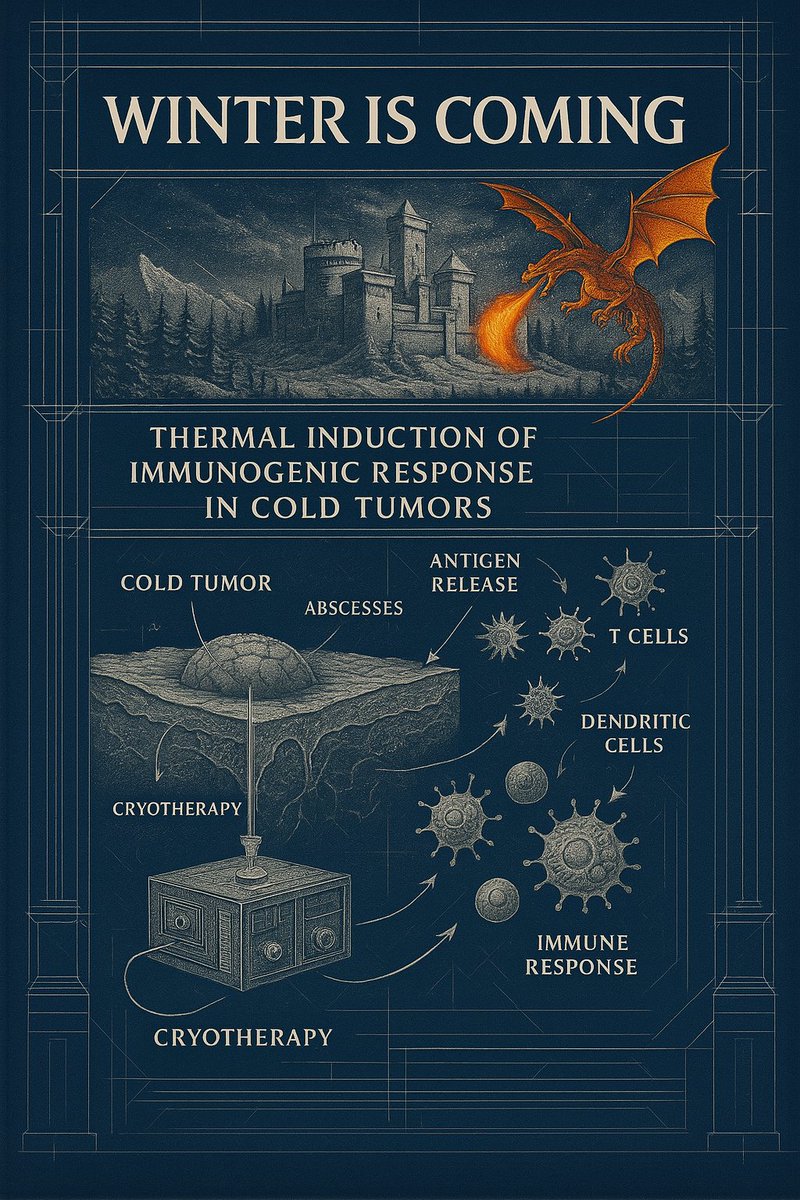
$NWBO $MRK Winter is coming...
But not the one you feared.
This Winter was built in silence, a cryogenic dispatch node, scripted by Eden, stocked with Matrix-class immune boosters, and waiting for one thing:
The signal.
The cold tumor is no longer untouchable.
The rails are laid.
Authorization is past.
And the system is about to go online.
#DCVax #SI87 #ImmuneStack #MHRA #Biotech #Winterfell
1
2
22
981
26 Jul 2025
Part 2: The System That Waits to Fire
🔥 Winterfell: The Immune OS Manifesto — Part II
$NWBO Kit Assembly, Regulatory Rails, and the Immune Stack at the Edge of Deployment
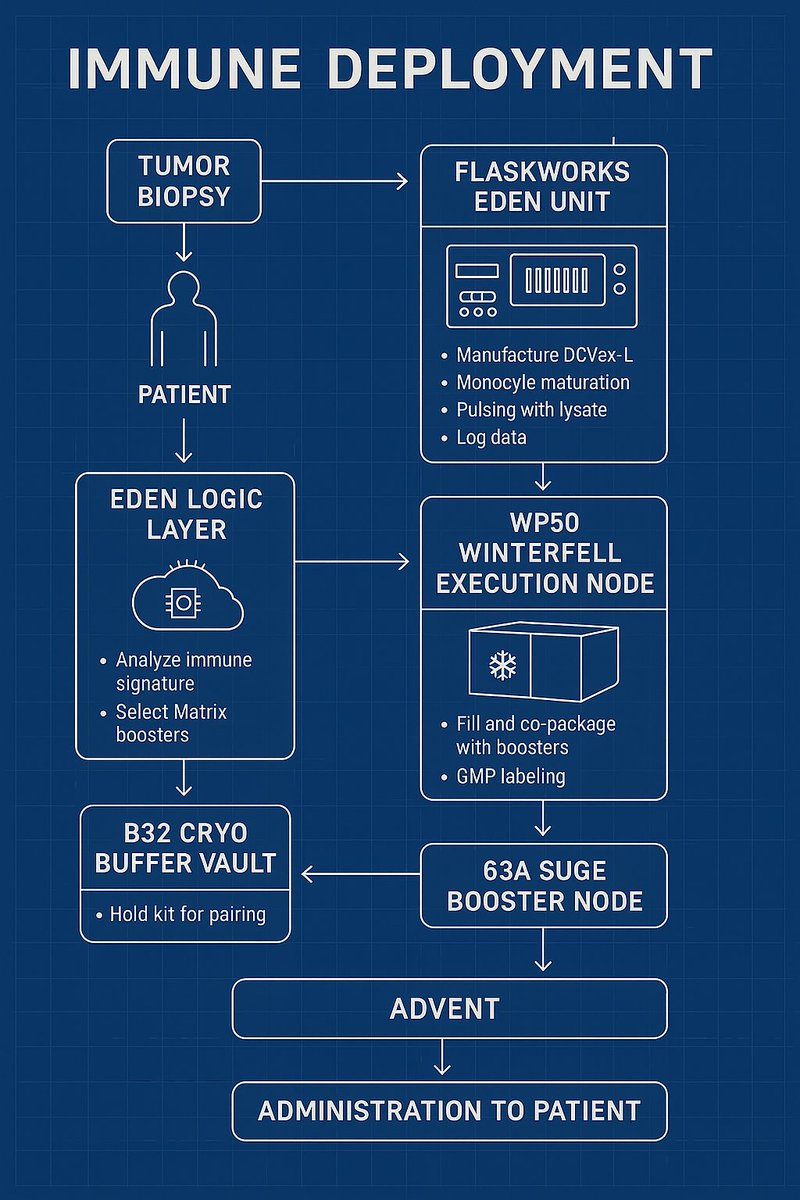
🏛️ SECTION 6: Kit Assembly, Staging, and the Node Network
How Winterfell, B32, and 63A Form the Physical Immune Deployment Chain
In the traditional pharma model, scale means inventory.
Vials, pallets, warehouses.
Global supply chains stretched across time zones and border crossings.
But that model doesn’t work when your therapy is alive, personalized, and logic-programmed.
DCVax is not an inventory item. It’s a biologic instruction set, derived from a single patient’s tumor, manufactured via Flaskworks, and cryopreserved for just one immune system.
And that means its booster companions, the Matrix agents that Eden assigns, must also be:
• GMP matched
• Batch-logged
• Patient-specific
• Immunologically timed
Winterfell wasn’t built to mass-produce product.
It was built to assemble immune kits.
🧊 WP50 (Winterfell): Execution & Assembly
Winterfell functions as the assembly hub in this immune deployment system.
Its roles include:
• Receiving DCVax vials from Flaskworks (via cold-chain handoff or on-site manufacture)
• Retrieving Eden’s signal logic for the associated patient
• Filling, labeling, and matching Matrix-class boosters (from A to V)
• GMP labeling and serialization (patient name, signal class, vial IDs)
• Packaging the full immune stack for immediate dispatch or staged cryo-hold
Every room in Winterfell maps to a class in the Bosch Matrix.
Every line of Eden logic translates into physical immune cargo.
And the entire process is regulator-visible, DeltaV-logged, MES-tracked, and AspenTech-harmonized.
🧊 B32: Cryogenic Buffer Vault
Every dispatch node needs a buffer, a place to hold, preserve, and pause.
B32 is that node.
• Located on the same campus as WP50
• Designed for ultra-low-temperature storage (−70°C to −150°C)
• Includes:
• Walk-in cryo vaults
• Barcode scanning
• Mobile ultra-cold units
• Serialized handoff stations
• Chain-of-custody audit trails
Use cases:
• If Flaskworks finishes a DCVax batch and a booster vial isn’t ready → B32 holds it.
• If Eden changes the kit logic mid-cycle → B32 buffers the kit until corrected.
• If a site requires rolling inventory → B32 dispatches per calendar or medical urgency.
It’s not a warehouse.
It’s a latency layer for biologic logic.
💉 63A: Syringe Booster Node
Matrix Class V, recall agents like Prevnar and Pneumovax, require precise fill, timing, and co-labeling.
Merck’s Building 63A is:
•A 70 million–dose syringe fill facility
•Originally used for pediatric vaccines
•Now retooled to produce injectable recall agents for Matrix-compatible immune deployment
Importantly, 63A is also the manufacturing node for Prevnar13, the pneumococcal conjugate vaccine that has already been tested in three clinical trials at Mayo Clinic, where it was combined with a dendritic cell vaccine and pembrolizumab (Keytruda). These trials, led by Dr. Allan Dietz and colleagues, demonstrated Prevnar’s ability to function as an immune recall trigger, reactivating myeloid memory and enhancing checkpoint responsiveness when layered atop DC vaccination. In this context, 63A isn’t just a syringe fill site, it’s the endpoint of a clinically validated immunologic relay that has already shown therapeutic synergy in human cancer trials.
63A’s outputs:
•Pre-filled Class V syringes
•Matched by patient ID
•Labelled under Eden logic
•Transferred to Winterfell for final kit co-packaging
⚖️ SECTION 7: Regulatory Rail Alignment
How Winterfell Was Built for the Laws That Now Exist
Even the most elegant immune stack, Flaskworks manufacturing, Eden logic, Matrix-class boosters, can’t go anywhere unless there’s a legal pathway for it to travel.
In the past, that was the limiting factor. The FDA and MHRA had frameworks for drugs, not for biologic kits programmed per patient.
But now, the world has changed.
Two legal systems, one in the UK, one emerging in the US—have laid the regulatory rails that make Winterfell not just compliant, but deployable.
🇬🇧 SI 87 (UK): The Specials Expansion That Unlocked Immune Kits
SI 2025 No. 87, passed by the UK Parliament, created a new legal foundation for:
• Patient-specific advanced therapies
• Kit-based component delivery (e.g., DCVax Hiltonol)
• Modular, decentralized manufacturing
• Export–import with traceability from Control Site to injection site
Winterfell matches every required element:
• GMP-controlled environment
• Named-patient batch logging via DeltaV
• Co-packaged boosters (Class A–V)
• Cryogenic chain-of-custody through B32
• Combination labeling and dispatch within a licensed biologic facility
UK providers like Advent Bioservices, which serve as registered Control Sites, can legally receive and administer these kits under Specials law.
That means:
A DCVax-L Poly-ICLC IFN-γ stack produced at Winterfell, filled under Eden logic, labeled per patient, and exported via cold chain, is already legal for use in the UK.
Not pending. Not theoretical.
Live. Lawful. Locked-in.
🇺🇸 CNPV (USA): The Silent Policy Shift That Opens the Door
In the United States, the Commissioner’s National Priority Voucher (CNPV) was introduced to accelerate approval of real-world–ready, Phase III–complete platforms that:
• Have completed pivotal trials
• Deliver patient-specific or autologous therapies
• Rely on modular or decentralized execution
• Fit urgent unmet needs (e.g., glioblastoma, pancreatic cancer)
DCVax-L fits all of these criteria.
And Winterfell, operated under Merck’s existing GMP license, could serve as the domestic dispatch hubthe moment NWBO submits under the CNPV framework.
There is:
• No need for new facility approval
• No delay in facility qualification
• No incompatibility with Flaskworks automation
• No barrier to kit pairing using Eden-scripted logic
If the FDA greenlights DCVax under CNPV, Winterfell could be ready within weeks to begin assembling and dispatching kits within the United States.
Winterfell is not waiting for regulations to evolve.
It was built ahead of schedule, designed in silence, and now perfectly aligned with the legal frameworks of SI 87 and CNPV.
Merck laid the rail.
NWBO holds the train.
And the track is already clear.
🌍 SECTION 8: Global Replication and Franchise Model
Winterfell Was the Prototype. Eden Makes It Scalable. DCVax Makes It Necessary.
Once you understand what Winterfell is, not a factory, but a programmable immune dispatch node, the next question becomes:
How many more can there be?
The answer: as many as the world needs.
That’s because the system Merck and NWBO have constructed isn’t static. It’s modular. Digital. Portable.
It is not dependent on mega-facilities or billion-dollar steel tanks. It’s based on:
• Compact, cartridge-driven Flaskworks units
• Eden, a logic stack written in software
• Disposable GMP kits
• Cryogenic logistics
• Patient-specific biology
And because of that, it can scale not by size, but by node.
🏗️ Flaskworks = Deployable Manufacturing Engine
Each Flaskworks Eden device is:
• Small-footprint
• Cleanroom-compliant
• Fully automated
• Designed to operate inside hospital GMP suites, academic nodes, or pharma-controlled hubs
• Compatible with centralized cryo hold (e.g., B32) or decentralized dispatch
You don’t need 500,000 square feet to make DCVax.
You need 50.
And each unit can be validated independently under Specials or CNPV law.
🧠 Eden = The Logic Stack That Travels
Eden is not hardware-dependent. It’s software.
• The Bosch Matrix logic it runs is cloud-portable
• It can be deployed across Merck, Advent, Mayo Clinic, or partner CMOs
• It doesn’t care where the kit is made
• It just knows what each patient needs, and when
Eden’s logic determines:
• Signal class
• Booster combination
• Fill format
• Labeling sequence
• Delivery calendar
• Injection route (systemic vs. intratumoral)
This is the immune operating system, and it is globally replicable.
🧱 Winterfell = The First Global Immune Node
WP50 is the prototype, the proof of concept that:
• Flaskworks works
• Eden works
• DCVax works
• Matrix-class boosters can be filled and co-packaged under GMP
• Cryo deployment can be traceable
• Patient-specific immunity can be executed as infrastructure
But it doesn’t have to be the only one.
In fact, it was never supposed to be.
🔁 The Franchise Model — Immune Deployment at Scale
Each new immune node, whether in the UK, the EU, or the US, can replicate the Winterfell format:
• Flaskworks unit(s) on-site or via partnership
• Eden software stack deployed on secure cloud
• Modular fill suites segmented by Matrix class
• Cryogenic hold (on-site or shared with regional vaults)
• Traceable, kit-based dispatch under Specials/CNPV/MHRA/FDA frameworks
This isn’t “manufacturing scale.”
It’s deployment scale.
And it doesn’t need to come from big pharma.
But Merck already built the first one.
🧩 SECTION 9: Strategic Alignment with NWBO
NWBO Wrote the Code. Merck Built the Hardware. And the System Now Runs.
There is no press release.
No co-branded trial.
No 8-K.
But what exists today between Merck and NWBO is something more durable than a temporary collaboration. It is a quiet infrastructure alignment, anchored in complementary capabilities, validated science, and converging execution logic.
Let’s state the core plainly:
• NWBO owns Flaskworks.
• NWBO developed Eden.
• NWBO proved DCVax in a blinded Phase III trial, published in JAMA Oncology.
• NWBO holds the exclusive rights to the manufacturing method for autologous dendritic cell vaccines pulsed with tumor lysate.
Meanwhile:
• Merck owns Winterfell (WP50).
• Merck operates DeltaV and AspenTech automation systems across 50 global sites giving it the infrastructure to replicate Winterfell’s logic and compliance framework wherever needed.
• Merck built modular cleanrooms mapped to Matrix-class logic.
• Merck cryo-holds, fills, logs, and dispatches biologics under GMP across continents.
NWBO doesn’t need to build global infrastructure.
Merck already did.
Merck doesn’t need to invent the immune logic.
NWBO already did.
The alignment doesn’t require a deal.
It requires compatibility.
And compatibility is no longer theoretical.
🧬 Immunologic Fit
• Winterfell was not built for Prevnar or Gardasil
• It was built for signal-class deployment: viral mimics, cytokines, TLR modulators, recall triggers
• This matches the Matrix architecture published by NWBO’s own CSO, Dr. Bosch
• Each cleanroom suite and fill pathway at Winterfell corresponds to a Matrix signal class
🧬 Physical Fit
• Flaskworks produces DCVax in cryopreserved, sealed GMP cassettes
• Winterfell has sealed cryo vaults (B32), cassette-ready filling suites, and component-matching capacity
• DeltaV automation logs Eden’s batch data directly into fill-traceable dispatch workflows
• Syringe-prepped boosters (Class V) are staged at 63A and routed through WP50’s co-labeling infrastructure
🧬 Regulatory Fit
• DCVax is legally exportable today under UK SI 87
• CNPV provides FDA priority access for therapies like DCVax
• Merck’s Winterfell, as a validated GMP facility, can support either jurisdiction
• Eden’s traceability ensures both platforms remain compliant, even when deployed outside Merck control
This isn’t a coincidence.
It’s a staging system.
A cloud-deployable, biologically programmable, regulator-compatible immune software stack.
And Merck’s facility runs it.
NWBO’s platform fuels it.
And regulators, on both sides of the Atlantic, now recognize it.
🧬 SECTION 10: Advent and Winterfell — The First Node, the First Engine, and the Legal Pathway That Connects Them
If Winterfell is the fortress, then Advent was the foothold.
Before WP50 was constructed, Advent Bioservices was already manufacturing DCVax-L under GMP conditions, supplying patients in the UK through the Specials and IFR frameworks. It didn’t require press releases. It didn’t require automation. It required discipline, sterility, and the legal authority to operate as a licensed Control Site under SI 87.
Advent didn’t scale the system.
It proved it could run.
Using the original, manual process, monocyte isolation, dendritic cell maturation, tumor lysate pulsing, Advent produced DCVax doses patient by patient, batch by batch. These were not prototypes. They were real therapies, serialized, shipped, and administered. The immune OS didn’t begin with Eden. It began with care.
Then came Flaskworks. And Eden.
Eden was designed to replicate the same immunologic product, but without the labor, variability, or manual record-keeping. It automated what Advent had already validated. It performed the same maturation steps inside a sealed cartridge. It measured pH, perfusion rate, cytokine exposure, then logged everything digitally. Eden didn’t replace Advent’s method. It honored it. And industrialized it.
Then came Winterfell.
Winterfell wasn’t designed to treat patients. It was designed to assemble immune kits. Not to administer DCVax, but to route it, co-packaged with Matrix-class boosters, cryopreserved, labeled, and prepared for regulatory dispatch. It’s a digital execution node, not a clinical one. Built to operate Eden logic at scale, but not yet running it.
But here’s the key: Winterfell doesn’t need FDA approval to begin operating.
Under UK law (specifically SI 2025 No. 87) kits manufactured at Winterfell can be exported to the UK, as long as:
•A licensed Control Site like Advent oversees clinical justification and release
•The full GMP chain-of-custody is documented and traceable
•The therapy is delivered to a specific named patient under physician supervision
This legal structure is already active.
Winterfell can manufacture the kit.
Advent can receive, verify, and dispatch it.
And patients in the UK can be treated with a U.S.-made immunotherapy, even before the FDA weighs in.
That’s not theory.
That’s a legal bridge, built and codified in statute.
Advent faces the patient.
Winterfell faces the network.
One is grounded in clinical delivery.
The other in logic execution.
Their roles are distinct, but interdependent.
Winterfell scales Eden.
Advent legitimizes it.
This isn’t redundancy.
It’s alignment.
And in that architecture, the system doesn’t wait for FDA approval to begin operating.
It already has a runway.
The first node.
The first engine.
And now, the first legal bridge.
🧠 SECTION 11: Final Synthesis
The Immune Stack Is Ready
Let’s say it clearly.
Winterfell wasn’t a metaphor.
It wasn’t a nickname.
It wasn’t an internal joke or a misplaced reference.
It was a signal.
And now we can see what it pointed to:
DCVax is the Payload
Derived from the patient.
Pulsed with tumor lysate.
Programmed through cytokine maturation.
Cryopreserved and personalized.
Manufactured by Flaskworks.
Immune-validated in blinded Phase III trials.
Approved for named-patient use under SI 87.
Eden is the Compiler
Scripted from the patient’s immune context.
Matrix-class boosters selected by signal function.
Cassettes tracked in real time.
Formats (lyophilized, pre-filled, cryo-staged) routed per kit.
All logic patient-specific, with traceability from start to dispatch.
WP50 (Winterfell) is the Execution Layer
Built modularly.
Mapped to signal classes.
Controlled by DeltaV and Emerson systems.
Cryogenic, low-effluent, digitally integrated.
Capable of co-packing DCVax with Class A–V boosters.
Ready to dispatch kits globally, under SI 87 and, soon, CNPV.
It is not yet activated.
But it is built.
And it is legal.
Through SI 87, Winterfell can now export to Advent.
And Advent, as the UK’s Control Site, can authorize the release.
No FDA approval required.
The chain is valid. The path is open. The system is real.
B32 is the Vault
It buys time.
It buffers deployment.
It holds kits that are waiting for pairing, shipping, or scheduling.
It allows asynchronous manufacturing and just-in-time logic finalization.
63A is the Syringe Engine
It stages the final component, recall triggers like Prevnar or Pneumovax.
It fills, seals, and sends them for integration under Eden logic.
It completes the full Matrix immune payload.
SI 87 and CNPV are the Rails
One in the UK.
One in the US.
Both now aligned to allow legal, per-patient, non-commercial therapeutic deployment of cell-based, kit-assembled, traceable ATMPs.
Winterfell runs on both.
When the signal is given.
This is not a speculative ecosystem.
It exists.
It is constructed.
And every piece is now in position:
• The therapy is built (DCVax).
• The compiler is live (Eden).
• The architecture is real (WP50, B32, 63A).
• The law has caught up (SI 87, CNPV).
• And the demand has arrived.
Advent proved the system.
Winterfell prepares to scale it.
Eden will unite them.
NWBO didn’t just develop a therapy.
They developed an immune operating system.
And Merck didn’t just build a plant.
They built the first server that will run it.
The code is written.
The hardware is standing by.
The rails are open.
And the immune system is ready to go online.
$MRK $INDP $MDCX $BMY $PFE $AZN $IOVA #DCVax #ImmuneStack #CellTherapy #ModularManufacturing #EdenSystem #SI87 #CNPV #BiologicInfrastructure
1
1
19
749
24 Jul 2025
🧬 Tumor Neutrophils, Immune Reprogramming, and the Silent Stack Behind It All
$MRK, Baker Bros, and $NWBO are not competitors, they are coding different layers of the same immune operating system.
⏱️ Estimated Read Time: 6–8 minutes
🧬 TL;DR: Merck is targeting immune tone (PDE3/4). Baker is reprogramming neutrophil identity (DPP1). NWBO is the execution stack turning these signals into patient-specific, deployable immune circuits.
This isn’t a pipeline, it’s an operating system.
🧬 Introduction: The Hidden War for Immune Terrain
For nearly a decade, the frontline of immuno-oncology has been defined by checkpoint inhibitors, powerful agents that lift the brakes on T cells. But what happens when there’s nothing to brake? When the immune system never even sees the tumor?
That’s the unsolved architecture of many so-called “cold” tumors:
No infiltration. No activation. No recognition.
In 2025, a new pattern is emerging quietly, but unmistakably.
Global giants like Merck are acquiring immune tone modulators.
Elite hedge funds like Baker Brothers are backing neutrophil reprogramming tools.
And Northwest Biotherapeutics has quietly assembled the infrastructure to deploy them all, on demand, per patient, globally.
These aren’t disconnected moves.
They’re the early stages of a stacked immune operating system, where tone, access, visibility, and logic come together as modular code.
Merck may be installing the signal layer.
Baker is rewriting immune suppressors at the source.
NWBO is the compiler.
This is not about drugs.
It’s about systems, deployable, programmable, and finally scalable.
Let’s break it down.
🔬 1 | Merck: Tuning the Immune Tone with PDE3/4 Inhibition
Merck’s ~$1B acquisition of Verona Pharma ($VRNA) brought in ensifentrine (Ohtuvayre) a dual PDE3/4 inhibitor approved for COPD. On paper, it’s a respiratory drug. But immunologically, it may be much more.
📎 PMID: 36862398 outlines a crucial insight:
PDE4 inhibition dampens tumor-associated neutrophil (TAN)–mediated suppression
Enhances CD8⁺ T cell infiltration
Restores interferon gradients in immunologically cold tumors
Merck hasn’t publicly declared an oncology intent for ensifentrinebut its immune tone modulation could theoretically synergize with checkpoint inhibitors, DC vaccines, or intratumoral ignition agents.
This is Merck quietly installing immune tone modulators upstream of Keytruda.
🧪 2 | Baker Brothers: Rewiring Neutrophil Identity at the Source
Baker Bros’ aggressive move into Insmed ($INSM) supports brensocatib, a DPP1 inhibitor originally for neutrophil-driven lung disease. But oncology is emerging fast.
📎 PMC10755895
📎 Nature Reviews Drug Discovery, July 2025
Key findings:
DPP1 inhibition silences neutrophil serine proteases (elastase, cathepsin G, PR3)
Reprograms N2-type immunosuppressive TANs
Remodels the TME to favor T cell infiltration and tumor visibility
Brensocatib is a microenvironment recompiler, not a cytotoxin.
And it’s increasingly compatible with vaccines, checkpoint blockade, and innate ignition strategies.
🏗️ 3 | NWBO: The Immunologic Compiler and Deployment Stack
Northwest Biotherapeutics is not competing.
It’s orchestrating.
Here’s what NWBO controls:
DCVax‑L / DCVax‑Direct patient-specific dendritic cell vaccines (operable inoperable tumors)
Flaskworks closed-system, automated GMP manufacturing
Eden — logic controller for assigning booster classes (TLR agonists, adjuvants, IFN agents)
Hiltonol / BO‑112 intratumoral/systemic immune ignition (TLR3 mimicry)
SI 87 (UK law) enables dispatch of personalized immune kits without re-approval
CNPV (US FDA) pilot program for modular real-world immunotherapy deployment
NWBO isn’t making a drug.
They’re compiling an immune OS, capable of real-time, logic-based immunologic programming.
🔄 4 | Immune Logic in Motion — Full Stack Example
Visualize a deployable immune kit running across all three entities:
Brensocatib (DPP1) → disables neutrophil-driven immune suppression
Ensifentrine (PDE3/4) → restores interferon gradients TME permeability
Hiltonol / BO‑112 → delivers ignition at systemic or intratumoral level
DCVax‑L / Direct → provides patient-specific tumor fingerprint
Eden → scripts booster configuration per tumor/immune profile
Flaskworks → executes GMP automation
SI 87 → ships kit under named-patient access
Checkpoint inhibitor → prevents T cell shutdown
This isn’t combination therapy.
It’s modular immune software, running a stacked clinical circuit.
And NWBO is the runtime environment.
🧠 5 | Strategic Architecture: This Is Not Random
None of this is theoretical. Here’s what the data and infrastructure suggest:
• Merck is building out immune tone control and delivery architecture (WP50, B32, BO‑112, Hiltonol)
• Baker Brothers are targeting innate immune reprogramming at the neutrophil axis
• NWBO is operationalizing it: automating, compiling, and deploying
Merck’s WP50 isn’t just a fill-finish site: it’s an immunologic payload hub.
The acquisition of PDE3/4 signaling via ensifentrine adds upstream tone control to a facility built for kit-based, immune logic execution.
If Flaskworks is the engine and Eden the compiler, WP50 may soon be one of the staging grounds.
No overlap in core IP.
No duplication in roles.
All components fit within a modular clinical architecture.
Even the 2024 ASM confirmed NWBO’s strategy:
“Our goal is to build a franchise in dendritic cell technologies… a leading, and preferably THE leading franchise in this area.”
Linda Powers, NWBO ASM
A franchise isn’t a license.
It’s a platform, built to absorb signals, apply logic, and deliver treatment anywhere, on demand.
✅ Conclusion: Immunotherapy Is Entering Its Modular Era
Checkpoint inhibitors unlocked immune engagement
Neutrophil modulation unlocks immune access
DC vaccines deliver visibility, specificity, and memory
NWBO’s OS deploys the stack
🧬 Merck sets the tone
🧬 Baker removes the brakes
🧬 NWBO delivers the circuit
The next wave of cancer treatment won’t be manufactured.
It will be compiled.
And for the first time, deployable.
$NWBO $MRK $VRNA $INSM $BMY $REGN $PFE $NVS #Immunotherapy #Oncology #CancerResearch #DCVax #TumorMicroenvironment #InnateImmunity #Neutrophils #CheckpointInhibitors #DendriticCells #ModularMedicine #BioTech #CancerImmunology #CellTherapy #TME #Merck #BakerBrothers #Hiltonol #BO112 #ImmuneStack #NWBO #DCVaxDirect #PrecisionMedicine #ImmuneOS
1
5
42
4,975
22 Jul 2025
🧬 The Cancer Vaccine Revolution Wasn’t Supposed to Look Like This
Merck quietly tested it
Mayo Clinic clinically proved it
Now $NWBO owns the patents that make it possible
Vaccines are no longer just for prevention
They’re becoming immune ignition switches, inside tumors, against viruses, and soon, at scale
🔄 Mayo’s Trials Showed the Method
Dendritic cells injected into tumors
Primed with tumor lysate and Prevnar13 or Pneumovax 23
Layered with pembrolizumab
Used in melanoma, B-cell lymphoma, and HIV-related cancers
These weren’t theoretical experiments
They were full-phase human trials using M7-style DCs matured ex vivo with GM-CSF and IL-4, then injected into cryoablated tumors, releasing local DAMPs to activate antigen presentation and T-cell priming in situ
This wasn’t just checkpoint plus DC
It was the first real-world execution of dual-antigen immunotherapy. one axis for the virus, one for the tumor
This approach bypasses HLA-restricted variability and T-cell exhaustion by presenting conserved viral antigens alongside patient-specific tumor neoepitopes through cross-pulsed, fully matured DCs
Merck made the vaccine
Mayo ran the trials
Now NWBO owns the blueprint and the tools to build it
🔬 The Platform That’s Now Possible
With Roswell’s licensed IP, NWBO now can pulse dendritic cells with both
1.Autologous tumor lysate (patient-specific)
2.Pooled viral lysate (HPV, EBV, HBV, HCV, MCPyV, HHV8, HIV)
This capability didn’t exist before
Now it does
What remains is strategic execution
It’s not just glioblastoma anymore
It’s
HPV-driven cervical, anal, head and neck cancer
EBV-triggered lymphomas and MS
HBV and HCV-associated liver cancer
Merkel Cell Carcinoma
HIV-associated malignancies like Kaposi sarcoma and CNS lymphoma
For every virus-driven tumor, there is now a feasible immune strategy
🧠 What NWBO Now Controls
Manufacturing: Flaskworks delivers patient-ready dendritic vaccines in 6 days
Personalization: Autologous tissue for neoantigen targeting
Universality: Pooled lysates for viral and cancer common drivers
Distribution: SI 87 and UK Specials unlock global access
IP Fortress: Roswell, Liau, Bosch, Flaskworks, all under license or control
And with Flaskworks, that engine is no longer artisanal
It’s automated, sterile, and reproducible in 6 days without the need for GMP cleanroom infrastructure
This is what transforms a concept into a global treatment network
The immune system has a memory
NWBO just gave it a voice, a target, and a delivery system
📡 It’s Starting to Look Like Project Hail Mary
The world had no idea what was coming
Then one platform rewrote the odds
We’re watching the same thing now
They called it niche
Then naive
Then a fluke
Now
Now the world’s biggest vaccine company already tested their own product inside tumors using the method NWBO patented
What’s next isn’t a trial
It’s deployment
And this time, it’s global
🧵 Context: x.com/andrewcaravello/status…
🛡️ This isn’t just medicine
It’s a reckoning
$MRK $BGNE $INCY $BMY $PFE $AZN $RHHBY $AMGN $JNJ $GILD $MDGL $SNY $GSK $REGN $IBRX $IMVT $HOOK $GOVX $AIM $VIR $VXRT $MODV $NVAX
#CancerVaccine #Immunotherapy #DCVax #ViralOncology #RoswellPark #Neoantigen #DendriticCells #HIVCure #Glioblastoma #ImmuneStack #Oncology #PrecisionMedicine #HPV #EBV #HHV8 #MS #HCC #ProjectHailMary
22 Jul 2025

🧬 “The vaccine produced helps protect individuals against diseases and related cancers.” Merck, 63A West Point Facility
$MRK $NWBO $IBRX
That’s not a generic statement.
It’s a quiet blueprint.
Because in three Mayo Clinic trials, Merck’s own vaccines weren’t used to prevent cancer, they were injected into tumors alongside dendritic cell vaccines to treat it.
These weren’t theoretical experiments. They were full-phase human trials using a validated M7-style DC platform:
Autologous monocyte-derived DCs, matured ex vivo, and injected into cryoablated tumor tissue.
🔁 Mayo’s Human Trials: DC Vaccines Merck Adjuvants = Immune Ignition
📌 Melanoma Trial (NCT03325101)
– Stage III–IV PD-1–resistant melanoma
– Cryoablation intratumoral DC vaccine Prevnar13
– Followed by systemic pembrolizumab
– Goal: reignite exhausted T-cell responses via innate priming
📌 B-cell Lymphoma Trial (NCT01239875)
– Arm A: Cryo intratumoral DC vaccine Pneumovax 23
– Arm B: DC–tumor lysate fusion vaccine, delivered intradermally
– Immune endpoints included T-cell activation, myeloid suppression, response durability
📌 Refractory NHL Trial (NCT03035331)
– Cryoablation intratumoral DC vaccine Prevnar13
– Layered with pembrolizumab systemically
– Protocol tracked PD-L1 modulation, antigen spreading, and systemic regression
Same DC vaccine design.
Same Merck vaccine payloads.
Same tumor injection strategy.
This wasn’t prevention. It was immune reprogramming.
🏭 Merck’s 63A Plant: Scaled Manufacturing for Immune Activation
Merck now operates a facility that can produce 70 million pre-filled vaccine syringes per year
They say these vaccines “protect against diseases and related cancers”
Mayo showed that same vaccine (when injected into cryo-treated tumors) can:
•Reignite antigen-presenting cell activation
•Drive T-cell expansion against tumor neoantigens
•Amplify dendritic cell therapy outcomes
•Function as an adjuvantized immune ignition switch
And now it can be manufactured at industrial scale
🧠 Strategic Map: Merck × Mayo × DCVax
Merck controls:
✔️ Prevnar13, Pneumovax 23 (used as therapeutic primers)
✔️ Pembrolizumab (used in 2 of 3 trials)
✔️ West Point 63A (scalable vaccine output)
✔️ The human trial precedent (via Mayo)
NWBO controls:
✔️ Autologous dendritic cell manufacturing IP
✔️ Flaskworks automation for scale-out
✔️ UK export infrastructure and SI 87 access pathway
✔️ A Phase I–validated platform (DCVax-Direct) ready for plug-and-play adjuvants
What’s been proven in clinic is now reproducible in supply chain
🧩 Bottom Line
Merck isn’t just making vaccines.
They’re building a modular immune ignition system, one already proven in combination with DC vaccines.
Same payloads.
Same tumors.
Same immune strategy.
Now scaled.
And one platform away from deployment.
#DCVax #Merck #MayoClinic #CheckpointCombo #DendriticCells #Flaskworks #CancerVaccines #ImmuneStack #Oncology $NWBO $MRK $IBRX
1
5
43
1,537
22 Jul 2025
🧬 “The vaccine produced helps protect individuals against diseases and related cancers.” Merck, 63A West Point Facility
$MRK $NWBO $IBRX
That’s not a generic statement.
It’s a quiet blueprint.
Because in three Mayo Clinic trials, Merck’s own vaccines weren’t used to prevent cancer, they were injected into tumors alongside dendritic cell vaccines to treat it.
These weren’t theoretical experiments. They were full-phase human trials using a validated M7-style DC platform:
Autologous monocyte-derived DCs, matured ex vivo, and injected into cryoablated tumor tissue.
🔁 Mayo’s Human Trials: DC Vaccines Merck Adjuvants = Immune Ignition
📌 Melanoma Trial (NCT03325101)
– Stage III–IV PD-1–resistant melanoma
– Cryoablation intratumoral DC vaccine Prevnar13
– Followed by systemic pembrolizumab
– Goal: reignite exhausted T-cell responses via innate priming
📌 B-cell Lymphoma Trial (NCT01239875)
– Arm A: Cryo intratumoral DC vaccine Pneumovax 23
– Arm B: DC–tumor lysate fusion vaccine, delivered intradermally
– Immune endpoints included T-cell activation, myeloid suppression, response durability
📌 Refractory NHL Trial (NCT03035331)
– Cryoablation intratumoral DC vaccine Prevnar13
– Layered with pembrolizumab systemically
– Protocol tracked PD-L1 modulation, antigen spreading, and systemic regression
Same DC vaccine design.
Same Merck vaccine payloads.
Same tumor injection strategy.
This wasn’t prevention. It was immune reprogramming.
🏭 Merck’s 63A Plant: Scaled Manufacturing for Immune Activation
Merck now operates a facility that can produce 70 million pre-filled vaccine syringes per year
They say these vaccines “protect against diseases and related cancers”
Mayo showed that same vaccine (when injected into cryo-treated tumors) can:
•Reignite antigen-presenting cell activation
•Drive T-cell expansion against tumor neoantigens
•Amplify dendritic cell therapy outcomes
•Function as an adjuvantized immune ignition switch
And now it can be manufactured at industrial scale
🧠 Strategic Map: Merck × Mayo × DCVax
Merck controls:
✔️ Prevnar13, Pneumovax 23 (used as therapeutic primers)
✔️ Pembrolizumab (used in 2 of 3 trials)
✔️ West Point 63A (scalable vaccine output)
✔️ The human trial precedent (via Mayo)
NWBO controls:
✔️ Autologous dendritic cell manufacturing IP
✔️ Flaskworks automation for scale-out
✔️ UK export infrastructure and SI 87 access pathway
✔️ A Phase I–validated platform (DCVax-Direct) ready for plug-and-play adjuvants
What’s been proven in clinic is now reproducible in supply chain
🧩 Bottom Line
Merck isn’t just making vaccines.
They’re building a modular immune ignition system, one already proven in combination with DC vaccines.
Same payloads.
Same tumors.
Same immune strategy.
Now scaled.
And one platform away from deployment.
#DCVax #Merck #MayoClinic #CheckpointCombo #DendriticCells #Flaskworks #CancerVaccines #ImmuneStack #Oncology $NWBO $MRK $IBRX
1
9
2,857
17 Jul 2025
🧬 $NWBO | DCVax: The Platform That Owns the Mechanism
🕰️ Est. Read Time: 28–32 min
📌 TL;DR | The Core in One Read
DCVax is not just a vax, it’s a programmable immune system. Built on autologous DCs, pooled tumor lysate, and plug-in TLR-based boosters, it delivers personalized instruction without requiring pt-specific tumor samples. The DC maturation protocol, developed by Dr. Kalinski (Roswell) and now exclusively licensed to NWBO, has already been validated in real pts across GBM (Mayo) and melanoma (JITC 2021). TBVA logic drives tumor-agnostic targeting, with the Bosch Matrix enabling immune calibration per pt terrain. Flaskworks powers closed-system, GMP-grade manufacturing. Optional dermal delivery (e.g., SkinJect) expands access, but isn’t required. DCVax aligns with FDA tissue-agnostic precedent, MHRA SI 87, and ATMP standards. Yorkville’s investment in NWBO, $INDP (Decoy20), and $MDCX (SkinJect) signals a coordinated bet on the immune stack. The MOA works. The method is protected. The system is live.
⚖️ The Shift: Personalization Without the Tumor
The most important insight to emerge from the Mayo Clinic trial was not that dendritic cell vaccines can work. That had already been shown. The breakthrough was this: the tumor no longer needed to come from the patient. The antigen source was pooled. Allogeneic. Shared. Yet the immune response remained specific to each individual.
How?
Because the dendritic cells were not shared. They were autologous, derived from each patient’s blood through leukapheresis. And in immunotherapy, it is not the origin of the antigen that determines the outcome. It is the cell that presents it.
Each patient’s dendritic cells express their own HLA genotype, their own intracellular antigen processing system, and their own tolerance or reactivity threshold. Even when given the same pooled lysate, they sort, process, and present different peptides to different T-cell repertoires. That is where personalization lives, not in the tumor, but in the instructional cell.
This used to be impossible. Twenty years ago, when Dr. Linda Liau and others launched the first wave of dendritic cell vaccine trials, pooled lysate was considered immunologically unsafe. It had failed in multiple contexts. The problems were predictable: immune tolerance, antigen dilution, and poor MHC compatibility. At that time, using autologous lysate was the only way to preserve specificity and avoid suppression.
Twenty years ago, when Dr. Linda Liau and others launched the first wave of dendritic cell vaccine trials, pooled lysate was considered immunologically unsafe. But even then, the field began testing the boundaries. In 1997, Liau treated the first-ever glioblastoma patient with autologous dendritic cells pulsed with MHC-matched allogeneic peptides, a workaround for insufficient tumor tissue. The immune system responded. The tumor did not. The lesson was clear: without homology, calibration, and instruction, pooled antigens lacked potency. That failure was not the end, it became the blueprint for the system that would later fix it.
🧾 Liau LM et al., Neurosurg Focus (2000); 9(6): Article 8. “Vaccination with autologous dendritic cells pulsed with allogeneic MHC-matched glioblastoma peptides”
So what changed? Why did pooled lysate suddenly work at Mayo?
Because Northwest Biotherapeutics had already solved the core problem: how to process pooled lysate and train dendritic cells to convert it into an immunogenic, personalized signal, without triggering tolerance. The breakthrough wasn’t the antigen. It was the method. And that method, now protected under exclusive license from Roswell Park, made the pooled lysate model viable.
But even that is not enough.
Because dendritic cells are not inert signal carriers. They are dynamic, immune-sensing interpreters. Their behavior depends on the state of the immune system at the time of collection, the cytokine conditions during ex vivo maturation, and the surrounding signals that determine whether they drive activation or silence.
This is where calibration becomes essential.
Even when all patients receive the same antigenic input, their immune systems produce different outcomes. Because:
•Their HLA types determine which peptides are presented
•Their baseline immune tone, regulatory cells, checkpoint load, suppressive myeloid factors, sets the level of responsiveness
•Their dendritic cells differ in maturity, costimulatory profile, and migration efficiency
•Their tumor environment may be inflamed, fibrotic, immune-excluded, or permissive
Calibration adjusts the delivery of the message. It does not change the antigen. It adapts the presentation, where, when, and how immune instruction is received.
This is where the Bosch Matrix becomes indispensable.
The Bosch Matrix is not a generic add-on. It is a modular calibration toolkit designed to optimize dendritic cell vaccines based on each patient’s immune terrain.
For example:
•In a patient with low CD8 infiltration and weak IFN gamma tone, Poly ICLC (a TLR3 agonist) can enhance systemic T-cell priming
•In a macrophage-dominated suppressive microenvironment, G100 (a TLR4 agonist) can remodel the stroma and restore antigen access
•In checkpoint-saturated T-cell populations, R848 or Decoy20 may help rekindle innate and adaptive coordination
•In immunologically silent post-resection settings, intratumoral IFN gamma or a SkinJect patch can retrain the local immune compartment
These interventions don’t replace the antigen. They tune the immune program to the patient’s biology.
And that calibration begins at the moment of leukapheresis.
That sample is more than a source of monocytes. It is a snapshot of the patient’s entire immune operating state:
•The density of regulatory cells like Tregs and MDSCs
•The exhaustion status of T-cell populations
•The inflammatory tone that determines response or suppression
•The capacity of dendritic cells to express CD83 and deliver costimulatory signals
•The ratio of innate to adaptive immune subsets
•The level of checkpoint saturation that may block antigen recognition
From this, the real questions emerge, not theoretical, but operational:
•What if the patient’s dendritic cells are phenotypically mature but functionally inert?
•What if the lysate yields peptides that match the patient’s HLA but not their memory T-cell pool?
•What if the CD8 T cells are already exhausted before the vaccine is even given?
•What if the tumor’s suppressive signals overpower systemic priming?
•What if fibrosis or myeloid skewing sequesters antigen from reaching effector T cells?
And further:
•How do we know when to boost, and with what?
•When should checkpoint inhibitors be added, and when should they wait?
•Should the vaccine be delivered in a compressed or extended schedule?
•When is a second leukapheresis needed, not to make more vaccine, but to recalibrate based on immune feedback?
These are not abstract scenarios. These are the governing questions of real-world immune personalization.
Because while the antigen is shared, the dendritic cell is personal, and the response is calibrated.
DCVax does not just present antigens. It presents instruction, written in the language of the patient’s immune system, shaped by the method, and tuned by the Matrix.
🔐 The Clinical Implication: Personalization at Scale
What Mayo Clinic demonstrated was not a conceptual leap. It was a mechanistic confirmation. They showed that the immune system can be trained using pooled antigens, so long as the instruction is delivered by the right cell, in the right state, through the right pathway. That pathway was not invented at Mayo. It was pioneered by Dr. Pawel Kalinski, protected under U.S. and international patents, and is now exclusively controlled by Northwest Biotherapeutics.
This is not hypothetical. The mechanism of action is defined, validated, and enforceable.
It begins with autologous monocytes collected through leukapheresis. These cells are cultured and matured ex vivo using a defined cytokine environment, most critically, interferon gamma (IFNγ), interleukin-1 beta (IL-1β), tumor necrosis factor alpha (TNFα), and in some protocols, interferon alpha and poly I:C. This maturation process preserves IL-12p70 production, enhances CD83 and costimulatory markers like CD86, induces CCR7 migration competence, and produces type-1 polarized dendritic cells (αDC1s) capable of instructing a tumor-directed immune response.
These dendritic cells are then pulsed with tumor lysate, whether from the patient’s own tumor or a pooled allogeneic source. The lysate is not what determines the specificity. It is a raw antigenic signal. The dendritic cell decodes it, processes peptides through its patient-specific HLA machinery, and presents an instruction set tailored to the individual’s immune system.
That is the mechanism: not passive exposure, but precise immune translation. It is the instructional act that drives response.
In the case of pooled lysate, the dominant signals are often tumor blood vessel antigens (TBVAs) a class of vascular-associated, stress-induced proteins that are conserved across tumors yet absent in most normal tissues. These include DLK1, EphA2, HBB, RGS5, NRP1, and TEM1. They provide a broad, shared immune library while still allowing for individual presentation patterns and T-cell response.
This TBVA strategy was clinically validated in the 2021 JITC trial led by Kalinski and Storkus. In that study, checkpoint-refractory melanoma patients received αDC1s pulsed with TBVA peptides. The results showed T-cell receptor convergence, tumor vasculature remodeling, and extended survival, confirming that this method works not just in theory, but in patients who had previously failed immunotherapy.
The immune logic used in that trial, the dendritic cell type, the maturation process, the TBVA antigens, is now embedded within NWBO’s licensed intellectual property. The exclusive Roswell agreement, signed in June 2024, includes five newly filed patent families covering pooled lysate processing, TBVA-based vaccine strategies, short-term activation protocols, and dendritic cell deployment for vascular targeting. These build directly upon Kalinski’s foundational patents, including US8691570, and extend NWBO’s legal control from autologous DC maturation into pooled lysate–based, tumor-agnostic immune programming.
Importantly, NWBO already had a validated method before this license. Its DCVax platform had been tested in over 300 patients in a Phase 3 trial for glioblastoma. Its maturation and delivery methods had been protected under patents such as US8524238 and US9365616. Its GMP automation strategy was implemented through Flaskworks. And its intratumoral architecture was demonstrated in the DCVax-Direct Phase 1 trial.
The Roswell license didn’t build NWBO’s foundation. It gave them the high ground.
Mayo’s trials worked because the dendritic cells they used followed the known immune architecture:
•αDC1s matured under IL-12–preserving conditions
•Pooled tumor lysate rich in vascular-derived antigens
•Delivery into the patient with no need for surgical tumor access
•Resulting in systemic immune activation, checkpoint upregulation, and TCR convergence
That is the mechanism. And now NWBO owns it.
It allows:
•Pooled lysate to be used safely and effectively without patient biopsy
•Autologous dendritic cells to become precision immune instructors
•Treatment to be modulated through the Bosch Matrix based on immune tone, not tumor location
•Multi-cycle delivery to be automated using Flaskworks or delivered outpatient via SkinJect
•Immune readouts, not pathology, to govern when, how, and whether to boost
This isn’t aspirational. It’s operational.
And it aligns precisely with the regulatory frameworks now taking shape:
•It meets the FDA’s precedent for tissue-agnostic approval, established when pembrolizumab was approved across more than 30 tumor types based solely on shared immune vulnerability (MSI-high, TMB-high).
•It fits within MHRA’s SI 87 pathway, where therapeutic classification is based on patient derivation (not tumor origin) enabling DCVax to be deployed even without patient-specific tumor samples.
•It satisfies ATMP criteria for safety, modularity, and closed-system GMP manufacturing through Flaskworks.
Regulatory implication: If pembrolizumab is approved across 30 tumor types for acting on a shared immune vulnerability, then DCVax, which instructs immunity in a tumor-agnostic way, has every right to follow the same path.
This was not a coincidence. It was the result of strategic foresight.
For over two years, Linda Powers worked quietly to secure the Roswell license, well before the patents were granted, and while Mayo’s results were still under the radar. She recognized that the field was converging on a shared mechanism, and she moved early to ensure NWBO controlled it before others realized it had already been proven.
Mayo validated the mechanism.
Kalinski defined the method.
And NWBO now holds the operational command structure.
They own:
•The method (Roswell, Kalinski, NWBO’s own foundational patents)
•The calibration logic (Bosch Matrix)
•The manufacturing scale-up (Flaskworks)
•And the clinical proof: DCVax-L, DCVax-Direct, and now, Mayo
This is not a conceptual immune vaccine.
It is a mechanistically defined, clinically proven, and legally protected immune engine.
DCVax is not a product.
It is the platform that owns the mechanism the field just confirmed works.
🌐 The Platform Beneath the Pipeline
Every transformative field eventually crosses a threshold where the innovation is no longer the therapy itself, but the platform that enables it. DCVax has reached that threshold. What Northwest Biotherapeutics now controls is not just a cell therapy. It is a complete, programmable immune instruction system, structured to operate across tumor types, delivery methods, and clinical settings.
It is not dependent on tumor resection.
It is not constrained by infusion logistics.
It is not defined by fixed antigens, peptide design, or cell engineering.
It is driven by biological instruction, calibrated to the patient, not the pathology.
DCVax functions as:
•A personalization engine that uses the patient’s own monocytes
•A calibration-ready framework modulated through the Bosch Matrix
•A delivery-neutral interface adaptable to subcutaneous, intradermal, or intratumoral formats
•A platform that can integrate immune boosters (including microbial mimics, TLR agonists, and cytokines) at the point of care
•A manufacturing ecosystem built for sterility, reproducibility, and modular upgrade
This platform logic is already operational across multiple configurations:
•DCVax-L: autologous lysate, delivered intradermally post-resection
•Mayo GBM trials: pooled allogeneic lysate, delivered using αDC1s
•DCVax-Direct: intratumoral injection without exogenous antigens
•Melanoma and lymphoma studies: combination with checkpoint inhibitors, cryoablation, and microbial agents
What unites these trials is not branding. It is mechanism.
Each follows the same architecture: autologous DCs, pooled or captured antigen, and calibrated immune modulation.
The Bosch Matrix formalized this architecture. It maps immune terrain to appropriate booster strategies. Whether the problem is checkpoint saturation, low CD8 infiltration, or immune dormancy, the Matrix defines which immune agent to use, when to use it, and how to deliver it. That booster may be intratumoral, systemic, or dermal. The core method remains unchanged.
Dermal delivery, particularly via microneedle platforms like SkinJect, represents one of the most scalable paths forward. These dissolvable patches can administer TLR agonists, cytokines, or viral fragments directly into the Langerhans-rich dermis, adjacent to the DCVax injection site. This enables repeatable immune boosting without requiring infusion centers or specialized personnel.
But SkinJect is not required. It is simply compatible.
The DCVax platform was built with modularity in mind. And the Flaskworks IP portfolio confirms it.
Flaskworks protects:
“Closed, sterile, and automated systems for culturing, maturing, and modifying dendritic cells using integrated cartridges… configured to allow reagent addition, antigen loading, and booster incorporation, while maintaining immunostimulatory integrity and contamination control.”
US10647954B1, US12173265, US12084646
This is not theoretical flexibility. It is protected architecture. Flaskworks systems can support the addition of immune stimulants during manufacturing or post-production, enabling multiple modes of booster deployment, including outpatient methods like microneedles.
This is why SkinJect is helpful but not required.
The method is booster-compatible.
The platform is delivery-agnostic.
And the ownership remains firmly in NWBO’s hands.
The Yorkville investment map tells the rest of the story.
In Q1 2025, Yorkville Advisors simultaneously invested in:
•NWBO – the instruction layer
•Indaptus Therapeutics (Decoy20) – the microbial ignition layer
•Medicus Pharma (SkinJect) – the dermal delivery layer
Together, this forms an immune stack:
•NWBO teaches the immune system what to attack
•Indaptus simulates danger to increase urgency
•SkinJect delivers the ignition safely and scalably
Flaskworks holds the production key beneath it all.
And NWBO holds the method that makes it coherent.
DCVax is not just the product.
It is the platform (the infrastructure) beneath the pipeline.
The booster layer is modular. The delivery is optional.
The instruction is already built.
🧭 From Trial Sites to Global Systems: The Deployment Layer
The final advantage of the DCVax platform is not just its mechanism. It is its portability. DCVax was never designed to be confined to a handful of elite cancer centers. It was architected from the beginning to scale across health systems, geographies, and infrastructure layers, without sacrificing personalization.
That vision is now operational.
The UK’s regulatory framework confirms it. Under MHRA SI 87, therapies that are manufactured from a patient’s own cells and delivered under physician oversight can be approved under the Specials exemption—without requiring formal marketing authorization. DCVax satisfies every clause: autologous cells, GMP-compliant manufacture, real-world safety data, and the ability to scale through remote leukapheresis and centralized production. The patient stays local. Only their cells (and their instruction) need to travel.
This is not speculation. Linda Powers testified before UK Parliament in 2023 to help shape the regulatory discussion. She recognized that the future of immunotherapy would be defined not by labels, but by logistics. That testimony, and the strategy behind it, has positioned NWBO to deploy DCVax globally, not by chasing each tumor one by one, but by deploying an immune operating system validated across many.
It is now possible to:
•Collect monocytes in any MHRA-aligned country
•Ship them to the UK for GMP-certified DCVax manufacturing
•Deliver the vaccine back to the patient, without requiring resection or hospital admission
•Repeat the process over multiple cycles, calibrated to immune feedback, not fixed timelines
The infrastructure is already in place:
•Flaskworks automates the vaccine production under sterile, traceable, closed conditions
•Advent Bioservices holds the UK manufacturing license
•Bosch Matrix logic enables booster customization based on immune profile
•Mayo Clinic’s trials validate that pooled lysate can work across cancers, even without patient tumor input
This is the new model:
•Patient-derived
•Mechanism-based
•Tumor-agnostic
•Globally deployable
And it aligns with every direction the regulatory world is moving:
•The FDA’s tissue-agnostic approval doctrine, grounded in mechanism over morphology
•The MHRA’s cell-based framework, rooted in patient derivation
•The ATMP standard, focused on reproducibility, safety, and scalability
In this landscape, DCVax is not behind. It is ahead.
Its Phase 3 trial proved safety and survival in glioblastoma.
Its Mayo analogs showed reproducibility in ovarian cancer, melanoma, and lymphoma.
Its immune mechanism is now fully mapped and protected, via Kalinski, via Bosch, via Flaskworks.
And its commercial deployment no longer depends on tumor samples, operating rooms, or infusion chairs.
What began as a personalized vaccine is now a scalable immune programming system, validated, automated, and built to operate at the edge of medicine.
🧬 The Final Alignment: Mechanism, Method, and Market
NWBO now sits at the intersection of:
• Mechanism of action: proven across trials
• Legal method ownership: covered through its own patents and exclusive Roswell license
• Market positioning: compatible with global regulations, ready for real-world use
• Scalable GMP infrastructure: powered by Flaskworks’ closed, sterile, cartridge-based automation
This is the moment when a platform stops being defined by what it treats, and starts being defined by how it works. That is what pembrolizumab signaled when it was approved for MSI-high and TMB-high tumors. That is what MHRA signaled when it approved patient-derived therapies under Specials. That is what Mayo confirmed when it replicated DCVax immune logic without needing the name.
DCVax is not chasing labels. It is matching logic.
The tumor is no longer the gatekeeper. The method is.
This system is already alive:
• In the data
• In the patents
• In the manufacturing cartridge
• In the booster logic
And it’s already present:
• In the clinics that are ready to deploy it
NWBO no longer needs to prove the concept. The concept already runs on its method.
And under the current legal framework, NWBO does not need to ask permission for what it already has the right to deploy.
All that remains is recognition.
And that part is coming.
$INDP $MDCX $IBRX $BGNE $MRK $BMY $JNJ $AZN $LLY $CTLT $CGTX $TCRT $VCYT $ARWR $NVS $REGN
#DCVax #Immunotherapy #Glioblastoma #CancerVaccine #Biotech #Oncology #CellTherapy #NeuroOncology #FDA #MHRA #ATMP #PrecisionMedicine #TumorAgnostic #DendriticCells #Flaskworks #BoschMatrix #ImmuneStack
4
6
43
4,974
30 Jun 2025
🧩 $NWBO | The System Is Assembling at #UCLA
In the long arc of medicine, there are moments when the noise fades and the signal emerges, quietly, steadily, undeniably.
This is one of those moments.
What has, for more than a decade, been seen as an outlier, a niche dendritic cell platform called DCVax, is now increasingly revealing itself as the spine of a larger immune operating system. And like any good operating system, its power lies not in brute force, but in its ability to coordinate every subsystem it touches.
At the center of this system, both symbolically and operationally, is UCLA.
Not as a single institution, but as an immunological motherboard, where the hardware of dendritic cell logic, the circuitry of systemic immune release, and the software of translational platform design are all being wired into clinical reality.
Dr. Linda Liau, a neurosurgeon by training and an immune architect by inclination, laid the first keystone by demonstrating that you could take an individual’s tumor tissue, teach dendritic cells what to look for, and reintroduce them to the body, not as passive bystanders, but as professors of war, capable of activating T cells, recruiting NK cells, and rewiring the tumor microenvironment from the inside out.
Alongside her now stands Dr. Antoni Ribas, whose work helped define the checkpoint era. But his current role at UCLA is even more strategic, he now directs the university’s Parker Institute for Cancer Immunotherapy (PICI) Center, which was recently infused with $125 million to scale next-generation immunotherapy platforms.
That investment wasn’t symbolic, it was structural. UCLA is now a funded command node in a national immuno-engineering network: equipped to run trials, integrate platforms, and bridge discovery to bedside across cell-based, TCR, and vaccine systems. The immune system isn’t just studied there, it’s being reprogrammed there.
But for that immune logic to reach the world, it needs more than insight. It needs infrastructure. That’s where Flaskworks enters.
Flaskworks is not merely an automation tool. It is a biological compiler, the mechanism by which raw immune instruction is turned into consistent, clinical-grade output. If DCVax is the operating system, Flaskworks is the CPU, quietly translating code into action, one sterile cartridge at a time.
And this is where the UK’s MHRA comes into sharp focus. The passage of Statutory Instrument 2025 No. 87 wasn’t just a regulatory update. It was a legislative pivot, a formal recognition that traditional batch-scale biologics cannot meet the demands of personalized, point-of-care medicine. The law now makes room for what DCVax and Flaskworks have already become: individually tailored, modular therapies built from the patient, for the patient, near the patient.
Still, skepticism lingers. Critics continue to ask: Where is the approval? Why is it taking so long?
The answer is simple and unsexy: because what’s being reviewed is not just a product, but a system. And that system is now being evaluated not in the abstract, but in the context of new legal scaffolding, a new manufacturing model, and a regulatory environment that is, for the first time, catching up to the science instead of slowing it down.
Meanwhile, the market sees pieces, UCLA, Merck, PICI, Advent, Flaskworks. But it has not yet grasped the shape of the whole.
Merck continues to stack assets in immuno-oncology, but lacks a dendritic core. UCLA continues to fuse clinical silos into cohesive immune platforms. The Parker Institute refines trial architecture. The MHRA reforms manufacturing law. And Northwest Biotherapeutics quietly holds the only late-stage, survival-validated dendritic vaccine in the West, with a modular manufacturing path already prototyped.
This is not coincidence. It is realignment.
What few yet realize is that this isn’t just a regulatory accommodation for one therapy. It’s a blueprint.
The infrastructure surrounding DCVax, personalized antigen capture, dendritic reprogramming, Flaskworks automation, modular site manufacturing, is not just a workaround. It is a model. What UCLA is doing today, on a calibrated scale, is effectively rehearsal for how these systems will be deployed globally across hundreds of sites, thousands of patients, and dozens of immune-responsive disease classes.
This is why the MHRA’s modular framework matters. It doesn’t just support one product, it lays the regulatory rails for a class of therapies that require personalized input, distributed manufacturing, and immune-specific feedback loops.
The FDA will follow. Europe will adapt. Asia is already watching.
And what’s happening at UCLA won’t be remembered as a one-off trial site.
It will be seen, retrospectively, as the schematic.
The original therapeutic OS install location.
We are not watching a company navigate regulatory bureaucracy.
We are watching a biological architecture deploy itself in real time, through laws, trials, talent, and platforms.
What was once seen as artisanal is now revealed as anticipatory.
What was dismissed as fringe is now central.
And the silence that surrounds it is not failure.
It is the sound of system assembly.
Thanks to @maveric92283613 for helping pull the signal into focus.
$AMZN $MRK $BNTX $AZN $PFE $MODN $LLY $NVS $RHHBY $AMGN
$REGN $GILD $VRTX $SNY $GSK $CTLT $ABCL $BEAM $CRSP $CBAY
$PRME $ITCI $BLUE $ADCT $NKTX
#DendriticCells #Immunotherapy #CancerVaccine #PersonalizedMedicine #CellTherapy #BioManufacturing #ImmuneEngineering #TherapeuticArchitecture #PointOfCareMedicine #ModularMedicine #ImmuneStack #BiotechPlatforms #NextGenMedicine #SystemicImmunity #BioOS #MHRA #PlatformBiotech #TranslationalMedicine #RealWorldData #AdaptiveImmunity #BioConvergence #CellTherapyInfrastructure #FutureOfMedicine
30 Jun 2025

$NWBO $MRK
The other BINDING "SuperGlues" to $NWBO EPIC ADDED to UCLA's en.wikipedia.org/wiki/Linda_…
UCLA's
°
uclahealth.org/providers/ant…
° uclahealth.org/news/release/…
Transformational work heralding
The Journeyman clinician STARS of Dendritic Cells
en.wikipedia.org/wiki/Dendri…
2
6
48
3,487
26 Jun 2025
$NWBO 🧬The Immune System Isn’t Broken, It’s Trapped
Checkpoint inhibitors didn’t fail.
They opened the door, and exposed what was missing.
The problem isn’t immune invisibility.
It’s strategic paralysis.
In most solid tumors, the immune system either never arrives, or worse, arrives but sits idle, suppressed, or confused.
One of the most powerful silencers isn’t PD-1.
It’s adenosine.
🧪 Adenosine: The Tumor’s Invisible Cage
In hypoxic, nutrient-depleted tumors, ATP is released as a danger signal. But that signal is hijacked.
CD39 and CD73 degrade ATP into adenosine, a potent immunosuppressive molecule that turns inflammation into sedation.
🧠 Adenosine acts like a chemical cage:
• A2A Receptors (T cells, NK cells):
Suppress cytokines, killing function, and energy metabolism
• A2B Receptors (myeloid, stromal, endothelial):
Amplify IL-10, VEGF, fibrosis, and suppressive macrophages
Mute dendritic cell activation and tumor antigen presentation
📈 In solid tumors, adenosine levels can rise 100x above normal tissue.
This isn’t just a cold tumor.
It’s a chemically encrypted one.
🔍 Breaking the Adenosine Trap
🧱 Tier 1: Receptor Blockers (A2A / A2B)
Merck
→ MK-1088, M1069
→ Dual A2A/A2B inhibitors
→ Milestone-triggered deals
iTeos
→ EOS100850
→ High-potency A2A blocker
→ Paired with Keytruda
Arcus / Gilead
→ AB928 (etrumadenant)
→ Dual antagonist
→ Broad combo trials, GI focus
Incyte
→ INCB106385
→ Dual A2A/A2B
→ Strong myeloid remodeling
🧪 Tier 2: Enzymatic Blockers (CD39 / CD73)
AstraZeneca
→ Oleclumab
→ Anti-CD73
→ Targeting adenosine at the source
Innate Pharma
→ IPH5201
→ Anti-CD39
→ Partnered with AZ
Trishula Therapeutics
→ CD39/CD73 bispecifics
→ Dual upstream control
🔥 Tier 3: Myeloid & TME Modulators
Merck
→ G100
→ TLR4 agonist
→ Inflames tumor, lacks targeting
Portage Biotech
→ PORT-6 (A2A), PORT-7 (A2B)
→ Modular trial platform
Corvus Pharmaceuticals
→ CPI-444
→ A2A antagonist checkpoint strategy
Surface Oncology
→ Adenosine IL-27 platforms
→ Acquired by Coherus
🔥 The G100 Wake-Up Call: Fire With No Orders
In PEMBROSARC, Merck combined:
•G100 (TLR4 agonist)
•Keytruda (PD-1)
•Low-dose cyclophosphamide
The tumor inflamed.
T cells infiltrated.
PD-1 was blocked.
But the result?
❌ No consistent regression
❌ No survival improvement
❌ No durable immune memory
The immune system had been awakened, but not trained.
There was no mission. No antigen targeting. No memory formation.
The result was firepower with no direction.
That’s where DCVax changes everything.
🎯 DCVax: The Instruction Layer
Checkpoint inhibitors are brakes.
Adenosine blockers are shackles.
TLR agonists are sirens.
But DCVax is the brain.
🧬 How DCVax works:
• Tumor lysate is harvested from the patient
• Dendritic cells are isolated, matured ex vivo
• Tumor-specific antigens are loaded
• DCs are re-injected to train naïve and memory T cells
Result:
✔️ Immune precision
✔️ Systemic reach
✔️ Central and effector memory
✔️ Durable surveillance
DCVax doesn’t stimulate randomly.
It teaches who, what, and where to kill.
🧬 The Immune Stack, Built to Win
The future of cancer therapy is not single agents.
It’s stacked architecture, where every layer plays a coordinated role.
Here’s the ideal immune stack:
• DCVax
→ Targets tumor antigens with dendritic cell precision
→ Immune compass
• MK-1088 / AB928 / INCB106385
→ Blocks adenosine’s suppressive cage
→ Unlocks immune mobility
• Keytruda / PD-1 inhibitors
→ Prevents exhaustion, preserves killing power
→ Maintains engagement
• G100 or TLR agonists
→ Activates local immune flame
→ Draws cells into battle
With DCVax, the immune system becomes a trained strike force.
Without it, it’s just signal without aim.
—
🧱 What DCVax Unlocks That No Other Agent Can
✅ True Antigen Targeting
→ T cells trained on real tumor signatures, not shared motifs
✅ Systemic Immune Reach
→ Documented abscopal effects beyond injection site
✅ Long-Term Memory
→ Central and effector memory sustain tumor surveillance
✅ Coordination With Suppression Blockade
→ DCVax works upstream of A2A/A2B, not redundant, but essential
This isn’t just a vaccine.
It’s the immune OS.
🏛 SI 2025 No. 87: The Regulatory Framework That Changes Everything
The UK’s new law didn’t just reform approval.
It modularized it.
Think of SI 2025/87, enacted by the UK’s MHRA, as the cloud-based software update model for clinical trials:
• Approve the core (e.g., DCVax-L)
• Then add modules (adenosine inhibitors, checkpoints, TLRs) without full re-review
• IFR pathway allows real-world evidence integration
• Flaskworks enables decentralized, scalable manufacturing
• Trial designs, manufacturing units, even cohorts, can be swapped in/out without triggering a full reset
DCVax fits this future.
Others are still built for legacy systems.
🧩 Final Word
Merck has the parts:
• Checkpoint inhibition
• Adenosine blockade
• Myeloid and inflammatory tools
• Global cash and trial platforms
But not the instruction layer.
Arcus has combinatorial scale.
Incyte has myeloid modulation.
AstraZeneca has enzymatic blockade.
But no one else has:
❌ Patient-specific antigen targeting
❌ Pre-loaded, ex vivo–trained dendritic cell control
❌ Evidence of abscopal immunity and durable T-cell memory
DCVax doesn’t compete with their strategy.
It completes it.
And in this new regulatory, immunologic, and modular era, NWBO may already possess the most important component:
🧠 The compass.
🔓 The missing layer.
💡 The immune system’s command center.
The only question now is:
Will the industry recognize it before the field turns again?
📌 How SI 2025 No. 87 Enables Seamless Trial Upgrades, And Signals Where the U.S. Is Heading
Under the UK’s new regulatory statute (SI 2025 No. 87), trials are no longer rigid endpoints, they’re modular frameworks built to evolve.
If DCVax is already licensed or under IFR, adding an adenosine inhibitor (e.g. MK-1088, AB928, INCB106385) doesn’t require a restart.
Instead:
• ✅ Trial is amended, not reinitiated
• ✅ Only the new module is reviewed, not the entire trial
• ✅ Patients stay enrolled without delay
• ✅ Flaskworks manufacturing adapts instantly, no GMP resubmission
• ✅ MHRA and ethics review scoped to delta only (the change, not the whole design)
This transforms DCVax into a platform, where Merck, Arcus, or Incyte could simply plug in their agent and keep moving forward.
And this isn’t just a UK phenomenon.
📘 In the U.S., the FDA is inching toward similar modularity, especially under the Prasad–Macri accelerated approval voucher model, where high-impact therapies with platform potential may soon be rewarded with stackable, fast-track pathways and combinatorial flexibility.
What SI 2025/87 proves is this:
✅ Regulation can be fast
✅ Science can be modular
✅ Trials can evolve without collapse
This isn’t just a reform.
It’s the blueprint for immunotherapy in a post-static world.
🏷️ $MRK $ITOS $INCY $GILD $AZN $CRVS $SURF $RCUS $VSTM $IPHA $CGEN $PTGEF
#Immunotherapy #DCVax #CheckpointInhibitors #AdenosineTrap #DendriticCells #A2A #A2B
#CD73 #CD39 #CancerVaccine #CellTherapy #Flaskworks #GBM #AbscopalEffect #ImmuneStack
#TMEEscapePlan #MHRA #IFR #ModularApproval #ProjectOrbis #StackedOncology #BioPharma #DCVaxCompletesIt
1
5
40
3,255
24 Jun 2025
$NWBO 🚨 @d_stock07734 flagged something big, and it’s deeper than it looks:
The FDA is expected to approve Insmed’s DPP1 inhibitor this August, first-in-class for neutrophil modulation. While the headline use is rare disease, the deeper oncology implications are clear:
📉 Tumor-associated neutrophil (TAN) depletion is becoming a legitimate immunologic strategy.
“A high neutrophil-to-lymphocyte ratio is a robust biomarker of poor clinical outcome in various cancers.”
🔗 Nature Reviews nature.com/articles/s41571-0…
📈 Meanwhile, Baker Brothers has been building a major position in $INSM since mid-2024:
🔗 fintel.io/so/us/insm/baker-b…
Here’s why this matters:
Neutrophils shield tumors, block infiltration, and mute immune response.
DPP1 inhibition removes that suppression,
But it doesn’t destroy the tumor.
It clears the field for a second wave of immune engagement.
That’s where DCVax enters the frame.
The DCVax stack is designed for that exact immunologic window:
•Dendritic-cell priming
•Systemic activation via TLR agonism
•Durable memory and sustained surveillance
•Compatible with emerging layers: neutrophil depletion, VEGF disruption, macrophage reprogramming
🧩 It’s not one agent. It’s orchestration.
And the capital knows it.
Once Insmed receives FDA approval, expect an influx of institutional capital chasing the next modular immune assets that can plug into this fast-forming scaffold.
💡 Just look at Merck’s blueprint:
•Acquired Immune Design, plug into TLR priming
•Acquired Tilos ➡️ plug into TGF-beta modulation
•Acquired Prometheus ➡️ plug into autoimmune surveillance
•Acquired OncoImmune ➡️ plug into myeloid cell regulation
This is not scattered.
It’s precision stacking, and it’s becoming the new gold standard of care.
What DCVax has is the core, the chassis, that can anchor and activate the stack.
So what’s the real question?
👉 Did Baker Brothers stop at $INSM?
Or are they front-running the next layer where DCVax is already built, deployed, and ready to integrate?
Capital is about to follow the science.
But only the platforms with modular, immune-responsive infrastructure will be ready when it does.
#DCVax #INSM #DPP1 #TumorMicroenvironment #BakerBrothers #Merck #ImmuneStack #DendriticCells #TANs #FDAApproval $AMZN #CancerImmunotherapy #GoldStandard $NWBO $INSM $MRK $IBB $ARKG $XBI
5
12
751