
30 Jul 2025
They promise warmer slabs, less concrete, job creation and bottle‑glass diversion—yet adoption hurdles remain statewide. #SustainableConstruction #EconomicImpact #ImplementationChallenges
2
5

1 Mar 2025
Did Birmingham City Council's Move from SAP to Oracle Fusion Fail? 🤔💼
#BirminghamCityCouncil #OracleFusion #SAP #TechTransition #PublicSector #ImplementationChallenges #ITInvestment #FinancialManagement #CityCouncil #TechTrends
3
343

11 Feb 2025
In an open letter to President @WilliamsRuto : nation.africa/kenya/brand-bo…, Usawa Agenda said the implementationchallenges had caused distress to learners, parents, private investors in education and the entire education ecosystem. @citizentvkenya @ManyasaChebi @KuppetP
1
2
3
91

1 Aug 2024
#UPSCPrep 📚 #CivilServices 🏛️ #IndianGovernance 🇮🇳 #SocialJustice ⚖️ #Reservation 🎓
Question 1: 🔍
Critically examine the evolution and current state of India's reservation policy, particularly focusing on recent debates surrounding the 'creamy layer' concept for Scheduled Castes (SCs) and Scheduled Tribes (STs). Analyze the potential socio-economic impacts of such policies and suggest comprehensive measures to ensure equitable representation while addressing concerns of merit and governance efficiency.
Answer: 💡
India's reservation policy has undergone significant evolution since its inception, with the 'creamy layer' concept emerging as a critical point of debate in recent years. As of August 2024, the policy landscape reflects a delicate balance between social justice and meritocracy. 🧑⚖️⚖️🔄
Recent Developments 📅🆕
- In 2023, the Supreme Court of India upheld the constitutional validity of extending the creamy layer concept to SCs and STs, marking a paradigm shift in affirmative action policy. 🏛️📜
- The government implemented a phased approach to identify and exclude the creamy layer among SCs and STs from reservation benefits, starting with a pilot program in select states. 🧪🔬
#PolicyEvolution #SupremeCourt #AffirmativeAction
Socio-Economic Impacts 📊💼💰
1. Positive Outcomes: ✅
- Increased economic mobility for the most marginalized sections within SCs and STs 📈🚀
- Enhanced efficiency in public services due to merit-based selections 🏆🎯
- Reduced inter-caste economic disparities 🤝💸
2. Challenges: ⚠️
- Initial resistance from politically influential SC/ST groups 🛑🗣️
- Implementation hurdles in accurately identifying the creamy layer 🧩🔍
- Potential short-term decrease in SC/ST representation in certain sectors 📉🔄
#EconomicMobility #PublicServiceEfficiency #ImplementationChallenges
Measures for Equitable Representation 🎯🤝🌈
1. Data-Driven Approach: Conduct comprehensive socio-economic surveys to accurately identify the creamy layer within SCs and STs. 📊🔬
2. Gradual Implementation: Phase out reservations for affluent SC/ST individuals over a 10-year period to minimize disruption. ⏳🔄
3. Enhanced Education Support: Increase funding for scholarships and skill development programs for economically weaker SC/ST students. 🎓💰
4. Periodic Review: Establish an independent commission to review and adjust creamy layer criteria every 5 years. 🕒👀
5. Transparency Measures: Implement a public database tracking the socio-economic progress of SC/ST communities. 💻🔎
#DataDrivenPolicy #EducationSupport #TransparencyMeasures
Addressing Merit and Efficiency 🏆📈💼
1. Performance-Based Incentives: Introduce merit-based bonuses and fast-track promotions in public sector jobs. 🌟💰
2. Skill Enhancement: Mandatory skill upgrading programs for all reserved category employees to ensure competitiveness. 📚🔝
3. Mentorship Programs: Establish mentorship networks pairing senior officials with junior SC/ST employees to facilitate knowledge transfer and career growth. 🤝🌱
#MeritBased #SkillEnhancement #Mentorship
By implementing these measures, India can work towards a more equitable and efficient reservation system that balances social justice with merit-based advancement. ⚖️🌟🇮🇳
#ReservationPolicy #CreamyLayer #SocialEquity #MeritocracyBalance
1
1
10
1,086

8 Jul 2024
While this is a positive step, challenges remain: ensuring smooth implementation, balancing standardization with flexibility, and adapting to the evolving economic landscape. Continuous review and adaptation by the ICAI will be crucial. #ImplementationChallenges
1
1
162

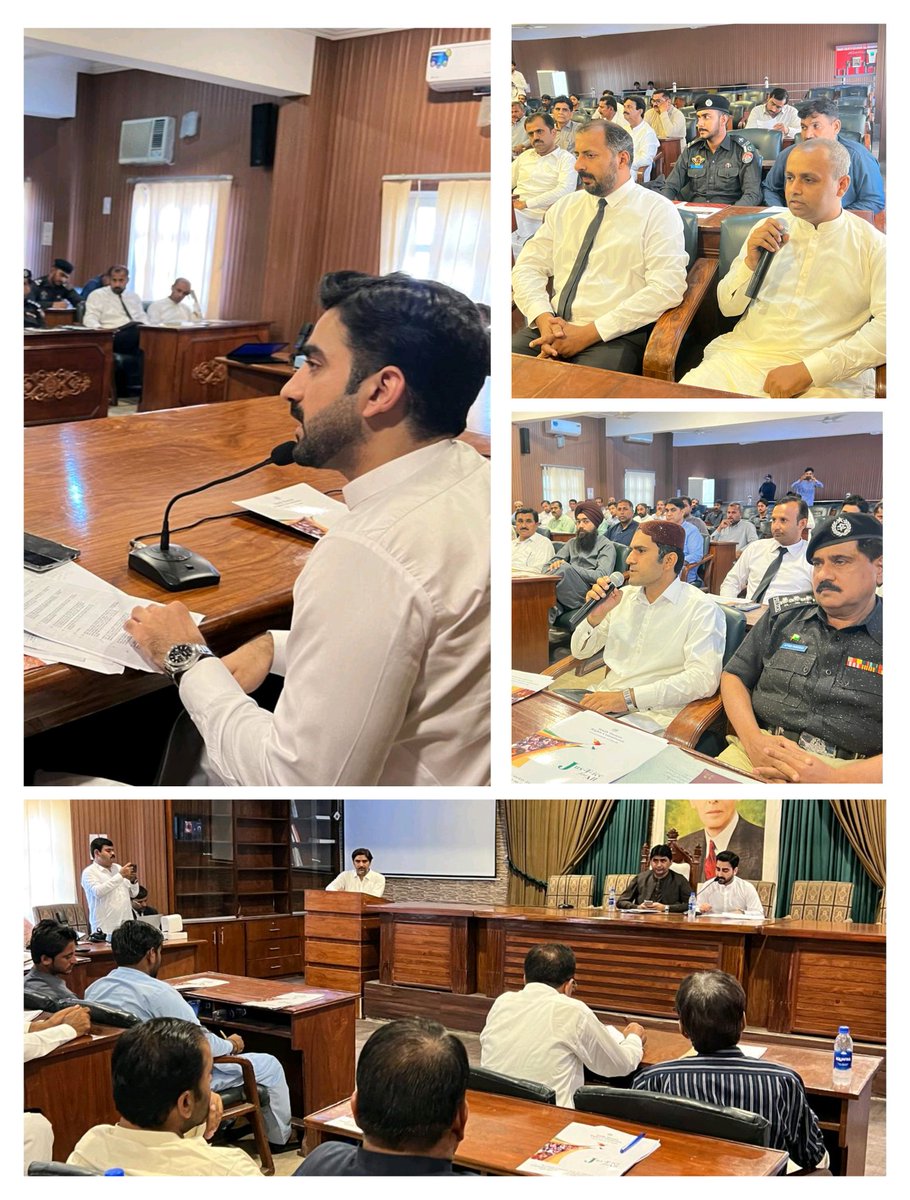
Sindh Human Rights Commission is taking action on the non -implementation of the Sindh Hindu Marriages (Amendment) Act 2018!
We're holding district-wise meetings across #Sindh with government officials and representatives from the Hindu and Sikh communities.
Recently, @SHRC_official convened meetings in district Ghotki on May 9th. Board Member SHRC, Mr. Sukhdev Assardas Hemnani, chaired the meeting with district administration and officials from various departments.
We discussed challenges with stakeholders from the Hindu/Sikh community and district police officials, shedding light on the impediments in implementing the Act.
Mr. @SukhdevHemnani_ emphasized that the 'right to family' is a fundamental human right, guaranteed by the Constitution of Pakistan and international declarations.
The Sindh Hindu Marriages (Amendment) Act 2018 plays a crucial role in ensuring this right for the Hindu/Sikh/Jain communities.
#SHRCAction #SindhRights #HinduMarriagesAct #HumanRights #CommunityMeetings #DistrictGhotki #RightToFamily #SindhProgress #ImplementationChallenges #HumanRightsCommission
2
3
15
422

9 Oct 2023
Underestimating costs and overestimating benefits to win a project can lead to challenges during implementation. Sounds familiar?
#ProjectPlanning
#ImplementationChallenges
#RealisticExpectations
2
2
70

Our key speakers and presenters at the national social protection convening will interrogate issues hindering the successful implementation of social protection interventions and propose ways of mitigating them.
#ImplementationChallenges
#SocialProtection

2
4
357

11 Aug 2023
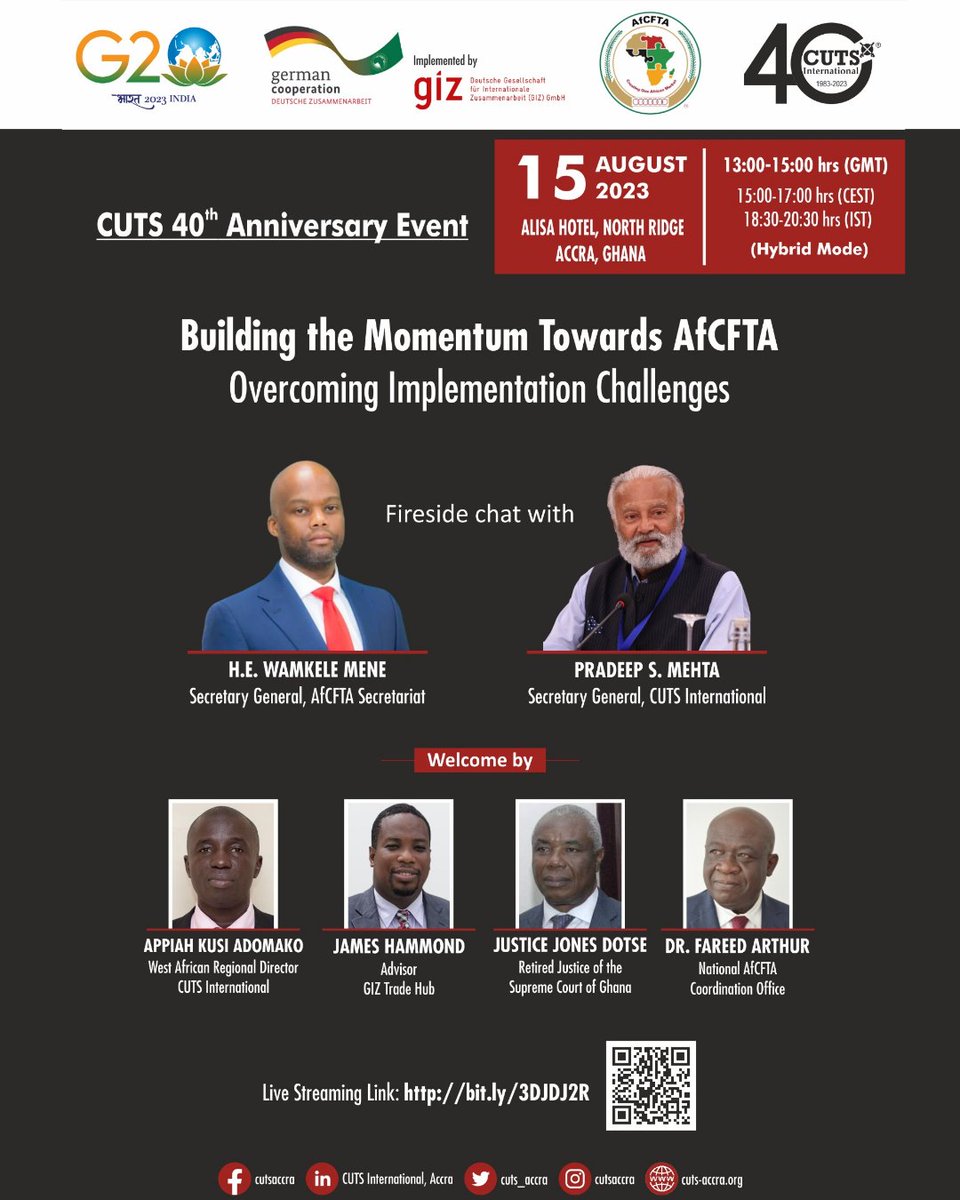
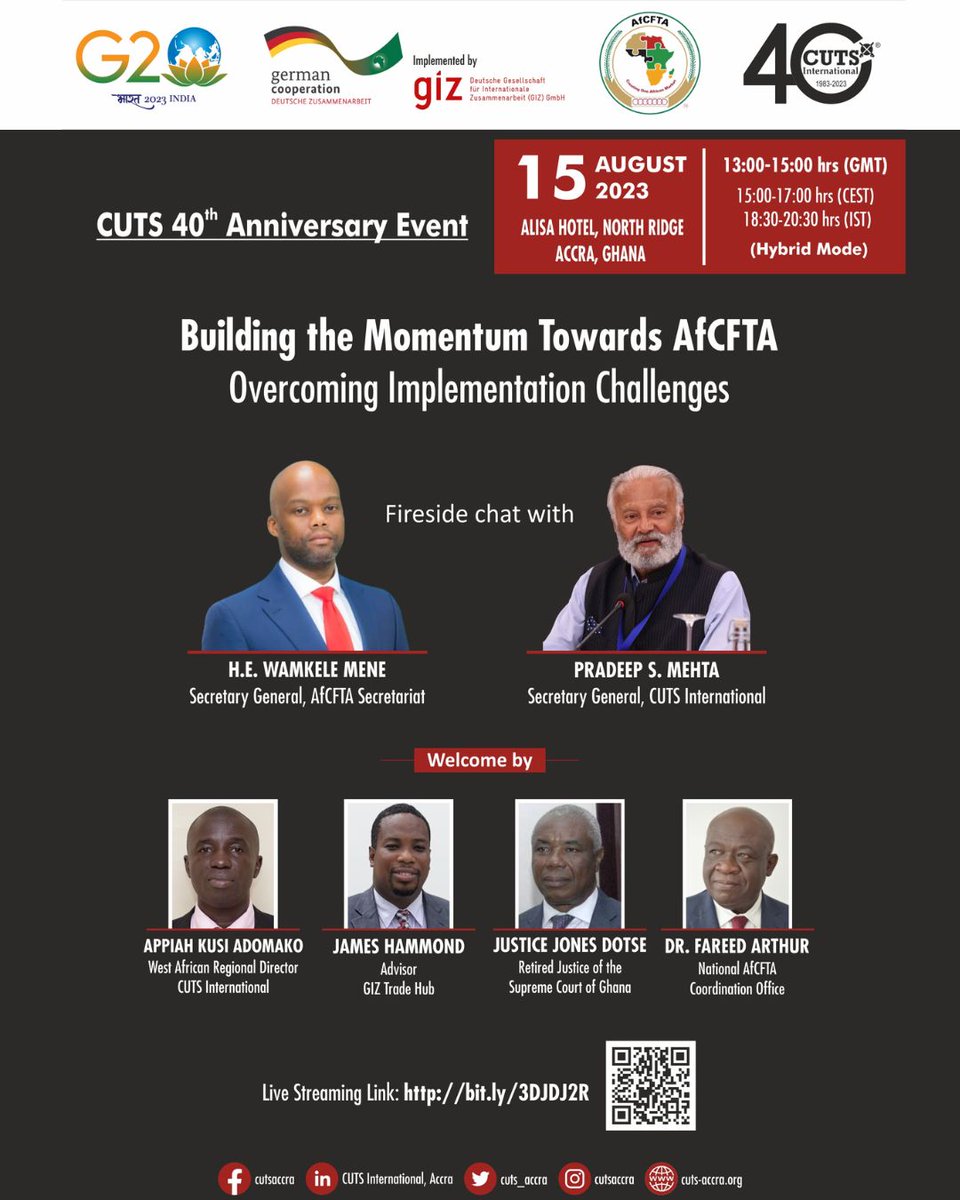
Join the #CUTS #40thAnniversary #Event - "Building the #Momentum Towards #AfCFTA: Overcoming #ImplementationChallenges"
August 15, 2023 | 13:00-15:00 hrs (GMT) | 15:00-17:00 hrs (CEST) | 18:30-20:30 hrs (IST)
#Streaming at: bit.ly/3DJDJ2R #G20
#CUTSInternational @AfCFTA
1
1
2
86

11 Aug 2023
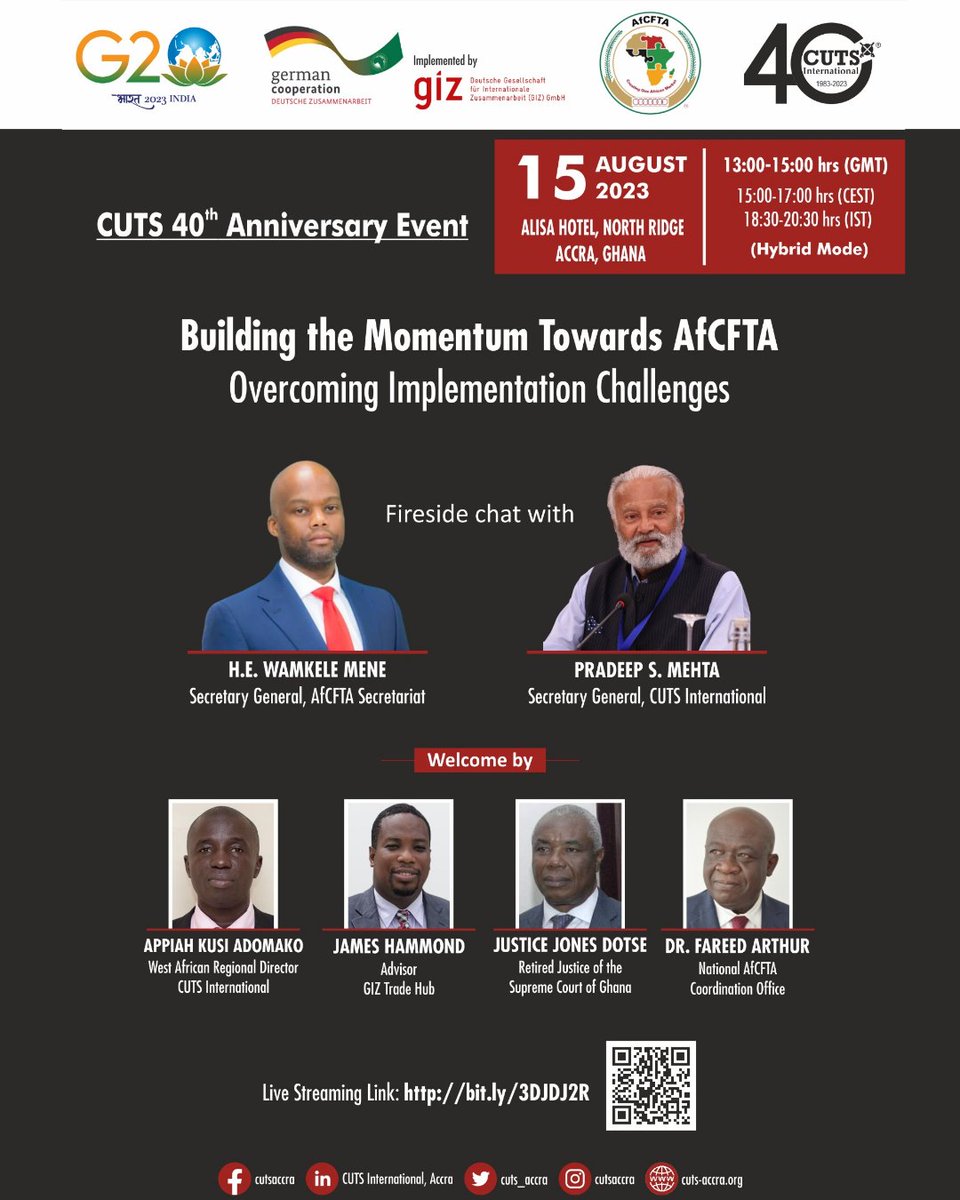
Join the #CUTS #40thAnniversary #Event - "Building the #Momentum Towards #AfCFTA: Overcoming #ImplementationChallenges"
August 15, 2023 | 13:00-15:00 hrs (GMT) | 15:00-17:00 hrs (CEST) | 18:30-20:30 hrs (IST)
#Streaming at: bit.ly/3DJDJ2R #G20
#CUTSInternational @AfCFTA
2
2
96
9 Aug 2023
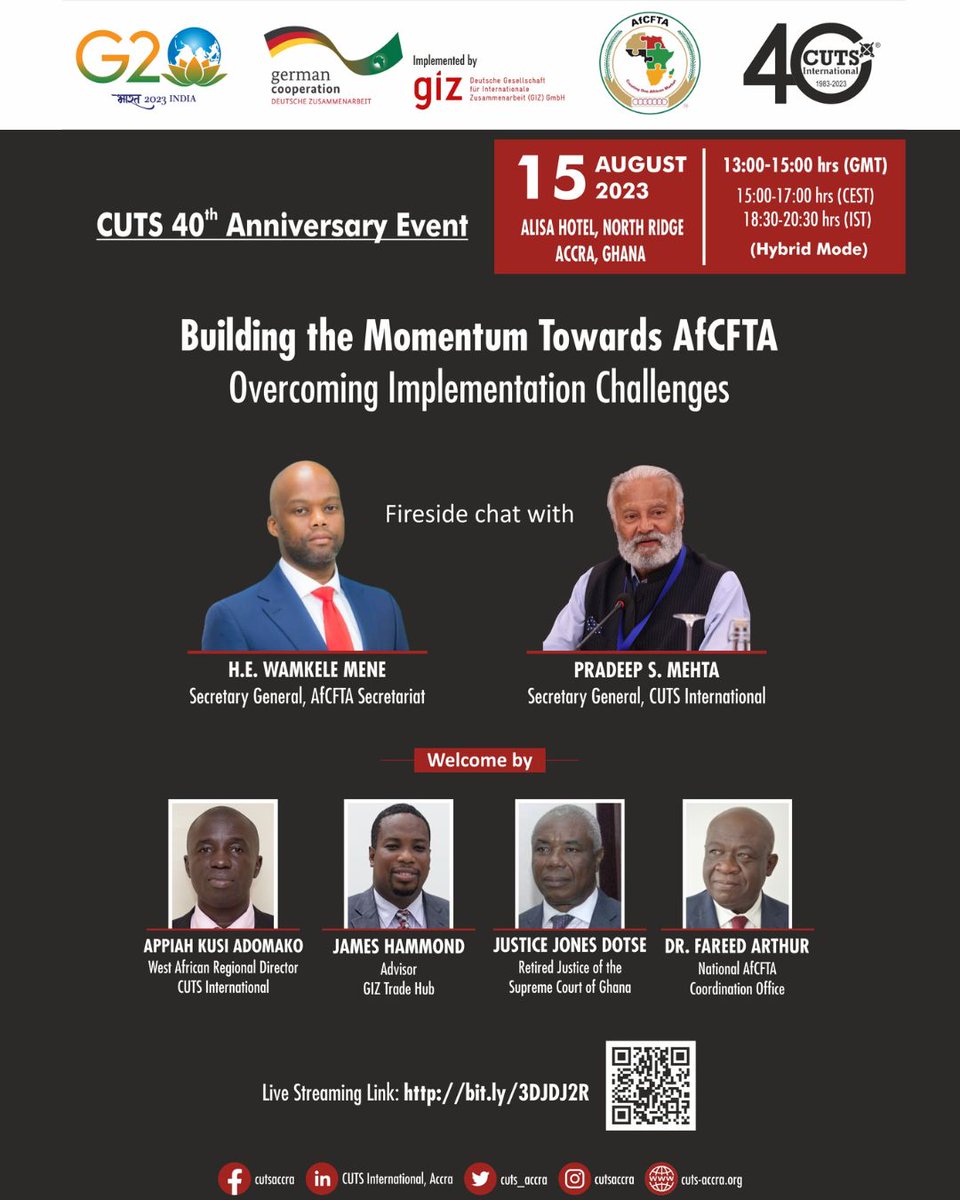
Join the #CUTS #40thAnniversary #Event - "Building the #Momentum Towards #AfCFTA: Overcoming #ImplementationChallenges"
August 15, 2023 | 13:00-15:00 hrs (GMT) | 15:00-17:00 hrs (CEST) | 18:30-20:30 hrs (IST)
#Streaming at: bit.ly/3DJDJ2R #G20
#CUTSInternational @AfCFTA
1
2
2
103
9 Aug 2023
Join the #CUTS #40thAnniversary #Event - "Building the #Momentum Towards #AfCFTA: Overcoming #ImplementationChallenges"
August 15, 2023 | 13:00-15:00 hrs (GMT) | 15:00-17:00 hrs (CEST) | 18:30-20:30 hrs (IST)
#Streaming at: bit.ly/3DJDJ2R #G20
#CUTSInternational @AfCFTA
1
2
2
110
8 Aug 2023
Underestimating costs and overestimating benefits to win a project can lead to challenges during implementation. Sounds familiar?
#ProjectPlanning
#ImplementationChallenges
#RealisticExpectations
2
2
51

5 Aug 2023
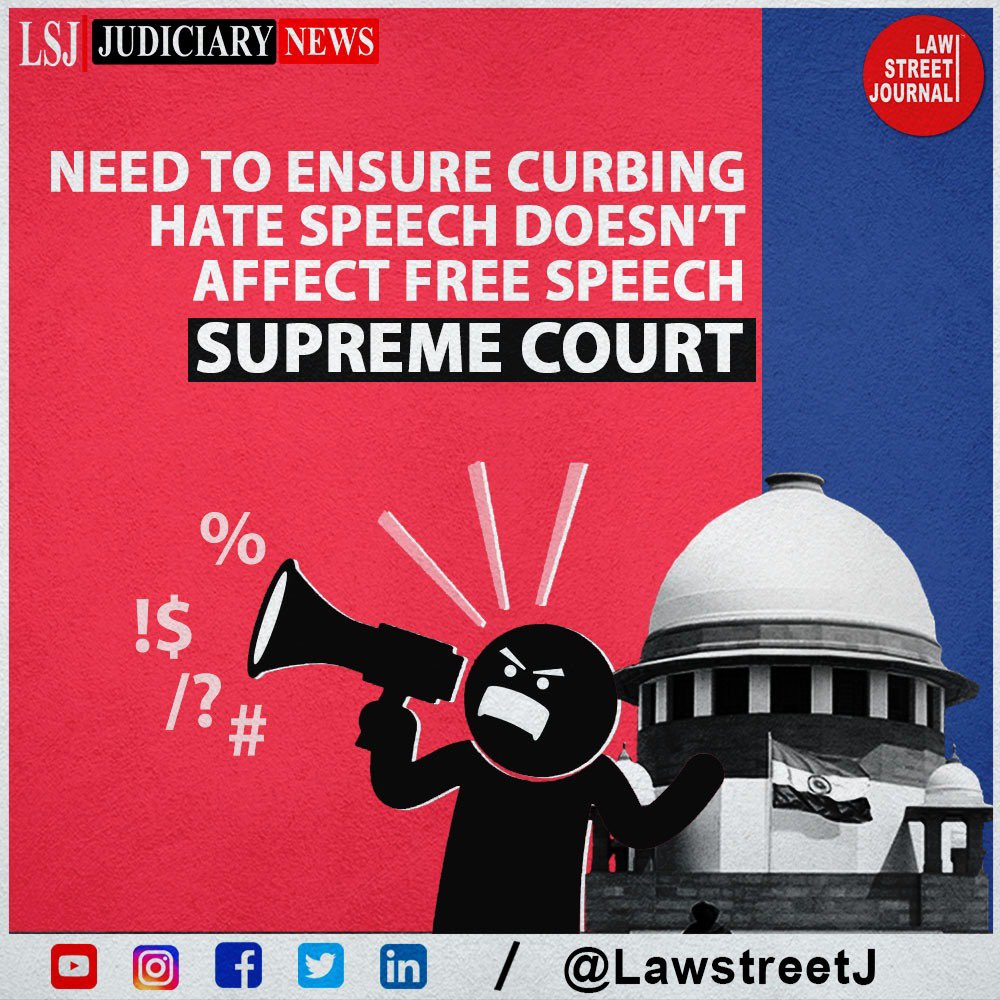
Need to ensure curbing hate speech doesn’t affect free speech: Supreme Court.
Read full article rb.gy/r8et7
#SupremeCourt #HateSpeech #FreeSpeech #CollectiveEfforts #ComplexDefinition #Verdicts #ImplementationChallenges #Journalist #VishvaHinduParishad #LawstreetJ
1
1
4
293

5 May 2023
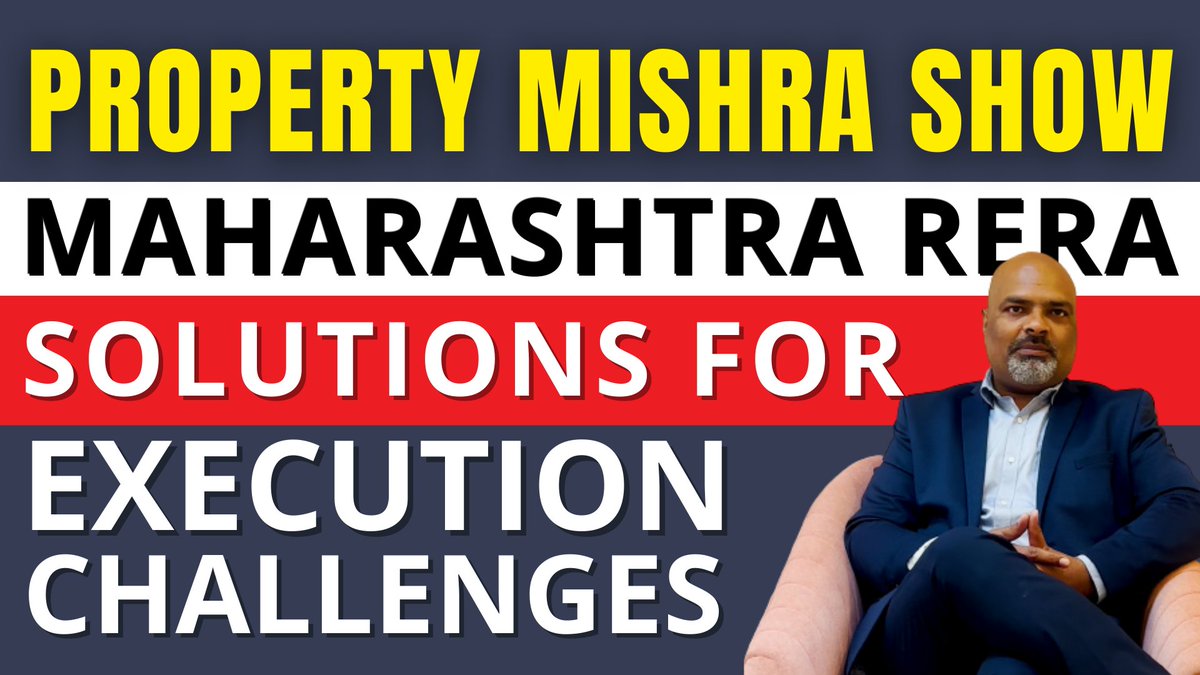
Maharashtra RERA Order Judgment Execution Problems and Solutions
Watch : youtu.be/ZDBwe_Z3bp8
YouTube : youtube.com/@MumbaiPropertyU…
@Pkmhind @PrakharSahay @DEEPAKKAHUJA @iam_deepaky @AbhisheKatyayan @Abhi89goel @alocksone @achlendra @SwetaSri27 @aadityarana @A_Parolia @yasheshyadav @yashpalmurar @NavbharatTimes
#PradeepMishra #RealEstateGuru #RealEstateAdvisor #MaharashtraRERA #RealEstateRegulation #RealEstateSector #ExecutionProblems #WayForward #CoordinationIssues #Compliance #Transparency #Accountability #ConsumerRights #PropertyBuyers #Developers #GovernmentRegulations #Homebuyers #Penalties #Enforcement #ImplementationChallenges #Resources #Coordination #Stakeholders #MaharashtraRealEstate #IndiaRealEstate #HousingSector #ConstructionIndustry #LegalFramework #JudicialReforms #ConsumerProtection #RERAAuthority
6
133

28 Apr 2019
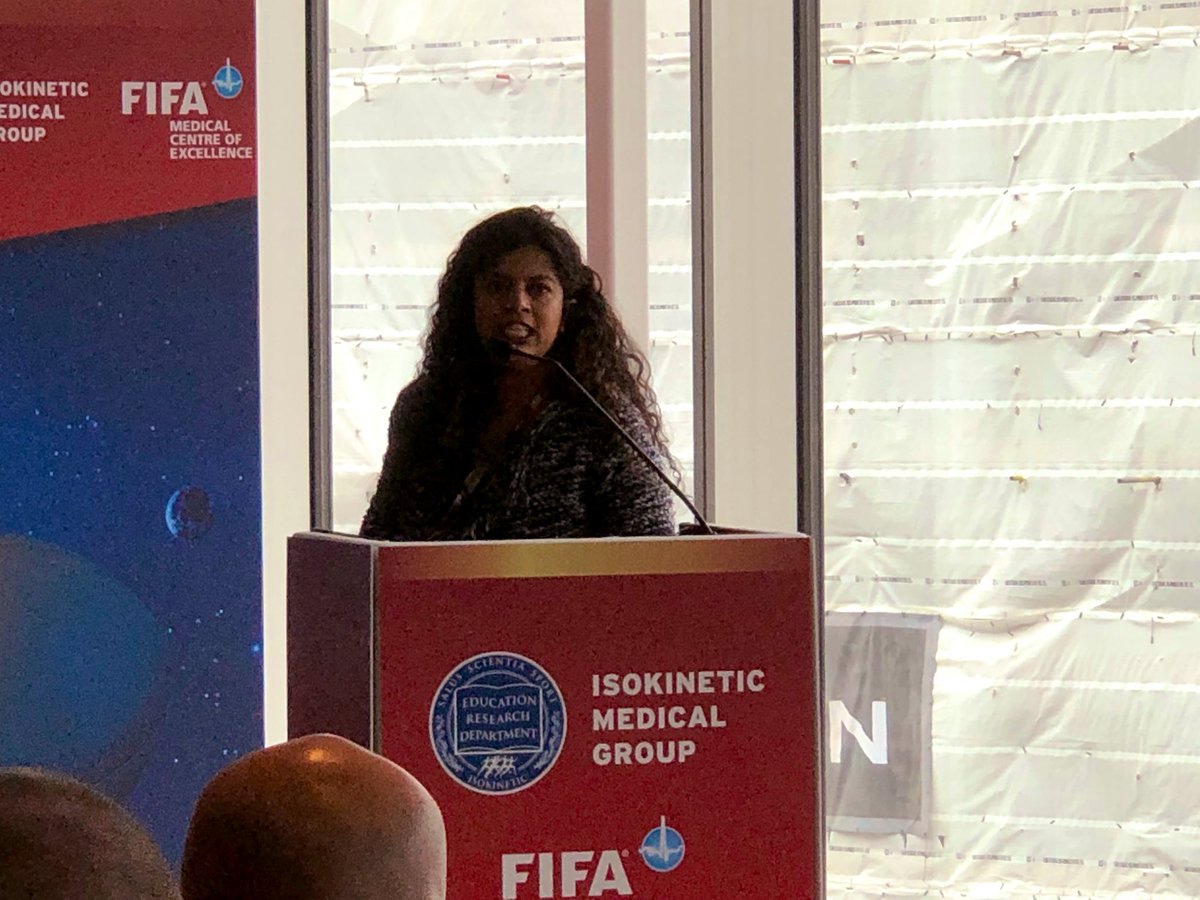
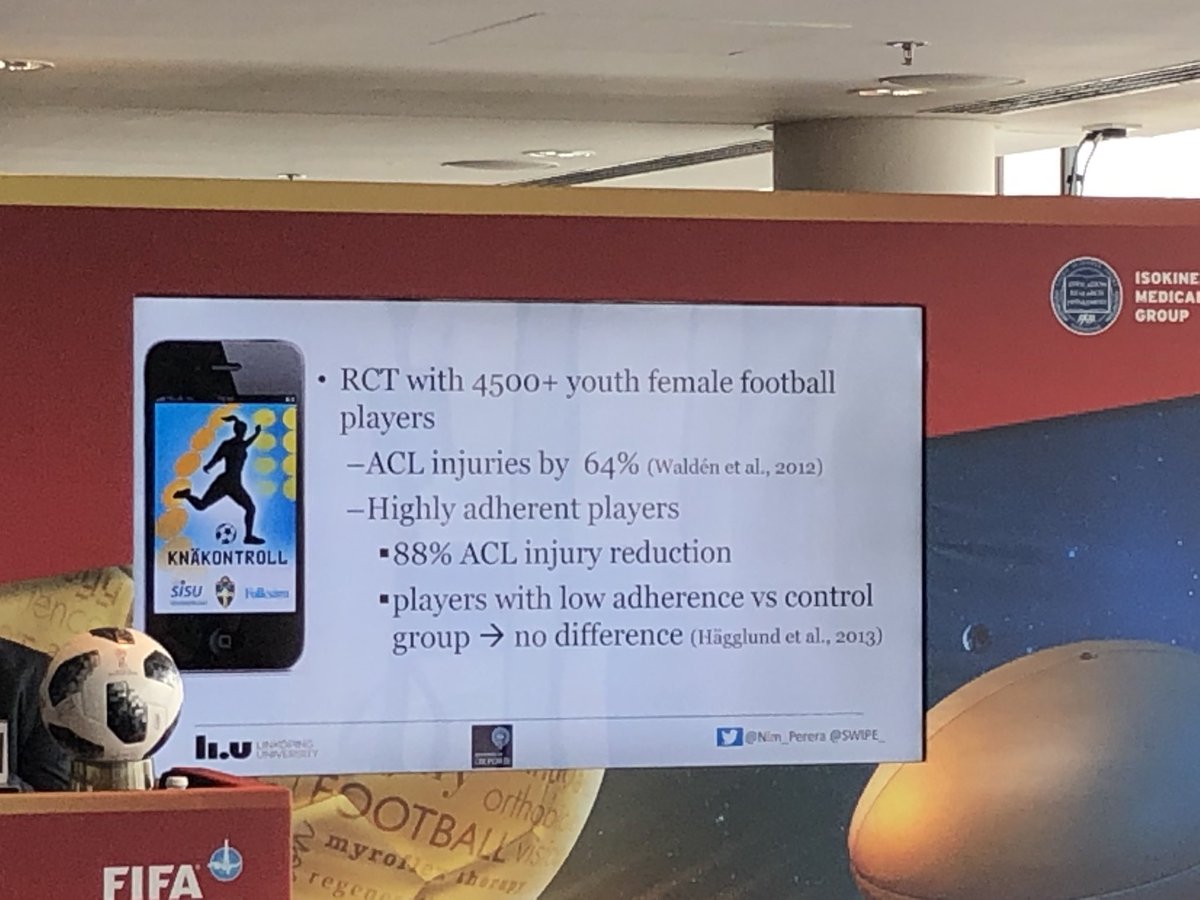
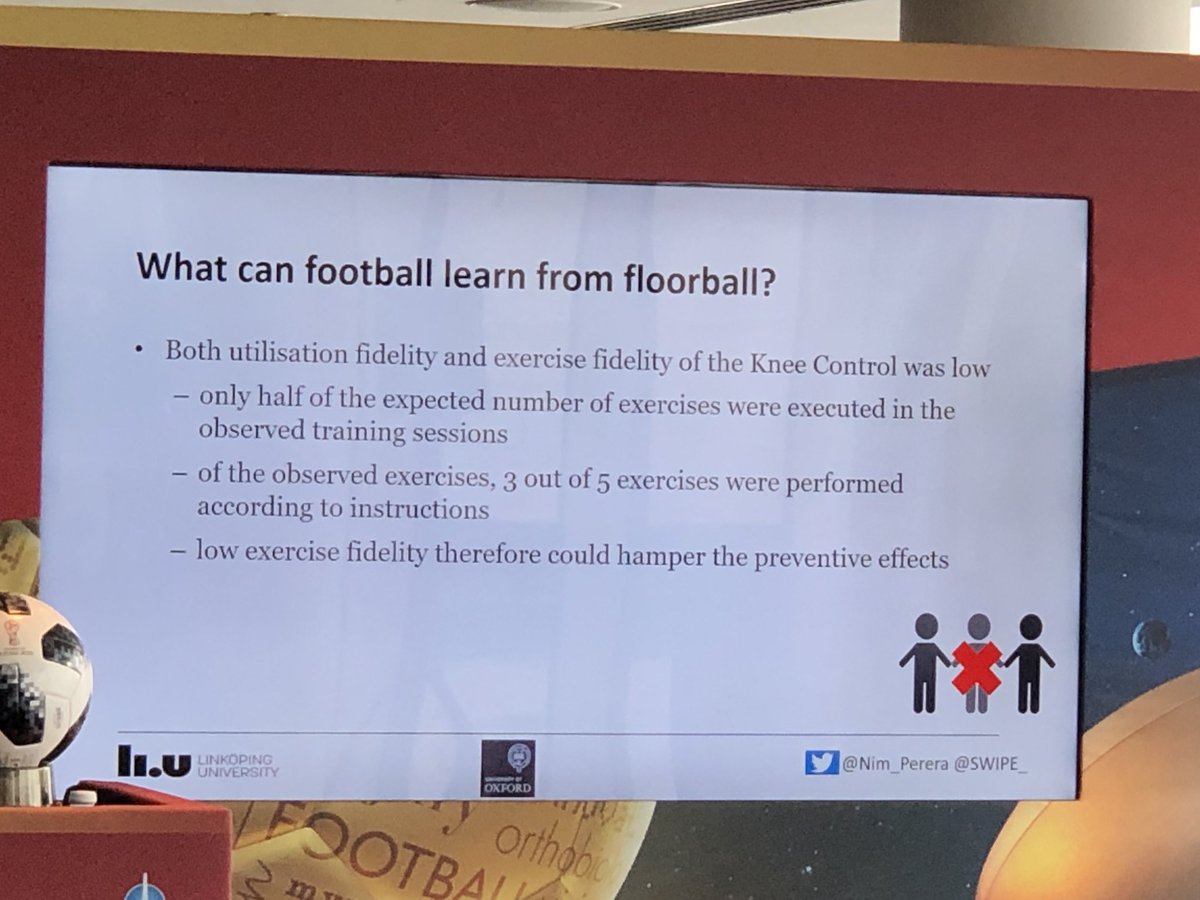
@Nim_Perera presenting new data on prevention RCT in floorball. We have a great risk reduction program, but how do we get the players to do it well 🤷🏼♀️??? #FFMED #Implementationchallenges
5
10

24 Apr 2019
Over 100 AfricanThinkTanks have descended on #Nairobi for #2019AfricaThinkTankSummit. We start discussions on tackling #implementationchallenges for Africa's #SustainableDevelopment . @onthinktanks @_AfricanUnion @SVoice2030 @Hewlett_Found @isdb_group @afreximbank @AfDB_Group

2
4

15 Jan 2019
Delighted to have started data collection today for next study. Busy few months ahead visiting hospitals but looking forward to it! #menulabelling #implementationchallenges Thanks @ObrienSarahb @SarahSoroptimis @ColetteNUIG @houghtoncath @f_geaney @ElaineToomey1 & all for input.
4
3
25

12 Nov 2018
Delving into #OnlineLearning and being one of the #instructors of the #EU #Electricity #Network Codes @FSR_Energy
Discussing topics such as #termsconditions and #methodolgies
#LegalNature
#ImplementationChallenges
Proud day.

1
3
18
20 Jul 2018
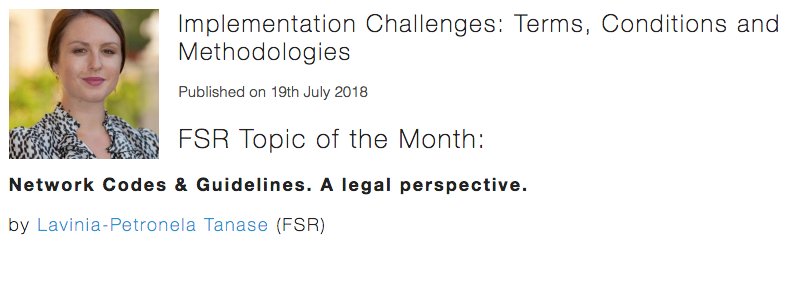
My second instalment of the #TopicoftheMonth on the #implementationchallenges of the Electricity #NetworkCodes x #Guidelines : #TermsConditionsMethodologies and their #unclear legal nature
@FSR_Energy
20 Jul 2018

Initially envisaged by the European Commission as technical documents with a legal value similar to the one of the Guidelines themselves, the Terms, Conditions and Methodologies have developed into documents whose legal nature remains unclear #NetworkCodes bit.ly/2Lrs2UI
1
5