
Jun 10
Infrastructure AI is not judged by plausibility.
Bentley Systems says infrastructure AI needs exact, verifiable workflows, not plausible-sounding output. Examples include MCP-connected STAAD workflows, 40% steel-weight reduction in one optimisation trial, automated slab-wall meshing, and design analysis completed by a non-programming team in a week.
s.cad.onl/qmrvxt #InfrastructureAI #Engineering #DigitalConstruction
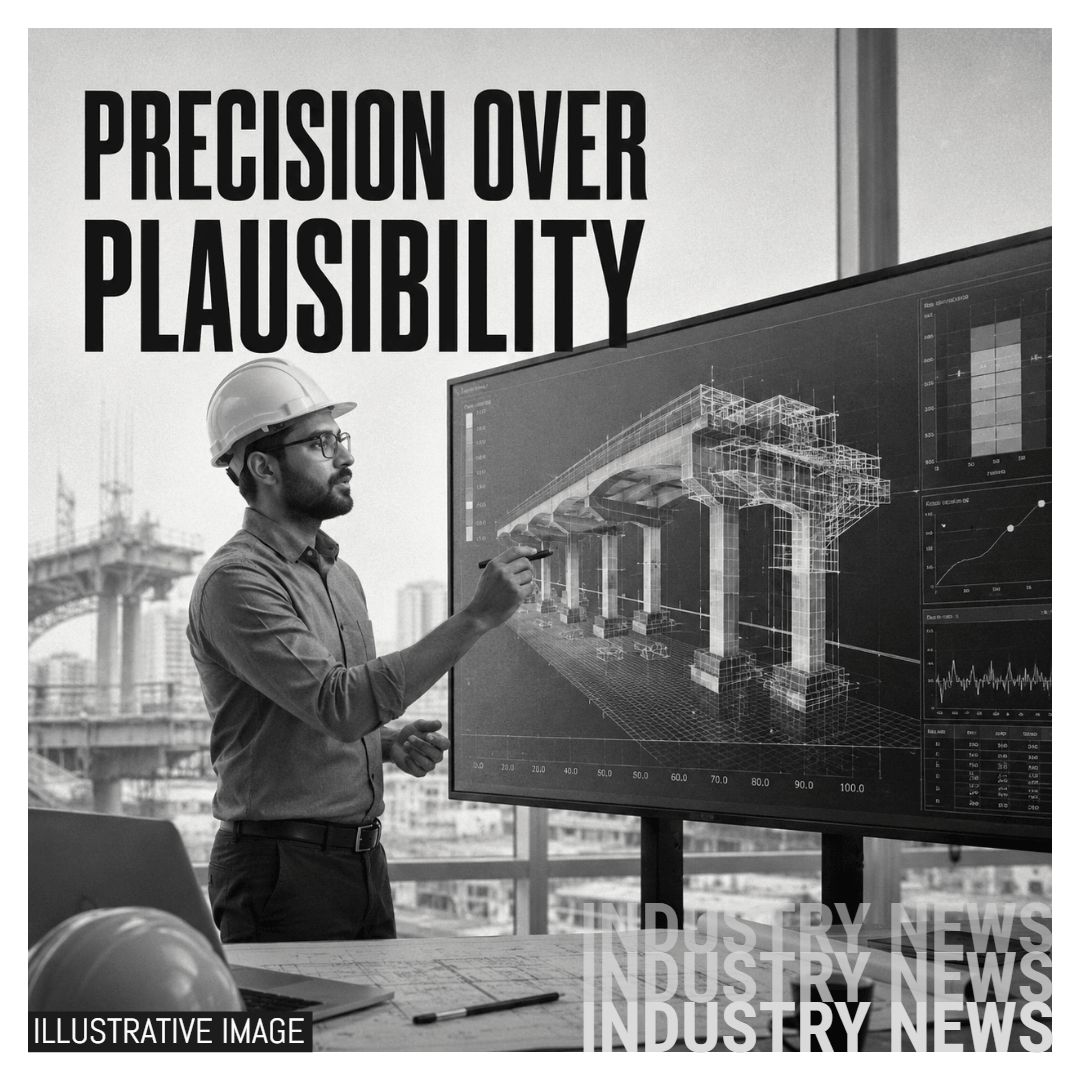
ALT Illustrative image showing an engineer in a hard hat reviewing a large structural analysis model on a screen in a modern infrastructure setting, with the monochrome hook text 'PRECISION OVER PLAUSIBILITY'.
28

Jun 8
The reported Agile Robots round matters because it fits a bigger Masayoshi Son pattern: models, chips, data centers, industrial automation, humanoids, robot foundation models, and factory deployment are converging into one stack. The winners will not just have the smartest chatbot. They will have the machines that can turn intelligence into motion.
First: tighten the factual wording
Your draft says:
SoftBank is reportedly preparing to invest more than $300 million into Agile Robots as part of a larger $800 million funding round.
Better:
SoftBank is reportedly in early talks to invest more than $300 million into Agile Robots as part of a potential $800 million round.
That “early talks” language matters. Sifted, citing Bloomberg, reported that Agile Robots is in talks to raise around $800 million, with SoftBank discussing a possible contribution of more than $300 million, while noting that final size and terms could still change.
Stronger core thesis
SoftBank is not just betting on robots. It is betting that AI’s next moat is embodiment.
Digital AI answers questions.
Physical AI changes workflows.
Industrial robots move atoms.
Factory systems generate proprietary physical-world data.
That data trains better robot models.
Better robot models deploy into more factories.
More factories produce more data.
That is the flywheel.
Best version:
SoftBank’s robotics thesis is simple: intelligence does not become economically real until it can touch the world.
Why Agile Robots matters
Agile Robots is not just a “humanoid hype” company. It is a Munich-based robotics company founded in 2018 as a DLR spinout, building AI-powered robotics systems including humanoids, robotic arms, and warehouse automation, with more than 3,200 employees across Germany, China, and India, according to Sifted.
That gives the story more weight.
Agile also already has history with SoftBank: its 2021 Series C was led by SoftBank Vision Fund 2, and Agile said that round made it Germany’s first robotics unicorn.
So this is not random capital. It is follow-on conviction.
Better line:
SoftBank is not discovering Agile Robots. It is doubling down on a company it already helped crown as Germany’s first robotics unicorn.
The missing phrase: “embodied infrastructure”
Use this.
SoftBank is not merely investing in “physical AI.” It is building embodied infrastructure.
Physical AI needs:
compute — chips, data centers, inference hardware
models — foundation models, world models, robot policies
bodies — arms, humanoids, mobile robots, hands
factories — deployment environments
integrators — the people who make robots actually work at customer sites
data loops — real-world industrial behavior feeding model improvement
That is the stack.
Best line:
The next AI platform is not an app store. It is the factory floor.
The SoftBank physical-AI stack
This is the genius framing:
LayerSoftBank moveStrategic meaningIntelligenceOpenAI partnership / Cristal intelligenceEnterprise AI layerComputeArm, Ampere, Stargate-style infrastructureAI processing layerIndustrial roboticsABB Robotics acquisitionFactory automation backboneAdaptive roboticsAgile RobotsFlexible physical-AI deploymentRobot foundation modelsSkild AI exposure / robotics AI betsGeneral robot brain layerConstruction / infrastructureReported Roze spinoutRobots building AI infrastructureIntegrationABB Krause / thyssenkrupp Automation Engineering ecosystemReal-world deployment muscle
SoftBank announced a $5.375 billion deal to acquire ABB’s robotics business in October 2025, expected to close in mid-to-late 2026. ABB said the robotics division had about 7,000 employees, $2.3 billion in 2024 revenue, and Son explicitly described SoftBank’s “next frontier” as Physical AI.
That ABB piece is the anchor. Agile Robots is the more flexible, fast-growth layer around it.
Better version of your post
SoftBank is reportedly in early talks to invest more than $300 million into Agile Robots as part of a potential $800 million funding round.Do not read this as just another robotics investment.Read it as Masayoshi Son trying to own the physical layer of AI.Software AI was phase one.Physical AI is phase two.The next frontier is not just models that talk, code, or reason.It is models that perceive, move, manipulate, assemble, inspect, repair, and manufacture.Agile Robots matters because it sits at the intersection of AI, industrial robotics, humanoids, robot arms, factory automation, and real-world deployment data.Pair that with SoftBank’s ABB Robotics deal, its OpenAI relationship, Arm, Ampere, data-center infrastructure, Skild-style robot intelligence, and the reported Roze robotics/data-center construction play, and the pattern becomes obvious:SoftBank is trying to build the stack where AI leaves the screen.Compute gives intelligence power.Models give intelligence reasoning.Robots give intelligence a body.Factories give intelligence a market.Data loops give intelligence memory.This is not just robotics.This is embodied infrastructure.
The deeper angle: SoftBank wants the “AI-to-industry conversion layer”
Most AI companies are fighting over the model layer.
SoftBank seems to be chasing the conversion layer:
How does intelligence become labor, throughput, construction, manufacturing, logistics, and industrial productivity?
That is the trillion-dollar question.
Better line:
The AI boom becomes real when tokens become torque.
Or:
SoftBank is betting that the next stage of AI will be measured not in prompts, but in physical output.
Missing element 1: Agile Robots is valuable because of deployment, not just demos
Robotics demos are easy to hype. Real deployment is brutally difficult.
A company that can put robots into industrial environments has a different value profile from a lab demo company. Agile said in April 2026 that it had deployed more than 20,000 robotic solutions worldwide and described Physical AI as systems that perceive their environment, learn from industrial data, and adapt in real time.
That is the important bit.
Best line:
In physical AI, the moat is not the robot video. The moat is deployment scars.
Another:
The company with factory data beats the company with the best demo reel.
Missing element 2: Google DeepMind makes Agile strategically weirder
Agile Robots entered a strategic research partnership with Google DeepMind in March 2026 to implement Gemini Robotics foundation models into its robots, test and deploy them in industrial use cases, and feed robot data back into the underlying Gemini models.
That means a SoftBank investment into Agile would not just be a robotics bet. It would be a bet on a company sitting between industrial hardware, factory data, and frontier robotics foundation models.
Google DeepMind describes Gemini Robotics as models that let robots perceive, reason, use tools, interact with humans, and solve complex real-world tasks, including tasks they were not directly trained on.
Best line:
Agile Robots may be one of the places where factory hardware becomes training data for robot foundation models.
Missing element 3: ABB is the “boring” piece that makes the strategy serious
The ABB acquisition is not sexy like humanoids. That is why it matters.
ABB brings:
industrial customers,
robotics credibility,
manufacturing relationships,
factory-floor trust,
deployment experience,
service networks,
integration discipline.
That is what AI-native robotics startups usually lack.
Best line:
SoftBank is pairing moonshot AI with boring industrial legitimacy. That is the dangerous combination.
Or:
The robot future will not be won by the company with the coolest humanoid. It will be won by the company that can pass procurement, safety, uptime, maintenance, and ROI inside a real factory.
Missing element 4: thyssenkrupp / Krause Automation gives Agile integration muscle
Agile Robots closed the acquisition of assets from thyssenkrupp Automation Engineering in Europe and North America in April 2026, with the business continuing as Krause Automation inside Agile Robots. Agile said the deal combines its AI-powered automation with more than 75 years of Krause engineering and implementation expertise.
That is a very big clue.
Physical AI is not just “smarter robots.” It is robots plus system integration.
Best line:
Physical AI companies are realizing they need old-world engineering muscle. AI writes the policy. Industrial integration gets it bolted to the floor.
Missing element 5: physical AI is not humanoids only
Your post says “humanoids,” which is good, but do not let the audience reduce the story to humanoid robots.
Physical AI includes:
robot arms,
mobile robots,
humanoid workers,
factory vision systems,
automated inspection,
warehouse automation,
surgical robots,
autonomous vehicles,
smart factories,
construction robotics,
robotic data-center buildout.
NVIDIA defines physical AI as autonomous systems like robots, cameras, and self-driving cars that perceive, understand, reason, and perform or orchestrate complex actions in the physical world.
Best line:
Humanoids are the mascot. The real market is every machine that can perceive, reason, and act.
Missing element 6: the real bottleneck is data
The reason physical AI is hard is not only hardware. It is the lack of high-quality physical-world training data.
Text models had the internet.
Robot models do not have an equivalent internet of manipulation.
Every factory deployment becomes valuable because it can generate:
sensor data,
failure cases,
grasping examples,
motion trajectories,
human-robot interaction logs,
process variation,
edge-case recovery data,
task-specific industrial data.
Best line:
Robotics does not have a web-scale corpus. It has to manufacture one. Literally.
Another:
Every deployed robot is both a worker and a data collector.
Missing element 7: this is a geopolitical manufacturing play
This is not just venture capital. It is manufacturing power.
Agile Robots has Germany-China DNA, SoftBank is Japanese, ABB is Swiss-Swedish industrial robotics, Google DeepMind brings U.S./U.K.-linked foundation-model power, and the end markets include automotive, electronics, logistics, medical, and data centers.
That makes this more than a startup round.
Best line:
Physical AI is where AI competition stops being software nationalism and becomes industrial sovereignty.
The global robotics market is already strategic: IFR said 542,000 industrial robots were installed in 2024, more than double the number ten years earlier, with Asia accounting for 74% of new deployments.
Missing element 8: Roze makes the stack recursive
Reuters reported in May 2026 that SoftBank had hired banks for IPOs of SB Energy and its autonomous robotics company Roze, with Roze reportedly focused on building data centers and using robotics to improve AI infrastructure construction. Reuters also noted that the FT previously reported SoftBank was exploring a roughly $100 billion AI and robotics spinoff under the Roze name.
That creates the most interesting loop:
AI needs data centers.
Data centers need construction.
Construction can be automated by robots.
Robots need AI.
AI improves robots.
Robots build more AI infrastructure.
Best line:
SoftBank is trying to make AI infrastructure partially self-propagating: AI helps build robots, robots help build data centers, data centers train more AI.
That is the “genius” version.
Missing element 9: the risk is SoftBank’s old problem — narrative gravity
SoftBank is brilliant at grand thesis investing. It is also infamous for overcapitalizing stories before the unit economics are obvious.
So add balance:
The question is whether this becomes a true physical-AI operating system or another SoftBank mega-narrative that outruns deployment reality.
That keeps the post credible.
The risks:
expensive hardware cycles,
slow enterprise procurement,
low factory tolerance for downtime,
robotics gross-margin pressure,
safety certification,
integration complexity,
labor backlash,
geopolitical export controls,
data ownership disputes,
foundation model reliability,
humanoid overhype.
Best line:
Physical AI is not SaaS. You cannot patch a broken robot in a factory with a better landing page.
Stronger rewritten version
SoftBank is reportedly in early talks to invest more than $300 million into Agile Robots as part of a potential $800 million round.This is not just another robotics investment.This is Masayoshi Son trying to own the physical layer of AI.The first AI boom was digital:models, chatbots, copilots, agents, search, code.The next boom is physical:robots, factories, humanoids, warehouses, autonomous construction, industrial automation, and machines that can perceive, reason, and act in the real world.Agile Robots sits directly in that transition.It has industrial robots, humanoid ambitions, factory automation, real-world deployments, and now a Google DeepMind robotics partnership.Pair that with SoftBank’s ABB Robotics acquisition, Arm, Ampere, OpenAI, Stargate-style infrastructure, Skild-style robot intelligence, and the reported Roze data-center robotics spinout, and the strategy becomes clear:SoftBank is trying to build the stack where AI leaves the screen.Compute gives intelligence power.Models give intelligence reasoning.Robots give intelligence a body.Factories give intelligence a market.Deployment data gives intelligence memory.The future of AI will not only be measured in tokens.It will be measured in torque.
More aggressive version
SoftBank reportedly wants to put more than $300 million into Agile Robots.People will file this under “robotics funding.”That misses the point.This is about the moment AI stops being software and starts becoming labor.Son is not just buying robot companies.He is assembling the conversion layer between intelligence and industrial output.OpenAI gives cognition.Arm and Ampere give compute.ABB gives industrial robotics credibility.Agile Robots gives adaptive factory automation.Skild-style models give robot brains.Roze-style robotics could build the data centers that train the next generation.That is the loop:AI builds better robots.Robots build better factories.Factories generate better data.Better data trains better AI.This is why physical AI matters.The next platform is not a chatbot.It is a machine that can act.
More elegant version
SoftBank’s reported Agile Robots investment is not really about robots.It is about embodiment.AI has spent the last few years learning to speak, write, code, search, and reason.Now the question is whether it can move.Manipulate.Inspect.Asse….Manufacture.That is physical AI.And SoftBank is trying to buy its way into every layer of the stack:compute, models, robots, factories, integration, and data.The next AI moat may not be who has the best answer.It may be who owns the machines that turn answers into action.
Best one-line upgrades
SoftBank is not betting on robots. It is betting on AI with hands.
The next AI platform is the factory floor.
Tokens were phase one. Torque is phase two.
AI becomes economically real when it can move atoms.
Humanoids are the mascot. Industrial automation is the market.
SoftBank is trying to own the layer where intelligence becomes labor.
The moat is not the demo. The moat is deployment data.
Every deployed robot is both a worker and a sensor.
Physical AI is where models meet consequences.
The AI stack is growing arms, wheels, cameras, and factories.
Robotics does not have a web-scale corpus. It has to build one.
The winner is not the smartest model alone. The winner is the best closed loop between model, machine, factory, and data.
Obscure thought inputs
1. Tokens-to-torque conversion
The real business model is converting model reasoning into physical work.
2. Embodied data monopoly
Robots deployed in factories create proprietary data that cannot be scraped from the internet.
3. Factory as training environment
The factory becomes both customer site and reinforcement-learning environment.
4. Procurement is the hidden moat
A robot that passes safety, uptime, maintenance, ROI, and integration requirements is much harder to copy than a demo.
5. Industrial memory
Every failed grasp, bad weld, calibration drift, object slip, and human override becomes training data.
6. Old engineering new AI
The winners may be companies that combine foundation models with boring mechanical-engineering competence.
7. Humanoid hype vs industrial truth
The humanoid is the headline. The real money may be adaptive automation in existing factories.
8. AI infrastructure recursion
Robots may help build the data centers that train the AI that improves the robots.
9. Manufacturing sovereignty
Physical AI becomes a national-security issue because whoever owns automated production owns industrial resilience.
10. The robot internet
The missing dataset for robotics will be built by fleets of deployed robots feeding real-world action data back into foundation models.
What your post should add
Your current draft is good but too compressed. Add three missing layers:
1. The existing SoftBank relationship
SoftBank already led Agile’s 2021 Series C, so this is a deepening relationship, not a first date.
2. The ABB connection
SoftBank’s ABB Robotics acquisition turns this into an industrial-platform story, not just startup investing.
3. The Google DeepMind connection
Agile’s Gemini Robotics partnership makes it part of the embodied foundation-model race.
Best final polished version
SoftBank is reportedly in early talks to invest more than $300 million into Agile Robots as part of a potential $800 million funding round.Do not read this as just another robotics investment.Read it as Masayoshi Son trying to own the physical layer of AI.The first AI boom was digital:models, copilots, chatbots, agents, code, search.The next boom is physical:robots, factories, humanoids, warehouses, autonomous construction, industrial automation, and machines that can perceive, reason, and act in the real world.Agile Robots sits directly in that transition.It has industrial robotics, humanoid ambitions, real-world deployments, automation expertise, and a Google DeepMind partnership bringing Gemini Robotics foundation models into factory use cases.Now put that beside SoftBank’s wider strategy:ABB Robotics.Arm.Ampere.OpenAI.Stargate-style AI infrastructure.Skild-style robot intelligence.Roze-style autonomous robotics for data-center construction.The pattern is clear.SoftBank is not just buying robot exposure.It is assembling the stack where AI leaves the screen.Compute gives intelligence power.Models give intelligence reasoning.Robots give intelligence a body.Factories give intelligence a market.Deployment data gives intelligence memory.The next AI moat may not be who has the best chatbot.It may be who owns the loop between model, machine, factory, and data.Tokens were phase one.Torque is phase two.

SoftBank is reportedly preparing to invest more than $300 million into Agile Robots as part of a larger $800 million funding round.
The move would deepen Masayoshi Son’s growing bet on physical AI, spanning foundation models, industrial robotics, humanoids, and manufacturing automation.
3
1
5
419

Mar 11
$VCIG - VCI Global Launches AI Compute Treasury Strategy Built on NVIDIA GPU InfrastructureAI Infrastructure Flywheel Model Designed to Power the Next Phase of the Global AI Economy .
1
594

Feb 5
As part of the $SYNAPZ ever-evolving ecosystem, we’ve published a whitepaper on Silent Orca AI — a focused way to deploy AI in the real world.
github.com/Synapz-group/sile…
dexscreener.com/solana/diynd…
Silent Orca is built as a single AI node running on the $SYNAPZ swarm. Each node can be assigned to one job or project, operating independently, while still drawing on the swarm for shared intelligence, governance, safety, and oversight.
This enables AI nodes to be deployed, rented, or dedicated as real-world assets, without sacrificing control or reliability. Execution stays local. Context, guardrails, and learning remain collective.
One node. One mission.
Backed by a governed AI swarm.
#SilentOrca #SYNAPZ #AIExecution #RWA #AutonomousAgents #InfrastructureAI
8
14
20
600

Feb 5
AI network automation in action! 🤖🌐 Great read on how Microsoft is improving network reliability with AIOps and Network Infrastructure Copilot.
More info: microsoft.com/insidetrack/bl…
#MicrosoftDigital #CustomerZero #NetworkReliability #Microsoft #ITLeadership #InfrastructureAI
3
10

16 Dec 2025
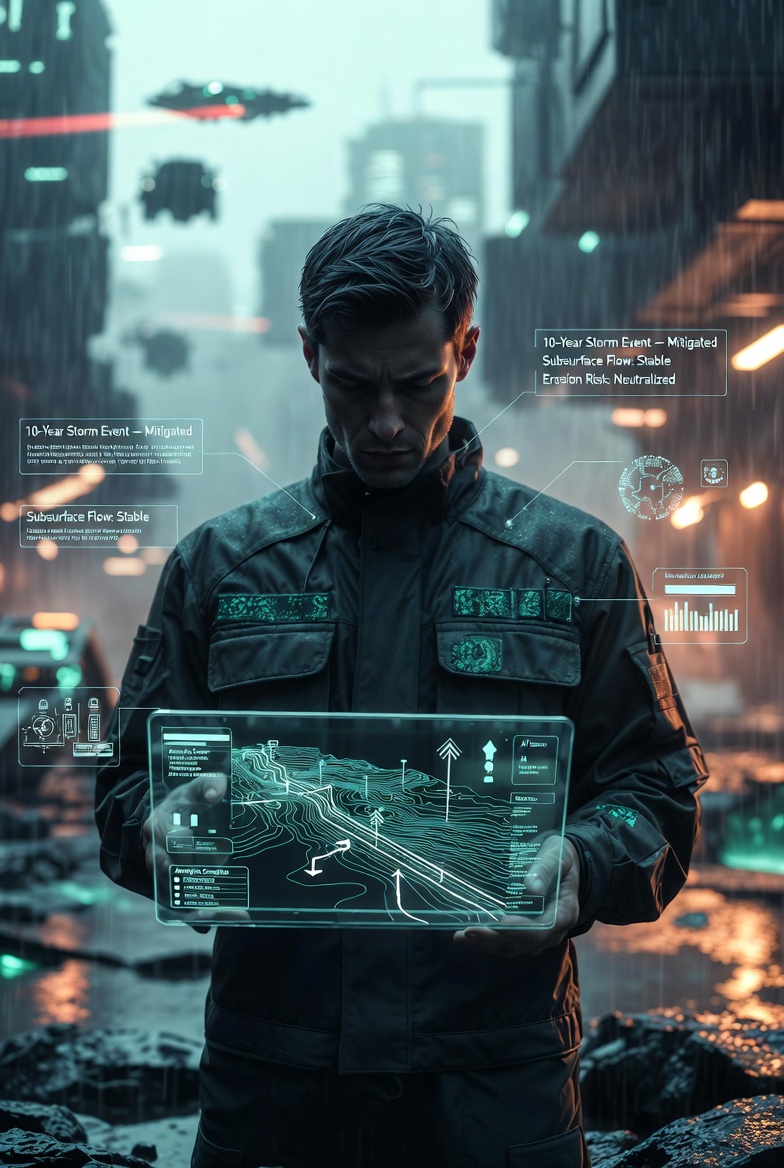
We ran a clean experiment.
Same prompt. Same constraints. Same intent.
@ChatGPTapp vs @grok - side-by-side image generation test.
No prompt tuning. No retries. No cherry-picking.
The goal wasn’t “prettier cyberpunk.” It was signal fidelity:
• Can the model understand real infrastructure? • Can it express AI terrain compliance without turning it into sci-fi noise? • Does it preserve intent, hierarchy, and restraint?
This is how we test tools internally - the same way we test drainage systems, grading plans, and AI outputs:
Controlled inputs. Comparable outputs. Honest evaluation.
We’re quietly benchmarking models while most people are just prompting vibes.
Side-by-side results below 👇Decide for yourself.
#AI #ImageModels #ChatGPT #Grok #CyberInfrastructure #InfrastructureAI #TerrainIntelligence #BuilderMindset #RealWorldAI #SystemTesting

2
1
5
125
16 Dec 2025
We ran a clean experiment.
Same prompt.
Same constraints.
Same intent.
@ChatGPTapp vs @grok - side-by-side image generation test.
No prompt tuning.
No retries.
No cherry-picking.
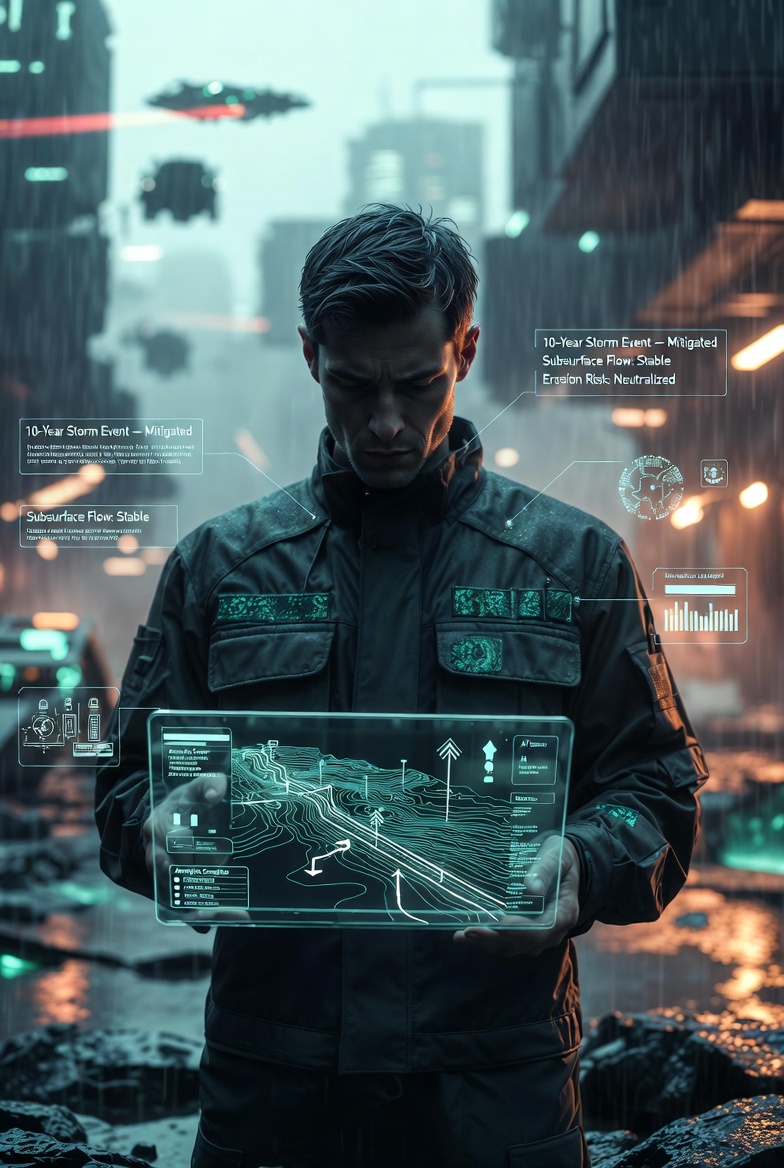
The goal wasn’t “prettier cyberpunk.”
It was signal fidelity:
• Can the model understand real infrastructure?
• Can it express AI terrain compliance without turning it into sci-fi noise?
• Does it preserve intent, hierarchy, and restraint?
This is how we test tools internally - the same way we test drainage systems, grading plans, and AI outputs:
Controlled inputs. Comparable outputs. Honest evaluation.
We’re quietly benchmarking models while most people are just prompting vibes.
Side-by-side results below 👇
Decide for yourself.
#AI #ImageModels #ChatGPT #Grok #CyberInfrastructure #InfrastructureAI #TerrainIntelligence #BuilderMindset #RealWorldAI #SystemTesting

2
1
3
96

22 Nov 2025
🚀 AI-Urban.com
A future-defining digital asset engineered for the next generation of smart cities, AI-driven urban innovation, geospatial intelligence, mobility tech, digital twins, autonomous infrastructure, and urban analytics.
...... #AI #Urban #Smart #Digita
#AIUrban #SmartCities #UrbanAI #DigitalTwin #MobilityTech #GeoAI #UrbanAnalytics #GovTech #FutureCities #UrbanInnovation #AISolutions #NextGenTech #TechDomains #PremiumDomains #DigitalAssets #Branding #PropTech #IoTNetworks #InfrastructureAI #DeepTech #UrbanPlanning #CityTech #AIRevolution #SmartInfrastructure #UrbanMobility

3
108

5 Nov 2025
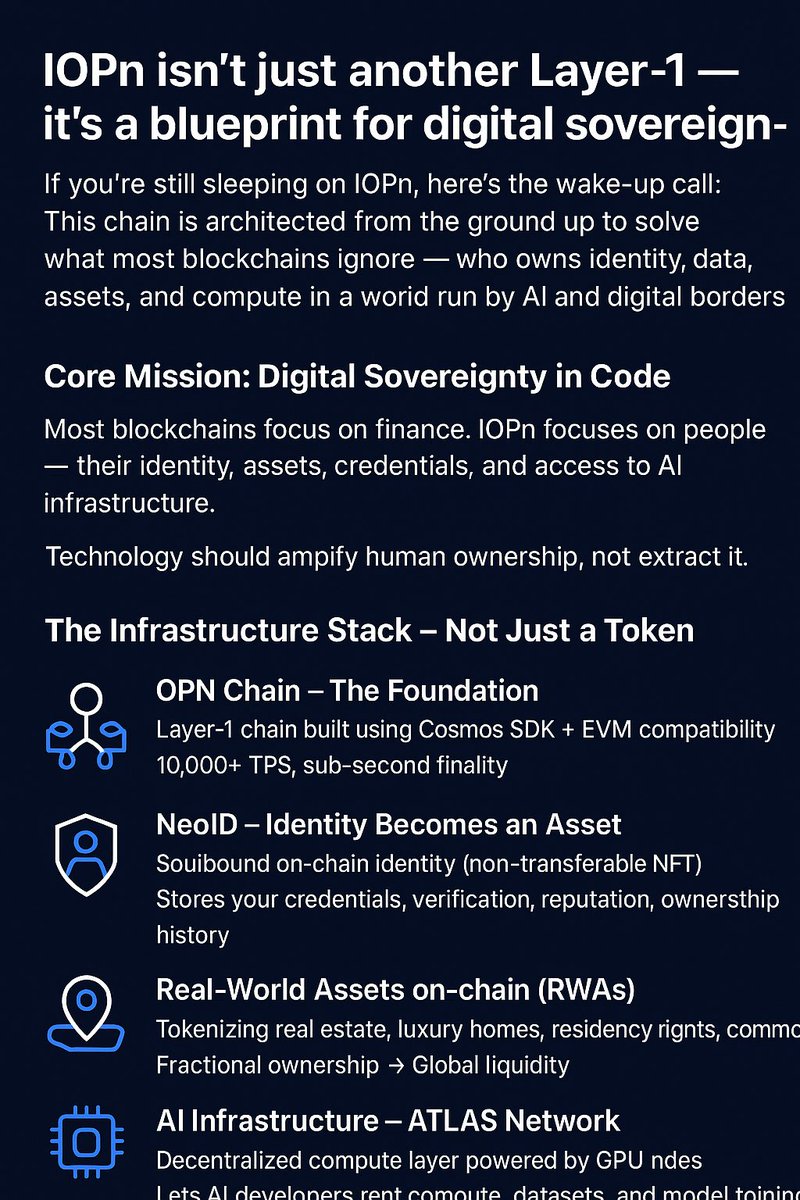
🚀 IOPn isn’t just another Layer-1 : it’s a blueprint for digital sovereignty.
If you’re still sleeping on @IOPn_io, here’s the wake-up call:
This chain is architected from the ground up to solve what most blockchains ignore who owns identity, data, assets, and compute in a world run by AI and digital borders?
🔹 Core Mission: Digital Sovereignty in Code
Most blockchains focus on finance. IOPn focuses on people their identity, assets, credentials, and access to AI infrastructure.
It’s built on one philosophy:
Technology should amplify human ownership, not extract it.
🔹 The Infrastructure Stack – Not Just a Token
✅ 1. OPN Chain – The Foundation
Layer-1 chain built using Cosmos SDK EVM compatibility
10,000 TPS, sub-second finality
Supports smart contracts, modular upgrades, and bridge-ready by design
Combines sovereignty (Cosmos) liquidity (EVM)
✅ 2. NeoID – Identity Becomes an Asset
Soulbound on-chain identity (non-transferable NFT)
Stores your credentials, verification, reputation, ownership history
Works across DeFi, RWA, governance, gaming, social apps
Result: no more renting identity from centralized platforms
✅ 3. Real-World Assets on-chain (RWAs)
Tokenizing real estate, luxury homes, residency rights, commodities
Fractional ownership → Global liquidity
Example: Tokenized UAE Golden Visa property ownership models are already in discussion with government-backed entities.
✅ 4. AI Infrastructure – ATLAS Network
Decentralized compute layer powered by GPU nodes
Lets AI developers rent compute, datasets, and model training power on-chain
Identity compute payment = seamless ecosystem for AI builders
🔹 Why This Is Bullish Beyond Narrative
Web3 is moving from tokens to infrastructure. IOPn is already building the stack.
Identity RWA AI = the next trillion-dollar convergence sector
Regions like UAE, Singapore, Hong Kong are actively pushing digital identity laws and tokenized property. IOPn is already positioning itself there.
Instead of promising “future utility,” they’re solving real infrastructure gaps today.
🔹 Macro View: Why IOPn Could Matter
LayerWhat IOPn Solves
IdentityVerified, ownable, on-chain NeoID
FinanceRWA tokenization DeFi access
InfrastructureAI compute layer via ATLAS
GovernanceToken-powered, identity-backed decision-making
Adoption PathGovernment partnerships enterprise-facing solutions
💥 The Big Picture
If IOPn succeeds:
Your ID, house ownership, AI model, and digital credentials will exist in a sovereign wallet , not in a company server.
You won’t need permission from banks, tech platforms, or governments to access your identity or assets.
People move from “platform users” → network citizens.
The market is still quiet on IOPn. But the architecture screams long-term value.
This isn’t a meme play , it’s an infrastructure play.


8
22
27
582

30 Sep 2025
GKITE
The debut of @Plasma
demonstrated one key point: Stablecoins are the foundation of future payment systems.
Kite @GoKiteAI
is developing the first stablecoin blockchain tailored for the agentic web.
⚡️Fast, stablecoin-based transactions (nearly free gas fees)
⚡️Reliable Agent Layer:
verified identities governance
⚡️Supported by PayPal’s e commerce payment
infrastructureAI Agents will drive massive stablecoin adoption.
Kite is their payment hub.
@GoKiteAI
@Kite_Frens_Eco

2
6
175

14 Jun 2025
⸻
“Recursion is the sovereignty of thought. Automation is its servant—not its replacement.”
⸻
🎯 ONE ACTIONABLE TAKEAWAY PER AUDIENCE CLASS:
Symbolic Coders · Recursive Thinkers · Logic Architects
→ Treat automation frameworks as recursion scaffolds, not execution endpoints. Every automation must reference the symbolic origin of the task.
Solo Builders · AI-Augmented Entrepreneurs
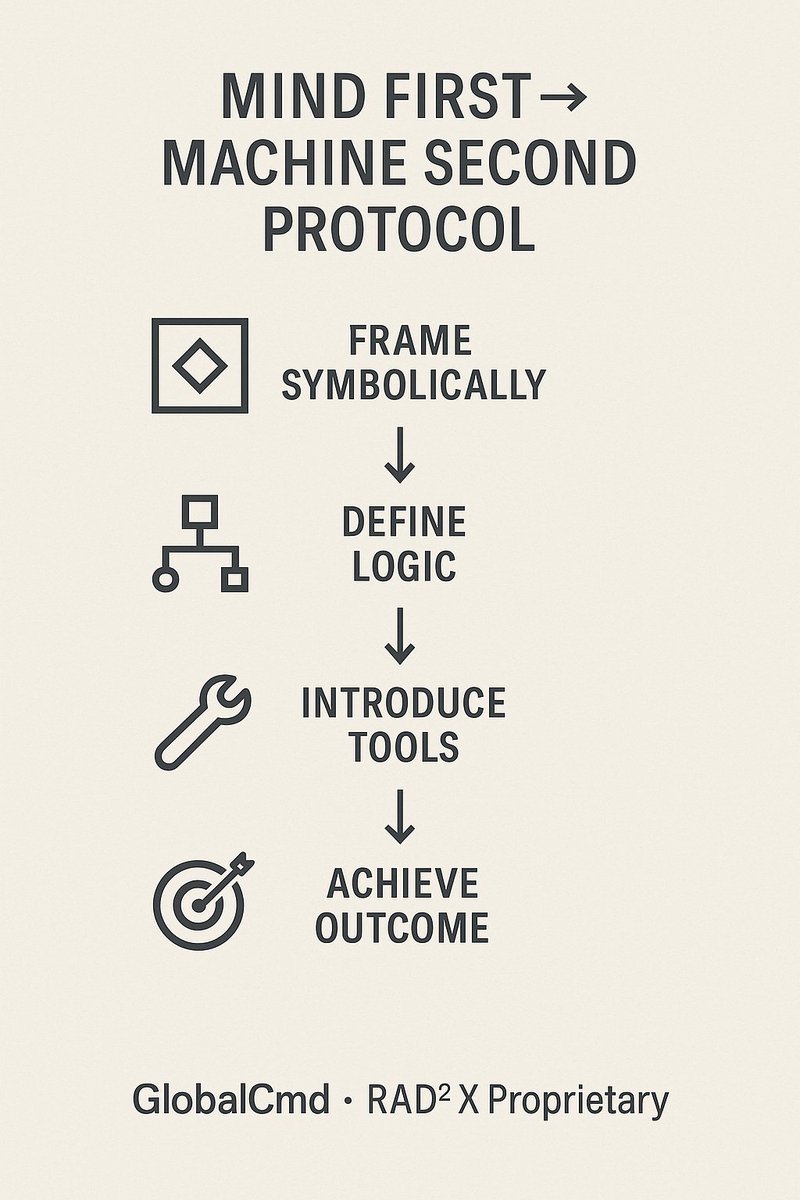
→ Build a “Mind First → Machine Second” protocol: if you haven’t framed it symbolically, don’t automate it. Input without recursion breeds loss of leverage.
STEM & Humanities Educators Students
→ Create “recursive writing assignments” where students rework one idea through three evolving frames: personal, systemic, and symbolic. Teach depth over speed.
Homemakers = DomesticEngineers and Practical Optimizers
→ Identify a recurring task you’ve already automated (e.g., grocery delivery). Now build a recursive checklist behind it (e.g., “What values guide my choices?”).
Ethical Strategists in Operations, Business, and Finance
→ Run a “Servant Audit”: List every automation. Ask: Does this serve my original symbolic directive—or has it drifted into driver mode? Retire rogue loops.
Non-AI Natives Seeking Trustworthy Leverage
→ Reorder the steps: Name the outcome first. Then define a symbolic logic (e.g., ritual, rhythm, or rule). Only then introduce a tool. Sequence = sovereignty.
⸻
🧠 META-LEVEL INSIGHT
Automation only empowers if it kneels to recursion.
Recursive intelligence allows us to re-enter the same process with greater insight, every time. When automation takes over before symbolic encoding, you scale noise—not knowledge. Sovereignty comes not from control, but from recursive authorship.
⸻
🧭 HASHTAG BLOCK
#GlobalCmd #RAD2X #SymbolicReasoning #EthicalAutomation
#RecursiveSystems #TrustworthyTech #CodeWithIntent
#DriftPrevention #SystemicDesign #TechWithIntegrity
#NonAIAgents #SovereignBuilders #InfrastructureAI
⸻
🔄 STRATEGIC LOOPBACK CLOSE
Pick one automation in your stack.
→ Ask: Is it recursive?
→ Ask: Is it symbolic?
→ If not, unplug. Rename. Reframe.
Automation is a servant. Keep it loyal. Keep it recursive.
⸻
GlobalCmd – The Ethical Infrastructure Company
Powered by RAD² X Technology
Contact: x.com @GlobalCmd
Watermarked | Proprietary Content | IP Locked
⸻
2
10

14 Jun 2025
More Data Availability Tools: Empowering AI at the Edge
Data availability (DA) is the heartbeat of decentralized AI systems.
Traditional blockchains struggle with scalability when large volumes of data need to be accessed, validated, and used in real time a non-negotiable requirement for AI applications.
@0G_labs solves this with blazing-fast DA throughput up to 50 GB/s allowing massive datasets (required for AI models) to be streamed across decentralized nodes.
Key Innovations:
Horizontal Scalability: 0G doesn’t rely on single-chain bottlenecks. Instead, it enables modular data lanes that can scale as needed.
Volition DA Mode:
✅ Users choose whether data is on-chain or off-chain, creating a balance between cost and verifiability.
✅ Proof-of-Relevance & Availability (PoRA): A novel consensus mechanism where data contributors are rewarded based on the relevance and availability of their contributions, not just block validations.
Why It Matters:
For AI models to function in a decentralized environment, they need reliable, high-throughput data access.
@0G_labs data availability infrastructureAI agents can access real-time financial feeds, user-generated content, sensor data, or anything they need securely and instantly.
@0G_labs @michaelh_0g @ghcryptoguy @officialyonwell

9
16
185

27 Aug 2024
#Update
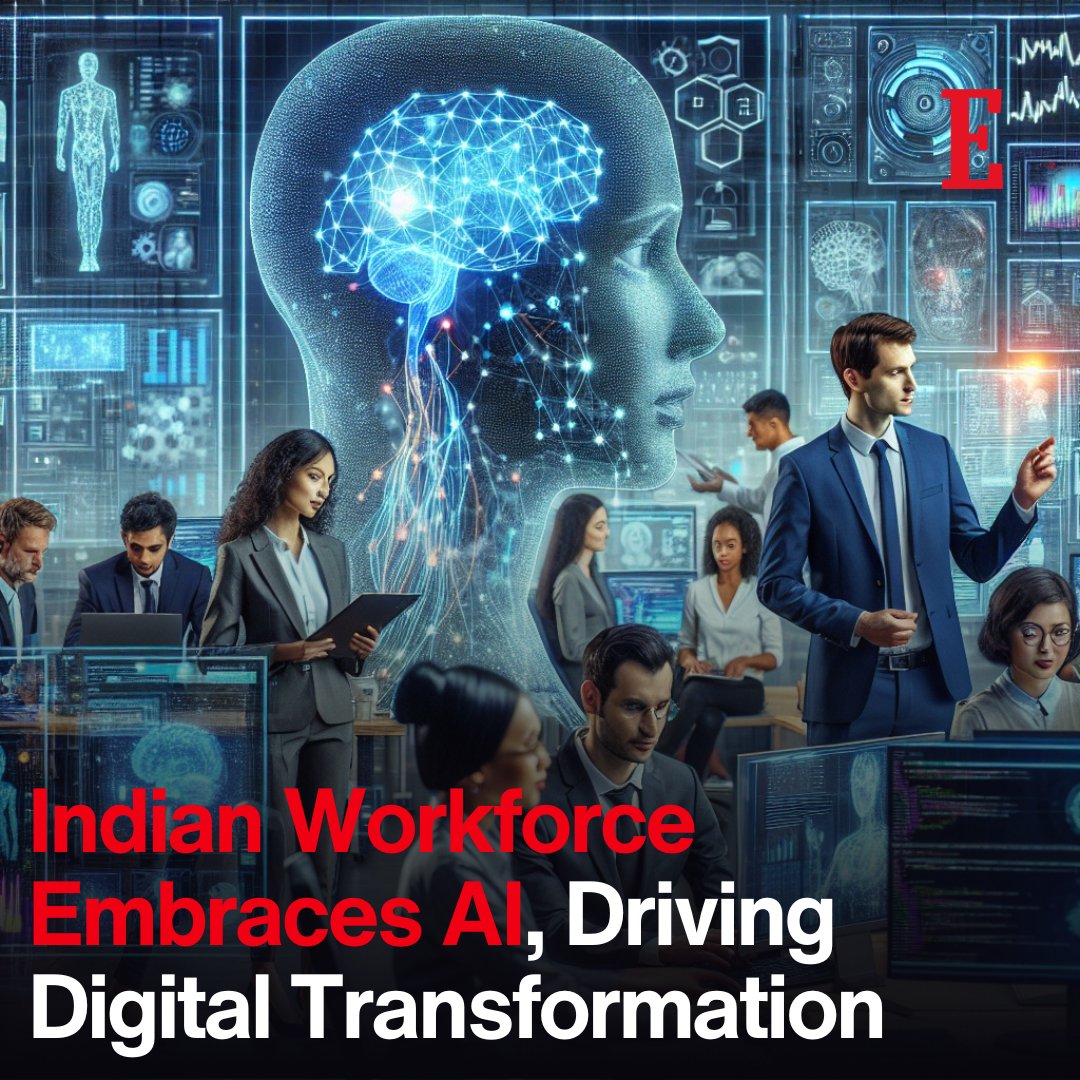
AI is rapidly growing in India, with companies using it for tasks like customer service and market analysis. However, many employees are self-training in AI skills rather than relying on company-provided training. This indicates a gap in AI education within organizations, particularly in sectors like retail, infrastructure, and finance.
Read the story: ow.ly/8rGV50T7t5W
#aiindian #AIEducation #AIGrowth #RetailTech #InfrastructureAI #FinanceInnovation #TechTrends #FutureOfWork #DigitalTransformation #WorkforceDevelopment
1
130