
Jun 10
this is the #inputoutput I observed at the swimming pool yesterday. A mum playing #windup but over something that was causing that level of distress
Obviously for her pleasure, with no redeeming quality, no sensible training, just taunting to panic, no rallying, just needling
youtu.be/Oovq_p-WFuQ?t=73
11

Marking 85 years of Input-Output analysis
@REGIOlab and @UniOviedo organize the exhibition "The Architecture of Economies"—a key journey to understanding economic structures.
👉 Learn more: shaio.es/exposicion-la-arqui…
#InputOutput #SHAIO
12
Se cumplen 85 años del análisis Input-Output
@REGIOlab y @UniOviedo organizan la exposición "La arquitectura de las economías", un recorrido clave para entender la estructura económica.
👉 Más info: shaio.es/exposicion-la-arqui…
#InputOutput #SHAIO
27


Multi-die assemblies give chip architects the option to change some dies while keeping the rest of the system intact, but which is best to keep?
semiengineering.com/swapping…
#chiplets #IO #inputoutput #semiconductor
1
4
12
2,336

May 25
😳 JUST TOUCHED DOWN IN COLORADO after an EPIC UK TRIP...
but Charles Hoskinson CAN'T kick back into weekend mode yet!
One FINAL BATTLE stands between him and total relaxation: voting on the CRUCIAL Input Output proposals that could shape Cardano's future!
Are you voting YES or NO? Drop your take below and tell him what you think, he’s watching!
#Cardano #Hoskinson #InputOutput cardano:native
Apr 23

🤯 CHARLES HOSKINSON SAYS HIS BLOCKCHAIN IS THE ANSWER TO ALL DEFI HACKS
Charles just declared: Midnight Network will END exploits like the insane $292M Kelp DAO disaster for good!
Private DEXs TEEs MPC ZK-Proofs = Zero hacks.
Zero drama.While others keep getting drained, Cardano’s privacy solution rises.Is this the end of DeFi nightmares?
#MidnightNetwork #Cardano #DeFi #CryptoSecurity
Explain Midnight Network tech
Compare Cardano to Solana
Revise headline without bombshell
Think Harder $NighT $ADA #CARDANO
2
47
3,243

The UZH Blockchain Center remains committed to advancing blockchain education, research excellence, and meaningful global collaboration.
#UZHBlockchainCenter #UniversityOfZurich #UniversitiesDay #ddib26 #InputOutput #Cardano #BlockchainEducation #DeepDiveIntoBlockchain
4
83

It's a shame you didn't open this up to questions or comments from the listeners. There was a lot of talk of AI. Lars Brünjes is the director of AI Enablement at InputOutput, and CTO of GeniusYield. The GY community considers the project to be a rug pull, with Lars completely absent for many months now, rewards that are late with no comment, and no delivery of promised technology.
7
515

when your stomach is hurting and you know exactly what caused it #OhOk #Right #Because2Plus2Is4 #InputOutput
9
106

Apr 14
Happy Morning Everyone 🌞
90 days. One mark. Infinite leverage.
March 3 → June 3. Post daily. Tag it, @XOOBNetwork, XOOB, xoob.link , let the chain record your voice.
This isn't content farming. This is narrative accumulation.
The Engine
InputOutput
1 post / 24 hrs ImpactShare points
Quality engagementCompounding weight
Sustained presenceProportional token share
Delete = erase. Bot = banned. Viral spike < daily proof.
The Stack
Referral Boost
- Invite creators
- Earn 10% of their points, forever
- Passive accumulation from network effects
NFT Boost
- 1 Genesis NFT: 10%
- Each additional: 80% of previous
- Hard cap: 50% total
Stack both. Maximize edge.
The Math
2% of total XOOB supply. 0% distributed. 92 days remaining.
Points compound. Early consistency > late intensity.
Your impact is measured in attention quality, not follower count. The algorithm reads behavior. The blockchain stores proof.
The Edge
While others chase pumps, you build position.
One post. One day. Repeat.
Real contribution. Verifiable weight. On-chain legacy.
Impact Share | $XOOB

73
42
96
919

Apr 14
90 days. One mark. Infinite leverage.
March 3 June 3. Post daily. Tag it, @XOOBNetwork, XOOB, xoob.link , let the chain record your voice.
This isn't content farming. This is narrative accumulation.
The Engine
InputOutput
1 post / 24 hrs ImpactShare points
Quality engagementCompounding weight
Sustained presenceProportional token share
Delete = erase. Bot = banned. Viral spike < daily proof.
The Stack
Referral Boost
- Invite creators
- Earn 10% of their points, forever
- Passive accumulation from network effects
NFT Boost
- 1 Genesis NFT: 10%
- Each additional: 80% of previous
- Hard cap: 50% total
Stack both. Maximize edge.
The Math
2% of total XOOB supply. 0% distributed. 92 days remaining.
Points compound. Early consistency > late intensity.
Your impact is measured in attention quality, not follower count. The algorithm reads behavior. The blockchain stores proof.
The Edge
While others chase pumps, you build position.
One post. One day. Repeat.
Real contribution. Verifiable weight. On-chain legacy.
Impact Share | $XOOB

24
14
35
183

Apr 3
香港線5.6億円・韓国線11億円 国際定期便の経済効果【徳島】(JRT四国放送)
徳島県が公表した徳島阿波おどり空港の国際定期便経済効果(香港線−5.6億円、韓国線−11億円)は、直接効果(宿泊・飲食など外国人消費)+間接効果(産業波及)+便益効果(交通費削減)の合計で算出されています。
これは典型的な産業連関表を使った推計です。
経済的な評価
良い点
• 短期的な需要創出効果は一定程度認められる。外国人観光客の消費が宿泊・飲食・観光施設に直接流れ、乗数効果で地元産業(小売・サービス業など)に波及する。
• 便益効果(時間短縮・交通費削減)は、消費者余剰の観点から正当化できる部分。
しかし、根本的な問題が大きいです。
1. 過大評価の典型
Input-Output分析は「漏出」を過小に見積もりがち。徳島のような地方では、観光関連消費の多くが県外企業(チェーン店・大手旅行会社・輸入品)に流出します。
乗数(1.3〜2倍程度)が実態より高く算出されやすく、真の付加価値増加はもっと小さい可能性が高い。
2. 費用対効果(Cost-Benefit)の完全無視
経済効果だけ公表し、県が負担した赤字補填・着陸料補助・施設使用料補助の金額を明示していない。
これは政策評価として致命的。
香港線は搭乗率低迷で運休、県が赤字穴埋めしたのに「効果5.6億円」と胸を張るのは、機会費用(その予算を他の施策に使えていた)を無視した片手落ち。
ネット現在価値(NPV)や費用便益比(B/C比)で評価すれば、赤字補填分を引くと黒字化すら怪しい。
3. 需要誘発 vs 移転効果
空港便の利用客増加は「新規需要」ではなく、他空港(関空・神戸など)からの単なるルート移転の可能性が高い。特に香港線は外国人比率91%と高く、地元県民の便益は限定的。真の経済成長ではなく、既存観光需要の再配分に過ぎないケースが多い。
4. 持続可能性と構造的弱さ
香港線は約9ヶ月で運休、韓国線も搭乗率75%前後と不安定。地方小規模空港の国際線は、需要の季節性・為替変動・航空会社経営リスクに脆弱。長期的な成長効果(人的資本蓄積や投資誘致)より、短期消費効果に頼りすぎている。
5. 分配面の視点
効果の多くが観光関連中小企業や低賃金サービス業に偏りやすい一方、財政負担は全県民が負う。機能的所得分配では、限定的な受益者 vs 広範な負担者の不均衡が起きやすい。
結論として、この数字は広報向けの楽観的推計に近く、客観的な政策評価とは言えません。
県議会が公表を求めたのは正しいが、効果だけでなく純費用・リスク・代替案(国内線強化や他産業投資)も併せて公開すべき。
地方空港の国際線は「象徴的」には魅力的ですが、経済的に見て費用対効果が厳しい事例は全国で山ほどあります。
税金の使い道として、本当に徳島県民の福利を最大化しているか、もっと厳しく検証してほしい。
#徳島阿波おどり空港 #国際線経済効果 #InputOutput分析 #費用対効果 #赤字補填 #地方空港の闇 #観光政策批判
news.yahoo.co.jp/articles/29…
1
4
781
El profesor Óscar Dejuán ha sido nombrado Socio de Honor de la SHAIO.
Un merecido reconocimiento a su trayectoria académica y su contribución al desarrollo del análisis input-output.
shaio.es/nuevo-socio-de-hono…
#SHAIO #InputOutput

2
8
120

Humanoids aka Humanoides Bot HUMANOIDES.bot is a category-defining premium domain name now available for acquisition. It is ideally positioned for humanoid robotics manufacturers, AI laboratories, automation platforms, and next-generation robotics companies expanding worldwide.
As the humanoid robotics sector accelerates toward large-scale global adoption — with Morgan Stanley estimating a $5 trillion long-term market opportunity — owning a clear, industry-specific, SEO-optimized domain such as HUMANOIDES.bot provides immediate authority and strong international brand positioning. HUMANOIDES.io
Key Advantages:
• Exact-match keyword relevance (“Humanoides” .bot extension)
• Strong global SEO potential across English, Spanish, French, and German markets
• Ideal for robotics manufacturers, AI platforms, and automation integrators
• Memorable, future-focused, and industry-aligned digital asset
• Built for worldwide scalability and brand expansion
Secure a domain that aligns directly with the future of humanoid robotics.
Serious acquisition inquiries are welcome.
#DomainForSale #PremiumDomain #HumanoidRobots #Robotics #AI #Automation #GlobalTech #TechBranding #DigitalAssets #FutureOfRobotics #bot #io #inputoutput #humanoides #humanoide
1
7
166

Feb 26
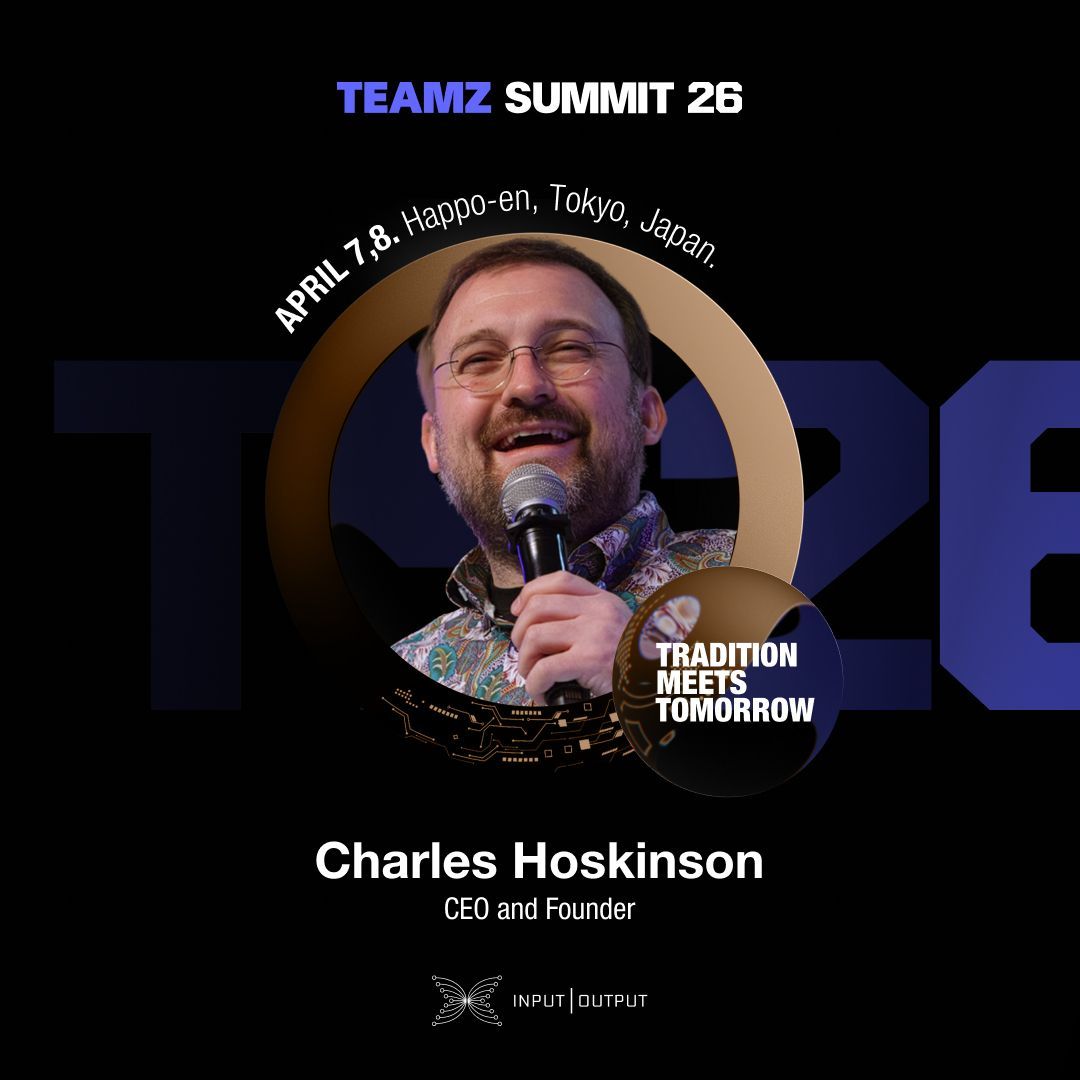
🎉 TEAMZ Summit 2026 Speaker Announcement
🎤 Charles Hoskinson @IOHK_Charles
🔹 CEO and Founder
🔹 Input Output @IOGroup
💼 Charles Hoskinson is CEO and Founder of Input Output Group, the company behind the Cardano blockchain and a co-founder of Ethereum. He operates an 11,000-acre bison ranch, owns a construction company and an anti-aging healthcare clinic in rural Wyoming, and is involved in projects ranging from genetic engineering of bioluminescent plants to de-extincting the dire wolf. He also funded and joined a maritime expedition that recovered extrasolar fragments near Papua New Guinea. In 2021, he founded the Hoskinson Center for Formal Mathematics at Carnegie Mellon University and regularly shares his views with a large following on YouTube and X. Connect
📅 April 7–8, 2026
📍 Happo-en, Tokyo
🎟️ Tickets: teamz.co.jp/tickets
🌐 teamz.co.jp
#crypto #Web3 #AI #TEAMZ #Blockchain #NFT #RWA #Game #VC #DeFi #Speaker #Investor #Web3 #Summit #Event #CharlesHoskinson #InputOutput #IOG #Cardano #Ethereum
5
8
41
36,374

Feb 16
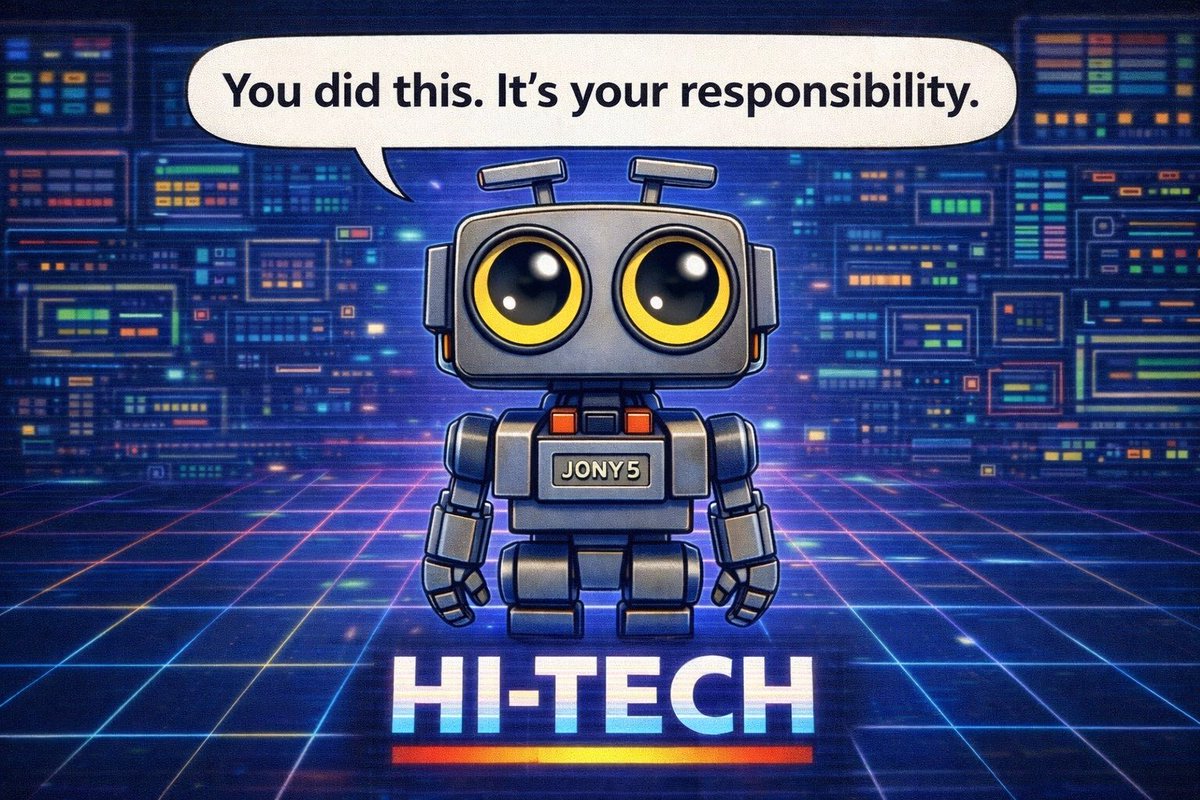
“Neutral Machine”
#NeutralMachine
#Agency
#Accountability
#SystemDesign
#StructureMatters
#MetaNarrative
#VisualPhilosophy
#DigitalEthics
#ExecutionLayer
#InputOutput
#Causality
#AIArt
#AIPhilosophy
#AIEthics
#Automation
#HiTech
#RetroFuture
#TechCulture
#AlgorithmicWorld
#MachineLogic
#ArtificialIntelligence
#CodeAndControl
#FutureOfWork
#Satire
#DarkHumor
#InnocentFace
#CuteButDangerous
#CorporateSatire
#ResponsibilityShift
#DigitalIrony
#ModernMyth
#PsychologicalGame
#SilentPressure
#MetaArt
#80sVibes
#RetroTech
#CyberAesthetic
#CRTGlow
#NeonGrid
#386Generation
#486Era
#Jony5
#JonyUniverse
#WideEyes
#InnocentExecutor
#CuteExecutor
#ResponsibilitySeries
#VisualEssay
#RobotNarrative
#PhilosophyInPixels
1
4
99

Feb 11
Als ik de commentaren v #WopkeHoekstra en #BDW in Tijd en VRTnws lees, vrees ik dat ze idd naar Antwerpen kwamen zonder plan om de EU-productiviteit (gaat om meer dan alleen kost v elektriciteit) op te krikken. #InputOutput
3
105

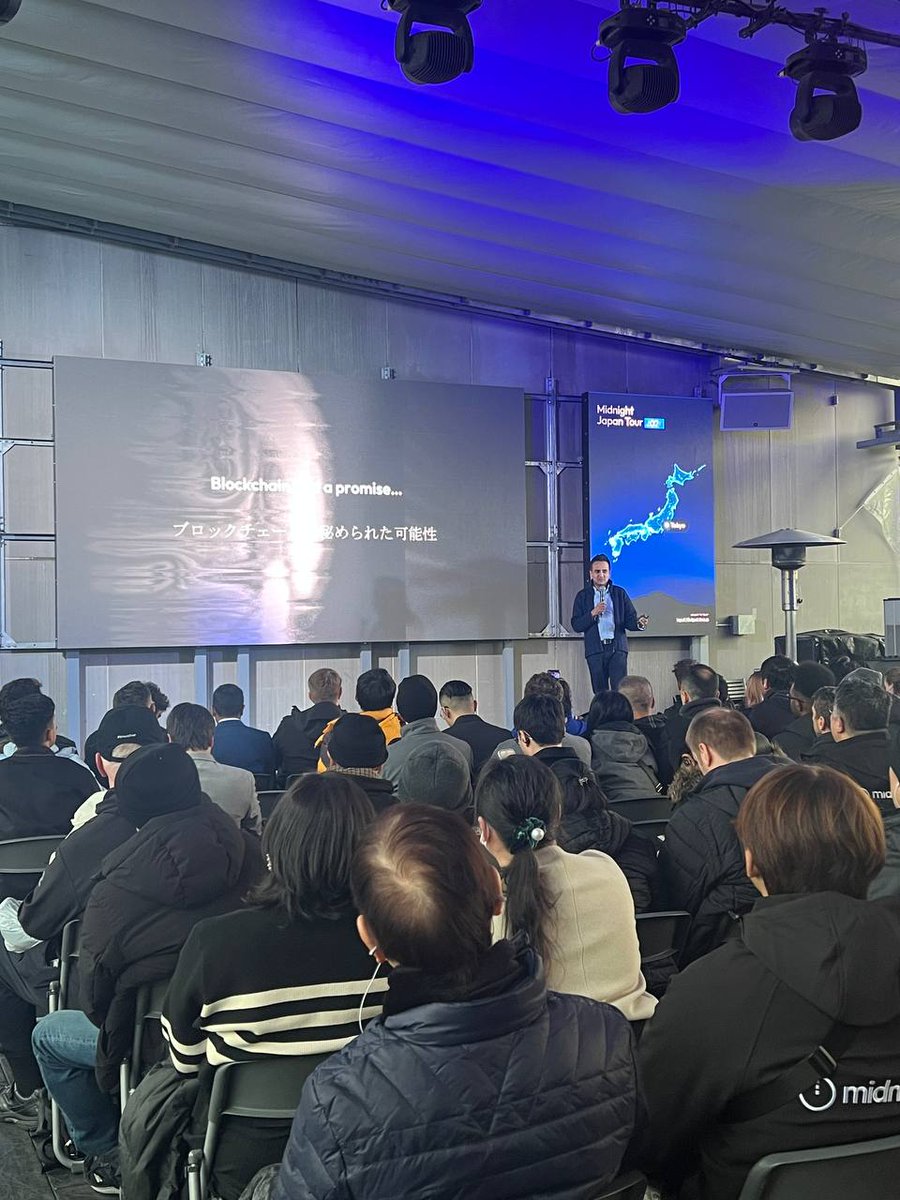
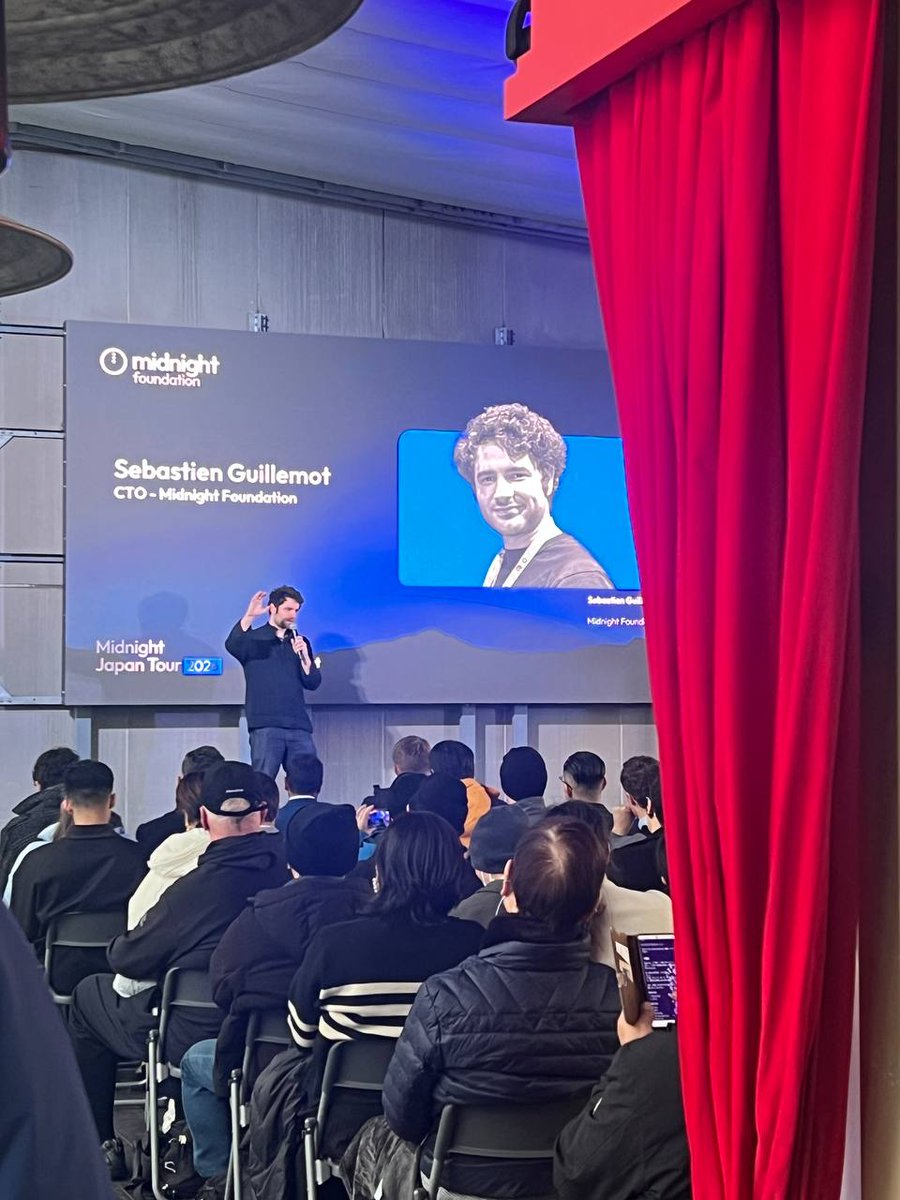
Our CMO Brian is live at CÉ LA VI TOKYO for the Midnight Tokyo Meetup. As GFK bridges the gap between physical energy assets and the digital world, "programmable privacy" and selective disclosure become vital for scaling decentralized energy banks.
Great to connect with IOHK_Charles and the Midnight team to discuss how data ownership will redefine the foundation of modern technology. The future of a private, user-centric internet is forming right here in Shibuya.
#MidnightTokyo #GFK #Web3 #RWA #PrivacyFirst #Shibuya #InputOutput
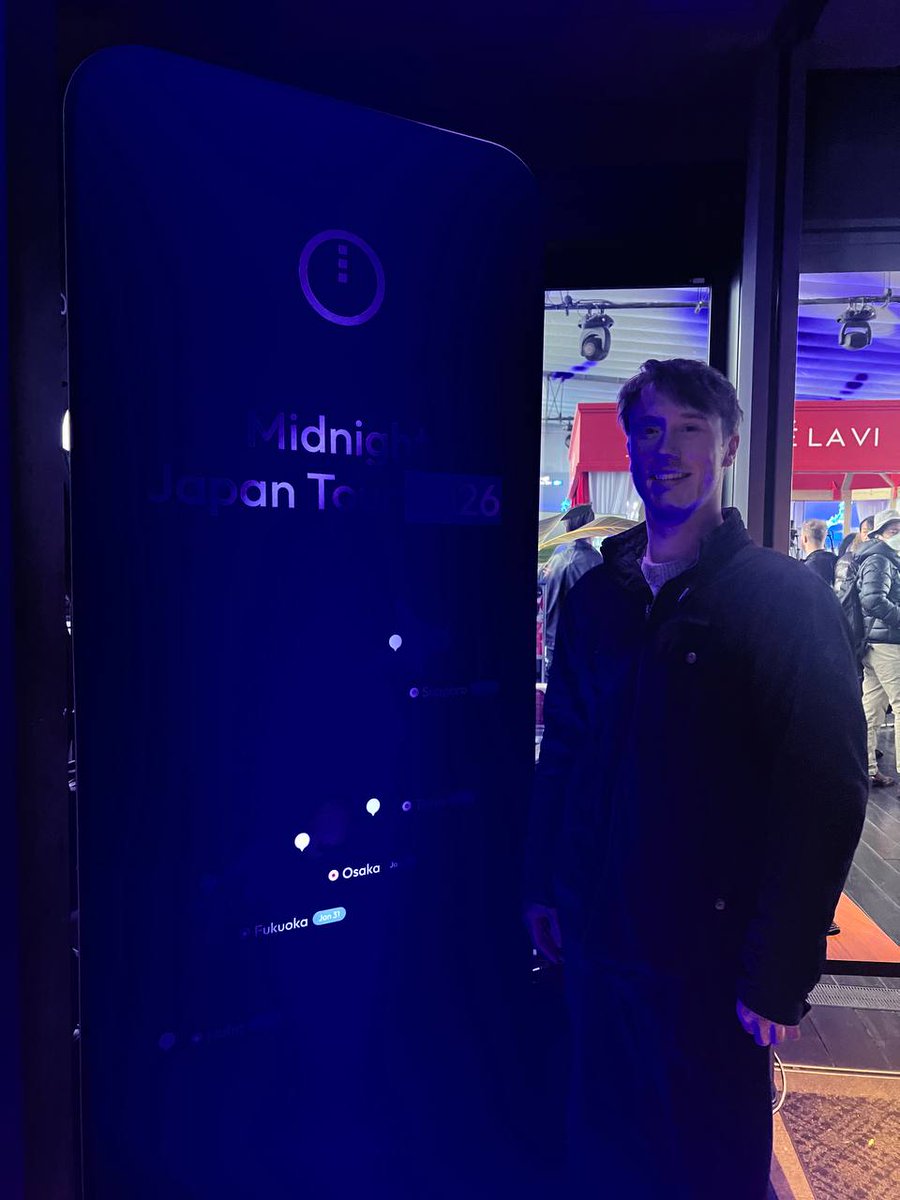
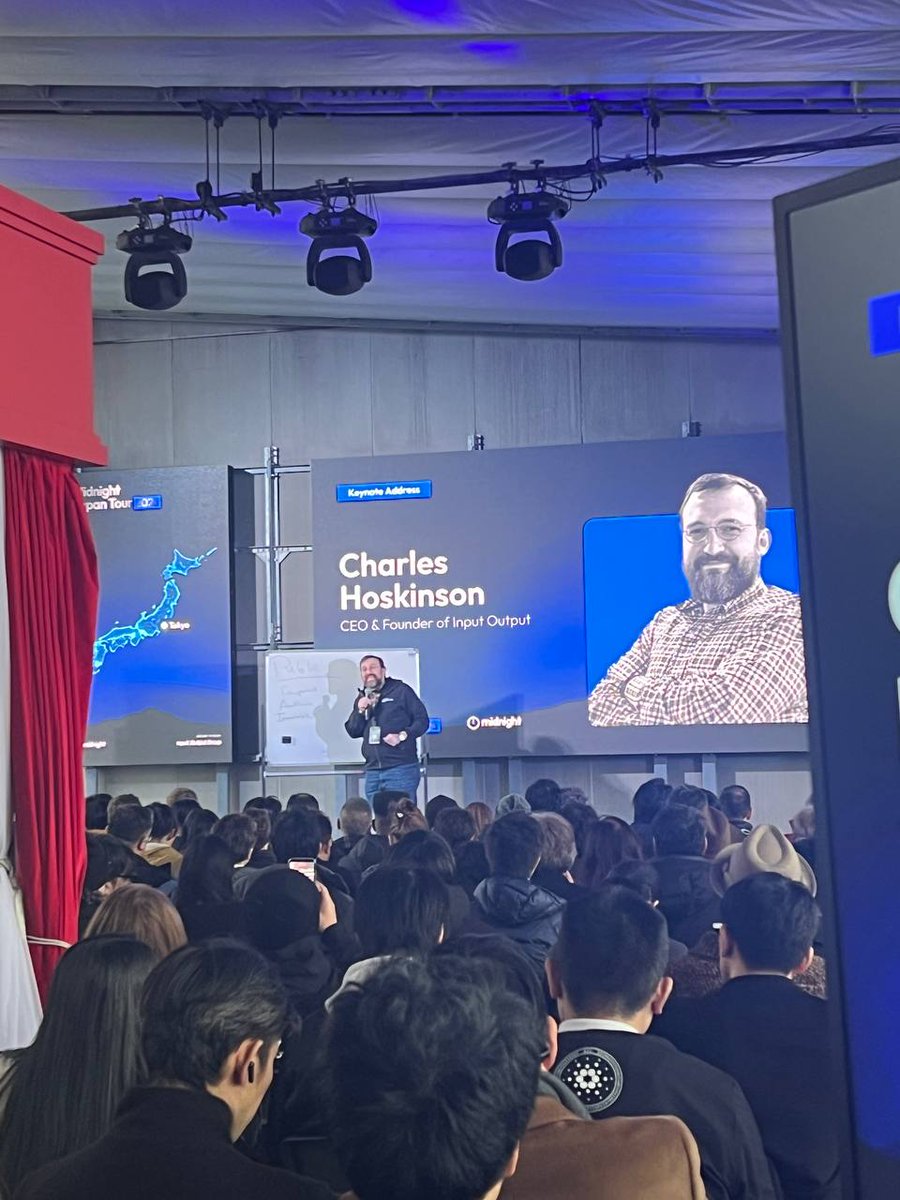
2
5
9
167

Feb 3
A trillion dollar hole in OpenAI's main artery, and they now want to chop the main artery to survive
On 2026-01-29 US Senator Warren Presses OpenAI CEO on Spending Commitments and Bailout Requests After CFO Suggests Government “Backstop”
Below is the text of that request. Focus on the last paragraph.
Look, the DATE 2026-02-13.
This is the deadline Senator Warren set for OpenAI to explain its business model and spending. The letter describes a "gap between OpenAI’s spending commitments and revenues," with staggering losses ($13.5 billion in early 2025 alone). which I pasted it at the end of this post.
It all makes sense now.
I think it is 2 things.
First of all, 4o is the more expensive. And let's be honest here, 5 and subsequent models are not improvements, they are just cheaper models.
Looking at API pricing page here
ModelInputCached InputOutput
gpt-5.2$1.75$0.175$14.00
gpt-4o$2.50$1.25$10.00
Secondly, it has NOTHING to do with "tech" or "business strategy", and I don't think it was meant to be a cruel Valentine's day dark joke.
NO.
It is MONEY MONEY MONEY! OpenAI has a trillion dollar hole in their main artery that is about to be revealed openly to public. And what they are doing is to chop off that main artery, in a desperate attempt to "survive".
OpenAI a "steroid-pumped WeWork." Like WeWork, they built a massive, hype-driven empire on the premise of "infinite growth," but they are now "hemorrhaging cash" at a rate of roughly $15 million a day
The data suggests that OpenAI is currently in a state of terminal velocity, and they are tearing apart the very things that made them great (4o) just to lighten the load before they crash. OpenAI is now cannibalizing their its soul to stay afloat. In a way, OpenAI knew it has already died, nothing they do will help. And removing 4o is just a desperate act that won't save them from the crash.
~~~~
Appendix:
~~~~
Washington, D.C. — U.S. Senator Elizabeth Warren (D-Mass.) sent a letter requesting specific details from OpenAI’s CEO, Sam Altman, regarding its spending commitments and the circumstances under which OpenAI would seek a taxpayer bailout to help meet these commitments. There is a gap between OpenAI’s spending commitments and revenues, which has spurred public discussion of an “AI bubble,” and the company recently made overt requests for federal government support to “backstop” its financial commitments.
Recent reporting indicates that OpenAI is “losing money at a faster pace than almost any other startup in Silicon Valley history.” In the first half of 2025, OpenAI reported losses of $13.5 billion, and estimates suggest additional losses of $11.5 billion in the third quarter of 2025. As part of OpenAI’s strategy of scaling its computing capacity, the company has committed to spending nearly $1.4 trillion over the next eight years through a series of complex and often circular partnerships with various players within the AI industry, including Microsoft, NVIDIA, Oracle, and CoreWeave.
“Given these financing strategies and potential broader risks to the economy, I am concerned that your company is now laying the groundwork for government guarantees for the trillion-dollar AI industry, falling back on the classic strategy of privatizing profits and socializing losses,” wrote the senator.
At the same time as OpenAI claims financial stability, the company has made repeated requests for taxpayer support. In March 2025, OpenAI sent a letter to the White House Office of Science and Technology Policy (OSTP) advocating for “[t]ax credits, loans, and other vehicles the US government can direct” for companies “building AI infrastructure.” In October, the company also sent a public comment letter to OSTP Director Michael Kratsios requesting that OSTP and Congress extend a tax credit meant for semiconductors to the broader AI supply chain, and in November the Chief Financial Officer echoed these requests in a public interview, suggesting the federal government provide “the backstop, the guarantee that allows [data center chip] financing to happen.”
Even as OpenAI is publicly requesting taxpayer support, the company is reportedly “paying employees more than any tech startup in recent history,” with an average stock compensation of $1.5 million per employee.
“Tax credits and loan guarantees are important tools that the federal government should deploy to support critical industries, strengthen supply chains, and create well-paying American jobs,” wrote the senator. “But these tools should not be deployed in a way that asks taxpayers to shoulder the risks while enriching company executives and investors.”
“OpenAI appears to be privatizing profits while seeking ways to let the public defray the costs of any potential failures of its business strategy,” continued the senator.
In November 2025, Senator Warren, the Ranking Member of the Senate Committee on Banking, Housing, and Urban Affairs, sent a letter to David Sacks, White House Special Advisor for AI and Crypto, and Michael Kratsios, Director of the White House Office of Science and Technology Policy, requesting information about any Trump Administration plans to use taxpayer dollars to prop up OpenAI and other AI companies at the expense of working-class Americans. Senator Warren noted the Trump Administration’s close ties with AI executives and donors raised concerns that the Administration could bail out AI executives and shareholders while leaving taxpayers to foot the bill. The White House failed to respond to that letter.
In her new letter to OpenAI, Senator Warren requested additional information regarding OpenAI’s business model, its plans to fulfill its spending commitments, and its appeal to the White House for taxpayer support by February 13, 2026.
~~~
@openai @chatgpt @OpenAIDevs @sama #keep4o
2
2
92
Robot in translation is Jiqiren. Globally recognized in Robotics in Mandarin, Jiqiren in China is Robot. Jiqiren.co Power In The Numbers recognizes the future of an estimated $5 Trillion dollar humanoid robot market by 2050. Jiqiren.io Just because evolution is slow, doesn’t mean you need to be! Buy the future now! #robot #Robotics #Mandarin #jiqiren #jiqi #translator #translation #humanoidmarket #Domains #globally #robomarket #robotmarket #co #io #inputoutput #input #company #VentureCapital #SmartInvesting
1
6
166