
Apr 13
For founders & CTOs building in crypto: volatility like this is exactly why robust risk management, transparent financial tracking, and solid technical infrastructure matter.
At Intelisync, we help Web3 teams navigate complexity with confidence. 🔗
intelisync.io
Apr 12

JUST IN: $115,000,000 liquidated from the crypto market in the past 60 minutes.
2
10

12 Oct 2025
FRAUD & WAGE THEFT 🚨: I worked for 1.5 months at Intelisync (@InteliSyncAI) and was paid ₹0. After demanding my salary, the CEO (@Javed1109 ) and HR ghosted me, but not before sending threats.
@LabourMinistry @PMOIndia @byadavbjp @LESIOdisha @UPGovt
@CNNnews18 @ukcmo

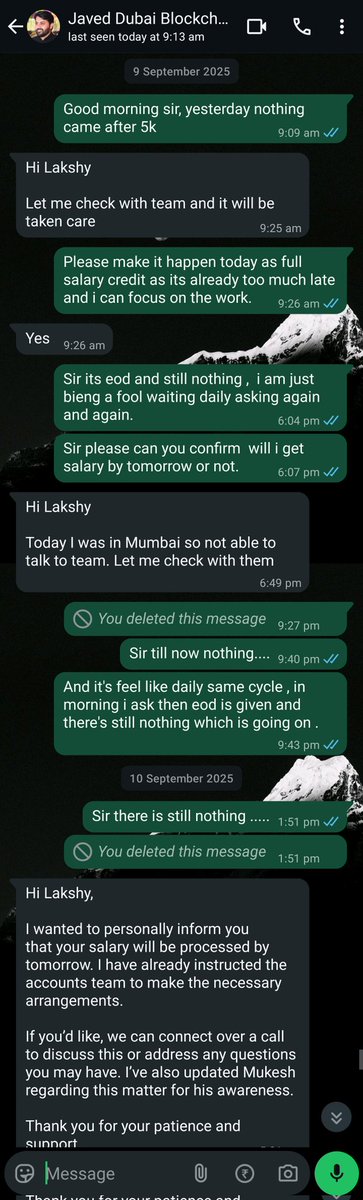
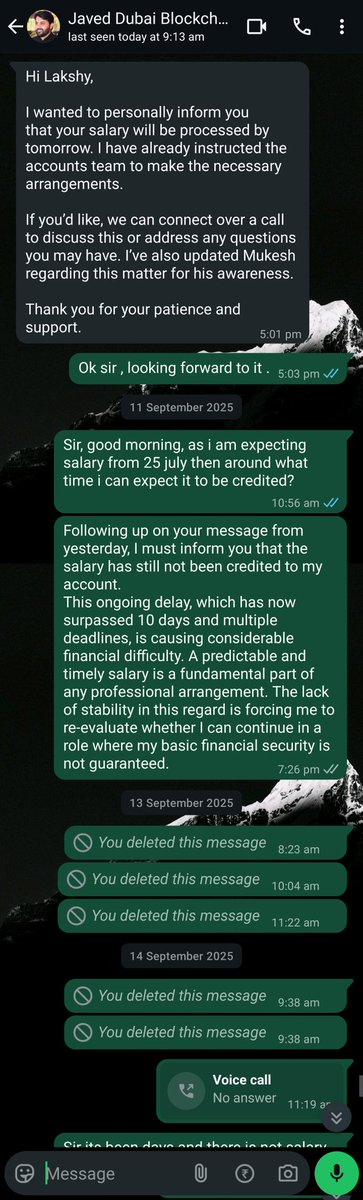
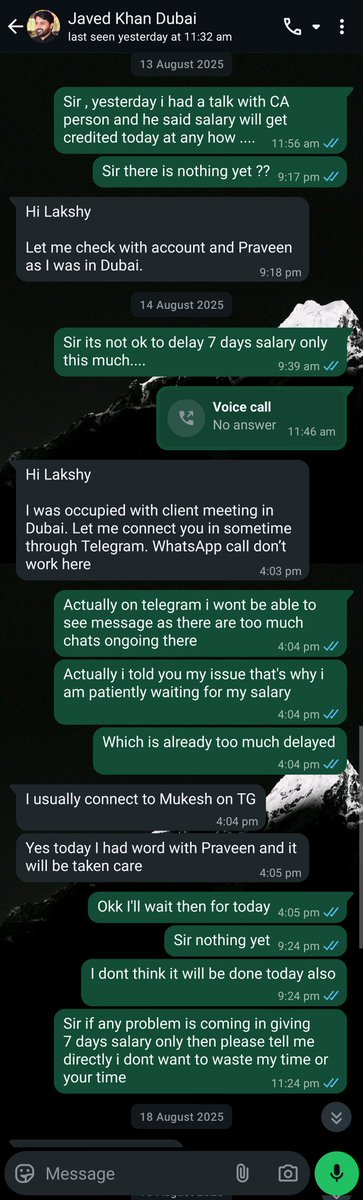
5
1
6
266

10 Oct 2025
The Echo Chamber Trap in Web3
Discords: Spotting Echoes Before They Drown Your Voice
You join a Discord server for the first time, drawn by the promise of insider tips on a hot new protocol. The invite link came from a Twitter post that lit up your feed with talk of airdrops and early access. You lurk in the general channel, scrolling through messages that flow like a river of agreement. Everyone raves about the same token, shares the same memes, echoes the same bullish predictions.
A question bubbles up in your mind, something basic like how to verify a smart contract before bridging funds.
You type it out, hit send, and wait. The response trickles in, not with clarity, but with a polite deflection or a link to an outdated FAQ. Worse, a few voices pile on, assuming you must be a skeptic or a bot. That spark of curiosity dims. You scroll on, but the room feels smaller, the air thicker. Welcome to the subtle grip of an echo chamber, a space where voices blend into one, and newcomers like you risk fading into silence.
Echo chambers thrive in digital corners, but in Web3 Discords, they hit harder.
An echo chamber forms when a group reinforces its own beliefs, filtering out dissent until only harmony remains, often at the cost of fresh ideas.
Psychologists trace this to confirmation bias, our natural pull toward information that mirrors our views, amplified by algorithms and closed loops.
In broader social media, it warps politics or news feeds.
In Web3, it twists communities built for innovation into silos of sameness.
A LinkedIn post from September 2025 nails the paradox: Web3 preaches open collaboration, yet most servers end up isolated, fragmented, competing for attention rather than sharing it.
linkedin.com
Beginners enter these spaces hungry for growth, only to find walls disguised as welcomes.
Discord servers sit at the heart of Web3 life.
They host everything from DAO votes to token drops, with over twelve million users in top crypto servers by mid 2025.
dailycoin.com
Why? The platform excels at real time chats, role based access, and bot driven moderation, making it ideal for gated alpha or live AMAs. Projects like Aave or Uniswap use channels for announcements, while NFT drops like Bored Ape Yacht Club turned theirs into exclusive clubs. Intelisync calls Discord the beating heart of these ecosystems, powering governance and growth.
intelisync.ai
Yet this intimacy breeds traps. Servers often start with a core team or early adopters, a tight knit group bonded by shared risk. As invites spread, newcomers arrive, but the culture lags. Moderators, often insiders, prioritize harmony to keep vibes high, muting debates that could fracture the mood. Bots add reaction roles for quick buys in, but they also automate silence, auto deleting off topic queries. What begins as a brainstorm hub morphs into a feedback loop, where bullish takes on a projects token get amplified, while bearish notes vanish.Formation happens in layers. First, the seed: a founder posts a vision thread on X, attracting like minded followers. Invites go to those who engage first, creating a self selecting crew. In group chats, social proof kicks in, people nod along to fit in, fearing the label of outsider. A Reddit thread from late 2024 captures the staff side: moderators build walls where only their circle chats freely, leaving others on the edges.
reddit.com
Web3 amps this with incentives. Token holders get VIP roles, tying loyalty to access.
Airdrop farmers flood in for points, but they echo hype to blend, not challenge.
Over time, dissent feels like threat.
One X post from August 2025 describes it as musical chairs with the same five hundred users, partnerships that expand nothing.
@Maestro_DL
Blockchain Capital echoes this in a September piece, urging outreach beyond the bubble to real tactics from outsiders.
blockchaincapital.com
5
306
27 Aug 2025
Centralized vs. Decentralized - Which future do you trust?
Follow @Intelisync - Web3 made simple.
1
3
51
20 Aug 2025
At Intelisync, we’re building dApps that put control back in YOUR hands.
From finance 💸 to gaming 🎮 to digital identity 🪪 – the decentralized revolution is unstoppable.
#Intelisync #Web3 #dApps #Blockchain #Innovation #FutureOfApps
3
2
4
108
19 Aug 2025
At Intelisync, we specialize in helping Web3 projects grow their community, visibility, and impact across the right platforms.
Ready to grow your Web3 project the smart way? Let’s talk.
#Web3 #CryptoMarketing #BlockchainCommunity #DeFi #NFTs #CryptoGrowth #Intelisync
1
4
61
18 Aug 2025
Web3 isn’t the future—it’s the NOW.
At Intelisync, we help brands and projects harness the power of blockchain, NFTs, DAOs, DeFi, and the decentralized internet.
#Web3 #Blockchain #DeFi #NFTs #CryptoMarketing #Intelisync #InnovationMeetsExecution
4
41
7 Aug 2025
Meme coins: where internet jokes turn into moonshots... or meltdowns.
👉 Follow @inetlisync for crypto insights that actually make sense.
#MemeCoins #CryptoReels #Dogecoin #ShibaInu #Web3Explained #Intelisync
4
53
10 Jun 2025
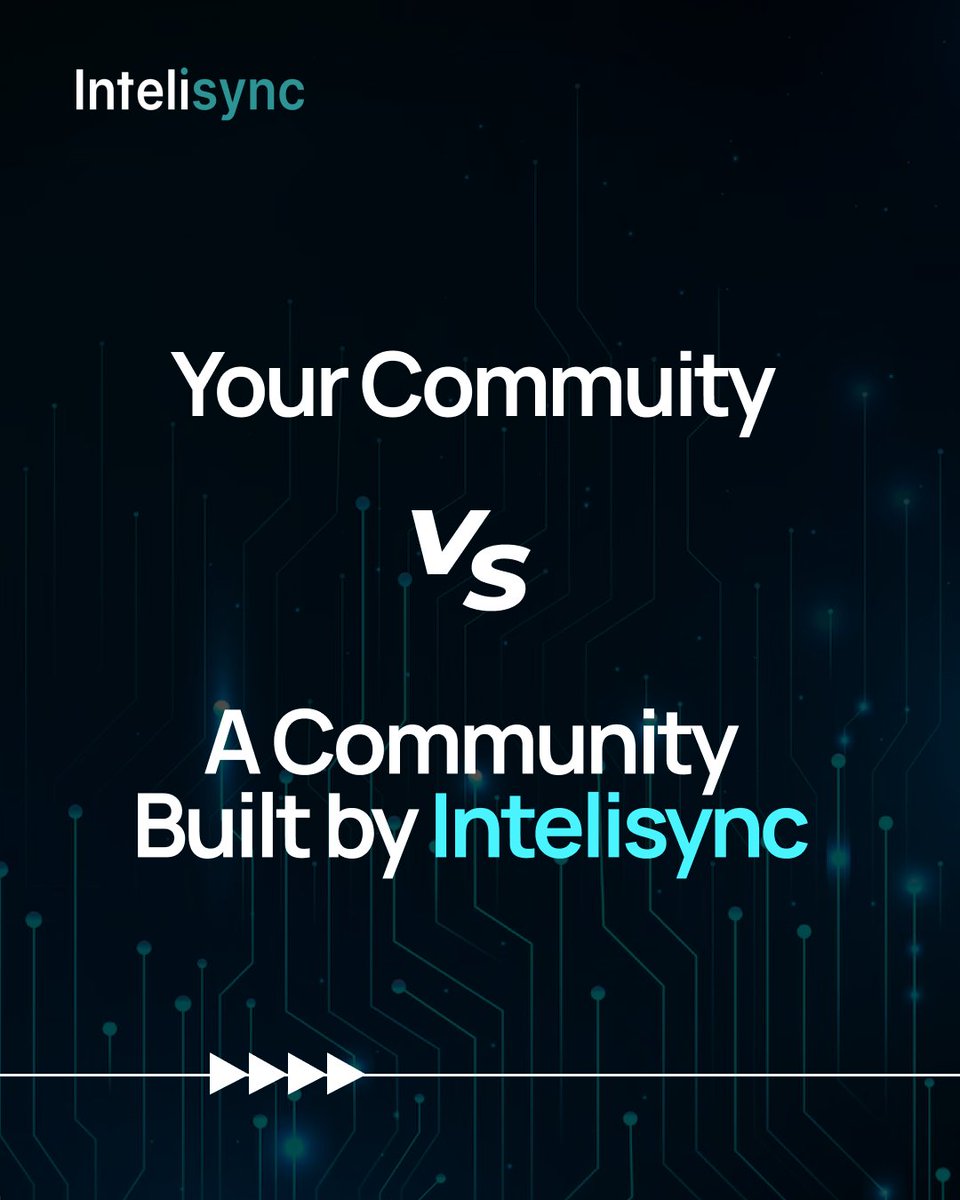
Your Community vs. a Community Built by Intelisync
1️⃣ Yours: “GM fam”
👉 Ours: GMs, memes, drama, voting polls, #giveaways, daily chaos
5
2
73
28 Apr 2025
✈️From zipping up suitcases to shaking hands under the #Dubai skyline, it’s all happening.
We’re heading to @token2049, ready for deep talks, new #partnerships, and a whole lot of #Web3 magic.
See you in Dubai. Let’s build the future.
#Dubai #Web3 #CryptoEvents #Intelisync
1
8
101
23 Apr 2025
➡ Why are the smartest #investors and #founders heading to #dubai this April?
Because @token2049 is where innovation, capital, and global connections collide. From #DePIN to #RWA to modular infra.
📌we’re coming. Let’s connect.
#Web3Dubai #Intelisync #crypto #Blockchain
1
8
85
21 Apr 2025
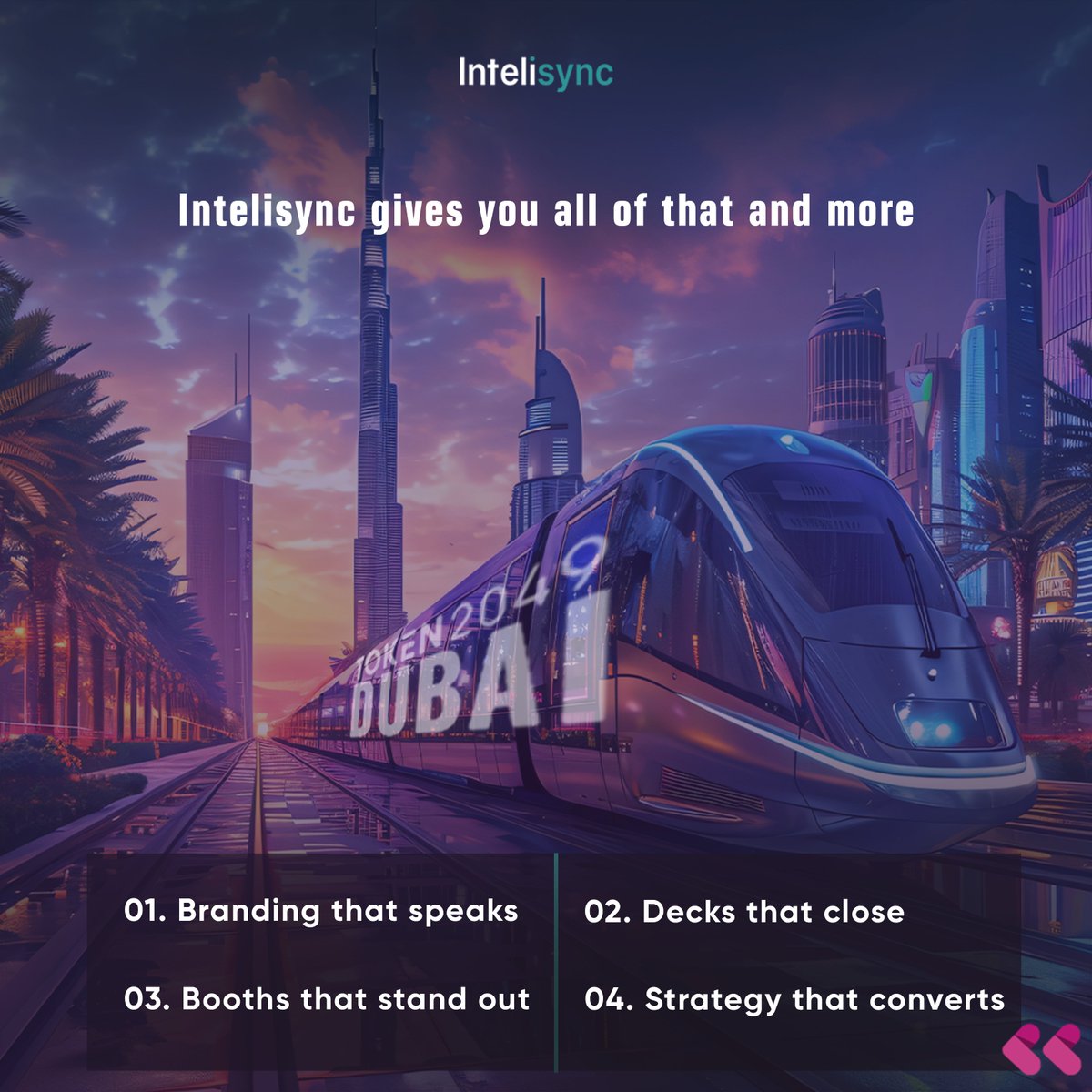
#TOKEN2049 in Dubai is your chance to make a statement.
Let’s make sure your #branding, strategy, and booth grab attention. It’s not about showing up, it’s about showing out.
📌Let’s make sure your #project steals the spotlight.
#token2049dubai #Web3 #intelisync
9
89
16 Apr 2025
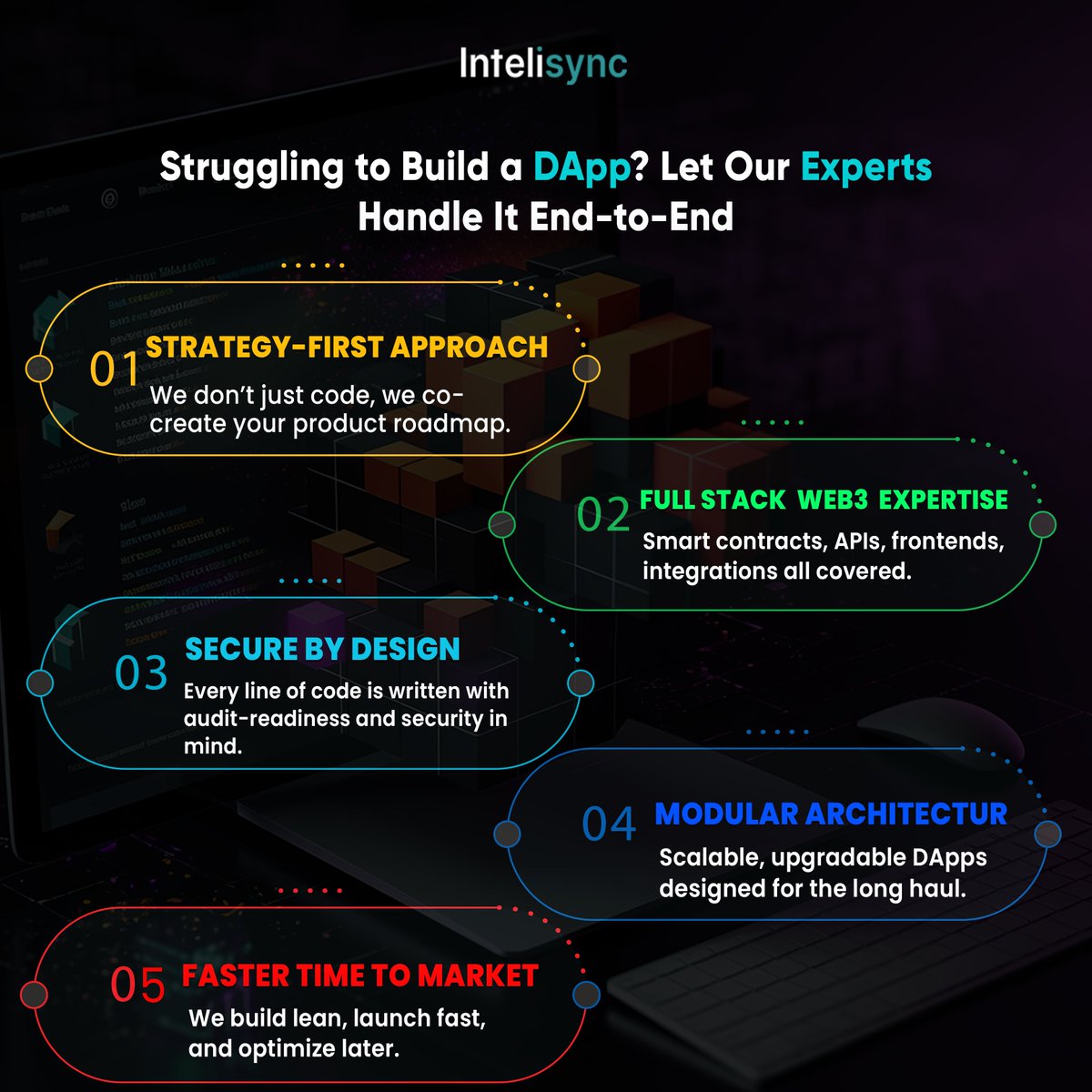
➡️Got a #dApp idea but stuck on where to start? We turn your vision into a #secure, scalable product fast.
From #strategy to launch, our #Web3 team handles it end to end.
📌Let’s build something real.
#Blockchain #Crypto #intelisync #Web3Innovation
6
85
16 Apr 2025
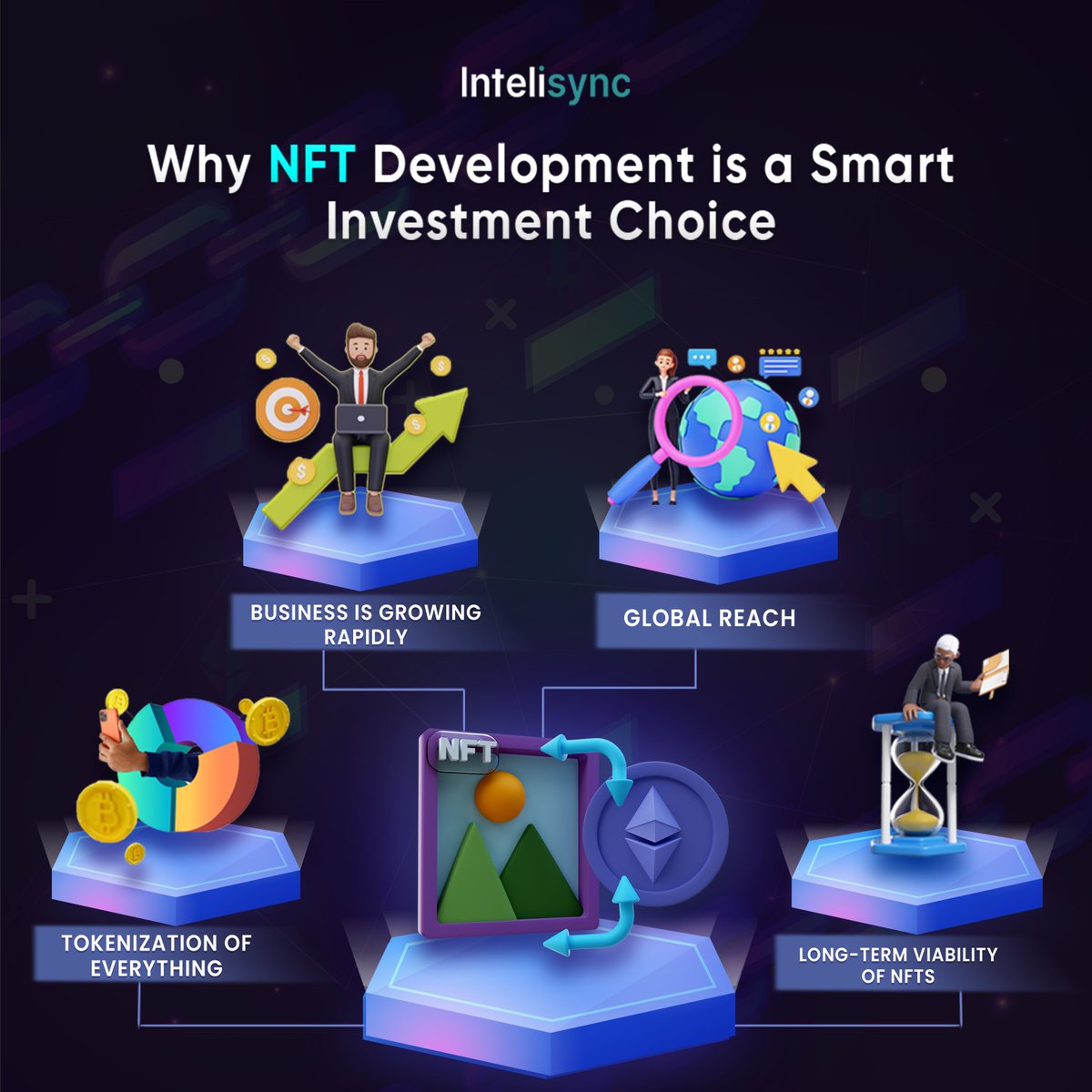
➡️ #NFT development is opening new doors in business, tech, and #ownership.
🔹Rapid business #Growth
🔹Global user access
🔹Tokenization of #Assets
🔹Long-term utility
At Intelisync, we turn NFT ideas into powerful #platforms.
📌 Let’s build something future-ready.
8
68
13 Apr 2025
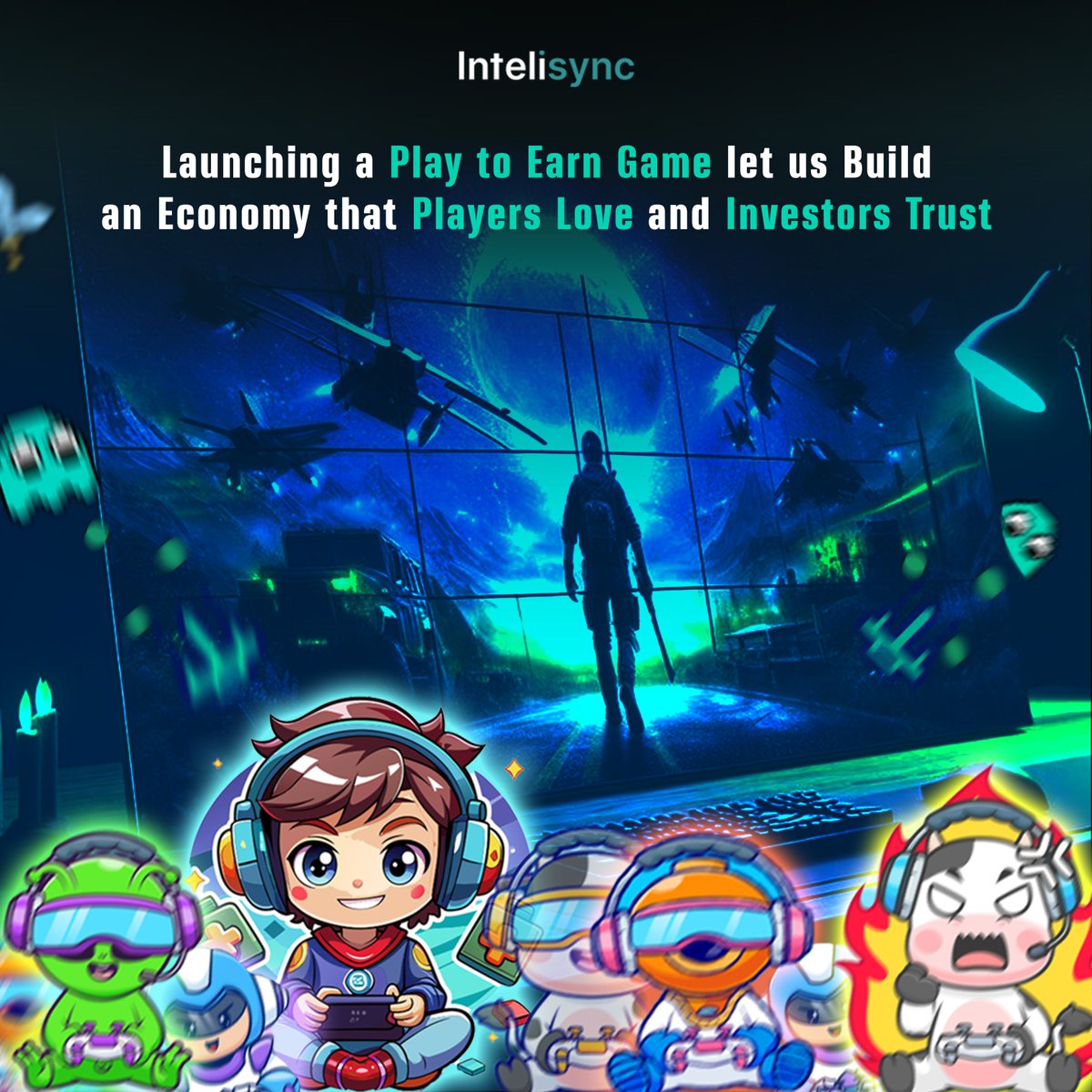
🎮We build #PlayToEarn games that reward players and gain #investor trust, with smart contracts, #NFTs, #Tokenomics, and more.
Let’s turn your #Web3 game idea into a thriving ecosystem.
📌Let's connect @Intelisync_
#Intelisync #GameFi #Web3Gaming #Blockchain #game
ALT gameing
11
116
11 Apr 2025
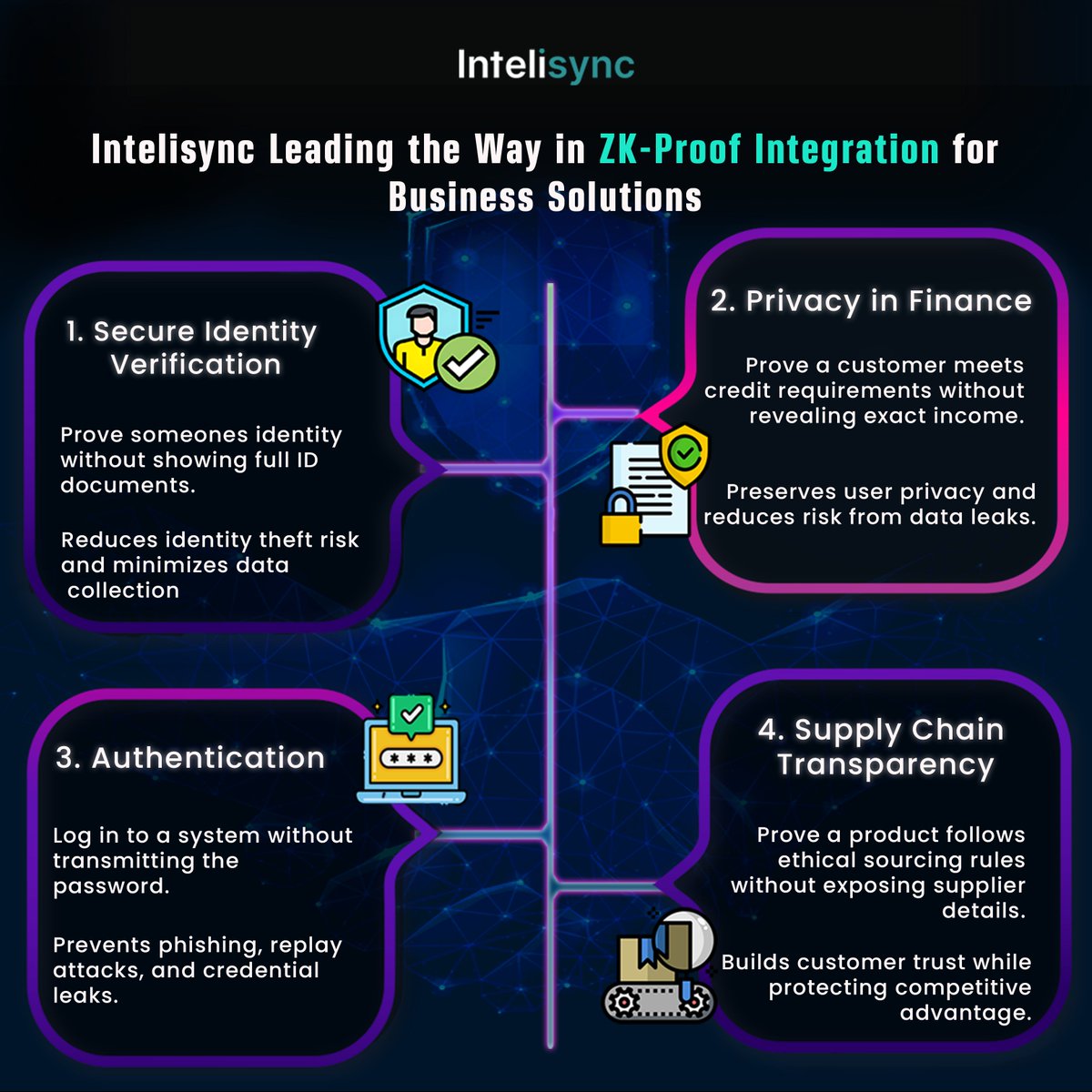
@Intelisync_ integrates Zero-Knowledge Proofs to help businesses verify data without exposing it.
From compliance to #secure identity checks, ZK tech ensures #privacy, transparency & #trust in real-world operations.
#ZKProofs #Intelisync #Web3Business #Blockchain #crypto
11
81