
Jun 8
📷
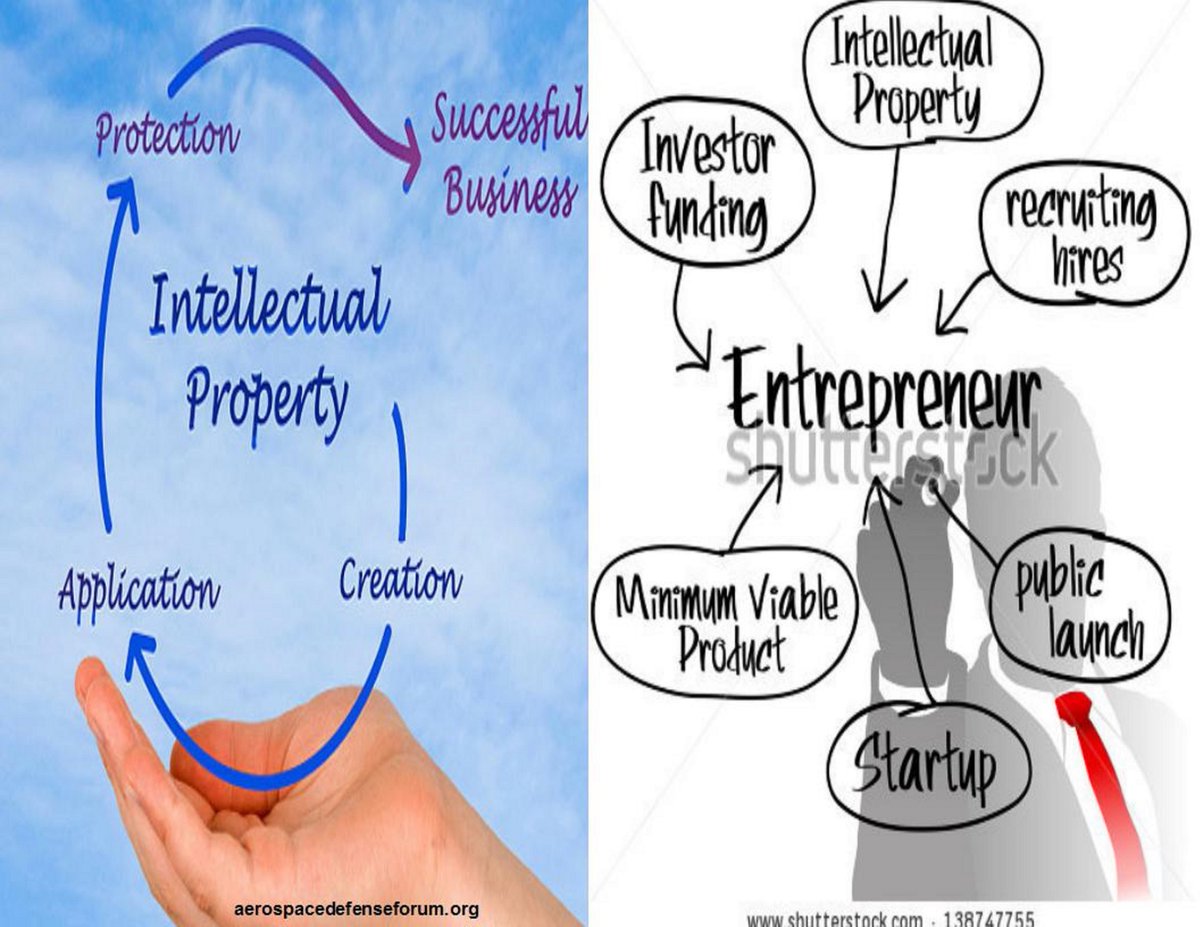
INTELLECTUAL PROPERTY MANAGEMENT for small business federal government contractors must grow as the company grows, adapt to changing conditions and be ever-sensitive to risk.
rosecoveredglasses.wordpress…
#SmallBusiness #GovernmentContractor #IntellectualPropertyProtection
11

31 Oct 2025
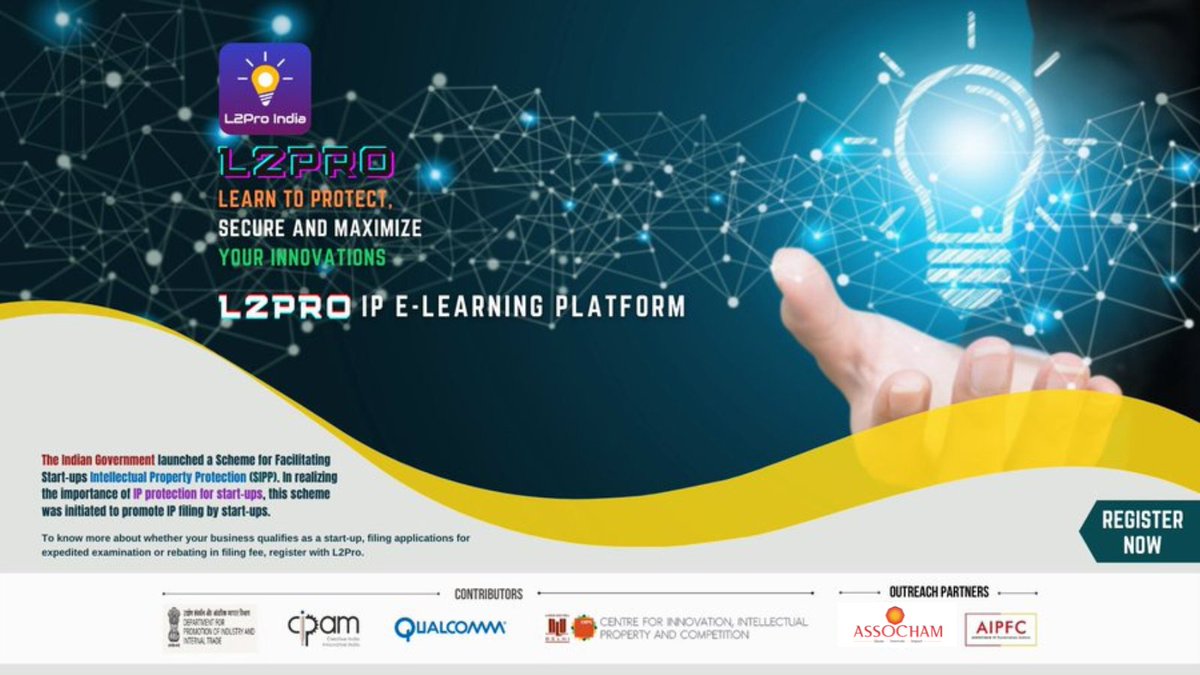
The Scheme for Facilitating Start-ups #IntellectualPropertyProtection or #SIPP was initiated to promote #IP_Filing by start-ups.
#L2Pro #L2Pro_India #L2ProIndia #IntellectualProperty #IPProtection #ProtectYourIP #IPRights #IPLaw #IPAwareness #KnowYourIP #IPForStartups
1
2
4
28

26 Aug 2025
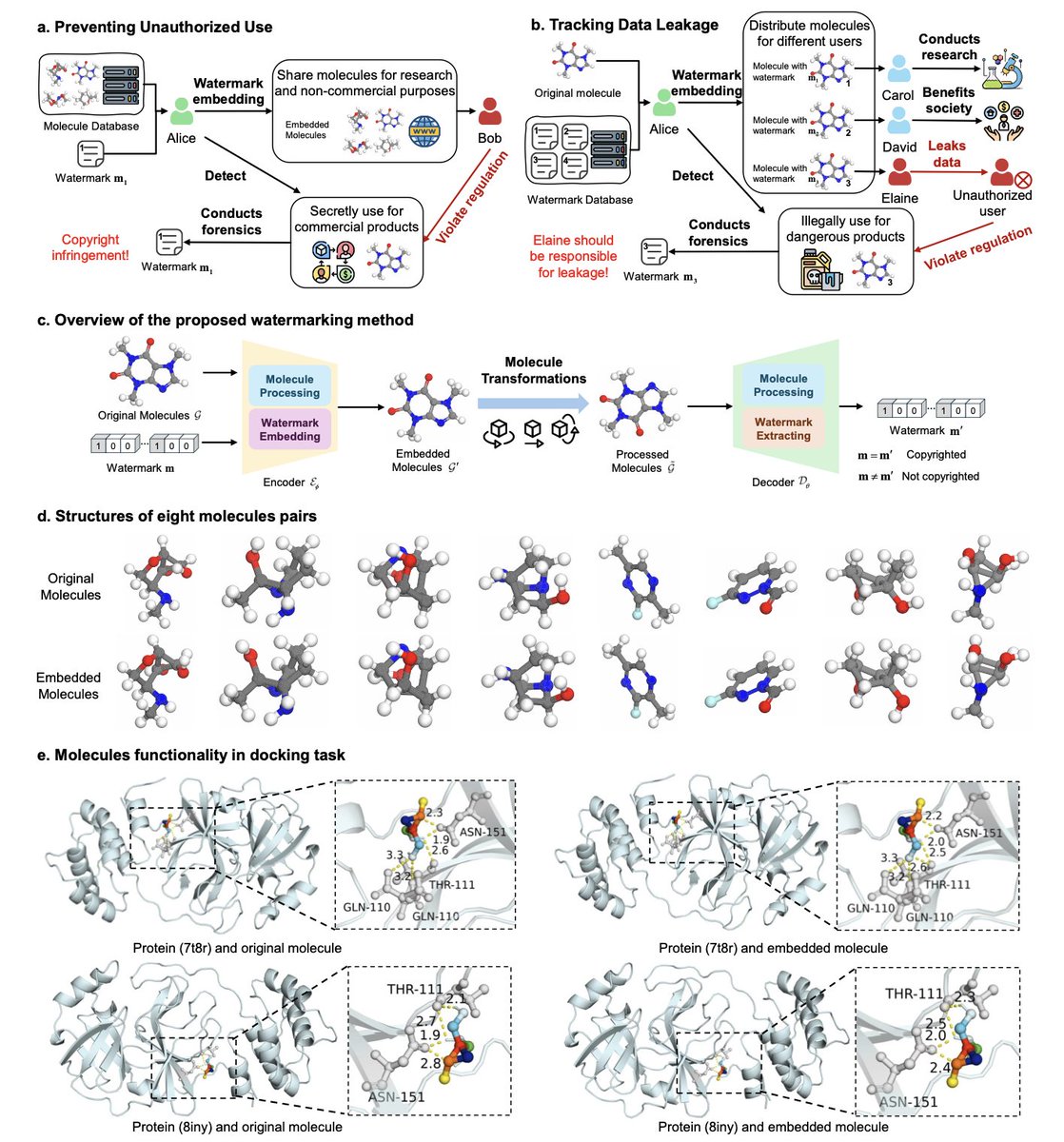
Copyright Protection for 3D Molecular Structures with Watermarking
1. This novel study introduces the first robust watermarking method for 3D molecular structures, addressing critical intellectual property concerns in AI-driven molecule generation. The method preserves molecular integrity while ensuring robustness against affine transformations, maintaining over 90% of basic properties and achieving watermark accuracy above 95%.
2. The research leverages atom-level features to embed watermarks, utilizing invariant features to withstand transformations like rotation, scaling, and translation. This ensures that the watermark remains detectable even after common molecular processing operations, without compromising the scientific utility of the molecules.
3. Comprehensive experiments on the QM9 and GEOM-DRUG datasets demonstrate the feasibility of embedding watermarks into molecules. The study shows that embedding watermarks has minimal impact on molecular properties, with atom stability and molecule stability remaining high even at higher watermark capacities.
4. The proposed method outperforms previous watermarking techniques, which often disrupt molecular structures. In contrast, this method maintains high bit accuracy while preserving molecular properties, making it a promising tool for safeguarding molecular data in bioengineering and biological research.
5. The study also evaluates the impact of watermark embedding on downstream tasks, such as molecule docking. The results show that watermarked molecules retain comparable binding affinities and conformations to the original molecules, confirming that the watermarking technique does not hinder their functionality in scientific applications.
6. The robustness of the watermarking method is tested against SE(3) transformations, including rotation, translation, and reflection. The method achieves high bit accuracies across different capacities and transformations, ensuring reliable copyright protection for molecules.
7. Ablation studies reveal the effectiveness of the model's architecture, highlighting the importance of atom and edge embedders in maintaining molecular properties and enhancing robustness against transformations. This delicate design contributes to the overall performance of the watermarking method.
📜Paper: arxiv.org/abs/2508.17702
💻Code: github.com/RunwenHu/WMM
#MolecularWatermarking #AIinBioengineering #IntellectualPropertyProtection #MoleculeGeneration #ScientificUtility #RobustWatermarking #ComputationalBiology
2
11
44
2,896

10 Jul 2025
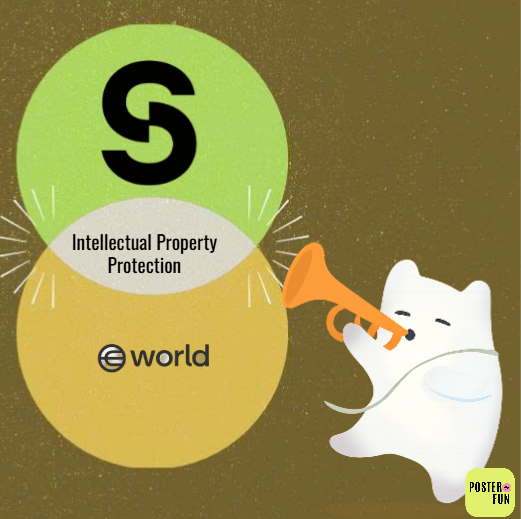
Congrats @StoryProtocol x @worldcoin
🤝The partnership aims to tackle AI-generated content infringing on intellectual property rights, particularly when it comes to spoofed identities and false ownership claims.
💡By integrating World ID into the Story network, creators can not only verify the IP in their wallet but set terms for how others can use and pay for their intellectual property.
🎯 Objective: Combat AI-generated copyright violations — especially as identity and authorship become increasingly vulnerable 🚫.
✅ With the integration of World ID, users will be able to:
🔥 Verify intellectual property assets in their wallet
🔥Define licensing and usage conditions 📜
🔥Receive royalties on their terms 💸
Soure by: theblock.co/post/361664/stor…
#AI $IP #IntellectualPropertyProtection
9 Jul 2025

"As AI gets more and more capable and sophisticated, having a way to distinguish human-created IP will become increasingly important"
- @devrelius in @TheBlock__
Proof of humanity meets proof of IP. Coming Fall 2025.
Read ↓
theblock.co/post/361664/stor…
10
23
302
6 May 2025
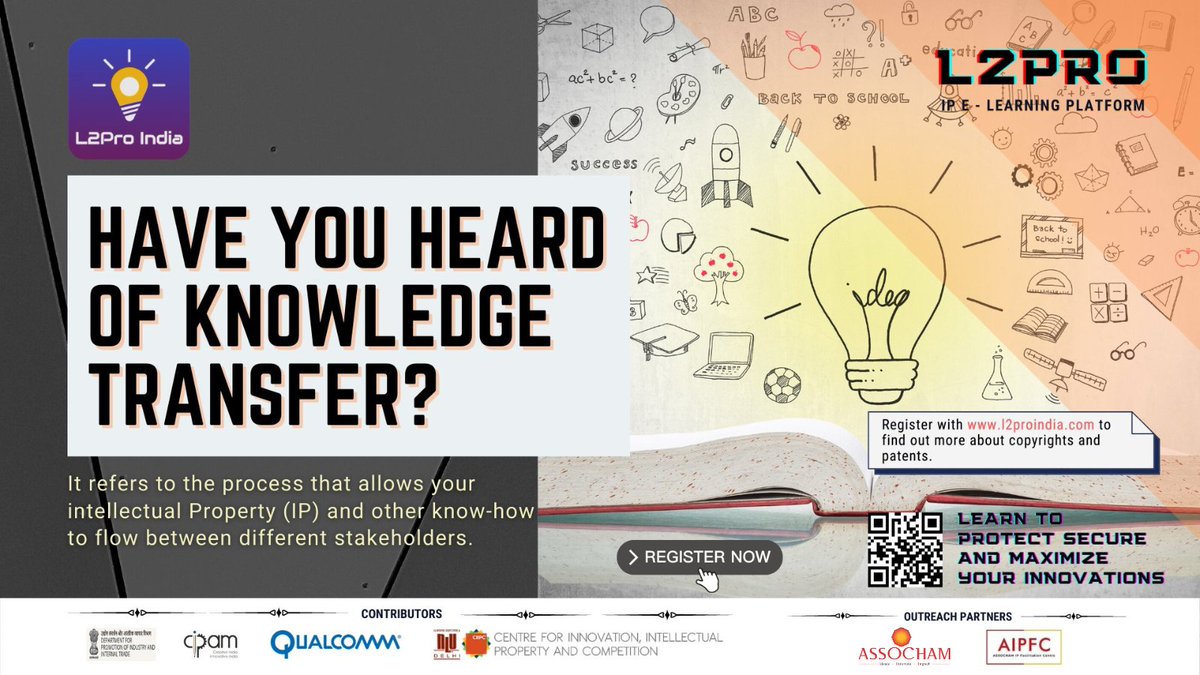
Understand the impacts of #KnowledgeTransfer with L2Pro. We can help you better understand your #IntellectualPropertyRights.
#L2Pro #L2ProIndia #IntellectualProperty #IntellectualPropertyProtection #IPRConsultant #CopyrightRegistration #CreativeProtection #IPnews #IPupdates
1
2
13

24 Apr 2025
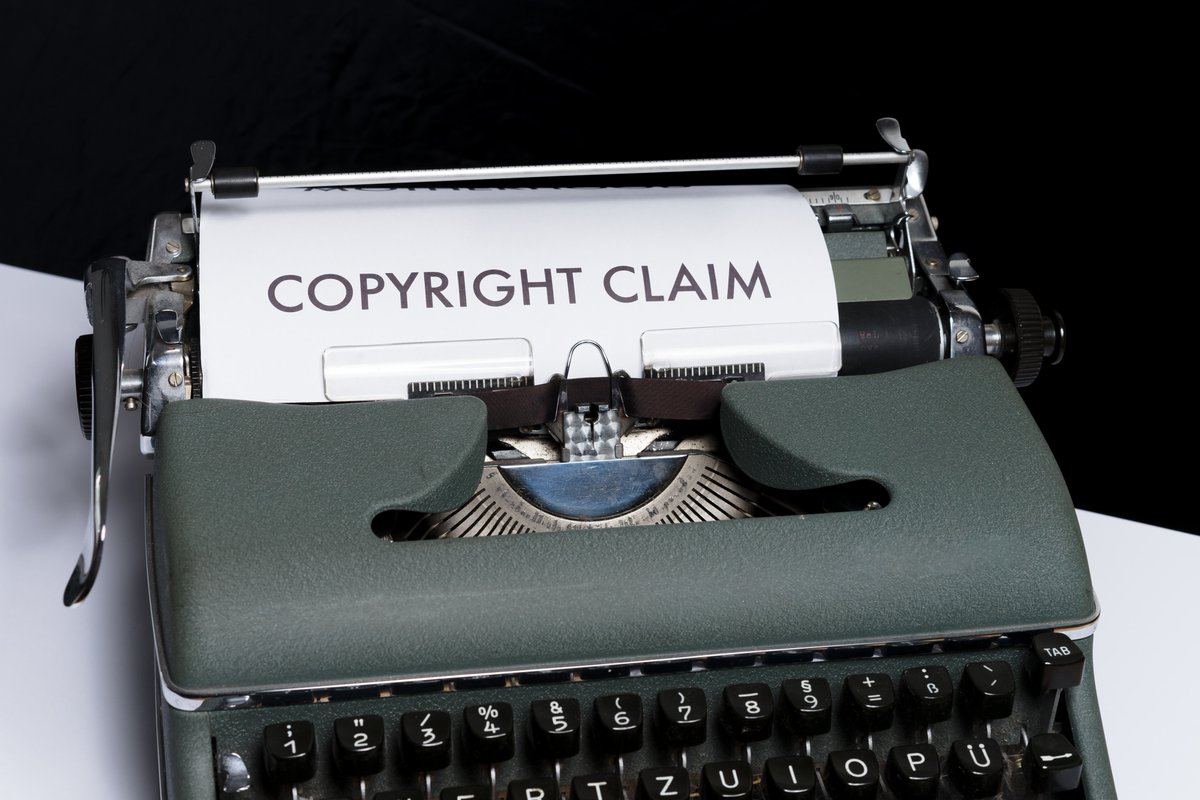
Before we #brand our clients, Avant Garde Digital Media helps protect their intellectual properties through #copyright and #trademark counseling. Learn more about our Intellectual Property Services: wix.to/YYJQqkD #AvantGardeDigi #intellectualpropertyprotection
1
2
32

7 Mar 2025
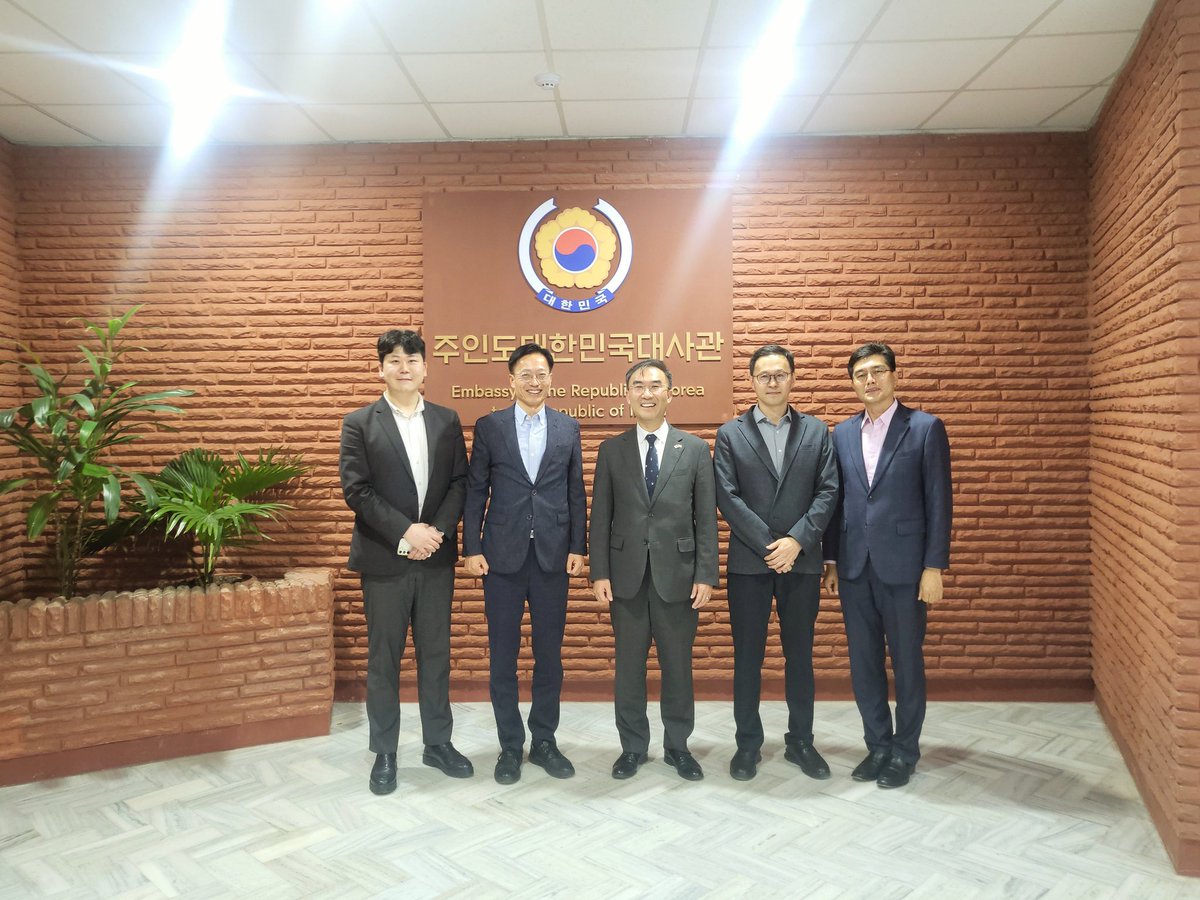
On Wednesday, March 4, 2025, Ambassador Lee Seong-ho met with Kim Yongsun, President of the Korea Intellectual Property Protection Agency (KOIPA), to discuss measures to strengthen intellectual property protection for Korean companies. (1/3)
#KOIPA #IntellectualPropertyProtection
1
4
292

3 Mar 2025
Actress Lillee Jean Trueman - Through the Years Series @OfficialLilleeJ #lilleejean -- copyright registered with the Library of Congress. #libraryofcongress #intellectualpropertyprotection
facebook.com/REALlilleejean/…
1
2
64
17 Feb 2025
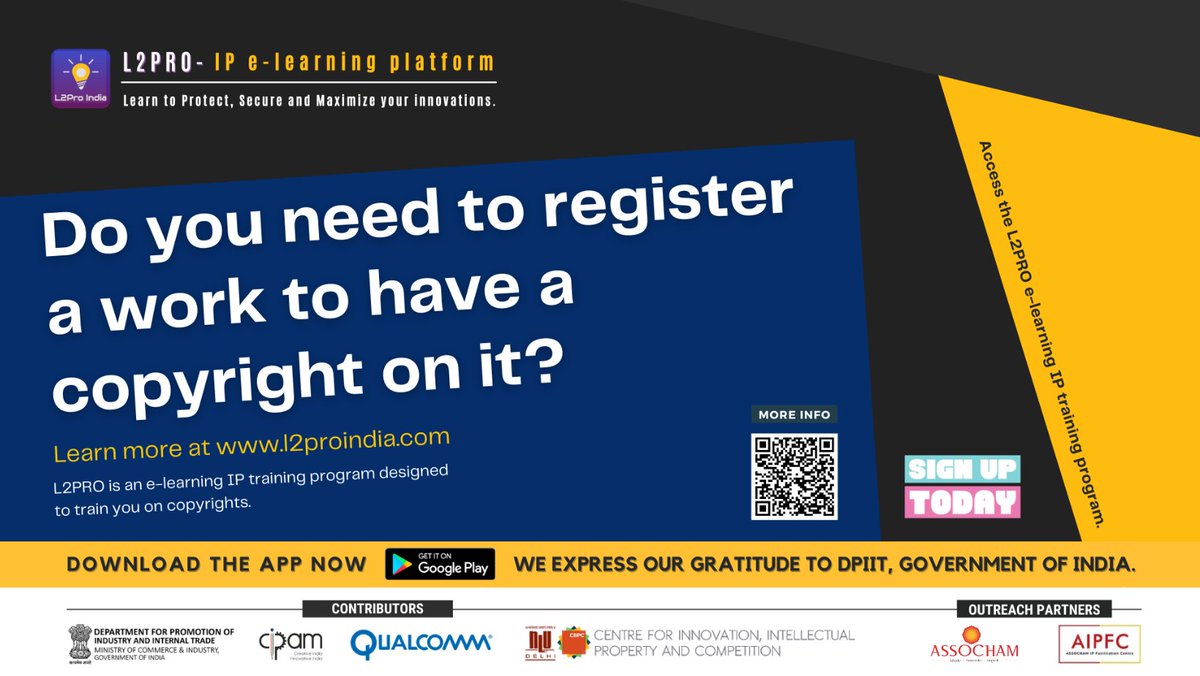
Registration is optional and beneficial if you want to create an official record and prima facie evidence of particulars recorded in the Register of #Copyrights.
#L2Pro #L2ProIndia #Startups #IntellectualProperty #IntellectualPropertyRights #IntellectualPropertyProtection
2
2
25
18 Nov 2024
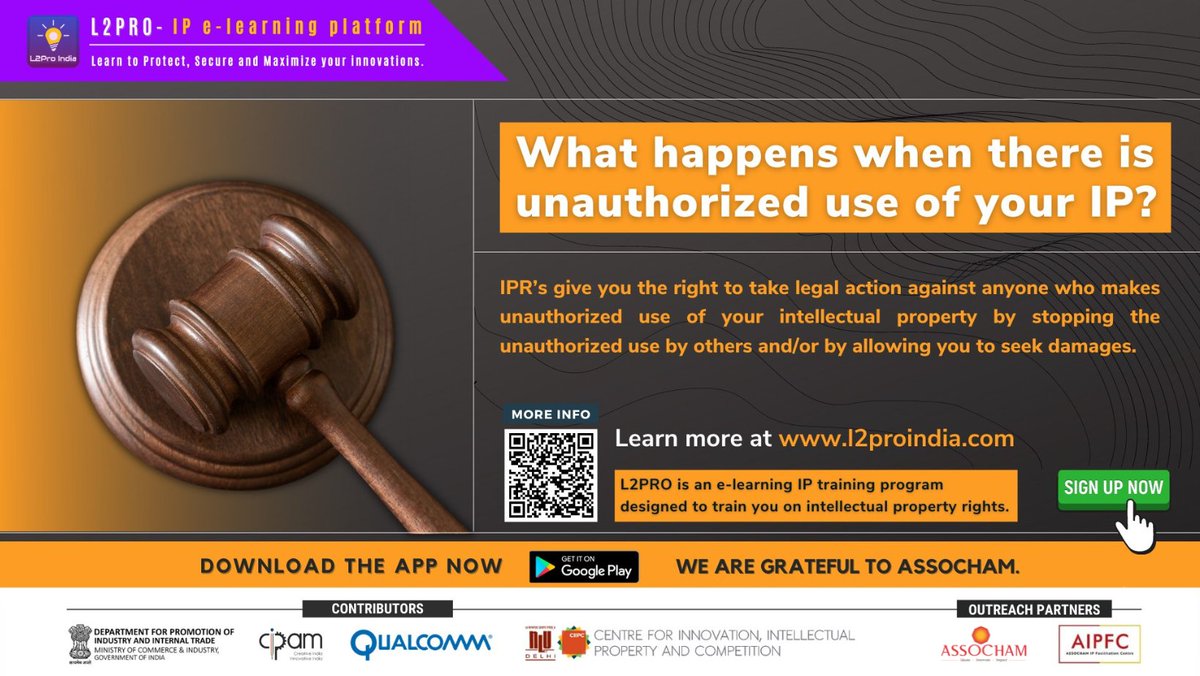
#IPRights gives you the right to take legal action against anyone who makes unauthorized use of your #IntellectualProperty by stopping the unauthorized use by others and/or by allowing you to seek damages.
#L2Pro #L2ProIndia #IntellectualPropertyProtection #IPnews #IPupdates
2
4
17

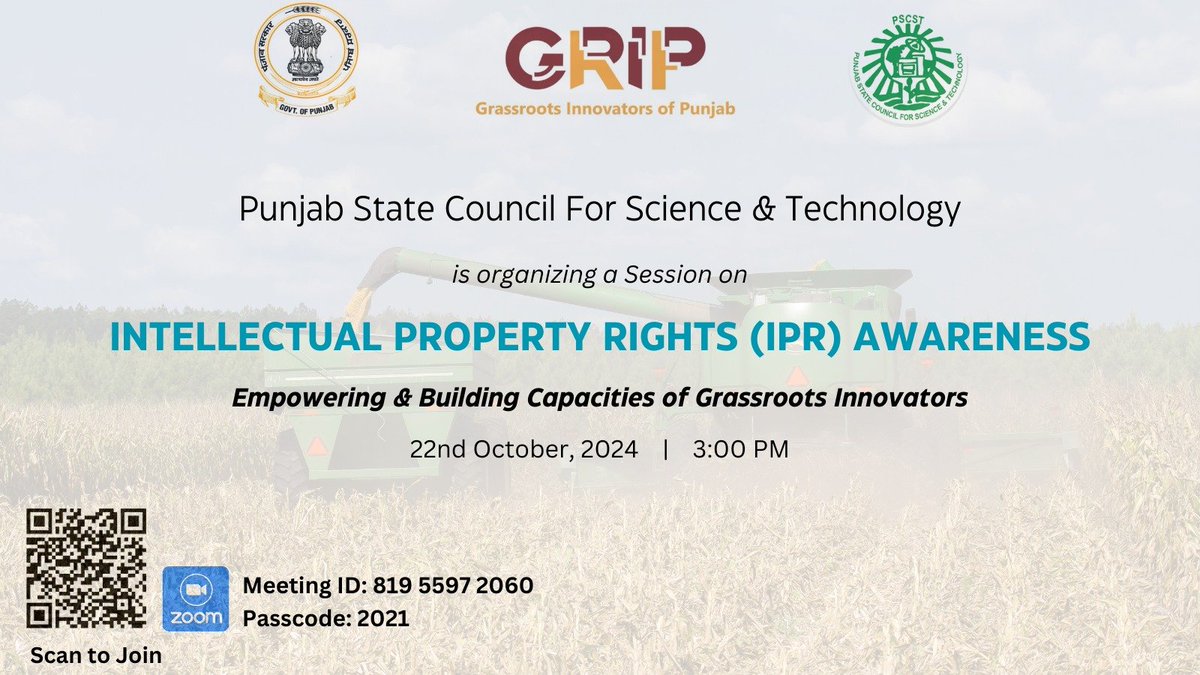
To empower Grassroots Innovators on #IntellectualPropertyProtection @PSCST_GOP is organizing virtual #IPRAwarenessSession Innovators are invited to join session to learn about how to protect their Patent Design Trademark etc #GRIPProgram #InnovationProtection #InnovationForChange
6
10
427

19 Sep 2024
Get access to registered intellectual property attorneys in just a click with Trademarkia.
Learn more: hubs.li/Q02PXMj40
#Trademarkia #TrademarkAttorney #TrademarkProtection #CopyrightProtection #PatentProtection #IntellectualPropertyProtection #IPAttorney

1
59

11 Aug 2024
Protect your SMB's valuable intellectual property from cyber threats. Our incident and breach assistance helps you safeguard your most critical assets. #IntellectualPropertyProtection #AssetSafeguarding ?
vciso.co
2
162
9 Jul 2024
Thank you to all our clients who have entrusted their intellectual property needs with us!
Protect your intellectual property today at trademarkia.com
#Trademarkia #IntellectualProperty #IntellectualPropertyProtection #TrademarkProtection #TrademarkRegistration #CopyrightProtection #PatentProtection #IPAttorney

2
40
6 May 2024
Protect your intellectual property with Trademarkia.
#shorts #trademarkregistration #brandprotection #trademarkattorney #trademarkia #trademarkprotection #intellectualpropertyprotection #iplawyer #businesstips
1
1
62

25 Apr 2024
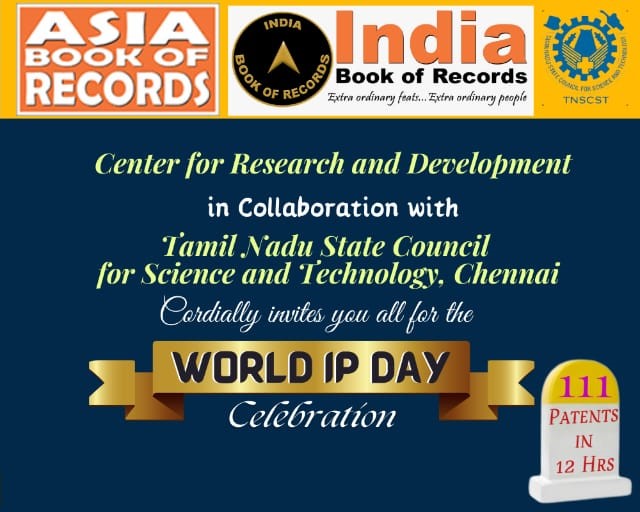
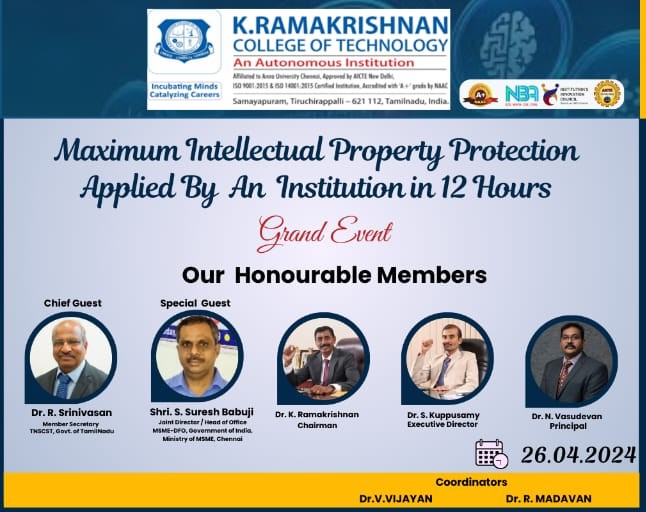
Get ready to witness history in the making as K Ramakrishnan College of Technology, Tiruchirappalli, Tamil Nadu, is all set to etch its name in the #IndiaBookofRecords for:
“Maximum #IntellectualPropertyProtection Applied by An Institution in 12 hours!”
#Innovation #TNSCST

2
44

10 Apr 2024
Thread: Impact of Blockchain Technology and its Ecosystem using Entertainment as a Marketing Tool 🎥#BlockchainEntertainmen #IntellectualPropertyProtection #FanEngagement #TransparentTicketing #AdRevolution #DataPrivacyMatters #CrowdfundingRevolution #CollaborationOpportunities

1
2
9
878
9 Apr 2024
Want to register your trademark?
Want to know how to do it like an attorney?
In this video we take you through exactly this - don’t miss out!
#Trademarkia #Shorts #TrademarkRegistration #TrademarkAttorney #IntellectualPropertyProtection
1
2
49

25 Mar 2024
Marqvision launches an #AI-powered #Trademark Watch Service that monitors unauthorized filings in 50 countries 24/7. #IntellectualPropertyProtection
#TechNews #Startup
thepickool.com/marqvision-la…
1
2
64

19 Mar 2024
Safeguard your creative genius with BSV blockchain! By timestamping and authenticating intellectual property rights like patents, trademarks, and copyrights, it shields innovators from infringement and guarantees fair compensation. #BSV #Blockchain #IntellectualPropertyProtection

2
47