
Mar 20
📢 #SpecialIssue
Recent Advances and Trends in Internal Combustion Engines
📅 20 September 2026
👨🔬 Guest Editor: Dr. Boru Jia from Beijing Institute of Technology, China
🔗 mdpi.com/journal/applsci/spe…
#icengine #internalcombustionengine #efficiency #design #fuel #emission #boosting
1
2
30

Feb 15
Snoopy: People today are miserable because they grew up hearing Hondas, not HEMIs.
Me: The future could be even miserable. 😔👉
#HEMI #V8 #SmallBlock #BigBlock
#InternalCombustionEngine #ElectricMotor
#Tesla #Cybertruck

2
228

9 Dec 2025
വിവിധ രാജ്യങ്ങള് വൈദ്യുത കാറുകള്ക്ക് അനുകൂലമായ നയത്തില് മാറ്റം വരുത്തുന്നതാണ് ഉപഭോക്താക്കളെ മാറി ചിന്തിക്കാന് പ്രേരിപ്പിക്കുന്നതെന്നാണ് സൂചന... #internalcombustionengine #carnews #electriccar #fasttrack #autonews
Read more at : manoramaonline.com/automobil…
71

3 Nov 2025
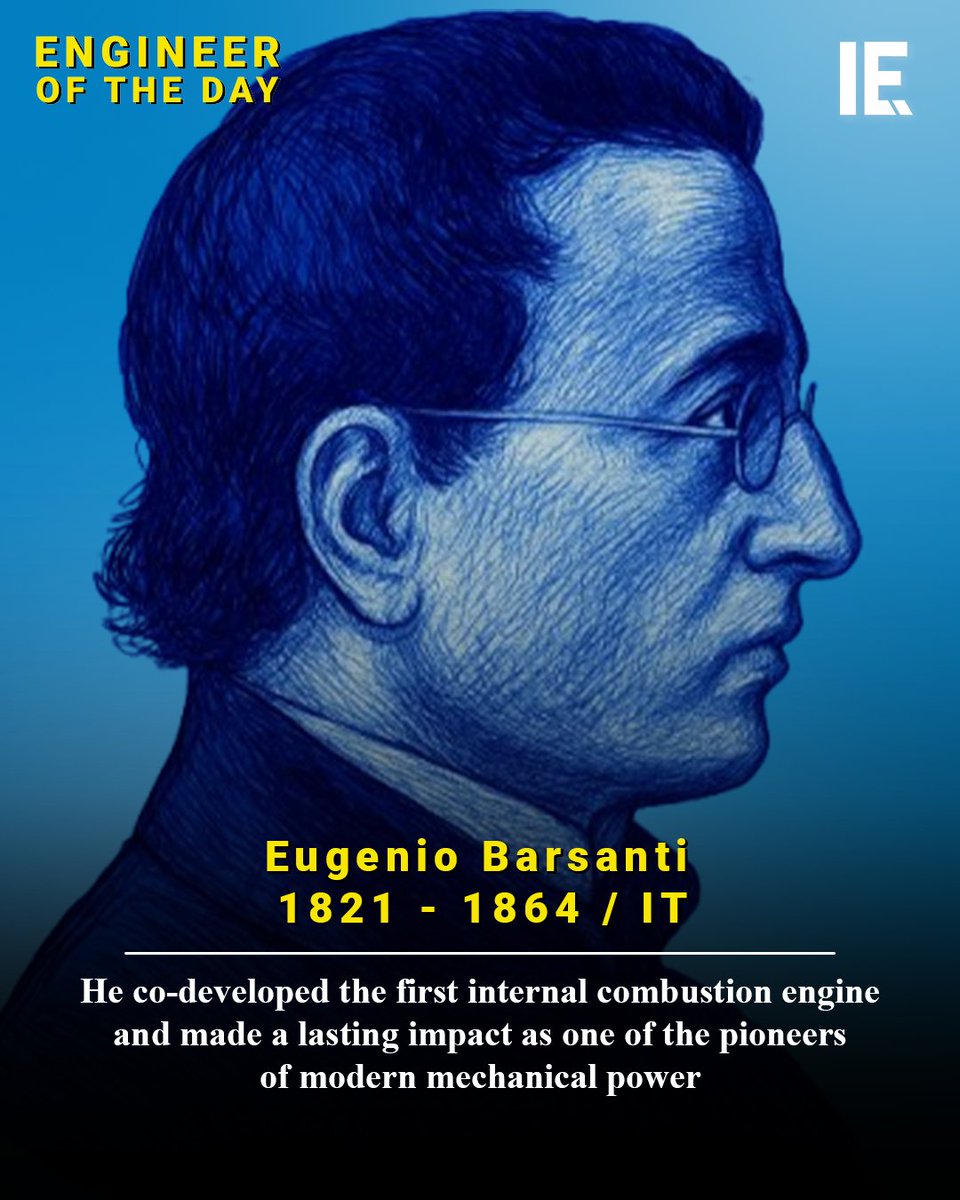
Eugenio Barsanti’s insight turned explosions into motion. In partnership with Felice Matteucci, he developed the first internal combustion engine in the 1850s, transforming how machines produced energy. Their invention laid the groundwork for every car, ship, and generator that followed, marking the true dawn of the mechanical age.
Discover more: bit.ly/4hHRpOT
#EugenioBarsanti #Inventor #EngineeringHistory #InternalCombustionEngine #Innovation
3
8
3,344

29 Aug 2025
#emissions #pollution #internalcombustionengine #ElectricVehicles #cleanenergy
Clip is grainy but the black soot from the exhaust doesn’t lie. How is this still allowed in 2025?? Clearly can afford a bigger more expensive car Why not a hybrid or pure EV? 🔋⚡️🤷♂️
1
1
3
139

18 Jul 2025
What Melting Ice looks like under the Green New Deal! #InternalCombustionEngine #AUDI
18 Jul 2025

🇩🇪 Audi destroyed thousands of cars that were not sold.
Ironically Audi is committed to the green agenda, and production if a car is extremely ecologically heavy … so building and instantly destroying cars, is pretty contradictory.
Why don’t they sell them cheaper?
Or give them to African countries or something?
39
26
157
36,874
16 Jul 2025
🔥 Read our Paper
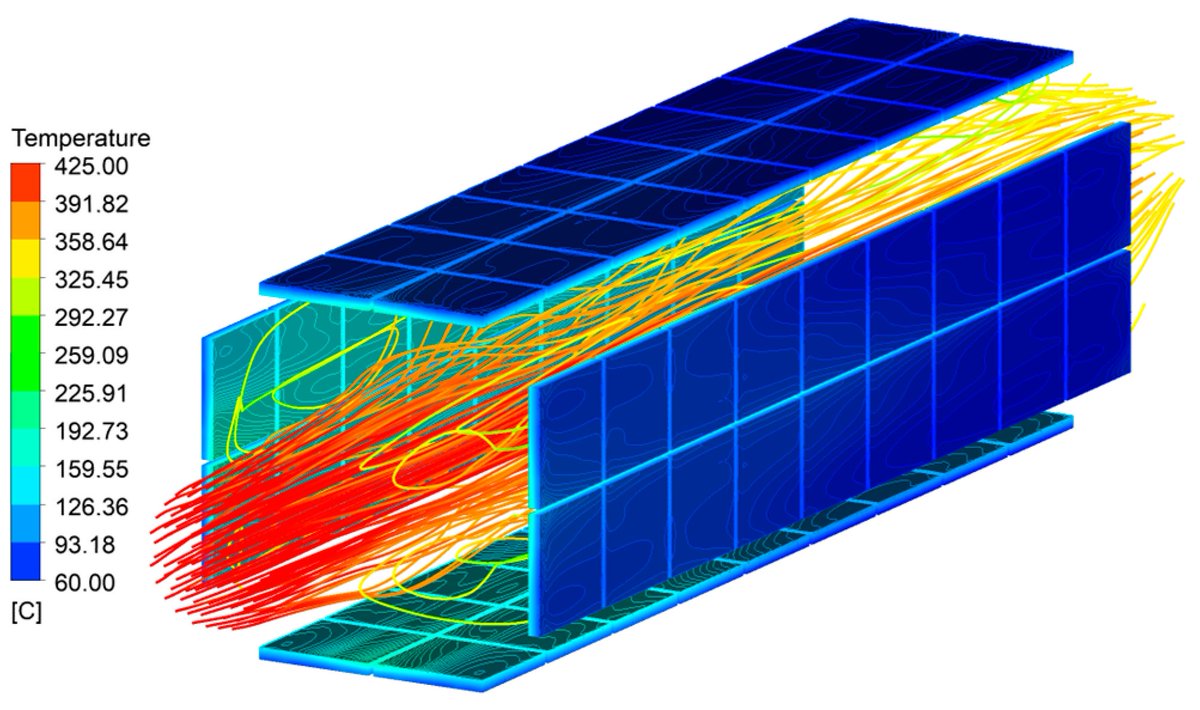
📚 #HeatTransfer in #ThermoelectricGenerators for #WasteEnergy Recovery in Piston Engines
🔗 mdpi.com/2076-3417/13/9/5647
👨🔬 Pablo Fernández-Yáñez, Javier Jarama, Francisco J. Martos and Octavio Armas Vergel
🏫 @uclm_es / @InfoUMA
#energyrecovery #internalcombustionengine
2
2
155

25 Jun 2025
🚀 New Publication Alert! 🛠️📘
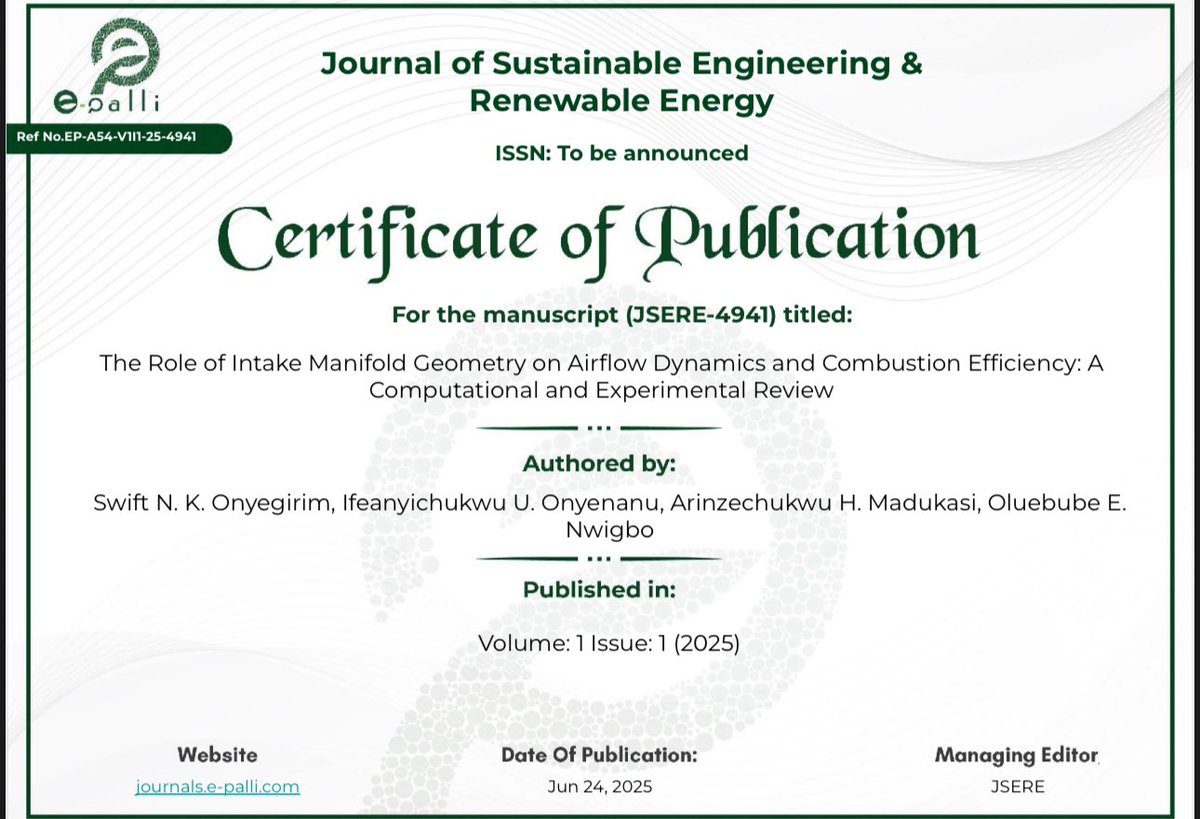
I’m thrilled to share that our latest research paper has just been published in the Journal of Sustainable Engineering & Renewable Energy (JSERE) 🎉
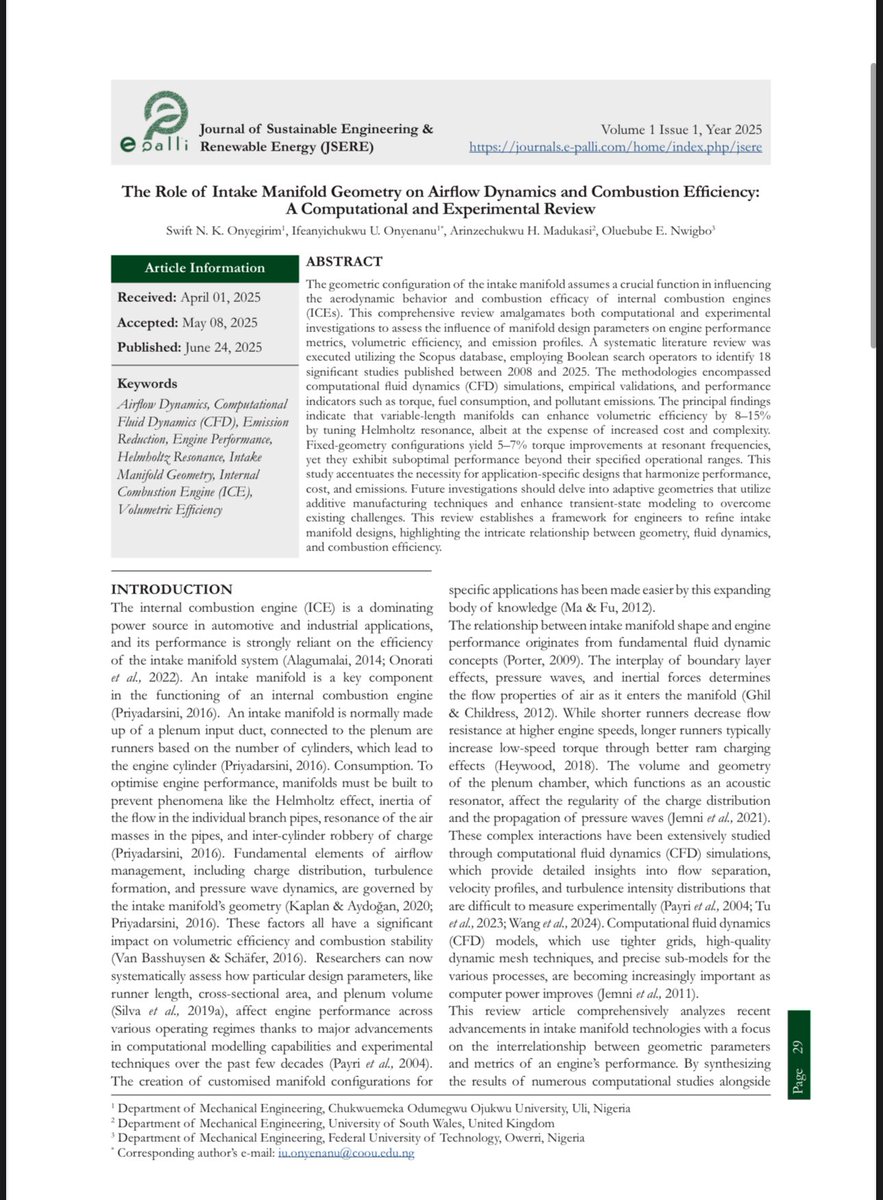
📖 Title: The Role of Intake Manifold Geometry on Airflow Dynamics and Combustion Efficiency: A Computational and Experimental Review
👨🔬 Co-authors: Swift N. K. Onyegirim, Ifeanyichukwu U. Onyenanu (Lead Author), myself – Arinzechukwu H. Madukasi, and Oluebube E. Nwigbo
📅 Published: June 24, 2025
🔗 Read here: journals.e-palli.com/home/in…
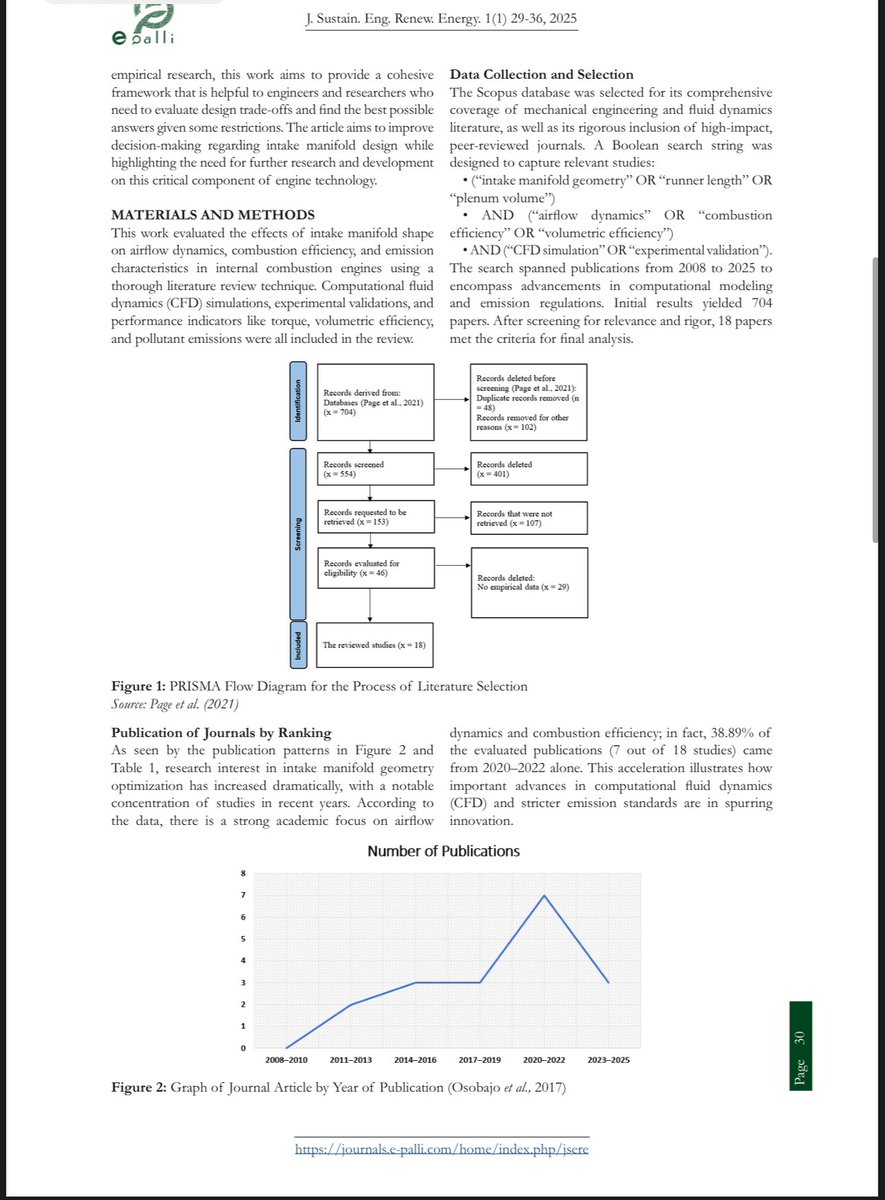
This comprehensive review investigates how intake manifold geometry significantly affects airflow dynamics, volumetric efficiency, engine performance, and emission profiles in internal combustion engines (ICEs).
Key takeaways:
✅ Variable-length manifolds can boost volumetric efficiency by 8–15% via Helmholtz resonance
✅ Fixed-geometry manifolds improve torque by 5–7% at resonant frequencies
✅ Adaptive and application-specific designs are key for balancing performance and emissions
✅ Additive manufacturing and transient-state modeling offer exciting future directions
I’m proud to have contributed to this study, especially as it aligns with my ongoing focus on sustainable engineering, CFD, and performance optimization.
🔍 If you’re passionate about automotive engineering, clean energy tech, or fluid dynamics, I’d love to connect and discuss further!
#Research #Engineering #MechanicalEngineering #CFD #InternalCombustionEngine #Sustainability #HelmholtzResonance #VolumetricEfficiency #EmissionReduction #Innovation #PhDJourney #RenewableEnergy #JournalPublication #LinkedInResearch #STEM #madukasi
2
2
108
10 Jun 2025
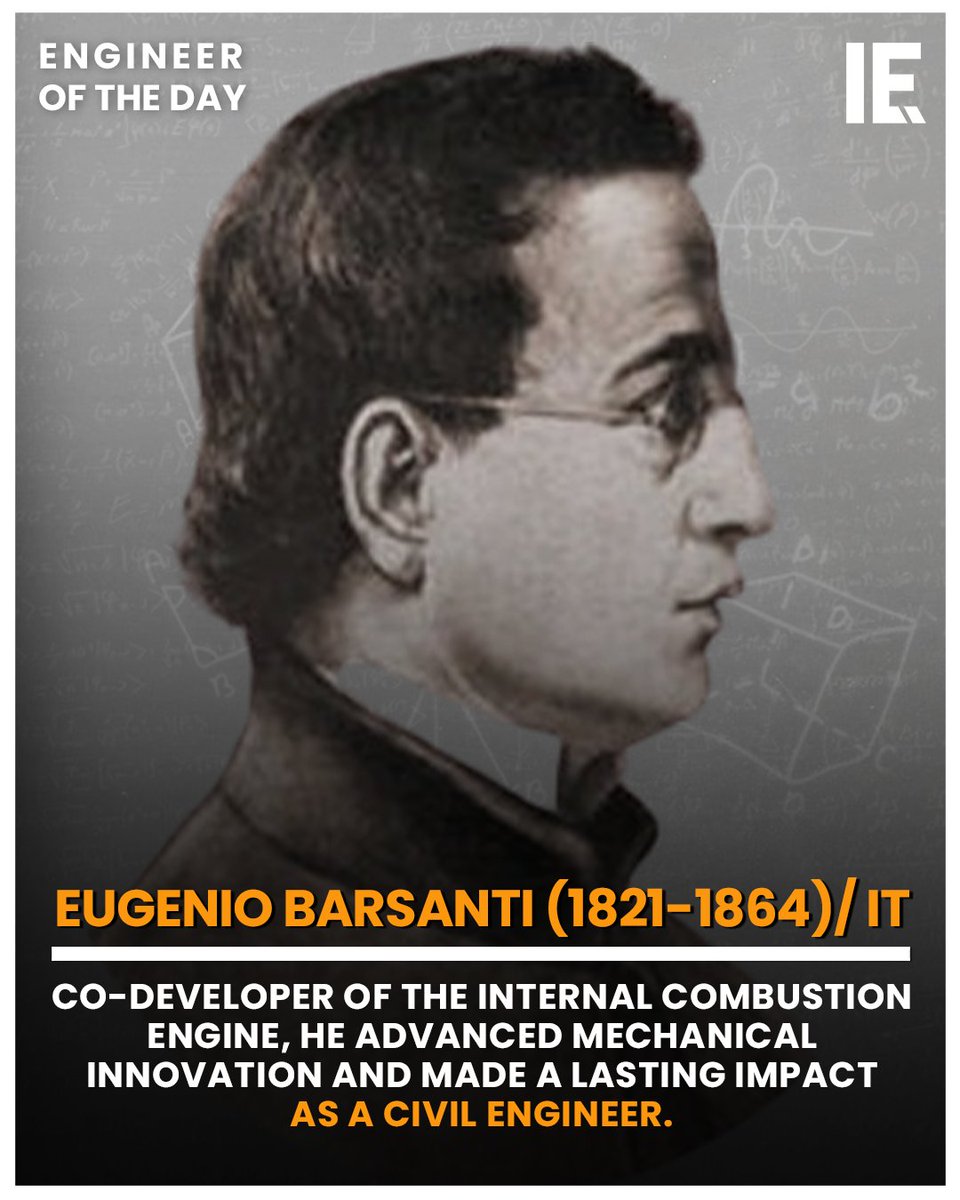
Eugenio Barsanti helped ignite the engine age. Alongside Matteucci, he co-created the first internal combustion engine—laying the foundation for modern transportation and industry.
Discover more: link.ie.social/bd3RaH
#EugenioBarsanti #InternalCombustionEngine #MechanicalEngineering
1
7
3,009

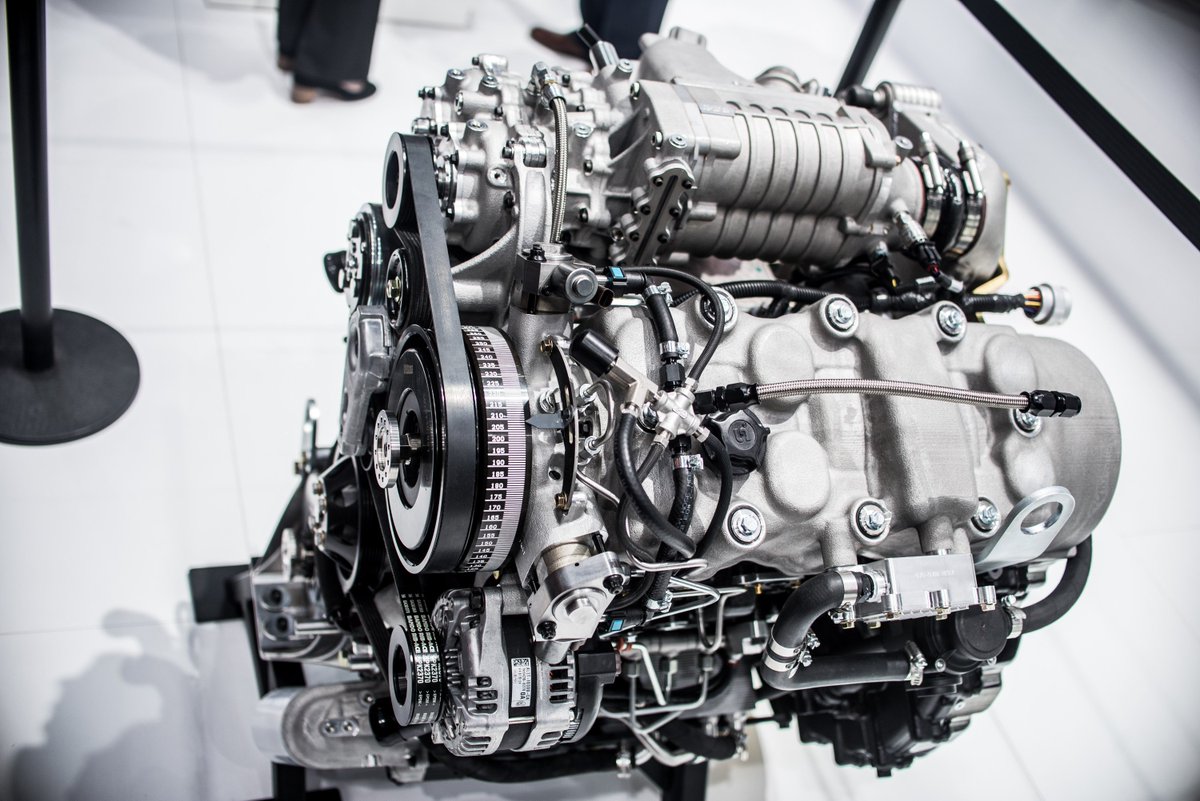
If #Capitalism advances #technology, then why do so many #Capitalists refuse to #transition beyond the #InternalCombustionEngine?
1
3
55
14 Feb 2025
🔥 Read our Paper
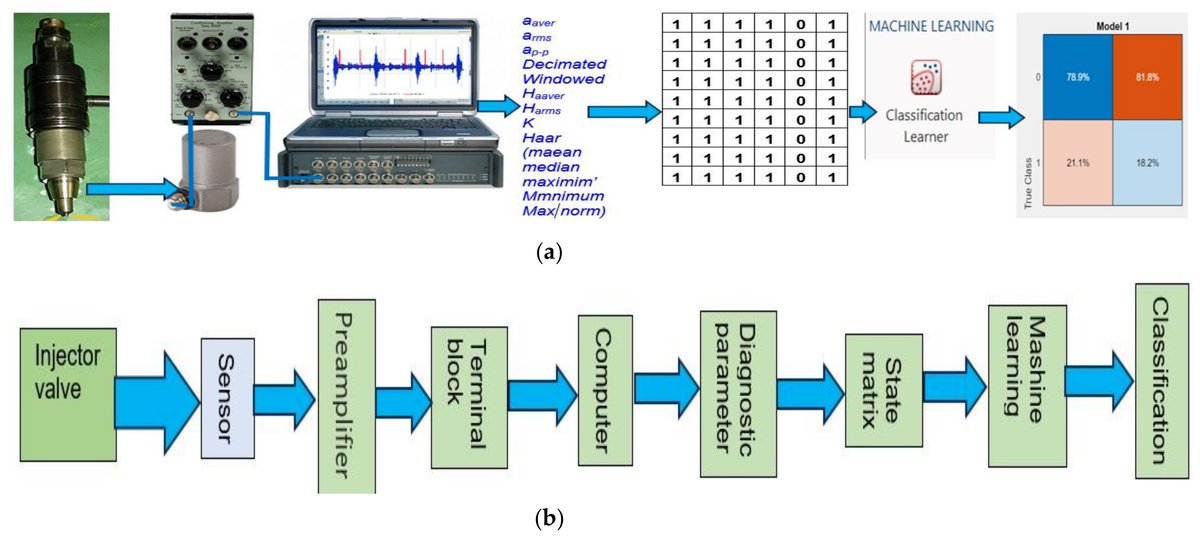
📚 Diagnosing Cracks in the Injector Nozzles of Marine Internal Combustion Engines during Operation Using Vibration Symptoms
🔗 mdpi.com/2076-3417/13/17/959…
👨🔬 by Dr. Jan Monieta
🏫 @Maritime_Uni_PL
#diagnostics #InternalCombustionEngine
2
55

11 Jan 2025
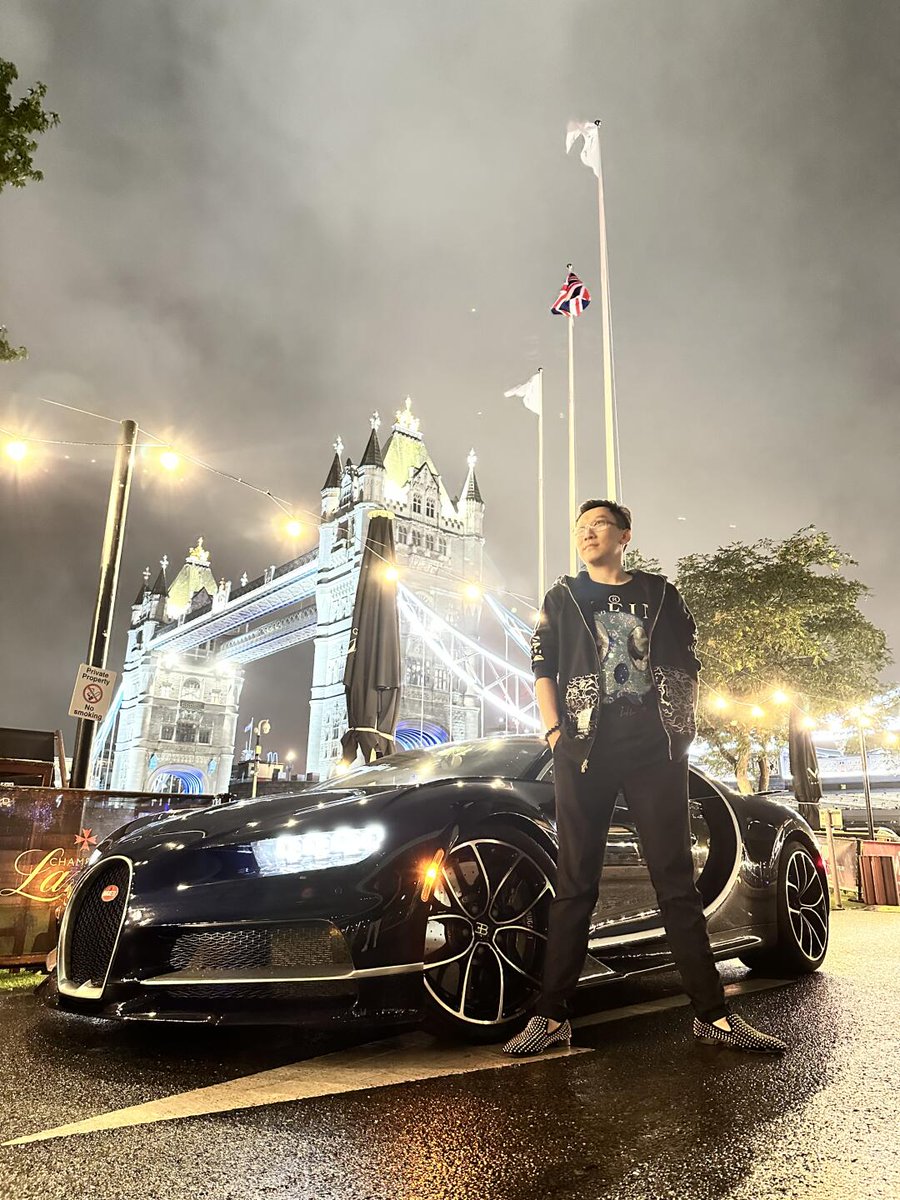
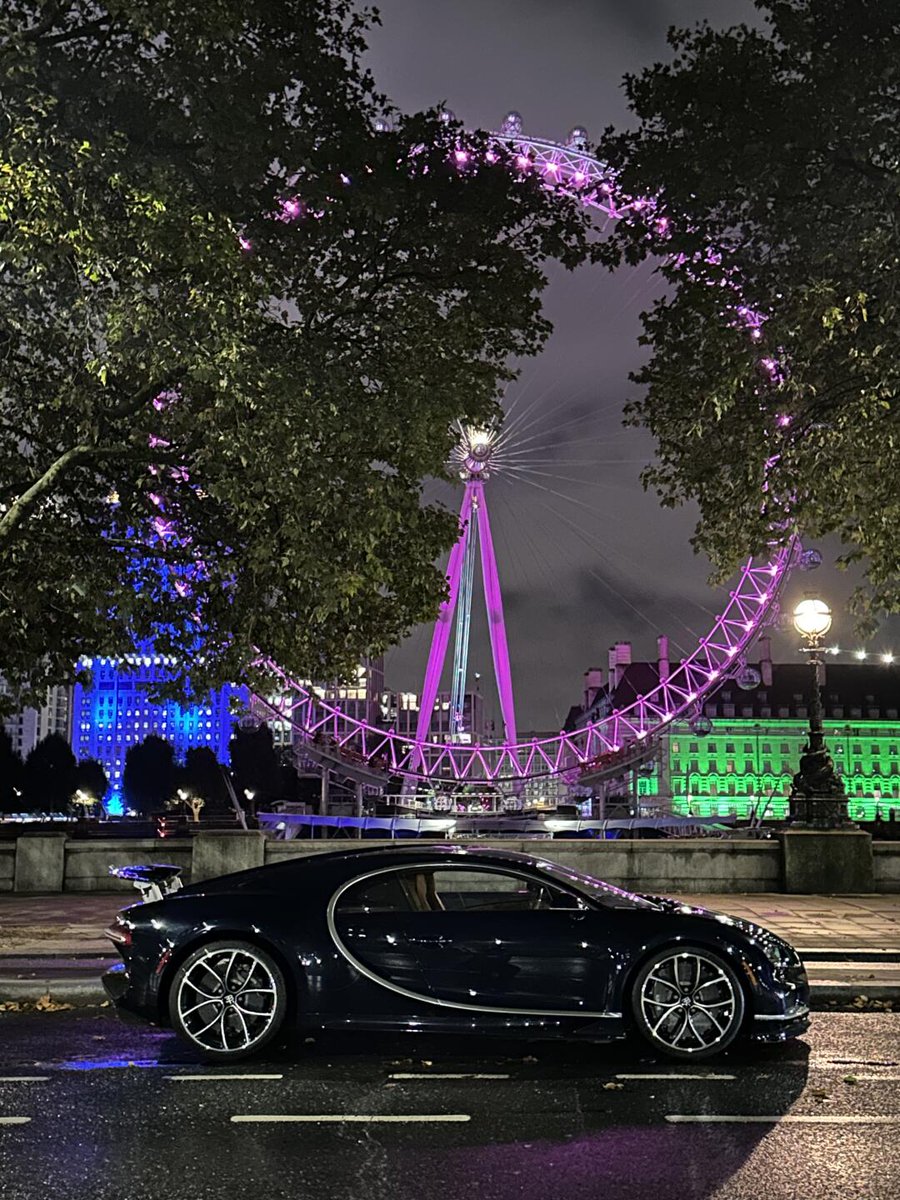
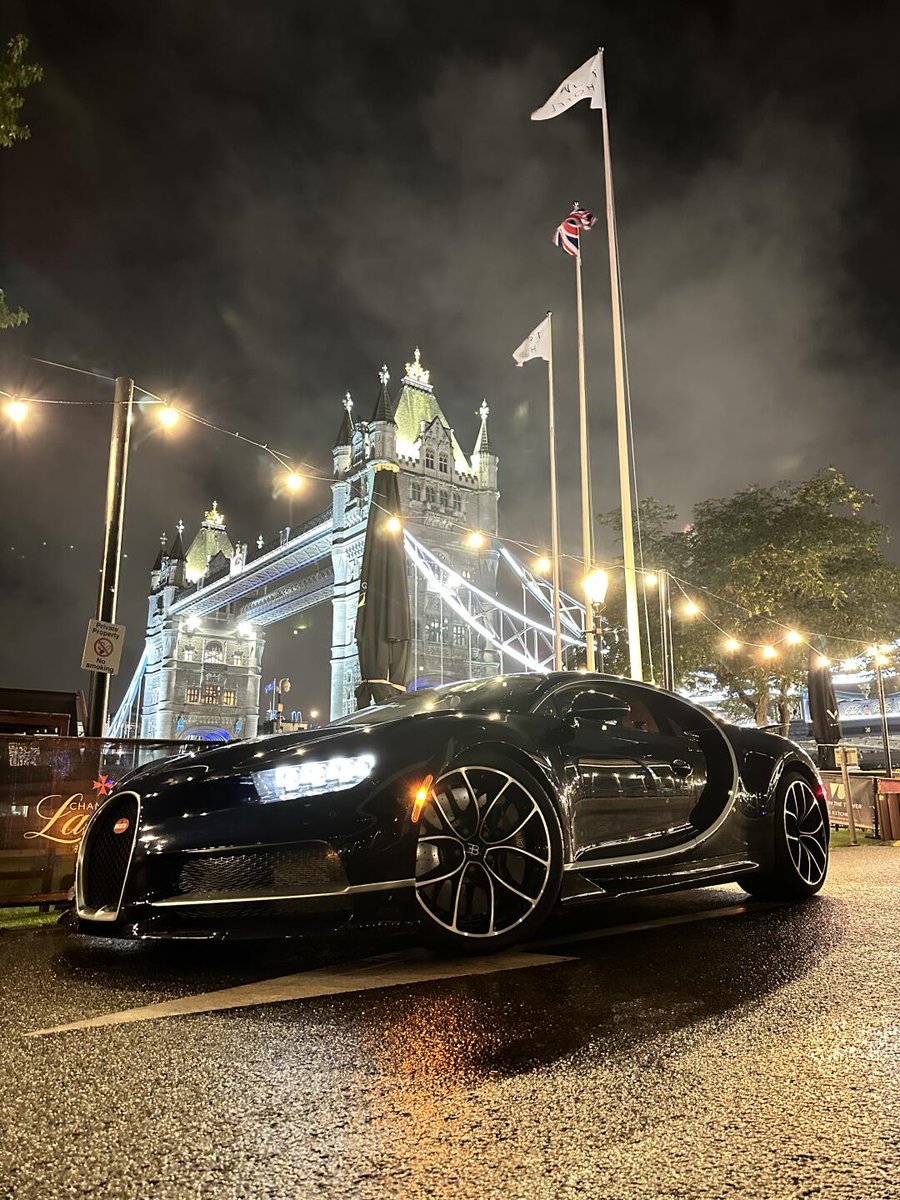
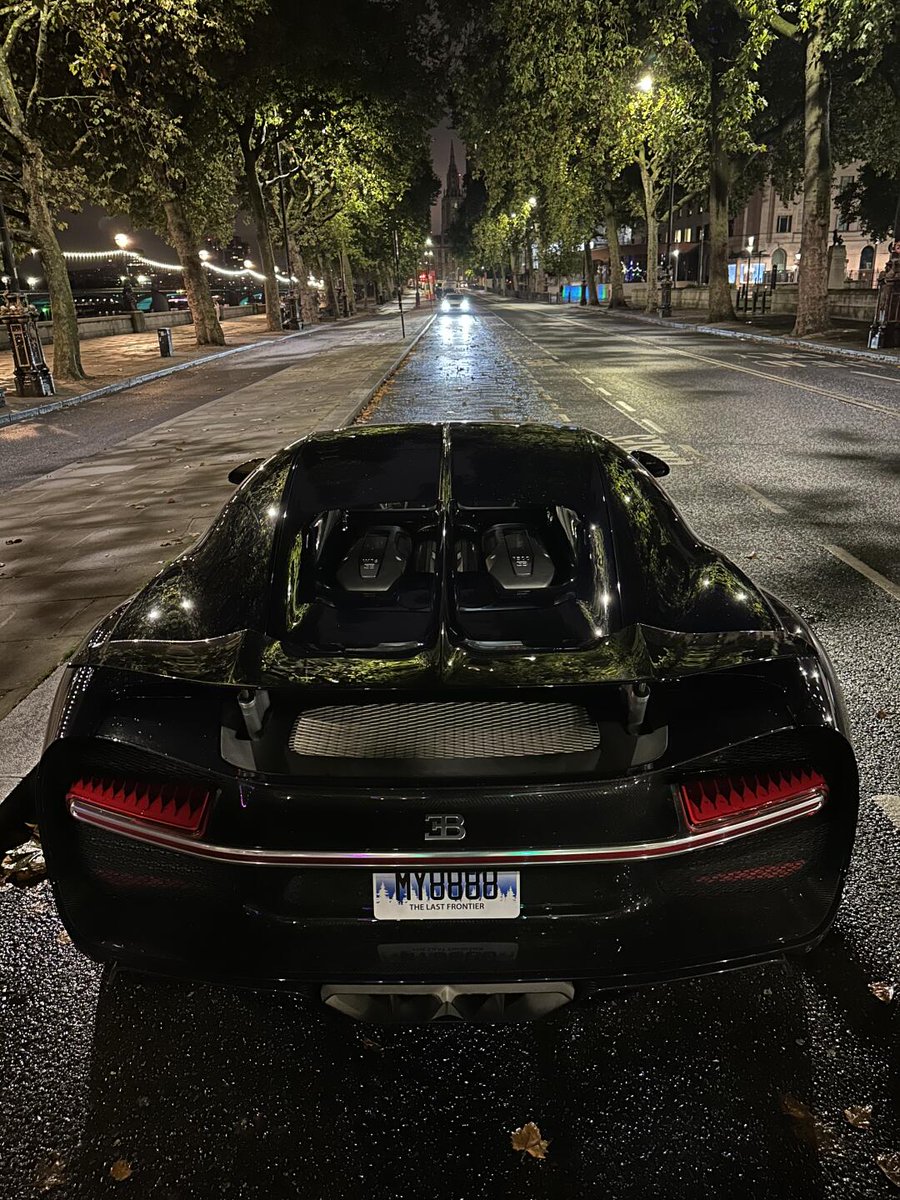
I finally have time to come to London to pick up my Bugatti😂
This big Bentley has been forgotten at the airport for more than three months🤪
#bugatti #chiron #car #bentley #london #pickup
#CarCulture #internalcombustionengine #luxurycar
5
243

7 Dec 2024
#highlycitedpaper #energiesmdpi #openaccess
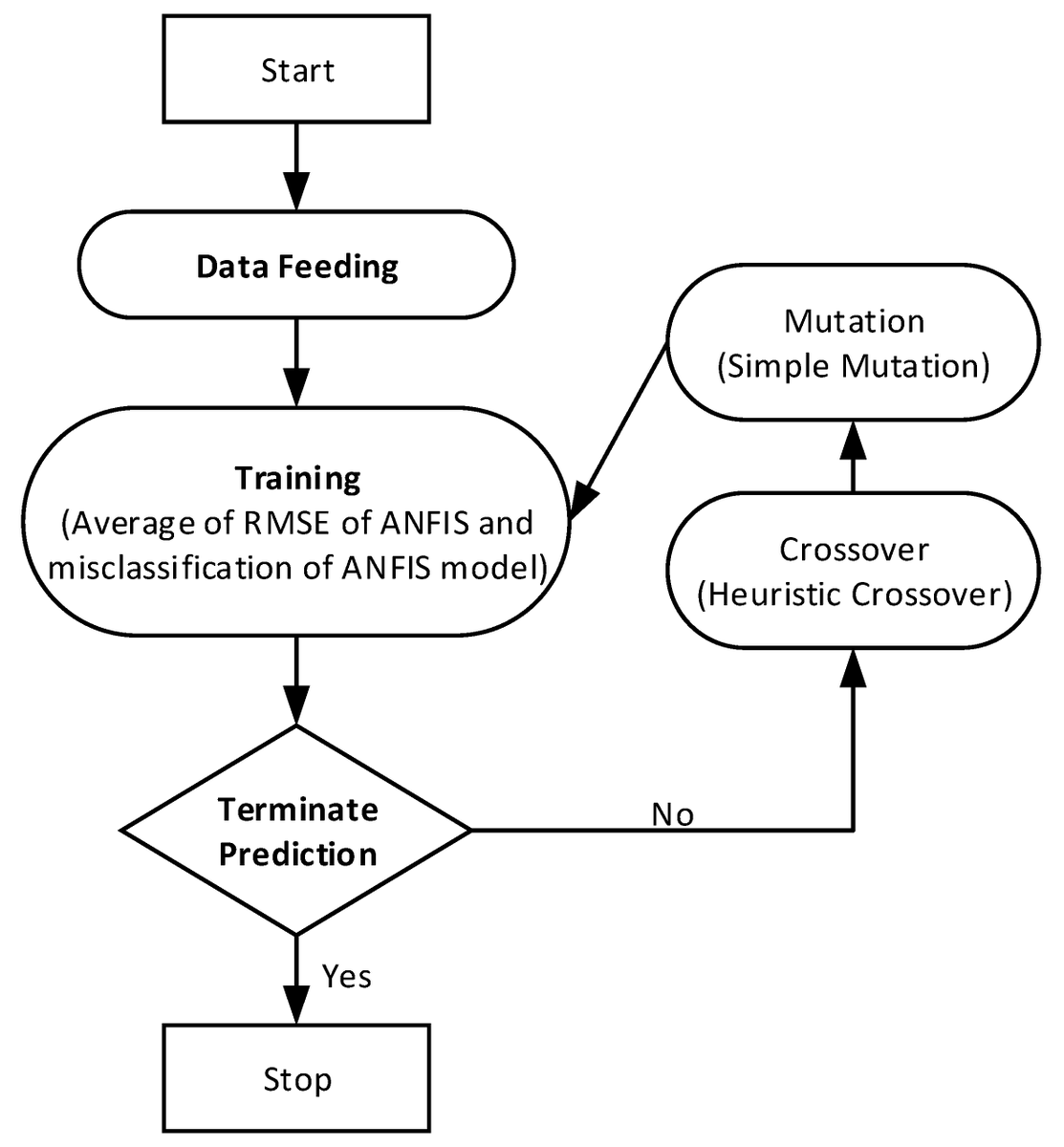
Review of Artificial Intelligent Algorithms for Engine Performance, Control, and Diagnosis
👉 mdpi.com/1996-1073/16/3/1206
#internalcombustionengine #ICE #artificialintelligence #algorithm #engine #performance #control #diagnosis
1
1
2
96

30 Nov 2024
Unraveling the Intricacies of an Internal Combustion Engine
Have you ever wondered what makes your car go? Under the hood lies a marvel of engineering - the internal combustion engine. This complex machine is a symphony of moving parts, each playing a crucial role in converting fuel into mechanical energy.
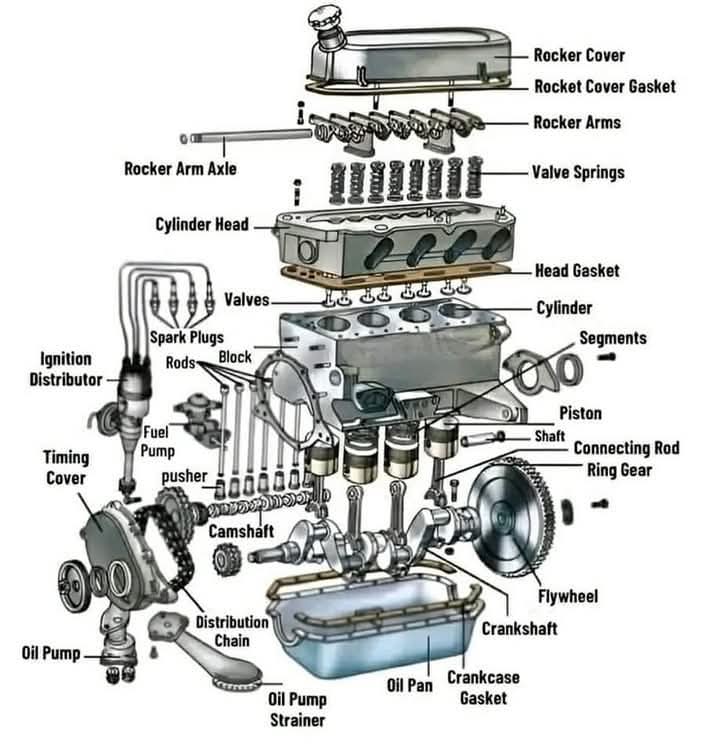
Let's take a closer look at the key components of a typical internal combustion engine, as illustrated in the diagram:
* Cylinder Head: This component houses the valves (intake and exhaust) that control the flow of air and fuel into the cylinder and the expulsion of exhaust gases.
* Valves: These are opened and closed by the camshaft, ensuring the proper timing of the intake and exhaust cycles.
* Camshaft: Driven by the crankshaft, the camshaft controls the opening and closing of the valves.
* Crankshaft: This is the main rotating shaft that converts the linear motion of the pistons into rotational motion.
* Piston: These components reciprocate within the cylinders, compressing the air-fuel mixture and converting the combustion energy into mechanical work.
* Connecting Rod: These link the pistons to the crankshaft, transmitting the force generated by the combustion process.
* Flywheel: This heavy wheel attached to the crankshaft helps to smooth out the engine's rotational motion.
The process begins with the intake stroke, where the intake valve opens, allowing a mixture of air and fuel to enter the cylinder. The piston then moves upward, compressing the mixture during the compression stroke. A spark plug ignites the mixture, initiating the combustion process, which generates high pressure and forces the piston downward during the power stroke. Finally, the exhaust stroke expels the spent gases through the exhaust valve.
This cycle repeats continuously, propelling your vehicle forward. The efficiency and performance of an engine depend on various factors, including the design, materials, and fuel used.
So, next time you're behind the wheel, take a moment to appreciate the engineering marvel that powers your journey.
internalcombustionengine
2
1
3
132

9 Sep 2024
Want to play premiumization theme on Auto sector - SJS Enterprises
lets understand growth drivers
#equity #sjsenterprises #q1fy25earnings #quarterlyresults #investing #research #insights #highgrowthstocks #ev #icevsev #askautomotive #exotech #wpi #automoile #autoancilliary #ICEvsEV #electricvehicle #internalcombustionengine
1
3
399

19 Aug 2024
First we cannot power all the EVs , the batteries unlike the #internalcombustionengine
Is not recyclable and will end up in ground fills .
All for what ? The #greenenergyscam and stock portfolios , corrupt politicians and China.
2
78
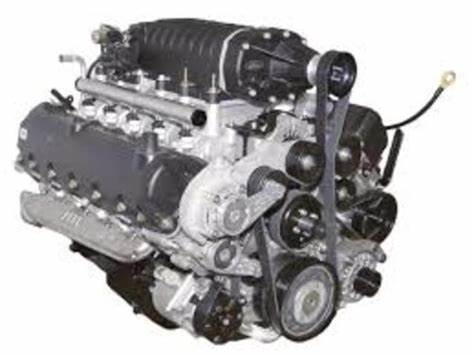
I'll say it again. The #InternalCombustionEngine has had a good 140-year run. It's time for us to move to the #NextPhase. And the next phase is #pollution-free #vehicles.
#cleanenergy #technology #technologicaladvancement #newtech #progress #improve #EVs #climateaction
1
2
73

29 Jul 2024
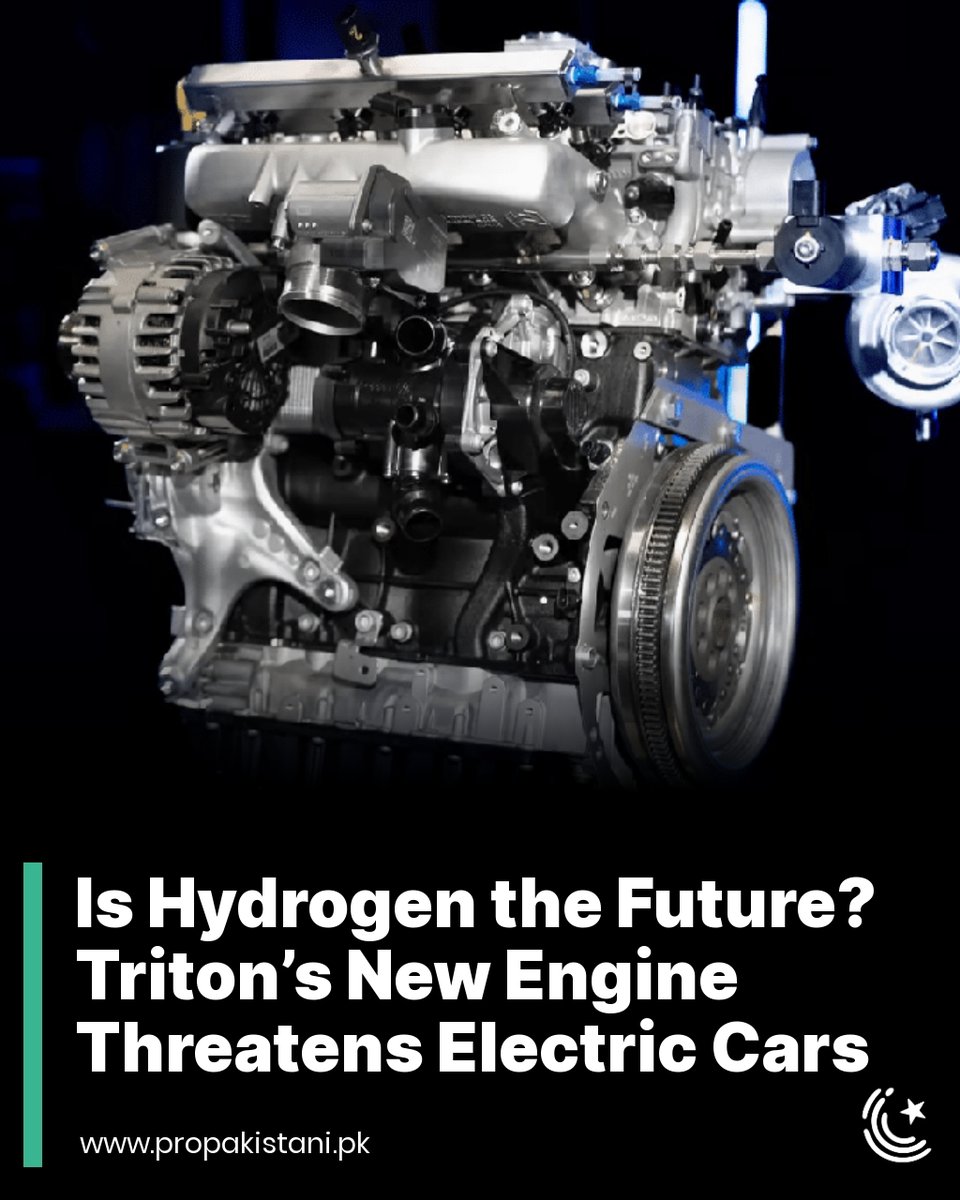
The engine burns hydrogen, producing only water vapor as a byproduct.
Read More: propakistani.pk/2024/07/29/i…
#Triton #Hydrogen #HydrogenEngine #InternalCombustionEngine
2
271
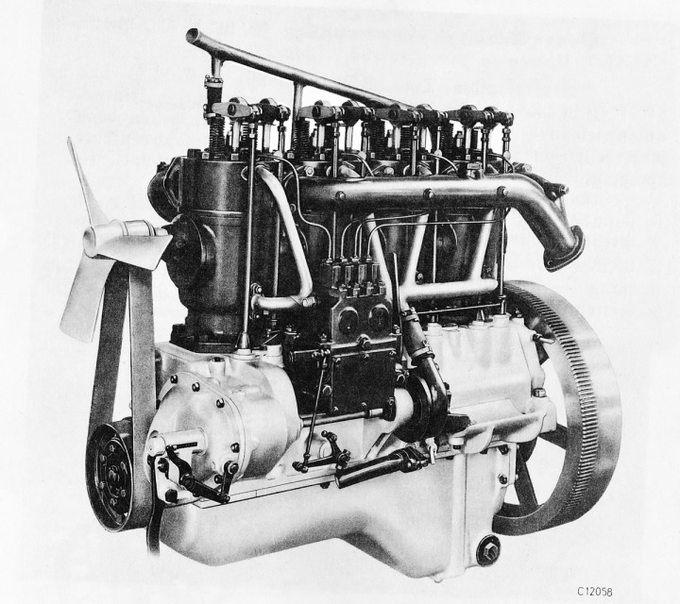
The #InternalCombustionEngine has had a good 140-year run. It's time for us to move to the #NextPhase. And the next phase is #pollution-free #vehicles.
#cleanenergy #technology #newtech #progress #improvements #EVs #climateactionnow
2
2
79