
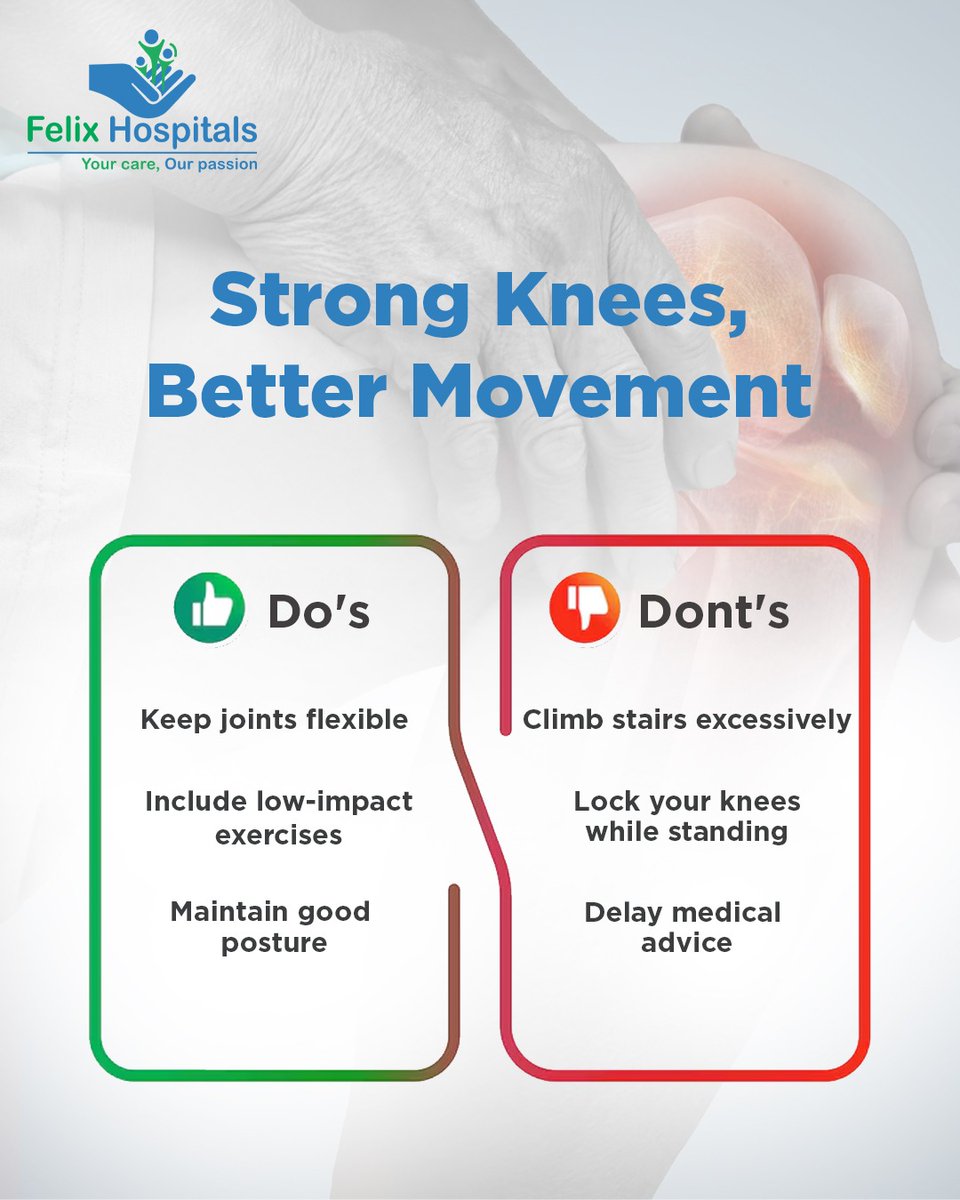
Strong knees support smooth movement.
Right habits protect joints for the long run.
#kneehealth #jointcare #strongknees #jointprotection #boneandjointwellness #arthritisprevention #flexibilityandstrength #FelixHospital
1
8
23

5 Jul 2025
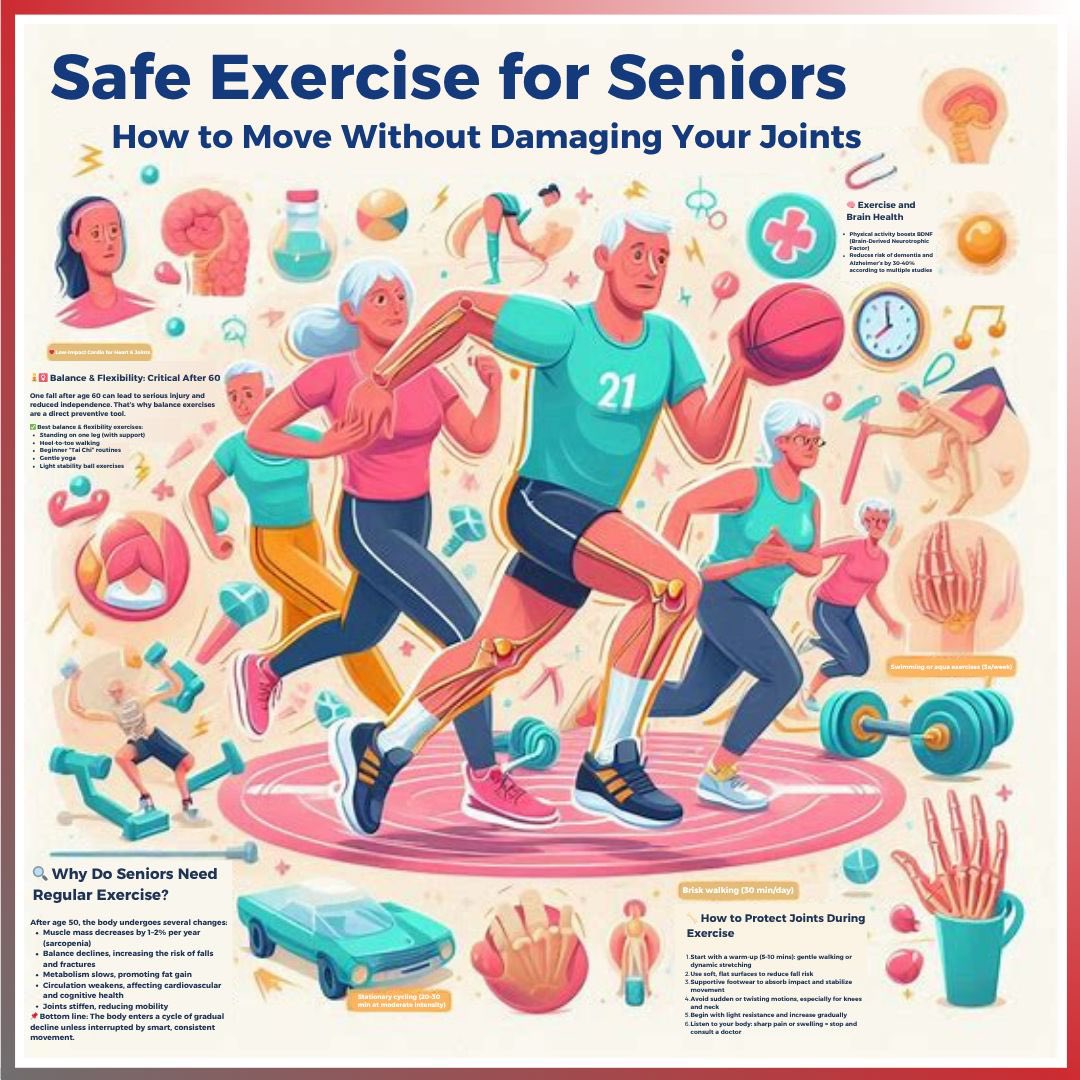
🏃♂️ Safe Exercise for Seniors: How to Move Without Damaging Your Joints
As we age, staying active becomes more important than ever but it also becomes more delicate, especially for those dealing with joint stiffness, osteoarthritis, or reduced balance and mobility. The challenge is clear:
how can older adults stay strong, mobile, and healthy without increasing the risk of injury or joint wear?
This article presents evidence-based, safe exercise strategies for seniors, and how to apply them for maximum benefit and minimal risk.
---------------------
🔍 Why Do Seniors Need Regular Exercise?
After age 50, the body undergoes several changes:
- Muscle mass decreases by 1–2% per year (sarcopenia)
- Balance declines, increasing the risk of falls and fractures
- Metabolism slows, promoting fat gain
- Circulation weakens, affecting cardiovascular and cognitive health
- Joints stiffen, reducing mobility
📌 Bottom line: The body enters a cycle of gradual decline unless interrupted by smart, consistent movement.
---------------------
✅ Scientifically Proven Safe Exercises for Older Adults
| Exercise Type | Main Benefit | Safety Level
| 🚶♀️ Walking | Cardiovascular health, mood, circulation | Very safe ✅
| 🏊♂️ Swimming | Full-body workout with zero joint stress | Very safe ✅
| 🧘♂️ Balance Training | Fall prevention, core stabilization
| Safe to very safe ✅
| 🏋️♂️ Resistance Work | Preserves muscle and bone strength | Safe with guidance ✅
| 🚴♂️ Stationary Bike | Low-impact cardio without joint pressure | Safe ✅
| 🤸♀️ Stretching | Enhances flexibility and joint mobility | Very safe ✅
---------------------
🦴 How to Protect Joints During Exercise
1. Start with a warm-up (5–10 mins): gentle walking or dynamic stretching
2. Use soft, flat surfaces to reduce fall risk
3. Supportive footwear to absorb impact and stabilize movement
4. Avoid sudden or twisting motions, especially for knees and neck
5. Begin with light resistance and increase gradually
6. Listen to your body: sharp pain or swelling = stop and consult a doctor
---------------------
❤️ Low-Impact Cardio for Heart & Joints
- Brisk walking (30 min/day)
- Swimming or aqua exercises (3x/week)
- Stationary cycling (20–30 min at moderate intensity)
---------------------
🧘♀️ Balance & Flexibility: Critical After 60
One fall after age 60 can lead to serious injury and reduced independence. That’s why balance exercises are a direct preventive tool.
✅ Best balance & flexibility exercises:
- Standing on one leg (with support)
- Heel-to-toe walking
- Beginner “Tai Chi” routines
- Gentle yoga
- Light stability ball exercises
---------------------
🏋️♀️ Can Seniors Lift Weights?
Yes – if done safely, gradually, and under supervision.
📌 Benefits of resistance training:
- Maintains bone density (prevents osteoporosis)
- Increases testosterone (in men)
- Improves functional independence
---------------------
🧠 Exercise and Brain Health
- Physical activity boosts BDNF (Brain-Derived Neurotrophic Factor)
- This improves memory, learning, and mental sharpness
- Reduces risk of dementia and Alzheimer’s by 30–40% according to multiple studies
---------------------
📌 Summary
Exercise after 60 isn’t optional—it’s preventive medicine.
But the key is: smart, consistent, and personalized movement.
Thoughtful activity doesn’t just protect joints—it enhances overall quality of life.
#SeniorFitness #JointProtection #SafeExercise #HealthyAging #LowImpactWorkout #CardioForSeniors #BrainAndBody #FallPrevention #ResistanceTrainingOver60 #MobilityMatters #YogaForSeniors #RAITI #RAITI_Medical
---------------------
Reference
pmc.ncbi.nlm.nih.gov/article…
pmc.ncbi.nlm.nih.gov/article…
mayoclinic.org/diseases-cond…
1
2
253

19 May 2025
Climbing stairs with knee pain? Here's a trick that works! 🦵🔥
If every step feels like a struggle, your technique might be the problem, not just your knees.
In this reel, learn how to shift your weight, adjust your trunk position, and activate the right muscles to reduce knee pressure while climbing stairs.
💡 Simple posture correction = Big pain relief!
Save & share this with someone who avoids stairs due to pain.
#KneePainRelief #ClimbingStairs #PhysiotherapyTips #CapriSpineClinic #ManualTherapyIndia #PatellofemoralPain #KneeSupport #DelhiPhysio #KneeStrengthening #AvoidSurgery #Capri4Physio #StairClimbingTips #JointProtection #BackedByScience
[KneePainRelief, ClimbingStairs, PhysiotherapyTips, CapriSpineClinic, ManualTherapyIndia, PatellofemoralPain, KneeSupport, DelhiPhysio, KneeStrengthening, AvoidSurgery, Capri4Physio, StairClimbingTips, JointProtection, BackedByScience]
2
85

26 Jan 2025
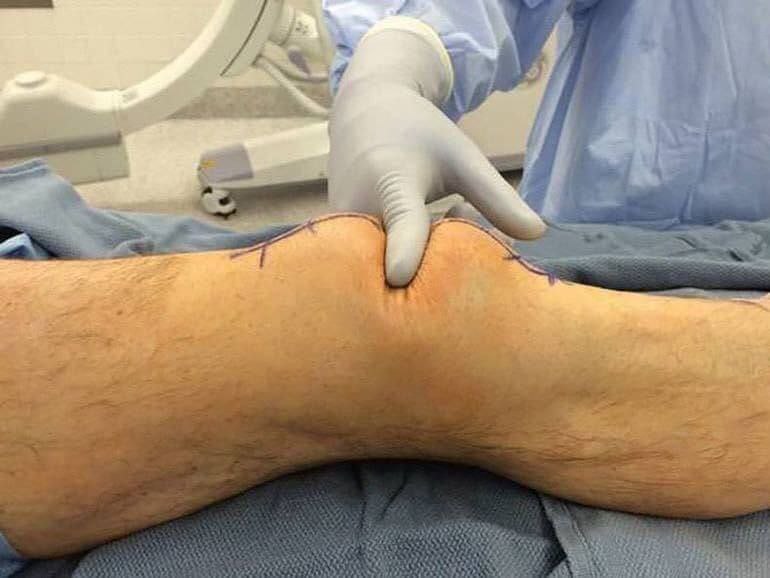
Patella fracture due to a fall.
The patella serves as protection for the knee joint and is also an important part of the mechanics of movement in this joint..
.
.
.
.
#PatellaFracture #KneeInjury #Orthopedics #SportsMedicine #InjuryRecovery #KneeHealth #BoneHealth #FallInjury #HealthcareAwareness #MedicalEducation #PatientEducation #JointProtection #Rehabilitation #HealthTips #Surgery #PhysicalTherapy #InjuryPrevention
4
162

27 Dec 2024
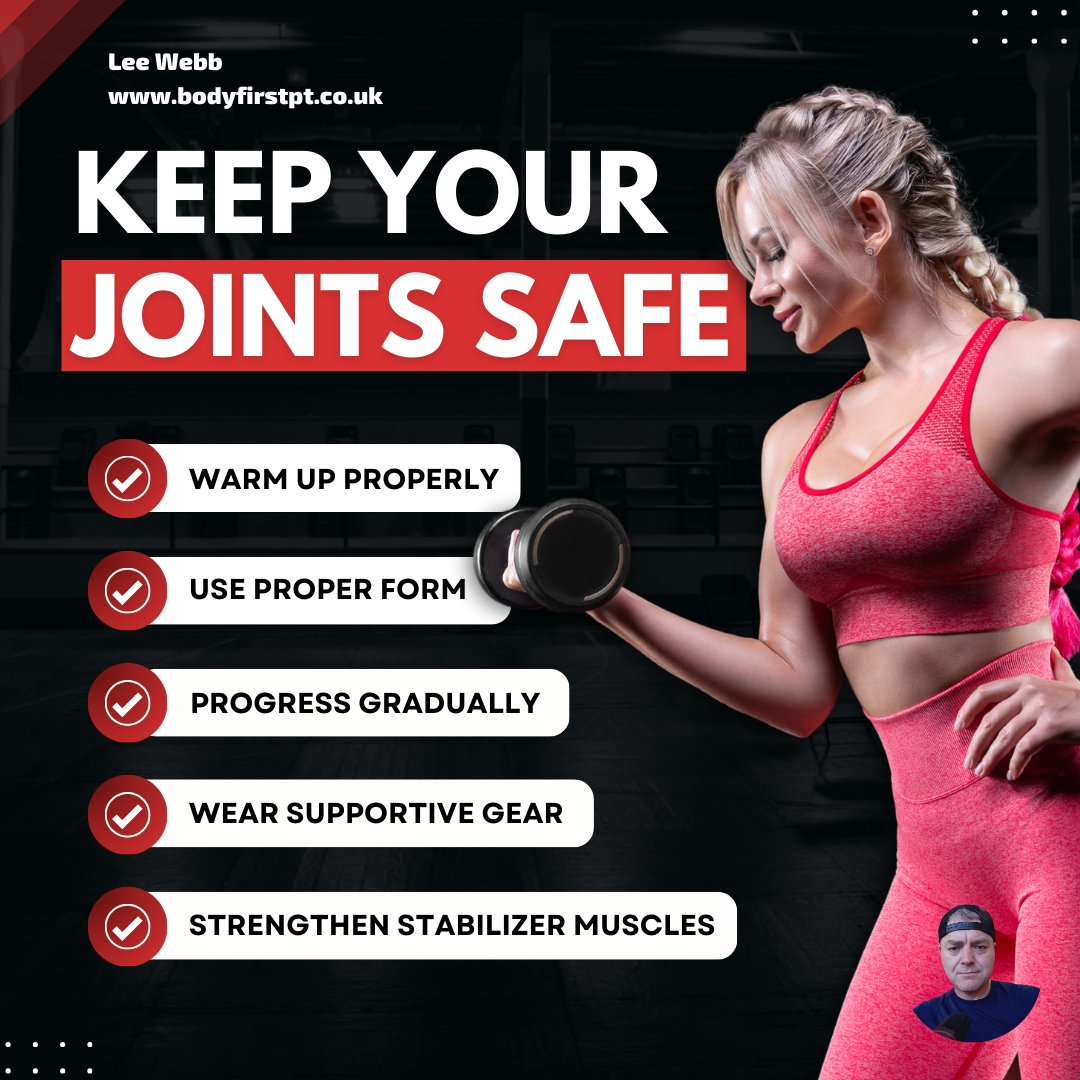
Protect Your Joints, Protect Your Progress 💪
Weightlifting can be tough on your joints, but with a few smart strategies, you can safeguard them while continuing to crush your goals! Here’s how:
Warm Up Properly: Start with dynamic movements—light cardio, leg swings, or hip rotations—to get your blood pumping and your joints prepped for action.
Use Proper Form: Always focus on technique! Poor posture can lead to strain. Not sure about your form? Watch tutorials or team up with a trainer to get it right.
Progress Gradually: Don’t rush to lift heavy! Gradually increase your weights to let your joints and muscles adapt safely.
Strengthen Stabilizer Muscles: Focus on the muscles that support your joints—like your rotator cuff for shoulders or hip abductors for hips—to provide extra protection.
Wear Supportive Gear: Lifting straps, knee sleeves, and wrist wraps can offer extra support, especially when tackling heavy sets.
Stay strong, stay safe, and keep pushing! 🚀
#JointProtection #StrengthTraining #ProperForm #SmartLifting #FitnessTips #Weightlifting #StrongerEveryDay #PreventInjury #LiftSmart #ProgressiveTraining #MuscleGrowth #FitnessJourney #StabilizerMuscles #WarmUpRight #LiftingGear #TrainSafe #FitnessMotivation #LiftHeavy #ProtectYourJoints #StrongerWithSupport #FitnessGoals #BodyfirstPT #OnlineCoach
2
30

1 Nov 2024
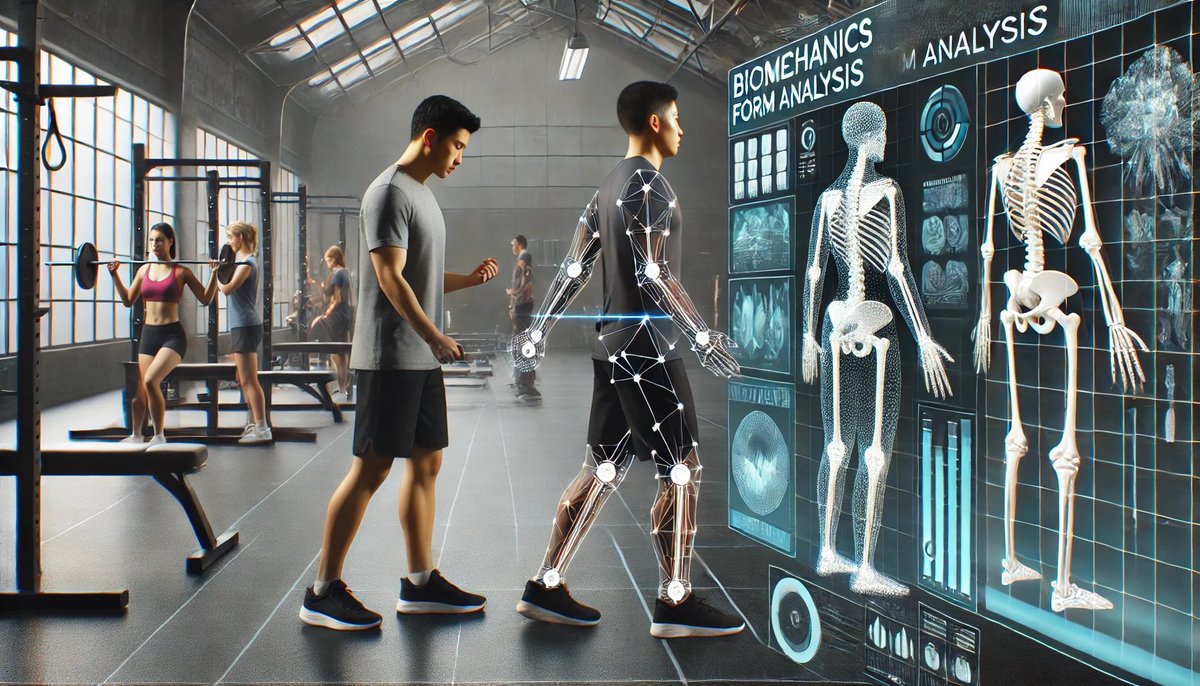
At SymbionIQ Labs, we believe that building muscle is essential to longevity, but protecting your joints, cartilage, and skeletal health is just as critical. Improper form and incorrect exercises can cause lasting damage.
That’s why we focus on remote coaching for correct posture—guiding you to build strength safely and sustainably for a long, healthy life.
#Longevity #MuscleHealth #JointProtection #SymbionIQLabs #RemoteCoaching
1
2
129

5 Jun 2024
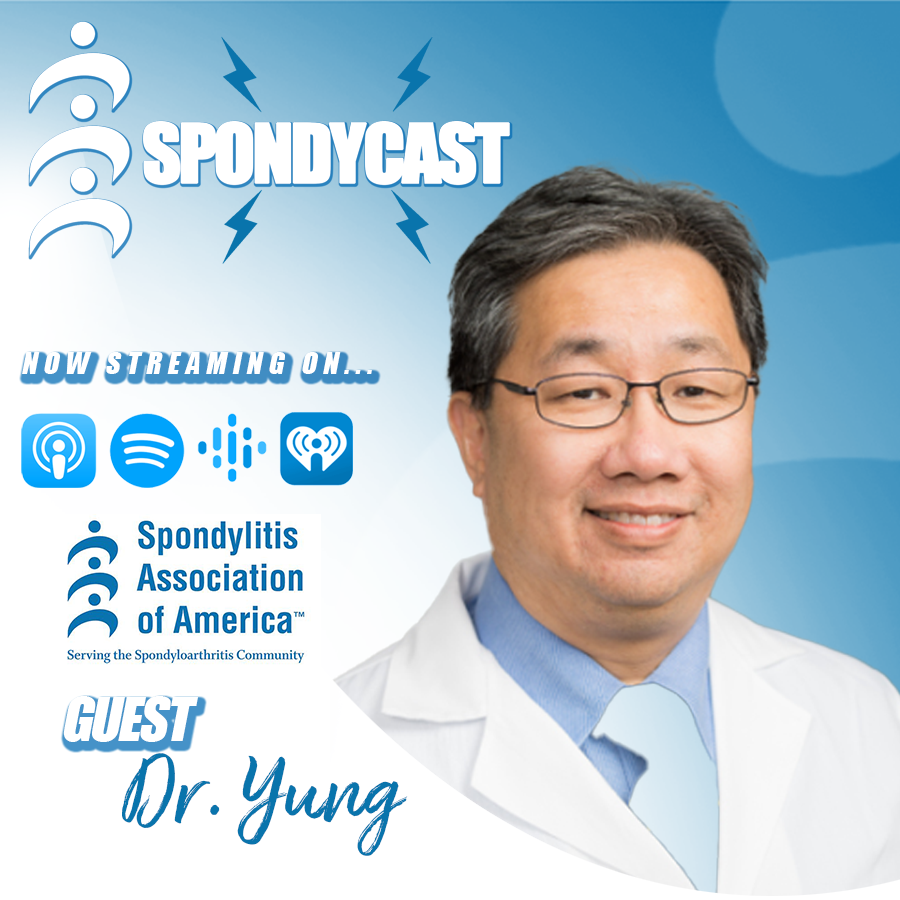
How does spondyloarthritis affect you as you age? Learn they answer from Dr. Raymond Yung a rheumatologist who specializes in geriatric medicine and arthritis.
spondylitis.org/podcasts
#spondylitis #nutrition #inflammation #osteoporosis #jointprotection
3
206

13 Dec 2023
Deltoid raises:
I love to add a lean to increase the load on the deltoid while decreasing the stress on the shoulder.
You can bump up the weight about 10-15lbs from your typical lateral raises without the pain!
Try it out!! 👊
#fitness #trainer #workout #jointprotection
75

21 Nov 2023
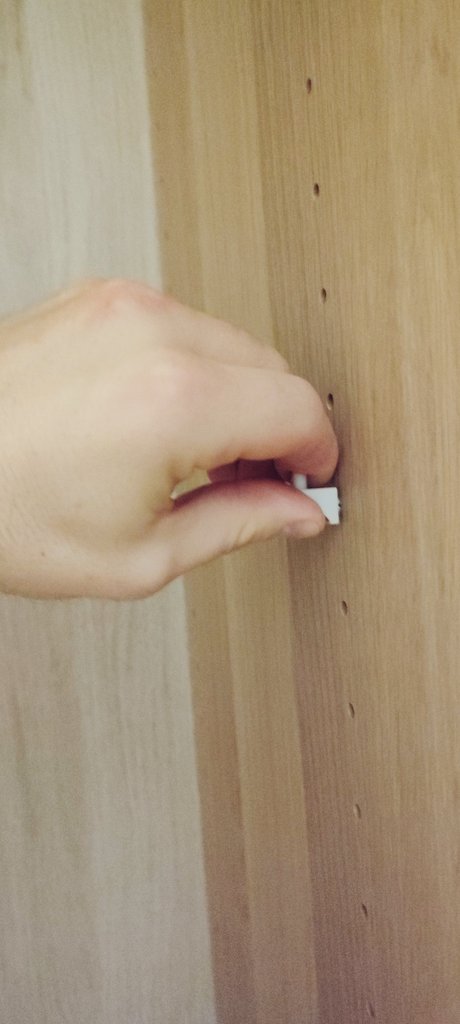
Pushing these little blighters into @IKEAUK Komplement shelves is a recipe for bad thumb posture. I can just hear @VictoriaJanse11 in my head #oa #jointprotection #ikeaneedsanOT
10
686

Hey folks! 👋
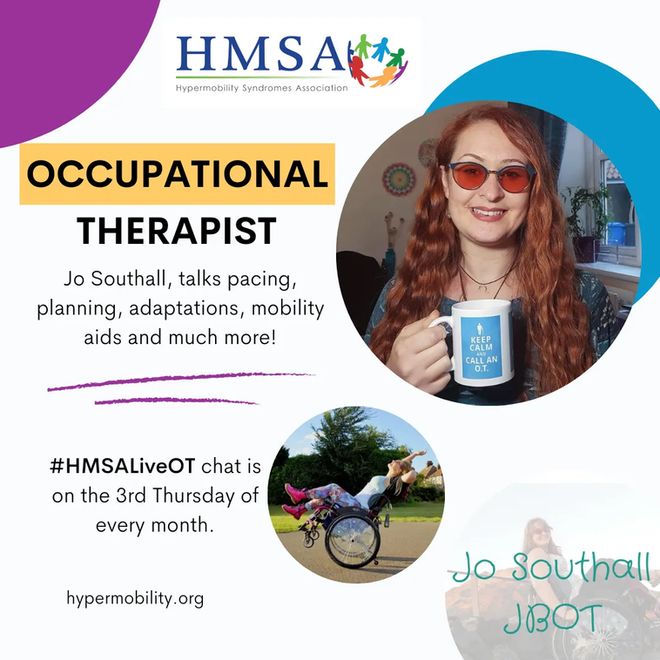
We have the wonderful @JBOccyTherapy joining the HMSA this evening. This is a free event to ask all of your #OT, #Pacing, #JointProtection, #MobilityAid questions and more 💜
hypermobility.org/event-deta…
16 Nov 2023

After last night's event with Jessica Eccles,we're preparing for tonight's free 'Ask the OT' Zoom Q&A with Jo Southall at 7pm GMT/UT (our clocks changed!), advance questions welcome.
[Meeting ID: 857 5872 4259 Passcode: 568776]
bit.ly/3ujxSQg
📺⏯️ on website soon
3
3
564

7 Mar 2023
Treating thumb CMC osteoarthritis in a busy outpatient clinic? Learn how you can incorporate occupation-based intervention into your joint protection education in this case series. #occupation #jointprotection #CMCJOA
ow.ly/Rpfx50Na7Kv
1
10
23
3,414
7 Feb 2023
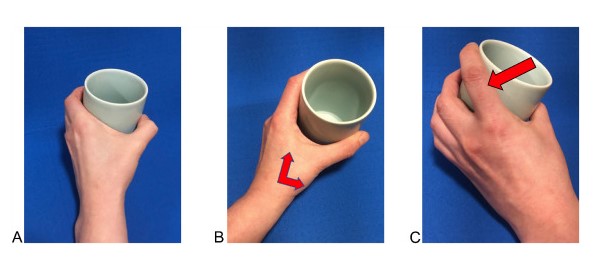
Patients with #painfulthumb? Learn about the #history of #dynamicstabilization in treating #CMCJOA with suggestions for #intervention including #proprioceptive exercises and #jointprotection strategies in this #openaccess #expertarticle.
ow.ly/oA4150MLLJh @Virginia_HANDS
7
16
4,126

31 May 2022
#Hypermobility #EDS and #hEDS were discussed yesterday on @BBCRadio2
@theJeremyVine with @DrSarahJarvis, nice to hear some people getting answers for their symptoms and mention of emotional impact. Shame they didn't mention how #OT helps though with #Pacing #JointProtection etc
1
3
5

12 Apr 2022
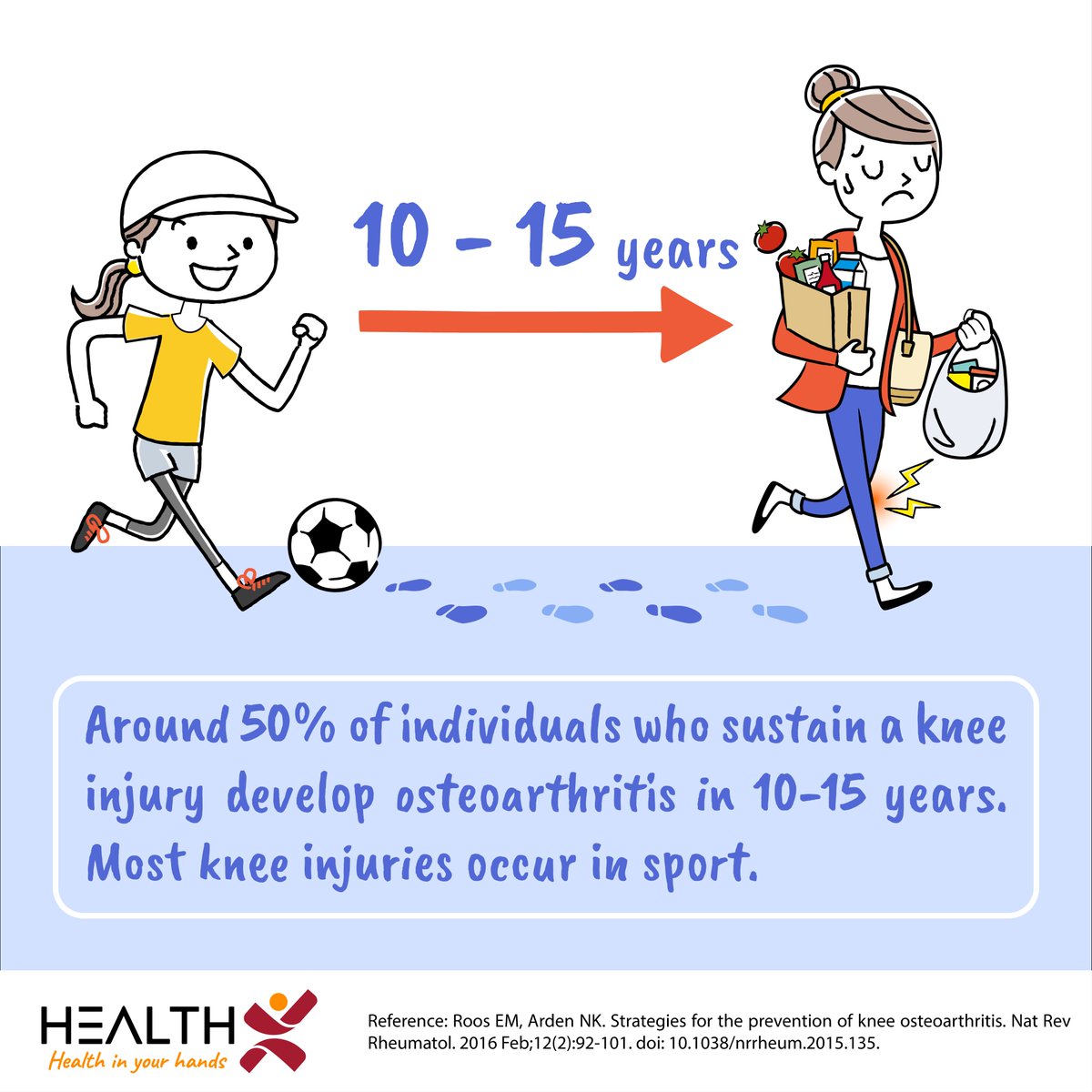
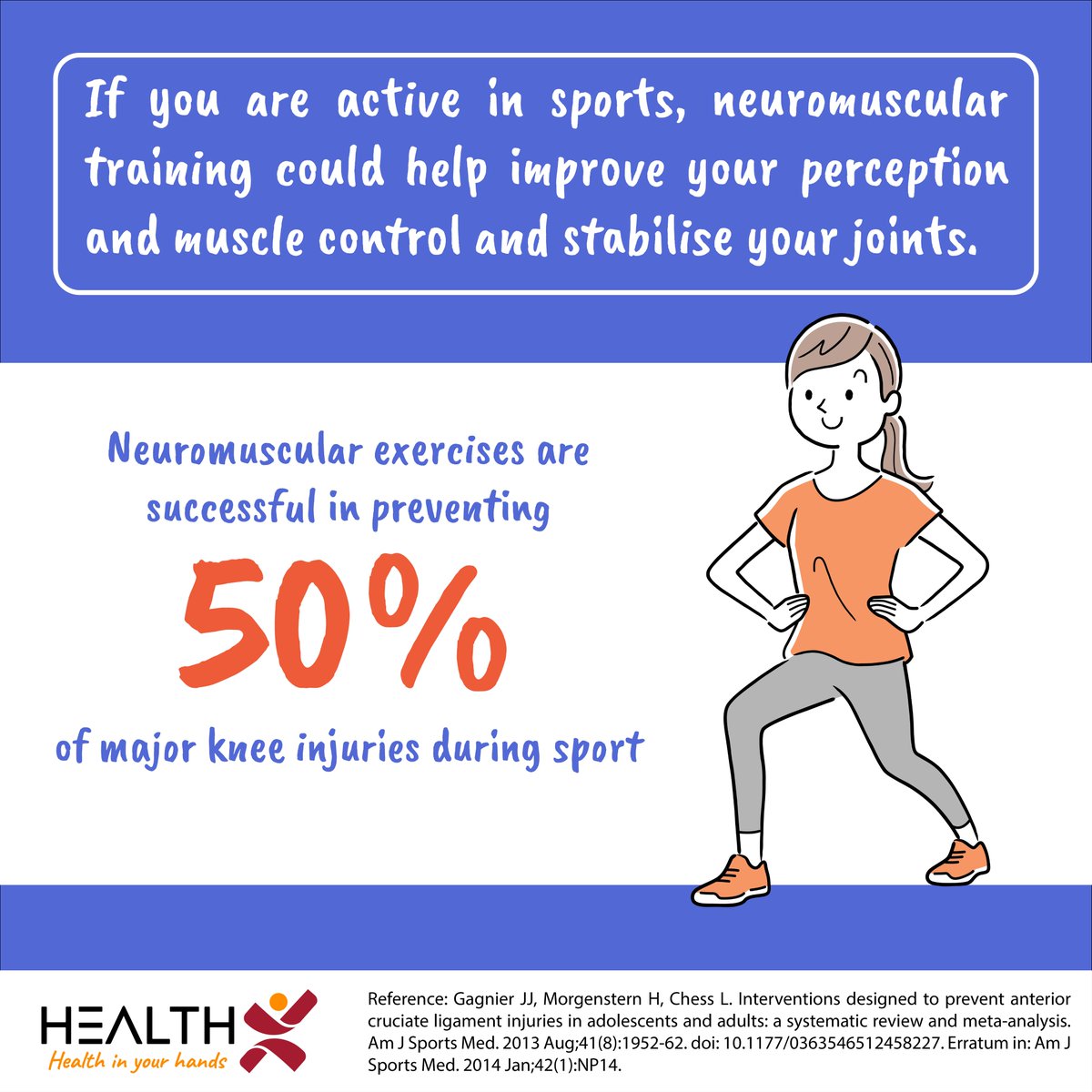
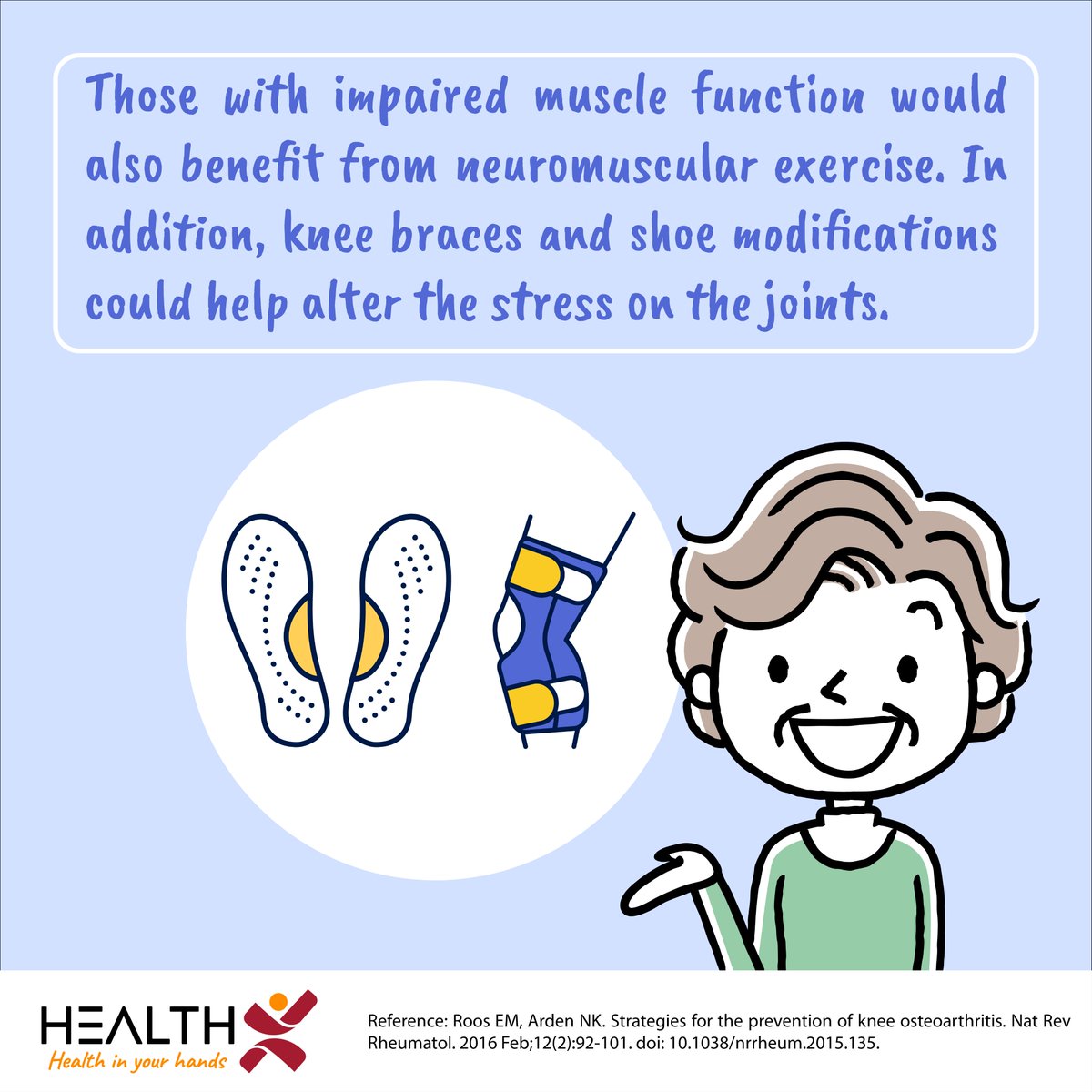
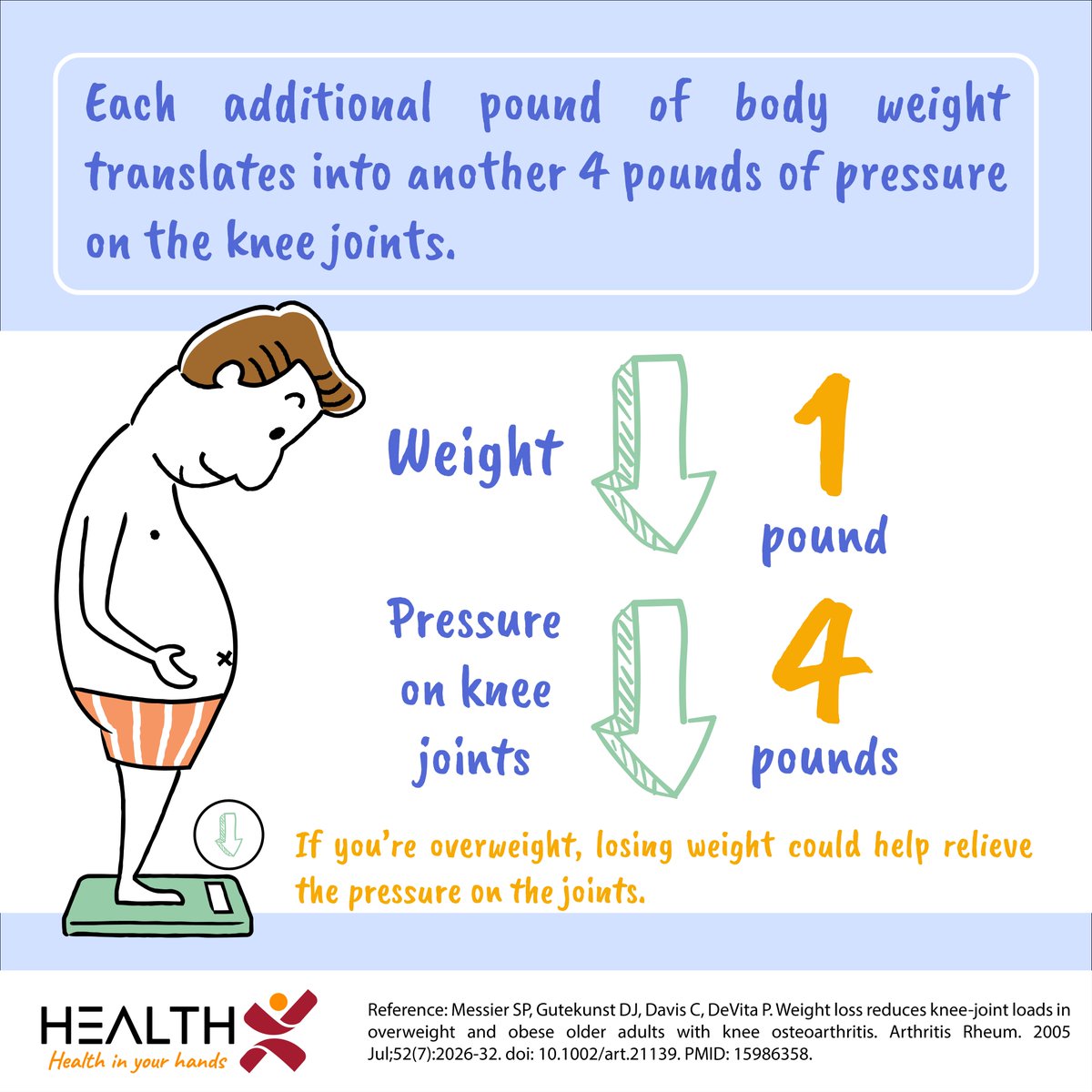
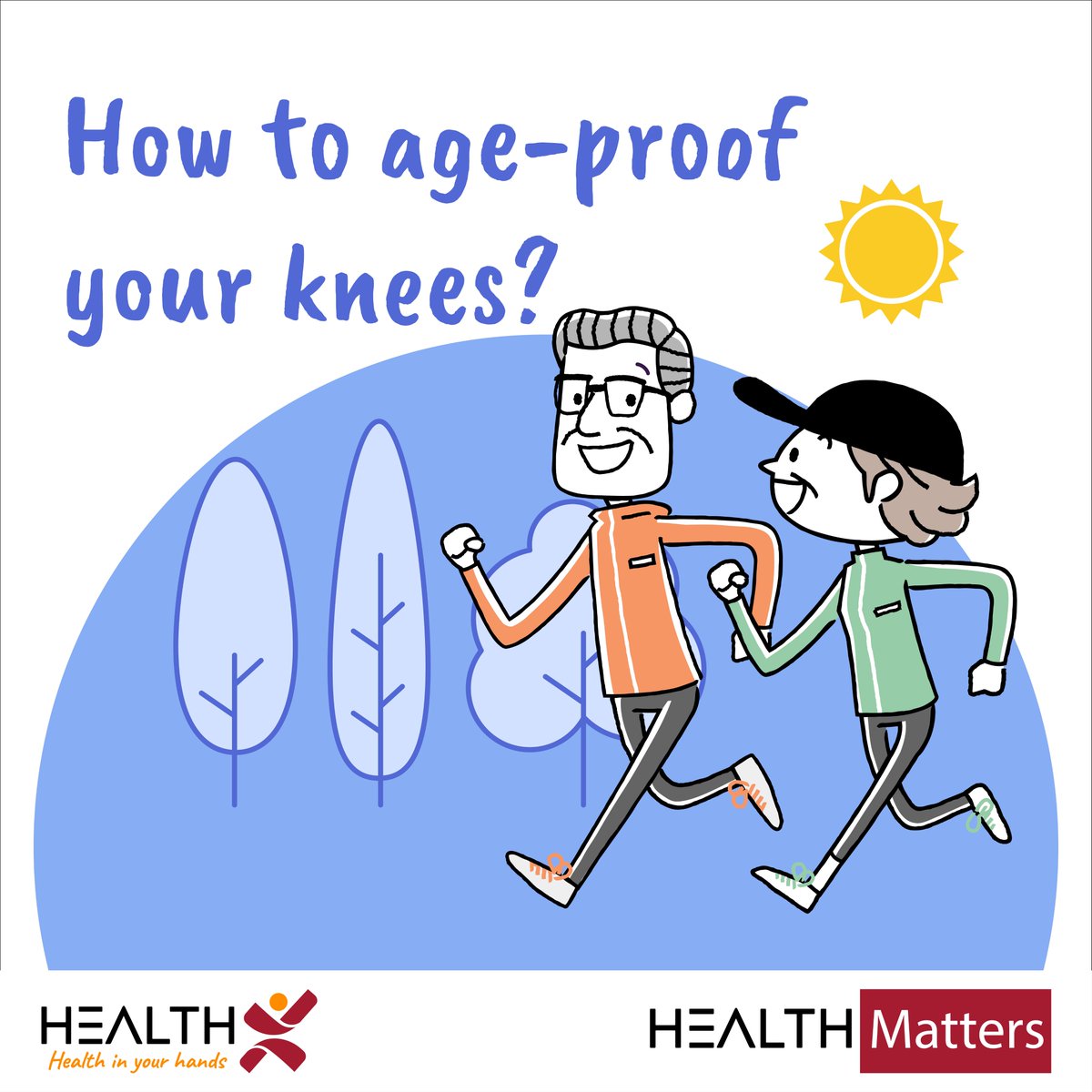
Weight loss and exercise programmes could help prevent or delay knee osteoarthritis.
#HealthX #HealthMatters #KneePain #Osteoarthritis #Overweight #Obesity #WeightLoss #SportsInjuries #NeuromuscularExercise #MuscleStrengthening #JointProtection
6
12 Apr 2022
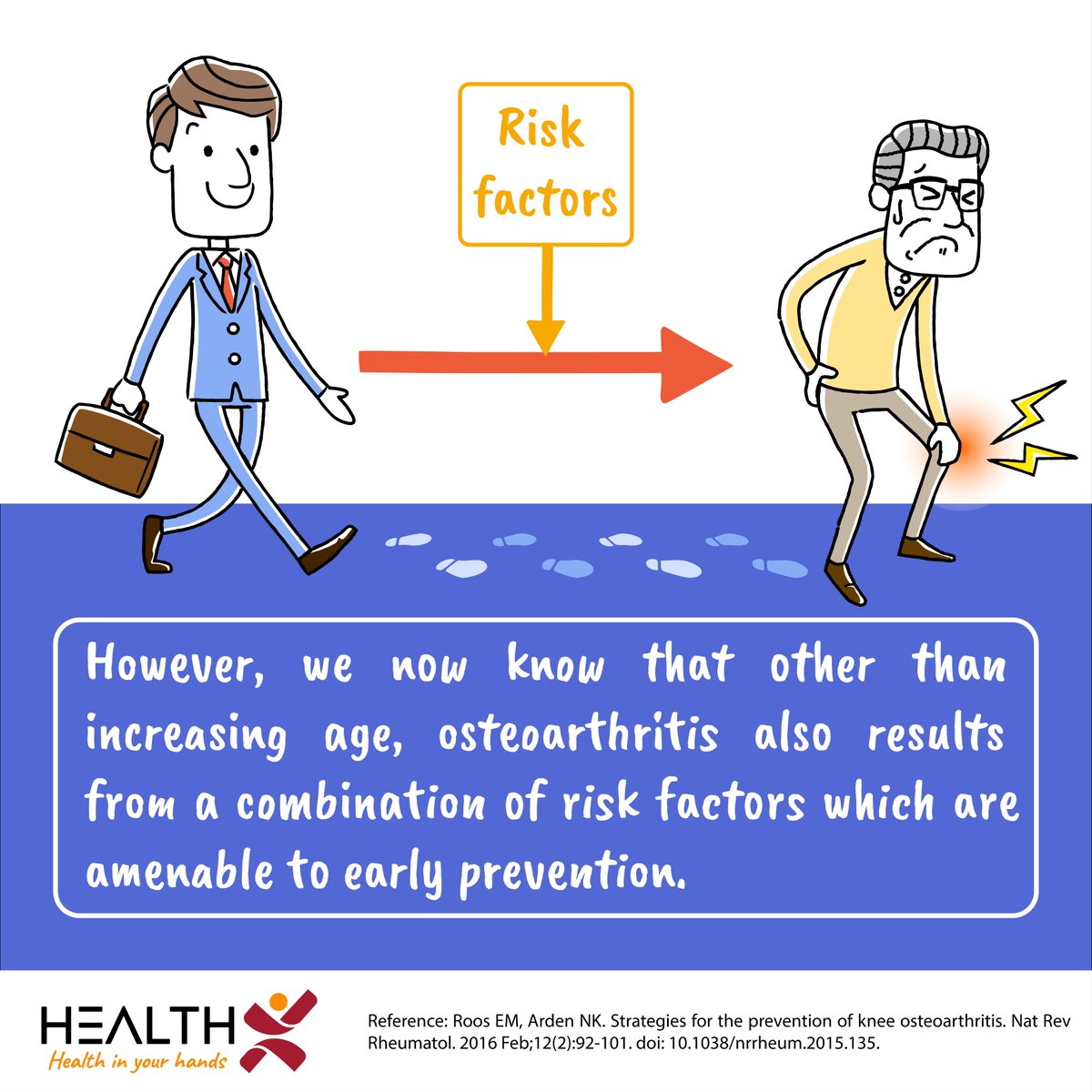
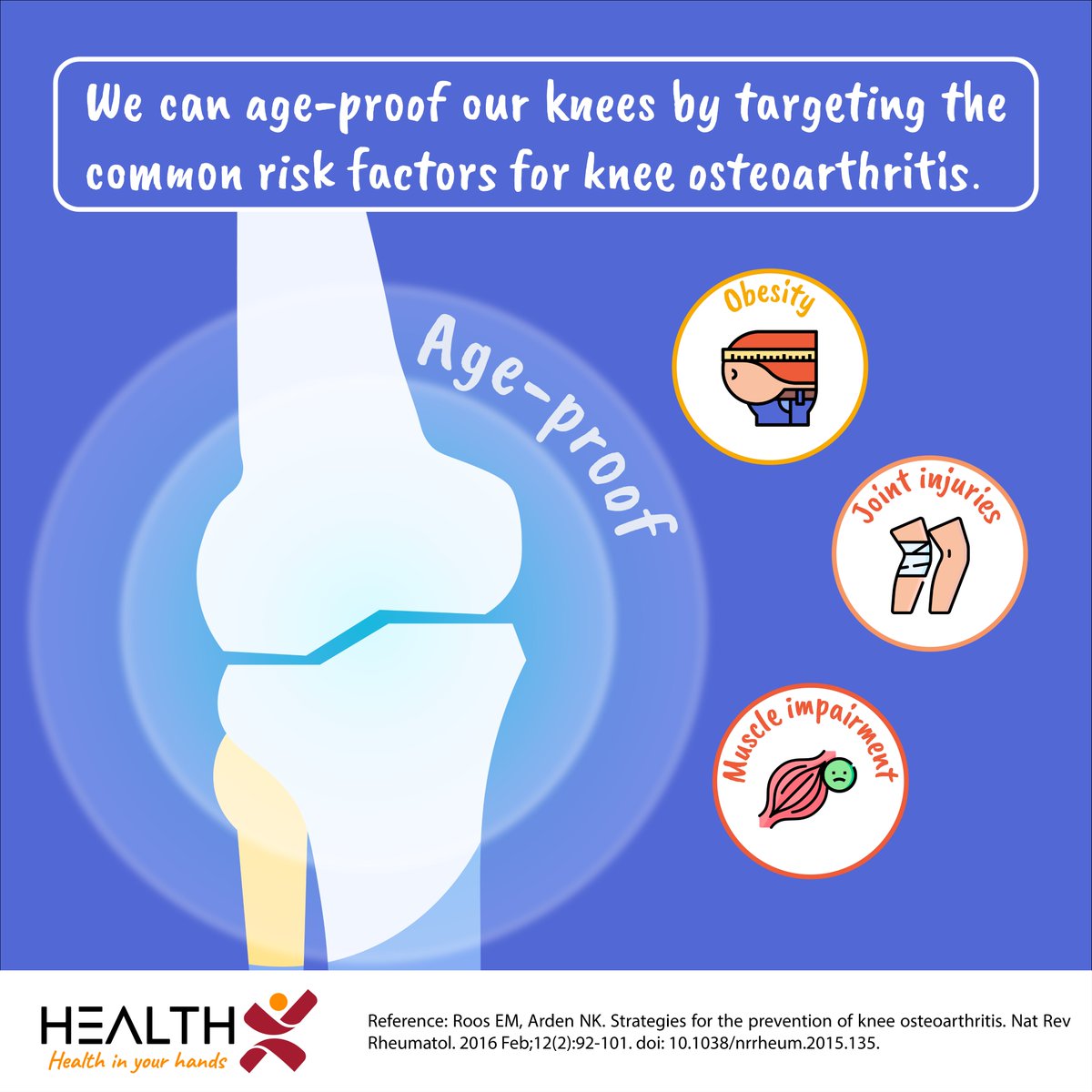
The good news is, knee osteoarthritis is amendable to early prevention!
#HealthX #HealthMatters #KneePain #Osteoarthritis #Overweight #Obesity #WeightLoss #SportsInjuries #NeuromuscularExercise #MuscleStrengthening #JointProtection
1
1
7
12 Apr 2022
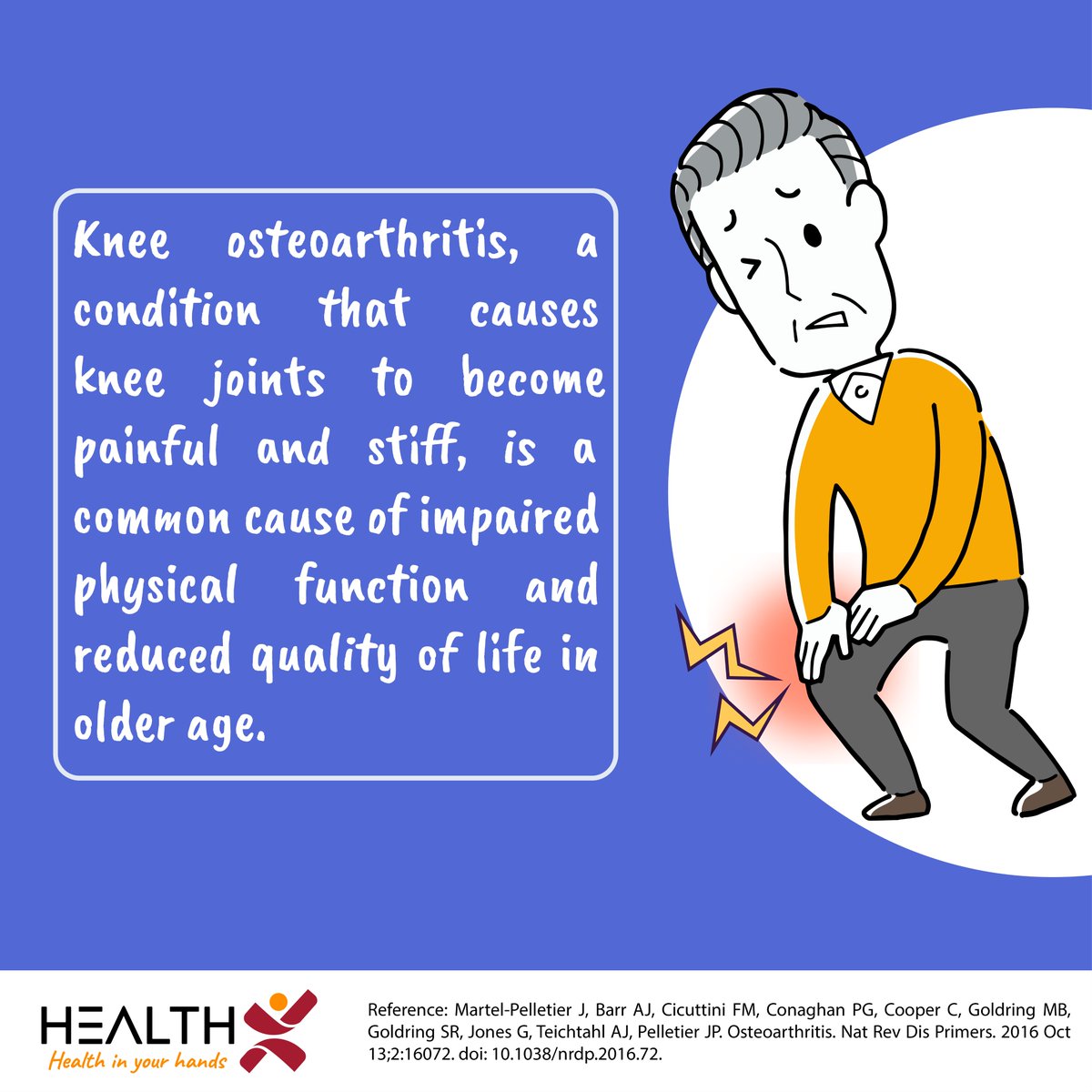
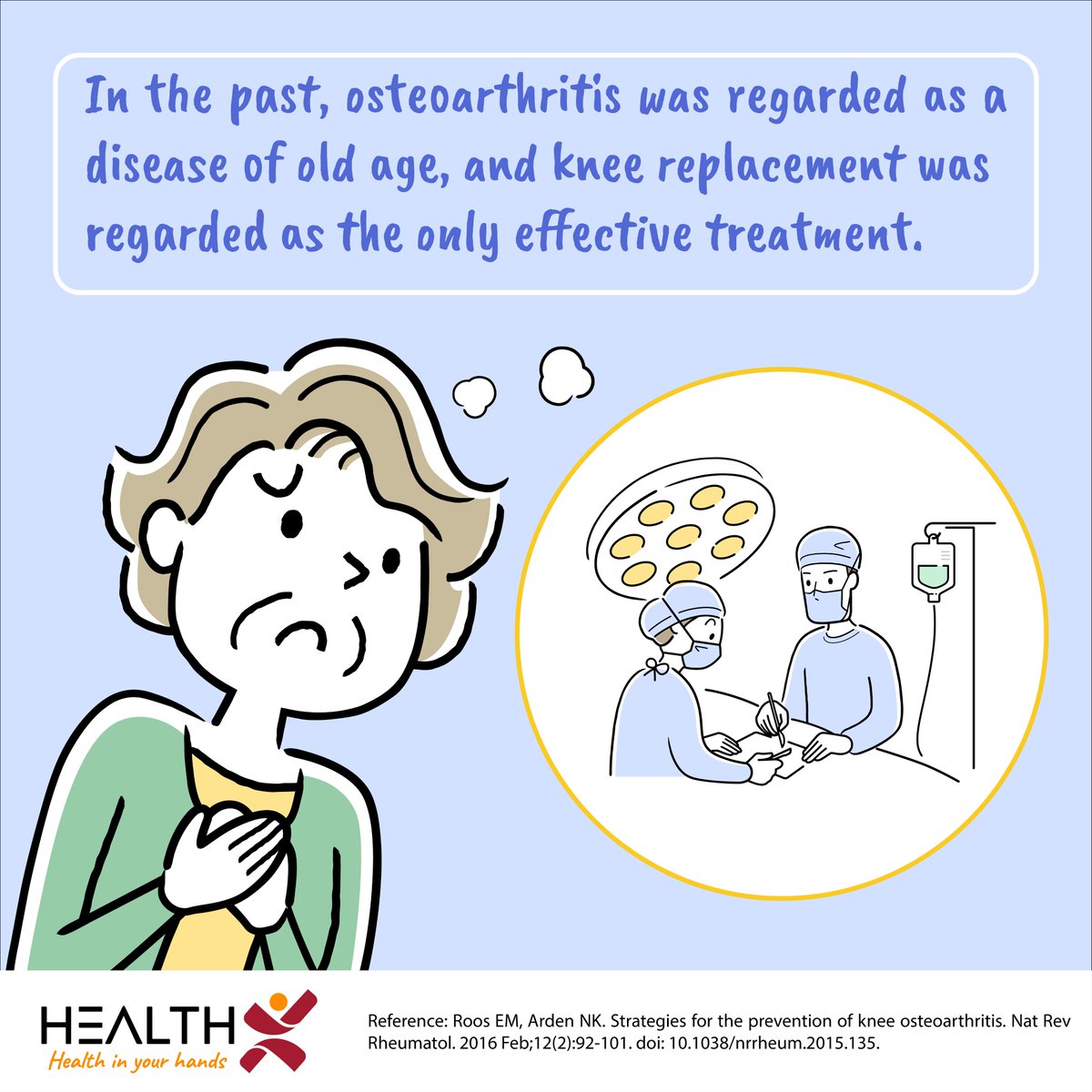
Knee pain caused by osteoarthritis is a common cause of disability and reduced quality of life in older age.
#HealthX #HealthMatters #KneePain #Osteoarthritis #Overweight #Obesity #WeightLoss #SportsInjuries #NeuromuscularExercise #MuscleStrengthening #JointProtection
1
10
79

16 Mar 2022
Love a good #Hypermobility/ #EhlersDanlosSyndrome education session. My talk on #JointProtection is done. Now, I'm listening to a talk on genetics with some Nålbinding and hazelnut chocolate to snack on. It's a good afternoon!
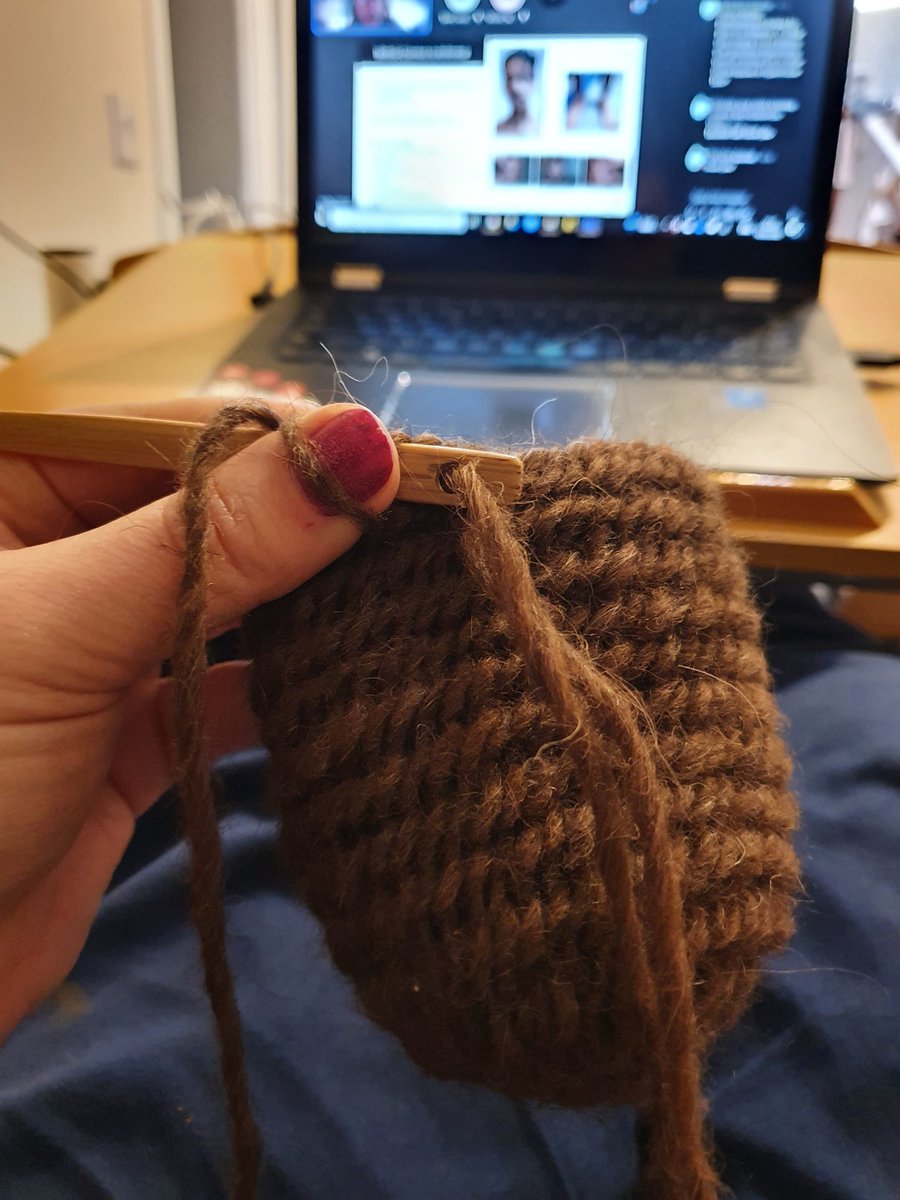
ALT Brown wool toe section of a needlebound sock in front of a blurry laptop showing Microsoft Teams.
13

17 May 2021
#OccupationalTherapists I need your help. I'm getting lots of messages looking for US based telehealth OTs who can help with complex chronic illnesses. Teaching self-management skills like #Pacing, #SleepHygiene, #JointProtection and #PainManagement. Please DM if you can help! RT
7
8

10 Apr 2021
The jar opener is a classic arthritis gadget that helps with both joint protection and independent task completion! #jointprotection #otmonth #abcsofot #rheumatoidarthritis
1
4