
20 Jul 2025
• EP30 | Bazm e Murshid | ALRA TV youtu.be/BWLQwIotOpU?si=PjDD… via @YouTube #Shaykh #Sufi #Sufis #Sufism #foryou #fypシ #Quran #Sunnah #Hadith #knowledgecafe #Speech #Lecture #alratv #spirituality #SpiritualAwakening #Spirituality

4
6
66

31 Mar 2025
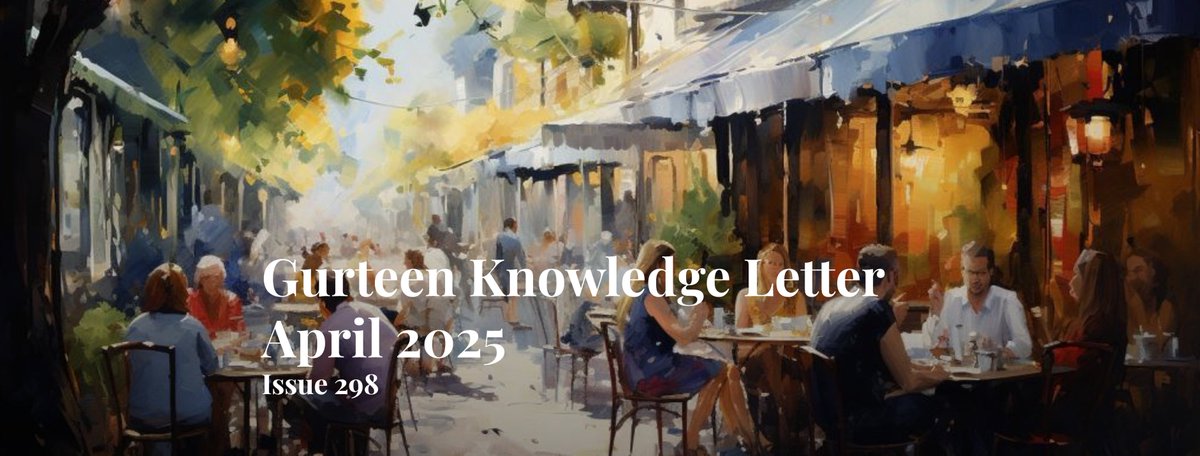
The April edition of my Knowledge Letter is out. Lately, I’ve been thinking about intelligence—not as a fixed trait of individuals, but as something broader, more relational. A recent article described a gathering of scientists, artists, and philosophers who proposed a new way of seeing intelligence: not just the ability to think fast or solve problems, but the capacity to adapt, relate, and remain viable within an environment. This definition includes not only humans, but also plants, bacteria, and entire ecosystems. It’s a shift in thinking that feels especially relevant as we grapple with AI.
I’ve also written about Mandela—not the icon, but the listener. His ability to lead through quiet, patient dialogue continues to teach me what it means to create space for others, especially in times of division.
There’s a piece on The Fable of the Bees, a provocative old text that suggests our flaws—ambition, self-interest, even vanity—might be part of what drives collective progress. It challenges simple ideas of virtue and reminds us that leadership is rarely straightforward.
I also reflect on Peter Block’s idea that leadership is about confronting people with their freedom. It’s uncomfortable, and perhaps that’s the point. Dostoevsky’s Grand Inquisitor appears here too, offering a sharp contrast between freedom and the comfort of certainty.
Lastly, I’ve started a podcast with Ron Young and Clive Holtham: In the Age of AI. We’ve recorded three episodes so far—on knowledge, conversation, and reason. Each one starts with a simple question and leads somewhere unexpected. It’s our way of thinking out loud about how AI is reshaping the foundations of how we live and learn.
You can read—and listen—here: conversational-leadership.ne…
#KM #KMers #KnowledgeManagement #km4dev #ConversationalLeadership #KnowledgeCafe #ConversationalWisdom #Leadership
2
82


5 Feb 2025
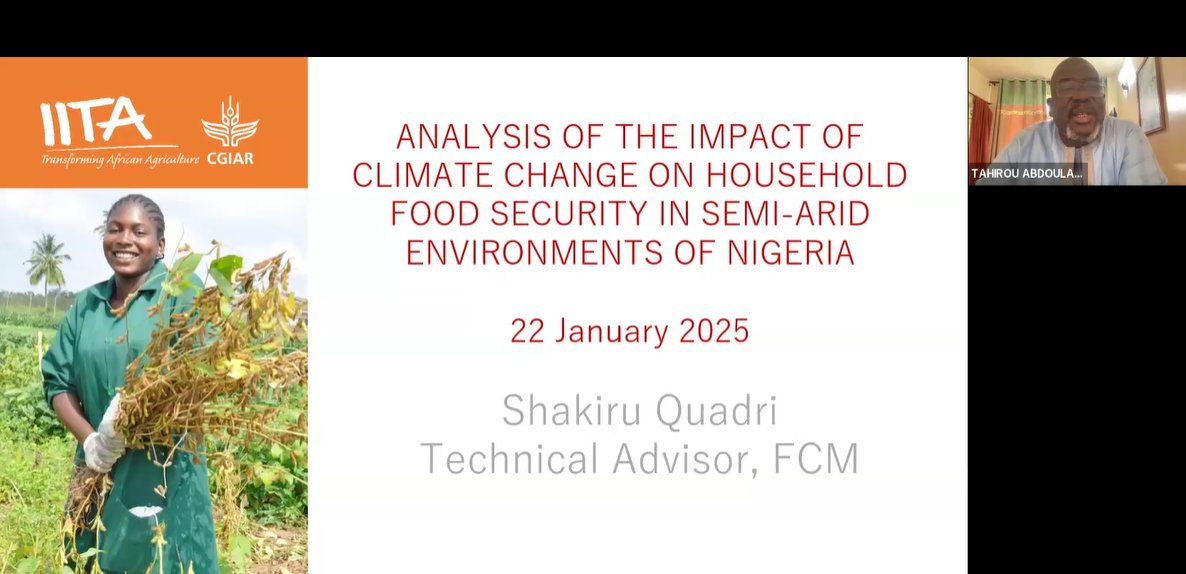
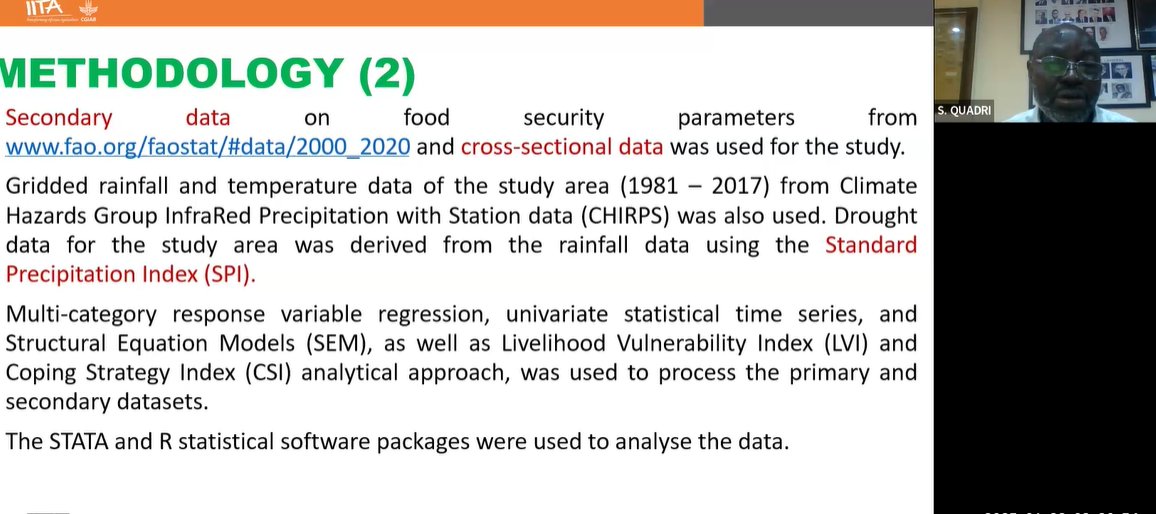
Kicking off our Knowledge Café series for 2025, Shakiru Quadri, the IITA Technical Advisor for @CGIAR Fragility, Conflict and Migration (FCM) Initiative, delivered an insightful presentation on his research work focusing on the impact of climate change on household food security in the semi-arid regions of Nigeria.
Learn more...
iita.org/news-item/research-…
.
#ResearchImpact #WithScienceWeCan #Sahel #FoodSecurity #ClimateChange #KnowledgeCafe
1
6
363
11 Dec 2024
When was the last time you had a conversation that genuinely transformed your thinking? In an increasingly complex world, effective knowledge sharing is vital. David Gurteen’s Knowledge Café workshop provides a simple, adaptable approach to fostering meaningful dialogue. Whether you're a manager, facilitator, or team leader, this method helps break down silos, spark innovation, and build trust. Discover how to design and host a Knowledge Café in your own setting.
conversational-leadership.ne…
#KM #KMers #KnowledgeManagement #km4dev #ConversationalLeadership #KnowledgeCafe #ConversationalWisdom

1
1
8
458

9 Dec 2024
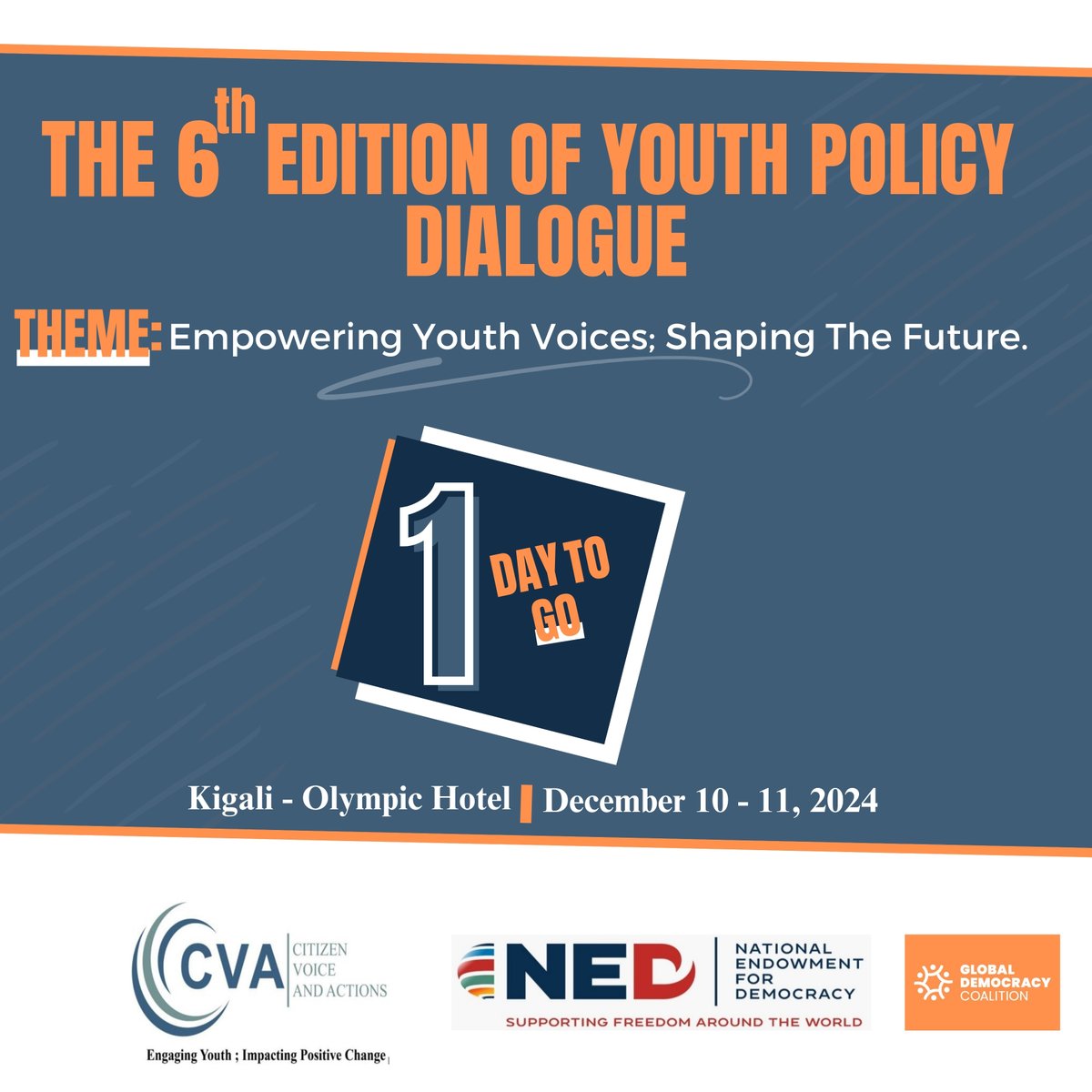
The #KnowledgeCafe sounds like a powerful platform to tackle key challenges and uplift the voices of African youth. Looking forward to the impactful discussions and innovative strategies that will emerge. See you on #Day1 of the #YouthPolicyDialogue
2
3
47

9 Dec 2024
On #Day 1 of the #YouthPolicyDialogue, there will be #KnowledgeCafe: Breaking Barriers to Youth Participation in decision making, where the participants will explore the #challenges and #discuss the strategies to amplify the voices of African youth in the decision-making process.
1
6
10
184

4 Dec 2024
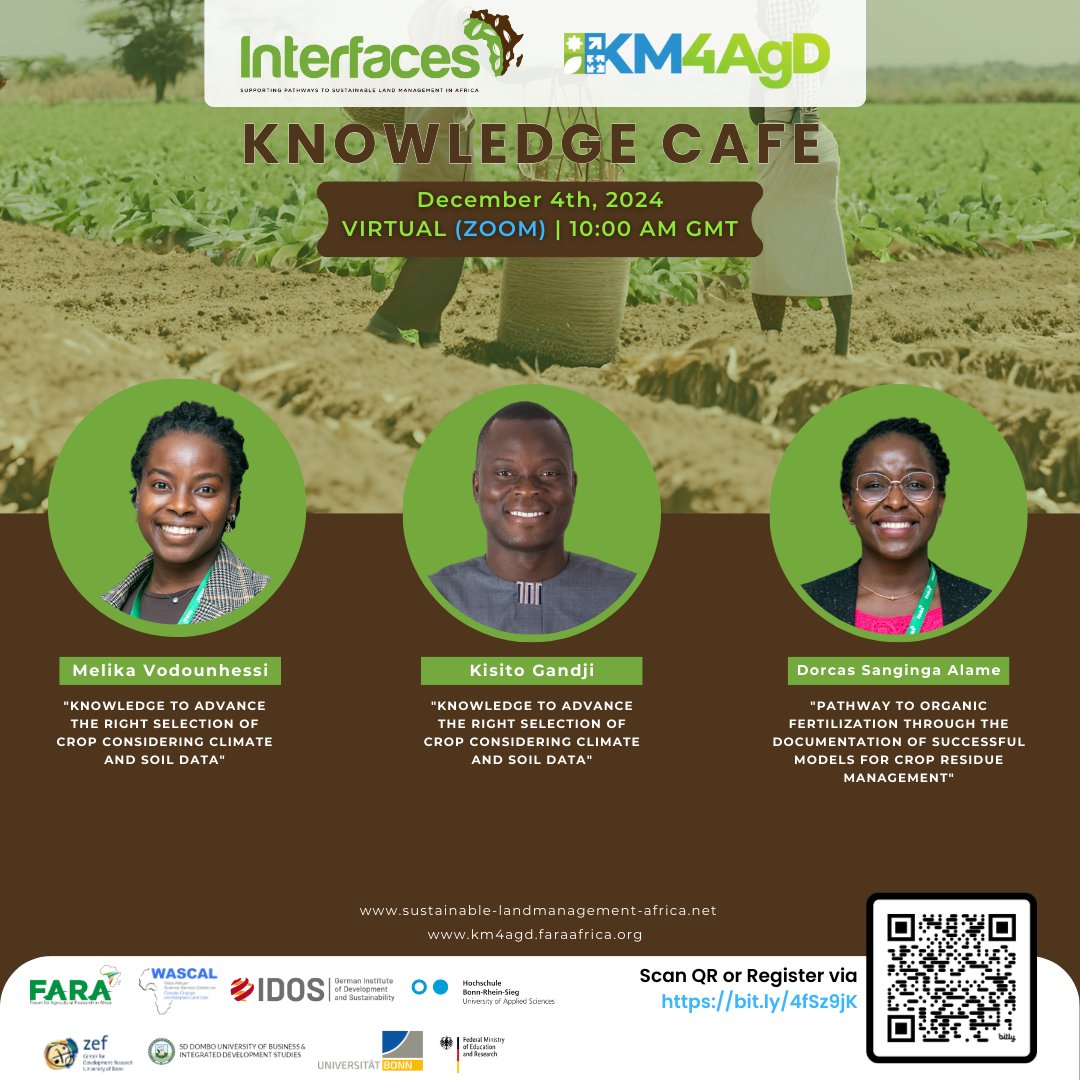
Join us today for the #INTERFACES #KnowledgeCafe to discuss and validate Knowledge Briefs & Manuals produced by #KM4AgD Fellows from this year's #KM4AgD24 Challenge.
Register via🔗 bit.ly/4fSz9jK to participate via ZOOM
1
4
298
3 Dec 2024
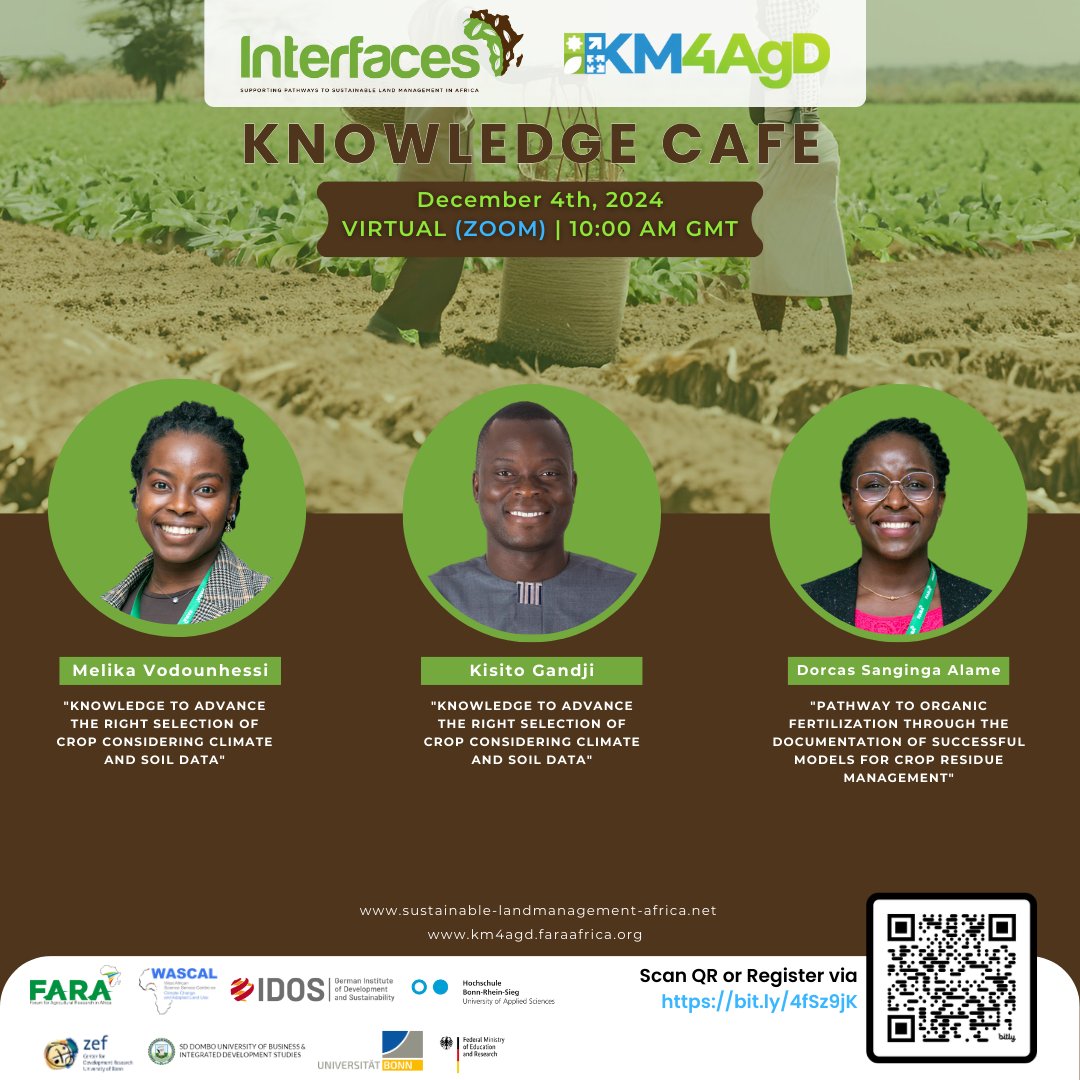
Join us tomorrow, December 4, 2024, for the #INTERFACES #KnowledgeCafe to discuss and validate Knowledge Briefs & Manuals produced by #KM4AgD Fellows from this year's #KM4AgD24 Challenge.
Register via🔗 bit.ly/4fSz9jK to participate virtually
4
3
314
2 Dec 2024
I’m pleased to share the December 2024 issue of the Gurteen Knowledge Letter. This edition delves into innovation, collaboration, and conversation themes, exploring how ideas and environments intersect to drive change.
I’ve begun crafting a new chapter in my blook on innovation, weaving stories that reveal how unexpected connections can spark groundbreaking ideas. These narratives illustrate the power of creating spaces that encourage diverse minds to interact, transforming ordinary settings into innovation hubs. Two stories from this chapter are included in this issue, and I’d love to hear your thoughts or suggestions for similar examples.
I hope these ideas inspire you to reflect and act in your own context.
Thank you for reading, and please do give me feedback!
conversational-leadership.ne…
#KM #KMers #KnowledgeManagement #km4dev #ConversationalLeadership #KnowledgeCafe #ConversationalWisdom #Leadership #LeadershipDevelopment #innovation #collaboration
1
3
174
27 Nov 2024
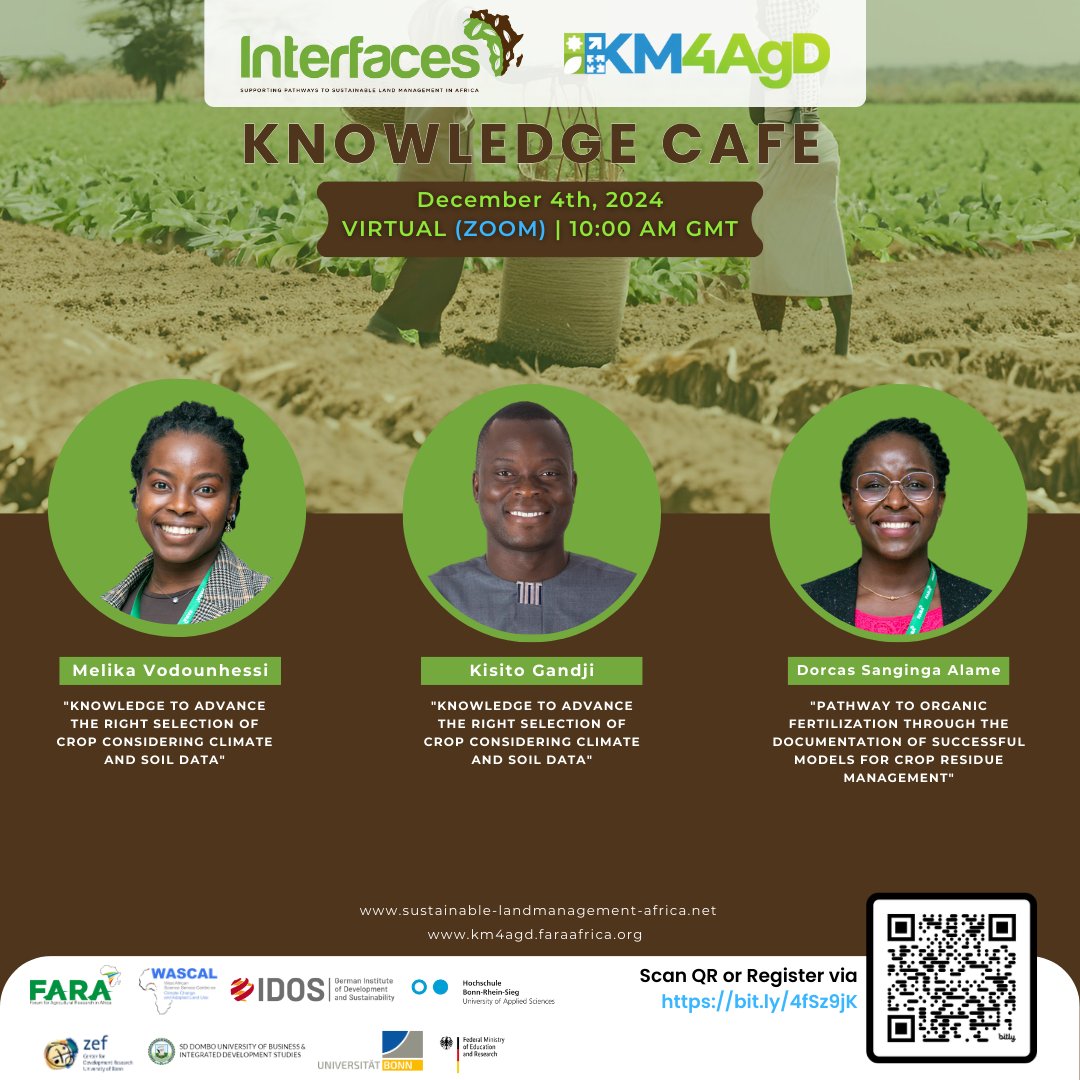
On Wednesday, December 4, 2024, the #INTERFACES project will host a virtual #KnowledgeCafe to validate Knowledge Briefs & Manuals produced by #KM4AgD Fellows from this year's #KM4AgD24 Challenge.
Register via🔗 bit.ly/4fSz9jK to participate
6
10
479

1 Nov 2024
#ICYMI
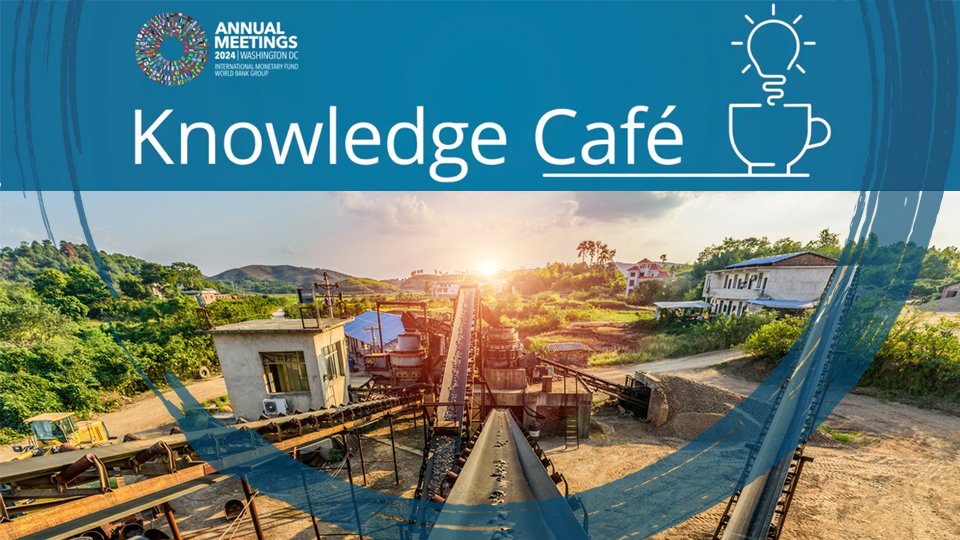
At the #WBGMeetings #KnowledgeCafe, Demetrios Papathanasiou, @WBG_Energy Global Director, engaged in an insightful discussion on how developing countries can leverage their energy transition mineral (ETM) resources to play a pivotal role in the global #EnergyTransition.🌍
1
3
8
386
1 Nov 2024
Imagine a culture where an argument is viewed as a dance, the participants are seen as performers, and the goal is to perform in a balanced and aesthetically pleasing way.
In such a culture, people would view arguments differently, experience them differently, carry them out differently, and talk about them differently.
But we would probably not view them as arguing at all: they would simply be doing something different.
It would seem strange even to call what they were doing "arguing."
Perhaps the most neutral way of describing this difference between their culture and ours would be to say that we have a discourse form structured in terms of battle and they have one structured in terms of dance.
Credit: George Lakoff and Mark Johnsen
conversational-leadership.ne…
#KM #KMers #KnowledgeManagement #km4dev #ConversationalLeadership #KnowledgeCafe #ConversationalWisdom #argument #culture
1
122
31 Oct 2024
#ICYMI
At the #WBGMeetings #KnowledgeCafe event, "Reforming Energy Subsidies: Challenges & Opportunities," @WBG_Energy Global Director Demetrios Papathanasiou led a rich panel discussion on the complexities of #energy subsidy reform. 🌍💡#ESMAP
📺 Watch: wrld.bg/kYBi50TVpJE
1
7
19
509
25 Oct 2024
Dissent is the cousin of diversity; the respect for a wide range of beliefs.
This begins by allowing people the space to say “no.” If we cannot say “no” then “yes” has no meaning.
Each needs the chance to express their doubts and reservations without having to justify them or move quickly into problem-solving.
“No” is the beginning of the conversation for commitment. Doubt and “no” is a symbolic expression of people finding their space and role in the strategy.
It is when we fully understand what people do not want that choice becomes possible. The leadership task is to surface doubts and dissent without having an answer to every question.
Credit: Peter Block
#KM #KMers #KnowledgeManagement #km4dev #ConversationalLeadership #KnowledgeCafe #ConversationalWisdom
buff.ly/4ffKREO
1
2
188
31 Jul 2024
How to Host Strategic Conversations That Inspire Creativity, Innovation and Engagement. Conversation is the lifeblood of your company. #KM #KMers #KnowledgeManagement #km4dev #ConversationalLeadership #KnowledgeCafe #ConversationalWisdom buff.ly/3WIbuMg
2
2
176
11 Jul 2024
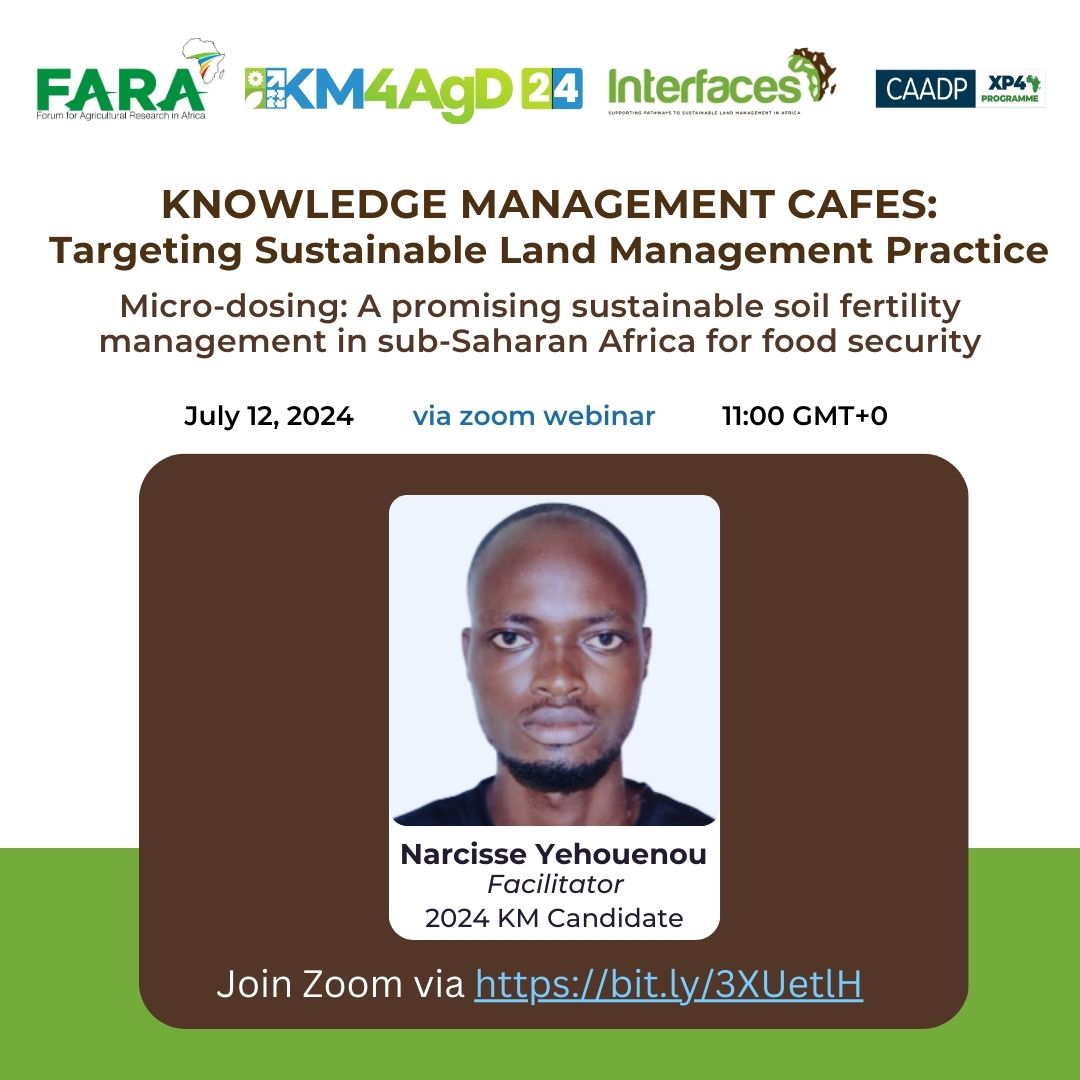
Join the #INTERFACES #KnowledgeCafe 4; "Micro-dosing: A promising sustainable soil fertility management in sub-Saharan Africa for food security" as part of the #KM4AgD24 and #SPAC2024
🗓️July 12, 2024
Register via🔗bit.ly/3XUetlH to join us on Zoom at 11:00 GMT 0
5
10
439
11 Jul 2024
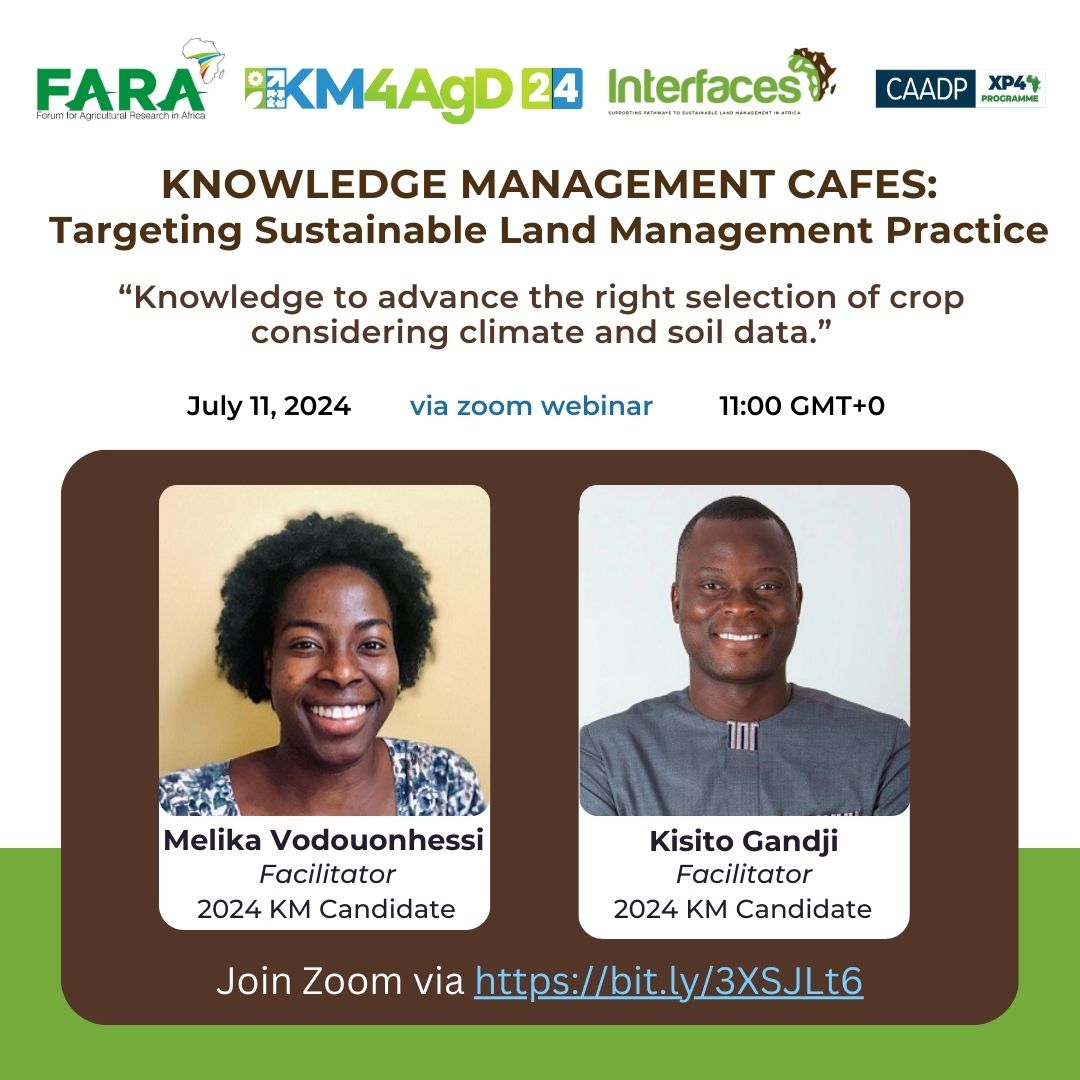
Register to join us today at 11:00 GMT 0 for the #INTERFACES #KnowledgeCafe 3 via🔗bit.ly/3XSJLt6
#KM4AgD #KM4AgD
10 Jul 2024

Join us tomorrow, Thursday, July 11, for the #INTERFACES #KnowledgeCafe 3; "Knowledge to advance the right selection of crop considering climate and soil data" via zoom as part of the #KM4AgD24 Challenge and #SPAC2024.
register via 🔗bit.ly/3XSJLt6
2
5
200
10 Jul 2024
Join us tomorrow, Thursday, July 11, for the #INTERFACES #KnowledgeCafe 3; "Knowledge to advance the right selection of crop considering climate and soil data" via zoom as part of the #KM4AgD24 Challenge and #SPAC2024.
register via 🔗bit.ly/3XSJLt6
3
7
484
10 Jul 2024
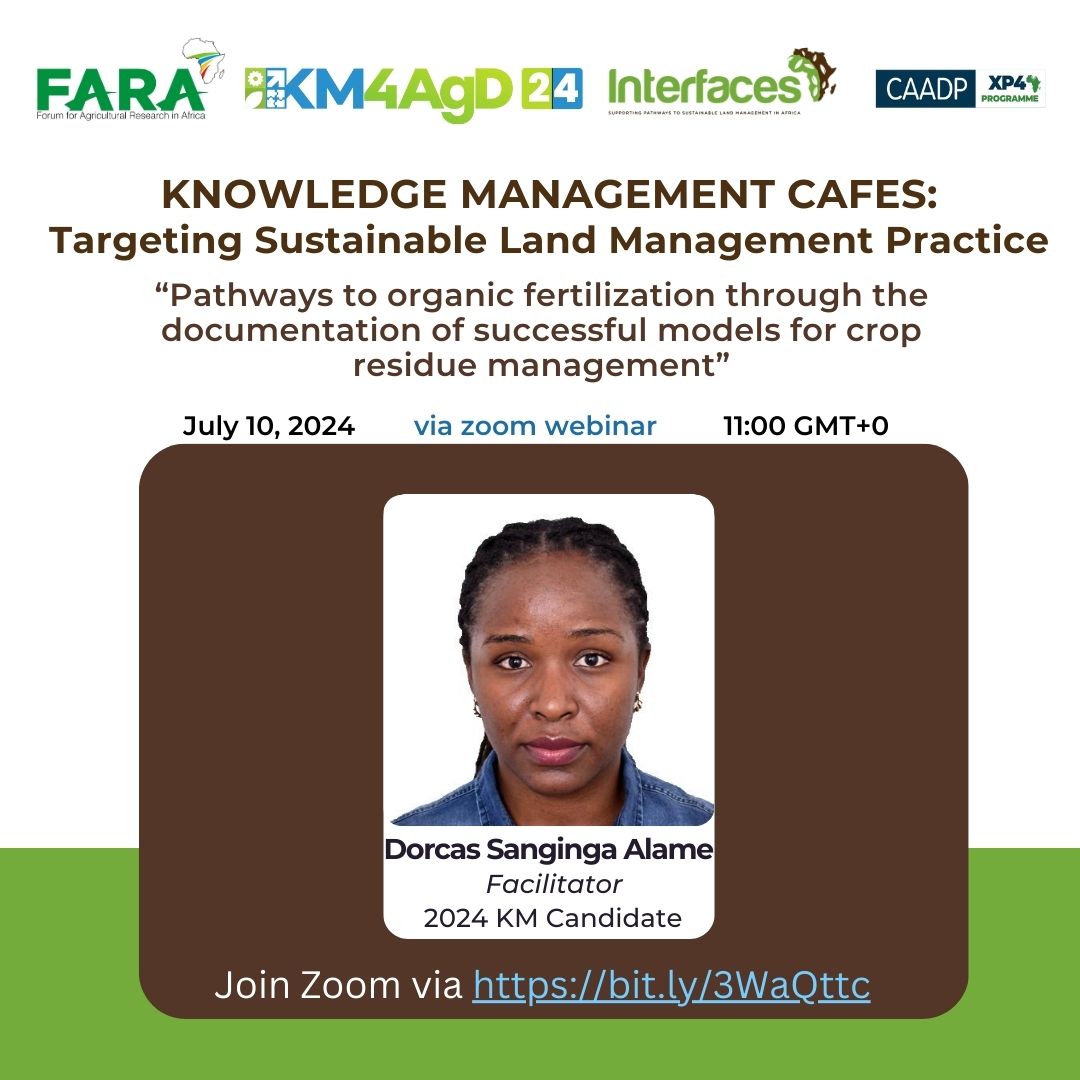
Join us today for the #INTERFACES #KnowledgeCafe 2; "Pathways to organic fertilization through the documentation of successful models for crop residue management" with @MissSanginga via zoom as part of the #KM4AgD24 Challenge and #SPAC2024.
register via 🔗bit.ly/3WaQttc
5
11
260