
NEW ON FIRSTVIEW
"“No questions? Then, fight me!” A tribute to Deborah Cameron (1958–2026)" by Rodrigo Borba
doi.org/10.1017/S00474045261…
#Sociolinguistics #LanguageAndGender #Feminism #Power #Ideology
1
5
100

3 Jun 2025
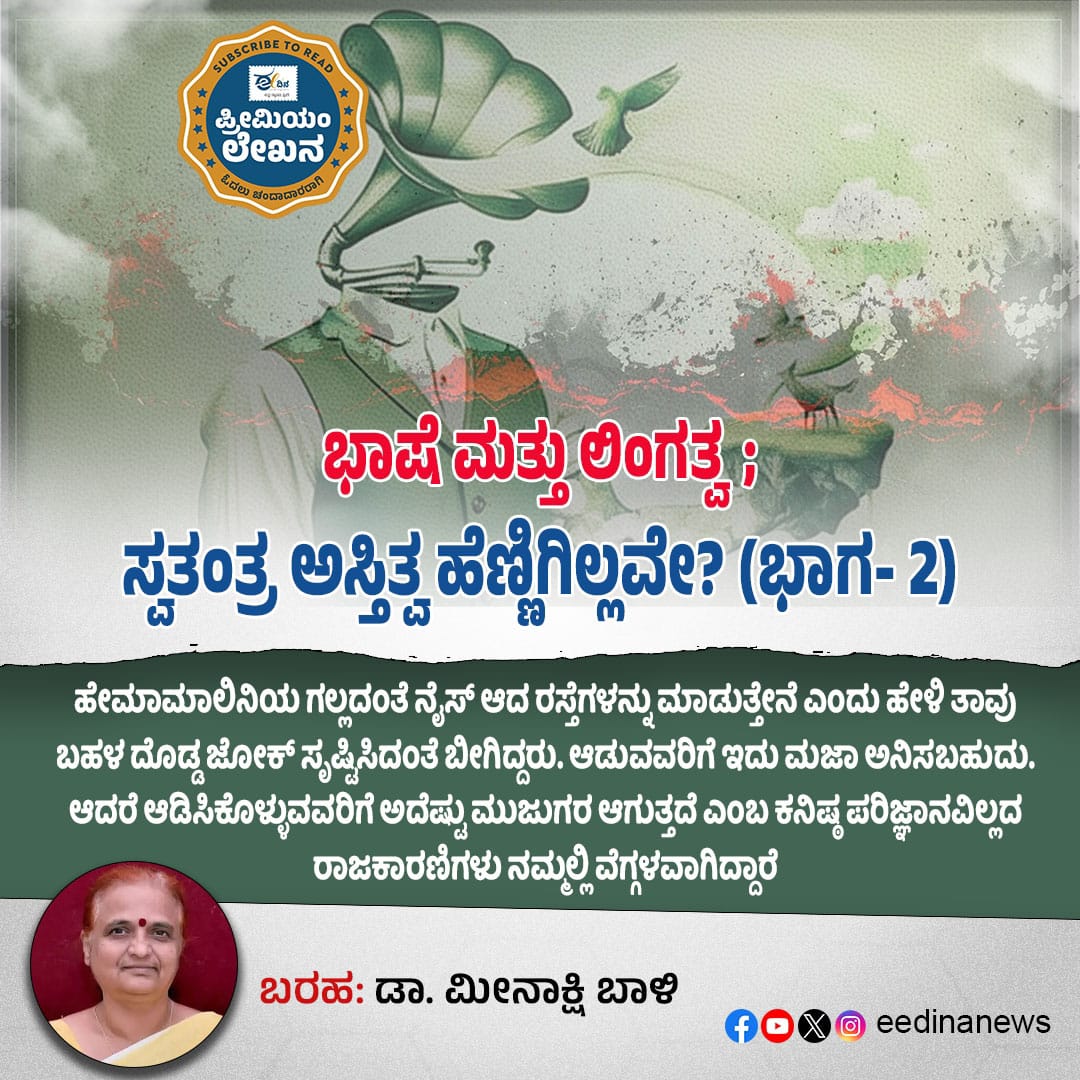
ಭಾಷೆ ಮತ್ತು ಲಿಂಗತ್ವ; ಸ್ವತಂತ್ರ ಅಸ್ತಿತ್ವ ಹೆಣ್ಣಿಗಿಲ್ಲವೇ? (ಭಾಗ- 2)
#LanguageAndGender #FeministVoice #WomenAndIdentity #GenderEquality #LinguisticBias #PatriarchyInLanguage #IndependentWoman #EqualityMatters #VoiceOfWomen #BreakTheBias #FeministPerspective #EmpowerHer
2
126
2 Jun 2025
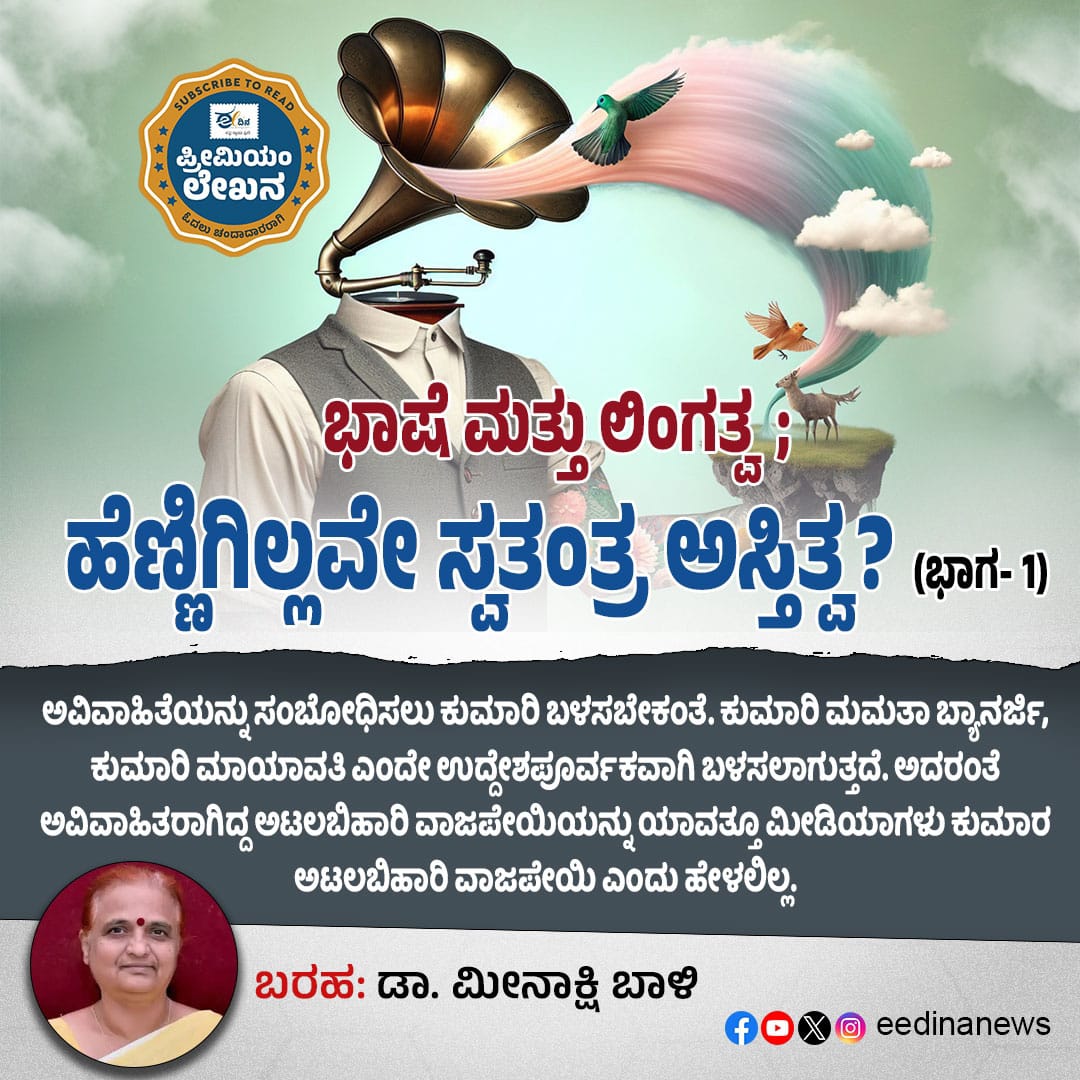
ಭಾಷೆ ಮತ್ತು ಲಿಂಗತ್ವ; ಹೆಣ್ಣಿಗಿಲ್ಲವೇ ಸ್ವತಂತ್ರ ಅಸ್ತಿತ್ವ? (ಭಾಗ- 1)
#LanguageAndGender #FeminineIdentity #GenderEquality #WomenVoices #IndependentExistence #FeministThought #SocialJustice #GenderDiscourse #WomenEmpowerment #EqualityMatters #VoiceForWomen #BreakingStereotypes
1
2
115

24 Jan 2024
1
7
517
24 Jan 2024
3
1
22
862

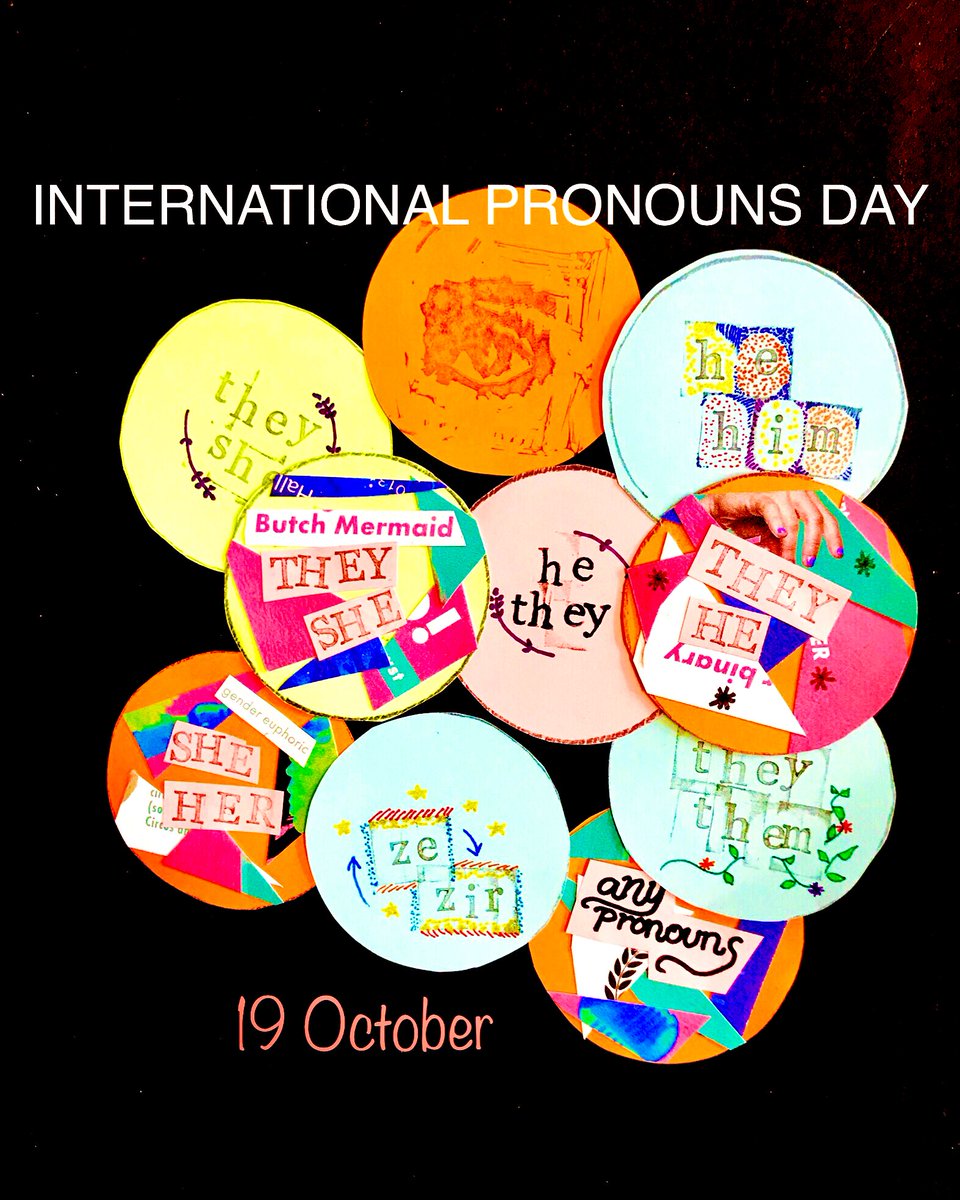
Pronoun badge designs made by the Menaces - why should pronouns be a dull grammar lesson? Queer people have made them into an art. See lgbtyouthscotland.org.uk for a lesson plan about pronouns and gender. #readqueerbooks #pronouns #languageandgender
3
184

29 Aug 2023
Here are some of the real unsolved problems in the field of linguistics:
1.The Nature of Universal Grammar: Despite Chomsky’s groundbreaking work, the exact nature and scope of Universal Grammar remain elusive. Studies like “Syntactic Structures” (Chomsky, 1957) have laid the groundwork, but the debate continues.
2.Language and Thought: The Sapir-Whorf Hypothesis has been both supported and refuted in various studies, leaving the relationship between language and thought still unresolved. Works like “Women, Fire, and Dangerous Things” (Lakoff, 1987) have explored this area.
3.Lexical Gaps: Why do some concepts lack specific terms in certain languages? This question remains unanswered despite research in lexical semantics, as seen in works like “Lexical Semantics” (Cruse, 1986).
4.Language Death and Preservation: While studies like “Language Death” (Crystal, 2000) have explored why languages die, effective strategies for language preservation are still being developed.
5.Animal Communication vs. Human Language: Despite extensive research, such as “Animal Languages” (Pepperberg, 2002), the gap between animal communication systems and human language remains a subject of study.
6.Corpus Representativeness: With the advent of corpus linguistics, questions about the representativeness of corpora have arisen. Works like “Corpus Linguistics” (McEnery and Wilson, 1996) have touched upon this but not resolved it.
7.Language and Gender: While studies like “Gender Articulated” (Hall and Bucholtz, 1995) have explored the role of language in gender construction, the topic remains a complex and evolving field of study.
8.Neurolinguistics of Syntax and Semantics: The brain mechanisms that underlie our syntactic and semantic abilities are still not fully understood, despite studies like “The Neural Architecture of Grammar” (Friederici, 2012).
9.Language and Social Media: The impact of social media on language is still an emerging field, with studies like “The Pragmatics of Texting” (Tagg, 2015) only beginning to scratch the surface.
10.Computational Models of Language Learning: While machine learning and NLP have made strides in language processing, understanding how humans naturally learn language remains a challenge. Works like “Statistical Learning by 8-Month-Old Infants” (Saffran et al., 1996) have initiated this discussion.#UniversalGrammar
#SapirWhorf
#LexicalSemantics
#LanguageDeath
#AnimalCommunication
#CorpusLinguistics
#LanguageAndGender
#Neurolinguistics
#SocialMediaLinguistics
#LanguageLearningModels
1
4
17
1,035


1 Aug 2022
Noch ein Literaturhinweis: Damaris Nübling bietet eine schöne (und frei zugängliche :)) Übersicht über die Komplexitäten des Zusammenhangs zwischen grammatikalischem und nicht-grammatikalischen Geschlecht im Deutschen:
#languageAndGender #German
germanistik.uni-mainz.de/fil…
2
6

21 May 2022
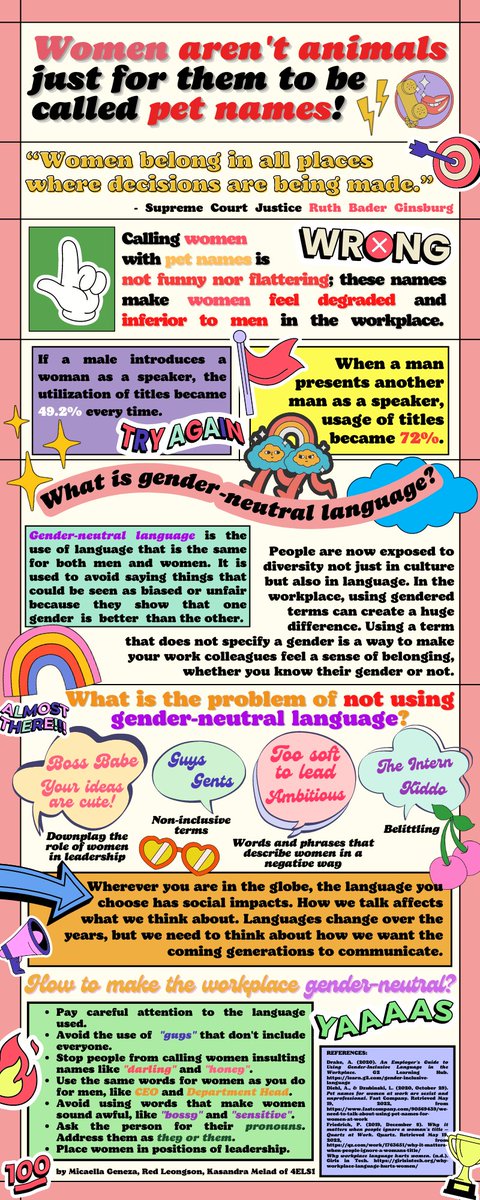
With our Language and Gender class, we feel empowered and now, we're using our voice to raise advocacies like this to the general public.
For a clearer copy: drive.google.com/file/d/1BiB…
#LanguageAndGender #GenderNeutral #GenderNeutralLanguage
@spiiicy_pisces @keysandraaa
1
21 May 2022
Being called by pet names is quite a common thing among women BUT people should know that it isn't right to be called as one. We should now practice using gender-neutral language and here's an infographic to inform you more about this.
#LanguageAndGender #GenderNeutral
1
3
8

24 Aug 2021
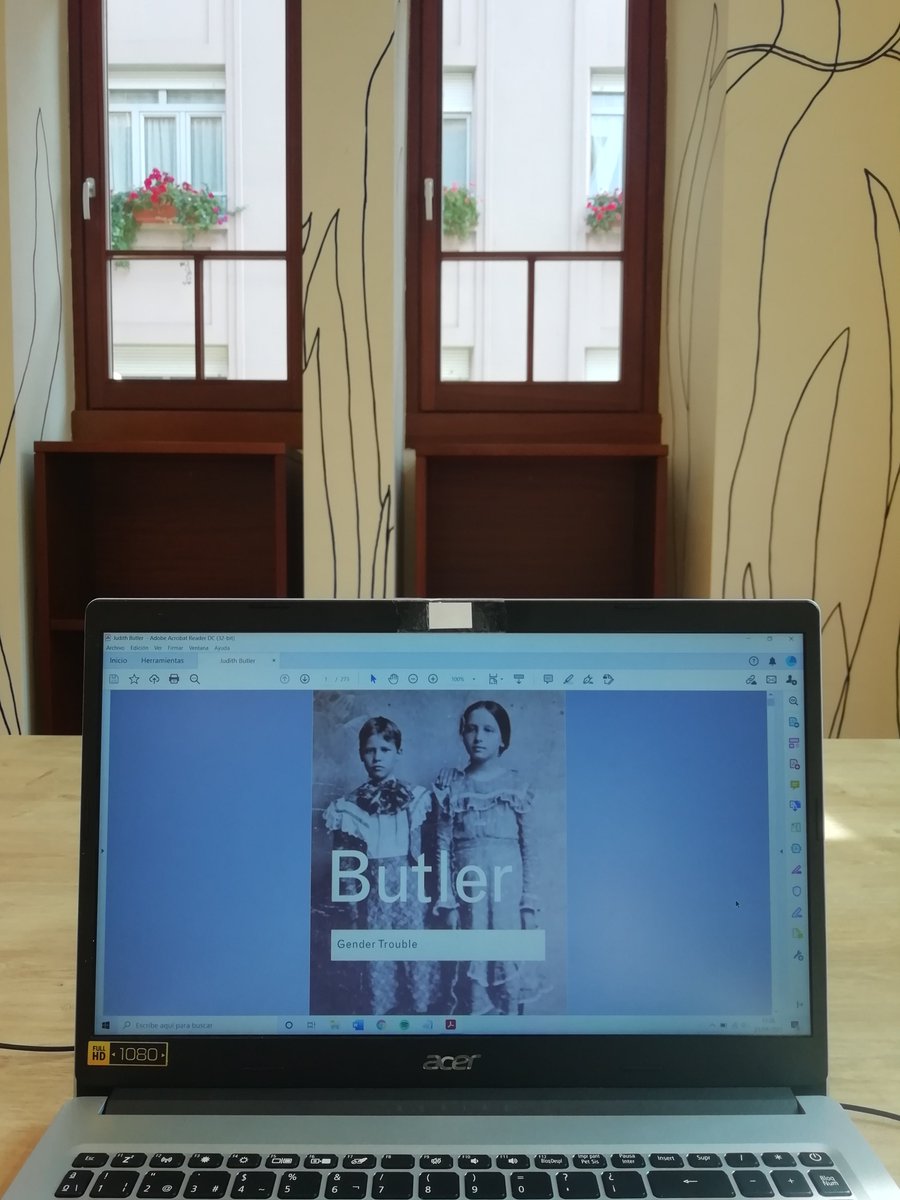
Fellow linguists, @Leyrebarrios and I need your help 🙏 Do you know of any works on language and gender from a cognitive approach? 🧠 Particularly on (conceptual) metaphors and gender in the media? Thanks a lot!! 💜 #LanguageAndGender #DiscourseAnalysis
3
4
7

24 Aug 2021
📢🎉@silviapeterssen and I have started a new project together! Can't wait to see the results!
If you know about any interesting literature focusing on cognitive linguistics, don't hesitate to tell us! 📝 #DiscourseAnalysis #LanguageAndGender @AcademicChatter @PhDVoice
23 Aug 2021

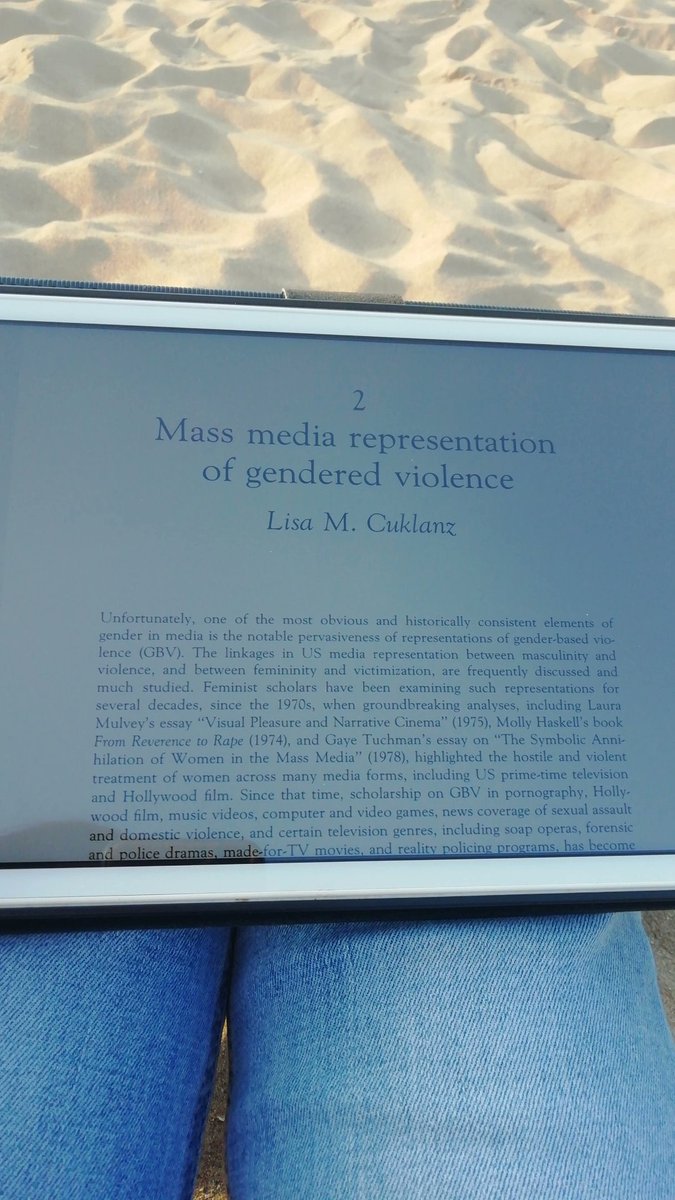
Back from a break with tons of energy 🤩 and incredibly excited because @Leyrebarrios and I have decided to put our brains to work... together! 📝 Something interesting is coming... #LanguageAndGender #DiscourseAnalysis
5
23 Aug 2021
Back from a break with tons of energy 🤩 and incredibly excited because @Leyrebarrios and I have decided to put our brains to work... together! 📝 Something interesting is coming... #LanguageAndGender #DiscourseAnalysis
4

6 Aug 2021
Come on down, #languageandgender researchers! @UQ_Business is excited to host #IGALA12, in #brisbane: « Beautiful one day, perfect the next »!
6 Aug 2021

Save the date! IGALA 12: 4 – 6 July, 2023 Following on from the success of IGALA11, we are delighted to announce that IGALA12 will be held at the University of Queensland under the Committee Chair of @power_kate
#IGALA11 #IGALA12 #genderandlanguage
2

24 Jun 2021
Thanks to @QMULLinguistics & @QMUL for hosting #IGALA11. So much great #LanguageAndGender content to keep viewing until the end of July! Including great plenaries, & sessions like this one on #LanguageReform: event.igala11.exordo.com/ses… with @hburnett @YaruSol @katiebuggx7 & more!
3
4

7 Jun 2021
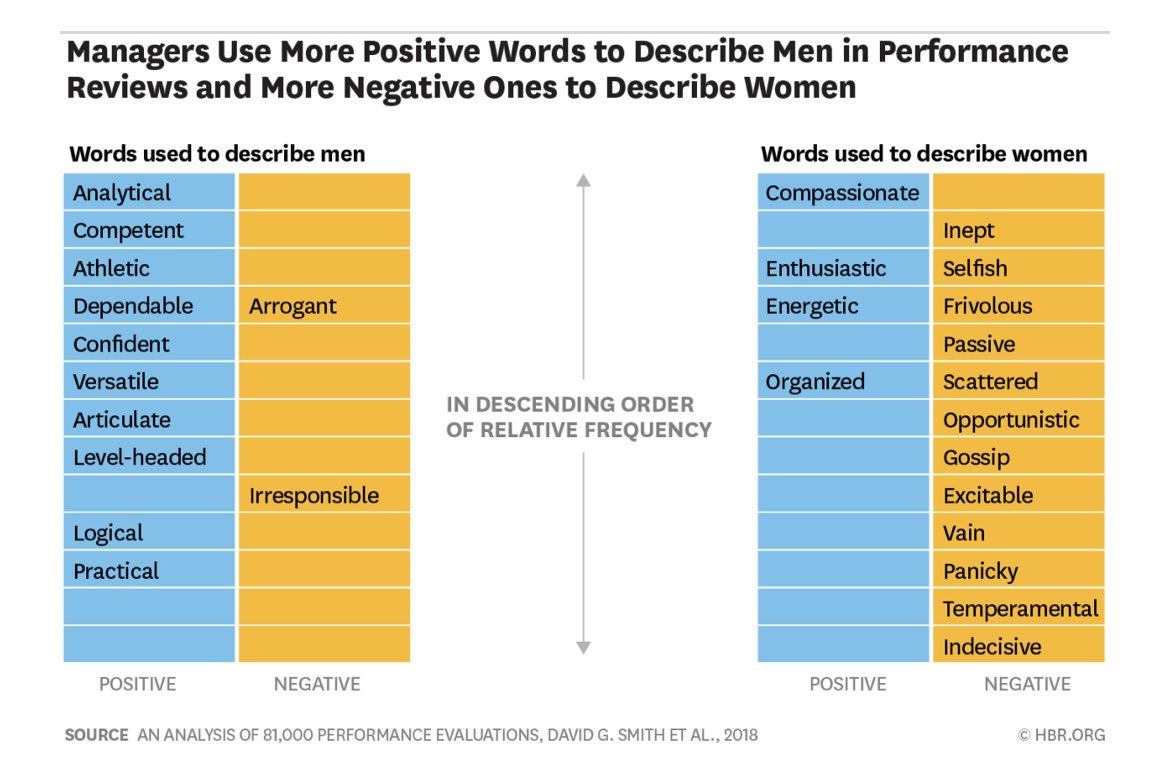
Interesting data on the language used in performance evaluations. #LanguageandGender
6 Jun 2021

“A unique data set allowed us to explore the language used to describe individuals in subjective performance evaluations & provides evidence that, as we suspected, language in performance evaluations is applied differently to describe men & women.” 🤔🤔🤔
google.co.uk/amp/s/hbr.org/a…
1

19 Mar 2021
Amazing for A Level language but also just fascinating. #alevellang #languageandgender #language change #feministcurriculum
Friday essay: I looked at 100 ads for menstrual products spanning 100 years — shame and secrecy prevailed theconversation.com/friday-e…
4

6 Sep 2020
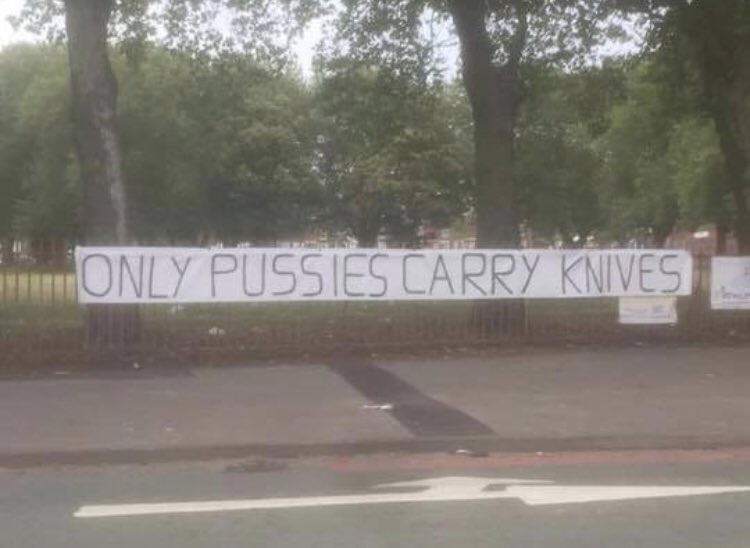
I am deeply moved by the stabbing in Birmingham... but I also think that from a sociolinguistic (and not only) point of view, this slogan is offensive to women. #languageandgender

4