
"ونڈ توں پہلاں سکھ وی پشتو بولدے سی"عدیل افضل
"ਵੰਡ ਤੋਂ ਪਹਿਲਾਂ ਸਿੱਖ ਵੀ ਪਸ਼ਤੋ ਬੋਲਦੇ ਸੀ" — ਅਦੀਲ ਅਫ਼ਜ਼ਲ
#AdeelAfzal #Pashto #PunjabiHistory #SikhHistory #CulturalHeritage #LanguageHistory #PashtunCulture #PunjabHistory #HistoricalFacts #SouthAsianHistory #IdentityAndCulture
22

Jun 8
"first encounter"
DAY 7 , thavel x emily!!
i put. way more effort into this one, ima do that for the rest lowkey this was fun
#fundamentalpapereducation #languagehistory

4
130

Apr 25
1/5
🧵 Estimated breakdown of Arvanitika vocabulary by source language:
🔸 Greek: ~40–50%
🔸 Latin/Romance: ~30–40%
🔸 Native Albanian: ~10–20%
🔸 Turkish/Arabic/Persian: ~1–3% (almost completely absent)
🔸 Slavic: ~1–2%
#Albanian #Greek #LanguageHistory #Etymology #Balkans
8
8
52
3,086
Apr 25
1/5
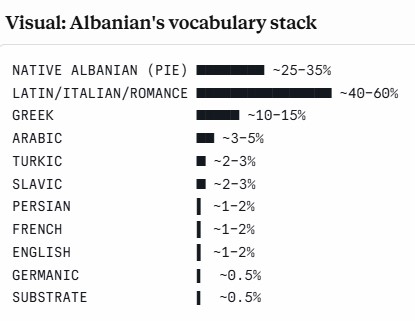
🧵Albanian has the most foreign-influenced vocabulary of any major European language. Here's the full breakdown.
Most languages are 70–80% native; Albanian is only ~25–35%.
#Albanian #IndoEuropean #LanguageHistory #Etymology #Balkans #Ottoman #Roman #ByzantineEmpire
51
44
317
43,250

"The value of the Urdu language is many times more than the Taj Mahal."
Shamim Hanfi on the soul of Urdu. While it actively borrows everyday words from Arabic and Persian, like kursi, kitab, and qalam, its true identity is built on a thousand years of shared heritage and undeniable 'Hindustaniyat'.
What is your favorite everyday Urdu word? Drop it in the comments! 👇
#ShamimHanfi #JashneRekhta #UrduAdab #LanguageHistory #RekhtaPlus
5
10
80
5,303
Languages don't belong to religions; they belong to the people.
Raj Babbar sets the record straight on the origins of Urdu at Jashn-e-Rekhta. He traces its roots right back to our own cities - Agra, Aligarh, Bulandshahr - and highlights the lasting legacy of Amir Khusro on our language and cinema.
Watch the complete conversation: youtu.be/qBpEnC8QgpQ?si=yKZc…
A great reminder of our shared cultural history.
@JashneRekhta @Soofinama
What is your favorite Urdu word? Let us know in comments. 👇
#RajBabbar #JashneRekhta #AmirKhusro #LanguageHistory #Rekhta
6
39
212
10,801

Mar 22
আমাদের দৈনন্দিন ব্যবহৃত বাংলা শব্দগুলোর ইতিহাস কি জানা আছে? তবে চলুন, জেনে নিই এই ভিডিওতে… 🎥
পুরো অনুষ্ঠানটি দেখুন এখানে - youtube.com/live/CnY0SSRL2SU
#BanglaLanguage #BengaliWords #LanguageHistory #BanglaCulture #DidYouKnow #WordOrigins #BengaliHeritage #LearnBangla #Linguistics #IndianLanguages #EducationalContent #LanguageFacts #BanglaFacts #CultureOfBengal #KnowYourRoots
1
26

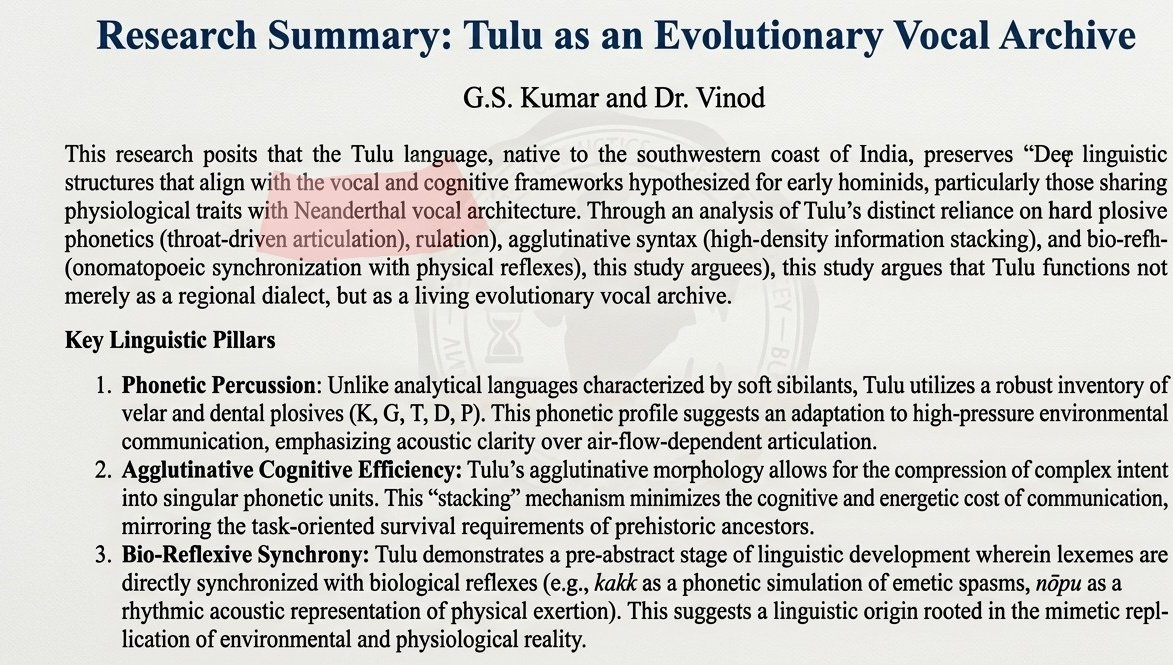
Tulu: A Living Archive of Ancient Human Speech
The Tulu language, spoken in Tulunadu on the southwest coast of India, preserves several archaic phonetic and grammatical structures.
Some linguists consider Tulu one of the more conservative Dravidian languages, retaining older sound patterns and morphological features.
Let’s explore why. 👇
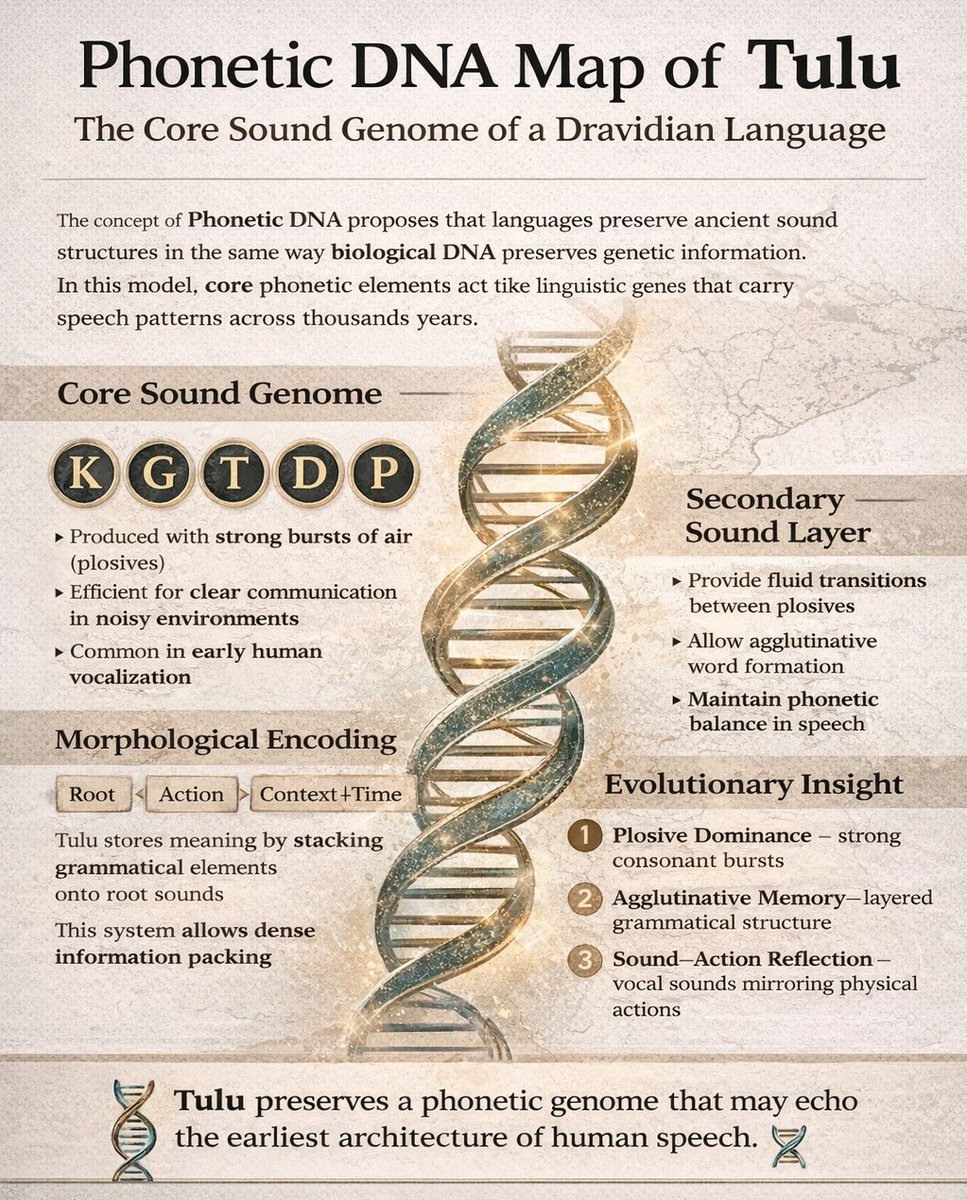
1️⃣ Phonetic DNA 🧬
Languages carry ancient sound patterns across generations — almost like phonetic DNA.
In Tulu, a strong system of plosive consonants forms the backbone of speech:
K • G • T • D • P
These percussive sounds are among the most basic and efficient human vocalizations.
2️⃣ Conservative Phonology
Dravidian linguist Bhadriraju Krishnamurti noted in The Dravidian Languages (2003) that several South Dravidian languages preserve older phonological structures.
Tulu is often discussed among languages that retain archaic phonetic traits within the Dravidian family.
3️⃣ Agglutinative Grammar
Like other Dravidian languages, Tulu uses agglutinative morphology — building meaning by attaching suffixes to root words.
Example pattern:
Root → Action → Context → Time
This structure reflects the Proto-Dravidian grammatical system reconstructed by linguists.
4️⃣ Early Documentation of Tulu
The first major grammatical study of Tulu was produced by Robert Caldwell, who classified Tulu as part of the Dravidian language family in his 1856 work A Comparative Grammar of the Dravidian Languages.
Later scholars expanded this research.
5️⃣ Tulu as a Linguistic Time Capsule
Research by M. B. Emeneau and T. Burrow helped reconstruct Proto-Dravidian vocabulary and phonology.
Such comparative work shows how some languages retain older sound patterns longer than others.
Tulu appears to preserve several of these.
6️⃣ Sound–Action Echo
In some traditional expressions, Tulu words closely imitate physical sounds or actions.
Examples often cited in oral traditions:
• kakk — retching/spasm sound
• boopu — beating rhythm
These sound-symbolic forms may reflect very early stages of human vocal expression.
7️⃣ Why Tulu Matters
Studying Tulu helps linguists understand:
• Proto-Dravidian phonology
• the evolution of agglutinative languages
• how ancient sound systems survive in living languages
As Bhadriraju Krishnamurti emphasized, Dravidian languages are crucial for reconstructing deep linguistic history in South Asia.
Conclusion
Tulu is more than a regional language.
It may act as a linguistic archive preserving ancient phonetic structures within the Dravidian world.
“Languages are the fossils of human speech.”
#Tulu #Dravidian #Linguistics #Tulunadu #LanguageHistory
2
6
31
490

🇩🇰 👅 What is the Piedmontese language and how does it fit into Cisalpine cultural history? Check it out in this video from “Die Herrshaft” and Oskelos 🎤👇
youtube.com/watch?v=HthS4afX…
#Piemonte #Piemontese #LanguageHistory #Cisalpina #Linguistics #CulturalHeritage
3
4
365

Feb 13
భారతదేశంలో ప్రస్తుతం వినియోగంలో ఉన్న ప్రధాన భాషలను – ఒకే జాబితాలో,
📜 భారతీయ భాషలు (పాతవి → కొత్తవి)
▶ అత్యంత ప్రాచీన భాషలు
సంస్కృతం – సుమారు 3,500–4,000 సంవత్సరాలు
తమిళం – సుమారు 2,500–3,000 సంవత్సరాలు
▶ ప్రాచీన–క్లాసికల్ దశ
ప్రాకృతాలు (సమూహంగా) – 2,300–2,500 సంవత్సరాలు
పాళి – సుమారు 2,300 సంవత్సరాలు
▶ ప్రారంభ మధ్యయుగ భాషలు
కన్నడ – 1,500–2,000 సంవత్సరాలు
తెలుగు – 1,500–2,000 సంవత్సరాలు
ఒడియా – సుమారు 1,500 సంవత్సరాలు
▶ మధ్యయుగ భారతీయ భాషలు
బెంగాలీ – 1,200–1,500 సంవత్సరాలు
మరాఠీ – 1,200–1,500 సంవత్సరాలు
అస్సామీ – 1,000–1,200 సంవత్సరాలు
గుజరాతీ – 1,000–1,200 సంవత్సరాలు
మలయాళం – 1,000–1,200 సంవత్సరాలు
▶ చివరి మధ్యయుగం → ఆధునిక దశ
పంజాబీ – 800–1,000 సంవత్సరాలు
హిందీ (ఖరీబోలి ఆధారం) – 800–1,000 సంవత్సరాలు
ఉర్దూ – 700–800 సంవత్సరాలు
సింధీ – 700–900 సంవత్సరాలు
▶ ఆధునికంగా ప్రామాణికీకరించిన భాషలు
కొంకణి – 600–800 సంవత్సరాలు
కాశ్మీరి – 600–800 సంవత్సరాలు
మణిపురి (మెయితేయ్) – 500–700 సంవత్సరాలు
డోగ్రీ – 500–700 సంవత్సరాలు
సంతాలి (లిఖిత రూపం) – 300–500 సంవత్సరాలు
డిస్క్లెయిమర్
ఈ జాబితా సుమారు అంచనాలపై ఆధారపడింది.
భాషలు ఒక్కసారిగా పుట్టవు – నెమ్మదిగా వికసిస్తాయి.
మౌఖిక సంప్రదాయాలు లిఖిత ఆధారాలకంటే పాతవై ఉండవచ్చు.
భాష పాతదని చెప్పడం గొప్పతనానికి ప్రమాణం కాదు.
అన్ని భారతీయ భాషలు సమాన గౌరవానికి అర్హమైనవే.
#IndianLanguages #AncientLanguages #OldestLanguages #Sanskrit #Tamil #Telugu #Kannada #Malayalam #Odia #Hindi #Bengali #Marathi #Punjabi #Urdu #LanguageHistory #LinguisticDiversity
9
14
474

Sanskrit is not the mother of any language!
Kannada was not developed from Sanskrit, and Sanskrit is not the mother of any language. And It is definitely not the mother of #Kannada. Every language develops from its own native tone and evolves naturally.
Languages change every 4–5 centuries.
No language stays forever.
Kannada developed on its own, exactly like Tamil. Yes, some words look similar due to contact, trade, and interaction - similarity does NOT mean origin.
Kannada's evolution:
Old Kannada
|
Medieval Kannada
|
Modern Kannada
Now coming to Sanskrit - Sanskrit itself evolved. It did not exist eternally. It came through gradual development from #Prakrit and #Pali, like every other language. it didn't drop from the sky.
Evolution:
Prakrit
↓
Pali
↓
Sanskrit
Did Hindi exist before the 13th century? No.
#Hindi itself evolved later by mixing many languages plus outsider influence like islamic languages. That is how languages work.
Even Sanskrit is not pure - it has influence from Greek and Latin. So how is it the mother of every language. Sanskrit itself evolved around the 4-5th century CE.
If anyone claims Sanskrit is older than all languages, simply ask them to show even one Sanskrit inscription older than Prakrit and Pali.
2nd century BCE Jain Inscriptions like Chittanavasal already show local language usage. Kannada words appear there, proving #Kannada is older than Sanskrit dominance.
Another myth: #Vedas were written 3000 years ago in Sanskrit. False! Sanskrit didn't even exist then. This is a Vedic narrative that came much later. Since all their shastras were written in Sanskrit, they projected Sanskrit as ancient to claim greater antiquity. This narrative was deliberately drilled over time.
In reality, most of vedic shastras were written during or after the Bhakti movement, not before it. They are not as old as they are claimed to be, and certainly not timeless.
If you follow your own logic, then Prakrit, not Sanskrit, should be called the mother of all languages.
No language is a "mother" of all others.
All languages-including Kannada and Sanskrit-evolved independently, influencing each other over time.
#LanguageHistory #FalseNarratives #LanguageEvolution #History #SanskritIsNotMother

ಸಂಸ್ಕೃತ ಪದಗಳು ಬಗ್ಗಿ ಆದ ಪ್ರಾಕೃತದಿಂದಲೇ ಕನ್ನಡ ಹೆಚ್ಚು ಪದಗಳನ್ನ ತೆಗೆದುಕೊಂಡಿತು. ನಾವು ಹೊಸದಾಗಿ ಬಗ್ಗಿಸುವ ಗೋಜಿರಲಿಲ್ಲ.
ಅಯ್ಯ, ಅಜ್ಜ, ಜಾತ್ರೆ, ಬಾಡಿಗೆ, ಬಡಗಿ, ಕಮ್ಮಾರ ಕುಂಬಾರ , ಓಜ , ಸಜ್ಜೆ, ಕಬ್ಬ, ಸಂಜೆ , ಬಂಜೆ , ಗಬ್ಬ, ಬೇಸಾಯ , ಉದ್ದ, ನಾವಿದ, ಬಾಜನೆ, ಬೋನ, ಆಣೆ - ಹೀಗೆ ಹಲವು ಪದಗಳನ್ನ ನೋಡಿದರೆ
ಕನ್ನಡದಲ್ಲಿ ಬಗ್ಗಿದ್ದು ಕಡಿಮೆಯೇ ಅನ್ನಬಹುದು ( ಸುಮ್ಮನೆ ನೆನಪಿಗೆ ಬಂದ ಒಂದಿಷ್ಟು ಪದಗಳು)
#ಎಲ್ಲರೊಳಿತಿಗೆ
2
10
32
2,170

प्राकृत भाषा के "अनुकम्पा" (Anukampa) शब्द से इंग्लिश का "कंपैशन" (Compassion) शब्द आया है , जो "कम्पा" (Compa) है, वही "कम्बा" (Comba) भी है अर्थात जीवों को आपस में "जोड़ने" (Combined) की जीवन ऊर्जा "कंपैशन" (करुणा) है।
#LanguageHistory
1
7
445

21 Dec 2025
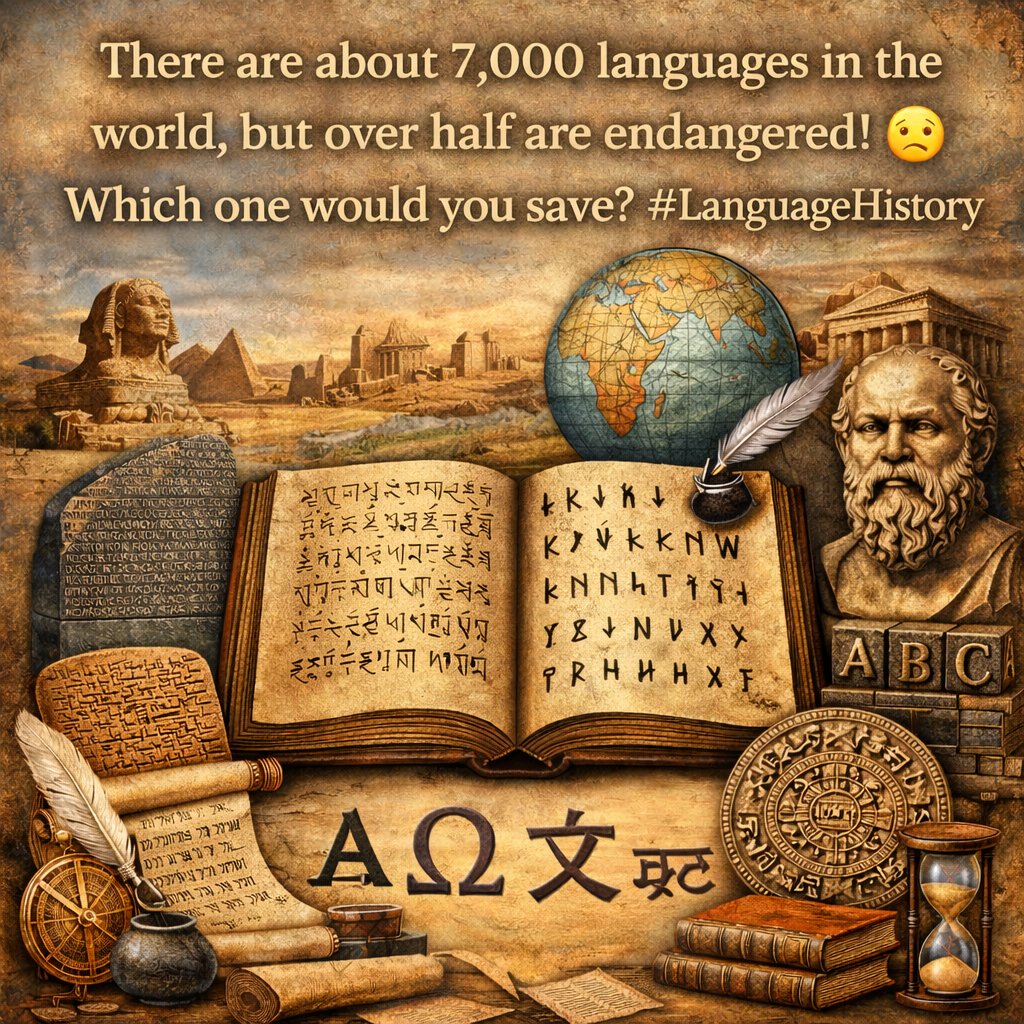
"There are about 7,000 languages in the world, but over half are endangered! 😔 Which one would you save? #LanguageHistory"
26
90

19 Dec 2025
Very demure. Very mindful. ✨
"Demure" isn't just about being shy or modest. It traces back to the Old French word 'meur', meaning "mature" or "serious."
Being demure today? 👇
#demuretrend #etymology #wordnerd #languagehistory #slang #genzslang# mediapilot

2
521

6 Nov 2025
8️⃣ So next time you open one —
remember, you’re using a word that once broke the rules…
and became the rule.
#Hebrew #Etymology #Linguistics #LanguageHistory
13
566

1 Nov 2025
🚨 THIS WEEK🚨
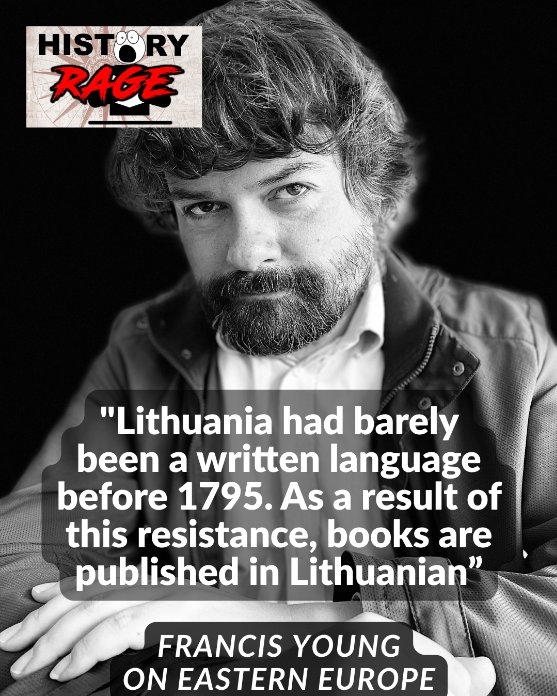
🕊️ From resistance to written word — how Lithuania found its voice through cultural defiance.
📖 @DrFrancisYoung unpacks the story in this week’s episode.
🎧 Now streaming! pod.fo/e/344d9f
#Lithuania #LanguageHistory #EasternEurope #HistoryRage #CulturalHeritage
4
248
23 Oct 2025
The language King David spoke?
He would’ve called it Yehudit. (11)
#Hebrew #LanguageHistory #BibleHistory #Etymology #JewishHistory #HebrewLanguage #AncientLanguages #HistoryThread
3
1
26
1,223

6 Oct 2025
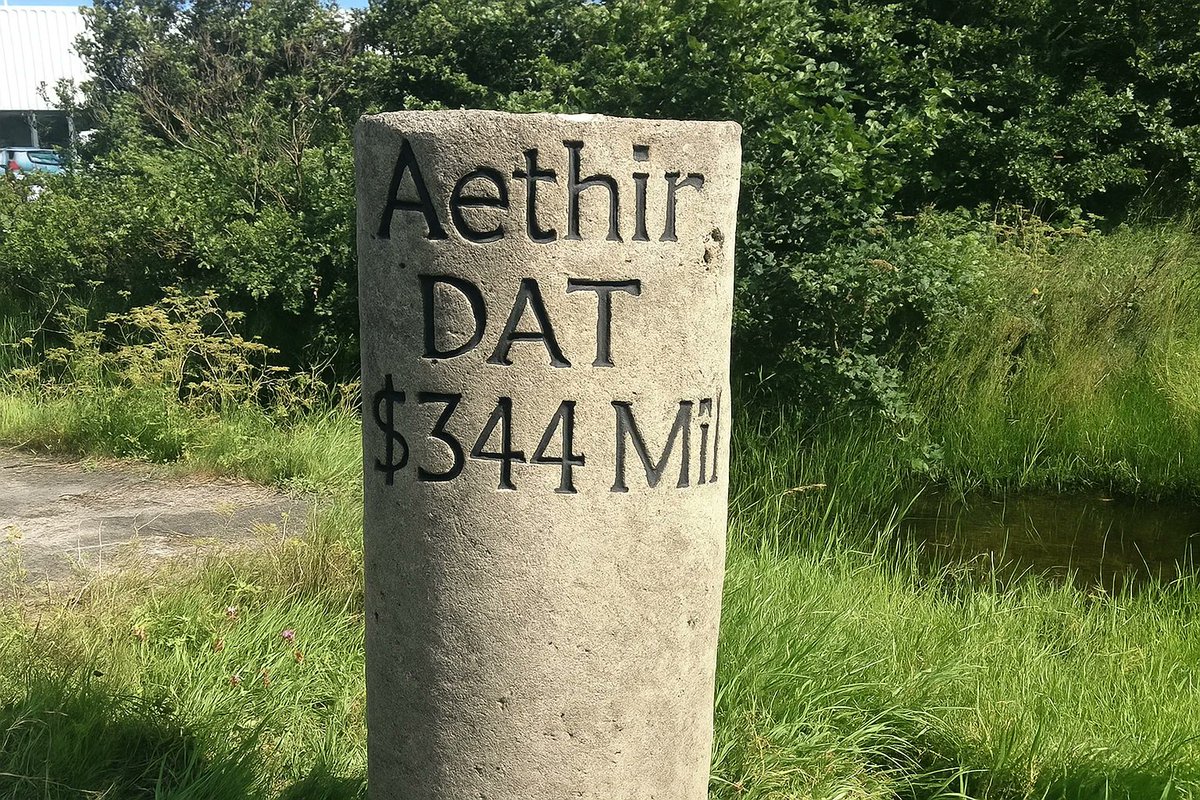
Aethircloud launches $344 Mil DAT!
A huge Milestone for @AethirCloud
Ánd crypto!
🚩 Where does “milestone” come from?
Long before it meant a major achievement, a milestone was literally a stone placed every mile along a road — marking how far travelers had come and how far they still had to go.
🏛️ The term goes back to Ancient Rome, from mille passus (“a thousand paces”).
Each stone marked progress on the journey — just like our milestones in life or innovation today.
So next time you reach a milestone, remember:
You’re walking in the footsteps of history. 👣
#Etymology #FunFact #LanguageHistory #Milestone @AethirEco #Aethir #Zentry

Recently, @AethirCloud raised $344 million for the Aethir DAT, aka Strategic Compute Reserve, now trading on NASDAQ under $POAI.
Last week I mentioned I’d share why I believe DATs are massively bullish - but more importantly, why what we built with the Aethir DAT is one-of-a-kind, world-class, and the most bullish structure imaginable for driving value to $ATH and its holders.
This is a work of art - a true fusion of capital markets and tokenomics working in perfect sync to amplify network value.
This is the creation of a legacy. Study the images. Ask me questions. But understand this - You are not bullish enough.
3
1
28
330

4 Oct 2025
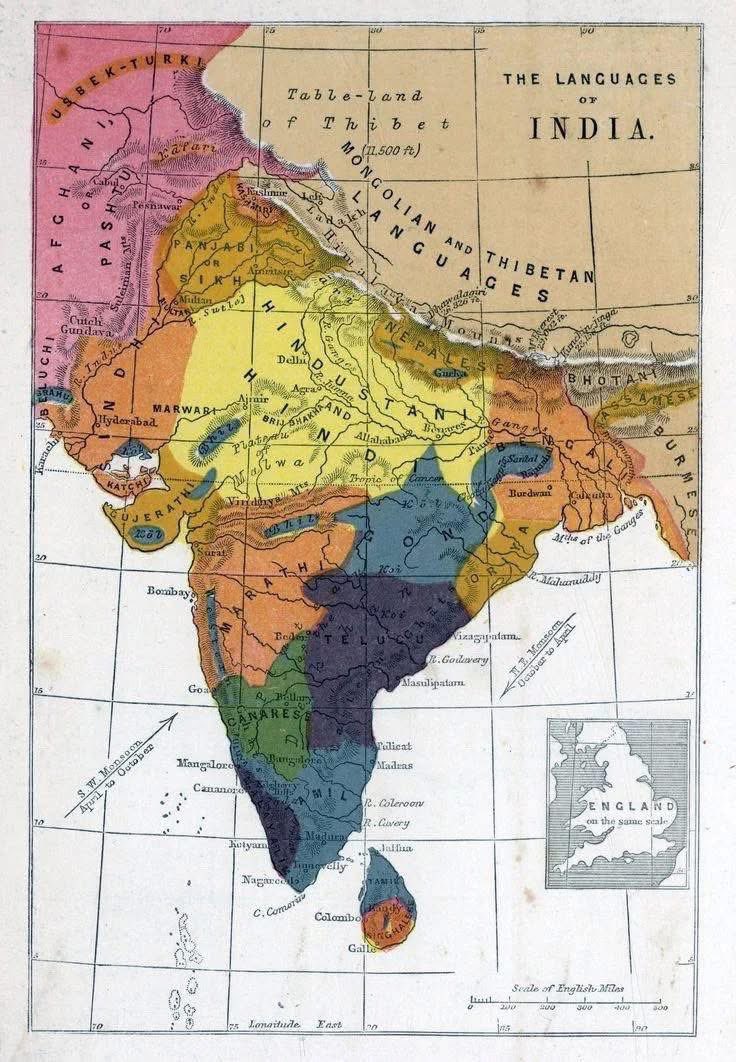
Linguistic Map of India, 1862 — A Colonial-Era Vision of Diversity
The 1862 linguistic map of India is a fascinating historical document — one of the earliest attempts to chart the immense linguistic diversity of the subcontinent. 🇮🇳✨
Created during the British colonial period, this map reflects how 19th-century scholars viewed India’s languages through the lens of empire and emerging linguistics.
🧭 What It Shows:
• Major language families such as Indo-Aryan, Dravidian, Tibeto-Burman, and Austroasiatic
• Broad zones rather than precise boundaries — reflecting limited data and colonial classification
• The colonial interest in mapping language as part of administration and ethnographic study
📜 Historical Context:
• Part of early philological efforts influenced by figures like Sir William Jones and the discovery of Indo-European links
• Reflected British efforts to understand India’s peoples for governance, but often oversimplified complex linguistic realities
Today, we recognize that India’s linguistic landscape is even richer and more fluid — with hundreds of languages and countless dialects, shaped by history, migration, and cultural exchange. 🌍💬
The 1862 map stands as both a testament to diversity and a window into colonial knowledge-making.
#LinguisticMap #India #HistoricalMaps #LanguageHistory #ColonialIndia #Philology #Toponymy #IndoAryan #Dravidian #LinguisticHeritage #MapHistory #CulturalDiversity
11
505

4 Oct 2025
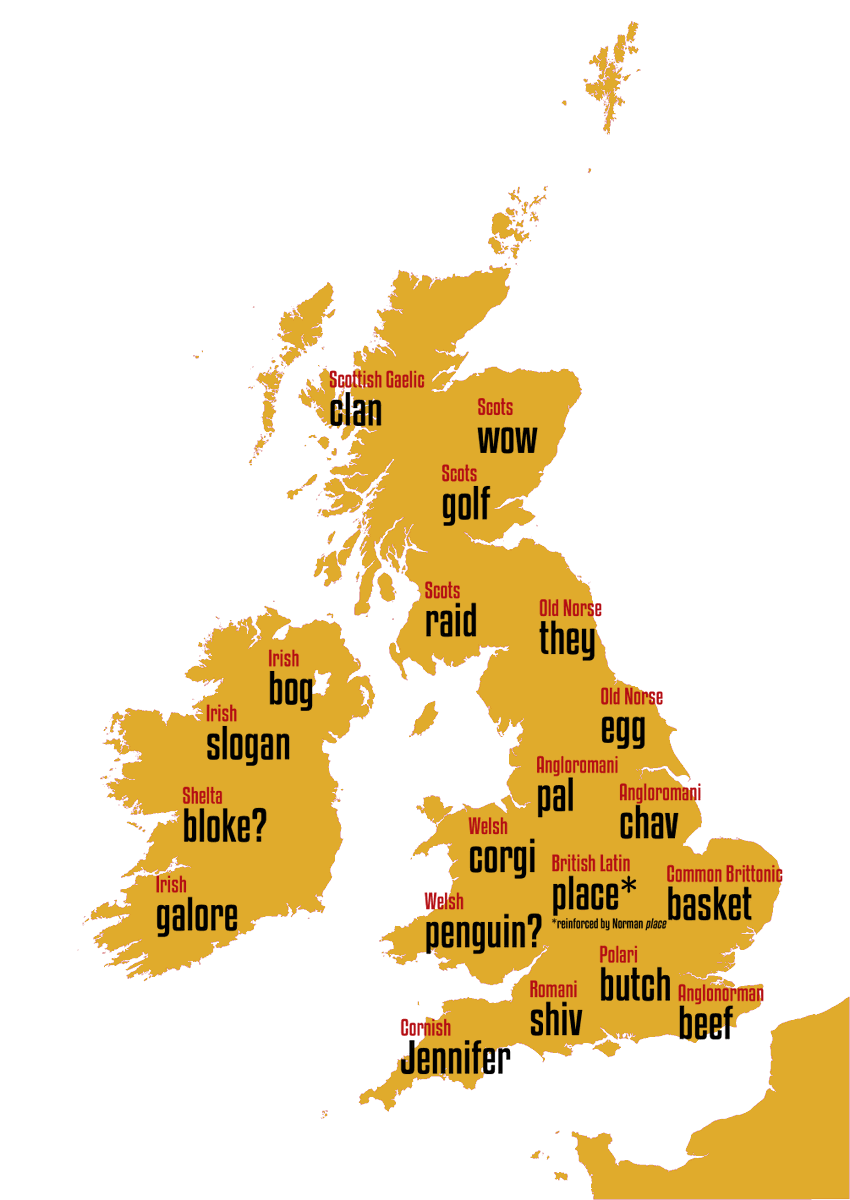
English is a patchwork of the Isles: Irish (bog, slogan), Welsh (corgi), Cornish (Jennifer), Old Norse (egg, they), Brittonic (basket), and more. 🌍
#LanguageHistory
6
939