
31 Dec 2025
🧠 Trivial Pulse | Wednesday
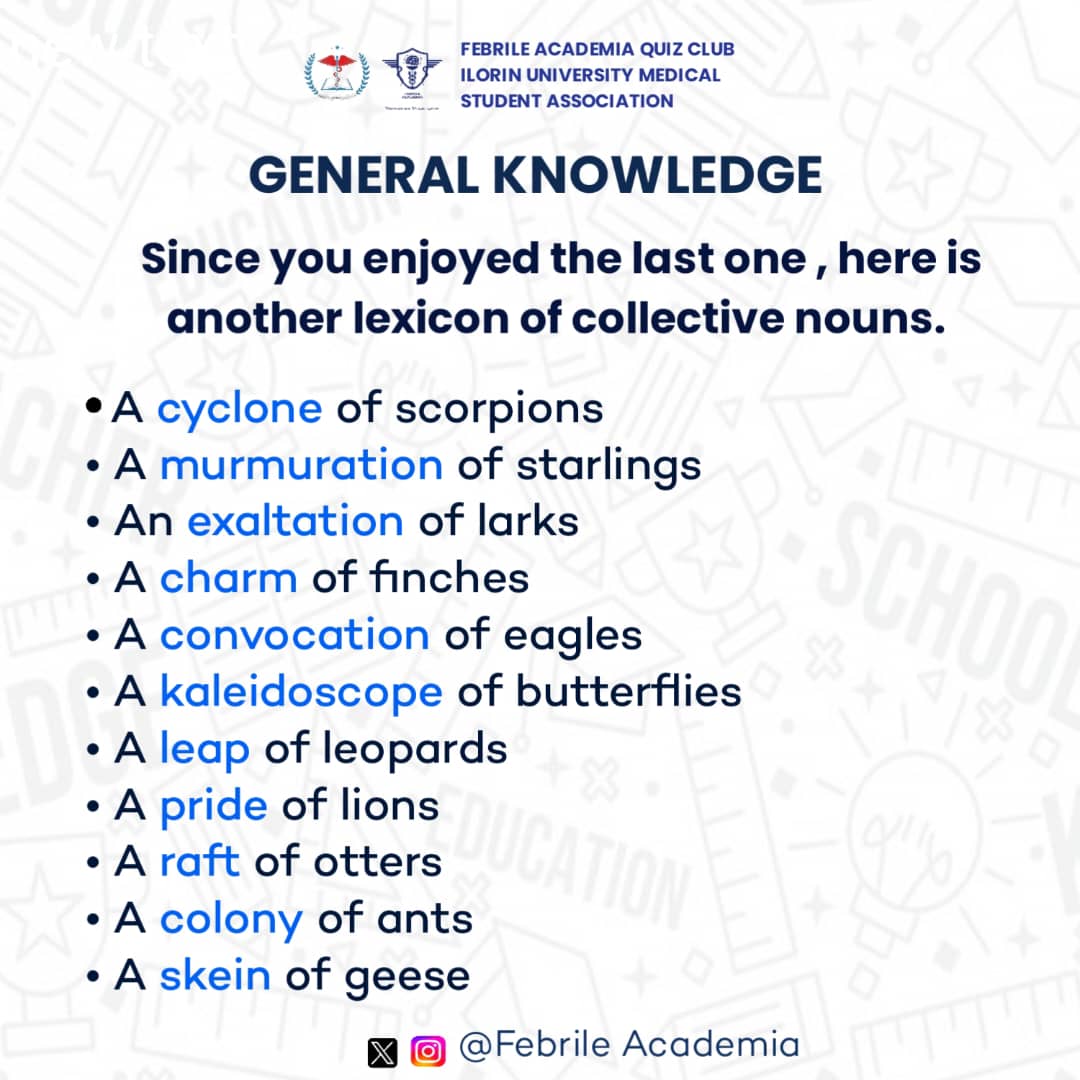
Words can be as intriguing as facts. Which one surprised you the most?
#TrivialPulse #FebrileAcademia #GeneralKnowledge #WordFacts #QuizCulture #LanguageTrivia
4
6
131

7 Nov 2025
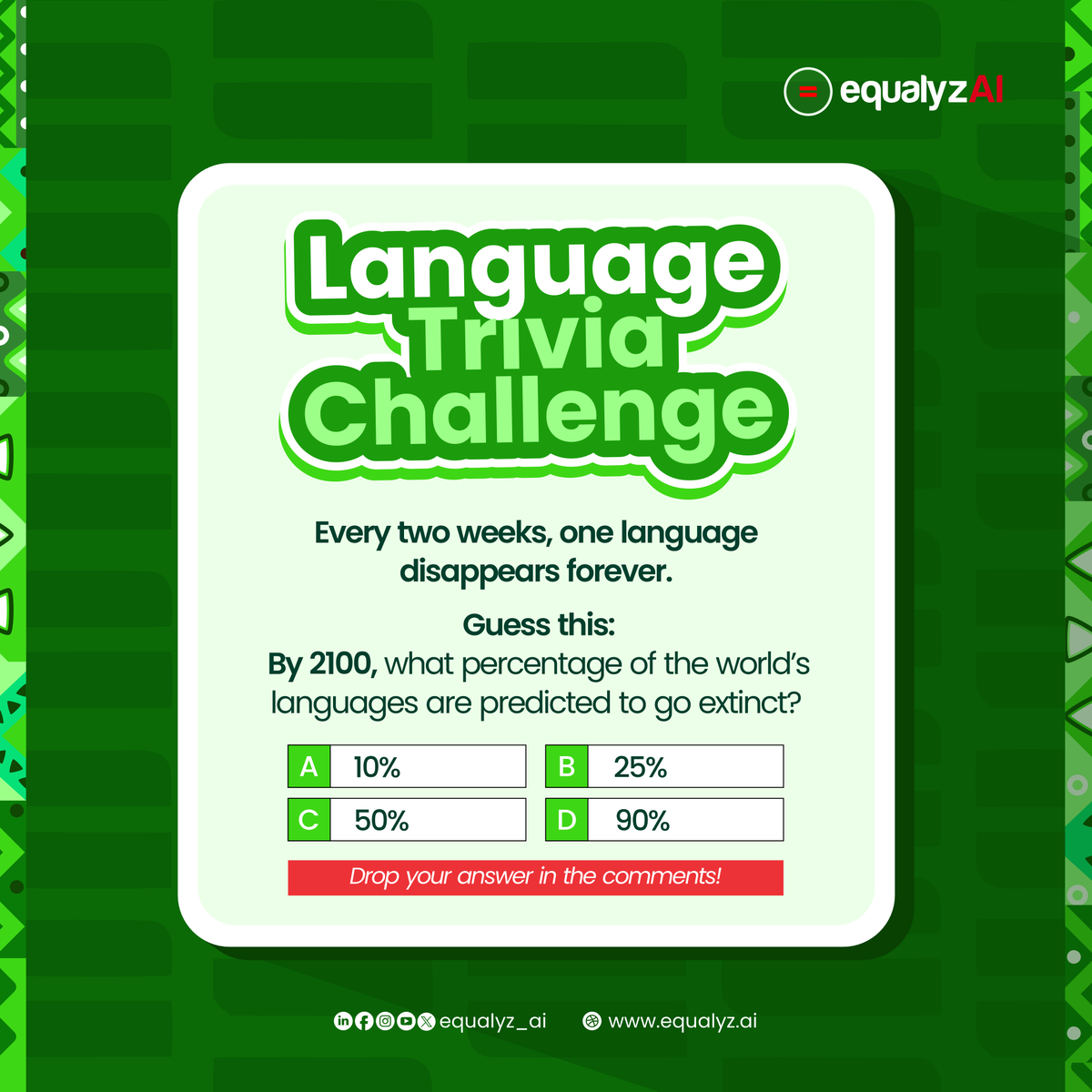
Here’s a fact that hits close to home every two weeks, the world loses a language.
And with it, we lose our way of seeing, thinking, and connecting with the world.
By 2100, linguists predict that up to 90% of the world’s 7,000 languages could disappear many of them from Africa.
That’s not just a loss of words, it’s a loss of wisdom, heritage, and identity.
@equalyz_ai , we’re on a mission to make sure Africa’s languages don’t become history, but the future of AI.
Because when technology learns to speak our languages, no voice goes silent.
👉🏾 Comment your guess below, tag a friend to take the challenge, and let’s raise awareness for language preservation together!
@AfricanHub_ @_AfricanUnion @AfricanArchives @AfriLanguages
#EqualyzAI #LanguageTrivia #LanguageInclusion #AIForGood #CulturalTech #LinguisticDiversity #VoiceOfAfrica #EndangeredLangua
35
179


24 Jul 2025
Today’s Quintalist dives into the most spoken languages at home in the USA! Play at quintalist.com
REPOST CHALLENGE! - Repost this today, and one lucky reposter will win access to all our archived games!
#Quintalist #Wordle #LanguageTrivia @MerriamWebster @duolingo
3
49

20 Jun 2025
Enter: kilo
Derived from chilioi, “kilo” means 1,000 in the metric system.
– Kilometer = 1,000 meters
– Kilogram = 1,000 grams
– Kilowatt = 1,000 watts
Thus, K = kilo = thousand.
#ScienceTrivia #LanguageTrivia #KnowledgeIsPower #History
5
61

29 May 2025
Why Are We All Just Silly Geese? The Surprising Origins of a Classic Phrase!
#FunFacts #LanguageTrivia #Facts #𝒟𝒾𝑒𝒷𝒪1 #𝒟𝒾𝑒𝒷𝒪37 wordsmarts.com/silly-goose/?…
23
24
290

20 May 2025
क्यों बोलते हैं हैलो?
#originofhello #hello #hellogreeting #WhyWeSayHello #LanguageTrivia #HelloHistory #DidYouKnow #Drishtiiasshorts
16
1,213

12 Apr 2025
📣 Fun fact: The word “sarcasm” comes from Greek meaning “to tear flesh.” Words can bite. #LanguageTrivia
2
4
649

5 Mar 2025
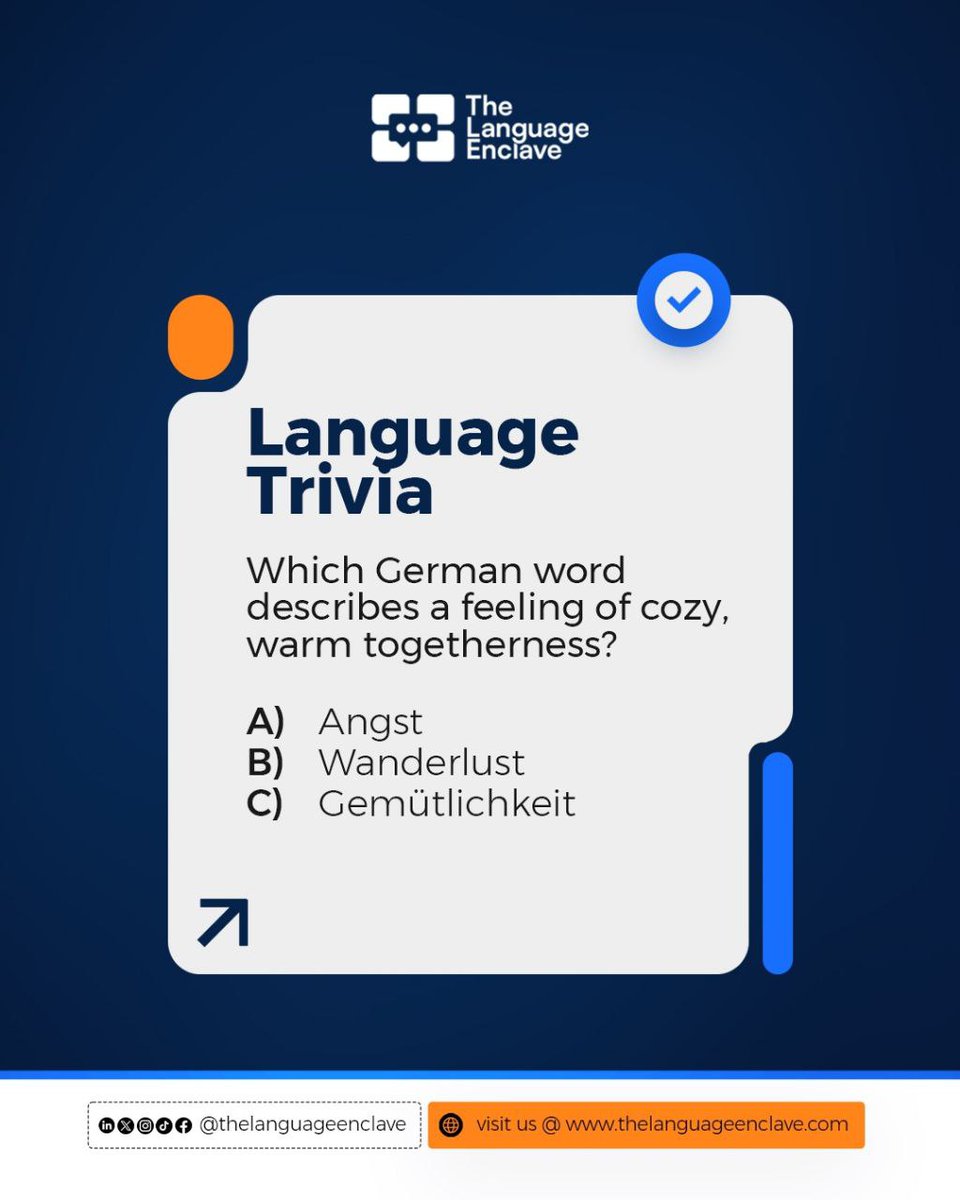
It's another Wednesday and of course, it's Trivia Wednesday 🥳
Try these trivias and tag your friends to try them too.
#languagetrivia
#TLE
#Spanish
#French
#German
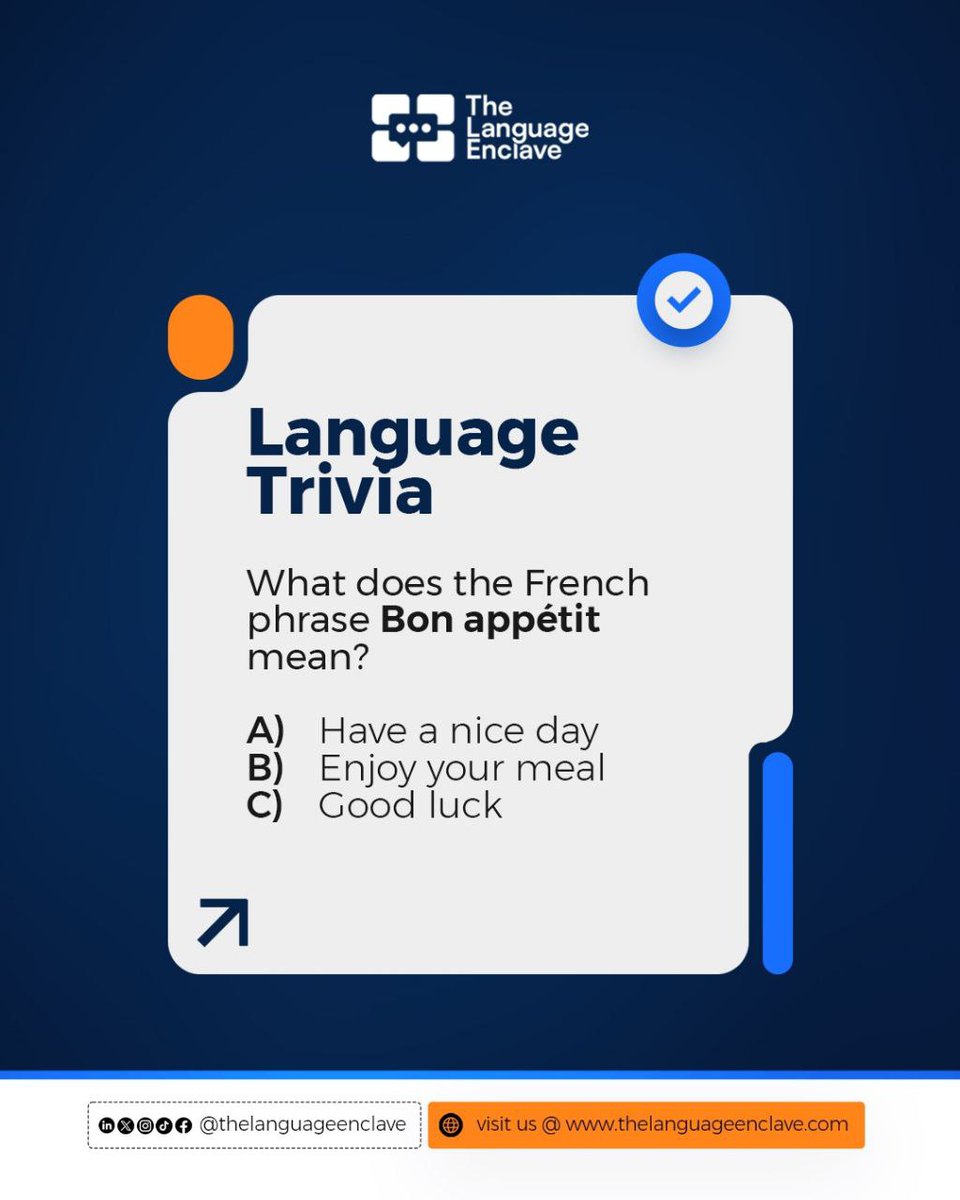
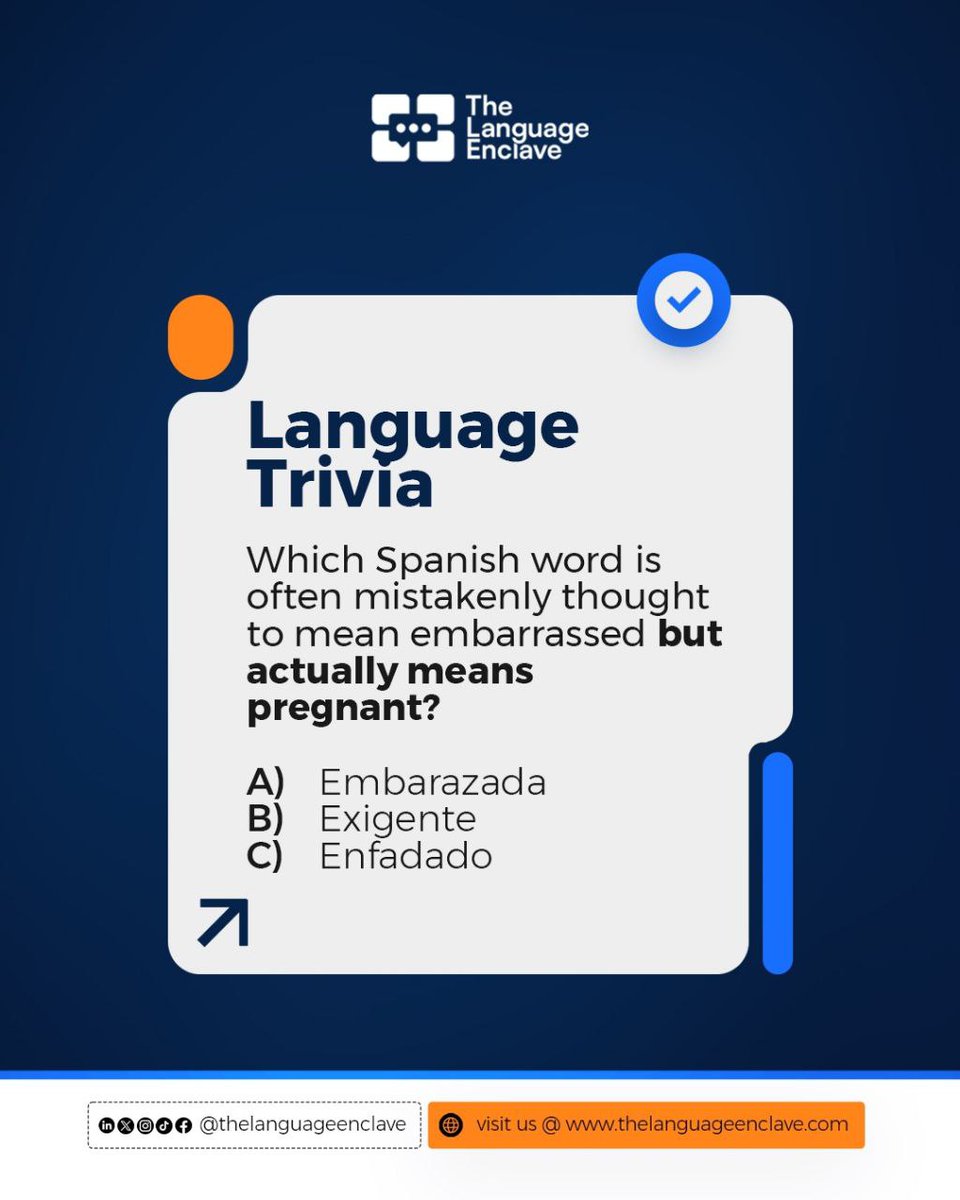
2
9
25 Feb 2025
🤔 Did you know? The word “quiz” might have been invented as a prank! Let’s keep surprising the world with new words. #LanguageTrivia
2
472
3 Feb 2025
🌟 Did you know? The word “inspire” comes from Latin “inspirare,” meaning “to breathe into.” Inhale creativity, exhale brilliance! #LanguageTrivia
2
558

17 🌜 Ever wonder why we say "hit the sack" when crashing into bed? It dates back to when mattresses were just sacks filled with hay! 🛏️
So, every time you doze off, you’re basically time-traveling to a simpler sleep era! 🕰️💤 #SleepFacts #LanguageTrivia #idioms. (17/n)

1
2
34
20 Jan 2025
🏠 Eavesdropping originally meant lurking under eaves to listen—words have sneaky histories! Stay curious. #LanguageTrivia #HistoryNugget
7
596
17 🌜 Ever wonder why we say "hit the sack" when crashing into bed? It dates back to when mattresses were just sacks filled with hay! 🛏️
So, every time you doze off, you’re basically time-traveling to a simpler sleep era! 🕰️💤 #SleepFacts #LanguageTrivia #idioms. (17/n)

1
3
103

9 Jan 2025
Intriguing Fact of the Day 🔠
Did you know "whiskey" comes from the Old Irish word "uisce," meaning water? The full term "uisce beatha," meaning "water of life," was shortened over time to "usquebaugh" and eventually anglicized to "whiskey." This transformation illustrates how English incorporates and adapts foreign terms.
#EnglishQuirks #LanguageTrivia #CulturalExchange
1
55
6 Jan 2025
Intriguing Fact of the Day 🔠
The exclamation "O.K." originated in the 1830s as part of a humorous fad in Boston and New York newspapers where acronyms of misspelled phrases were popular. "O.K." stands for "oll korrect," a playful alteration of "all correct." It survived the fad and became a staple in English, showing how playful language can become a permanent linguistic fixture.
#EnglishQuirks #LanguageTrivia #WordOrigins
2
56
5 Jan 2025
Intriguing Fact of the Day 🔠
The phrase "peeping Tom" comes from the legend of Lady Godiva riding naked through the streets of Coventry. According to the story, a man named Tom watched her ride despite being ordered not to, giving rise to the term used today for a voyeur. This phrase's evolution into common language illustrates how historical events can influence English expressions.
#EnglishQuirks #LanguageTrivia #Expressions
2
1,709
29 Dec 2024
Intriguing Fact of the Day 🔠
Why does "island" include an "s" that we don’t pronounce? This quirky spelling is a result of a mistaken connection to the Latin word "insula," which means island. In Old English, it was spelled "igland," without an "s." However, in the 15th century, writers incorrectly started including the "s" to align with Latin, even though it was never pronounced. A fascinating glimpse into how historical misconceptions can influence spelling!
#EnglishQuirks #LanguageTrivia #SpellingMysteries
39

22 Dec 2024
🌏✨ The Languages of the Philippines: With over 180 spoken languages, the Philippines ranks as the 25th most linguistically diverse country in the world. A true cultural mosaic!
#Philippines #LanguagesOfTheWorld #CulturalDiversity #LinguisticDiversity #DidYouKnow #FunFacts #ExplorePhilippines #CulturalHeritage #LanguageTrivia #WorldFacts
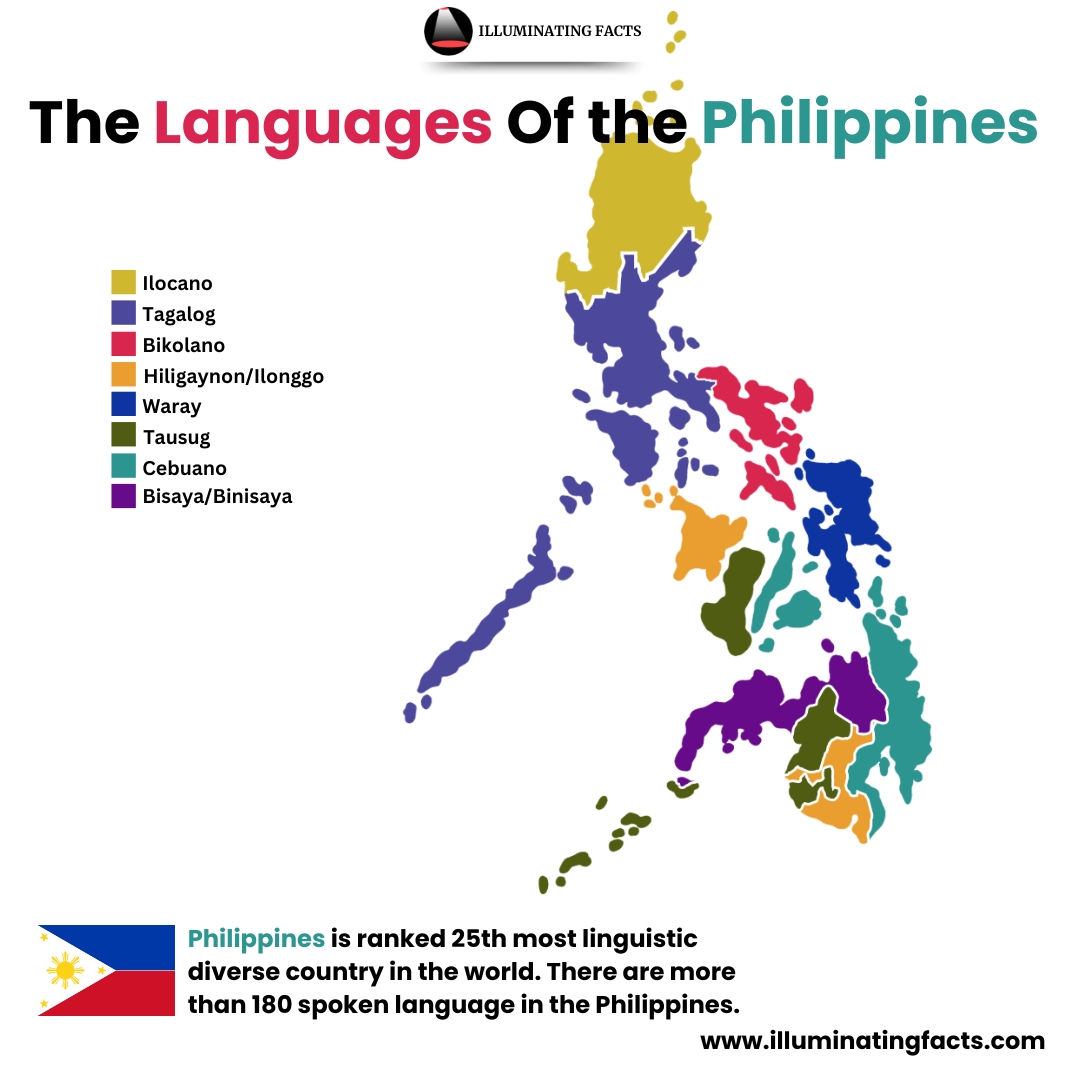
3
42

20 Dec 2024
Did you know? 🤔
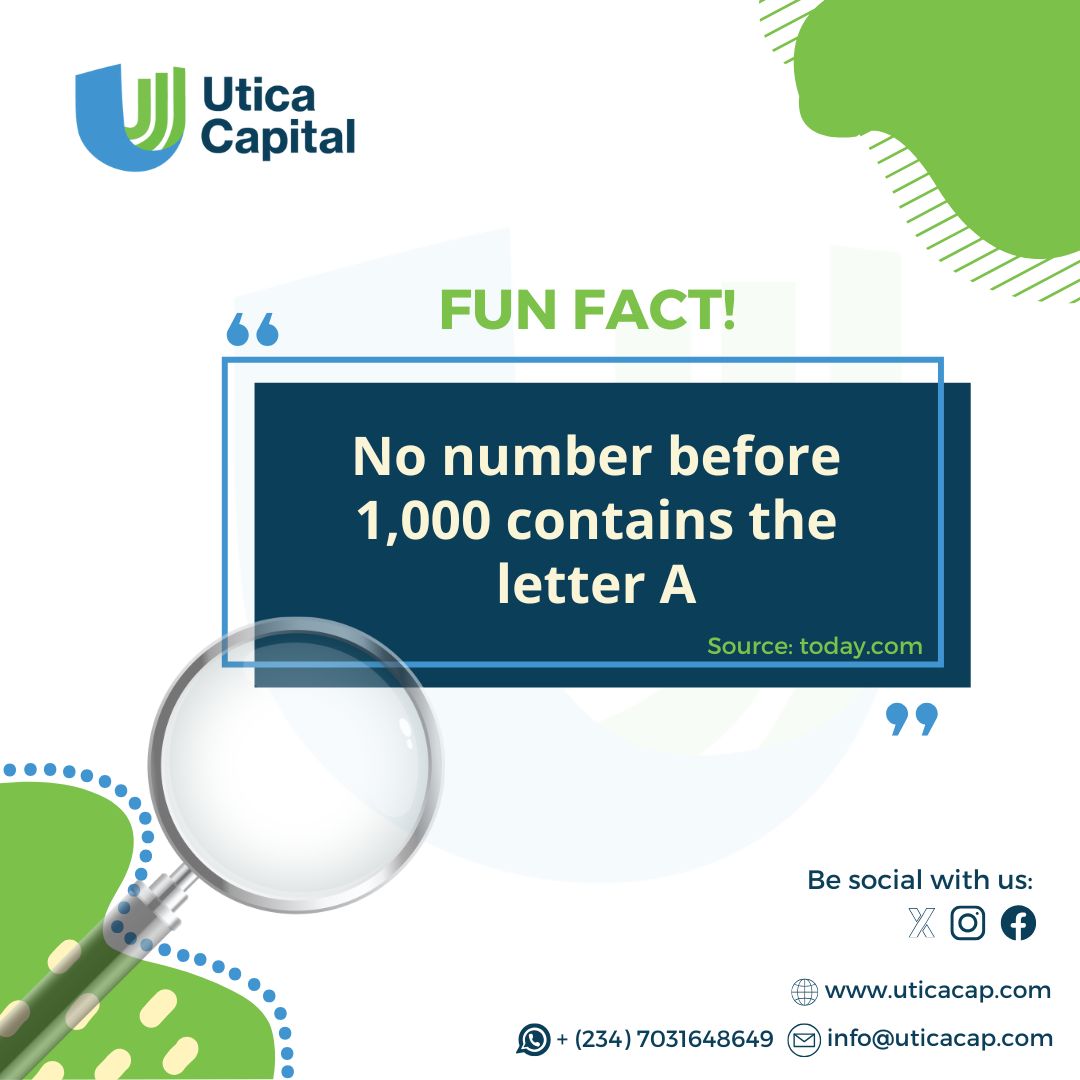
No number from 1 to 999 contains the letter A! 🤯
That’s right—when spelled out in English, words like one, two, three, and even nine hundred ninety-nine are completely "A-free." The first time "A" shows up is in one thousand!
#FunFacts #LanguageTrivia
7
10
100