
28 Aug 2025
ବିନା କୋଚିଂରେ ପାଠ ପଢ଼ା ଠପ୍ । ଚିନ୍ତା ବଢ଼ାଇଲା କେନ୍ଦ୍ର ସରକାର CMS ରିପୋର୍ଟ । ରାଜ୍ୟରେ ୫୦ ପ୍ରତିଶତରୁ ଅଧିକ ଛାତ୍ରଛାତ୍ରୀଙ୍କୁ ଟ୍ୟୁସନ୍ ବା କୋଚିଂ ଉପରେ ନିର୍ଭର କରିବାକୁ ପଡ଼ୁଛି । ଏଥି ପାଇଁ ଅଭିଭାବକଙ୍କୁ ଖର୍ଚ୍ଚାନ୍ତ ହେବାକୁ ପଡ଼ୁଛି ହଜାର ହଜାର ଟଙ୍କା । ଓଡ଼ିଶାରେ ପ୍ରାଥମିକ ସ୍କୁଲରୁ ଉଚ୍ଚ ମାଧ୍ୟମିକ ପର୍ଯ୍ୟନ୍ତ ତଥ୍ୟ ଦେଖିଲେ ସହାରାଞ୍ଚଳରେ ଛାତ୍ର ପିଛା ୧୦ ହଜାର ୮୯୯ ଟଙ୍କା ଏବଂ ଗ୍ରାମାଞ୍ଚଳରେ ୩ ହଜାର ୫୪୭ ଟଙ୍କା ଖର୍ଚ୍ଚ କରିବାକୁ ପଡୁଛି । ଏଥି ପାଇଁ ସ୍କୁଲରେ ଶିକ୍ଷକ ଅଭାବ ଓ ପାଠପଢ଼ାର ମାନକୁ ଦାୟୀ କରିଛନ୍ତି ଅଭିଭାବକ ଓ ଶିକ୍ଷାବିତ୍ ।
#OdishaEducation #StudentChallenges #CoachingDependence #CMSReport #EducationCrisis #OdishaSchools #ParentConcerns #LearningBarriers #EducationFunding #SchoolResources #StudentWelfare #OdishaNews #EducationReport #prameyanews7
4
175

3 Jan 2025
Learning is for everyone, but barriers can get in the way. Let's work together to overcome them. 🌍📘
#LearningBarriers #GrowthMindset #EducationMatters #KeepLearning
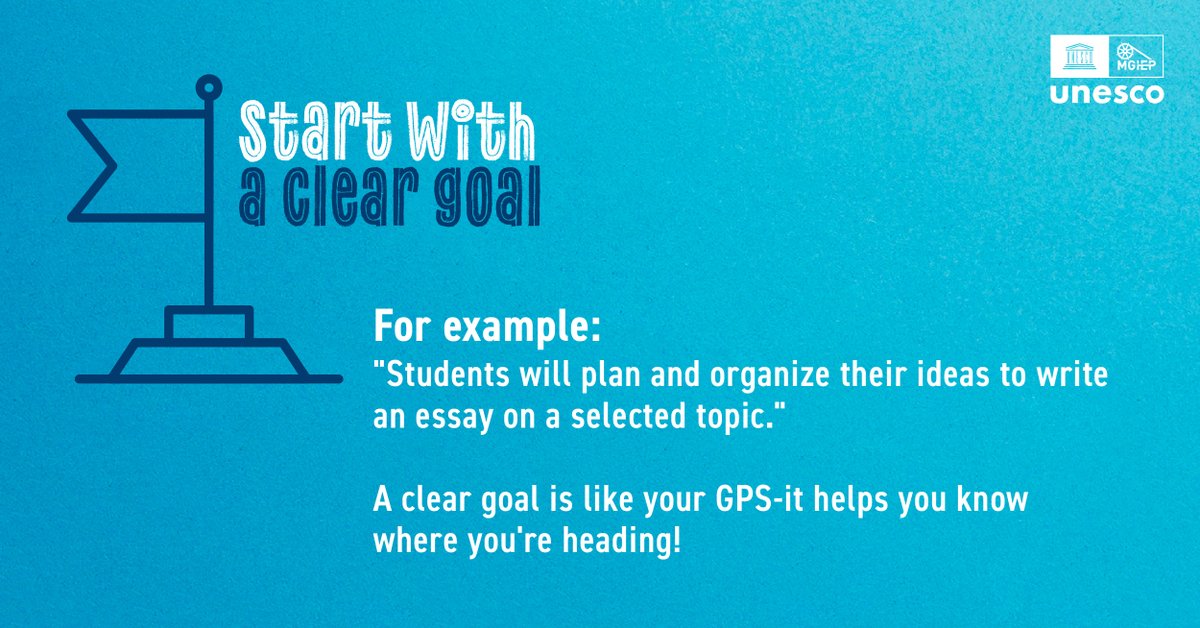
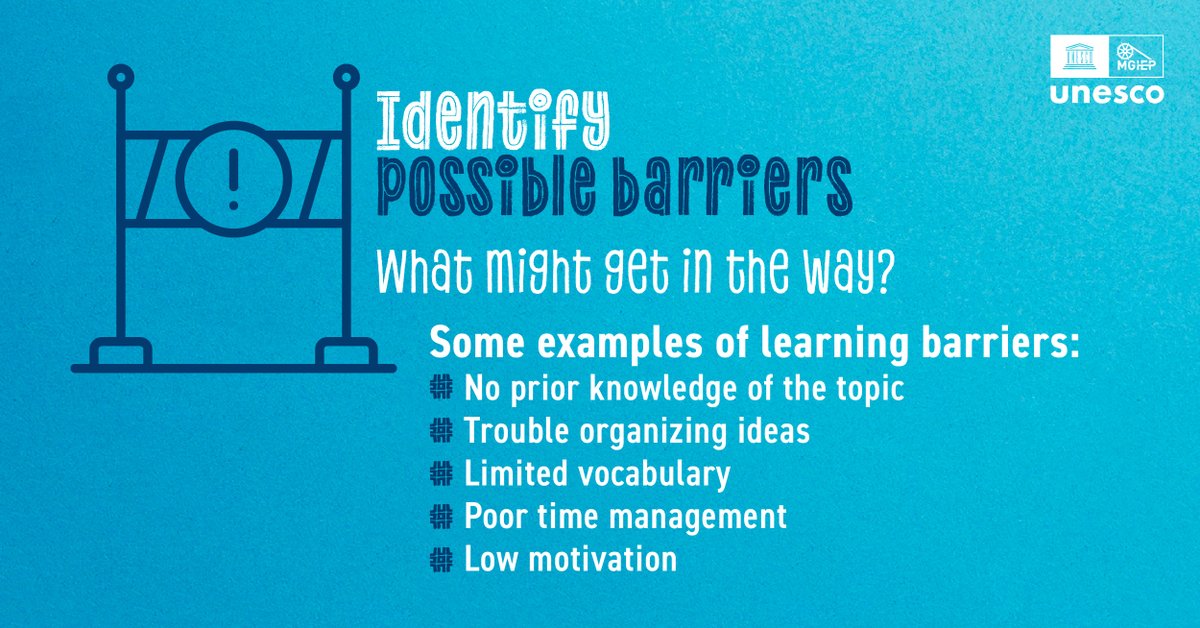

3
132

16 Oct 2024
Recognizing Symptoms of a High Affective Filter #AffectiveFilter#LanguageLearning#HighAffectiveFilter#LearningBarriers #StudentStress#SecondLanguageAcquisition#EmotionalImpact#EducationChallenges#ComprehensibleInput
3
5
198
30 Sep 2024
The Impact of the Affective Filter #AffectiveFilter #LanguageLearning #EmotionalImpact #SecondLanguageAcquisition #ComprehensibleInput #LearningBarriers #StudentSuccess #LanguageEducation #MindsetMatters #LearningChallenges
3
5
189
2 Sep 2024
Leslie Begert on Overcoming Barriers in Language Learning #AffectiveFilter #LanguageLearning #LeslieBegert #LanguageAcquisition #StudentSuccess #LearningBarriers #EducationTips #ComprehensibleInput #EmotionalLearning #LanguageTeacher
3
4
219

18 Dec 2023
University of Galway Ege Üniversitesi Universidade da Beira Interior - UBI University of Ruse "Angel Kanchev" EOLAS
#instructionaltechnology #Erasmusplus #learningbarriers #educationaltechnology #STEM
127

🧵 **Thread: How to Use Fogg's Behavior Model & ChatGPT to Beat Learning Procrastination**
1/ 📚 When learning something challenging, procrastination often kicks in, making us delay or avoid the task altogether. One key reason? Low ability or perceived difficulty. #learning #procrastination
2/ 👩🏫 Fogg's Behavior Model suggests that for a behavior to occur, three elements must converge: Motivation, Ability, and Triggers (MAT). #FoggsBehaviorModel
3/ 💡 Low ability = Procrastination. When a task feels too difficult or time-consuming, we're less likely to do it. This aligns with Fogg's "Ability" element. The less able we feel, the more likely we are to procrastinate. #learningbarriers
4/ 🪓 Break It Down! To combat this, break your complex learning tasks into simpler, more achievable chunks. This increases your "Ability," making it easier to initiate and complete the task. #taskmanagement
5/ 📋 Learning to code? Try and break your learning into micro tasks and time periods; "Watch a 10-min intro video," "Code a 'Hello World'," and "Complete one coding exercise." Smaller tasks = Less daunting = Higher ability. #coding
6/ 🚀 Add a Trigger. Use alarms, reminders, or a study buddy to remind you to start your simplified tasks. These triggers initiate the behavior, aligning with Fogg's "Trigger" component. #productivitytips
7/ 🤖 How ChatGPT Helps: Use ChatGPT to brainstorm task breakdowns, clarify concepts, or even practice what you've learned through interactive dialogue. It's like having a study buddy available 24/7. #ChatGPT
8/ 🔄 Repeat for any new concept from learning a new language to studying for exams.
---
1
133

7 Jul 2023
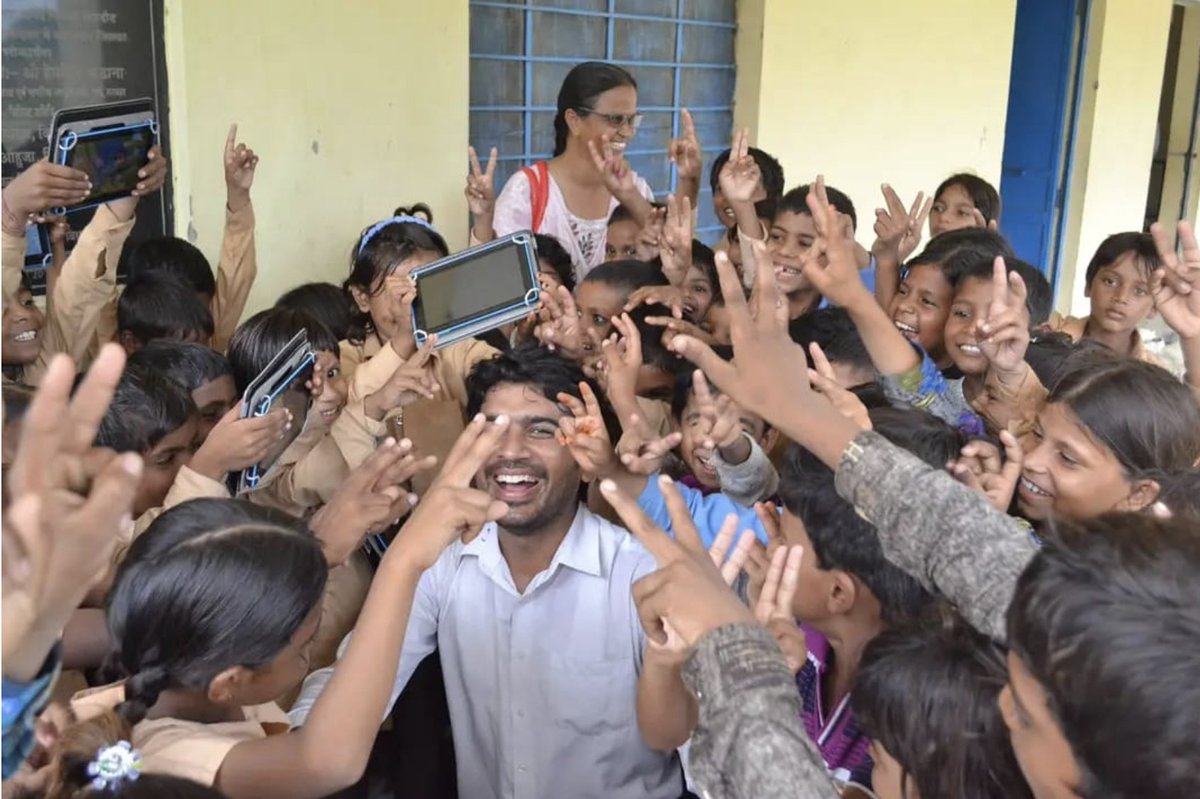
@EdtechBharat's #EdTech partner, @idreameducation is committed to bridging the #educationgap by ensuring effective #student #learningoutcomes. PawanKumar, Head of Operations and Implementations at iDream Education highlights the significance of breaking #learningbarriers in #Bharat. The iPrep app enables students to track their progress, fostering a conducive #learning environment. Read the full article here: bit.ly/46CjDVg
#DigitalLearning #LearningGap
@INDIACSR
2
210
27 Mar 2023
Anytime, anywhere #EdTech access is empowering #girls with equitable access to #educational resources, breaking #learningbarriers in #NabiPanah, #Lucknow. linkedin.com/pulse/digital-l…
#BEIInfluence #AmazingHappensHere #AHH #LearningOutcomes #EdTech
1
1
6
356

13 Jul 2021
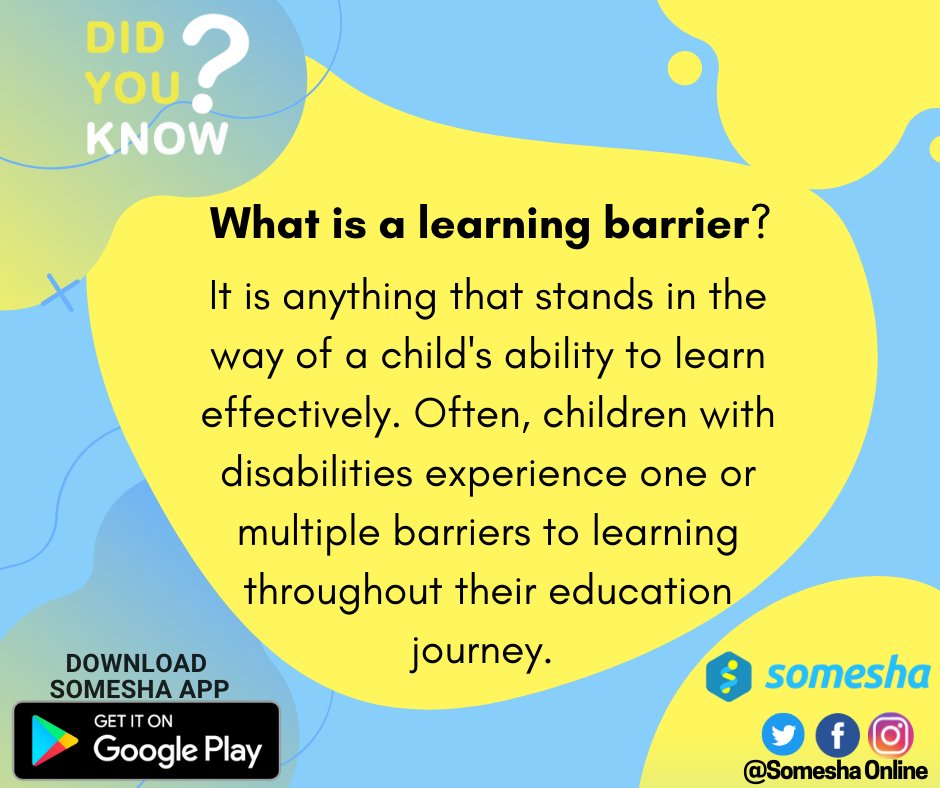
A child with disability requires varying levels of support in order to gain from the learning process. Removing learning barriers allows the child to fully participate in and enjoy learning.
#LearningBarriers
#InclusiveEducation
1
4

17 Feb 2019
Did you know that Nisai are a lead sponsor of @nasen_org? We are dedicated to helping children with special education needs achieve their learning goals through our smaller, more focused online classrooms. buff.ly/2SYzt6P #SEN #SEND #LearningBarriers

2
2
8 Jan 2019
We have received another wonderful testimonial video from a student. Daniel suffers from #ASD and could not get on in mainstream or special schools. He is now taking his #GCSEs with us at Nisai.
View the full video here: nisai.com/casestudies.html #autism #learningbarriers
1
2

21 Sep 2018
#accessibility to #Reading #LearningBarriers 🗝 @debraruh @AccessInclude @Susanjmccann @BethFratesMD @justfara @PsychologyDoc @DrDeniseMD @agargmd @MommyMusings @gary_hensel blogs.edweek.org/edweek/spec…
1
5

Deliver #LearningOpportunities, Decrease #LearningBarriers: A Mobile Ecosystem - Guest Blog by @heatherphammel as featured on @D2L
d2l.com/blog/deliver-learnin…
1
2
12 Jun 2017
3
1

26 May 2017
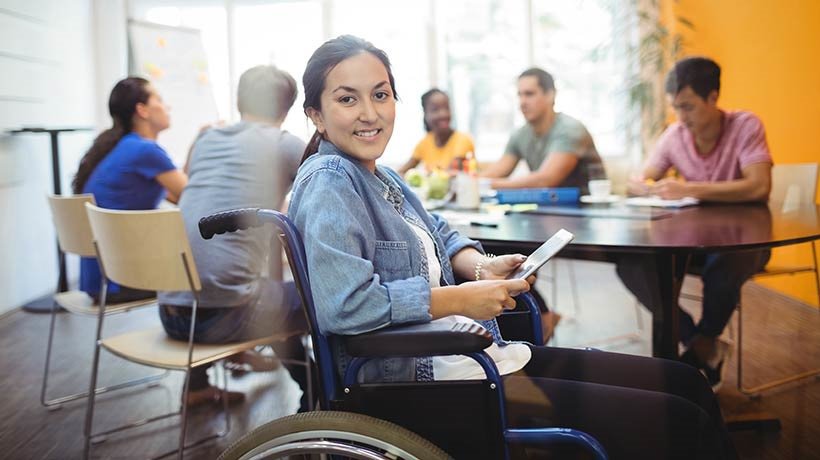
6 Tips For #Designing #Accessible #eLearning hubs.ly/H07CNF60 @elearnindustry #learningbarriers #cognitive #vision #hearing
1

17 Mar 2017
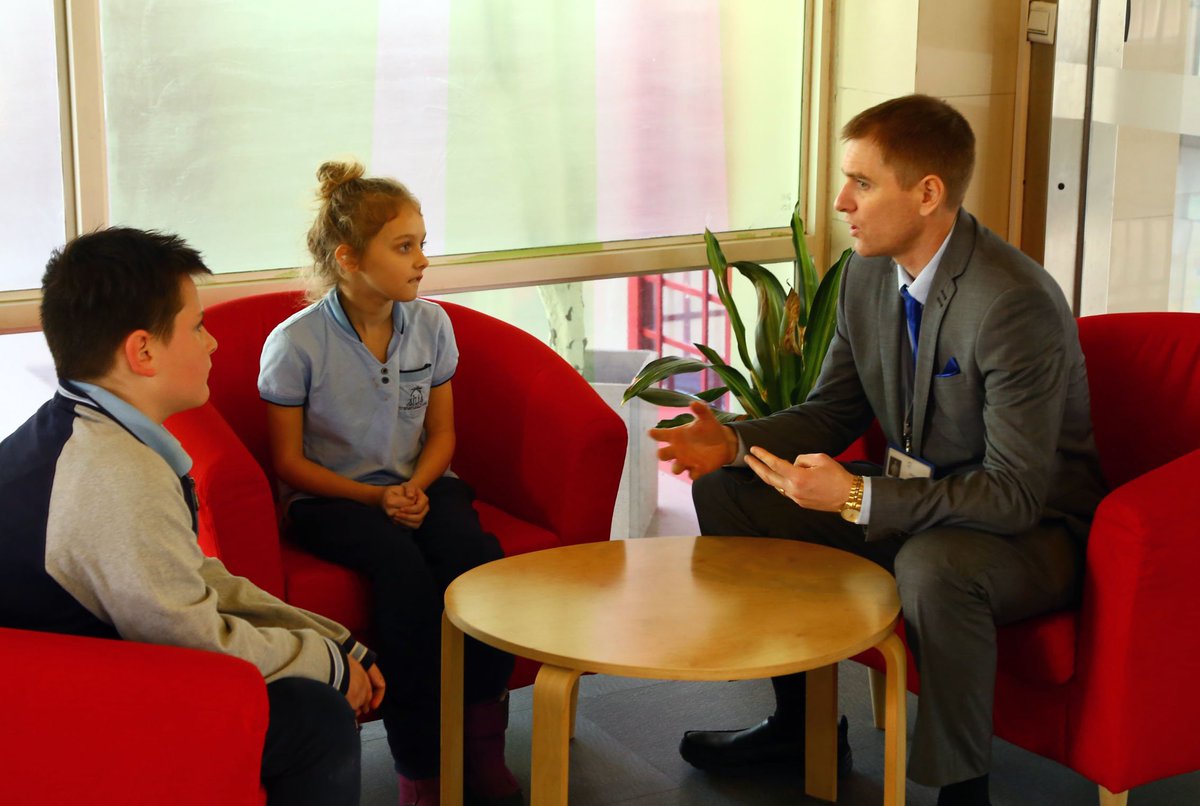
Challenging behaviour can be suggestive of #learningbarriers but how are #teachers overcoming them? ow.ly/ZBKC309Y8ci #edchat
2
3
1 Mar 2017
We support SEN students by creating a flexible curriculum, suited around their needs. bit.ly/2lTrBn2 #SEN #Learningbarriers
1
1

1 Mar 2016
"I cannot teach the HEAD when the HEART is broken or the MIND is troubled."- anonymous #ecs310 #collaboration #learningbarriers
3
2