
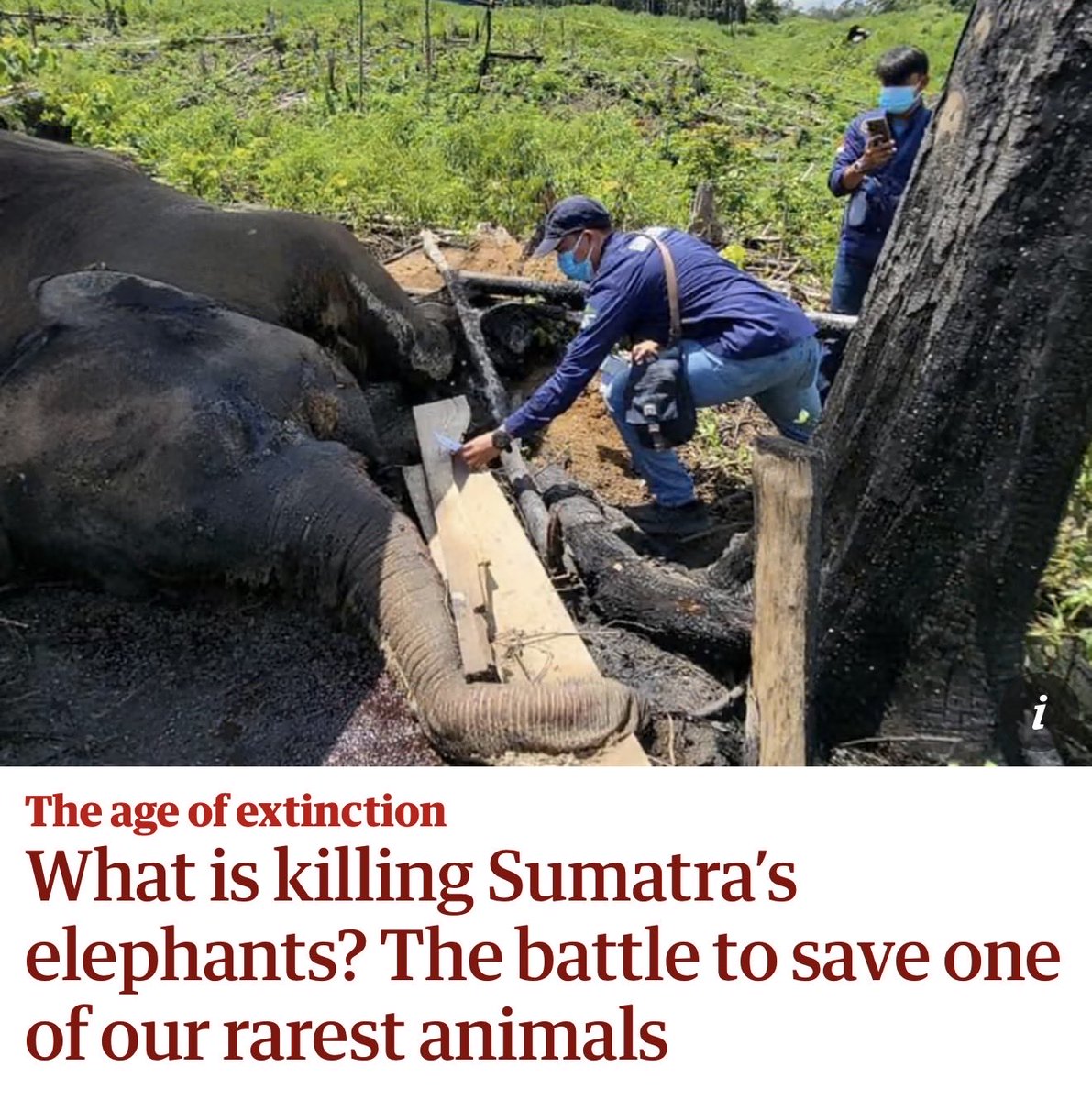
Why???? Because their habitat/home range is being decimated.
Humans are destroying 1000's of years of stable ecosystems, not only removing biosystems across the planet, we're destroying the #LifeSupportSystems that allowed us to exist..
No other animal does that.
Jun 5

Elephants are known as ecosystem engineers because their movements and behaviour help shape forest structure, open natural pathways, create space for new vegetation and play a crucial role in seed dispersal.
“Elephant conservation is not just about saving animals, but also about maintaining the sustainability of ecological systems that support the future of humanity,” Wahdi Azmi says.
theguardian.com/environment/…
9
20
311
Thank you, I never cease to be amazed at how wonderous & beautiful the biodiversity of life is on this #BlueGreenPlanet 💙🌏💚
If I was the boss of the world, I'd jail anyone who hurt or destroyed ours, & all beings #LifeSupportSystems
🐨🦦🐻❄️🦉🐸🦇🦘🦎🐜🦅🦜
#ToPrecious2Plunder
1
1
4
161

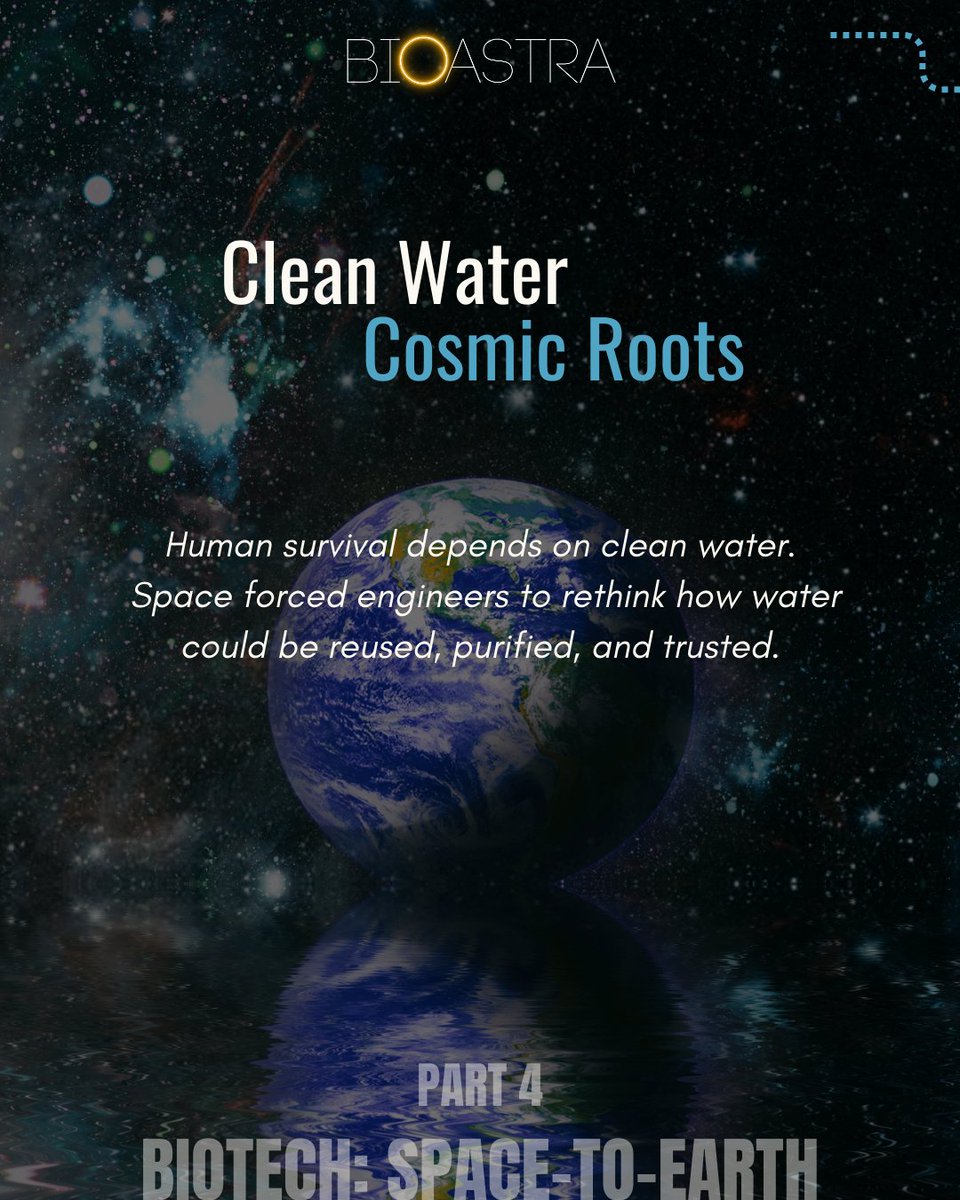
🌠BioTech: Space-to-Earth — how engineering built for space reshapes life on Earth.🌍
Human survival depends on clean water.
In space, every drop must be captured, purified, and trusted inside a closed system.
To meet that challenge, engineers developed advanced filtration and microbial control technologies for long-duration missions aboard the ISS. Those space-driven advances informed water purification systems now used on Earth, from hospitals and rural clinics to emergency and disaster-relief operations.
As the science evolved, these same principles influenced nanomembrane and biotech systems designed to remove pathogens, chemical contaminants, and certain microplastics with greater precision.
This progress builds on pioneering work by @ParagonSDC and its founder @Granttdh, whose innovations in life-support and environmental control helped lay the groundwork for modern closed-loop water systems.
What began as a necessity for spaceflight continues to shape how we protect life on Earth.
👀 Next up: nanosensors born from space science.
Featuring images courtesy of NASA.
#SpaceToEarth #WaterInnovation #CleanWater #SpaceEngineering #Biotech #LifeSupportSystems
1
3
90
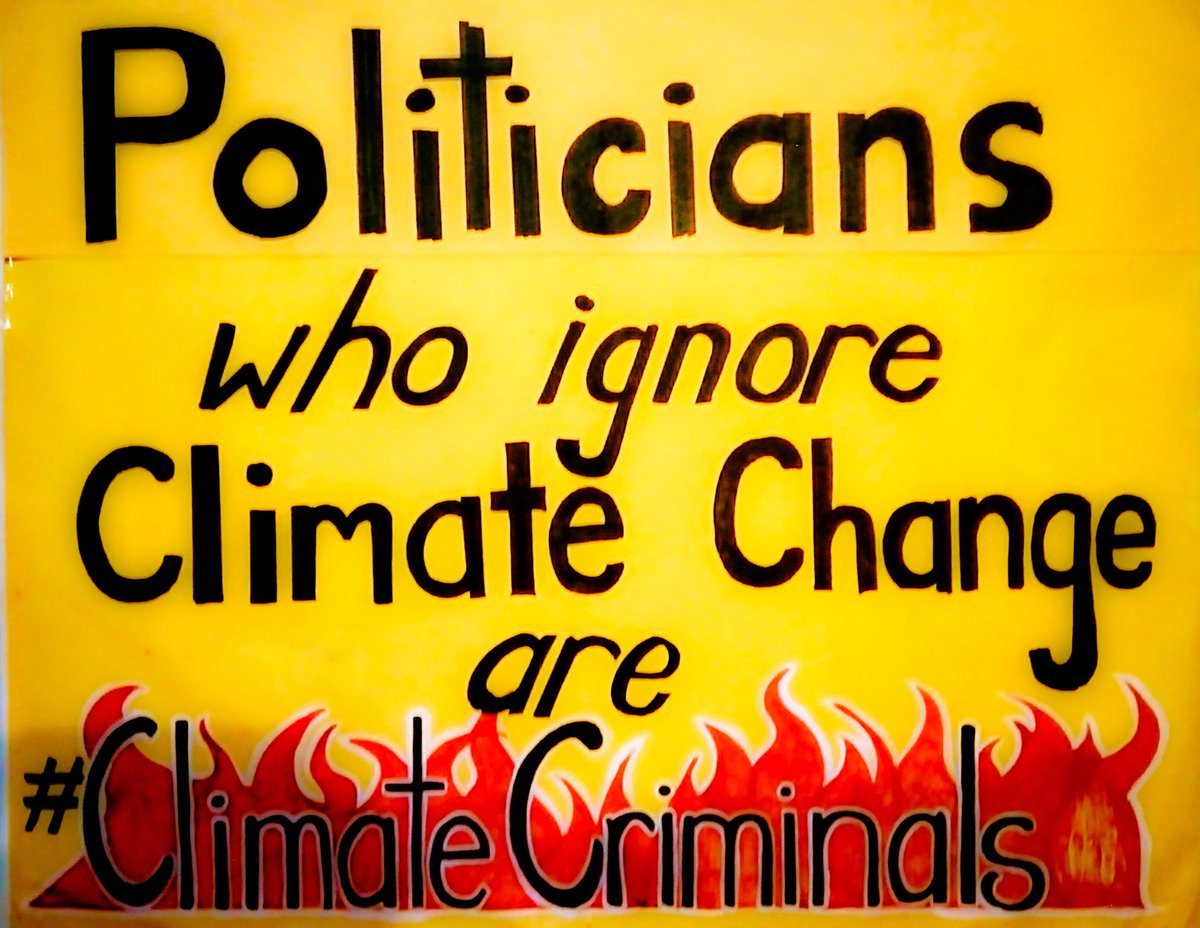
The #ClimateCrisis & #BiodiversityCollapse is bought to you by consecutive Gov's who enabled the Corporation to #CookthePlanet
This is deliberate #Ecocide .. knowingly, & with impunity, destroy our #LifeSupportSystems
#EcocideIsACrime
2
6
43

26 Jun 2025
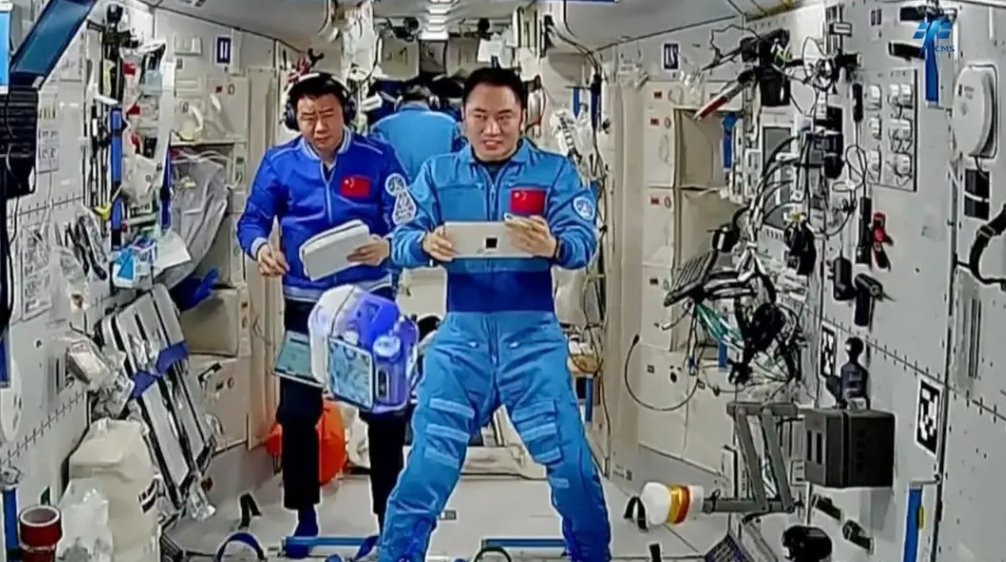
TECHNOLOGY NEWSWIRE: China Readies Shenzhou-20 Crew for Second Tiangong Spacewalk
China’s Manned Space Agency said that the three astronauts of the Shenzhou-20 mission will conduct their second spacewalk from the Tiangong station in the coming days.
The operation will be the crew’s second extravehicular activity since the mission began and will further test the outpost’s life-support and robotic systems.
Mission commander Senior Colonel Chen Dong and fellow astronauts Colonels Chen Zhongrui and Wang Jie have been aboard Tiangong since 25 April.
The agency said both the crew and the station remain in good condition and fully prepared for the continued incremental build-up of operational experience on its independently run Chinese orbital complex.
#Shenzhou20
#Tiangong
#Spacewalk
#Space
#ChineseAstronauts
#SpaceMission
#ExtravehicularActivity
#TiangongStation
#ChenDong
#ChinaMannedSpace
#SpaceExploration
#Astronauts
#Technology
#OrbitalComplex
#ChineseSpaceProgram
#TiangongSpacewalk
#SpaceNews
#Aerospace
#LifeSupportSystems
#RoboticSystems
#SpaceStation
#ChenZhongrui
#WangJie
#SpaceOperations
#ChineseSpaceAgency
#EVAMission
#SpaceResearch
#AstronautTraining
#TiangongMission
#SpaceInnovation
#OrbitalOutpost
#SpaceAdvancement
#ChinaInSpace
#China
#SpaceWalk2025
#TiangongCrew
#SpaceScience
#MannedSpaceflight
#SpaceDevelopment
#ChineseSpaceTech
#TiangongOperations
#AstronautLife
#SpaceExplorers
#MissionControl
#SpaceAchievements
1
5
195


17 Aug 2024
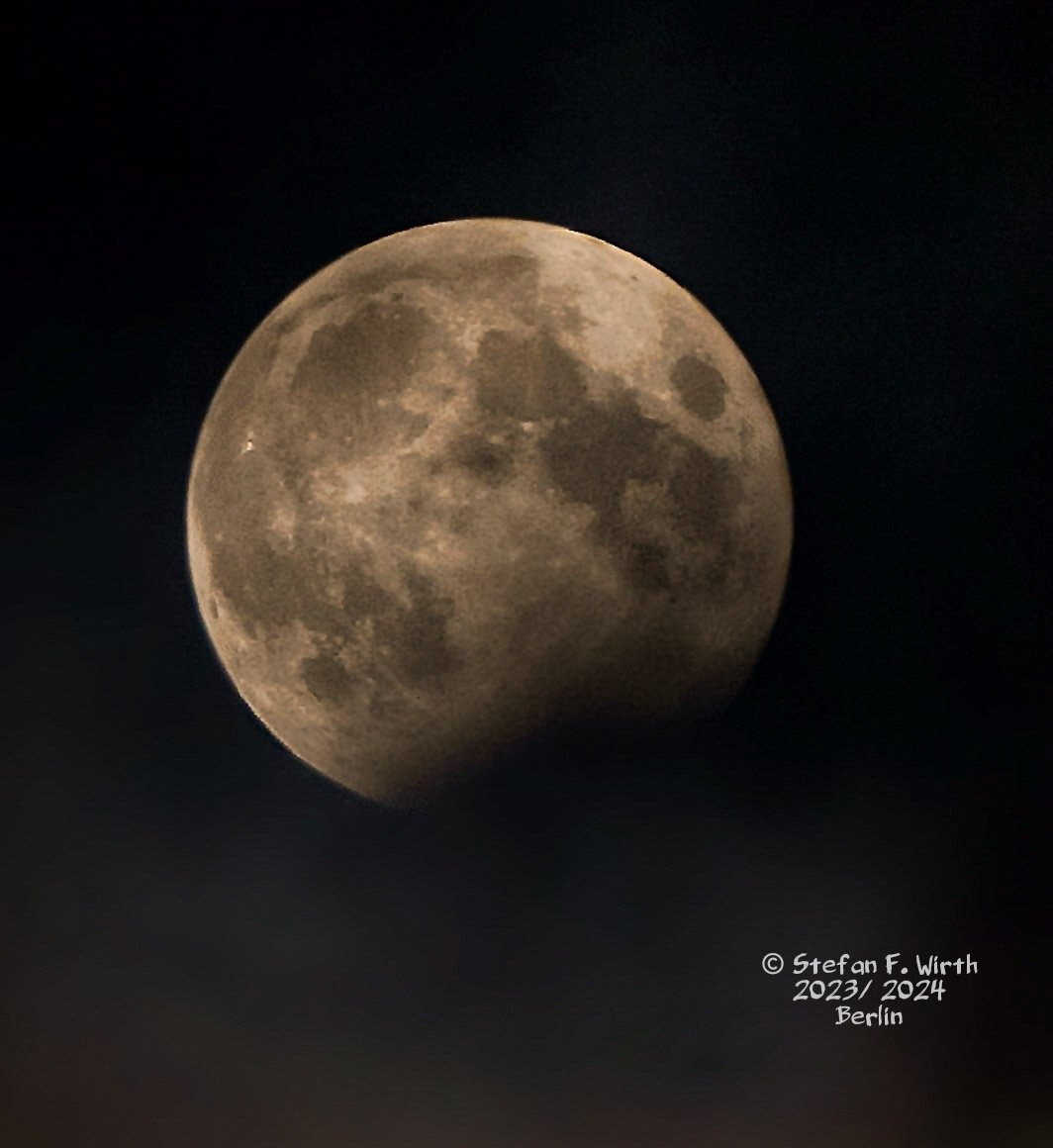
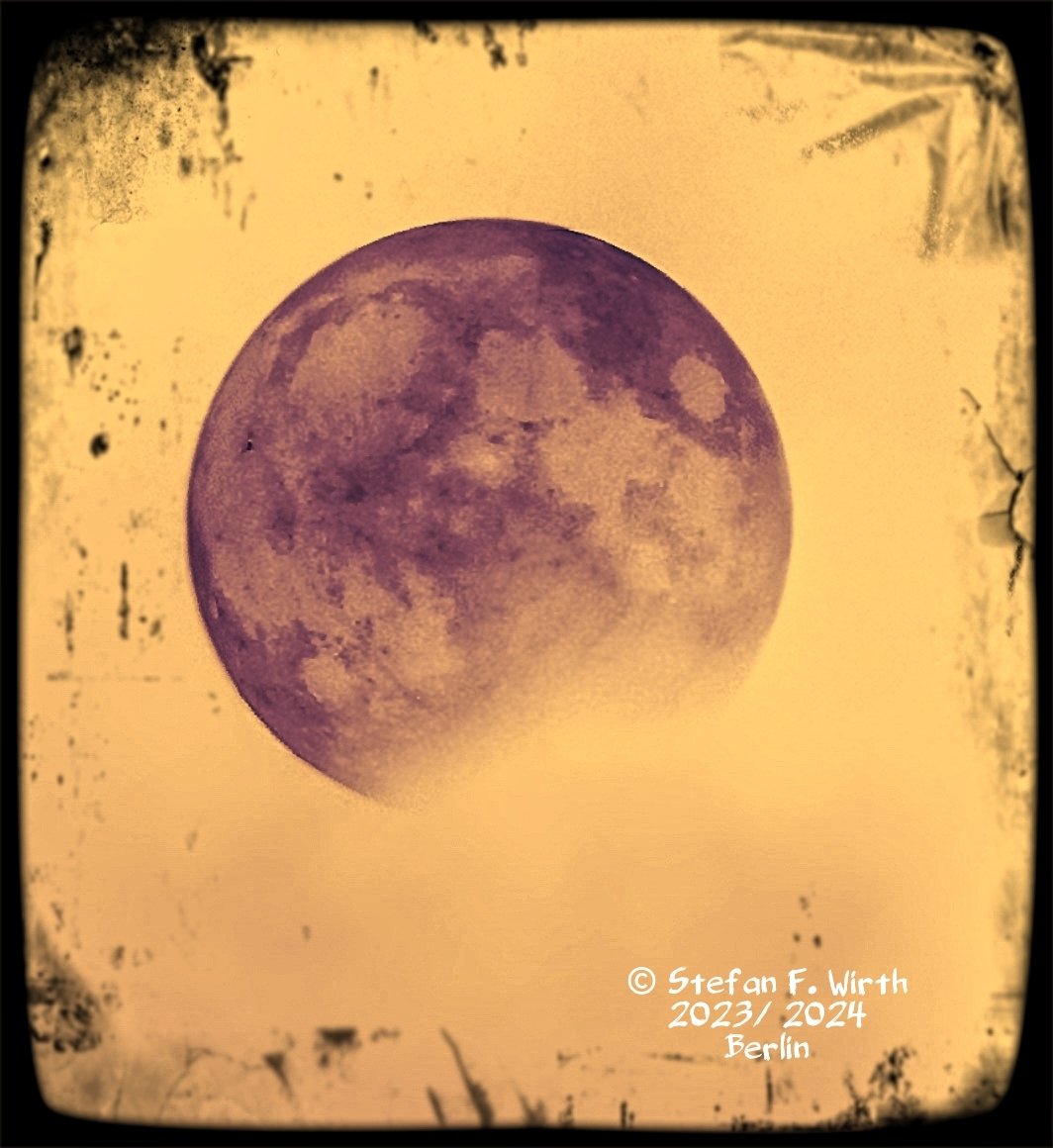
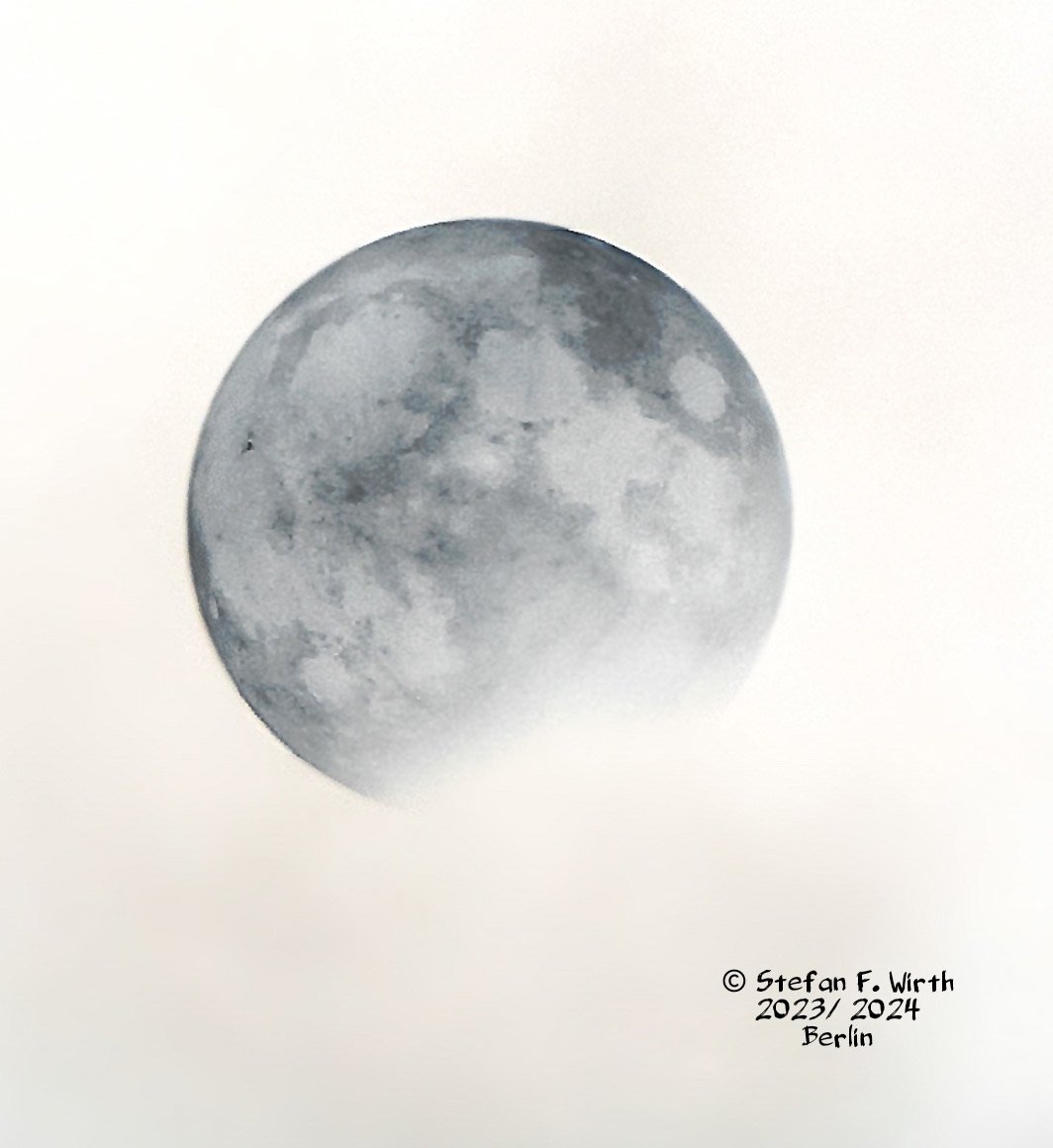
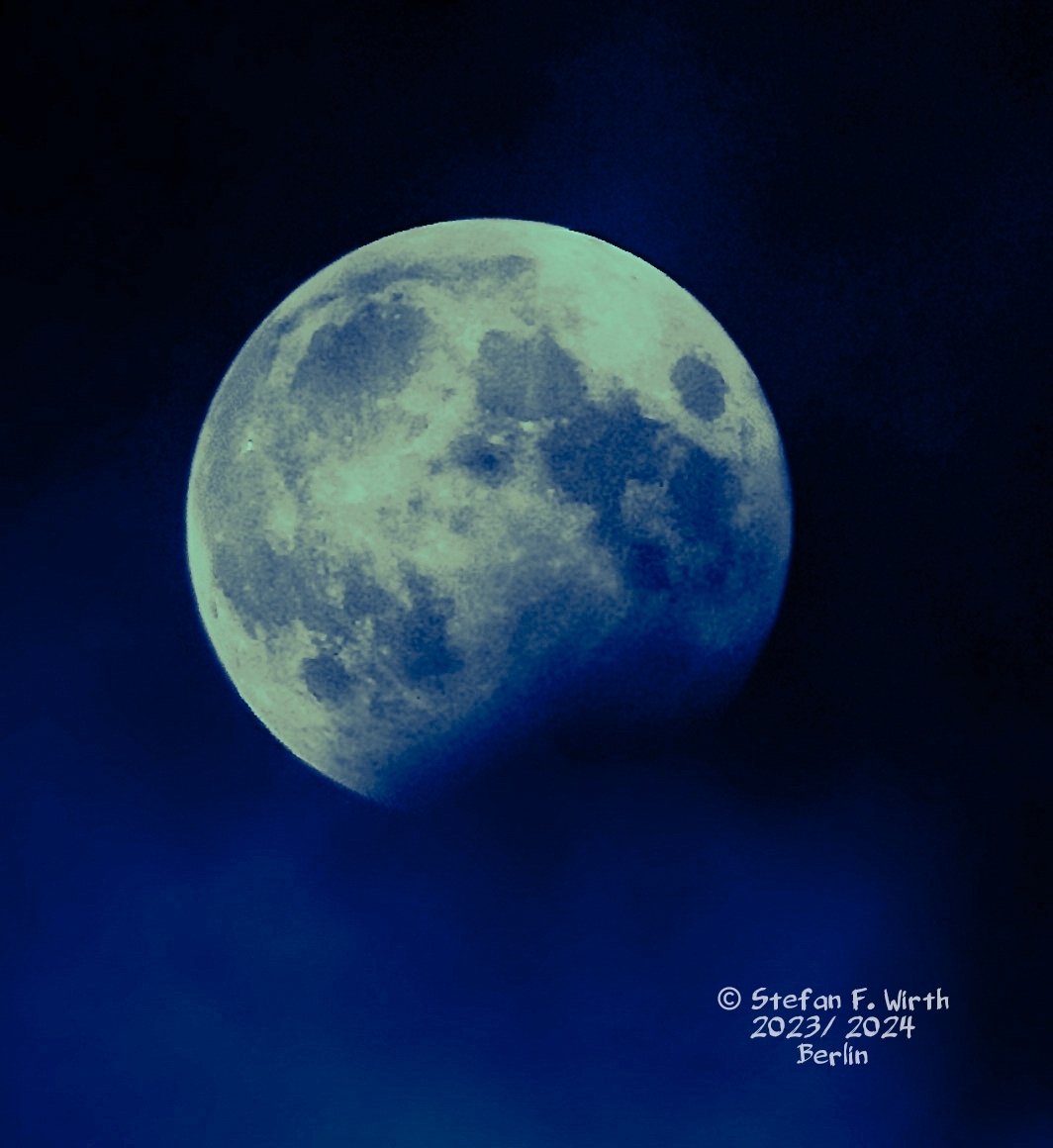
My little #artproject with versions of the #moon and the future meaning of the moon for #humanity, about #Artemis2 and what #medicalchallenges a moon mission poses to the involved people.
My #photographic-artistic moon versions are based on a moon photograph that I took in autumn 2023. I was inspired by the fact that it, at least part of it, can be clearly seen from Earth, but in a far #future, populated by humans, it will surely look different due to human #infrastructure and traces of #mining of #mineral #resources.
"#Spreadingout may be the only thing that saves us from ourselves. I am convinced that humans need to leave Earth." This is what renowned astrophysicist #StephenHawking said to the BBC (link below). Certainly the most important physicist and intellectual of our time looked into a bleak future for humanity on earth and expected that future #humanmade #catastrophes, such as #globalwarming and #wars, would no longer enable #survivalonearth. Which is why according to him the construction of #extraterrestrialcolonies must be a primary goal within the next hundred years.
Artemis 2 is the second mission of the #Artemisprogram and aims to transport the #Orion MPCV #spacecraft to the moon, more precisely into #lunarorbit, namely in September 2025 with a crew of four astronauts. The Artemis project, which can also be understood as preparation for future Mars missions, is a series of three NASA programs, in which the other international space agencies ESA, JAXA and CSA are also involved. Ultimately, the main goal is to establish a permanent lunar research station as part of Artemis 3. However, Artemis 2 will not yet pursue the goal of landing on the moon, but will involve an orbit around the moon, which will take at least ten days in total. The aim is to test spaceship technologies, especially #lifesupportsystems. The #launchvehicle will be an #SLSBlock1 in the configuration with four RS-25D engines in the central stage. Although this manned lunar mission will not include a lunar landing, it is still the first manned lunar mission since #Apollo17 in 1972, the year I was born.
Of course, a #lunarstation cannot be used directly to establish human colonies there. First of all, it is used for #research. Aspects that need to be closer studied and evaluated include medical issues, how #infrastructure can be expanded and how #mineralresources such as iridium, silicon, aluminum, rare earths, iron or titanium can be mined, extracted and used on moon itself. #Liquidwater reserves will have to be examined biochemically and the possible use of this water as a fuel for spaceships. e.g. to #Mars. The #waterreserves are larger than expected: larger, deep liquid water layers have currently been #discovered (see previous posts). The authors M. Bizzarri et al. (2023) have dealt with #biomedical aspects of the Artemis mission in their research work.
According to the authors, the main problems that can harm human health are exposure to higher levels of #cosmic #radiation and the need to operate #weightlessly. Efficient protection mechanisms against radiation must therefore be developed, as well as technologies for generating #artificialgravity. In order to be able to identify health risks in a timely manner, wearing a variety of medical #sensors is according to the authors of importance, because they will enable an efficient and necessary #telemedicalnetwork.
© #StefanFWirth Berlin 2024
Sources:
Artemis 2 program on NASA website:
nasa.gov/mission/artemis-ii/
BBC report about statements of Stephen Hawking by P. Ghosh (2017):
bbc.com/news/science-environ…
M. Bizzarri et al. (2023):
doi.org/10.1016/j.actaastro.…
Photos:
Moon, 28th October 2023, artistic variations 2024, © Stefan F. Wirth Berlin
2
26
270
2,194


25 Feb 2023
If 4.5B years was 1 year, today is Life’s Birthday!
Happy Birthday Life!
We can’t do without you in all your diversity & splendour! #LifesBirthday #HappyBirthdayLife #lifesupportsystems #wearelife
2
5
183
31 Dec 2022
Here is the good news! Caring for Earth is caring for you. #reciprocity #locallyattuned #lifesupportsystems
31 Dec 2022

“The land coming into our ownership has given the community a real sense of wellbeing” #PositiveNewsGreatestHits2022 positive.news/society/the-to…
2
5
4,122

18 Dec 2022
“Planting trees is good, but it needs to be the right tree in the right place and for the right purpose, and those decisions can’t be made without local people.” Earth’s #lifesupportsystems are more complex & in urgent need of repair
18 Dec 2022

Do climate pledges rely too much on #treeplanting?🌱 🌱
New #LandGapReport warns of risks to Indigenous Peoples and local communities if country land commitments remain vague
🔗 bit.ly/3hkdt75
#Trees4Resilience #ForestsNews
via @CIFOR
2
61
8 Dec 2022
Biodiversity is fundamental.
Rewilding = restoration to promote self-regulating complex ecosystems through restoring non-human ecological factors and processes while reducing human control and pressures. #rewilding #biodiversity #lifesupportsystems
8 Dec 2022

#COP15: If we want #conservation #restoration to really overcome the #biodiversity crisis & help counteract #climatechange it needs to be done at large scales across the planet - which is only feasible & long-term if based on natural processes = #rewilding bit.ly/rewildOE
2
5
16 Oct 2022
The connection between flooding & deforestation needs to be recognised….
And then (now) we need to #stoplogging & #restore our #lifesupportsystems
sees.uq.edu.au/article/2021/…
#floods #itsallconnected
#BiodiversityEmergency
#ClimateEmergency
1
4

The upcoming #MELiSSA conference will take place in November 2022, focusing on current and future ways to closed life support systems-
melissaconference.org/.
See our topic here devoted to articles from the conference! frontiersin.org/research-top…
#space #lifesupportsystems
2

21 Jul 2022
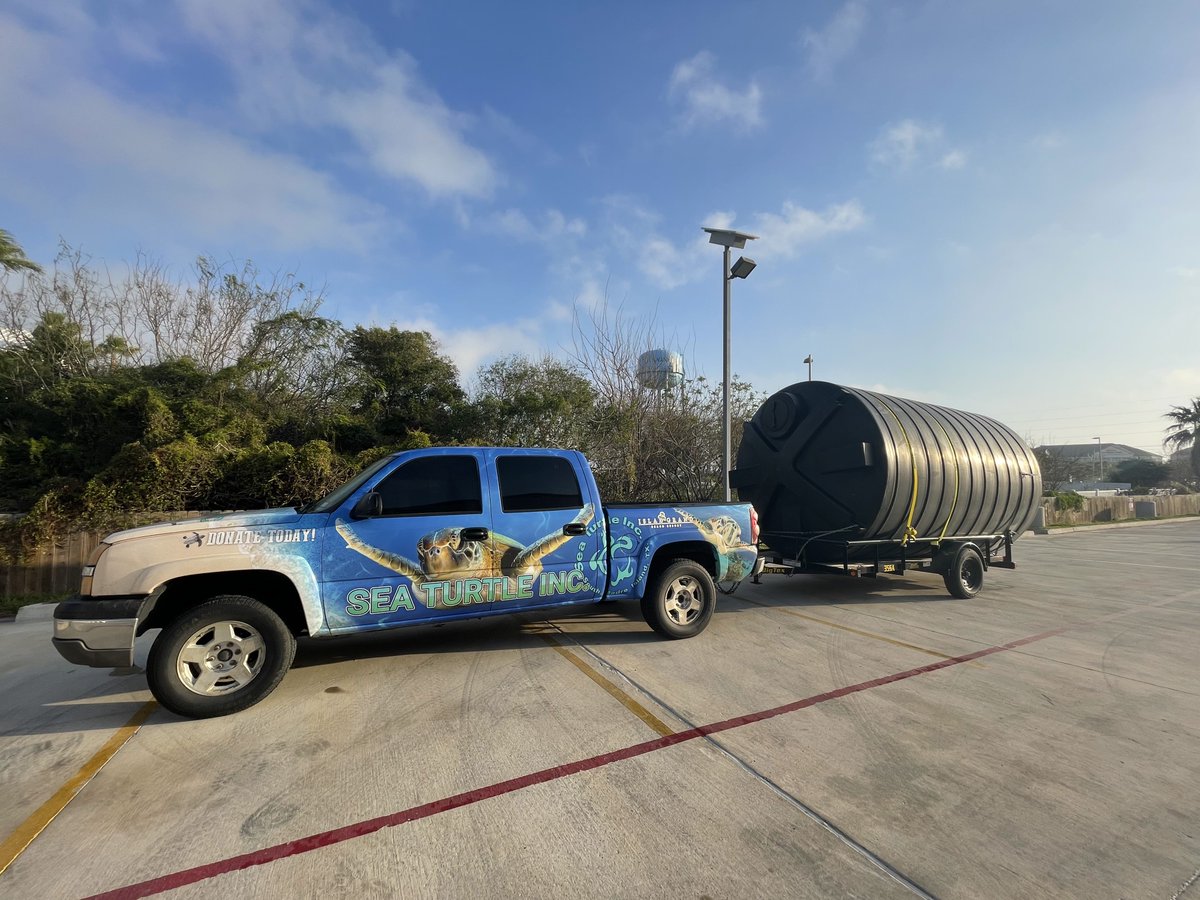
Our donors continue to be a driving force in our mission. Thanks to @TheTankDepot for their support in donating this massive 5,000 gallon tank! With this new edition to our #lifesupportsystems, we can continue to provide quality care to all our residents here at #SeaTurtleInc.
7
21 May 2022
Now we’ve got rid of that fusty pollution peddling government (#BinNight) it’s time to get on with restoring & regenerating natural systems #LifeSupportSystems
2
4

18 Jan 2022
I can only vouch for 1, 3 & 4 of this list but would never produce such a list without giving supremacy to #StephenCovey’s #8thHabit&room for #InsideTheNo by #MyrnaLewis,for any #entrepreneur stuck at #WinWin level rather than #SystemicWin is ruining our #LifeSupportSystems. #NVC
17 Jan 2022

20 Great Books Every Entrepreneur Must Read:
2

13 Jan 2022
12 Jan 2022

“I doubt that 1% of people really understand what we’re facing here: the prospect of systematic environmental collapse. The collapse of the whole thing; our life support systems in total.”
@GeorgeMonbiot on the Great Global Flickering
2

3 Dec 2021
The @COP26 was a meeting for #Billionaires & #WealthyCountries negotiating #Profits they will make off of #FossilFuels while we're facing the #Collapse of our #LifeSupportSystems with #GreenhouseGasses #pushing our #PlanetarySystem to #MassExtinction
1
1