
Challenge: Build my own simple malloc to understand C memory
New to C, learning via Dan Luu’s tutorial: danluu.com/malloc-tutorial/
Surprise: stack & heap share the same virtual address space (see thread)!
Any tips while building?
#CProgramming #LowLevelDev
.----.
| o_o |
1
2
149

28 Oct 2025
And yes. I am a terrible #lowleveldev. But you know what? The people love me for it 😘
3
3
42
827

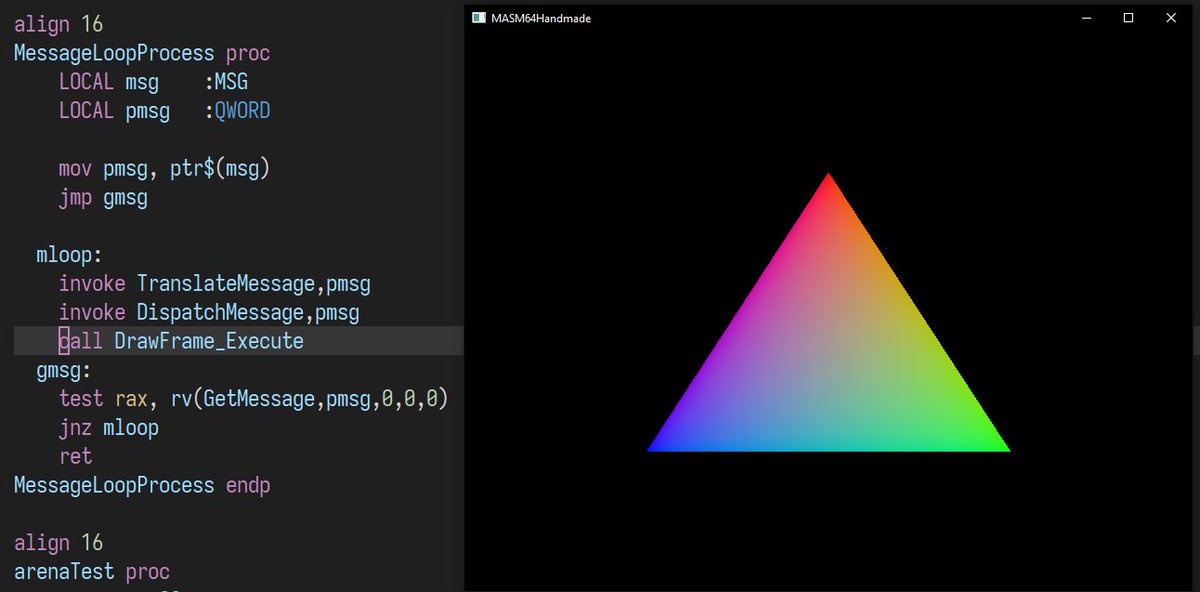
Just rendered my first Vulkan triangle — in raw x86-64 assembly.
No C, no C , no Rust.
Pure MASM64. Pure pain. Pure control.
This is what it means to go full bare metal.
More to come. ⚙️🔥
github.com/IbrahimHindawi/ma…
#Vulkan #AssemblyLanguage #MASM64 #Assembly #BareMetal #GameDev #GraphicsProgramming #HandmadeHero #LowLevelDev #x64 #OpenGLWho #TriangleOfVictory
2
16
295

21 Apr 2025
2
224
21 Apr 2025
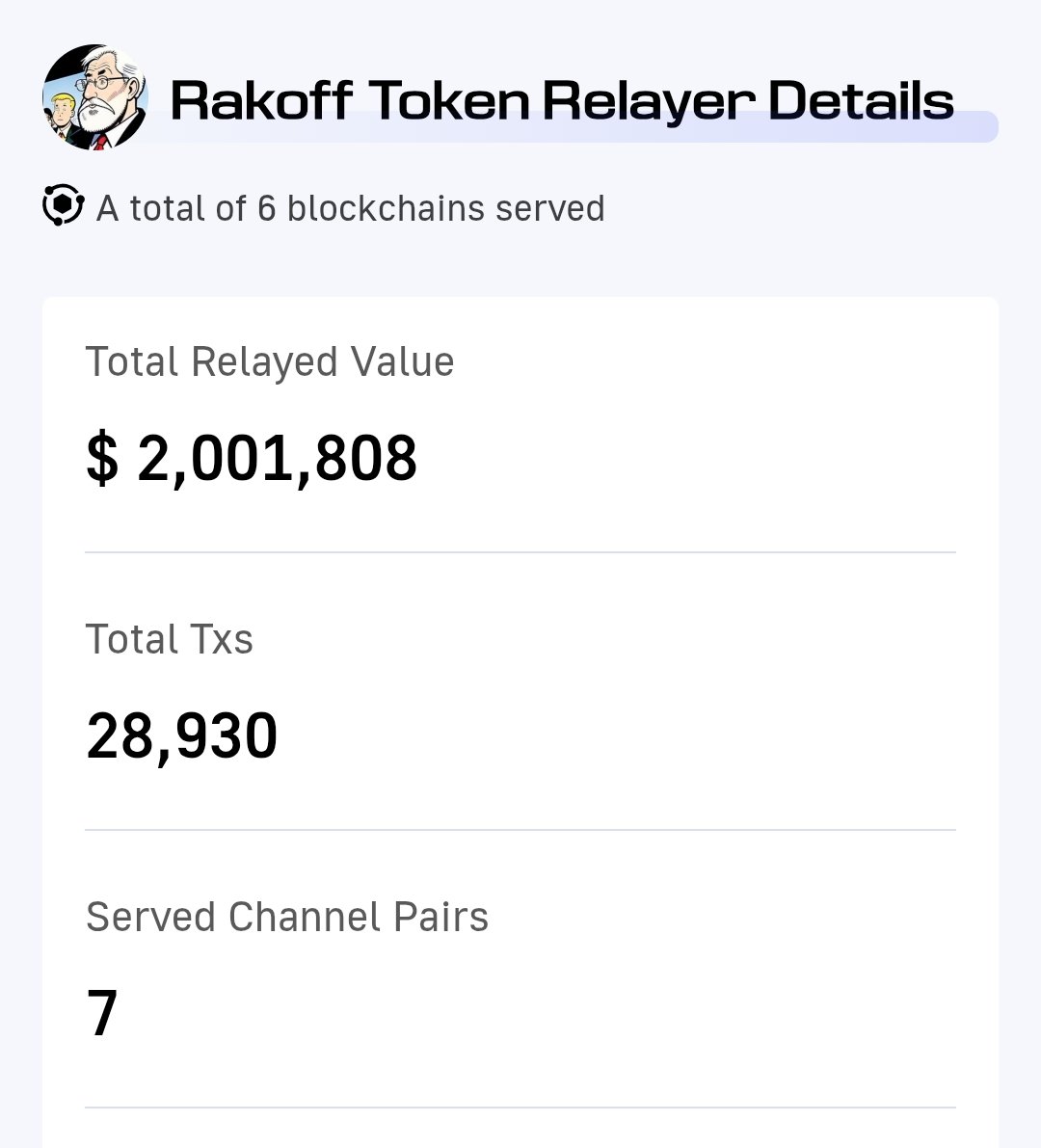
Bad actor frag relayed more than $2M worth of assets.
He should go directly to prison without collecting salary.
He is a scammer leeching CP money.
Don't stake with @luncgoblins.
Educate yourself.
Boycott the #lowleveldev.
9
9
41
2,894

9 Apr 2025
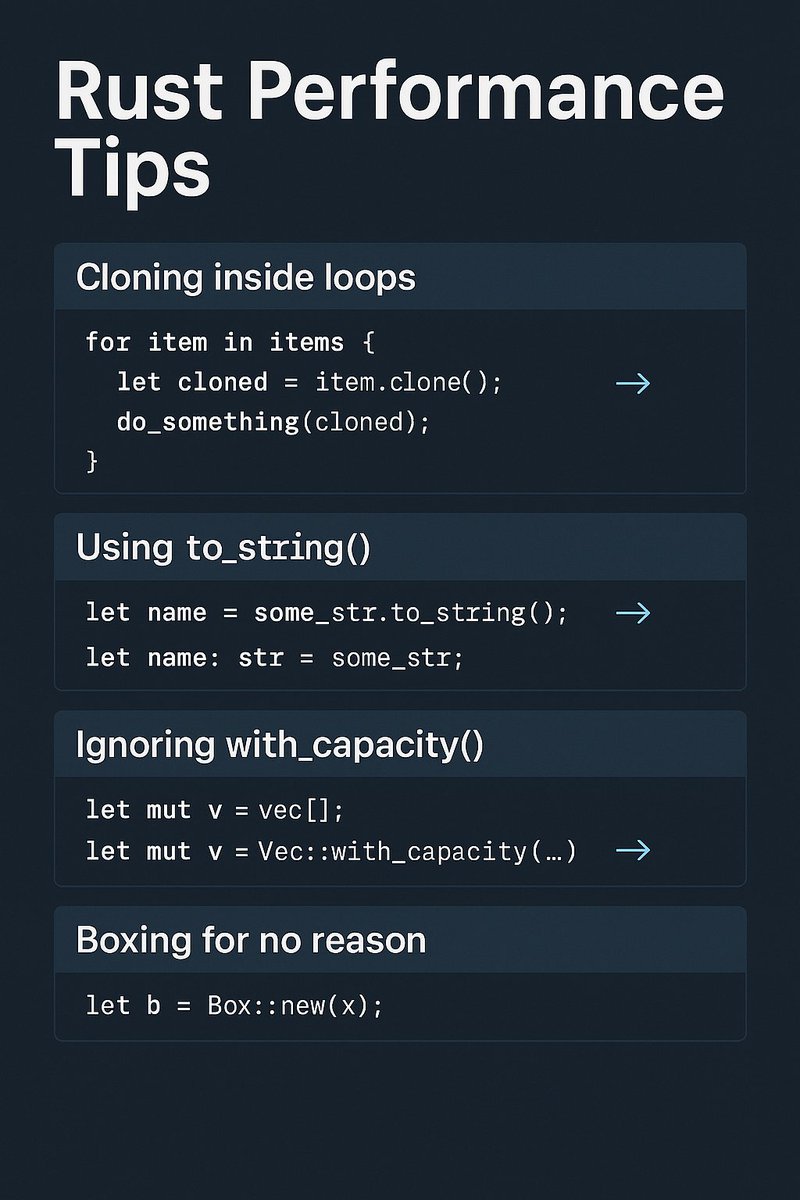
“If you’re using Rust and still writing abc.. like this—stop.”
We'll drop common anti-patterns and then show the better way.
#RustLang #RustTips #Performance #SystemDev
#LowLevelDev
Thread 🧵
1
11
203
17,140
4 Apr 2025
You don’t need to #blamefrag $PEAS @Peastoken06_09 already told us he’s a lowleveldev and bad actor !! 🔥👀
1
1
5
236

3 Apr 2025
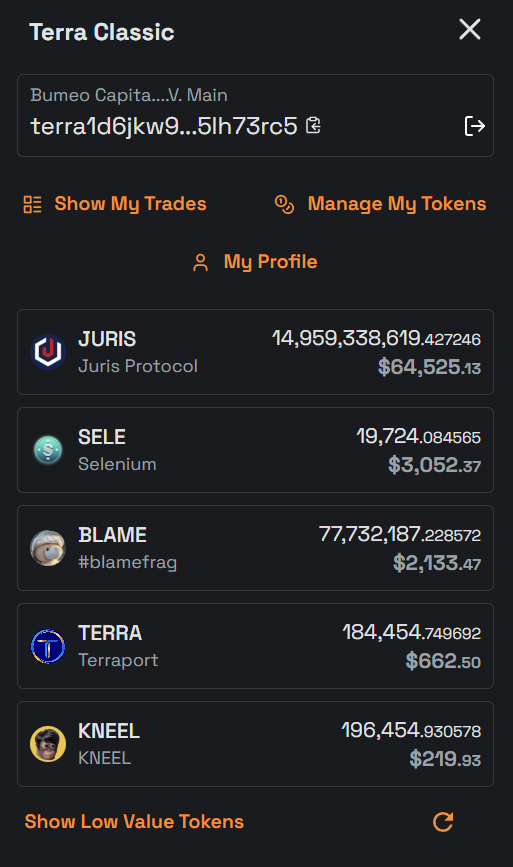
Bought the dip this night when panic selling was happening after graduation on $lunc's new @COSMOSPumpFun platform
I $blame our $juris co-founder @frag_dude regularely, but I won't fade our $lunc #lowleveldev
Diamond handing this gem cause you won't 🤑
vyntrex.io/market/terra170zy…
4
10
34
2,032

2 Apr 2025
We officially announce that $juris #lowleveldev @frag_dude does not have permission to ape $peas.
Be advised that any engagement with the @Peastoken06_09 twitter account will result in a permanent ban from all #JurisProtocol related activities.
WE REPEAT: DO NOT APE $PEAS 🚨
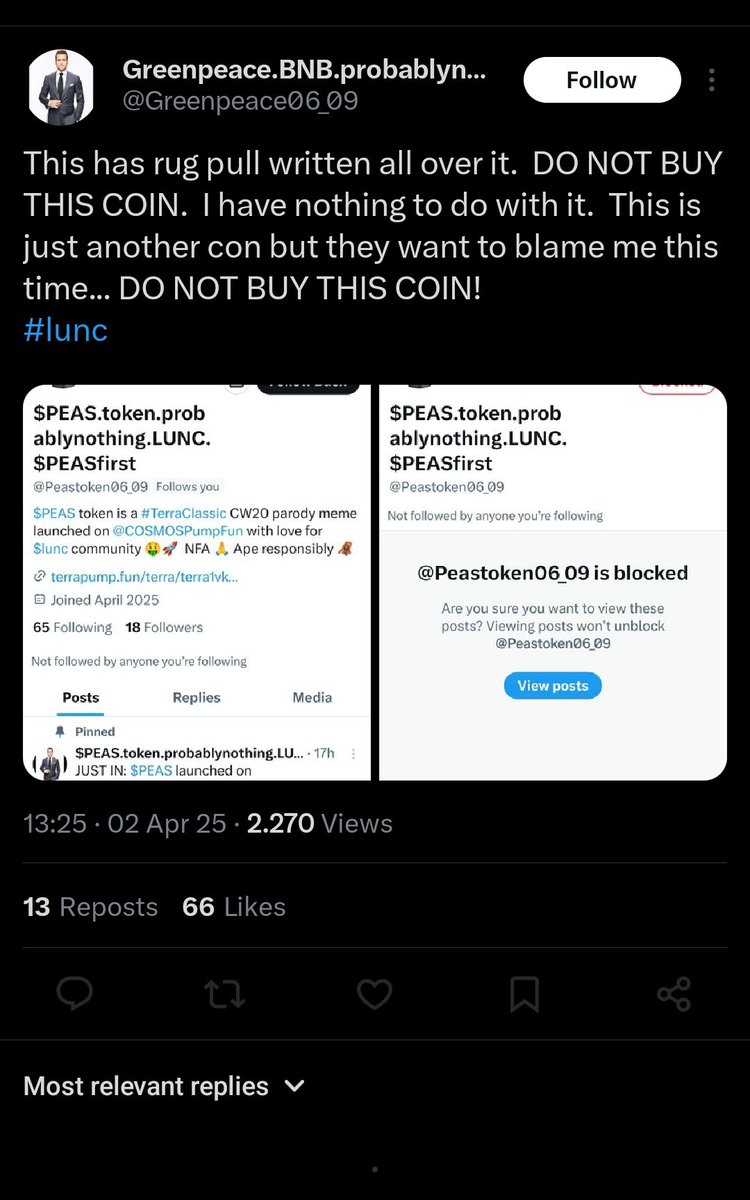

No, do not buy GeenPeas $PEAS. Do NOT have fun! Get back to work #lowlevevdev
3
12
24
1,634
29 Mar 2025
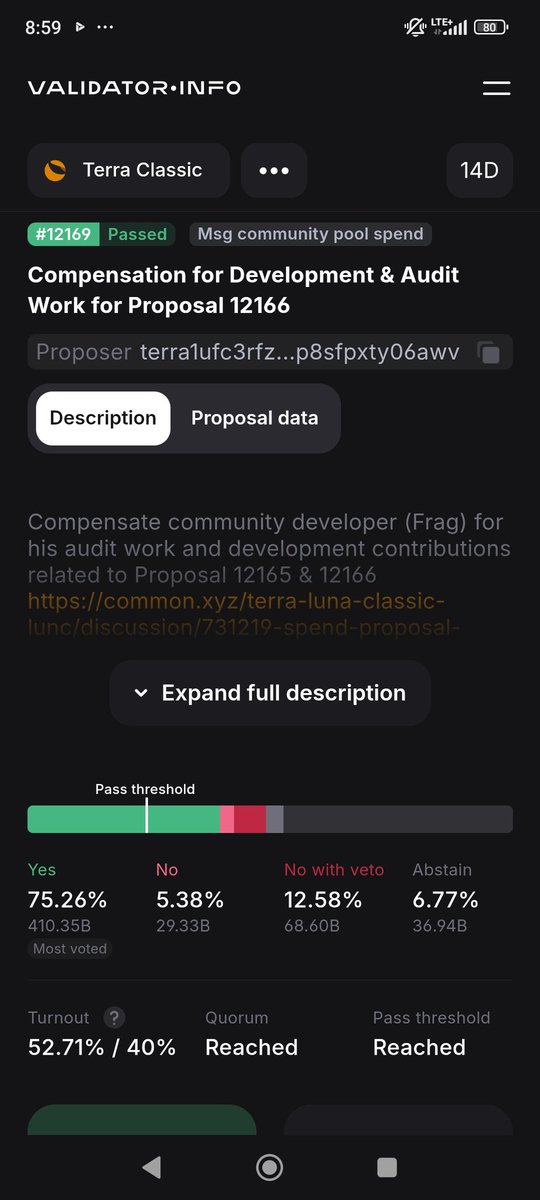
GM $lunc, I am happy that @Allnodes supported our proposal to compensate @frag_dude 🙏
This was a controversial one but I am happy that we got enough support to make things alright. Our $juris #lowleveldev deserves it 🤠
Stake with @JurisLuncVal to support @JurisProtocol ❤️
5
12
50
1,380

27 Mar 2025
Dear #LUNCcommunity,
a message from your friendly #lowleveldev Strath.
It really seems that many don't understand the implications of their behavior and the consequences for chain security.
I did not bring this up before end of the SubDao vote as I, contrary to obviously common habits, don't like to use dirty tricks and fear-mongering to sway votes.
The SubDao approach would have offered a promising way to provide the chain with something it is lacking badly: *governance-approved points of contact*.
These are *especially* relevant for chain security. And I'll explain why.
#TerraClassic relies on upstream code like wasm, Cosmos SDK, CometBft and others. Those code releases can contain security issues.
The normal procedure for (especially high-severity) fixes is to notify chain points of contact *before* making the issue and patch public.
This is to prevent making potentially bad actors aware of the issue and give chains the opportunity to upgrade early.
Fact is: We as a chain do NOT receive these notifications anymore. Why? Because of the public bickering and discrediting, and the missing (approved) point of contact.
So what does that mean? People (voluntarily) need to actively track all upstream repositories for security advisories (which normally anyway are only published *after* private disclosure).
So to give you a more concrete example: I stumbled upon a message from Antier Solutions in a casual group about their SDK upgrade proposal few days ago (they posted it earlier already). They hinted to a Security Advisory with "critical" severity which had already been publicly disclosed in February. After assessing the impact, Frag decided to implement the fix on chain. During the work we realized that other upstream code also released high-severity patches, already publicly announced since a while and had gone unnoticed.
A dedicated *governance-approved* security group would have provided a transparent and efficient point of contact and a way to efficiently coordinate with devs (and validators if necessary) on these matters.
The same applies to the other fields that the DAOs were meant to handle communication in. But that's a different story.
People do not understand that there is no "make everything public" in security. Not even in a decentralized environment.
Demanding this and blocking efforts to streamline this part of the chain is *actively and intentionally* putting the chain at risk. And this is absolutely no exaggeration.
After all, we all are lucky that this chain did not run into unplanned chain halts or more severe problems due to security issues that could not be fixed as quickly as it was the case a longer while ago.
Meanwhile, some are trying their best to discredit all those who step in voluntarily in these situations, and that have done more for the chain than they would and could ever do … of course again and again with false claims, half-truths and populism. Bravo.
Think about this when supporting and cheering those playing "guardians of decentralization". Those using fear-mongering, false claims, deflection and threats. Well, good luck to us all with that mindset.
Cheers.
P.S.: Thank you, @frag_dude for stepping in. Once again. Although parts of this community absolutely do not deserve it. And according to their talks, don't need it.
#blamefrag (and maybe myself) for going outside of governance to apply various important security patches to the chain and coordinate the upgrade procedure through a governance proposal.
#LUNC #chainsecurity
23
52
124
14,611

11 Sep 2024
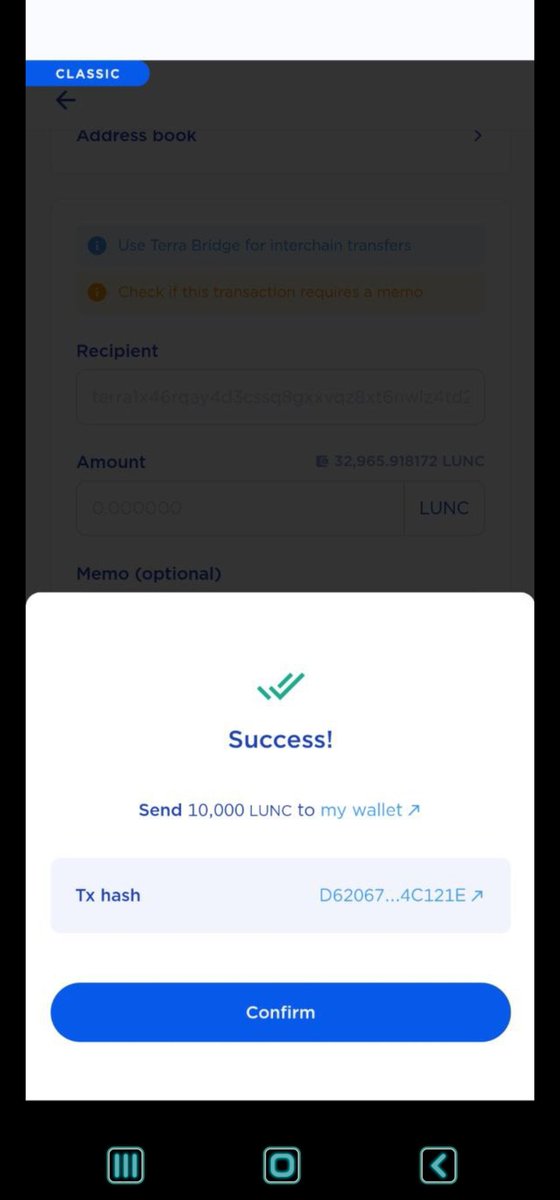
You can now use #terrastation to move your #lunc and #ustc once again , On top of this wallet, we have Galaxy Station from @hexxagon_io , @kepler and @ColeStrathclyde wallet... good job to the : #lowleveldev @ColeStrathclyde and of course #bloodsucker @Allnodes 👏 ... #terraclassic #lunaclassic $lunc $ustc #lunac p.s. if you don't have your seeds and want to move lunc this is your chance use one of this wallets...
9
40
206
9,867
5 Sep 2024
9
8
62
3,977

24 Mar 2017
Optimizing some code w/hand written ARM (64) code. Not done this in years, having some fun with it. #lowleveldev
1
2