
The exchange highlights a persistent divide between the reductionist, symptom-management paradigm favored by many within the medical establishment and a more systems-based, metabolic understanding of human health.
The Mechanism of Disconnect
When a physician dismisses the role of insulin in hypertension, they are often relying on a narrow diagnostic model that treats blood pressure as an isolated variable to be controlled via pharmaceuticals. This ignores a substantial body of physiological evidence linking insulin resistance (IR) and compensatory hyperinsulinemia to systemic vascular dysfunction.
The insulin-blood pressure connection is well-documented through several distinct but reinforcing pathways:
Renal Sodium Retention: Insulin is a potent regulator of renal sodium transport. Even in states where metabolic tissues (like skeletal muscle) are insulin-resistant, the renal tubules often remain sensitive to insulin's signaling. Elevated circulating insulin levels—the body's compensatory response to resistance—directly stimulate sodium reabsorption in the kidneys. This leads to volume expansion, a classic driver of elevated blood pressure.
Sympathetic Nervous System (SNS) Activation: Hyperinsulinemia is known to increase sympathetic nervous system activity. Elevated catecholamines raise heart rate and induce peripheral vasoconstriction, directly increasing systemic vascular resistance.
Endothelial Dysfunction: Insulin normally promotes the production of nitric oxide (NO) via the PI3K/Akt pathway, which induces vasodilation. In an insulin-resistant state, this vasodilatory pathway is impaired, while the mitogen-activated protein kinase (MAPK) pathway—which supports vasoconstrictor responses—often remains intact or is upregulated. This creates a physiological bias toward vasoconstriction, effectively narrowing the vessels and raising pressure.
The Institutional Bias
The dismissive tone used by figures like the one mentioned is characteristic of a defensive posture. By labeling alternative perspectives as being from a "carny," the establishment attempts to marginalize metabolic interventions—such as dietary changes aimed at lowering insulin levels—in favor of the standard-of-care approach: prescribing diuretics, ACE inhibitors, or calcium channel blockers.
While mainstream medicine is quick to blame "salt intake" and "stress," they often fail to address the metabolic environment that makes the body susceptible to those inputs in the first place. High blood pressure is frequently a phenotypic marker of metabolic dysfunction, not merely a standalone disease to be managed with a pill.
Conclusion
The research clearly indicates that the insulin-vascular axis is a critical component of cardiovascular health. Ignoring this in favor of a symptom-only approach is not just a scientific oversight; it is a failure to address the root cause of the pathology. When clinicians prioritize suppressing a number over understanding the metabolic drivers of that number, they are fundamentally failing their patients.
1
13

Jun 14
References
* Ale-Agha et al. (2018). CDKN1B/p27 is localized in mitochondria and improves respiration-dependent processes in the cardiovascular system: New mode of action for caffeine.
* Bohr et al. (1904). Ueber einen in biologischer Beziehung wichtigen Einfluss, den die Kohlensäurespannung des Blutes auf dessen Sauerstoffbindung übt.
* Carlström and Larsson (2018). Coffee consumption and reduced risk of developing type 2 diabetes: a systematic review with meta-analysis.
* Ding et al. (2014). Caffeinated and decaffeinated coffee consumption and risk of type 2 diabetes: a systematic review and a dose-response meta-analysis.
* Eskelinen et al. (2009). Midlife coffee and tea drinking and the risk of late-life dementia: a population-based CAIDE study.
* Freedman et al. (2012). Association of Coffee Drinking with Total and Cause-Specific Mortality.
* Hong et al. (2020). The Effect of Caffeine on the Risk and Progression of Parkinson's Disease: A Meta-Analysis.
* Kennedy et al. (2016). Systematic review with meta-analysis: coffee consumption and the risk of cirrhosis.
* Klotz et al. (1998). Comparative pharmacology of human adenosine receptor subtypes: characterization of stably transfected receptors in CHO cells.
* Kong et al. (2008). Caffeine induces Ca2 release by reducing the threshold for luminal Ca2 activation of the ryanodine receptor.
* Lanni et al. (2016). Mitochondrial Actions of Thyroid Hormone.
* Lovallo et al. (2005). Caffeine stimulation of cortisol secretion across the waking hours in relation to caffeine intake levels.
* McCormack et al. (1990). The role of calcium ions in the regulation of mammalian intramitochondrial metabolism.
* Ojuka et al. (2003). Raising Ca2 in L6 myotubes mimics effects of exercise on mitochondrial biogenesis in muscle.
* Robertson et al. (1981). Tolerance to the humoral and hemodynamic effects of caffeine in man.
* Rodak et al. (2022). The Examination of the Influence of Caffeinated Coffee Consumption on the Concentrations of Serum Prolactin and Selected Parameters of the Oxidative-Antioxidant Balance in Young Adults: A Preliminary Report.
* Verma et al. (2009). Caffeine restores myocardial cytochrome oxidase activity and improves cardiac function during sepsis.
* Wright et al. (2007). Calcium induces increases in peroxisome proliferator-activated receptor gamma coactivator-1alpha and mitochondrial biogenesis by a pathway leading to p38 mitogen-activated protein kinase activation.
* Zhao et al. (2023). Effect of coffee consumption on thyroid function: NHANES 2007-2012 and Mendelian randomization.
* Zheng et al. (2023). Relationship between caffeine intake and thyroid function: results from NHANES 2007–2012.
1
2
1
633

Jun 13
•When exposed to repeated, temporally spaced pulses of chemical stimuli, these cells leverage conserved intracellular cascades—specifically the \text{PKA/PKC} \rightarrow \text{ERK} \rightarrow \text{CREB} axis—to build a stronger, longer-lasting transcriptional memory (measured via luciferase reporters) than cells exposed to an identical total massed dose. The spacing of inputs permits signaling pathways to reset, preventing saturation and optimizing the long-term integration of data. This single-cell memory is deeply integrated with the tissue-level dynamics explored by Michael Levin, Pamela Lyon, and colleagues. Cells exploit bioelectric gradients, membrane voltage potentials (V_{\rm mem}), and intercellular networks (such as gap junctions and paracrine loops) to coordinate collective decision-making and anatomical homeostasis. This collective intelligence enables aneural networks—such as the slime mold Physarum~polycephalum and complex plant systems—to perform sophisticated habituation, associative learning, and spatial navigation. Bridging these biological realities with forward-looking computational frameworks, independent researcher Kevin John Parrish has proposed a roadmap for hybrid neuromorphic ionic computing. In this framework, cellular repair and structural adaptation are viewed as precise matter rearrangements that can inspire brain-like, low-power analog spiking architectures using multi-ion fluids. By treating the cell's endogenous repair dynamics as a living template, this paradigm links biological memory revision directly to resilient, self-healing synthetic computing architectures. However, a crucial theoretical distinction must be maintained. As emphasized by critics like Robinson, Mallatt, and Taiz (2024), the robust empirical validation of mechanistic cellular cognition and repair must not be conflated with the more speculative claims of the Cellular Basis of Consciousness (CBC) theory (Baluška, Reber, & Miller). While cells undeniably process information, track history, and execute highly sophisticated adaptive routines, current data do not provide a verifiable mechanism for phenomenal consciousness or subjective *qualia* at the single-cell level. To bridge theory, chemistry, and computational design, this synthesis establishes a unified mathematical model and an open-source Python framework mapping how cells translate spaced experience into long-term cellular repair and structural maintenance.
• Empirical Foundations: Spaced Signaling and Transcriptional Memory
The core architectural premise rests on the precise temporal handling of incoming inputs. Massed training—delivering a singular, continuous chemical or physical payload—induces rapid adaptation or receptor-level desensitization. Spaced training, conversely, introduces critical downtime windows that allow structural and chemical restoration of intermediate pathway components. In perspective with inhibitors can slow or denying halt memory degradation ie cancer cells. In the canonical mammalian MAPK path, extracellular ligands trigger sequential phosphorylation events culminating in the activation of Mitogen-Activated Protein Kinase (MAPK/ERK). Activated ERK translocates to the nucleus, phosphorylating cAMP response element-binding protein (CREB) at the highly conserved Threonine-202 and Tyrosine-204 (Thr202/Tyr204) activation loop residues. When signaling is continuous, phosphatase activity fails to keep pace, or upstream feedback loops shut down surface receptors, truncating the downstream message. Spaced exposures, providing intermediate recovery windows, consistently yield superior cumulative transcriptional memory outputs.
•RNA/DNA-Level Integration: Transcriptional Activation and Epigenetic Stabilization: The structural persistence of an experiential cellular state requires transitioning from transient transcription factor bindings to permanent chromosomal architectural changes.
page 10 of 12
1
1
2
54

Jun 11
Gp120-mediated cytotoxicity of human brain microvascular endothelial cells is dependent on p38 mitogen-activated protein kinase activation
pubmed.ncbi.nlm.nih.gov/1761…
3

Jun 10
If you travel frequently, you should consider these 5 supplements because nothing can ruin a trip more than getting gut discomfort or catching some virus 👇
The first supplement is Saccharomyces boulardii (CNCM I-745) (aka the go-to for traveler’s diarrhea).
This non-pathogenic yeast has been extensively studied for 50 years for its ability to support gut health, particularly in preventing and treating diarrhea caused by antibiotics and infections.
For example, it inhibits chloride secretion and water loss into the gut lumen, counteracting the effects of pathogens like Vibrio cholerae and rotavirus, produces substances that neutralize toxins from harmful bacteria (through enzymes like a 63 kDa alkaline phosphatase and a 54 kDa serine protease) and reduces their ability to attach to gut cells mainly by “trapping” them in the gut lumen.
It also lowers pro-inflammatory molecules, such as IL-8 and TNF-α, while boosting anti-inflammatory signals like IL-10, helps maintain or restore the integrity of tight junctions by inhibiting for example the phosphorylation of myosin light chain, and promotes the recycling of E-cadherin.
Plus it secretes an anti-inflammatory factor (SAIF, <1 kDa) that inhibits pathways like NF-κB, enhances the expression of digestive enzymes such as sucrase and maltase and also enhances IgA production.
It can also be beneficial for IBS-D, some types of SIBO except hydrogen sulfide-dominant and even LPS.
Note: In case you use it and it causes you constipation, use myo-inositol.
The second one is bovine colostrum.
Bovine colostrum is an antibody-rich fluid produced by animal such as cows in the first 24–48 hours after giving birth.
It’s packed with immunoglobulins, growth factors, antimicrobial peptides and essential nutrients.
For example, immunoglobulins such as IgG, IgA and IgM help our bodies neutralize pathogens like Escherichia coli, Clostridium difficile, Shigella, and rotavirus in the gut.
It also contains lactoferrin which is a potent antimicrobial and anti-inflammatory protein.
Growth factors such as IGF-1, TGF-β and EGF also help strengthen TJs and thus reduce intestinal permeability.
The proline-rich polypeptides (PRPs) also serve as immune-modulating compounds and are shown to reduce autoimmune-driven inflammation in conditions like ulcerative colitis (UC).
The third one is a binder.
A binder is a substance that grabs onto toxins in the GI tract, locking them up so they are excreted through stool.
The two that i suggest are either activated charchoal that binds LPS/plenty of bacteria metabolites, aflatoxin B1, ochratoxin A, zearalenone, some pesticides like glyphosate and drugs such as acetaminophen.
OR, in case you are prone to constipation, enterosgel.
This one is not that effective for food poisoning, (it is great for binding endotoxins, uremic toxins and bilirubin), but it will cause far less constipation compared to AC.
The fourth one is glutamine or quercetin.
Glutamine is an abundant amino acid in the human body, playing a pivotal role in numerous physiological processes, from muscle repair to immune function.
For example, it is the preferred energy source for rapidly dividing intestinal epithelial cells, upregulates the expression of TJ proteins like zonula occludens-1 (ZO-1), occludin and claudins, inhibits myosin light chain kinase, supports goblet cells (they produce the protective mucus layer that shields the gut lining), is a precursor to glutathione and enhances IgA production.
Quercetin is a naturally occurring flavonoid found in a variety of plant-based foods, such as onions, apples, berries, grapes, broccoli and green tea.
It inhibits pro-inflammatory pathways, such as nuclear factor-κB (NF-κB) and mitogen-activated protein kinase (MAPK), reducing the production of cytokines like IL-6, IL-8, and TNF-α, enhances the expression and stability of TJ proteins like zonula occludens-1 (ZO-1), occludin, and claudins, inhibits myosin light chain kinase (MLCK) (a protein that disrupts TJs), exhibits some antibacterial, antiviral, and antifungal effects, reducing the growth of pathogens like Escherichia coli, Clostridium difficile and Helicobacter pylori and it also might be more effective that colostrum when it comes to protecting us against exercise-induced gut permeability.
The fourth one is glutamine.
The fifth one is blackseed oil.
First and foremost, the primary active compounds in black seed oil are:
-Thymoquinone (TQ) (main one)
-Thymol
-Carvacrol
-p-Cymene
-Sterols
-Alkaloids
-Nigellone (Thymohydroquinone)
First, we have thymoquinone, which is a monoterpene quinone and the primary bioactive compound in black seed oil.
Its quinone structure (a monoterpene with a p-benzoquinone core) allows it to interact with nucleophilic sites in proteins, enzymes and DNA while its lipophilicity enhances cellular uptake, particularly in lipid-rich environments like cell membranes and the brain.
For example, it:
-Neutralizes free radicals such as superoxide and hydroxyl radicals. This simple act leads to the prevention of oxidative damage to DNA, proteins, and lipids.
-Activates the Nrf2 pathway, which induces expression of antioxidant enzymes like superoxide dismutase (SOD), catalase (CAT), and glutathione peroxidase (GPx).
This results in reduced lipid peroxidation for example or enhancing antioxidant defenses in hepatocytes.
-Reduces the production of pro-inflammatory cytokines such as IL-1β, IL-6 and TNF-α by inhibiting their gene expression.
-Downregulates vascular endothelial growth factor (VEGF).
-Blocks cyclooxygenase (COX) and lipoxygenase (LOX), enzymes responsible for producing inflammatory mediators like prostaglandins and leukotrienes.
-Suppresses the nuclear factor-kappa B (NF-κB) pathway, a key regulator of inflammation, by preventing its activation and translocation to the nucleus, reducing inflammatory gene expression.
-Upregulates pro-apoptotic proteins such as Bax, caspase-3 and caspase-9 while downregulating anti-apoptotic proteins such as Bcl-2, triggering programmed cell death in cancer cells.
-It also inhibits cancer cell proliferation by blocking cell cycle progression by modulating cyclins and cyclin-dependent kinases (CDKs).
-Suppresses the PI3K/Akt pathway, which regulates cell survival, and inhibits NF-κB, reducing tumor growth and metastasis.
-Enhances p53 activity, a tumor suppressor gene, promoting DNA repair or apoptosis in damaged cells.
-Prevents biofilm formation by interfering with microbial adhesion and quorum sensing, critical for pathogen survival.
-Inhibits microbial enzymes essential for metabolism or replication, reducing pathogen viability.
-Is effective against a variety of bacteria such as MRSA, E. coli, fungi such as Candida albicans, viruses such as hepatitis C and parasites such as Plasmodium..
-Modulates lipid metabolism pathways/PPAR-α activation.
-inhibits platelet aggregation, reducing the risk of thrombosis.
-Mitigates oxidative stress in neurons, protecting against damage in Alzheimer’s (beta-amyloid plaques) and Parkinson’s (dopaminergic neuron loss).
-Upregulates brain-derived neurotrophic factor (BDNF), supporting neuronal survival and plasticity.
-Stabilizes neuronal excitability with impacts such as reducing seizure severity in epilepsy.
-Improves glucose metabolism and activates AMP-activated protein kinase (AMPK), enhancing glucose uptake and insulin sensitivity via GLUT4 translocation to cell membranes.
-Reduces hepatic glucose production by inhibiting key enzymes like glucose-6-phosphatase.
-reduces liver inflammation by inhibiting NF-κB and TGF-β, preventing fibrosis.
-Suppresses histamine release, reducing allergic responses in rhinitis and asthma.
-Relaxes bronchial smooth muscles, improving airflow.
-Targets Propionibacterium acnes and other skin pathogens.
-Reduces scalp inflammation and may promote hair follicle activity.
-Boosts T-cell proliferation and natural killer (NK) cell activity.
-TQ reduces excessive cytokine production, preventing overactive immune responses in autoimmune conditions.
Moving on to thymol.
Thymol (2-isopropyl-5-methylphenol) is a monoterpene phenol that:
-Integrates into bacterial and fungal cell membranes(*), increasing permeability, disrupting ion gradients, and causing leakage of cellular contents.
(*) Most effective for staphylococcus aureus, Bacillus subtilis, Candida albicans, and parasites like Leishmania.
-Inhibits microbial enzymes such as ATP synthase and biofilm formation.
-Inhibits quorum sensing.
-Inhibits cyclooxygenase (COX) enzymes, reducing prostaglandin synthesis, which alleviates pain and inflammation in conditions like arthritis or gingivitis.
-Modulates NF-κB, similar to TQ.
-It may suppress neutrophil activation.
-Prevents oxidative damage to lipids, proteins, and DNA.
-It may upregulate enzymes like superoxide dismutase (SOD) or catalase through Nrf2 activation.
-It targets oral pathogens like Streptococcus mutans and Porphyromonas gingivalis, reducing plaque and gingivitis by disrupting their membranes and metabolism.
These two are the most active compounds.
When it comes to the rest we have:
-Carvacrol
Carvacrol (5-isopropyl-2-methylphenol) is a monoterpene phenol that:
-Integrates into bacterial and fungal cell membranes, increasing permeability (mainly inPseudomonas aeruginosa, Salmonella spp., Escherichia coli, and fungi like Candida albicans).
-Disrupts quorum sensing and inhibits biofilm formation, reducing pathogen virulence and resistance, as supported by studies on multidrug-resistant bacteria.
-Inhibits microbial enzymes and metabolic pathways in pathogens, impairing energy production and survival.
-Prevents lipid peroxidation and damage to DNA, proteins, and lipids.
-Suppresses the NF-κB pathway.
-Inhibits cyclooxygenase (COX) enzymes, reducing prostaglandin synthesis.
-It MAY suppress neutrophil activation.
-p-Cymene
This one is a monoterpene hydrocarbon (1-methyl-4-isopropylbenzene) that:
-Increases microbial cell membrane permeability
-It may also inhibit cyclooxygenase (COX) enzymes and pro-inflammatory cytokines (less potently than TQ or carvacrol).
-It may modulate transient receptor potential (TRP) channels, contributing to pain relief.
-It might also have some minor antioxidant effects as well.
-Nigellone (Thymohydroquinone)
This is a dimer of thymoquinone that:
-Relaxes bronchial smooth muscles by inhibiting calcium channels or enhancing cyclic AMP (cAMP) signaling, reducing airway constriction.
-Inhibits histamine release from mast cells.
-Scavenges ROS and upregulates antioxidant enzymes.
That was it.
Now if you can only pick/carry 3 supplements with you i suggest them being S. boulardii, blackseed oil and activated charcoal.
That’s all.
For more on supplements and peptides: fitandball.gumroad.com/l/Sup…
1
3
50
2,861


Jun 2
Thanks! Wow that’s quite a lot of time to inject EoD for on faith. Makes me more optimistic 💪🏼
I’d love to know the mechanisms at play. I can’t help but suspect it could be acting as a mitogen somehow.
1
2
16
May 30
Quercetin mog for preventing sunburns and photoaging (besides vitamin C, E, taurine, iodine, proper diet, sunrise/sunset viewing etc).
*In case you are not aware, quercetin is a naturally occurring flavonoid found in a variety of plant-based foods, such as onions, apples, berries, grapes, broccoli and green tea.
It inhibits pro-inflammatory pathways, such as nuclear factor-κB (NF-κB) and mitogen-activated protein kinase (MAPK), reducing the production of cytokines like IL-6, IL-8, and TNF-α, enhances the expression and stability of TJ proteins like zonula occludens-1 (ZO-1), occludin, and claudins, inhibits myosin light chain kinase (MLCK) (a protein that disrupts TJs), exhibits some antibacterial, antiviral, and antifungal effects, reducing the growth of pathogens like Escherichia coli, Clostridium difficile and Helicobacter pylori and it also might be more effective that colostrum when it comes to protecting us against exercise-induced gut permeability.

2
9
92
5,506

May 29
‘LDL receptor-independent mechanisms of proprotein convertase subtilisin/kexin type 9 in cardiovascular pathophysiology’
With much recent interest in PCSK9 inhibition and LOF of such being constantly referenced ( 88% reduction of MACE) ….
….This timely paper just published brings back some perspective to the conversation - endeavouring to look at the substantial non lipid actions of PCSK9
Accumulating evidence now indicates that beyond its canonical interaction with the LDLR, PCSK9 exerts multifaceted effects on the cardiovascular system in an LDLR-independent manner, influencing inflammatory, thrombotic, myocardial, immunologic, and valvular pathways.
Elevated PCSK9 enhances the activation of NADPH oxidase enzymes, specifically the NOX2 isoform, via redox-sensitive signaling pathways such as p38 mitogen-activated protein kinase (p38 MAPK).
The resulting surge in ROS generation creates a “self-perpetuating oxidative stress loop” that amplifies vascular injury.
The oxidative environment inactivates endothelial nitric oxide synthase (eNOS), leading to reduced bioavailability of nitric oxide (NO) and impaired endothelium-dependent vasodilation, an early hallmark of atherosclerosis .
Oxidative stress triggers the nuclear translocation of Nuclear Factor kappa B (NF-κB), which binds to the promoter regions of adhesion molecules.
PCSK9 overexpression has been directly linked to increased surface expression of vascular cell adhesion molecule-1 (VCAM-1),intercellular adhesion molecule-1 (ICAM-1), and E-selectin.
.This facilitates the tethering, rolling, and diapedesis of monocytes into the sub-endothelial space.
Silencing endothelial PCSK9 has been shown to restore the activity of SIRT1, an NAD -dependent deacetylase associated with anti-aging and antioxidant protection, suggesting that PCSK9 actively represses this defense mechanism to maintain a pro-oxidant state.
Current basic and clinical evidence indicates that the cardiovascular benefits of PCSK9-ITs cannot be attributed solely to LDL-cholesterol reduction;
its anti-inflammatory, antithrombotic, and tissue-protective effects represent significant independent mechanisms.
A deeper understanding of the pleiotropic actions of PCSK9 will help optimize patient stratification, expand therapeutic indications, and provide a rationale for developing next-generation therapies targeting non-LDLR pathways.
frontiersin.org/journals/car…
6
4
13
1,514
May 26
Five must-have supplements while traveling 👇
Nothing can ruin a trip more than getting gut discomfort or catching some virus, so here are 5 supplements that i suggest you keep at hand when traveling.
As always, nothing in this article should be used as a substitute for medical advice.
The first supplement is Saccharomyces boulardii (CNCM I-745) (aka the go-to for traveler’s diarrhea).
This non-pathogenic yeast has been extensively studied for 50 years for its ability to support gut health, particularly in preventing and treating diarrhea caused by antibiotics and infections.
For example, it inhibits chloride secretion and water loss into the gut lumen, counteracting the effects of pathogens like Vibrio cholerae and rotavirus, produces substances that neutralize toxins from harmful bacteria (through enzymes like a 63 kDa alkaline phosphatase and a 54 kDa serine protease) and reduces their ability to attach to gut cells mainly by “trapping” them in the gut lumen.
It also lowers pro-inflammatory molecules, such as IL-8 and TNF-α, while boosting anti-inflammatory signals like IL-10, helps maintain or restore the integrity of tight junctions by inhibiting for example the phosphorylation of myosin light chain, and promotes the recycling of E-cadherin.
Plus it secretes an anti-inflammatory factor (SAIF, <1 kDa) that inhibits pathways like NF-κB, enhances the expression of digestive enzymes such as sucrase and maltase and also enhances IgA production.
It can also be beneficial for IBS-D, some types of SIBO except hydrogen sulfide-dominant and even LPS.
Note: In case you use it and it causes you constipation, use myo-inositol.
The second one is bovine colostrum.
Bovine colostrum is an antibody-rich fluid produced by animal such as cows in the first 24–48 hours after giving birth.
It’s packed with immunoglobulins, growth factors, antimicrobial peptides and essential nutrients.
For example, immunoglobulins such as IgG, IgA and IgM help our bodies neutralize pathogens like Escherichia coli, Clostridium difficile, Shigella, and rotavirus in the gut.
It also contains lactoferrin which is a potent antimicrobial and anti-inflammatory protein.
Growth factors such as IGF-1, TGF-β and EGF also help strengthen TJs and thus reduce intestinal permeability.
The proline-rich polypeptides (PRPs) also serve as immune-modulating compounds and are shown to reduce autoimmune-driven inflammation in conditions like ulcerative colitis (UC).
The third one is a binder.
A binder is a substance that grabs onto toxins in the GI tract, locking them up so they are excreted through stool.
The two that i suggest are either activated charchoal that binds LPS/plenty of bacteria metabolites, aflatoxin B1, ochratoxin A, zearalenone, some pesticides like glyphosate and drugs such as acetaminophen.
OR, in case you are prone to constipation, enterosgel.
This one is not that effective for food poisoning, (it is great for binding endotoxins, uremic toxins and bilirubin), but it will cause far less constipation compared to AC.
The fourth one is glutamine or quercetin.
Glutamine is an abundant amino acid in the human body, playing a pivotal role in numerous physiological processes, from muscle repair to immune function.
For example, it is the preferred energy source for rapidly dividing intestinal epithelial cells, upregulates the expression of TJ proteins like zonula occludens-1 (ZO-1), occludin and claudins, inhibits myosin light chain kinase, supports goblet cells (they produce the protective mucus layer that shields the gut lining), is a precursor to glutathione and enhances IgA production.
Quercetin is a naturally occurring flavonoid found in a variety of plant-based foods, such as onions, apples, berries, grapes, broccoli and green tea.
It inhibits pro-inflammatory pathways, such as nuclear factor-κB (NF-κB) and mitogen-activated protein kinase (MAPK), reducing the production of cytokines like IL-6, IL-8, and TNF-α, enhances the expression and stability of TJ proteins like zonula occludens-1 (ZO-1), occludin, and claudins, inhibits myosin light chain kinase (MLCK) (a protein that disrupts TJs), exhibits some antibacterial, antiviral, and antifungal effects, reducing the growth of pathogens like Escherichia coli, Clostridium difficile and Helicobacter pylori and it also might be more effective that colostrum when it comes to protecting us against exercise-induced gut permeability.
The fourth one is glutamine.
The fifth one is blackseed oil.
First and foremost, the primary active compounds in black seed oil are:
-Thymoquinone (TQ) (main one)
-Thymol
-Carvacrol
-p-Cymene
-Sterols
-Alkaloids
-Nigellone (Thymohydroquinone)
First, we have thymoquinone, which is a monoterpene quinone and the primary bioactive compound in black seed oil.
Its quinone structure (a monoterpene with a p-benzoquinone core) allows it to interact with nucleophilic sites in proteins, enzymes and DNA while its lipophilicity enhances cellular uptake, particularly in lipid-rich environments like cell membranes and the brain.
For example, it:
-Neutralizes free radicals such as superoxide and hydroxyl radicals. This simple act leads to the prevention of oxidative damage to DNA, proteins, and lipids.
-Activates the Nrf2 pathway, which induces expression of antioxidant enzymes like superoxide dismutase (SOD), catalase (CAT), and glutathione peroxidase (GPx).
This results in reduced lipid peroxidation for example or enhancing antioxidant defenses in hepatocytes.
-Reduces the production of pro-inflammatory cytokines such as IL-1β, IL-6 and TNF-α by inhibiting their gene expression.
-Downregulates vascular endothelial growth factor (VEGF).
-Blocks cyclooxygenase (COX) and lipoxygenase (LOX), enzymes responsible for producing inflammatory mediators like prostaglandins and leukotrienes.
-Suppresses the nuclear factor-kappa B (NF-κB) pathway, a key regulator of inflammation, by preventing its activation and translocation to the nucleus, reducing inflammatory gene expression.
-Upregulates pro-apoptotic proteins such as Bax, caspase-3 and caspase-9 while downregulating anti-apoptotic proteins such as Bcl-2, triggering programmed cell death in cancer cells.
-It also inhibits cancer cell proliferation by blocking cell cycle progression by modulating cyclins and cyclin-dependent kinases (CDKs).
-Suppresses the PI3K/Akt pathway, which regulates cell survival, and inhibits NF-κB, reducing tumor growth and metastasis.
-Enhances p53 activity, a tumor suppressor gene, promoting DNA repair or apoptosis in damaged cells.
-Prevents biofilm formation by interfering with microbial adhesion and quorum sensing, critical for pathogen survival.
-Inhibits microbial enzymes essential for metabolism or replication, reducing pathogen viability.
-Is effective against a variety of bacteria such as MRSA, E. coli, fungi such as Candida albicans, viruses such as hepatitis C and parasites such as Plasmodium..
-Modulates lipid metabolism pathways/PPAR-α activation.
-inhibits platelet aggregation, reducing the risk of thrombosis.
-Mitigates oxidative stress in neurons, protecting against damage in Alzheimer’s (beta-amyloid plaques) and Parkinson’s (dopaminergic neuron loss).
-Upregulates brain-derived neurotrophic factor (BDNF), supporting neuronal survival and plasticity.
-Stabilizes neuronal excitability with impacts such as reducing seizure severity in epilepsy.
-Improves glucose metabolism and activates AMP-activated protein kinase (AMPK), enhancing glucose uptake and insulin sensitivity via GLUT4 translocation to cell membranes.
-Reduces hepatic glucose production by inhibiting key enzymes like glucose-6-phosphatase.
-reduces liver inflammation by inhibiting NF-κB and TGF-β, preventing fibrosis.
-Suppresses histamine release, reducing allergic responses in rhinitis and asthma.
-Relaxes bronchial smooth muscles, improving airflow.
-Targets Propionibacterium acnes and other skin pathogens.
-Reduces scalp inflammation and may promote hair follicle activity.
-Boosts T-cell proliferation and natural killer (NK) cell activity.
-TQ reduces excessive cytokine production, preventing overactive immune responses in autoimmune conditions.
Moving on to thymol.
Thymol (2-isopropyl-5-methylphenol) is a monoterpene phenol that:
-Integrates into bacterial and fungal cell membranes(*), increasing permeability, disrupting ion gradients, and causing leakage of cellular contents.
(*) Most effective for staphylococcus aureus, Bacillus subtilis, Candida albicans, and parasites like Leishmania.
-Inhibits microbial enzymes such as ATP synthase and biofilm formation.
-Inhibits quorum sensing.
-Inhibits cyclooxygenase (COX) enzymes, reducing prostaglandin synthesis, which alleviates pain and inflammation in conditions like arthritis or gingivitis.
-Modulates NF-κB, similar to TQ.
-It may suppress neutrophil activation.
-Prevents oxidative damage to lipids, proteins, and DNA.
-It may upregulate enzymes like superoxide dismutase (SOD) or catalase through Nrf2 activation.
-It targets oral pathogens like Streptococcus mutans and Porphyromonas gingivalis, reducing plaque and gingivitis by disrupting their membranes and metabolism.
These two are the most active compounds.
When it comes to the rest we have:
-Carvacrol
Carvacrol (5-isopropyl-2-methylphenol) is a monoterpene phenol that:
-Integrates into bacterial and fungal cell membranes, increasing permeability (mainly inPseudomonas aeruginosa, Salmonella spp., Escherichia coli, and fungi like Candida albicans).
-Disrupts quorum sensing and inhibits biofilm formation, reducing pathogen virulence and resistance, as supported by studies on multidrug-resistant bacteria.
-Inhibits microbial enzymes and metabolic pathways in pathogens, impairing energy production and survival.
-Prevents lipid peroxidation and damage to DNA, proteins, and lipids.
-Suppresses the NF-κB pathway.
-Inhibits cyclooxygenase (COX) enzymes, reducing prostaglandin synthesis.
-It MAY suppress neutrophil activation.
-p-Cymene
This one is a monoterpene hydrocarbon (1-methyl-4-isopropylbenzene) that:
-Increases microbial cell membrane permeability
-It may also inhibit cyclooxygenase (COX) enzymes and pro-inflammatory cytokines (less potently than TQ or carvacrol).
-It may modulate transient receptor potential (TRP) channels, contributing to pain relief.
-It might also have some minor antioxidant effects as well.
-Nigellone (Thymohydroquinone)
This is a dimer of thymoquinone that:
-Relaxes bronchial smooth muscles by inhibiting calcium channels or enhancing cyclic AMP (cAMP) signaling, reducing airway constriction.
-Inhibits histamine release from mast cells.
-Scavenges ROS and upregulates antioxidant enzymes.
That was it.
Now if you can only pick/carry 3 supplements with you i suggest them being S. boulardii, blackseed oil and activated charcoal.
I hope that you enjoyed this.
If you are interested in the topic of gut health, check this: fitandball.gumroad.com/l/gut…
1
3
50
4,780

May 25
I know lactobacillus acidopholis induces cytokine and chemokine production via NF-KB and P38 mitogen-activated protein kinase signaling pathways in intestinal epithelial cells.
In other words some milk products increase cancer fighting enzymes in digestive cells. And zinc opens p
May 25

Lactoferrin and zinc is a combination of the GODS
I will not elaborate further.
Get your lactoferrin and zinc NOW please
4
100

この前の学会でも話しましたがタクロリムスはCMV再活性化や非結核抗酸菌感染症のリスクを高めます。感染症屋としてはやめてほしいと思います。そもそも、1990年代後半に私や齊藤先生が提唱したのは抗原特異的なTh1応答の重要性でmitogen に対する活性化では無いのですが、あの連中はそこのところを無視しています。
1
3
34
5,722
May 15
Number 13: Quercetin
Quercetin is a naturally occurring flavonoid found in a variety of plant-based foods, such as onions, apples, berries, grapes, broccoli and green tea.
It inhibits pro-inflammatory pathways, such as nuclear factor-κB (NF-κB) and mitogen-activated protein kinase (MAPK), reducing the production of cytokines like IL-6, IL-8, and TNF-α, enhances the expression and stability of TJ proteins like zonula occludens-1 (ZO-1), occludin, and claudins, inhibits myosin light chain kinase (MLCK) (a protein that disrupts TJs), exhibits some antibacterial, antiviral, and antifungal effects, reducing the growth of pathogens like Escherichia coli, Clostridium difficile and Helicobacter pylori and it also might be more effective that colostrum when it comes to protecting us against exercise-induced gut permeability.
Number 14: Nattokinase.
You've probably heard about this one recently so i will skip the details in this thread (i have broke it down in previous ones).
Point being, it works.
Number 15: NAC (under 1200mg)
From helping our lungs, immune system, liver and brain all the way to fertility, NAC can have a lot of benefits.
It of course has a huge impact on the antioxidant system since it's a precursor to glutathione so just like everything else needs to be cycled.
1
1
11
1,854

May 10
BRAF V600E mutation, which activates the MAPK pathway.
BRAF V600E mutation is a critical oncogenic driver that causes constitutive (constant) activation of the Mitogen-Activated Protein Kinase (MAPK) pathway (RAS-RAF-MEK-ERK).
The constitutive activation makes BRAF V600E-driven cancers sensitive to BRAF inhibitors, such as vemurafenib, dabrafenib, and encorafenib.
sciencedirect.com/science/ar…
1
3
15
1,874

Preprint alert: BAMPs (branched actin-driven membrane protrusions) modulate the molecular signals of oncogenic KRAS, independently of the mitogen activated protein kinase (MAPK) pathway.
biorxiv.org/content/10.64898…
#oncogenickras,#pancreaticcancer,#lungcancer,#cellmorphology
1
2
69

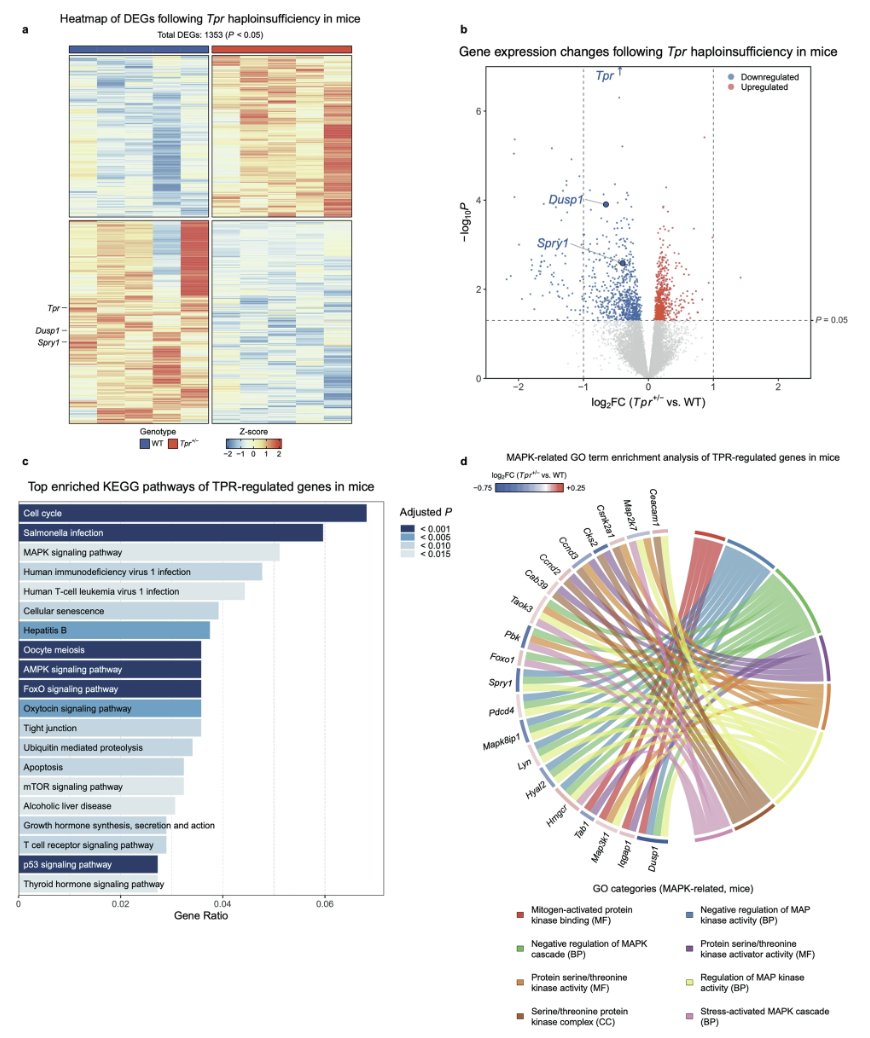
“Nucleoporin TPR integrates MAPK signaling with mitogen-induced transcriptional programs”
This study positions the nuclear pore complex as a dynamic signaling hub that integrates extracellular oncogenic cues with nuclear transcriptional output ⤵️
nature.com/articles/s41419-0…
3
7
504

Apr 27
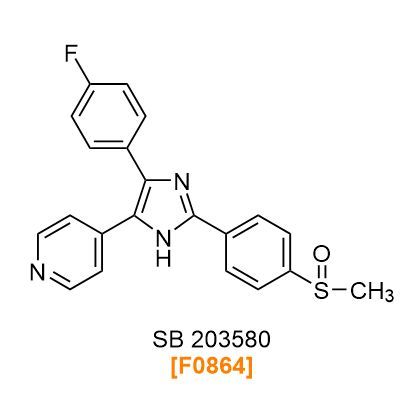
【製品紹介】MAPK (Mitogen-activated Protein Kinase) 阻害剤
SB 203580はp38 MAPK阻害剤であり、SAPK2a/p38、SAPK2b/p38β2に対するIC50はそれぞれ50 nM、500 nMです。
p38 MAPKに対する阻害様式はATPに競合的です。
buff.ly/ijD3bWw
8
886

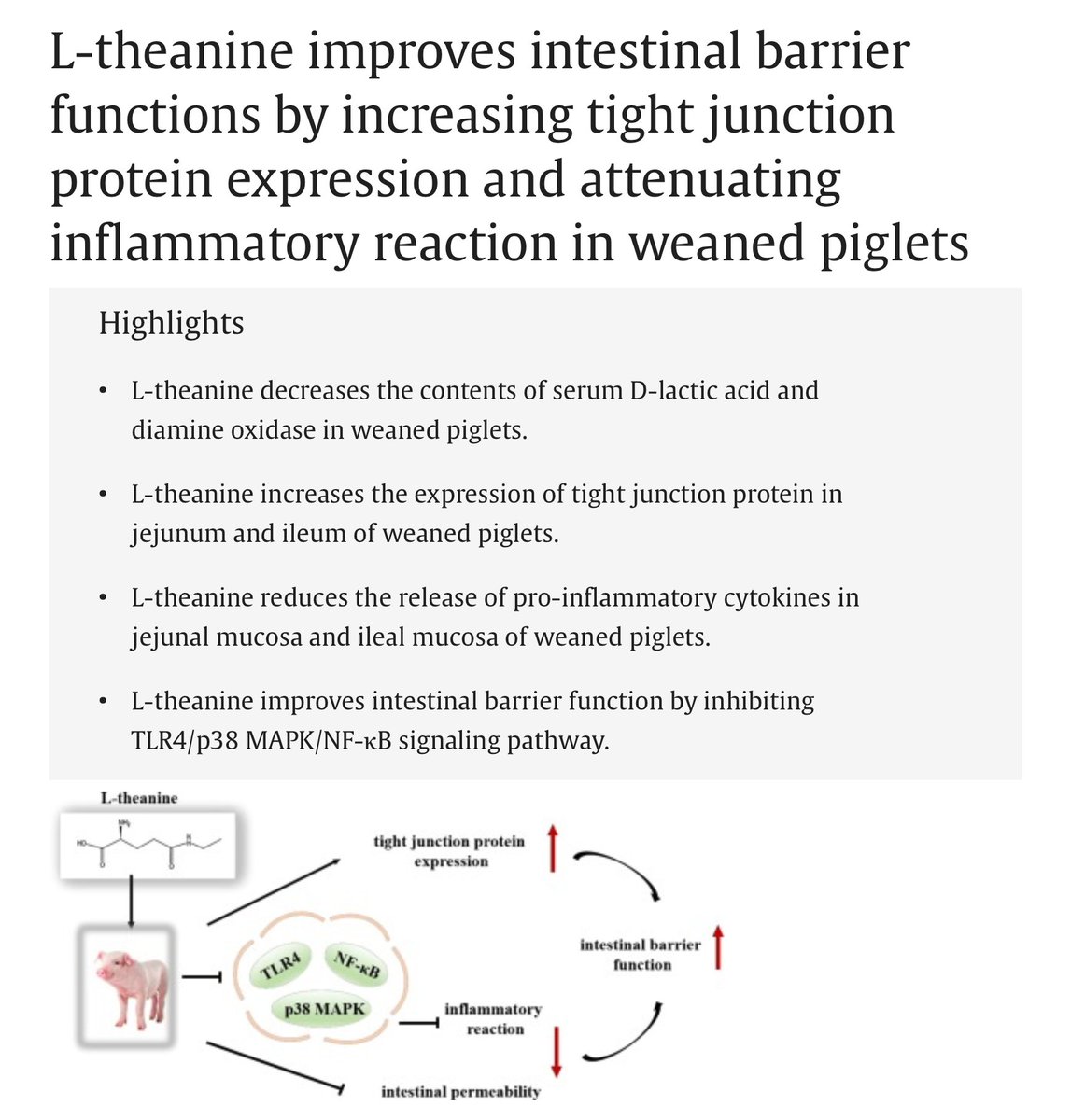
L-theanine improves gut barrier integrity.
It reduces gut inflammation by lowering TLR4 activation.
Upregulated TLR4 is implicated in:
— Sepsis
— Atherosclerosis
— Metabolic syndrome
— Rheumatoid arthritis
— Neuroinflammation
— Alzheimer’s disease
— Acute lung injury/ARDS
— Vascular inflammatory disease
— Obesity-related insulin resistance
— Nonalcoholic fatty liver disease
— NASH with progression to liver fibrosis
— Hepatocellular carcinoma
— Endothelial dysfunction
— Chronic inflammatory, autoimmune, and tumor-promoting states
The research was done in pigs. For those about the decrease in DAO, the histamine detoxifying enzyme, this was in the blood. DAO in the blood is an indicator of gut leakiness, not DAO levels in the gut.
“L-theanine increased the expression of zonula occludens 1, claudin 1 and occludin in jejunum and ileum of piglets. In addition, L-theanine inhibited the mRNA expressions of tumor necrosis factor-α (TNF-α), interleukin 1β (IL-1β), IL-6 and Toll-like receptor 4 (TLR4) and the protein expressions of TNF-α, phospho-p38 MAPK (mitogen-activated protein kinase), phospho-IĸB and nuclear NF-ĸB (nuclear factor-ĸB) p65. Taken together, our results indicated that L-theanine could improve intestinal barrier function in weaned piglets, and the effect might be mediated through inhibition of the TLR4/p38 MAPK/NF-κB signaling pathway.”
3
17
160
4,976