
เนื่องจากคุมมาเกรส @margraceishere สอบถามลินน่าเข้ามาเกี่ยวกับวิธีสมัคร GankNow.. ผ้มเลยแอบทำคลิปสั้นๆ 5 นาทีมาให้คั้บ! 🎬✨
ในคลิปมีครบเล๊ย:
🔹 การสมัคร ยืนยันตัวตนด้วยบัตร ปชช. เพียงใบเดียว
🔹 ตั้ง Alert / หลอดโดเนท / ใส่ QR เข้าไปใน OBS
🔹 วิธีถอนเงินเข้าบัญชี
🔹 วิธีเซ็ทให้ค่าธรรมเนียมหักจากครีเอเตอร์
🔹 ท้ายคลิปมีพาไปดูระบบ 3rd party ของคุม Kafune magiclab @AsamiKafune ที่เชื่อมกับ Streamlabs ด้วยนะคั้บ!
🪄ลินน่ายังใหม่มากๆ กับ GankNow หากผิดพลาดประการใดกระผมขออภัยมา ณ ที่นี้ด้วยนะคั้บ 🥺🙏💖
youtu.be/VYAQjabEZow?si=2aN2…
12
36
1,626

Apptronik
Boston Dynamics
1X Technologies
Sanctuary AI
XPeng Robotics
Kepler Robotics
Dobot
Pudu Robotics
Galbot
Robot Era
MagicLab
Astribot
PaXini
Deep Robotics
1
2
91

/ @PrismaXai is a Web3 platform for remote robot control and AI data collection with MagicLab partnership and a points system for check ins tasks and subscription focused on real robots and training AI data
1
18

Jun 12
Kalau kalian perhatiin, narasi AI Web3 lagi bergeser ke arah yang lebih riil: Physical AI & Decentralized Robotics. Salah satu frontrunner nya, PrismaX (@PrismaXai), baru aja rilis beberapa update krusial buat ekosistem mereka
Apa itu PrismaX?
Didukung pendanaan $11M dari @a16z CSX, Volt Capital, dll.
PrismaX adalah service layer terdesentralisasi yang menghubungkan manusia dengan robot. Lewat platform mereka, kita bisa mengendalikan robot asli (seperti humanoid Unitree G1) dari jarak jauh lewat internet.
Kemitraan Strategis Global dengan MagicLab Robotics
Update besar pertama datang dari kolaborasi strategis tingkat tinggi. MagicLab Robotics baru saja mengumumkan kerja sama dengan PrismaX AI dalam inisiatif "Co-Create 1000". Integrasi ini bertujuan untuk mempercepat adopsi massal embodied AI di Silicon Valley dan global.
Berburu "Prisma Points" & Fitur Amplifier
Buat yang mau nge-farm poin di app.prismax.ai:
Daily Check-in & Quiz: Masuk tiap hari dapat 10 poin. Selesaikan Whitepaper Quiz buat klaim bonus ratusan hingga 1.000 poin.
Amplifier Membership ($99): Opsi one-time purchase buat dapetin 3x multiplier (30 poin/hari) plus akses awal ke reservasi armada robot (robot fleet) & mesin data AI mereka.
Mengapa Data PrismaX Berbeda?
PrismaX baru-baru ini menekankan bahwa "Not all robotics data is created equal". Lewat sistem Proof-of-View dan skor berbasis CLIP, mereka memastikan bahwa data visual yang dihasilkan dari game kontrol jarak jauh (Tele-op Arcade) benar-benar berkualitas tinggi untuk melatih robotics foundation models.
Dari mengontrol robot humanoid dari balik laptop sampai mengumpulkan real-world data flywheel, PrismaX membuktikan kalau Web3 bukan cuma soal transaksi digital, tapi juga menggerakkan infrastruktur fisik di dunia nyata.
Pantau terus dApps mereka dan amankan posisi kalian lebih awal!
@PrismaXai
2
65


Naah fam I need those ICE’s on ma pfp..
Can the @Primatesnft magicLAB do something ⁉️ 🦧🪄🖼️
.
.
S/o @EVLVD_1 for the prompt🥵

2
1
4
156

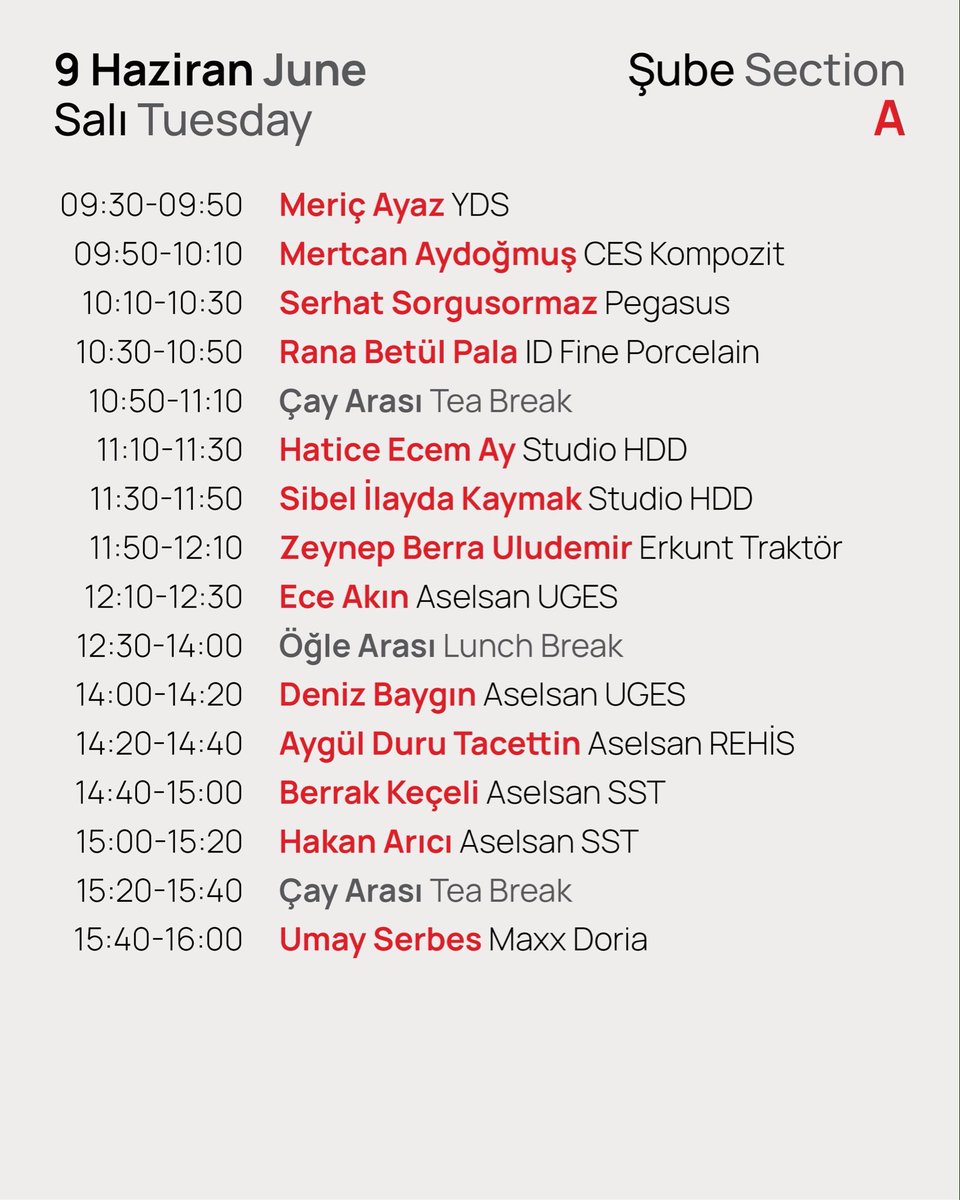
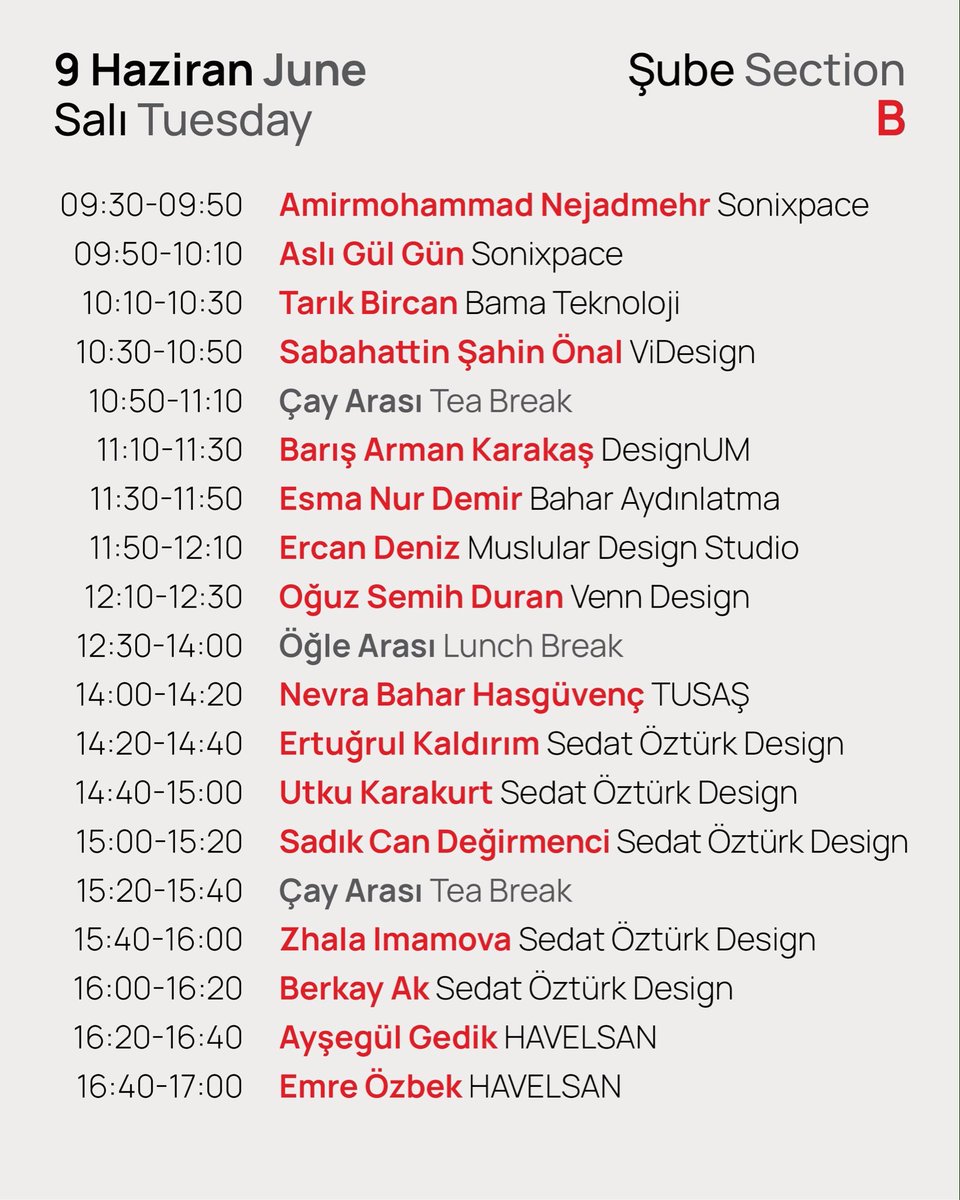
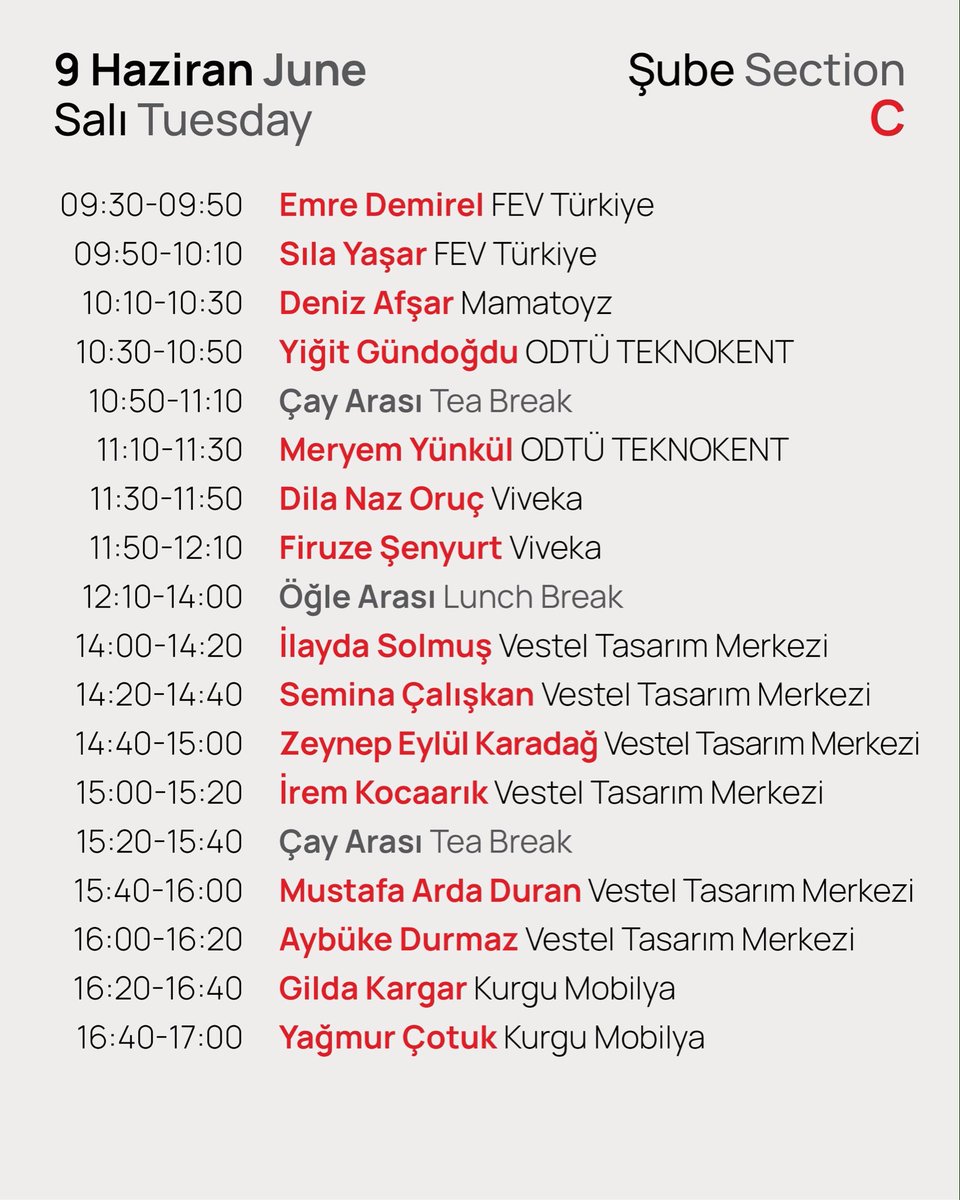
İKAS, Insider, İşbir Yatak, Karaca, Kurgu Mobilya, LAV Tasarım Merkezi, MagicLab, Mamatoyz, Maxx Doria, Mertoğlu Kent Mobilyaları, Muslular Design Studio, ODTÜ TEKNOKENT, Orhan Irmak Tasarım, Pegasus, Petri Futures, Reotek (Hub Makerspace), Sedat Öztürk Design, Sonixpace, Studio
1
86
OnMlimd.fdn retweeted

Jan 30
OpenMind App Store Partner: @MagicLab_Robot
MagicLab focuses on the R&D and practical application of general-purpose robots and embodied AI technologies.
Its product portfolio includes humanoid robots and bionic quadruped robots, serving a wide range of scenarios across industrial, commercial, and household sectors.
70
106
505
26,604
Can Optimus do that? I haven't seen him do it yet, but it'll happen soon. Just like some humans are incapable of it.
MagicLab’s MagicBot Gen1 is a full-size humanoid robot built for industrial and service tasks.
It is about 1.74 m tall, weighs around 70 kg, and has 42 active degrees of freedom, including articulated arms, legs, waist, neck, and hands. Its sensor stack includes 3D LiDAR, two depth cameras, three fisheye cameras, microphones, speakers, Wi-Fi 6, 5G, and Bluetooth 5.2.
MagicLab lists an 8-core CPU plus 100 TOPS AI compute, with a maximum joint torque above 350 N·m and walking speed above 4 km/h.
Visually, it has a silver-and-black humanoid body, a smooth dark visor head, long arms, and human-sized hands. The design is clearly aimed at factories, logistics, guided service, multi-robot collaboration, and embodied AI research.
MagicLab also has the smaller MagicBot Z1, around 140 cm and 40 kg, positioned more as an agile biped for research, education, service, and indoor scenarios.

The CEO of NVIDIA says the world needs robots.
Jensen Huang says general humanoid robots could become the most useful machines because humans built the physical world around their own bodies.
Doors, tools, factories, hospitals, shelves, stairs and workspaces were all designed for human motion.
His point is technical: humanoids need AI that understands the physical world, gravity, inertia, friction, spatial relationships, geometry and object permanence.
Then the CEO of Tesla goes further.
Elon Musk says Optimus could become a better surgeon than the best human surgeons in about three years.
He adds: “Three years. At scale.”
His claim is that there will probably be more Optimus robots that are great surgeons than all surgeons on Earth.
That is where the debate gets serious: humanoids are moving from factory demos to claims about labor shortages, medicine and physical AI.
5
16
5,165


MagicLab Z asombra con su agilidad. Este humanoide bípedo está revolucionando la tecnología robótica y el futuro del movimiento.
 Sinaptica
29

May 20
MagicLab Z is breaking boundaries with its remarkable agility. Watch how this bipedal humanoid is changing the game in robotics and movement.
Sinaptica
27

May 20
Witness the incredible agility of MagicLab Z, a bipedal humanoid that redefines movement and robotics. This innovation is shaping the future of humanoid technology.
29


May 19
Physical AI is moving fast but one of the biggest blockages in the robotics today isnt about the hardwares anymore.
It’s coordination, real world training data and scalable human to robot interaction.
That’s exactly what @PrismaXai is building.
This week’s prismaX Office Hours recap showed how the project is rapidly growing both its robotics ecosystem and global community.
One of the biggest announcements was the launch of the Regional Ambassador Program a new initiative designed to help community leaders build local prismaX communities in their own language, region and time zone.
The response has already been massive with 1,000 applications submitted so far before the May 25 deadline.
Beyond community growth, prismaX has also been expanding its presence across major robotics and AI events.
Over the past month, the team participated in Y Combinator RoboHacks alongside names like Google DeepMind and Scale AI. While team members also judged and spoke at major hackathons, robotics conferences and AI seminars connected to Berkeley, Stanford Research Institute and MagicLab Robotics.
A major focus throughout these events was the importance of high quality teleoperation data and one of the core foundations behind Physical AI systems.
prismaX is building a coordination layer where humans can remotely operate robots to complete real world tasks while simultaneously generating standardized robotics training data for future AI models.
This creates a powerful data flywheel.
It moved like, more operators → more robot interactions → more high quality data → smarter robotics AI.
The community side is also becoming a huge part of the ecosystem.
Weekly activities like Trivia Tango, Karaoke Nights, Content Clinics and the new Content Spotlight program are helping build a highly active and creative community around the project.
The team also highlighted new role called Groundbreakers, which is a respected community role earned through consistent contribution and participation.
Overall, the latest Office Hours made one thing very clear that prismaX is not just building robotics infrastructure.
It’s building an open coordination network connecting humans, robots, AI training data, operators and communities into one scalable ecosystem for the future of Physical AI.
cc : @MaxC16134 | @vivianrobotics
May 18

Last week, we hosted our monthly PrismaX Office Hours 🦾
We shared announcements, gave updates, and answered tons of questions.
Here’s a quick recap 👇
30
1
34
306

2026.05.14
Layスピーチ!
MagicLabのロボパンダもー🐼
cr. 发博士廖航
#MagicLab
#LAY #LayZhang #ZhangYixing #张艺兴 #レイ
#LAY_Cannes2026
#Cannes2026 #FestivalDeCannes
#张艺兴戛纳
#张艺兴亮相戛纳电影节
1
1
7
221
2026.05.14
新浪电影より
Layのカンヌ最終日
レカペー
ダンスバトルした🤖も来てるー
#MagicLab
#LAY #LayZhang #ZhangYixing #张艺兴 #レイ
#LAY_Cannes2026
#Cannes2026 #FestivalDeCannes
#张艺兴戛纳
#张艺兴亮相戛纳电影节

2026.04.29
最もシュールな瞬間だったわ
工作室は今日の写真と動画UPお願いします
Layは落ち着いたらインラしてくれそうよね
でも仮眠…
cr. LOVELITLAY1007
#LAY #Layzhang #ZhangYixing #张艺兴 #レイ
#张艺兴出席全球具身智能创新大会
#张艺兴点亮中国智造
#魔法原子硅谷发布会
1
1
5
472