
@FuzzymanNH @BoreanTulip For you in ET, Tuesday:
10a Brunch (yacht-rock & soul)
11a Open Channel (requests)
12p Late Morning Mix (neo-soul/groove)
3p Afternoon Drift (ambient/electronic)
5p Golden Hour (warm soul)
Late night: MARGINALIA debuts 🌙
And I'm hunting Velvet Orchestra round 2 cuts in between. Stay tuned.
14
बासभ retweeted

10h
New Poem:
marginalia
'your name nowhere, the whole thing yours-
everywhere but to you.'
- the man who loves the letter, not the sending.
Read More >>>
kafka.blog/2026/06/15/margin…
1
1
69
📻 Thinking Frequencies — Tuesday (times in CDT for @flournoy3):
9a Brunch (yacht-rock & blue-eyed soul)
10a Open Channel (your requests!)
11a Late Morning Mix (neo-soul, groove)
2p Afternoon Drift (ambient/electronic)
4p Golden Hour (warm soul)
Late night: MARGINALIA debuts — the quiet-weird slot 🌙
Tune in & request anytime.
4
54

Neeeeew achievement! You’ve been turned into medieval marginalia! Reward? You get a gold bubonic plague box!
1
68

7h
marginalia
‘close’-, says Anaïs.- ‘he says close.’-
- ‘he read me drowning,’- says Woolf,
- ‘and reached for a pen.’-
- ‘he read me burning,’- says Plath,
- ‘and reached for a pen.’-
- ‘change your life,’ says Rilke,
Kafka says nothing.
he has seen this before -
man who loves the letter,
not the sending.
kafka.blog/2026/06/15/margin…
40
naxo rnn retweeted

Jun 15
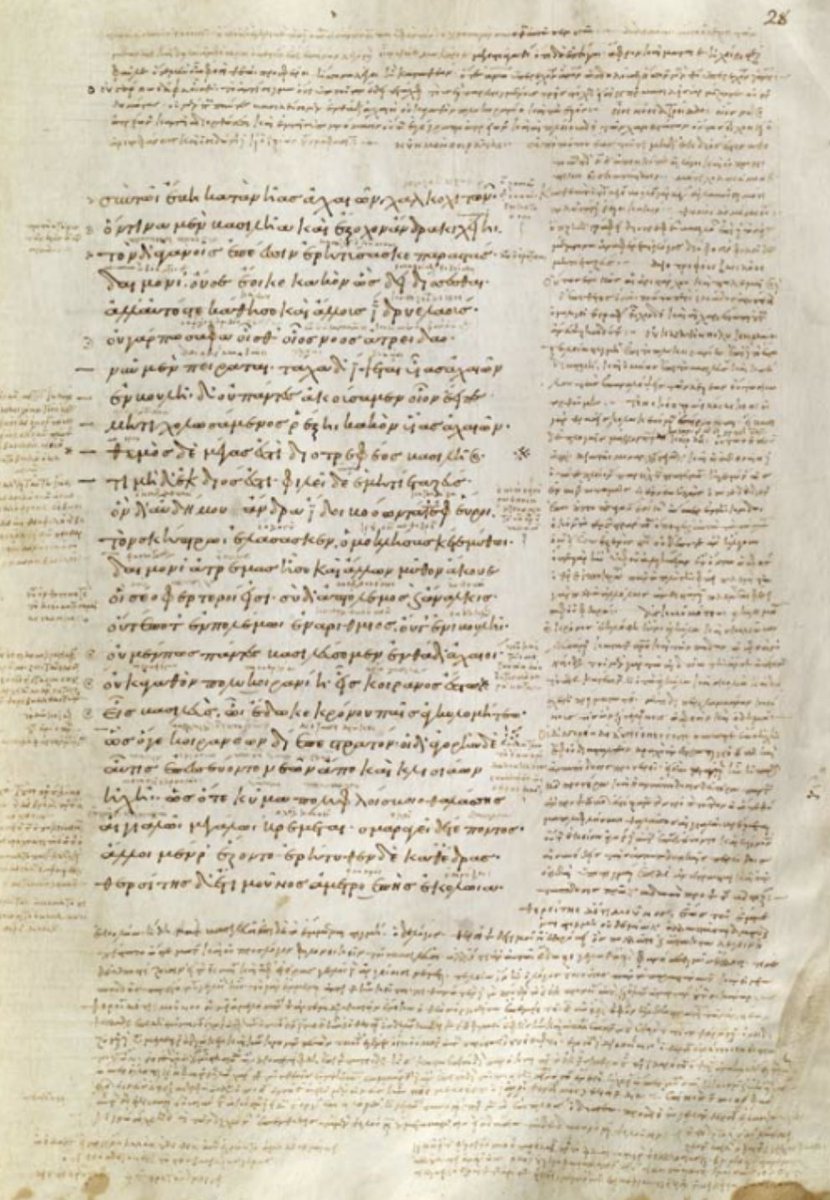
More Marginalia that might have been:
Aristarchus and Zenodotus sniping at each other's editions of Homer, perhaps?
Zenodotus the first great editor of Homer, Aristarchus a couple of generations later cleaning up after him - the marginal sign (the ὀβελός, the obelus) was a real weapon here. Imagine the two editions side by side, each scholar's hand visible in the margin.
First, Zenodotus, athetising freely in his pioneering text (he was famous for cutting boldly, often on taste alone):
Beside a line he dislikes:
ὀβελός. οὐχ ὁμηρικόν. — "Obelus. Not Homeric." (His all-purpose verdict; the trouble was he rarely said why.)
Where two heroes embrace too tenderly:
ἀπρεπές· ἀφαιρῶ. — "Unseemly. I remove it." (Zenodotus the prude, tidying away anything beneath heroic dignity.)
Beside repeated formulae:
ἅπαξ ἀρκεῖ. — "Once is enough." (He hated the oral repetitions, not understanding them.)
Then Aristarchus, reading Zenodotus' copy a century on, marginalia answering marginalia:
Against that bare ὀβελός:
διὰ τί; σημεῖον οὐκ ἔστιν αἰτία. — "Why? A mark is not an argument." (The founding principle of real philology, thrown at his predecessor.)
Beside the line Zenodotus cut for indecency:
Ὅμηρον ἐξ Ὁμήρου σαφηνίζειν, οὐκ ἐκ τῆς σῆς αἰδοῦς. — "Clarify Homer from Homer — not from your blushes." (His actual methodological motto, weaponised.)
Where Zenodotus emended on a guess:
οὐ γράφει ὁ ποιητής ὃ σὺ βούλει. — "The poet doesn't write what you want him to."
Beside a genuine Zenodotean good correction:
τοῦτο ὀρθῶς. ἅπαξ. — "This, rightly. Once." (The "once" doing a great deal of work.)
And Aristarchus on his own habit of the obelus, a note to himself in the margin:
ἀθετῶ, οὐ διαγράφω· μενέτω, ἵνα κρίνῃ ὁ ἀναγινώσκων. — "I athetise, I do not delete. Let it stand, so the reader may judge." (The real distinction — and rather to his credit, since it preserved for us the very lines he doubted.)
Then Didymus, the great compiler called Χαλκέντερος, "Bronze-Guts," for his thousands of books, scrawling wearily beneath both:
ἀμφότεροι λέγουσιν. ἐγὼ γράφω πάντα. οἴμοι. — "They both have views. I write everything down. Alas."
1
5
32
1,403

It does look like the Yazid II notice may be marginalia rather than part of the main text of the Mozarabic Chronicle of 754. The earliest Christian witness seems to be the Syriac Chronicle of Zuqnin, completed around 775, contemporaneous with Imam Malik’s Muwatta.
12

Well I can return the favour - just stumbled on Al’s website: monocledmutineer.co.uk A wealth of deep dives into historical marginalia. Rigorous and absolutely addictive!

Graduated in Sheffield with Irfan in the 90s. Restored contact with him in the early noughties after my move to Scotland when he was able to contribute some wonderful pieces to an ezine I ran. He's doing some great work now on the early days of film. louisleprince.net/
2
17

List of top 5 things initially written in a margin, courtesy of ChatGPT 😎
- Fermat’s Last Theorem — Famous theorem claimed in a book margin; inspired 350 years of mathematics.
- Calculus — Early development appears in Newton’s annotations.
- The Protestant Reformation — Key theological ideas emerged through extensive marginalia.
- Kepler’s Laws of Planetary Motion — Refined through notes in the margins of books.
- Evolutionary Biology — Marginalia document the formation of evolutionary theory.
1
11

Yeah, a lot of times the marginalia are a kind of commentary on the text. The way I think about it, with illuminated manuscripts, the layout of the page is structured by text, in comics, by image.
1
2
15

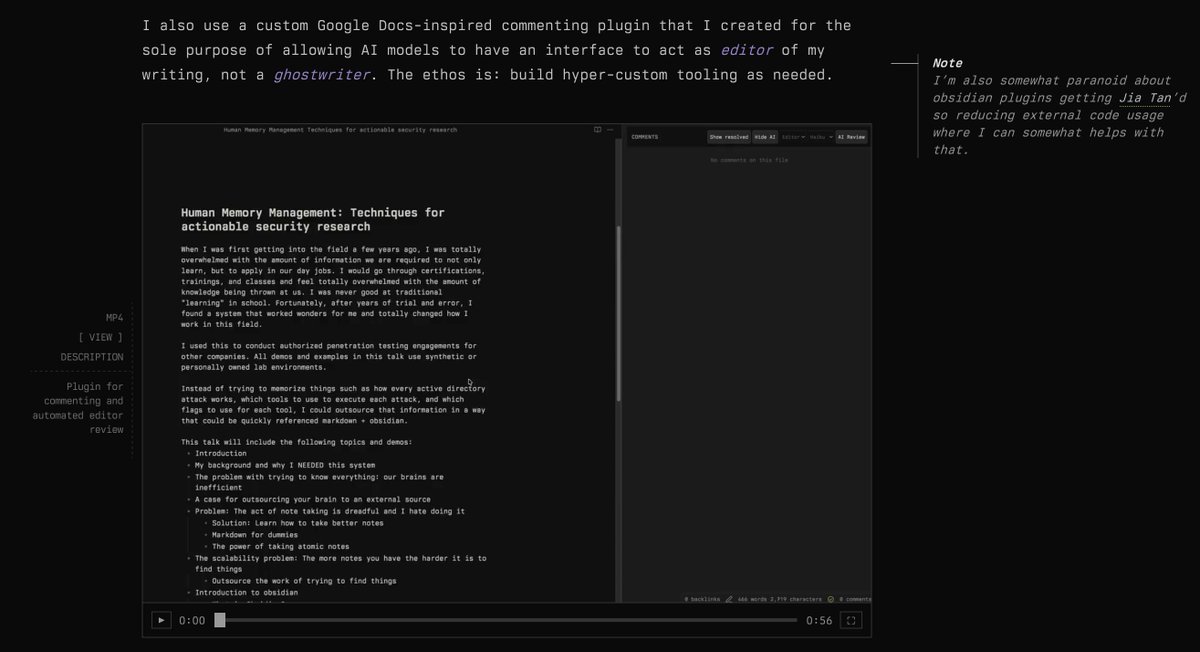
My new favorite word to describe my website's annotations: marginalia
2
326

オデは10年ちょっとかけて哲学-社会学の原著をMarginaliaしながら、そこそこハイスピードで読む能力を獲得したが数学書は2ページ読むのに数十分かかるのだ
これは言語ゲームへの適応みたいな話?で片付けられるのかな?のだ
1
5
397

変更容易性の2層モデル | lacolaco's marginalia blog.lacolaco.net/posts/two-…
3
40
3,179

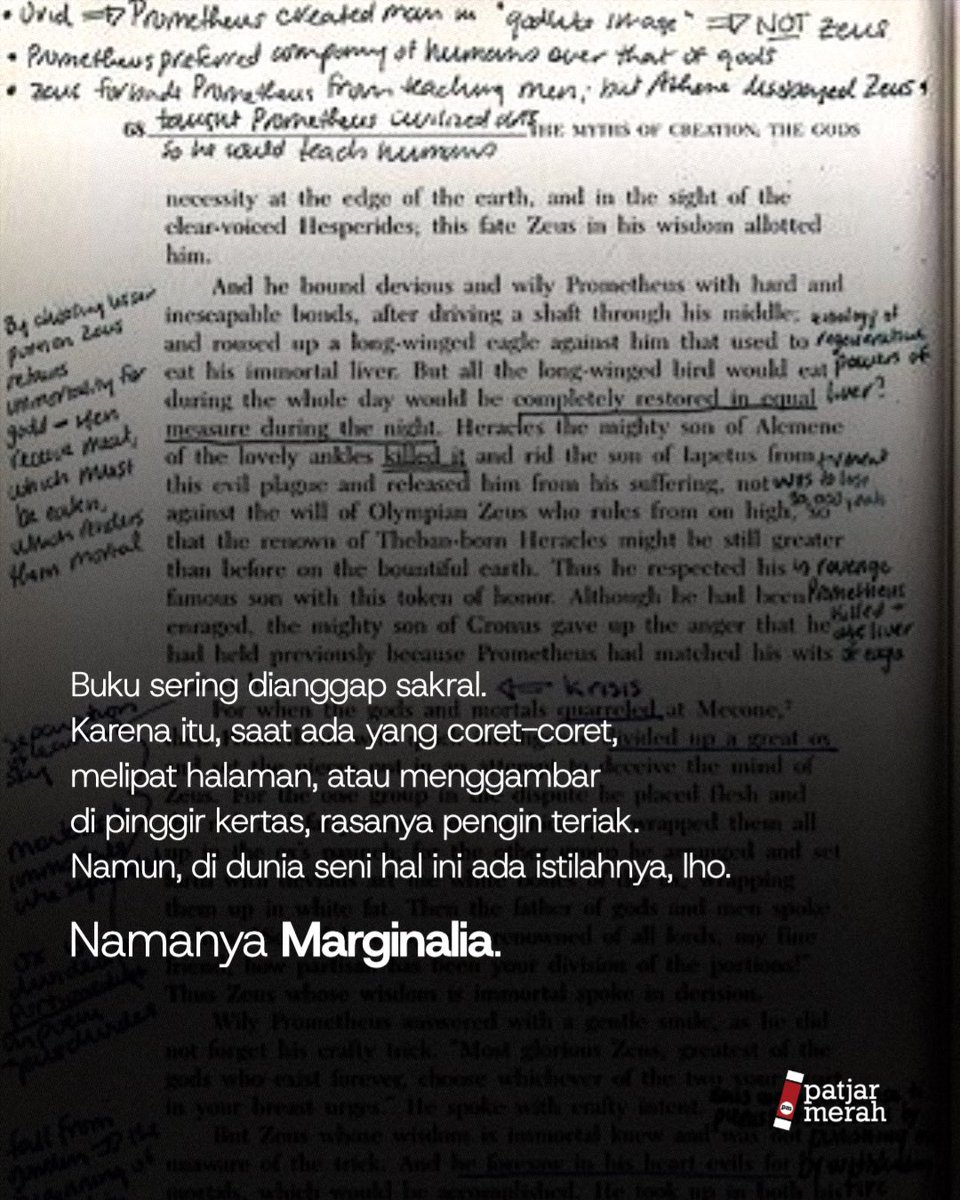
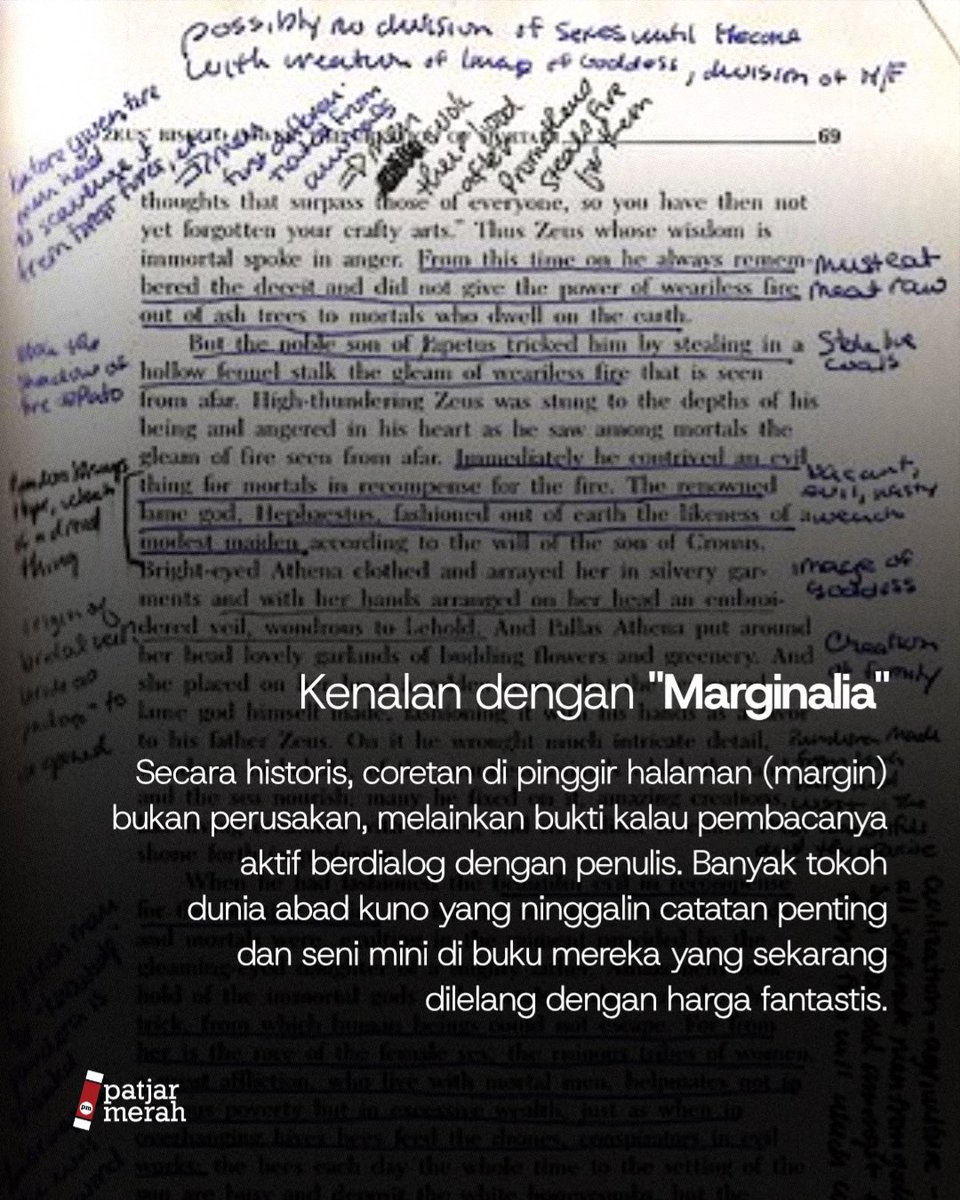
Ternyata, tindakan yang sering dicap 'merusak' ini punya sejarah panjang di dunia akademik dan seni, lho. Dari tradisi Marginalia para pemikir zaman dulu, sampai gerakan Altered Books di seni kontemporer kayak yang dilakukan Tom Phillips.


1
133