
Jun 12
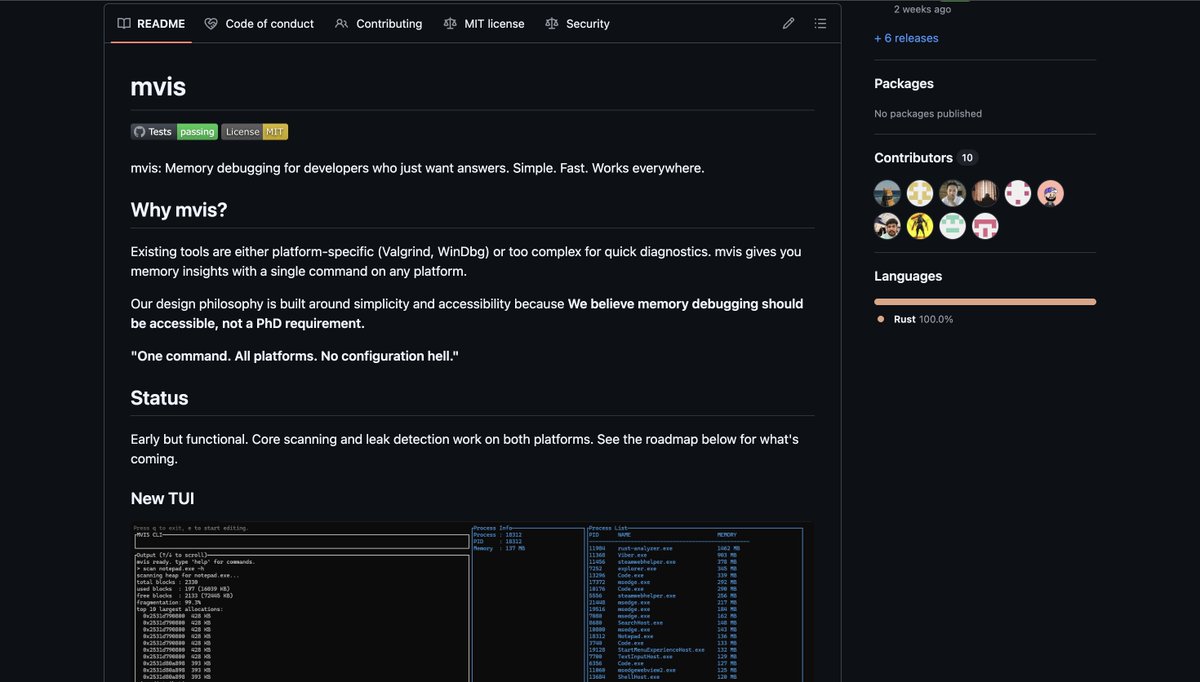
Cool find : mvis is a lightweight cross-platform memory debugger, built in Rust. 🦀
Valgrind and WinDbg are powerful but platform-specific and complex. mvis aims for "one command, all platforms, no configuration hell."
What it does:
→ Process & heap scanning
→ Memory leak detection (single multi-sample)
→ DLL tracking
→ Stack tracing for allocation sources
→ Currently Windows Linux
🔗 github.com/SickleFire/m-vis
#RustLang #DevTools #CLI #OpenSource #Debugging #MemoryManagement
1
6
257

Jun 9
Memory management under control: DolphinDB gives you fine-grained visibility into memory allocation, query memory limits, and cache behavior—no more OOM surprises. #DolphinDB #DBA #MemoryManagement
2

Jun 7
"C 's `const` keyword doesn't just modify variable scope; it also affects how pointers behave. When using `const` with a pointer, it means the pointed-to value can't be changed, but the pointer itself remains modifiable." #cpp #programming #memorymanagement
14
Jun 5
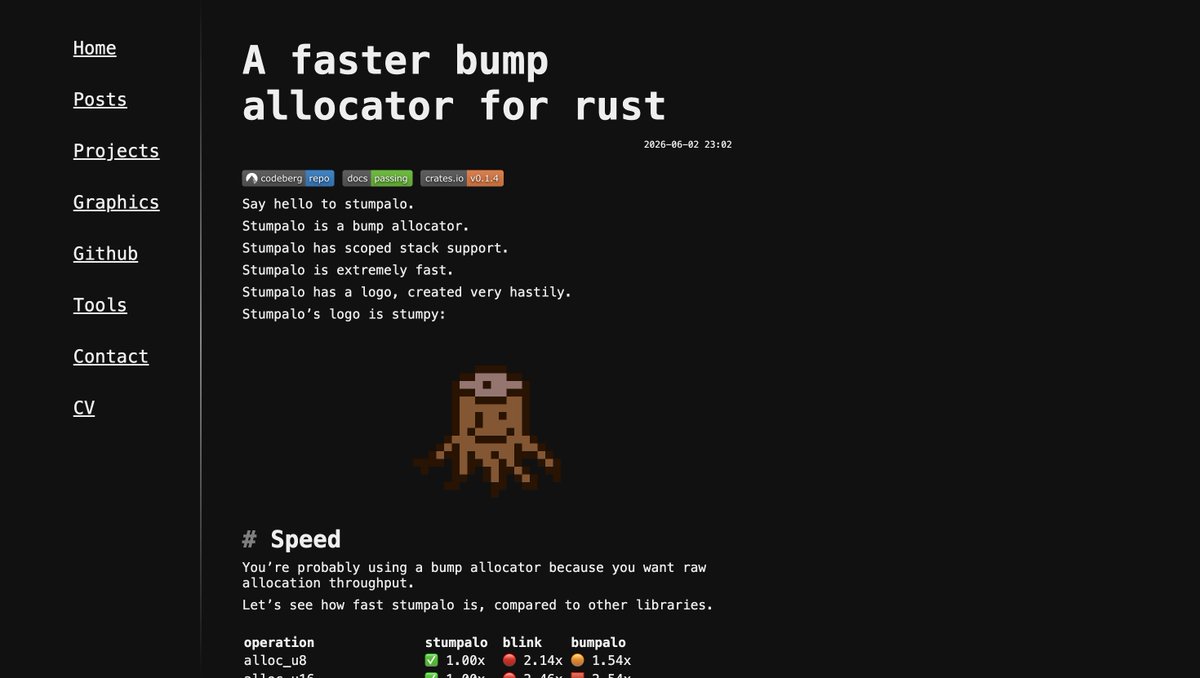
Came across "stumpalo" : a faster bump allocator for Rust, built as a drop-in alternative to bumpalo.
What makes it faster?
→ Less indirection, arena header stores top/bottom pointers directly
→ LLVM-friendly fast paths with compile-time known conditions
→ Single conditional branch, as few as 6 instructions on the hot path
Benchmarks show it matches or beats bumpalo across virtually every allocation pattern.
Bonus: scoped stacks let you use the arena temporarily and revert to the previous state when done, great for scratch space.
🔗 owen.cafe/posts/stumpalo
#Rust #RustLang #SystemsProgramming #MemoryManagement #OpenSource #Performance
1
3
216

May 17
Linux kernel developer Brendan Jackman discussed managing pages outside of the direct map URL at the 2026 Linux Storage, Filesystem, Memory Management, and BPF Summit. His session covered efficient ways to handle pages not present in the kernel's direct map.
#LinuxKernel #MemoryManagement
2
12

During theCUBE’s coverage from “Securing the AI Factory with Dell Technologies and Intel,” our @dvellante speaks with Mike Ferron-Jones about @Intel’s four-pronged #hardwaresecurity strategy.
💡 Get more insights!
thecube.net/events/dell/secu…
#MemoryManagement #EnterpriseAI
4
148

Problem: two objects reference each other, so neither gets destroyed. Solution: keep the owner reference strong, but make the back-reference a WeakRef. Same relationship, fewer memory headaches.
#Xojo #MemoryManagement
1
3
53

Apr 26
Stack vs Heap is not about speed alone.
It is about how memory is managed behind the scenes.
Stack - A region of memory used for static allocation, function calls, and local variables, managed automatically using a Last-In-First-Out (LIFO) structure.
Heap - A region of memory used for dynamic allocation, where objects and data live until they are explicitly freed or garbage collected.
Stack
→ Stores local variables and function calls
→ Memory allocated and freed automatically
→ Very fast access
→ Limited size
→ Lifetime tied to function scope
Heap
→ Stores objects and dynamic data
→ Memory managed manually or by garbage collector
→ Slower than stack due to allocation overhead
→ Much larger memory space
→ Lifetime controlled by program logic
Real example:
When a function runs:
`int x = 10;` → stored in Stack
When an object is created:
`new User()` → stored in Heap
Think of it like this:
Stack = Short-term workspace , Heap = Long-term storage
Both are essential.
Different purpose. Same program.
#Stack #Heap #MemoryManagement #Programming #SoftwareEngineering #Backend

1
7
59

Apr 16
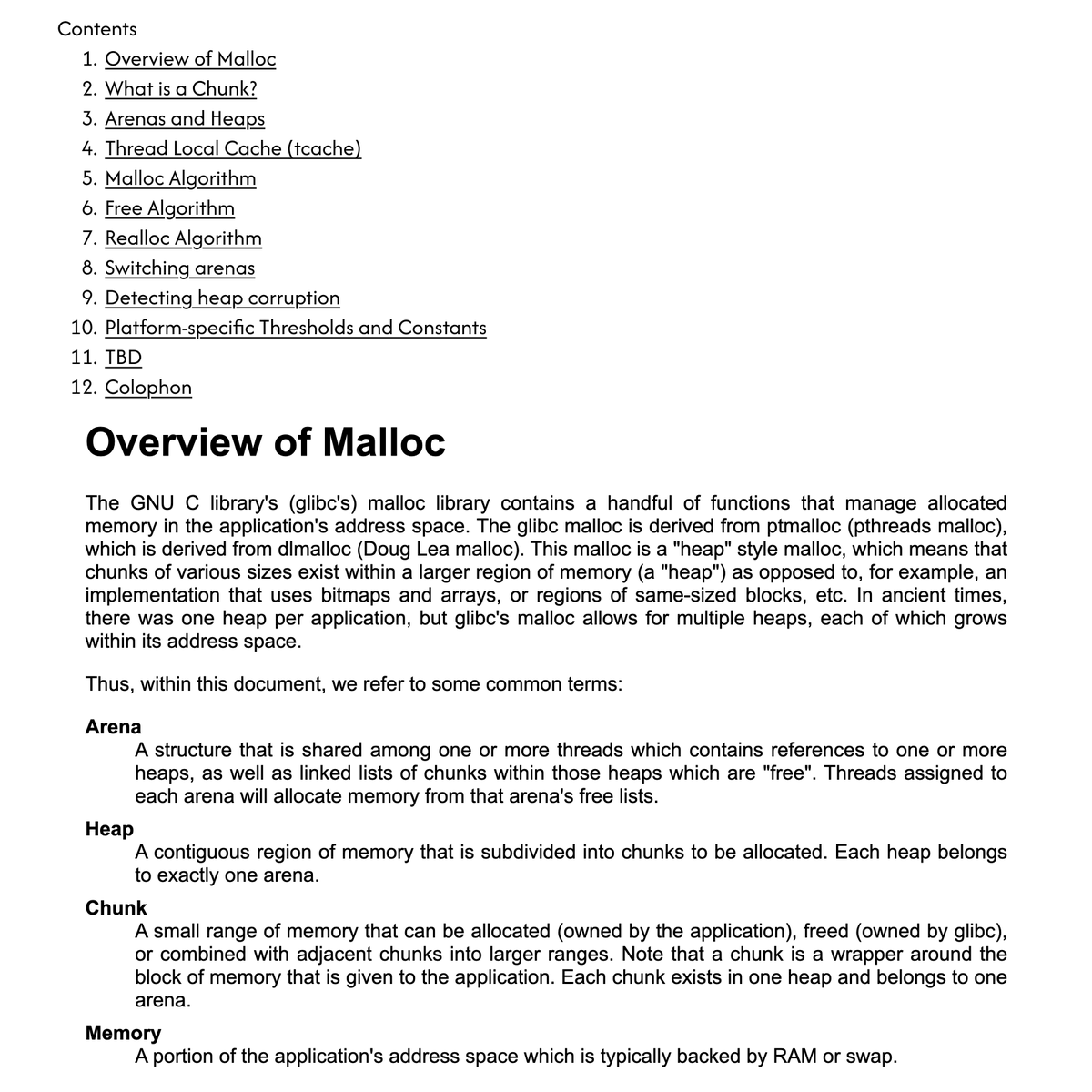
glibc malloc internals
sourceware.org/glibc/wiki/Ma…
#MemoryManagement
Apr 16

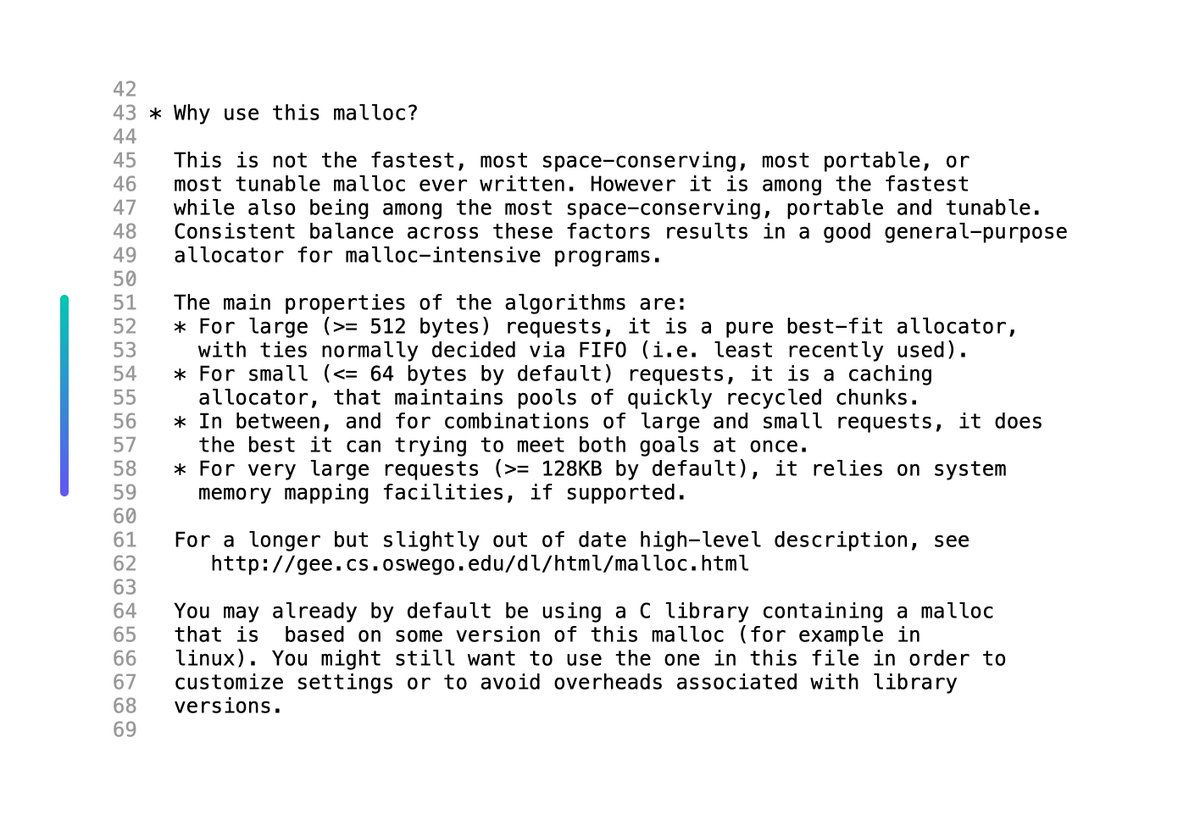
The "code is the documentation" principle holds, and malloc.c from glibc is a great example.
This is the logic behind arenas, bins, and chunk management that powers most Linux applications.
sourceware.org/git/?p=glibc.…
1
39
240
37,287

How to Free Up iPhone Storage Without Deleting Photos from iCloud.
#Apple #iPhone #iPhone17 #StorageFull #iCloud #PhotoStorage #MemoryManagement #SpaceSaving #CloudStorage #DataManagement #TechTips #HowTo #ProTips #ProductivityTips #iPhoneTips #AppleHelp
smartsight.in/technology/how…
2
6

الخلط بين المتغير والكائن في بايثون هو السبب الأول للأخطاء المنطقية (Bugs) المحيرة في الكود
هندسياً، بايثون لا تتعامل مع الذاكرة كعناوين ثابتة، بل كشبكة من الإشارات (References).
هذا المفهوم هو ما يمنحها القوة، ولكنه يتطلب وعياً برمجياً عالياً:
1️⃣ معضلة القوائم (Mutable Objects):عندما تمرر قائمة لدالة، أنت لا تمرر نسخة منها، بل تمرر عنوانها الأصلي.
أي تعديل بسيط داخل الدالة سيمتد أثره ليشمل البرنامج بالكامل، وهو ما قد يسبب كوارث في البيانات إذا لم تكن حذراً
2️⃣ سحر الـ Garbage Collection:بايثون تراقب كل كائن في الذاكرة؛ بمجرد أن ينقطع خيط الإشارة إليه (Reference Count = 0)، يتم حذفه تلقائياً.
فهم هذه الآلية يجعلك تكتب كوداً لا يستهلك موارد الجهاز بشكل عشوائي
.3️⃣ كفاءة الأنظمة الضخمة:في الأنظمة الحساسة، فهمك لكيفية عمل الـ Memory Profiling هو الفارق بين سكريبت ينهار تحت ضغط البيانات، ونظام مستقر يعالج الملايين من العمليات بكفاءة هادئة.
💡 في دورة #Python_Course مع #أكاديمية_اتصالاتي، ننتقل بك من مجرد كتابة أوامر إلى فهم المعمارية الداخلية للغة لتربط الصورة الكاملة برمجياً
.📩 سؤال للنقاش: برأيك، هل التعامل مع الذاكرة بشكل تلقائي في بايثون ميزة مطلقة تسرّع العمل، أم عيب في الأنظمة التي تتطلب دقة متناهية في الأداء؟ شاركنا رأيك التقني
#PythonCourse #MemoryManagement #SoftwareArchitecture #CodingBasics #أكاديمية_اتصالات
1
287
💡 مصطلح اليوم: Names as Labels (المتغيرات كملصقات)
في لغة بايثون، المتغير ليس صندوقاً تخزن فيه القيمة كما في لغة C، بل هو مجرد ""ملصق"" (Label) يشير إلى كائن (Object) موجود في الذاكرة.
عندما تكتب x = 100 أنت لا تضع رقم 100 داخل x؛ بل تنشئ كائناً يمثل الرقم 100 في الذاكرة وتجعل الاسم x يشير إليه.
هذا التصميم هو سر مرونة بايثون كفللسفة ""كل شيء هو كائن"" (Everything is an Object).
📡 نصيحة: تذكر دائماً أن الأسماء تتغير، ولكن الكائنات في الذاكرة لها دورة حياة يديرها الـ Garbage Collector
.#PythonCourse #MemoryManagement #SoftwareEngineering
#أكاديمية_اتصالاتي
2
206

Mar 6
Java Memory Leaks Explained 🚨 Garbage Collector Can’t Save You
#Java #JVM #MemoryManagement #JavaPerformance #PerformanceEngineering #BackendEngineering #GarbageCollection #ThreadLocal #ProductionDebugging #SoftwareArchitecture #EnterpriseJava #ScalableSystems #TechLeadership
2
40

Hidden memory bugs? 🔎 Samuel Cherukutty from @Zoho shows how to find them in PostgreSQL using **Custom Memory Allocators**. Deep dive into internals! #PostgreSQL #Debugging #MemoryManagement

1
4
147


Feb 23
techblog.lycorp.co.jp/zh-han…
* 「小幽」是一個個人化的 LINE AI 智慧助理,旨在成為使用者的「第二大腦」,方便記錄與回饋。
* 系統架構包含 LINE Webhook 驗證、事件處理、內建功能判斷、API 呼叫限制、意圖分類、服務層處理(如 Todo、Link、Chat),並整合 Mem0 進行記憶管理,最終透過 Gemini API 生成個人化回應。
* Mem0 作為記憶管理層,能將雜亂的對話拆解為精確的「原子事實」,自動處理衝突更新,並建立實體關聯,解決傳統 RAG 的碎片化、冗餘、知識衝突及缺乏實體關聯等問題。
* Mem0 的輸入(Write Path)包含事實提取與記憶鞏固(包含顯著性、衰減、衝突檢查與更新、關聯建立),輸出(Read Path)則進行向量與語義檢索、多模態檢索與評級。
* Mem0 透過 ANN(Approximate Nearest Neighbors)演算法(如 HNSW)優化檢索速度,將時間複雜度從 O(N) 降低至 O(log N)。
* AI 記憶品質可透過 LOCOMO benchmark 評估,包含單點、多跳推理、時間推理、個性化知識及對抗性測試等維度。
* 小幽透過 Gemini API 進行意圖分類,以自然語言理解使用者需求,並能利用 Gemini 的 URL Context Tool 分析網頁連結內容。
* 未來發展方向包括整合 Google Maps API、支援跨平台聊天機器人,以及導入對話加密處理以加強隱私保護。
#AI #LINEBot #MemoryManagement
4
2
412

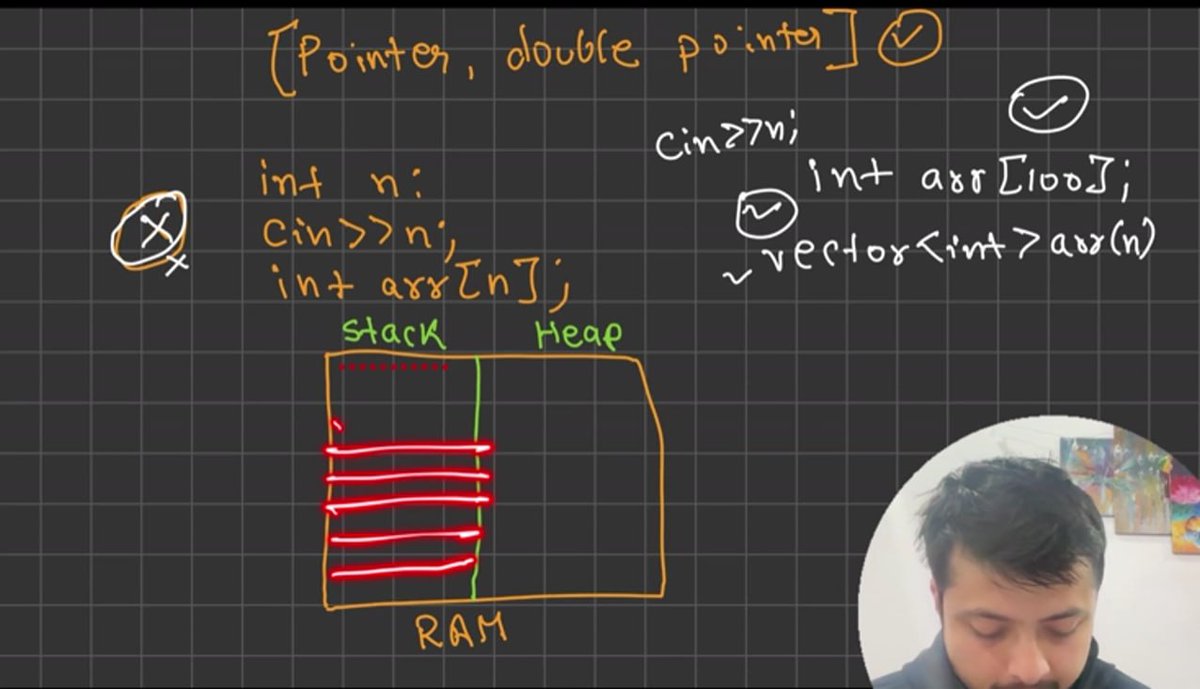
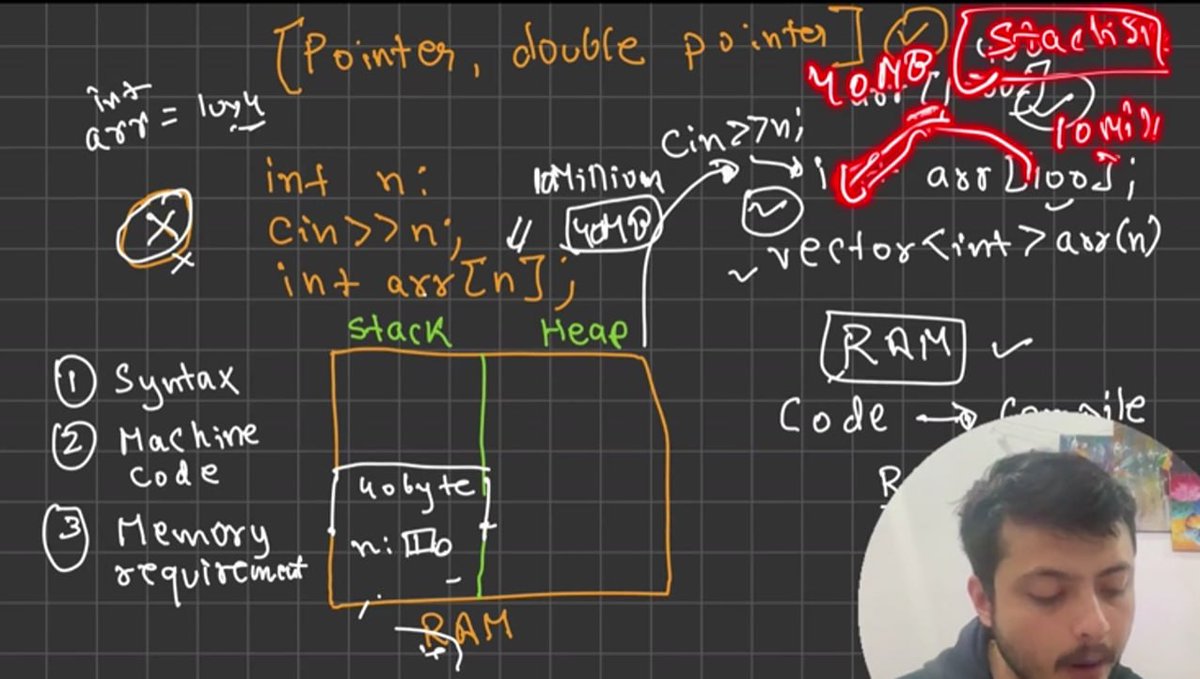
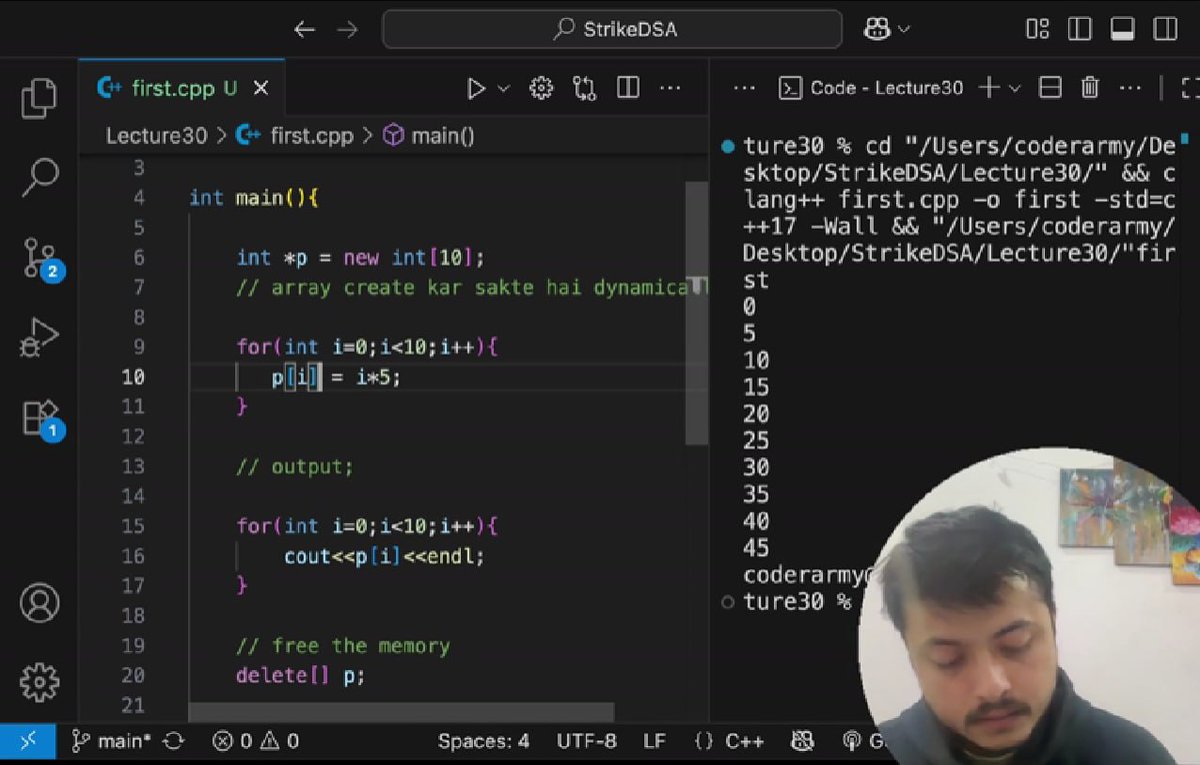
Completed DSA Lecture 30 by @rohit_negi9 🚀
Learned about stack vs heap memory, dynamic memory allocation, vectors, dangling pointers, and proper memory deallocation in C .
Strong fundamentals for writing safe and efficient code.
#DSA #CPlusPlus #MemoryManagement #Learning
1
14
240

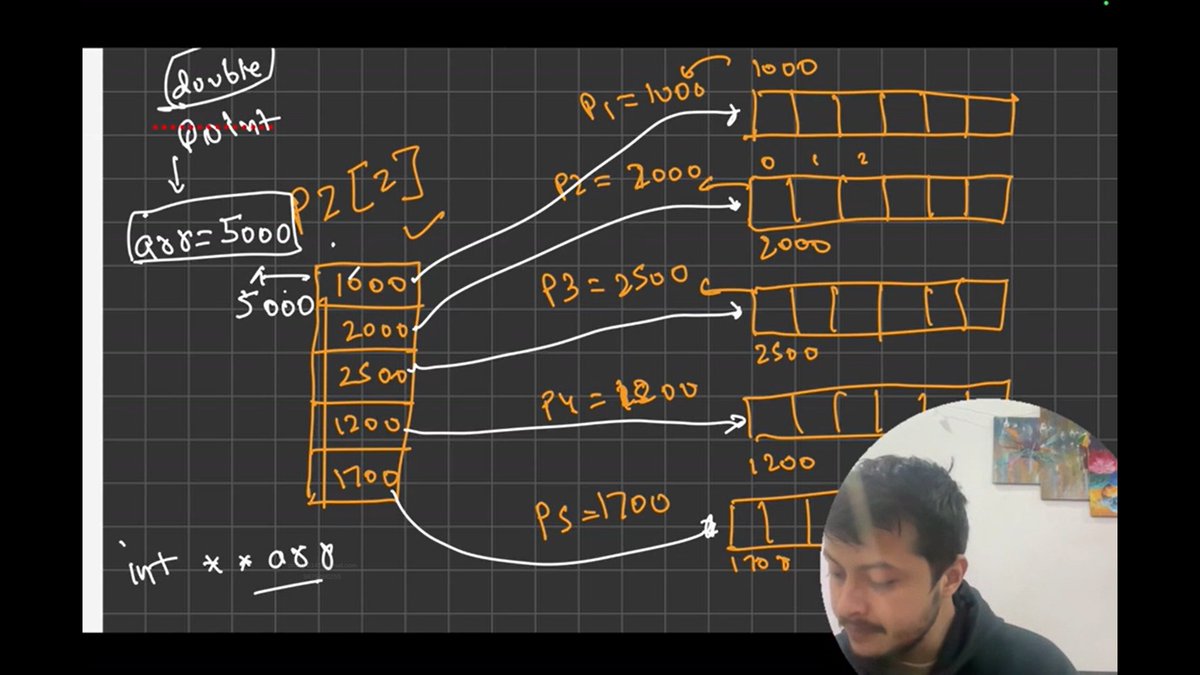
🧠 How pointers work in RAM (Stack vs Heap)
📌 Pointer variable → stored in Stack
📌 Actual data → stored in Heap
📌 Pointer holds the address of heap memory
⚠️ Free heap, pointer still exists → dangling pointer
#C #Pointers #Stack #Heap #MemoryManagement
@CoderArmy
2
12

Day 28:
OS concept that changed everything:
Memory abstraction lets programs think they have their own private, continuous memory - while the OS secretly maps it to real hardware.
Why is it necessary?
- Isolation
- Security
- Simpler programming
- Efficient multitasking
Without it, modern systems wouldn’t exist.
#OperatingSystem #MemoryManagement #OSDev
3
62

Jan 29
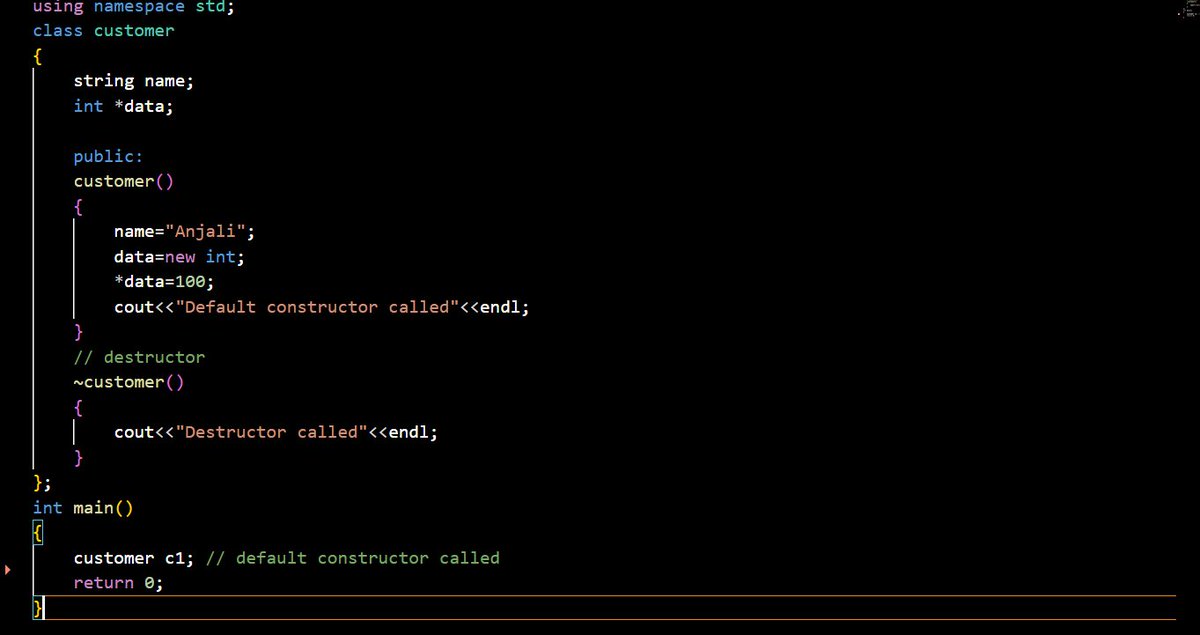
Today I learned something important in C
Constructors build objects.
Destructors clean up memory.
Used new inside a constructor, so the destructor matters — otherwise, memory leaks quietly.
#OOP #Programming #MemoryManagement #LearningInPublic #BTech
7
100