Shiny Jessy 💗 retweeted

Researchers show that high fructose intake promotes effector T cell generation through #MetabolicReprogramming, thereby amplifying #Inflammation and revealing a direct link between dietary fructose and immune dysregulation. @NIH
#STTT #OpenAccess: doi.org/10.1038/s41392-025-0…
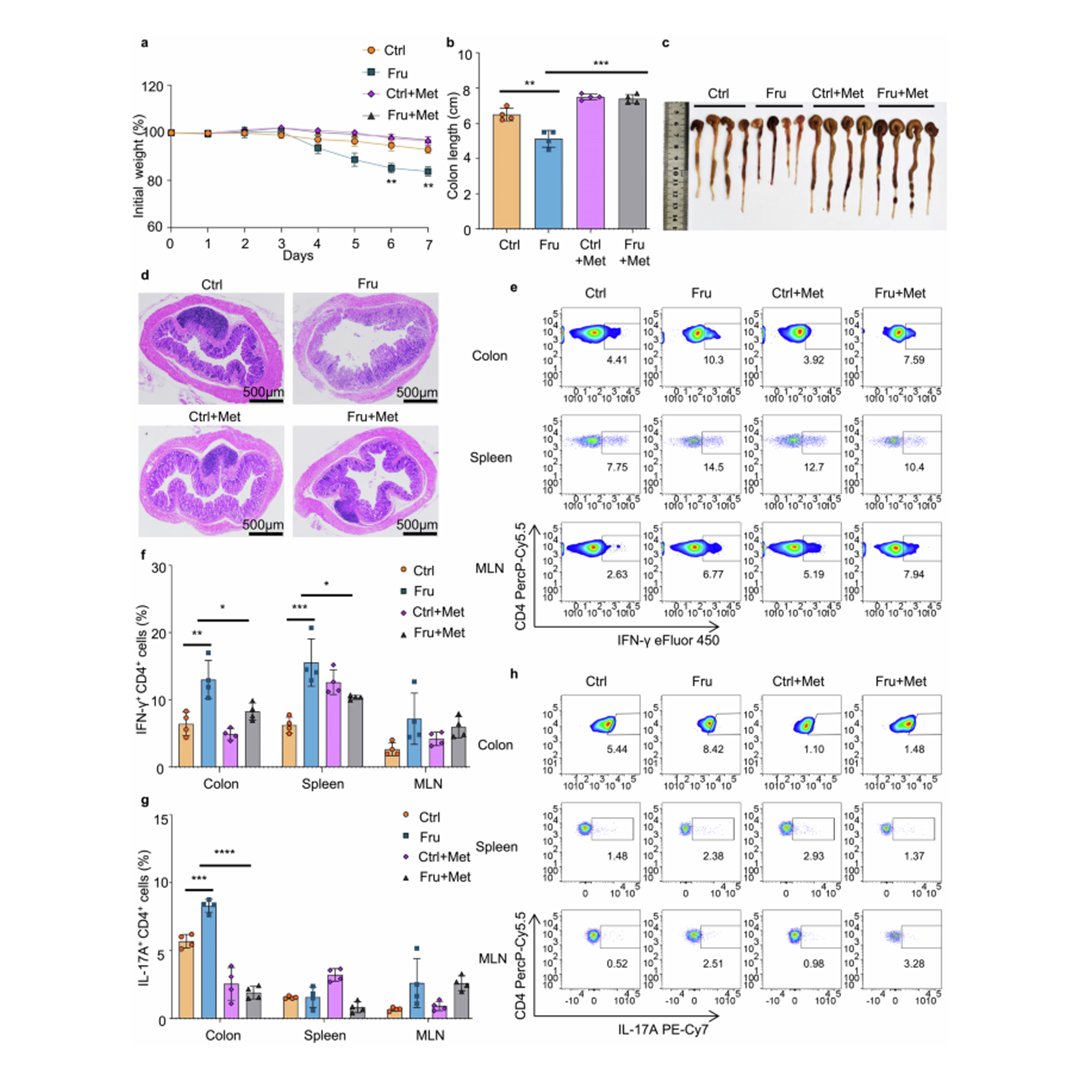
ALT High fructose consumption aggravates inflammation by promoting effector T cell generation via inducing metabolic reprogramming
1
1
89

Researchers show that TACC3-mediated lipid #MetabolicReprogramming suppresses CD8 T-cell cytotoxicity in #HepatocellularCarcinoma, revealing a key mechanism of tumor #ImmuneEvasion and a potential #TherapeuticTarget. @FudanUniversity
#STTT #OpenAccess: doi.org/10.1038/s41392-025-0…
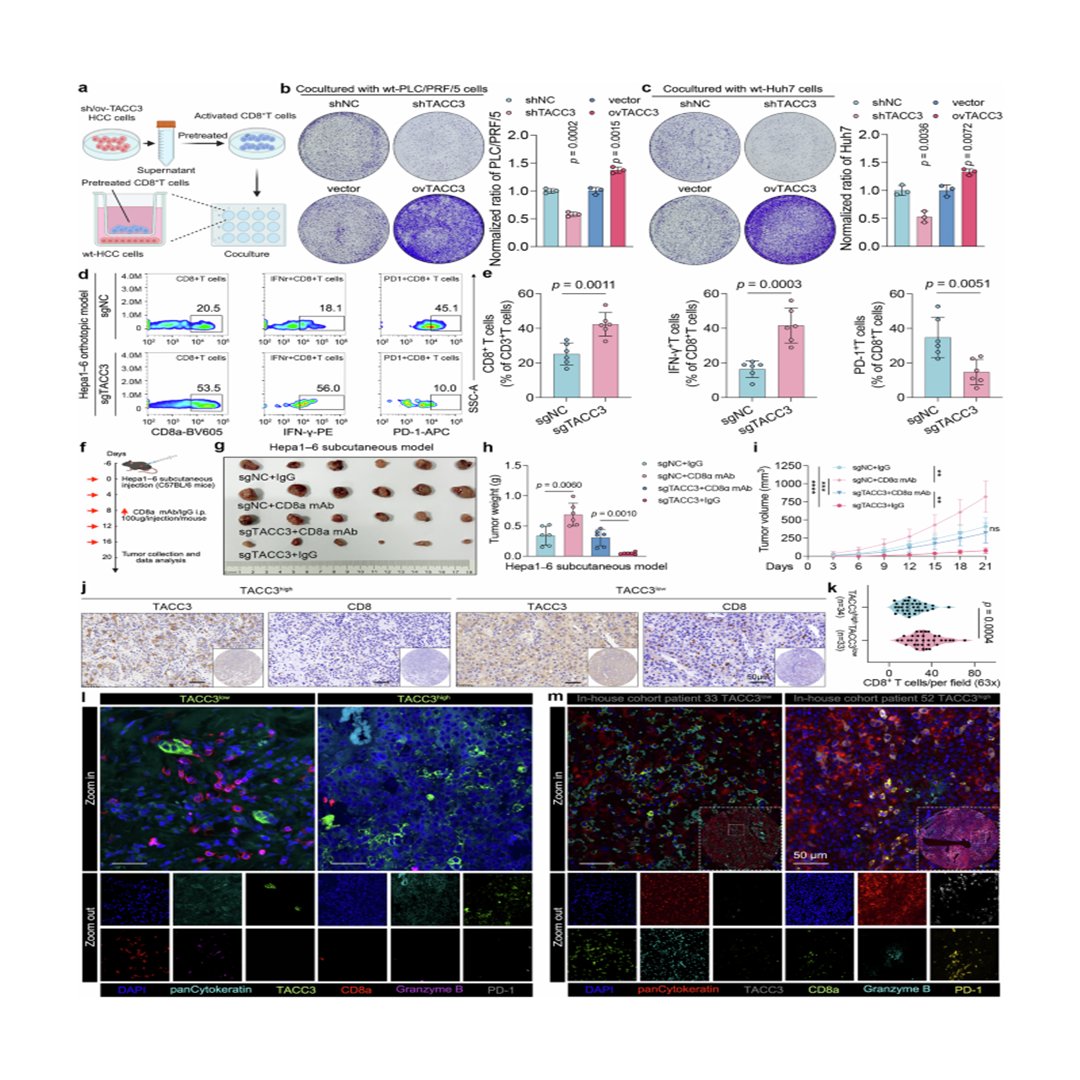
ALT Transforming acidic coiled-coil-containing protein 3-mediated lipid metabolism reprogramming impairs CD8 T-cell cytotoxicity in hepatocellular carcinoma
3
185

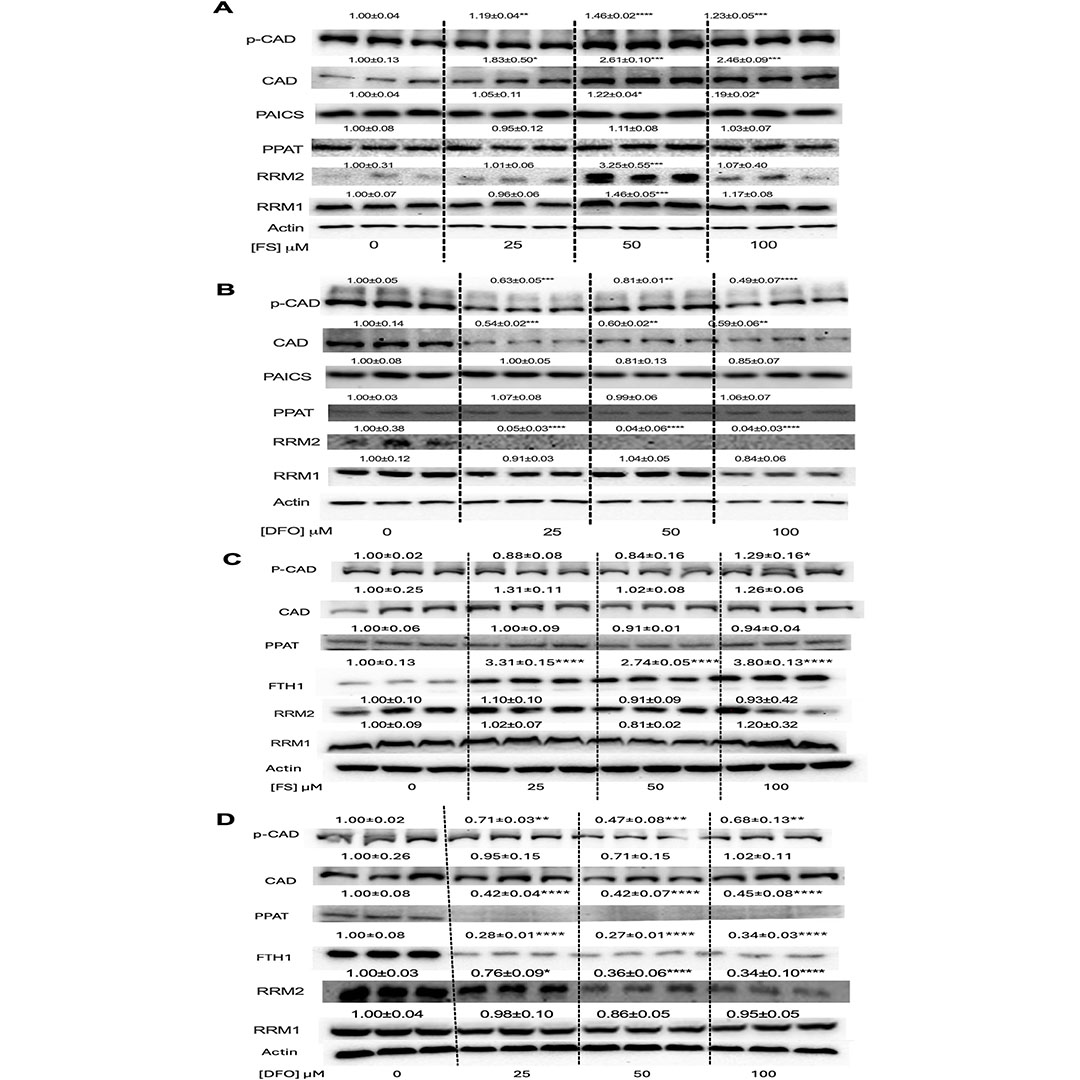
Research reveals that iron-driven regulation of nucleotide synthesis creates specific metabolic vulnerabilities in #ColorectalCancer, highlighting potential #TherapeuticTargets linked to tumor #MetabolicReprogramming. @UNM
#OpenAccess: doi.org/10.1016/j.gendis.202…
1
80

📢New Research Topic published in the Antimicrobials, Resistance and Chemotherapy section!!📢
Targeting Metabolic Factors of Antimicrobial Resistance
📚 Join Frontiers in Microbiology in this exploration to highlight recent developments on how metabolic processes underlie antibiotic resistance and tolerance and investigate novel approaches that target these pathways.
Learn more and submit your work here 👉fro.ntiers.in/79799
For any questions, please contact us at microbiology@frontiersin.org
#ResearchOpportunity #OpenAccess #FrontiersinMicrobiology #CallForPapers #AntimicrobialResistance #BacterialMetabolism #MetabolicReprogramming #RedoxRegulation #PersisterCells #NovelAntimicrobials
2
3
214

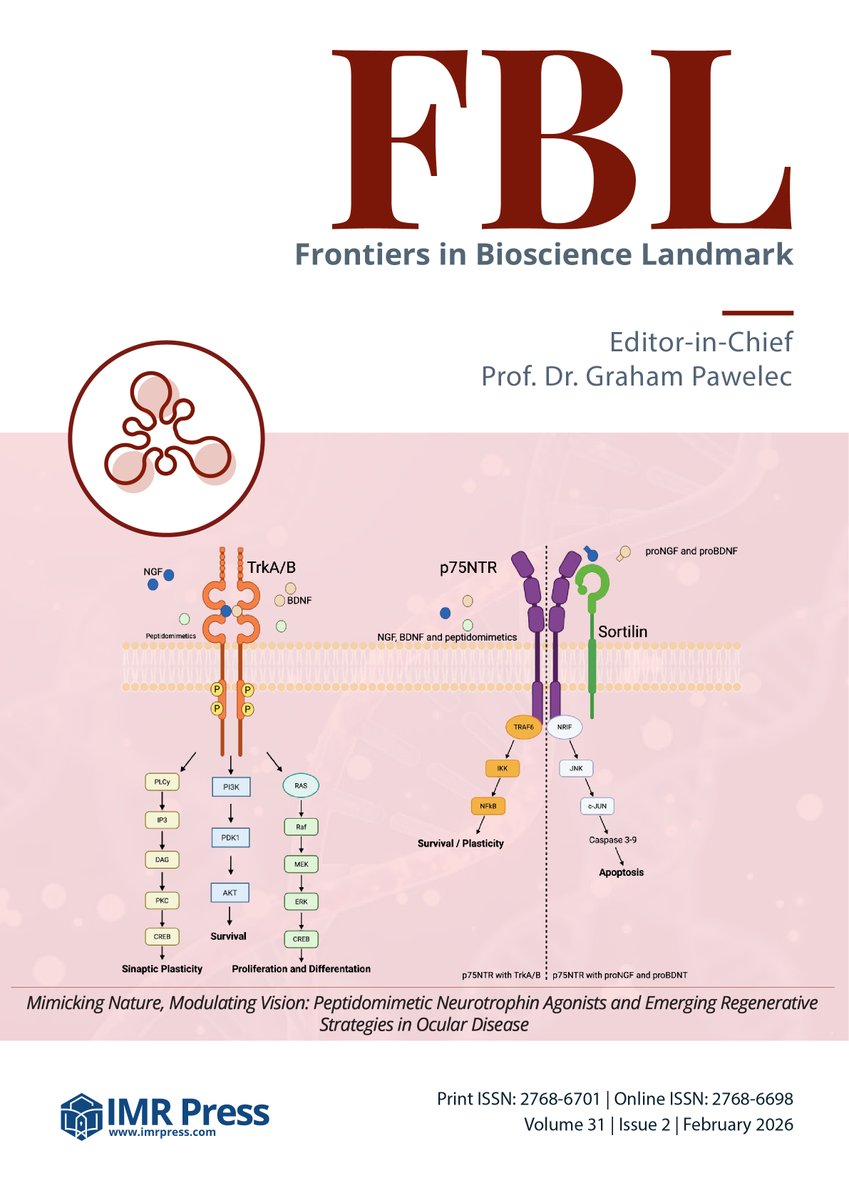
💡All articles in Frontiers in Bioscience-Landmark (ISSN: 2768-6698)--Volume 31, Issue 2--, are now freely available to access, read and download: imrpress.com/journal/FBL/31/…
The editorial team has selected some featured articles for you—inviting all readers to explore and share!
Featured Article:
1️⃣ #Ferroptosis Induction is Insufficient to Ensure #NKCell Activation in High-Grade Ovarian Cancer: imrpress.com/journal/FBL/31/…
2️⃣Prevalence and Molecular Characterization of #βLactamase and Quinolone Resistance Genes in Imipenem-Non-Susceptible Uropathogenic Escherichia coli (#UPEC) Isolates: imrpress.com/journal/FBL/31/…
3️⃣ #NeonatalHyperoxia Induces #MetabolicReprogramming in Senescent #AlveolarMacrophages, Leading to Persistent #LungInjury: imrpress.com/journal/FBL/31/…
4️⃣ #MCC950 Suppresses Hepatic Inflammaging by Inhibiting #NLRP3Inflammasome Activation in Spontaneously #AgedMice: imrpress.com/journal/FBL/31/…
Share your research with us! Submit your work: imr.propub.com/
FBL is dedicated to the publication of original articles, reviews, methods and commentaries in all areas of cellular and molecular biology.
📖 Click here for author guidelines: imrpress.com/journal/FBL/pag…
#HighGradeOvarianCancer #CancerImmunology #LiverHealth #UrinaryTractInfection #CellularBiology #MolecularBiology #FBL
6
2,754

Feb 25
🔥 Can a 16-hour fast reprogram the tumor microenvironment to supercharge CD8⁺ T cells and make immunotherapy work better?
A fascinating translational paper showing:
1️⃣ A brief, clinically feasible fast reshapes tumor metabolism — creating an isoleucine-rich microenvironment that reduces nutrient competition.
2️⃣ Isoleucine metabolically “licenses” CD8⁺ T cells via epigenetic and lipid remodeling — enhancing clonal expansion and cytotoxicity in both mice and patients receiving neoadjuvant immunotherapy for CRC.
A simple, low-cost, well-tolerated intervention that may amplify checkpoint therapy.
Metabolism × Immunity × Oncology — this is where the next breakthroughs may lie.
#CancerImmunotherapy
#TumorMicroenvironment
#CD8TCells
#Immunometabolism
#TranslationalScience
#PrecisionOncology
#MetabolicReprogramming
#Epigenetics
#ColorectalCancer
#NeoadjuvantTherapy
#Fasting
#CheckpointInhibitors
#BenchToBedside
#ClinicalResearch
#OncologyInnovation
16-h fasting optimizes cancer immunotherapy in mice and humans: Cell Metabolism cell.com/cell-metabolism/ful…
1
2
9
642
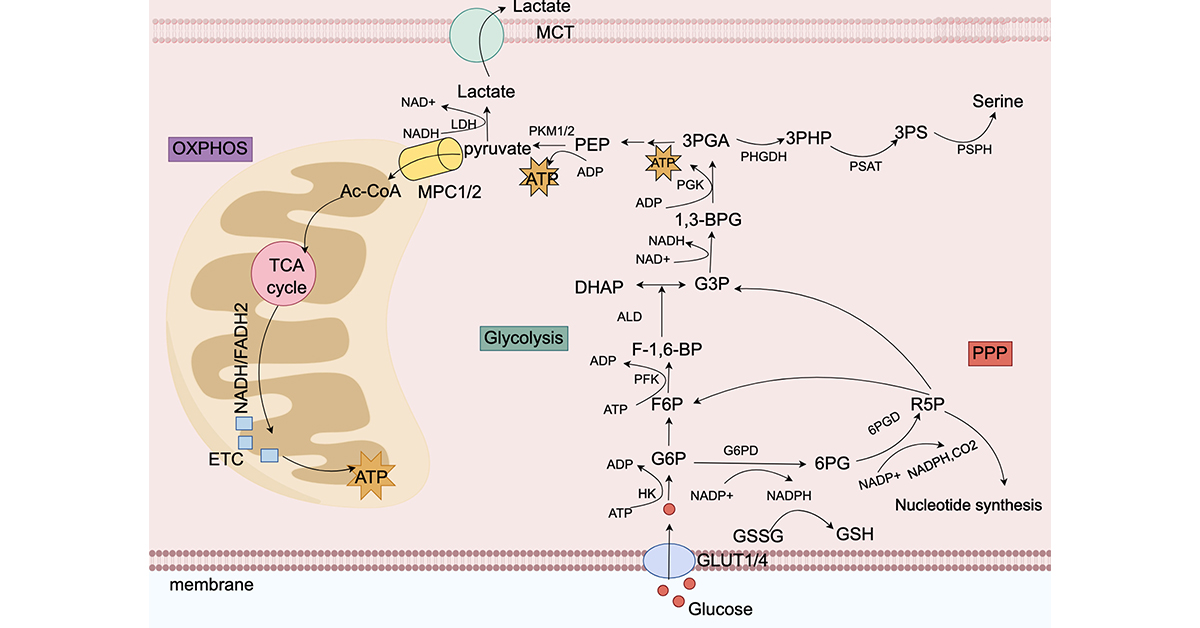
This review shows how #MetabolicReprogramming drives #ColorectalCancer initiation, progression, resistance & recurrence, detailing #TumorMicroenvironment crosstalk and signaling, while highlighting metabolic #biomarkers for diagnosis. @sjtu1896
#OpenAccess: doi.org/10.1016/j.gendis.202…
2
38

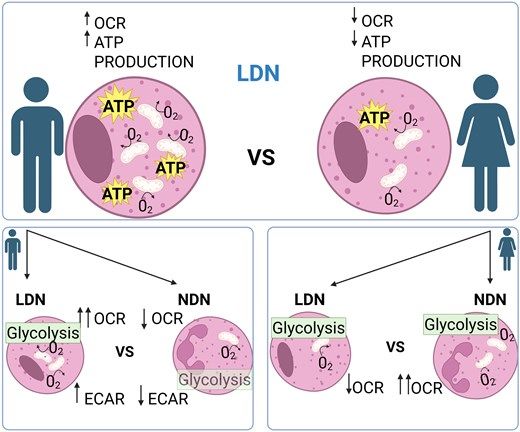
Anjali Yennemadi, @GinaLeisching and colleagues @TCDTMI report that biological sex drives a subset-specific #MetabolicReprogramming in human #Neutrophils - "Sex-specific metabolic programming in human neutrophil subsets"
📖 buff.ly/OzQ8Sgs
2
7
354

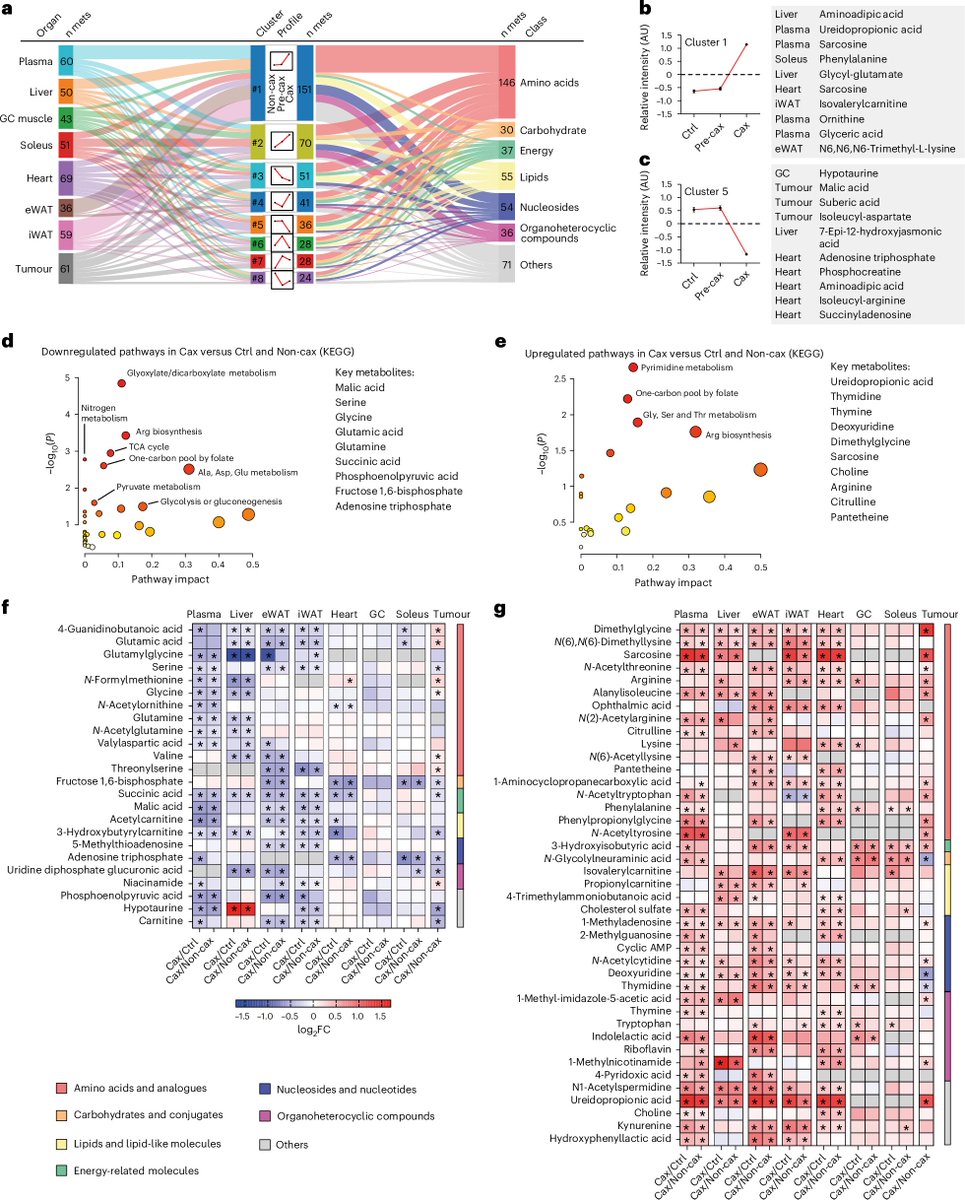
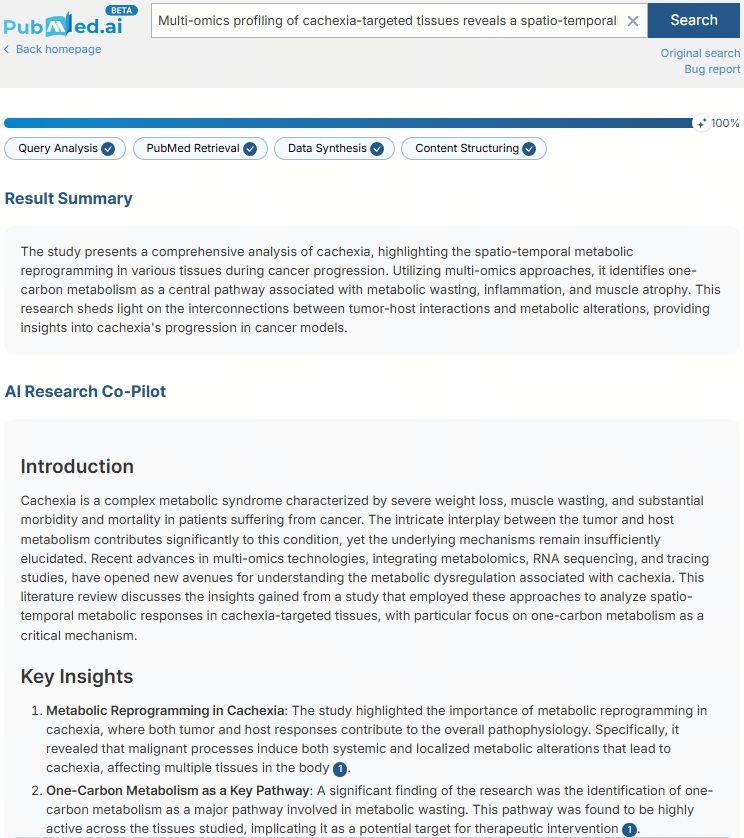
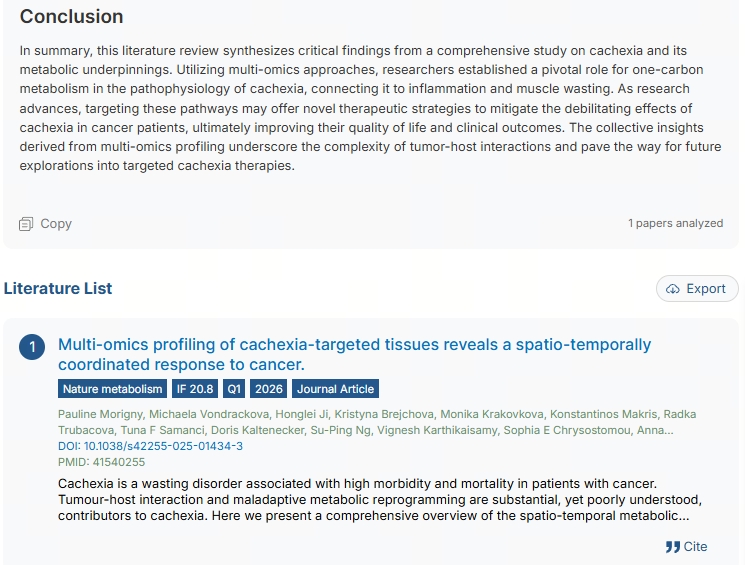
What if cancer cachexia isn’t driven by a single failing tissue—but by a coordinated metabolic program across the whole body?
Cachexia has long been viewed as a downstream consequence of cancer. This research suggests something more organized—and more actionable.
Using multi-omics approaches, the study uncovers a spatio-temporally coordinated metabolic response across cachexia-affected tissues during cancer progression. At the center of this network lies one-carbon metabolism, linking inflammation, energy imbalance, and muscle atrophy.
Why this matters:
- Reframes cachexia as a dynamic, system-wide metabolic state
- Connects tumor-host interactions to specific metabolic pathways
- Highlights new targets beyond symptom management
By mapping how tissues respond together over time, this work moves cachexia research closer to mechanism-driven intervention, rather than late-stage supportive care.
#CancerBiology #Cachexia #MetabolicReprogramming #TumorHostInteraction #OmicsResearch #BiomedicalInsights
2
1
6
2,728
Scientists report #MetabolicReprogramming drives #DrugResistance in #HCC; AKR1B1 is a key regulator tied to poor prognosis, while #Epalrestat restores response, marking AKR1B1 as a #biomarker. @Tsinghua_Uni
#CoverPage in #STTT: doi.org/10.1038/s41392-025-0…

3
5
744

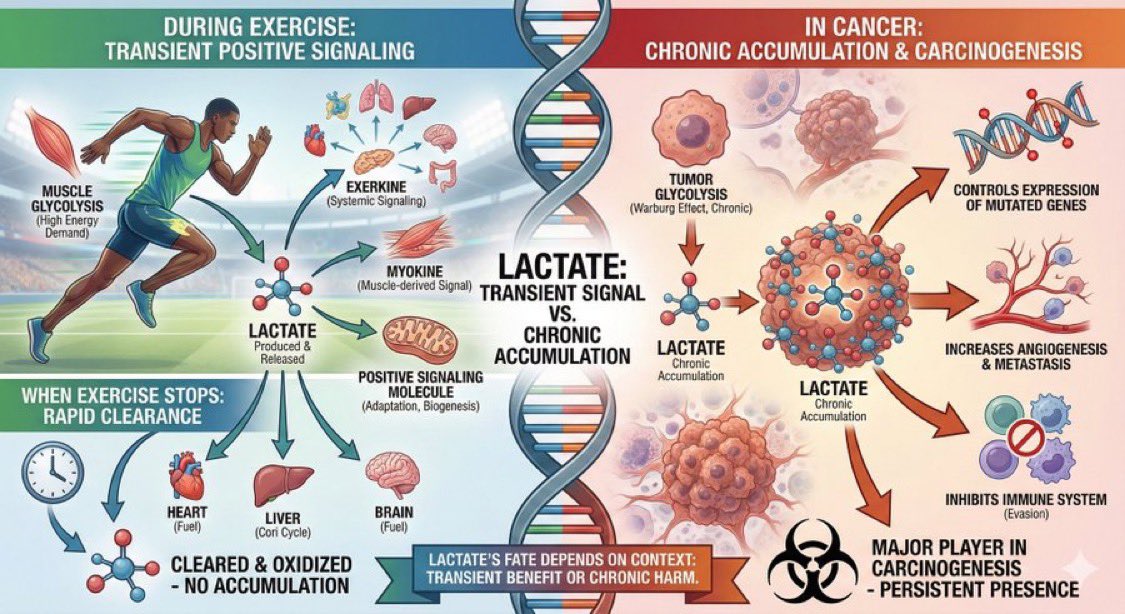
Le lactate dans l'exercice physique et le cancer : même molécule, signification opposée
Le lactate n'est pas un déchet. Il joue un rôle central tant dans les performances humaines de haut niveau que dans la progression tumorale. Cependant, c'est le contexte qui définit son rôle.
🚴 Dans l'exercice physique, le lactate est :
- Un sous-produit régulé de la glycolyse lors d'un besoin énergétique élevé.
- Principalement acheminé vers les fibres à contraction lente et d'autres tissus (cœur, cerveau) en tant que combustible privilégié.
- Un signal pour la biogenèse mitochondriale, l'amélioration de la flexibilité métabolique et l'adaptation à l'entraînement.
- Éliminé efficacement via la navette lactique et le complexe d'oxydation lactique mitochondrial (mLOC). Lorsque l'exercice cesse, l'accumulation de lactate dans les muscles cesse également.
🧪 Dans le cancer, le lactate est :
-L'objectif, et non un sous-produit (« hypothèse de la lactagénèse », San-Millan et Brooks, 2016 pubmed.ncbi.nlm.nih.gov/2799…)
-Les tumeurs régulent intentionnellement la glycolyse à la hausse (effet Warburg) afin de générer du lactate, même en présence d'une abondance d'oxygène.
-Le lactate s'accumule dans le microenvironnement tumoral, favorisant :
*L'angiogenèse (via HIF-1α)
*L'évasion immunitaire (suppression des lymphocytes T)
*L'invasion et les métastases
*L'expression génétique et le remodelage épigénétique (lactylation des histones)
🏃♂️ Chez les athlètes, le lactate est à la fois un régulateur clé et un marqueur de la performance et de l'adaptation.
🧬 Dans le cancer, le lactate est à la fois un régulateur clé et un marqueur d'agressivité et de mauvais pronostic.
Même molécule. Destin différent. Implications opposées.
#LactateScience
#CancerMetabolism
#MetabolicReprogramming
#ExercisePhysiology
#MetabolicFlexibility
#WarburgEffect
Jan 2

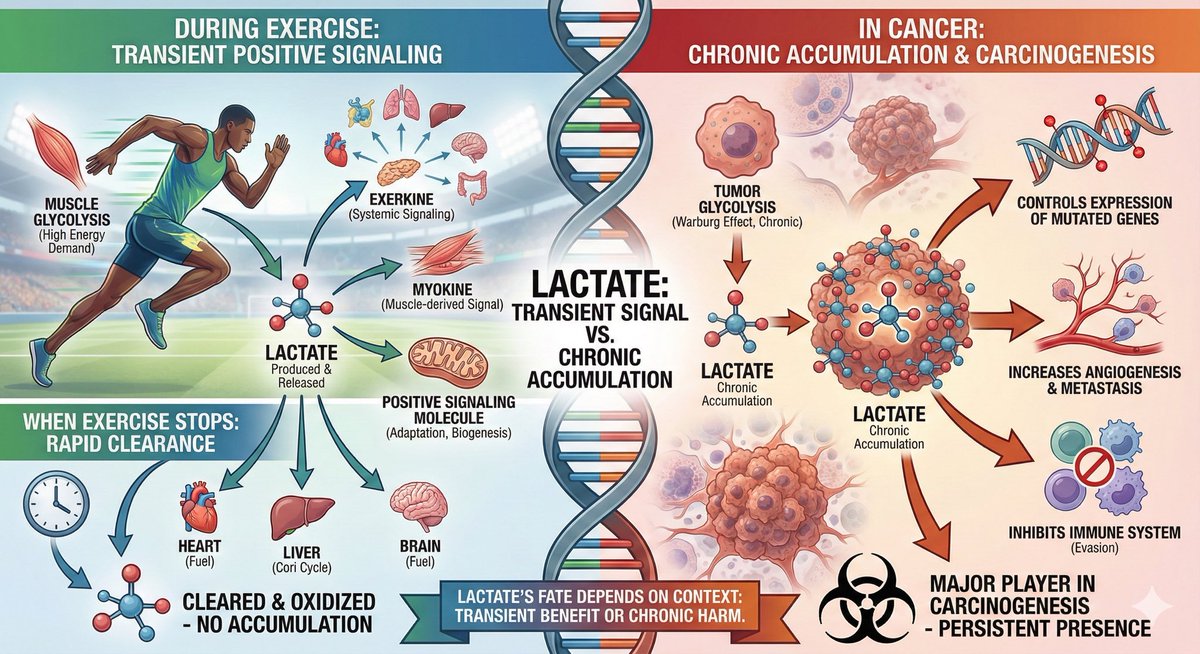
Lactate in Exercise vs Cancer: Same Molecule, Opposite Meaning
Lactate is not a waste product. It’s a central player in both peak human performance and tumor progression. However, the context defines its role.
🚴 In exercise, lactate is:
-A regulated byproduct of glycolysis during high energy demand.
-Mainly shuttled to slow twitch fibers and other tissues (heart, brain) as a preferred fuel
-A signal for mitochondrial biogenesis, improved metabolic flexibility and training adaptation
-Cleared efficiently via the lactate shuttle and mitochondrial lactate oxidation complex (mLOC). When exercise ceases, so does muscle lactate accumulation
🧪 In cancer, lactate is:
-The goal, not a byproduct (“lactagenesis hypothesis”, San-Millan and Brooks, 2016 pubmed.ncbi.nlm.nih.gov/2799…)
-Tumors intentionally upregulate glycolysis (Warburg Effect) to generate lactate even in oxygen abundance.
-Lactate accumulates in the tumor microenvironment, promoting:
*Angiogenesis (via HIF-1α)
*Immune evasion (T cell suppression)
*Invasion and metastasis
*Gene expression and Epigenetic remodeling (histone lactylation)
🏃♂️ In athletes, lactate is a both a key regulator and marker of performance as well as adaptation.
🧬 In cancer, lactate is both a key regulator and marker of aggression as well as poor prognosis.
Same molecule. Different fate. Opposite implications.
#LactateScience
#CancerMetabolism
#MetabolicReprogramming
#ExercisePhysiology
#MetabolicFlexibility
#WarburgEffect
1
21
39
1,577

Jan 2
Lactate in Exercise vs Cancer: Same Molecule, Opposite Meaning
Lactate is not a waste product. It’s a central player in both peak human performance and tumor progression. However, the context defines its role.
🚴 In exercise, lactate is:
-A regulated byproduct of glycolysis during high energy demand.
-Mainly shuttled to slow twitch fibers and other tissues (heart, brain) as a preferred fuel
-A signal for mitochondrial biogenesis, improved metabolic flexibility and training adaptation
-Cleared efficiently via the lactate shuttle and mitochondrial lactate oxidation complex (mLOC). When exercise ceases, so does muscle lactate accumulation
🧪 In cancer, lactate is:
-The goal, not a byproduct (“lactagenesis hypothesis”, San-Millan and Brooks, 2016 pubmed.ncbi.nlm.nih.gov/2799…)
-Tumors intentionally upregulate glycolysis (Warburg Effect) to generate lactate even in oxygen abundance.
-Lactate accumulates in the tumor microenvironment, promoting:
*Angiogenesis (via HIF-1α)
*Immune evasion (T cell suppression)
*Invasion and metastasis
*Gene expression and Epigenetic remodeling (histone lactylation)
🏃♂️ In athletes, lactate is a both a key regulator and marker of performance as well as adaptation.
🧬 In cancer, lactate is both a key regulator and marker of aggression as well as poor prognosis.
Same molecule. Different fate. Opposite implications.
#LactateScience
#CancerMetabolism
#MetabolicReprogramming
#ExercisePhysiology
#MetabolicFlexibility
#WarburgEffect
12
127
519
26,220
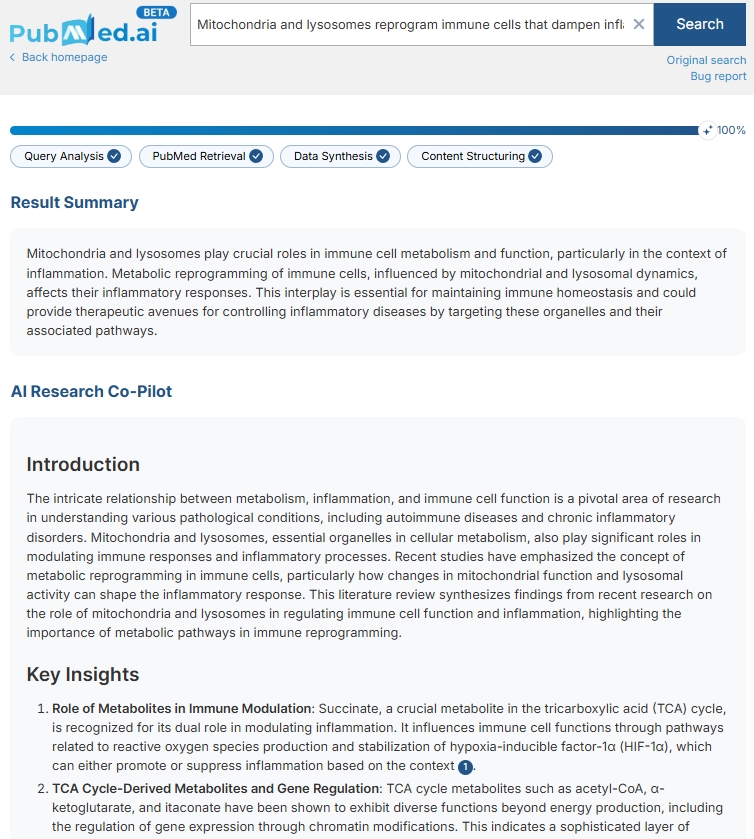
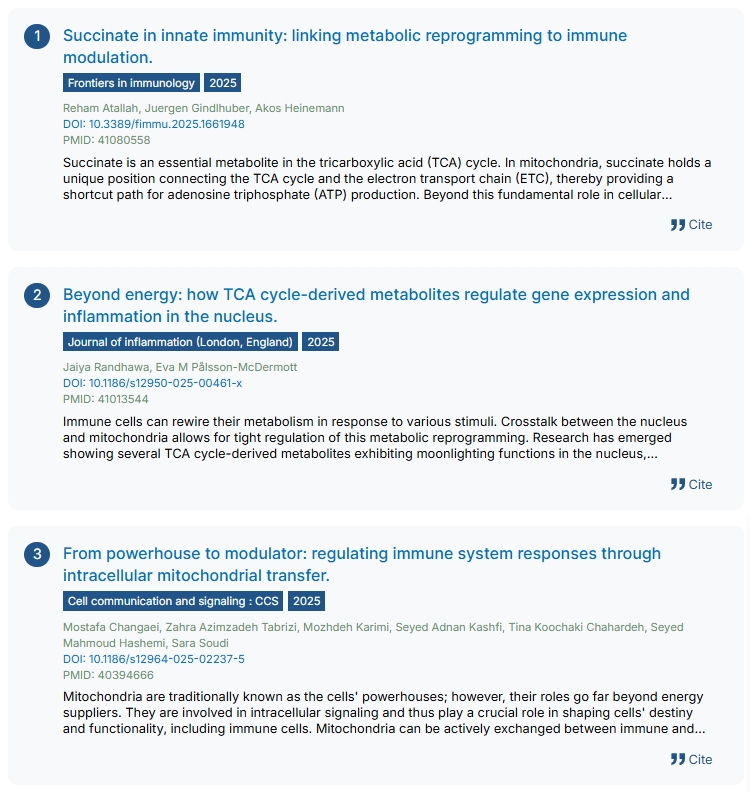
🧫 From Energy to Immunity: How Mitochria and Lysosomes Reprogram Immune Cells to Modulate Inflammation
Find More Research: pubmed.ai/?utm_source=X&utm_…
Chronic inflammation underlies a spectrum of diseases — from arthritis to atherosclerosis.
But what if the key to controlling it isn’t just cytokines or immune genes… but the metabolic engines inside the cells themselves?
Recent research shows that mitochondria and lysosomes aren’t just cellular organelles — they are decision hubs that reprogram immune cells to either amplify or suppress inflammation.
By rewiring metabolic pathways, they determine whether macrophages attack or tolerate, and whether T cells sustain or resolve immune responses.
This metabolic–immunologic crosstalk marks a new bridge between cellular energy management and clinical inflammation control.
Therapies targeting these organelles may soon transform how we treat chronic inflammatory diseases — not by silencing the immune system, but by teaching it balance.
#Immunology #Inflammation #Mitochondria #LysosomeBiology #ClinicalResearch #MetabolicReprogramming #CellTherapy
4
6
3,317

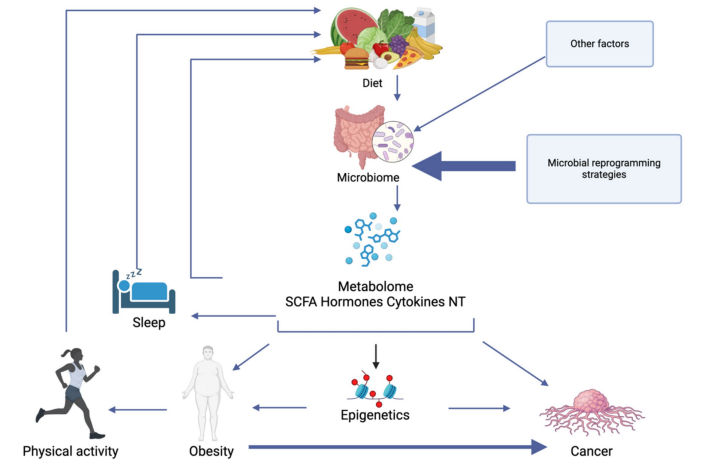
🧬💪 THE MICROBIOME CONNECTION: HOW EXERCISE NUTRITION UNITE AS PRECISION MEDICINE AGAINST OBESITY AND CANCER 💥
Obesity and cancer share a hidden biological thread — the gut microbiome. This new Frontiers in Nutrition (2025) review reveals how lifestyle factors like exercise, diet, and sleep reshape our gut ecosystem and, in turn, rewire the body’s immune, hormonal, and metabolic defenses.
When we move and eat with purpose, we don’t just burn calories — we reshape biology. Exercise boosts gut diversity, strengthens intestinal barriers, lowers inflammation, and restores healthy signaling across hormones and cytokines. A nutrient-dense, fiber-rich diet feeds the “good” bacteria that produce anti-inflammatory metabolites like butyrate, helping to suppress tumor growth and repair DNA damage.
Together, exercise and diet act as a living therapy — a system-wide intervention that protects against obesity, reduces cancer risk, and rewires the body toward resilience and health.
Let’s start viewing movement and nutrition not as lifestyle choices, but as targeted, evidence-based medicine.
Gaskell C, MacDonald R, Aleem E, Bendriss G. Obesity and cancer: unravelling the microbiome's hidden role. Front Nutr. 2025;12:1602603. Published 2025 Jun 9. doi:10.3389/fnut.2025.1602603
pmc.ncbi.nlm.nih.gov/article…
#ExerciseIsMedicine #LifestyleTherapy #MicrobiomeHealth #CancerPrevention #ClinicalExercisePhysiology #ObesityResearch #GutBrainAxis #PrecisionNutrition #ExerciseOncology #FunctionalMedicine #MetabolicHealth #DietAndExercise #CancerSurvivorship #MicrobiomeRevolution #Inflammation #GutHealth #ExerciseScience #NutritionScience #IntegrativeOncology #HealthyLifestyle #ExercisePhysiology #MetabolicReprogramming #CancerResearch #FunctionalTraining #ClinicalPhysiology #OncologyResearch #PublicHealth #PreventiveMedicine #HealthOptimization #ScienceOfMovement
1
2
64
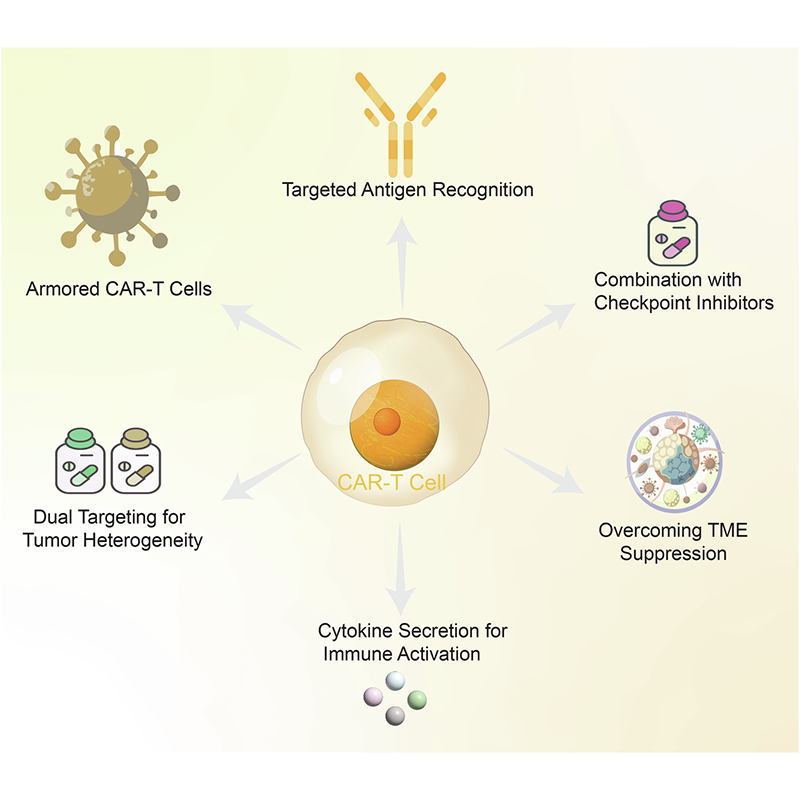
This review highlights the multifaceted mechanisms of #tumor #ImmuneEvasion, including checkpoint regulation, #TumorMicroenvironment dynamics & #MetabolicReprogramming, while discussing emerging #immunotherapies to curb resistance.
#STTT #OpenAccess: doi.org/10.1038/s41392-025-0…
2
107

29 Aug 2025
We @microbelab are so thankful as we congratulate former lab member and outstanding scientist @npokorzynski on his appointment as Assistant Professor of Microbiology @OregonState #MetabolicReprogramming #proteolysis #antibioticsusceptibility microbiology.oregonstate.edu…
2
21
974
13 Aug 2025
6) Cytosolic ATP production source matters:
-Mitochondrial OXPHOS ➡️ lower net proton load.
-Cytosolic glycolysis ➡️ significant proton release.
Poor mitochondrial function shifts ATP supply toward glycolysis, accelerating acidosis #metabolicreprogramming
1
17
1,886

11 Aug 2025
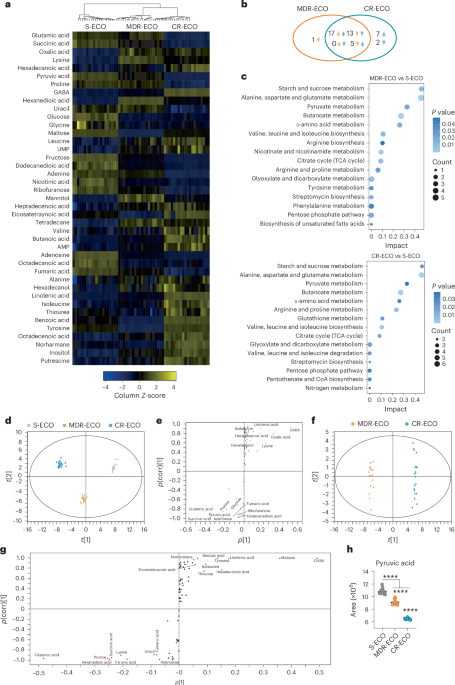
Out Now! Metabolic reprogramming enhances the susceptibility of multidrug- and carbapenem-resistant bacteria to antibiotics bit.ly/3HsuQA8 #MetabolicReprogramming #Antibiotics #BacterialResistance
21
53
5,979