
Joined October 2015
- Tweets 977
- Following 418
- Followers 687
- Likes 447
796 Photos and videos


Listening to "Exercise as Medicine in Cancer Care " at buzzsprout.com/1886995/episo…
I recently had the privilege of joining Functional Medicine Bitesized to discuss something I believe should be standard of care:
Exercise is not supportive therapy.
It is molecular medicine.
In this episode, we explore:
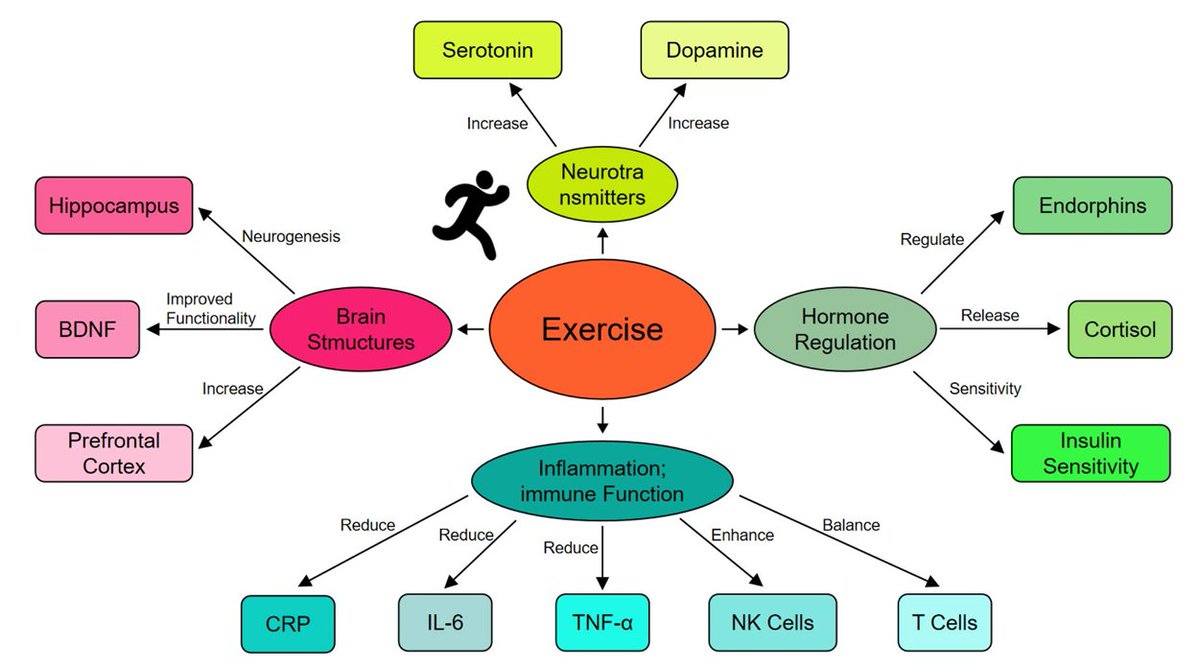
🧬 How aerobic resistance training modulate inflammation
🛡️ How exercise enhances immune function
🌡️ How movement may reshape the tumor microenvironment
💉 Why treatment tolerance improves in physically active patients
🧠 The mental health impact of movement in cancer survivors
⚡ The emerging science of myokines & exerkines
🚶♂️ Practical strategies like “exercise snacks” — because something is always better than nothing
One of my favorite analogies from the discussion:
Exercise can turn the tumor’s “paradise beach” into “Antarctica” — changing the biological terrain so cancer has a harder time thriving.
If you’re a clinician, health professional, or someone passionate about functional and integrative medicine, I highly recommend following and subscribing to Functional Medicine Bitesized. The podcast consistently delivers thoughtful, evidence-informed conversations that bridge research and real-world practice.
Grateful to be part of the dialogue.
Let’s keep pushing the message forward:
Movement isn’t optional in cancer care.
It’s foundational.
🎧 Tune in, follow the podcast, and share with someone who needs to hear this.
Thanks again Pete Williams for having me as a guest. I look forward to more collaborations in the future. Thanks again!
#FunctionalMedicine #ExerciseIsMedicine #ExerciseOncology #CancerCare #ClinicalExercisePhysiology #PrecisionMedicine #IntegrativeHealth #OncologyRehabilitation #Myokines #Exerkines #TumorMicroenvironment #MovementIsMedicine #CancerSurvivorship #HealthcareInnovation #EvidenceBasedPractice
78
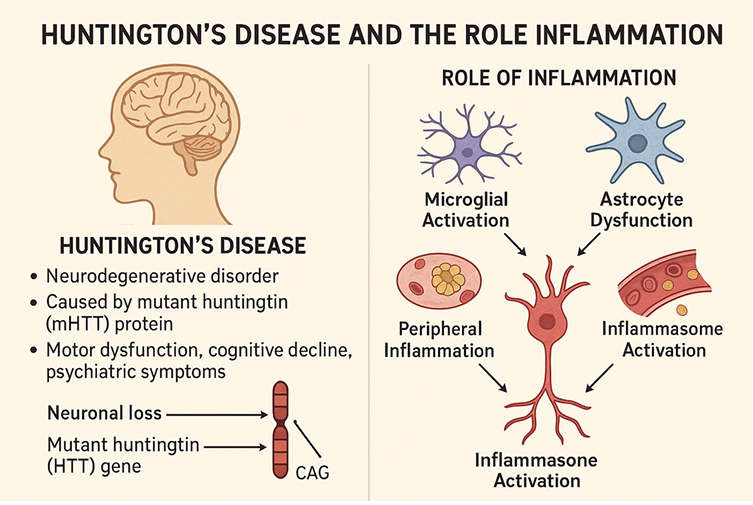
🧠🔥 RECLAIMING STRENGTH IN HUNTINGTON’S: HOW MOVEMENT FIGHTS INFLAMMATION
This image shows how inflammation accelerates Huntington’s disease—microglial activation, astrocyte dysfunction, inflammasome activation, and peripheral inflammation all drive faster neuronal loss.
But here’s the empowering truth:
Exercise is one of the few non-pharmacological tools that can push back.
Not by changing the gene…
but by changing the environment the brain is forced to live in.
🏃♂️ Exercise reduces neuroinflammation, helping quiet overactive microglia.
💪 It improves mitochondrial function, giving neurons the energy they desperately need.
🧬 It boosts BDNF, a critical growth factor that supports learning, memory, and motor control—areas deeply affected in Huntington’s.
🔥 It strengthens the anti-inflammatory response, reducing the peripheral inflammation that adds fuel to neurodegeneration.
🧠 It enhances mood, reduces stress, and improves daily functioning, giving individuals more control over the disease’s trajectory.
Movement becomes more than exercise—
it becomes resilience, hope, and biological defense.
For people with Huntington’s disease, every step and every breath of intentional movement helps support the brain’s fight against inflammation and decline. 💙
Su Y, Su Z. Effects of exercise on neuroinflammation in age-related neurodegenerative disorders. Eur J Med Res. 2025;30(1):909. Published 2025 Sep 29. doi:10.1186/s40001-025-03165-3
pubmed.ncbi.nlm.nih.gov/4102…
#HuntingtonsDisease #Neuroinflammation #Neuroprotection #BrainHealth #ExerciseIsMedicine #MovementMatters #BDNF #Microglia #Inflammasome #Astrocytes #Neurology #Neuroscience #Genetics #HealthyAging #FunctionalFitness #StrengthTraining #Longevity #LifestyleMedicine #ClinicalExercisePhysiology #HopeThroughMovement #Neurodegeneration #QualityOfLife #PrecisionHealth #RehabScience #AdaptiveTraining #Wellbeing #MoveMoreSitLess #HolisticHealth
1
56
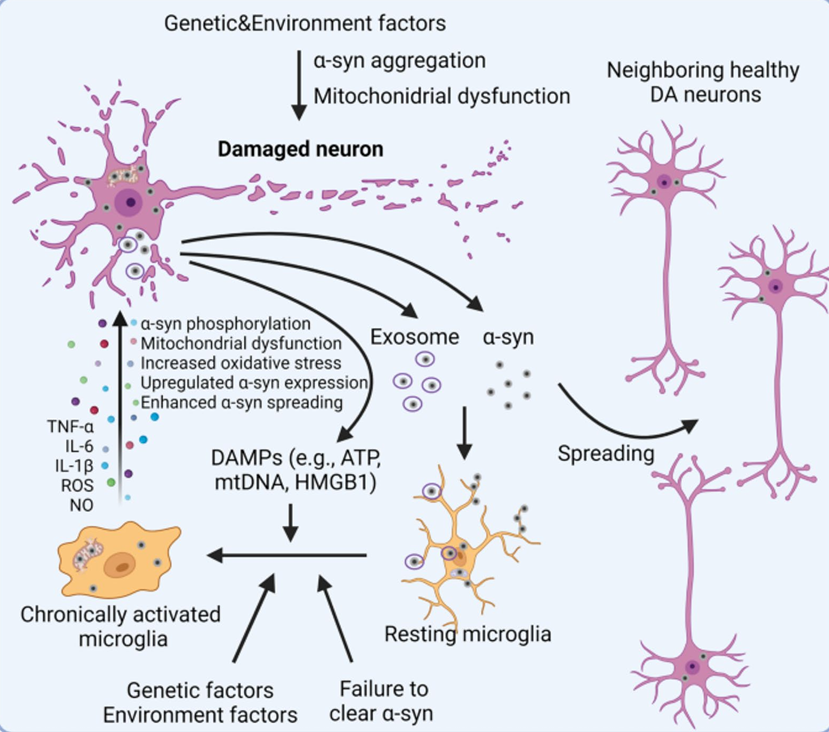
🧠🔥 SLOWING THE SPREAD: HOW MOVEMENT PROTECTS THE PARKINSON’S BRAIN
This image shows the destructive cycle that drives Parkinson’s disease:
α-synuclein buildup → mitochondrial dysfunction → neuron damage → microglial overactivation → more inflammation → further α-syn spread to healthy dopamine neurons.
But here’s the hopeful truth:
Exercise is one of the strongest tools we have to interfere with this cycle.
🏃♂️ Exercise reduces α-syn buildup and helps the brain clear toxic proteins.
💪 It calms overactivated microglia, lowering harmful inflammatory signals like TNF-α and IL-1β.
🧠 It boosts mitochondrial health, improving the energy supply needed to protect vulnerable dopamine neurons.
🔥 It strengthens antioxidant defenses, reducing oxidative stress at its source.
✨ It elevates neurotrophic factors (BDNF, GDNF) that support movement, balance, and motor control.
Parkinson’s may involve protein spread —
but movement creates resilience.
Every step, every stretch, every intentional moment of exercise helps slow the flame of neuroinflammation and protect the neurons that keep us moving.
Exercise is not a cure — but it is powerful, science-backed medicine.
For those living with Parkinson’s, it offers strength, stability, and a chance to fight back. 💙
Su Y, Su Z. Effects of exercise on neuroinflammation in age-related neurodegenerative disorders. Eur J Med Res. 2025;30(1):909. Published 2025 Sep 29. doi:10.1186/s40001-025-03165-3
pubmed.ncbi.nlm.nih.gov/4102…
#Parkinsons #Neuroinflammation #AlphaSynuclein #DopamineNeurons #Neuroprotection #BrainHealth #ExerciseIsMedicine #MovementMatters #BDNF #GDNF #OxidativeStress #Microglia #Neurology #Neuroscience #StrengthTraining #FunctionalFitness #HealthyAging #Longevity #ClinicalExercisePhysiology #LifestyleMedicine #RehabScience #NeuromuscularHealth #PrecisionHealth #MoveMoreSitLess #QualityOfLife #ParkinsonsAwareness #Neurodegeneration #HopeThroughMovement
1
2
124
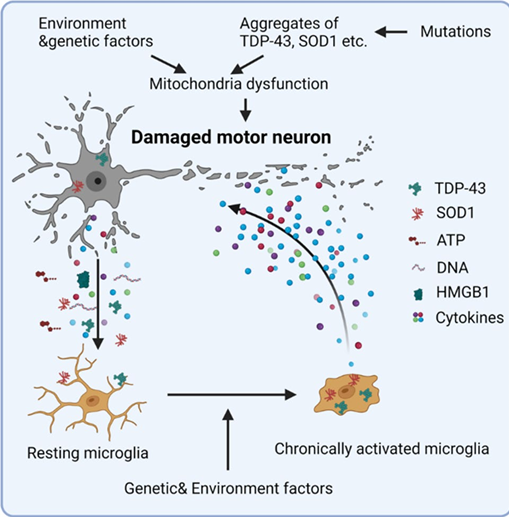
💥🧠 FIGHTING BACK AGAINST ALS: MOVEMENT AS A POWERFUL DEFENSE
This image shows the toxic cycle that drives ALS:
protein buildup → mitochondrial damage → dying motor neurons → chronic microglial activation → more inflammation → faster decline.
But here’s the inspiring truth behind the science:
Exercise can interrupt this cycle.
Not as a cure — but as a meaningful intervention that supports the nervous system, strengthens resilience, and slows the neuroinflammatory storm.
🏋️♂️ Exercise boosts neurotrophic factors (BDNF, IGF-1) that help protect motor neurons.
🧬 It calms overactive microglia, reducing the release of harmful inflammatory proteins.
🔥 It improves mitochondrial function, helping neurons produce the energy they need to survive.
💪 It strengthens whole-body anti-inflammatory defenses, reducing the burden on the brain and spinal cord.
🧠 It supports mobility, quality of life, and functional independence for as long as possible.
Every rep.
Every step.
Every intentional moment of movement…
is a stand against the inflammation that drives ALS.
Exercise is not a cure — but it is powerful medicine. And for people living with ALS, it can be a lifeline of strength, hope, and resilience. 💙
Su Y, Su Z. Effects of exercise on neuroinflammation in age-related neurodegenerative disorders. Eur J Med Res. 2025;30(1):909. Published 2025 Sep 29. doi:10.1186/s40001-025-03165-3
pubmed.ncbi.nlm.nih.gov/4102…
#ALS #Neuroinflammation #MotorNeuronDisease #BrainHealth #Neuroprotection #ExerciseIsMedicine #MovementMatters #BDNF #IGF1 #Microglia #Inflammation #Neurology #Neuroscience #ClinicalExercisePhysiology #StrengthTraining #FunctionalTraining #HealthyAging #Longevity #LifestyleMedicine #RehabScience #AdaptiveTraining #PrecisionHealth #Wellbeing #MoveMoreSitLess #HolisticHealth #QualityOfLife #ExerciseForHope #ChronicDiseaseManagement #Neurodegeneration
47
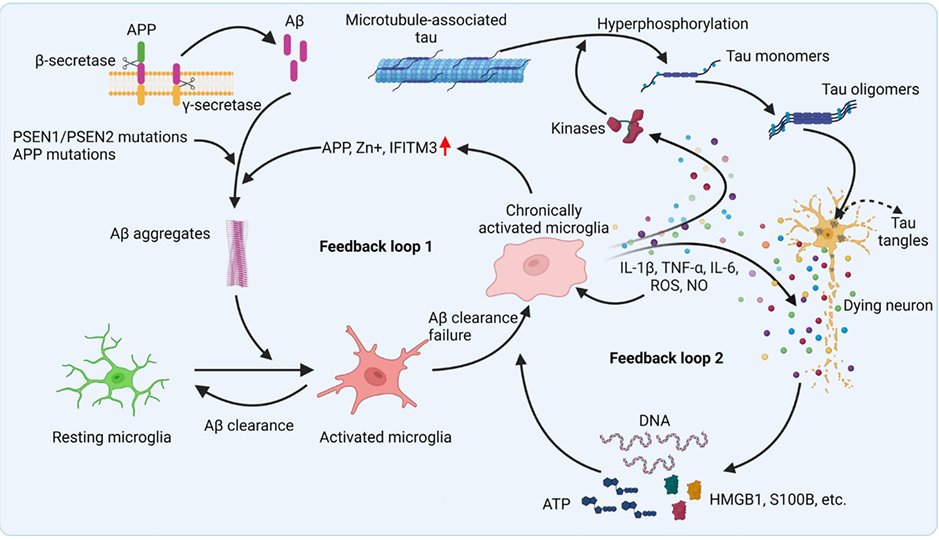
🧠✨ REWRITE THE BRAIN’S FUTURE: MOVEMENT IS POWERFUL MEDICINE
This image shows the vicious cycle behind Alzheimer’s — inflammation, toxic protein buildup, overworked immune cells, and neurons struggling to survive.
But here’s the empowering truth:
Exercise can disrupt this entire cycle.
Not with a prescription.
Not with a device.
But with movement — something every one of us can do.
🏃♂️ Exercise helps the brain clear harmful proteins.
💪 It calms overactive immune cells.
🧠 It boosts growth factors that protect memory and cognition.
🔥 It turns down chronic inflammation at its source.
Every workout…
Every walk…
Every intentional moment of movement…
is a direct investment in protecting the brain from decline.
Motion is medicine. Consistency is protection. And exercise is one of the most powerful tools we have to defend the mind as we age.
Let’s help people move today so they can remember tomorrow. 💙
Su Y, Su Z. Effects of exercise on neuroinflammation in age-related neurodegenerative disorders. Eur J Med Res. 2025;30(1):909. Published 2025 Sep 29. doi:10.1186/s40001-025-03165-3
lnkd.in/eaZ7Gdwn
#BrainHealth #Alzheimers #Neuroinflammation #CognitiveDecline #HealthyAging #Neuroprotection #ExerciseIsMedicine #MovementMatters #ExerciseScience #Neuroscience #DementiaPrevention #CognitiveHealth #BrainFog #BDNF #Microglia #Inflammation #Longevity #PreventiveMedicine #ClinicalExercisePhysiology #ExerciseOncology #LifestyleMedicine #PublicHealth #HealthPromotion #FunctionalFitness #Wellbeing #AgingWell #MoveMoreSitLess #HolisticHealth #WellnessJourney #PrecisionHealth #EarlyIntervention
38
🔥🏋️♂️EXERCISE ISN’T FAILING — OUR STRATEGIES ARE 🧠🔥
This new research is a powerful reminder that exercise isn’t just “another lifestyle tip” —
👉 It’s a therapy.
👉 It’s a tool.
👉 It’s a catalyst for human transformation.
But here’s the truth most people never hear:
Exercise fails when the strategy fails — not when the science fails.
The body fights back…
🍽️ by increasing appetite
🪑 by lowering daily movement
🧠 by resisting new habits
And yet, when we design exercise intentionally —
⏰ choosing the right timing,
🏋️♂️ matching the right mode,
🔥 adjusting intensity,
🧬 tapping into neurobiology,
🌎 and reshaping environments —
People don’t just lose weight. They gain their life back.
This study is a call-to-action:
Let’s stop telling people to “just exercise more.”
Let’s help them fall in love with movement,
stick to it, and experience what their body is truly capable of.
Because when exercise becomes sustainable,
health transforms.
Confidence grows.
Disease risk drops.
And people become stronger than their excuses.
This is the future of obesity and chronic disease care — and it starts with us.
Let’s lead the change. 💪✨
Flack KD, Stults-Kolehmainen MA, Anderson RE 3rd, Handlery R, Creasy SA, Catenacci VA. Exploring Strategies to Promote Exercise as a Viable Obesity and Chronic Disease Treatment. Nutrients. 2025;17(12):1997. Published 2025 Jun 13. doi:10.3390/nu17121997
pubmed.ncbi.nlm.nih.gov/4057…
#ExerciseIsMedicine #ChronicDiseasePrevention #ObesityCare #ObesityResearch #MetabolicHealth #CardioMetabolicHealth #LifestyleMedicine #ExerciseOncology #StrengthTraining #HIIT #AerobicExercise #ResistanceTraining #BehaviorChange #HealthBehaviorScience #MotivationScience #WellnessJourney #PreventiveHealth #PublicHealthAwareness #PhysicalActivityForHealth #ClinicalExercisePhysiology #ACSM #CEPA #ISEO #HealthcareInnovation #HealthEquity #HealthyLiving #MoveMoreSitLess #MetabolicFitness #MorningExercise #SustainableHealth
1
1
37
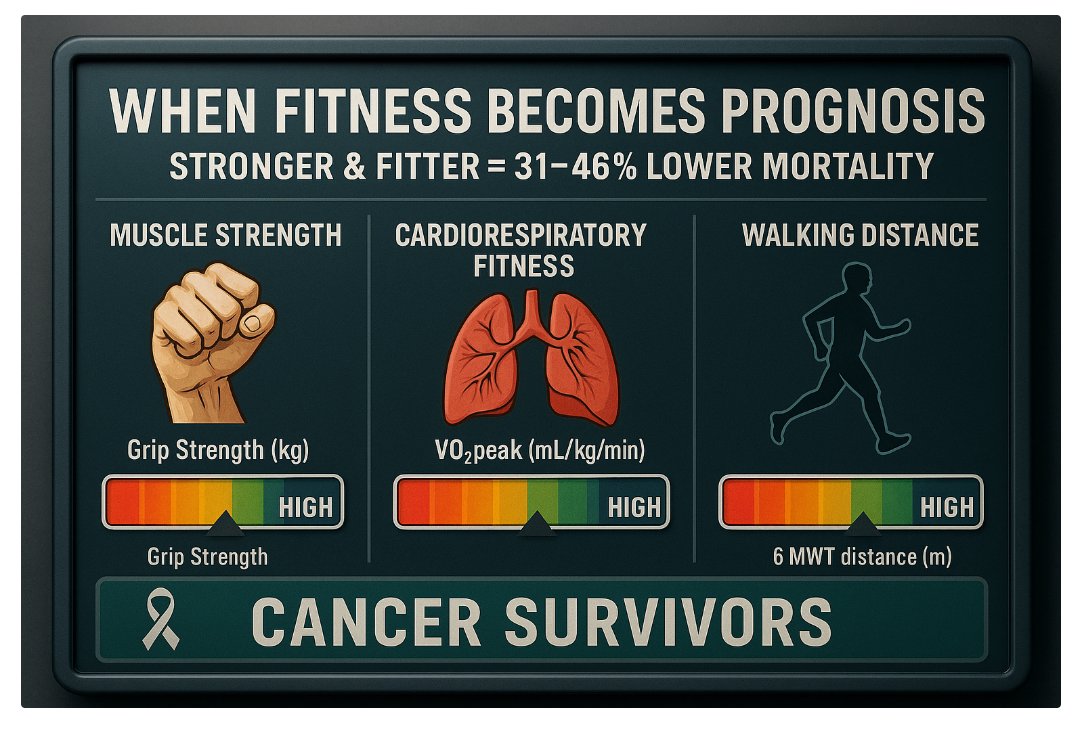
💪🔥 WHEN FITNESS BECOMES PROGNOSIS: THE SURVIVAL POWER OF STRENGTH & CARDIORESPIRATORY FITNESS IN CANCER CARE🧬🏋️♀️
What if two of the strongest predictors of survival after a cancer diagnosis weren’t found in the tumor, the genes, or the chemo protocol… but in the patient’s strength and fitness?
A new meta-analysis of 46,694 cancer patients shows:
🔹 31–46% lower all-cause mortality in patients with higher muscle strength or CRF
🔹 Significant benefits even in advanced-stage, lung, and digestive cancers
🔹 Each “small bump” in strength or fitness = meaningful reduction in death risk
🔹 CRF increments cut cancer-specific mortality by 18%
Bettariga F, Galvao DA, Taaffe DR, et al. Association of muscle strength and cardiorespiratory fitness with all-cause and cancer-specific mortality in patients diagnosed with cancer: a systematic review with meta-analysis. Br J Sports Med. 2025;59(10):722-732. Published 2025 May 2. doi:10.1136/bjsports-2024-108671
pubmed.ncbi.nlm.nih.gov/3983…
For clinicians, this finding is more than interesting — it’s actionable.
Fitness is a vital sign. Strength is medicine. CRF is prognosis.
If we don’t measure it, we miss one of the most powerful, modifiable predictors of survival we have.
The healthcare system must evolve:
Exercise professionals belong in oncology care teams.
Fitness testing belongs in the EMR.
Training adaptations belong in the care plan.
Patients deserve it. The data demands it. The outcomes prove it.
#ExerciseOncology #CancerSurvivorship #CancerRehab #CancerRecovery #OncologyRehab #StrengthForSurvivors #MoveThroughCancer #ExerciseIsMedicine #FitnessInCancerCare #CancerSupport #SurvivorStrong #CancerFighters #CancerWellness #IntegrativeOncology #CancerCare #ExercisePhysiology #ClinicalExercisePhysiology #CardiorespiratoryFitness #MuscleStrength #StrengthTraining #CancerAwareness #OncologyCare #CancerCommunity #CancerJourney #CancerResearch #EvidenceBasedPractice #PhysicalActivityMatters #StrongerAfterCancer #CancerPrevention #CancerSurvivorCare
1
47
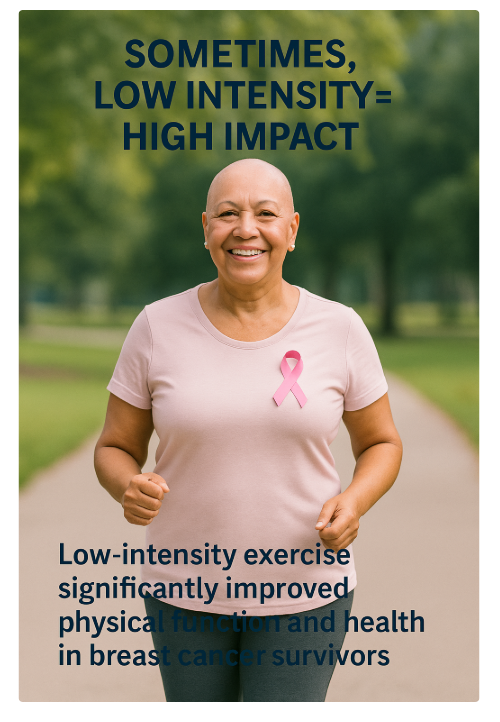
✨ Sometimes the most powerful medicine… is simply getting moving.
A new RCT in breast cancer survivors shows something every clinician should celebrate:
Even low-intensity walking — slow, steady, accessible movement — meaningfully improves physical function, physical health, and fitness.
This wasn’t high-intensity training.
This wasn’t a demanding protocol.
This was real-world, doable, sustainable movement — and it worked. 💪💙
For survivors battling fatigue, pain, fear of exercise, or limited resources, this study is a game-changer:
👉 Low-intensity exercise = real clinical benefits
👉 More inclusivity, less intimidation
👉 A safer, more inviting entry point into survivorship care
When we lower the barrier, we raise the impact.
Every clinician, PT, CEP, RN, and oncologist has the power to help patients “start where they are” — and still change their trajectory.
Movement doesn’t have to be intense to be transformative.
Let’s keep making exercise oncology accessible, empowering, and human. 💙🏃♀️
Mulero Portela AL, Colón Santaella CL, Rogers LQ, Missaghian Vissepo M. Effect of low- and moderate-intensity endurance exercise on physical functioning among breast cancer survivors: a randomized controlled trial. Support Care Cancer. 2024;33(1):49. Published 2024 Dec 21. doi:10.1007/s00520-024-09100-2
#ExerciseOncology #BreastCancerSurvivors #CancerRehabilitation #OncologyRehab #SupportiveCare #CancerSurvivorship #ClinicalExercisePhysiology #PhysicalTherapy #OncologyNursing #ExerciseIsMedicine #MovementIsMedicine #CancerCare #FunctionalStrength #HealthyAging #EvidenceBasedPractice #OncologyResearch #RehabScience #OncologyExercise #CancerPrevention #FunctionalCapacity #SixMinuteWalkTest #PublicHealth #ModerateIntensityExercise #LowIntensityExercise #WalkingProgram #HealthEquity #HispanicHealth #WomenInOncology #QualityOfLife #SupportCareCancer
43
🔥 EXERCISE ISN’T “JUST MOVEMENT”—IT’S A TARGETED ANTIDEPRESSANT ACROSS THE LIFESPAN.
A new comprehensive review breaks down how exercise treats depression, and the answer is far more sophisticated than “endorphins.”
From teens to older adults, exercise triggers age-specific changes in the brain, hormones, inflammation, cognition, and emotional resilience.
🧠 Teens: boosts neuroplasticity, supports emotional development
💼 Middle-aged adults: regulates stress hormones, lowers chronic inflammation
👵 Older adults: protects the aging brain, reduces loneliness, strengthens immunity
Whether through serotonin, BDNF, cortisol control, social connection, or improved self-efficacy — exercise is a multimodal antidepressant with mechanisms tailored to every stage of life.
This isn’t theory. It’s actionable science.
If we want to change mental health outcomes, exercise must be treated as a frontline therapy—not an afterthought.
Xue P, Du X, Kong J. Age-dependent mechanisms of exercise in the treatment of depression: a comprehensive review of physiological and psychological pathways. Front Psychol. 2025;16:1562434. Published 2025 Apr 17. doi:10.3389/fpsyg.2025.1562434
pubmed.ncbi.nlm.nih.gov/4031…
28
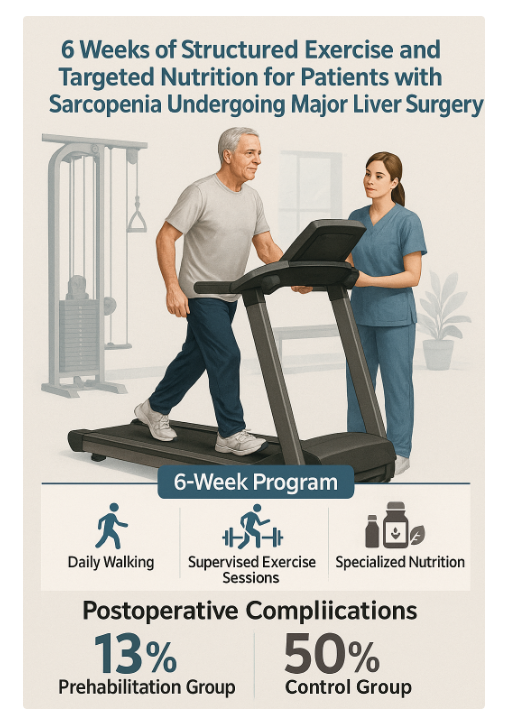
🏥💪 Prehabilitation Changes the Game for High-Risk Liver Surgery
A new randomized clinical trial shows something remarkable:
Just 6 weeks of structured exercise targeted nutrition BEFORE major liver surgery cut postoperative complications from 50% to 13%.
And every major complication happened in the group that didn’t prehabilitate.
For patients with sarcopenia—a population we know is vulnerable—this study proves what many of us in clinical exercise physiology have been saying for years:
👉 Muscle is not just strength. It’s surgical resilience.
👉 Prehabilitation isn’t optional—it’s lifesaving.
👉 Exercise is a clinical intervention, not a “wellness bonus.”
This is the future of perioperative care:
Personalized exercise. Targeted nutrition. Measurable strength gains. Better surgical outcomes.
It’s time we integrate prehab into standard practice for every high-risk surgical candidate.
#StrengthBeforeSurgery #SurgicalResilience #MetabolicHealth #FunctionalStrength #MobilityMatters #ChronicDiseasePrevention #HighRiskPatients #ExercisePrescription #InHospitalTraining #MovementMedicine #RehabScience #ImmunoNutrition #BCAAs #CancerSurvivorship #SurgeryRecovery #PreOpOptimization #FutureOfMedicine #HumanPerformance #HealthyAging #MuscleHealth #OncologySupport #PerformanceMedicine #WholePatientCare #ExerciseForHealth #EvidenceBasedPractice #ClinicalResearch #HospitalInnovation #HealthPromotion #StrongerTogether #WellnessInHealthcare #MoveMoreSitLess #CardioAndStrength #HealthOutcomes #IntegratedCare #TeamBasedCare #HealthcareLeaders
1
70
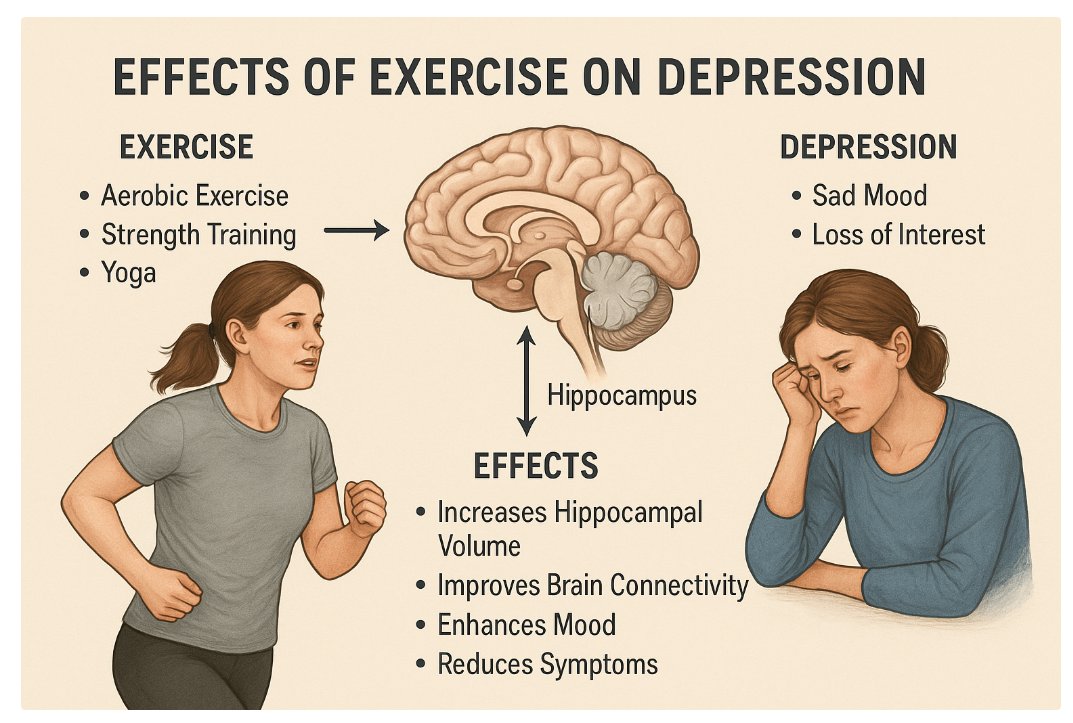
🧠💪 EXERCISE FOR DEPRESSION: THE GLOBAL DATA IS UNDENIABLE
The latest bibliometric analysis (2010–2023) shows one thing loud and clear: exercise is no longer a “nice-to-have” — it’s emerging as essential therapy for depression.
From aerobic training to yoga to strength work, research output has skyrocketed, with global leaders like King’s College London and Harvard showing consistent, powerful evidence that movement improves symptoms, brain health, sleep, cognition, and quality of life.
What’s even more exciting?
📈 Exercise benefits older adults, postpartum women, stroke survivors, and people with chronic conditions.
🧠 Studies consistently highlight the hippocampus — exercise literally reshapes the brain.
🌍 Even small amounts of movement reduce risk, improve mood, and help bridge treatment gaps in underserved communities.
This is mental health care evolving in real time.
Exercise is not alternative therapy.
It’s evidence-based medicine — scalable, accessible, and transformative.
As clinicians, researchers, and healthcare leaders, it’s time we integrate movement as a core component of depression care.
Move More. Prescribe Movement. Save Lives.
Wang M, Lu S, Hao L, Chen N, Xia Y. Research Trends and Progress in Exercise Interventions for Depression: A Bibliometric Visualization Analysis. J Multidiscip Healthc. 2025;18:5961-5976. Published 2025 Sep 21. doi:10.2147/JMDH.S529339
pubmed.ncbi.nlm.nih.gov/4101…
#ExerciseForDepression #MentalHealthAwareness #ExerciseScience #ClinicalExercisePhysiology #Neuroscience #Hippocampus #BrainPlasticity #LifestyleMedicine #PublicHealthResearch #BehaviorChange #HealthcareLeadership #MindBodyMedicine #HealthPromotion #MovementMatters #WellnessJourney #HolisticHealth #PreventiveHealth #HealthyAging #PostpartumHealth #StrokeRecovery #DepressionSupport #PhysicalActivity #EvidenceBasedMedicine #ResearchDevelopment #InterdisciplinaryCare #HealthcareInnovation #GlobalHealth #WellnessAdvocacy #PopulationHealth #BetterOutcomes
54
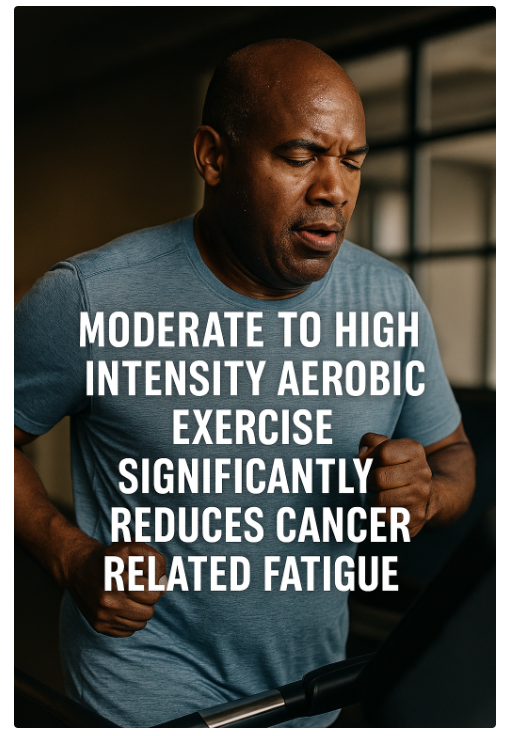
💥 Aerobic Exercise: A Real Solution for Cancer-Related Fatigue in Colorectal Cancer 💥
Fatigue isn’t “just tired.”
For many colorectal cancer survivors, it’s a daily battle that steals energy, mobility, confidence, and quality of life.
A new meta-analysis just dropped — and the message is clear:
👉 Aerobic exercise works.
👉 Moderate-to-high intensity works even better.
👉 Structured programs (continuous or mixed formats) deliver the strongest improvements in cancer-related fatigue.
👉 And yes — survivors start feeling and functioning better.
This study reinforces what we see every day in clinical practice:
Movement is medicine.
Not extreme. Not complicated. Just intentional, consistent aerobic work — walking, cycling, intervals, or a mix — can meaningfully reduce cancer-related fatigue and help survivors reclaim their lives.
If we want to elevate the standard of cancer care, exercise cannot be optional.
It must be prescribed, personalized, and integrated into oncology treatment and survivorship.
Cancer-related fatigue is treatable — and exercise is one of the most powerful tools we have.
Xiaoyang X, Chunhui Z, Xiaolan Y, Dong Z. Effect of different types of aerobic exercises on cancer-related fatigue among colorectal cancer patients: a meta-analysis based on randomized controlled trials. BMC Cancer. 2025;25(1):1145. Published 2025 Jul 5. doi:10.1186/s12885-025-14532-y
pubmed.ncbi.nlm.nih.gov/4061…
#ExerciseOncology #CancerRelatedFatigue #ColorectalCancer #CancerSurvivorship #OncologyRehab #ExerciseIsMedicine #ModerateToHighIntensity #AerobicExercise #CancerCare #PrecisionExercise #ClinicalExercisePhysiology #ACSM #CEPA #UHealth #OncologySupport #EvidenceBasedPractice #HealthPromotion #SurvivorshipCare #PatientCenteredCare #RehabilitationScience #CancerResearch #MoveMoreSitLess #PhysicalActivityMatters #StrengthThroughScience #ExerciseForLife #OncologyWellness #FightFatigue #CancerRecovery #Kinesiology #PublicHealth #WellnessJourney #HealthcareProfessionals #FunctionalHealth #ExercisePrescription #QualityOfLifeImprovement #MovementIsMedicine #CancerExerciseTraining #OncologyPhysiology #ResearchToPractice
31
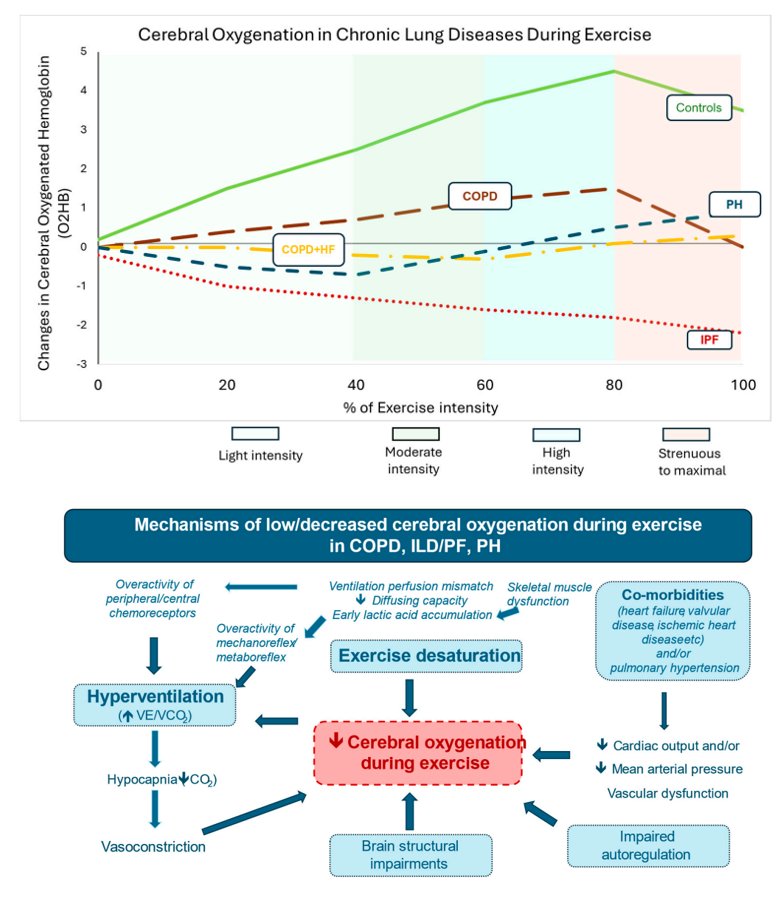
🔥 EXERCISE & THE BRAIN: NEW INSIGHTS FROM CHRONIC LUNG DISEASE RESEARCH 🔥
A new review shows something BIG:
People with COPD, pulmonary fibrosis, and pulmonary hypertension don’t just struggle because of their lungs—their brain oxygen drops during exercise, making them feel breathless sooner and forcing early fatigue.
But here’s the powerful part:
💡 Exercise is one of the few interventions that improves the entire system—lungs, heart, muscles, AND the brain.
Regular training boosts oxygen delivery, improves efficiency, and helps the brain stay better oxygenated during movement. More oxygen to the brain = better endurance, less fatigue, and improved quality of life.
This study reinforces what clinicians and CEPs already know:
➡️ Exercise isn't just a “nice to have.” It’s essential, evidence-based therapy for chronic lung disease—supporting the brain just as much as the body.
Let’s continue pushing for accessible pulmonary rehab and structured exercise programs for everyone living with chronic lung conditions. Movement truly is powerful medicine. 💪🫁🧠
Kritikou S, Zafeiridis A, Pitsiou G, et al. Brain Oxygenation During Exercise in Different Types of Chronic Lung Disease: A Narrative Review. Sports (Basel). 2025;13(1):9. Published 2025 Jan 8. doi:10.3390/sports13010009
pubmed.ncbi.nlm.nih.gov/3985…
#ExerciseIsMedicine #PulmonaryRehab #ChronicLungDisease #COPD #PulmonaryFibrosis #PAH #BrainHealth #Oxygenation #CerebralOxygenation #Dyspnea #Fatigue #HumanPerformance #PulmonaryFitness #ClinicalExercisePhysiology #CEP #ExercisePhysiology #NIRS #CardiopulmonaryExercise #PulmonaryHypertension #ILD #IPF #Breathlessness #RehabScience #ExerciseTherapy #ExerciseIntervention #MovementIsMedicine #MoveMoreSitLess #ExerciseForHealth #ChronicDiseaseManagement #MultimodalRehab #RespiratoryTherapy #RespiratoryCare #LungHealth #FunctionalCapacity #QualityOfLife #ScienceCommunication #OncologyRehab #PrecisionExercise #MetabolicHealth #Neurophysiology #BrainAndBody #PhysiologyMatters #HealthcareInnovation #EvidenceBasedPractice #HealthPromotion #StrengthAndCardio #EnduranceTraining #ExerciseScience #PublicHealth #WellnessJourney
40
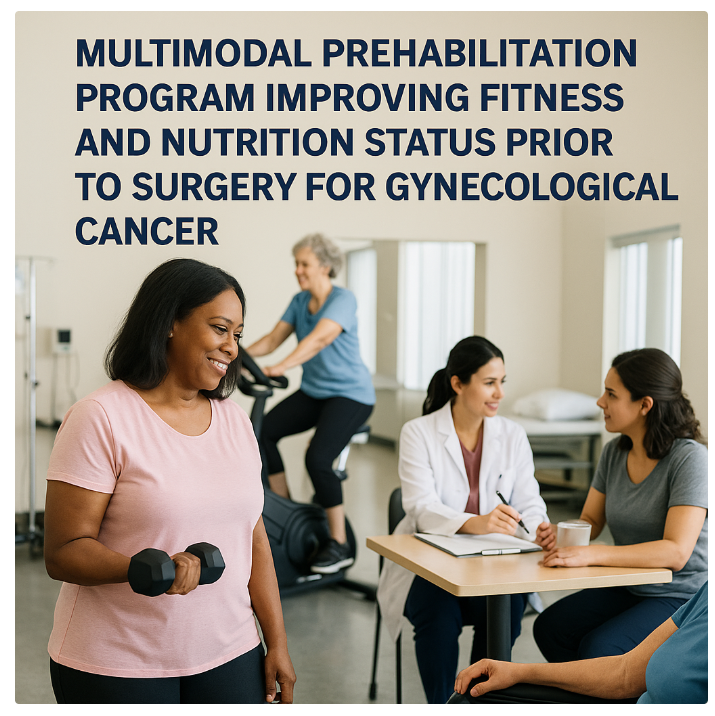
🔥 PREHABILITATION BEFORE GYN CANCER SURGERY WORKS — AND THE RESULTS ARE STRONG 🔥
A new study in Gynecologic Oncology shows that even a short, multimodal prehabilitation program can meaningfully boost a woman’s physical fitness and nutritional status before surgery for gynecological cancer.
💪 8% improvement in aerobic fitness (VO₂peak)
🏋️♀️ 20% increase in leg strength
🪑 Better functional mobility (faster chair-stand performance)
🥗 Fewer women at moderate/high risk of malnutrition
In just 3 weeks, women became stronger, fitter, and better nourished—proving that prehabilitation isn’t just a “nice-to-have,” but a powerful tool to improve readiness for surgery and potentially enhance recovery.
This evidence reinforces a simple message:
Improving fitness and nutrition before treatment is not optional—it's essential.
Prehabilitation = Better Surgery. Better Recovery. Better Lives.
Dhanis J, Pijnenborg JMA, van Laarhoven CJHM, Verlaan S, van der Heuvel B, Smits A. The effect of a multimodal prehabilitation programme on preoperative physical fitness and nutritional status of women with gynaecological cancer. Gynecol Oncol. Published online October 21, 2025. doi:10.1016/j.ygyno.2025.10.012
pubmed.ncbi.nlm.nih.gov/4112…
#Prehab #Prehabilitation #ExerciseOncology #CancerExercise #GynecologicCancer #OvarianCancer #EndometrialCancer #VulvarCancer #CancerRehab #SurgicalRecovery #ExerciseIsMedicine #FunctionalCapacity #VO2peak #StrengthTraining #ClinicalExercisePhysiology #ACSM #CEPA #ISEO #OncologyRehabilitation #CancerSupport #CancerSurvivorship #OncologyResearch #WomenInScience #WomenInMedicine #HealthPromotion #NutritionSupport #ProteinIntake #MultimodalCare #EvidenceBasedPractice #HealthcareInnovation #HospitalWellness #PatientCenteredCare #EnhancedRecovery #ERAS #PublicHealth #HealthcareLeadership #PrecisionMedicine #ExercisePhysiology #CancerCareTeam #StrongerBeforeSurgery #FitnessBeforeTreatment #RecoveryStartsBeforeSurgery
43
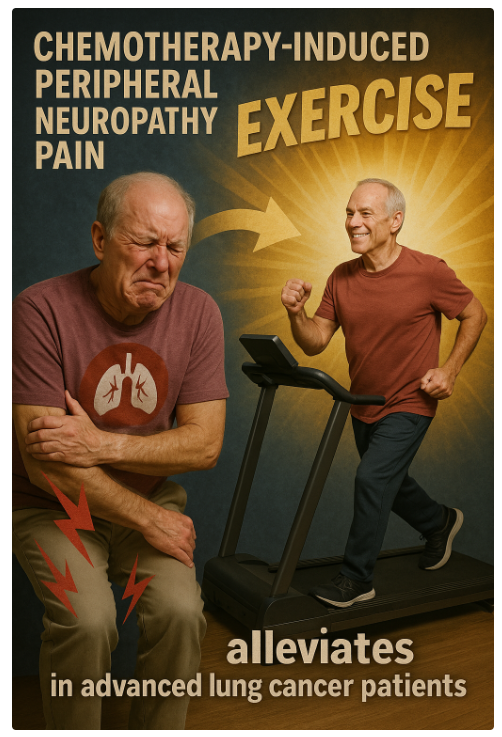
💪 EXERCISE AS SUPPORTIVE CARE IN ADVANCED LUNG CANCER
New evidence reinforces what many of us in exercise oncology already know: movement matters—even during chemotherapy.
A secondary analysis of a randomized controlled trial in patients with advanced lung cancer found that a 12-week structured exercise program did something powerful:
✅ Stabilized chemotherapy-induced peripheral neuropathy (while neuropathy significantly worsened in the control group)
✅ Reduced pain symptoms—achieving both statistical and clinical significance
✅ Improved or maintained multiple quality-of-life domains despite high disease burden
In a population often viewed as “too advanced” or “too sick” to train, this study challenges outdated assumptions. Exercise isn’t just safe—it protects quality of life, supports treatment tolerance, and offers a non-pharmacologic strategy for managing neuropathy and pain during chemotherapy.
As clinicians, this reinforces a simple truth:
➡️ Exercise is not optional. It is essential supportive oncology care.
Bloch Z, Jensen S, Sørensen V, Langer SW, Quist M. The Effect of Exercise on Quality of Life in Patients With Advanced Lung Cancer: A Secondary Analysis of a Randomized Controlled Trial. Clin Lung Cancer. 2025;26(7):e582-e590. doi:10.1016/j.cllc.2025.07.005
sciencedirect.com/science/ar…
#ExerciseOncology #LungCancer #SupportiveCare #CancerRehabilitation #ClinicalExercisePhysiology #Chemotherapy #QualityOfLife #PeripheralNeuropathy #CancerCare #OncologyResearch #StrengthTraining #HumanMovementScience #CEPA #ACSM #ExerciseIsMedicine #CancerSurvivorship #OncologyPhysicalTherapy #RehabMedicine #OncologyNursing #ExerciseScience #Physiology #FunctionalTraining #CancerPainManagement #MuscleHealth #Immunotherapy #TumorMicroenvironment #CancerExerciseSpecialist #PublicHealth #MedicalResearch #MoveMoreSitLess #ExerciseForLife #PrecisionMedicine #Kinesiology #RehabScience #HealthPromotion #WellbeingInCancer #MovementAsMedicine #StrongerTogether #TeamOncology #EvidenceBasedPractice
36
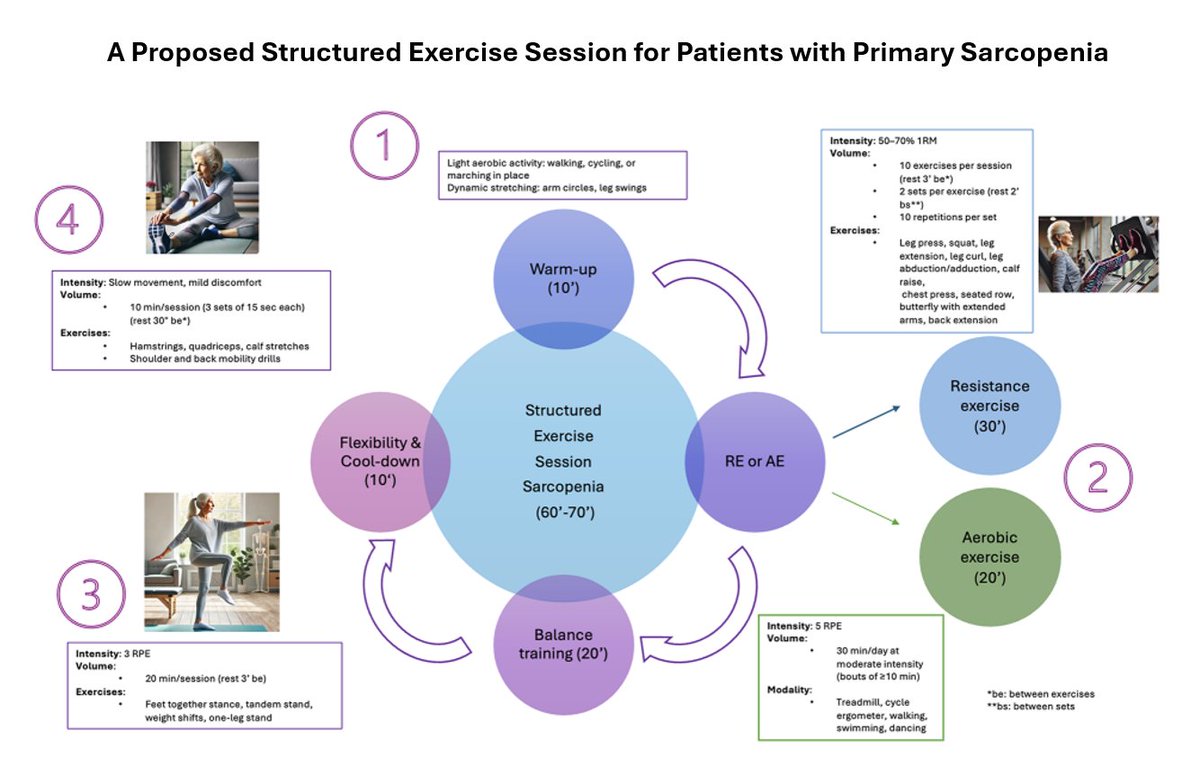
💪 EXERCISE IS THE CORNERSTONE OF SARCOPENIA CARE — AND THE EVIDENCE IS STRONGER THAN EVER
Sarcopenia isn’t just “normal aging”—it’s a clinically recognized muscle disease with profound impacts on mobility, independence, metabolic health, falls, and mortality. The newest expert opinion reinforces what many of us in clinical exercise physiology already know: therapeutic exercise is the most powerful, evidence-based intervention we have.
🔸 Resistance training (50–80% 1RM) remains the foundation—improving strength, muscle mass, and functional performance.
🔸 Multimodal training (strength aerobic balance) produces the greatest overall improvements, especially in severe sarcopenia.
🔸 Kettlebell training, high-intensity protocols, and even blood-flow-restriction show promising, clinically relevant benefits.
🔸 Balance & gait work are essential to reduce falls and preserve independence.
🔸 Adherence is everything—programs must be individualized, progressive, enjoyable, and sustainable.
This expert paper makes one message crystal clear:
🔥 Exercise isn’t optional—it’s precision medicine for preserving function, dignity, and quality of life in aging adults.
If you work with older adults, sarcopenia MUST be on your clinical radar… and exercise MUST be in your treatment plan.
Moretti A, Tomaino F, Paoletta M, et al. Physical exercise for primary sarcopenia: an expert opinion. Front Rehabil Sci. 2025;6:1538336. Published 2025 Mar 28. doi:10.3389/fresc.2025.1538336
pubmed.ncbi.nlm.nih.gov/4022…
#Sarcopenia #PrimarySarcopenia #HealthyAging #MuscleHealth #StrengthTraining #ResistanceTraining #MultimodalExercise #ExerciseIsMedicine #ClinicalExercisePhysiology #GeriatricRehab #FunctionalTraining #FallsPrevention #MobilityMatters #LongevityScience #ExercisePrescription #RehabScience #RehabilitationMedicine #KettlebellTraining #BloodFlowRestriction #BFRTraining #AerobicTraining #BalanceTraining #MitochondrialHealth #BDNF #Exerkines #MetabolicHealth #AgingResearch #HumanPerformance #FunctionalIndependence #ActiveAging #HealthyLongevity #Geriatrics #PreventiveMedicine #LifestyleMedicine #CEPA #ACSM #OncologyRehab #PhysicalTherapy #OccupationalTherapy #StrengthAndConditioning #ChronicDiseasePrevention #MuscleFunction #MovementMedicine #FitOver60 #FitOver70 #ClinicalFitness #PrecisionMedicine #ExerciseScience #FallsRiskReduction #PublicHealth
1
2
55
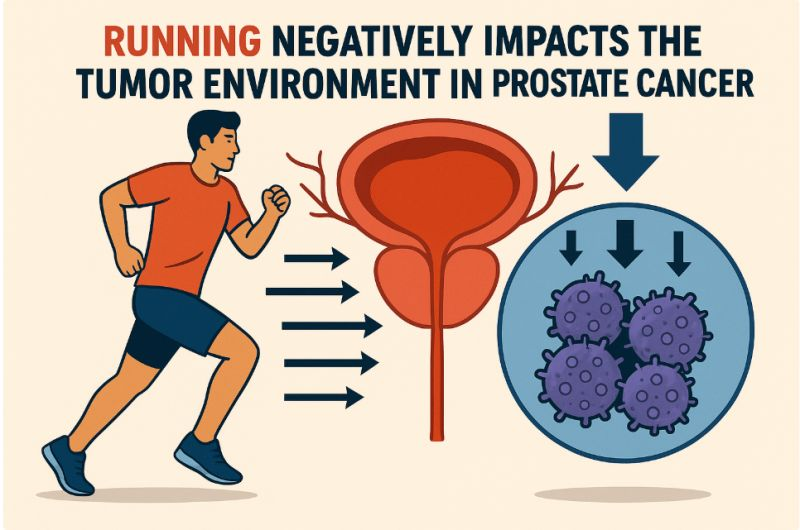
🔥 RUNNING & PROSTATE CANCER: HOW ONE WORKOUT CHANGES YOUR BLOOD 🔬
New research shows something extraordinary:
Just one run—5K or 10K—changes your bloodstream in ways that make prostate cancer cells grow less.
In this 2025 study, blood collected after a run (even 3 hours later!) reduced prostate cancer spheroid formation by up to 38% and cut tumor-like volume by over 50% in certain cells.
Even more exciting?
➡️ A simple 5K was just as effective as a 10K.
➡️ Fitter individuals showed the strongest anti-cancer effects.
This reinforces a powerful idea in exercise oncology:
👉 Movement isn’t just medicine—your blood becomes “anti-tumor” after you move.
For clinicians, this is another reminder that exercise isn’t optional.
For survivors, it shows that even short, attainable bouts of movement may shift the biology of cancer itself.
💡 One run. One session. One step toward changing the tumor environment.
Baldelli G, Avancini A, Giannarelli D, et al. Running session-conditioned human serum lowers prostate cancer cell spheroid formation. J Cancer Res Clin Oncol. 2025;151(12):297. Published 2025 Oct 18. doi:10.1007/s00432-025-06350-3
pubmed.ncbi.nlm.nih.gov/4110…
#ExerciseOncology #ProstateCancer #CancerResearch #Oncology #ExerciseIsMedicine #ClinicalExercisePhysiology #CancerSurvivorship #CancerPrevention #Exerkines #MolecularMedicine #ExerciseScience #AerobicTraining #RunningScience #TranslationalResearch #HealthPromotion #HumanPerformance #StrengthAndConditioning #CancerBiology #Physiology #Immunology #PrecisionExercise #MetabolicHealth #CardioTraining #EnduranceTraining #FunctionalMedicine #LifestyleMedicine #CEPA #ACSM #MoveMoreSitLess #MoveMoreLiveMore #MovementIsMedicine #PublicHealth #MenHealthMatters #MensHealthAwareness #ChronicDiseasePrevention #AntiCancerLifestyle #FitnessAndCancer #EvidenceBasedPractice #ResearchToPractice #LabToLife #CancerCareContinuum #SurvivorStrong #CardiorespiratoryFitness #MuscleMassMatters #MetabolicAdaptation #HealthEquity #WellnessJourney
1
1
121
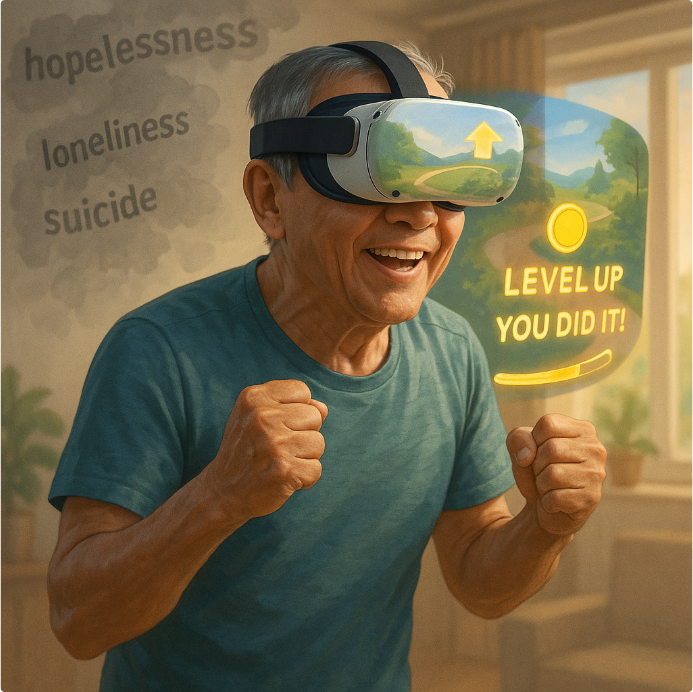
💥 EXERCISE IN VIRTUAL REALITY: A Breakthrough Intervention for Older Men with Suicidal Ideation 💥
What if fun, movement, and immersion could reignite hope in someone who has stopped seeing a future?
A new study just revealed something extraordinary: gamified Virtual Reality exercise isn’t just engaging — it dramatically boosts life expectancy scores and restores optimism in older adults battling suicidal ideation.
Not over months.
Not with medication.
But in just 5 weeks of VR-based movement.
👓💪 Immersive exercise → Higher motivation
🎮🏆 Gamification → Reward, purpose, agency
🧠✨ Movement VR → A meaningful shift in hope, mood, and engagement
Older adults—often isolated, unmotivated, and resistant to traditional exercise—showed a massive clinical improvement, nearly 7× greater than standard exercise programs.
This isn’t entertainment.
This is innovation with life-saving potential.
For clinicians, oncologists, psychologists, geriatric specialists, and exercise professionals:
VR-based exercise may be one of the most scalable non-pharmacological strategies for improving mental health and reducing suicide risk in aging populations.
Hope doesn’t always come in a prescription bottle.
Sometimes, it comes through movement… in a world where patients feel seen, engaged, and alive again. 🌅
The future of mental health intervention is immersive.
The future of exercise oncology is interactive.
And the future of geriatric care may be gamified.
Dong Y, Faridniya H, Ebrahimi Z, Zhao Z. Gamified Exercise in Virtual Reality: A Novel Intervention for Enhancing Mental Health and Reducing Suicidal Ideation in Older Adults. Healthcare (Basel). 2025;13(8):859. Published 2025 Apr 9. doi:10.3390/healthcare13080859
#ExerciseIsMedicine #VRExercise #VirtualRealityTherapy #GeriatricCare #HealthyAging #SuicidePrevention #MentalHealthMatters #OlderMenHealth #DigitalTherapeutics #ClinicalInnovation #ExerciseOncology #Neuroplasticity #BehavioralHealth #RehabilitationScience #PrecisionHealth #TechInMedicine #DigitalHealth #ImmersiveTherapy #GamifiedExercise #VRInHealthcare #Exergames #ExerciseForMentalHealth #MovementIsMedicine #HopeThroughExercise #MobilityMatters #CognitiveHealth #BrainHealth #LongevityScience #ExerciseAdherence #PublicHealthInnovation #FutureOfHealthcare #ClinicalExcellence #HolisticCare #LifestyleMedicine #TherapeuticExercise #MindBodyMedicine #Exerkines #ExerciseMotivation #MentalWellness #ActiveAging #Suicidology #IntegratedCare #PreventiveMedicine #HealthTech #VRTraining #AgingWell #Psychiatry #Gerontology #OncologySupport #ResearchMatters
83
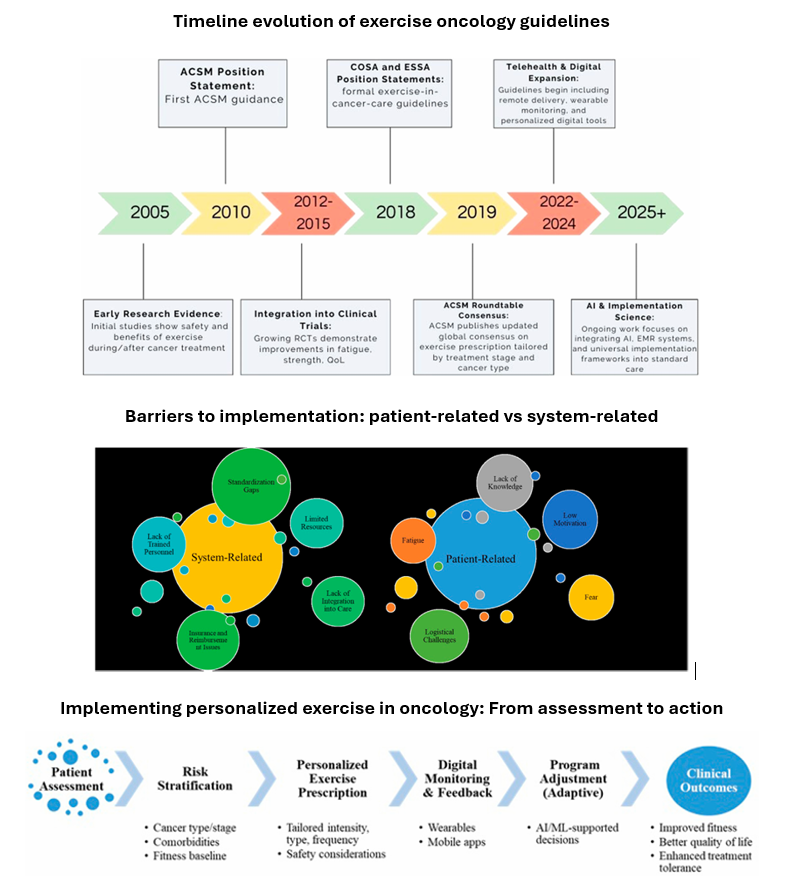
🎗️ Personalized Exercise in Cancer Care: The Future Is Here
Every cancer journey is different. Every body heals differently.
And this new evidence reinforces something we see every day:
When we tailor exercise to the person, not the diagnosis, everything changes.
✨ Fatigue drops
✨ Strength returns
✨ Confidence grows
✨ Quality of life improves
✨ Treatment becomes more tolerable
✨ And patients reclaim control
This isn’t “just exercise.”
This is personalized, precision-guided resilience — and it transforms lives.
For survivors, for caregivers, for clinicians:
Movement is empowerment. Personalized movement is hope in action. 💛💪🎗️
Saleh AY, Shareef A, Bishoyi AK, et al. Personalized exercise programs in oncology. Oncol Rev. 2025;19:1645505. Published 2025 Sep 12. doi:10.3389/or.2025.1645505
pubmed.ncbi.nlm.nih.gov/4101…
#ExerciseOncology #CancerSurvivorship #PersonalizedMedicine #PrecisionExercise #CancerCare #OncologyRehabilitation #CancerResearch #ExerciseIsMedicine #SurvivorStrength #MovementIsMedicine #ClinicalExercisePhysiology #ExerciseScience #EvidenceBasedPractice #CancerSupport #FatigueManagement #StrengthTraining #AerobicTraining #QualityOfLife #OncologyCare #RehabilitationScience #IntegrativeOncology #CancerWellness #HealthEquity #TelehealthRehab #DigitalHealth #ExerciseForLife #ResilienceBuilding #CancerRecovery #FightCancerWithFitness
1
35