
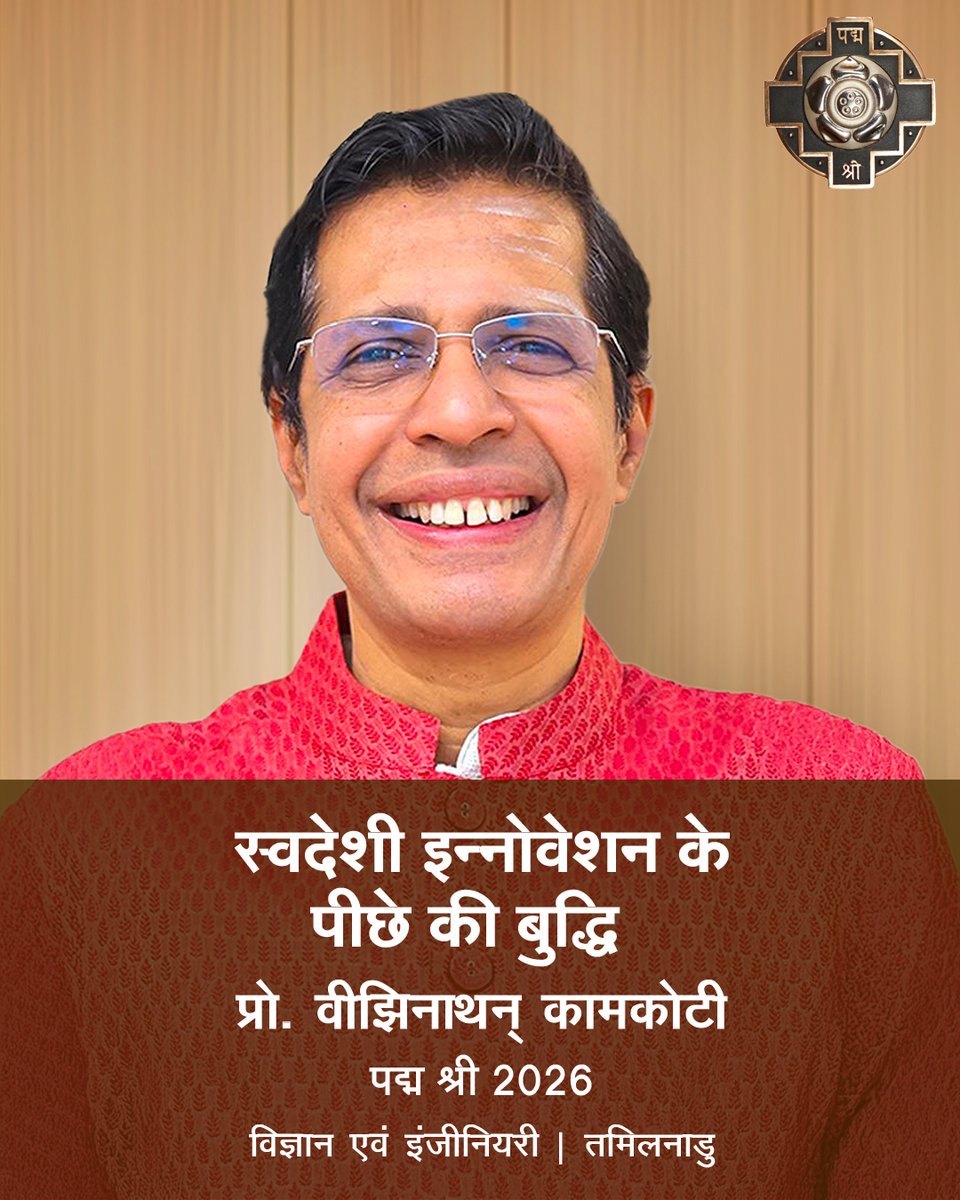
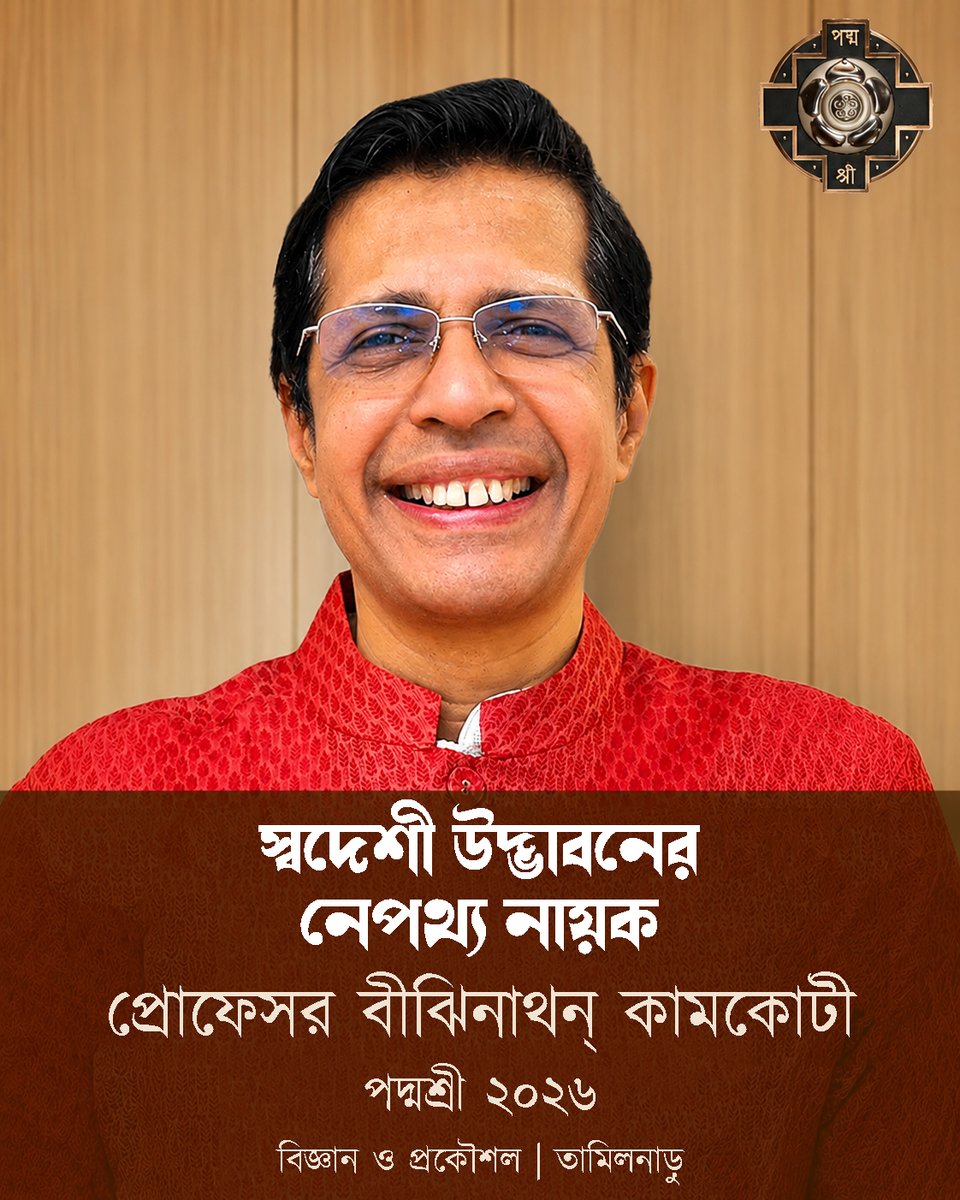
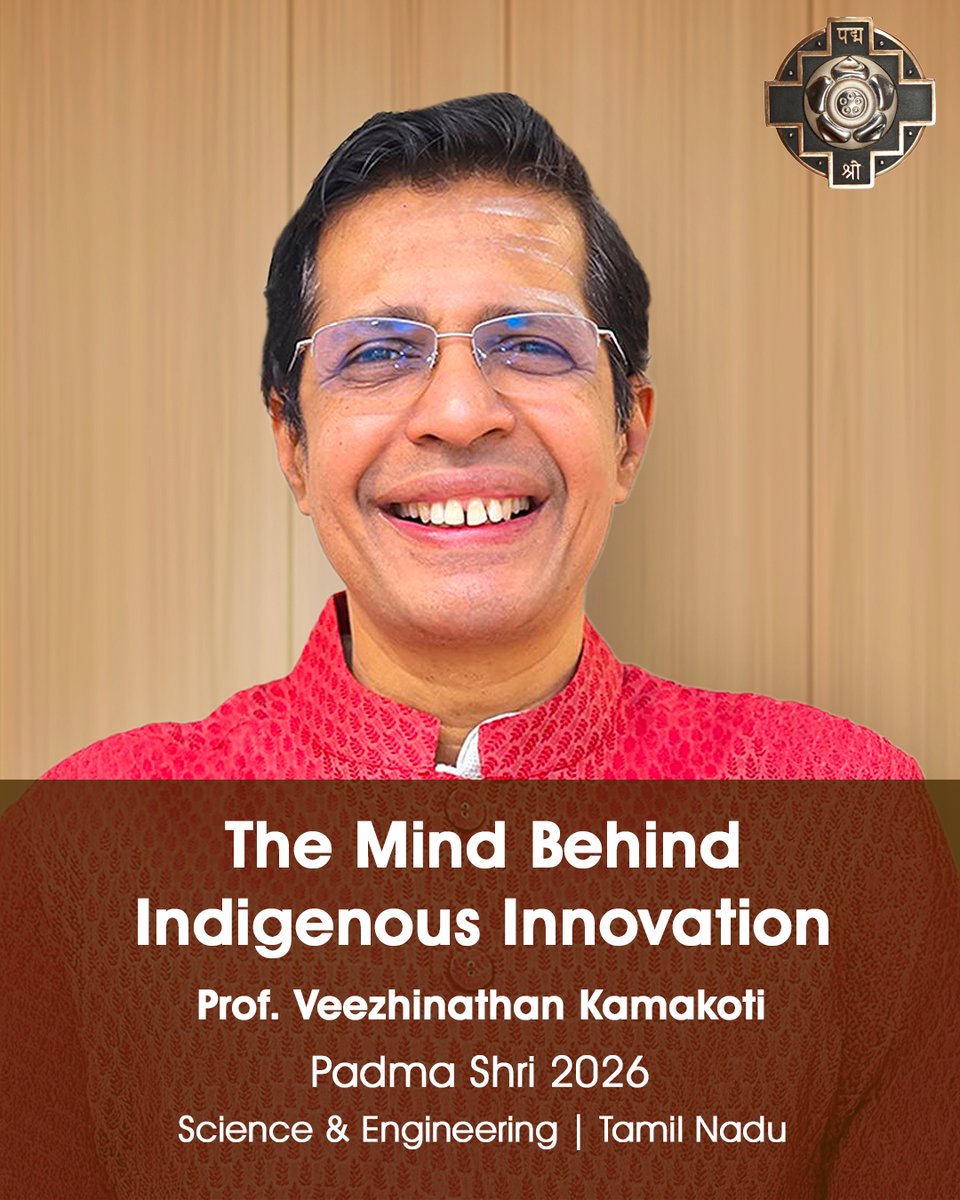
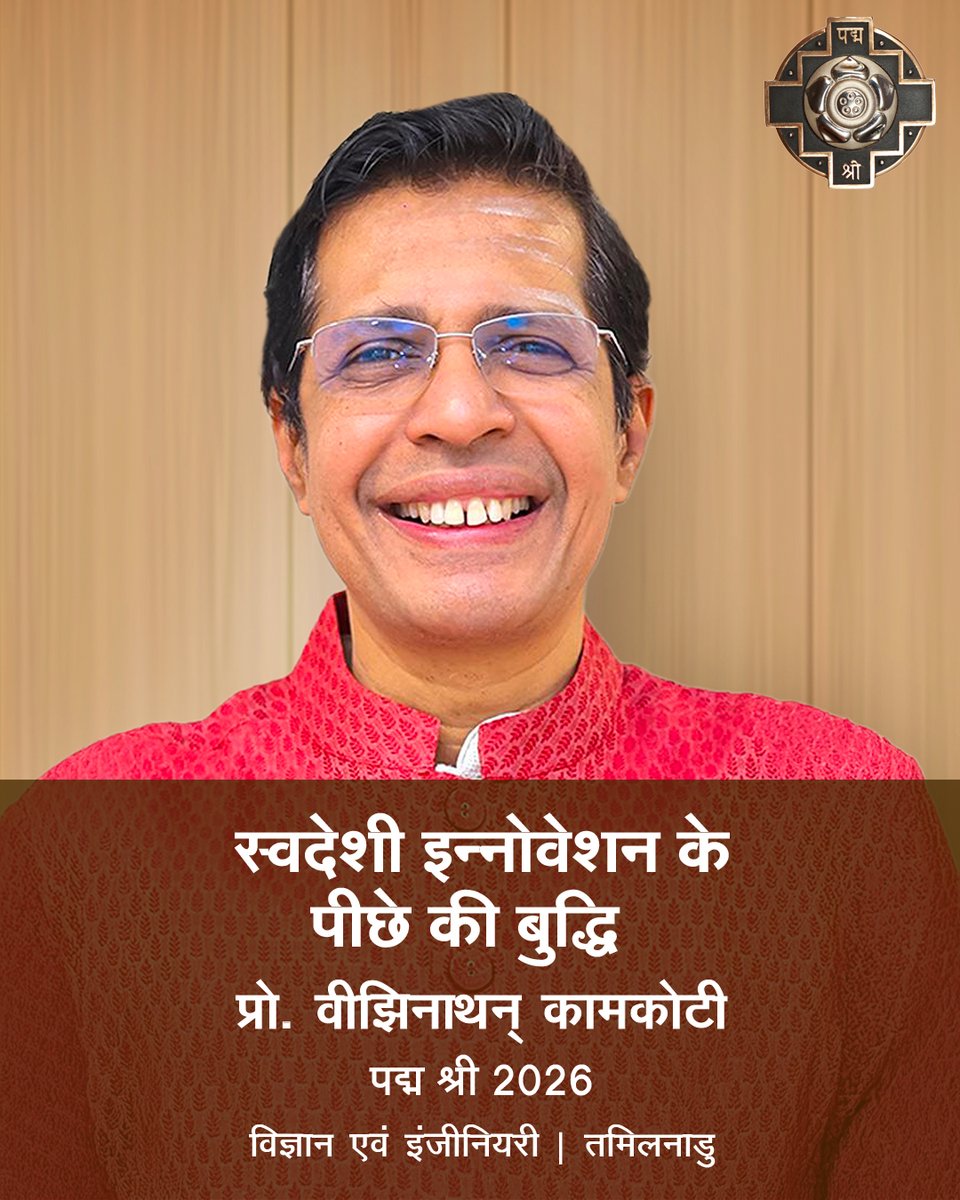
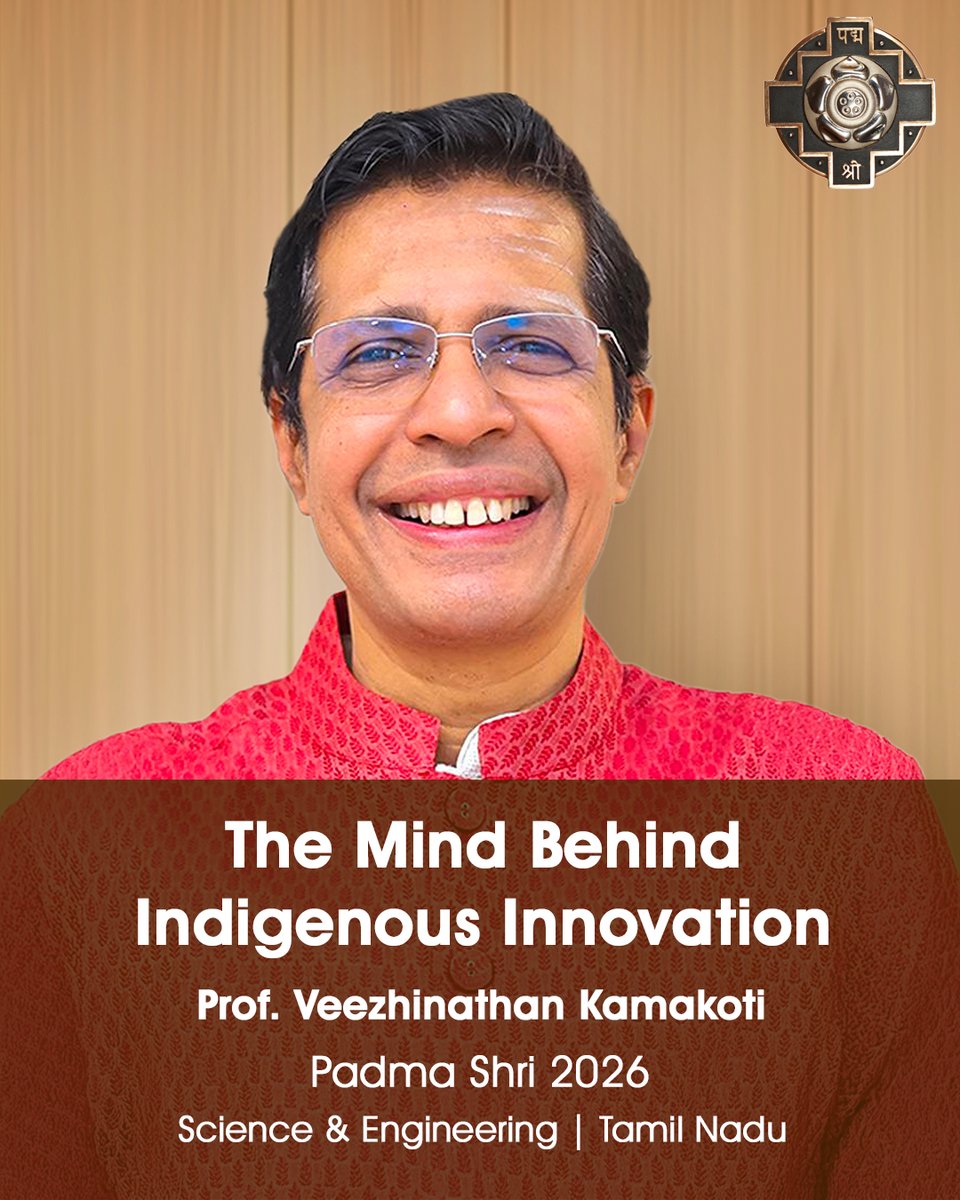
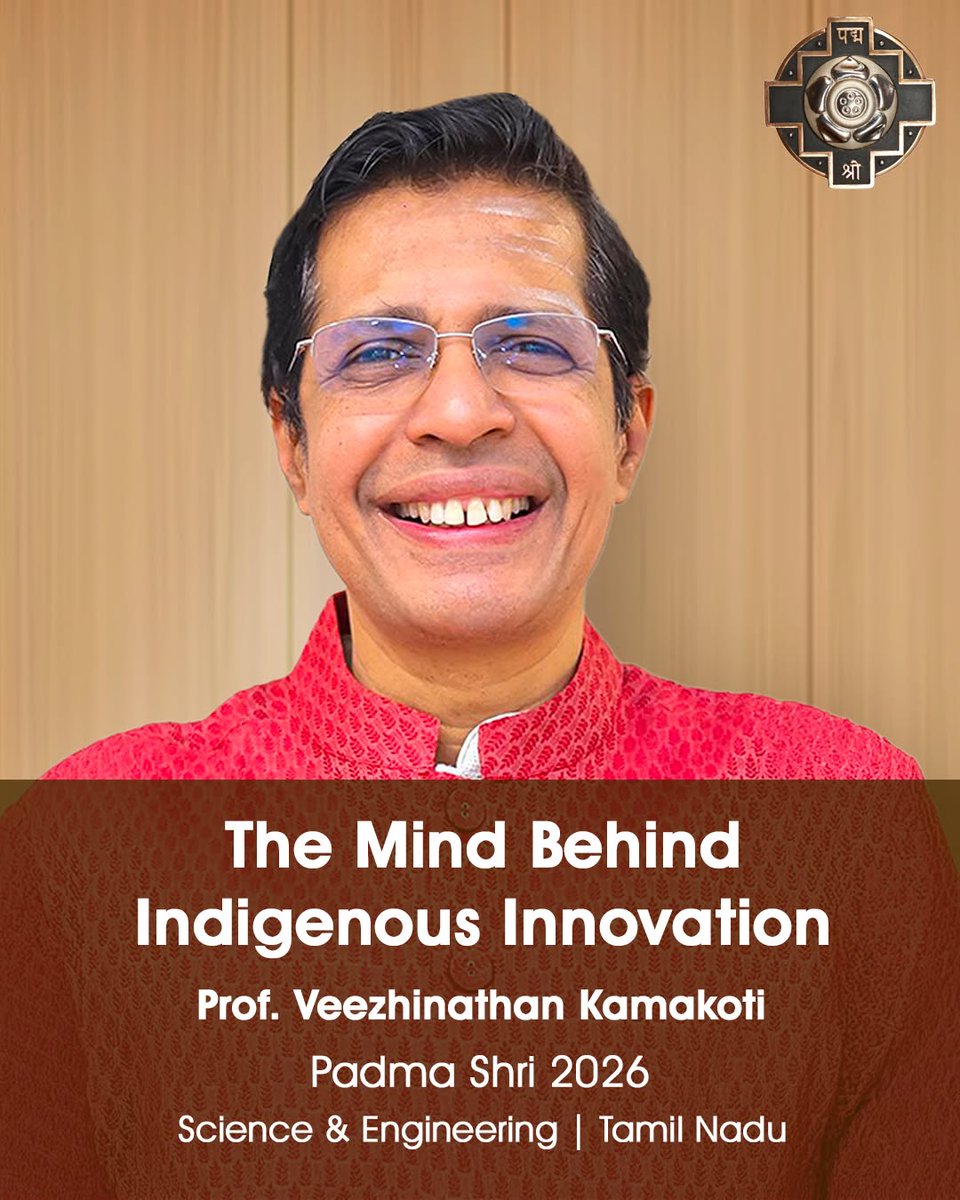
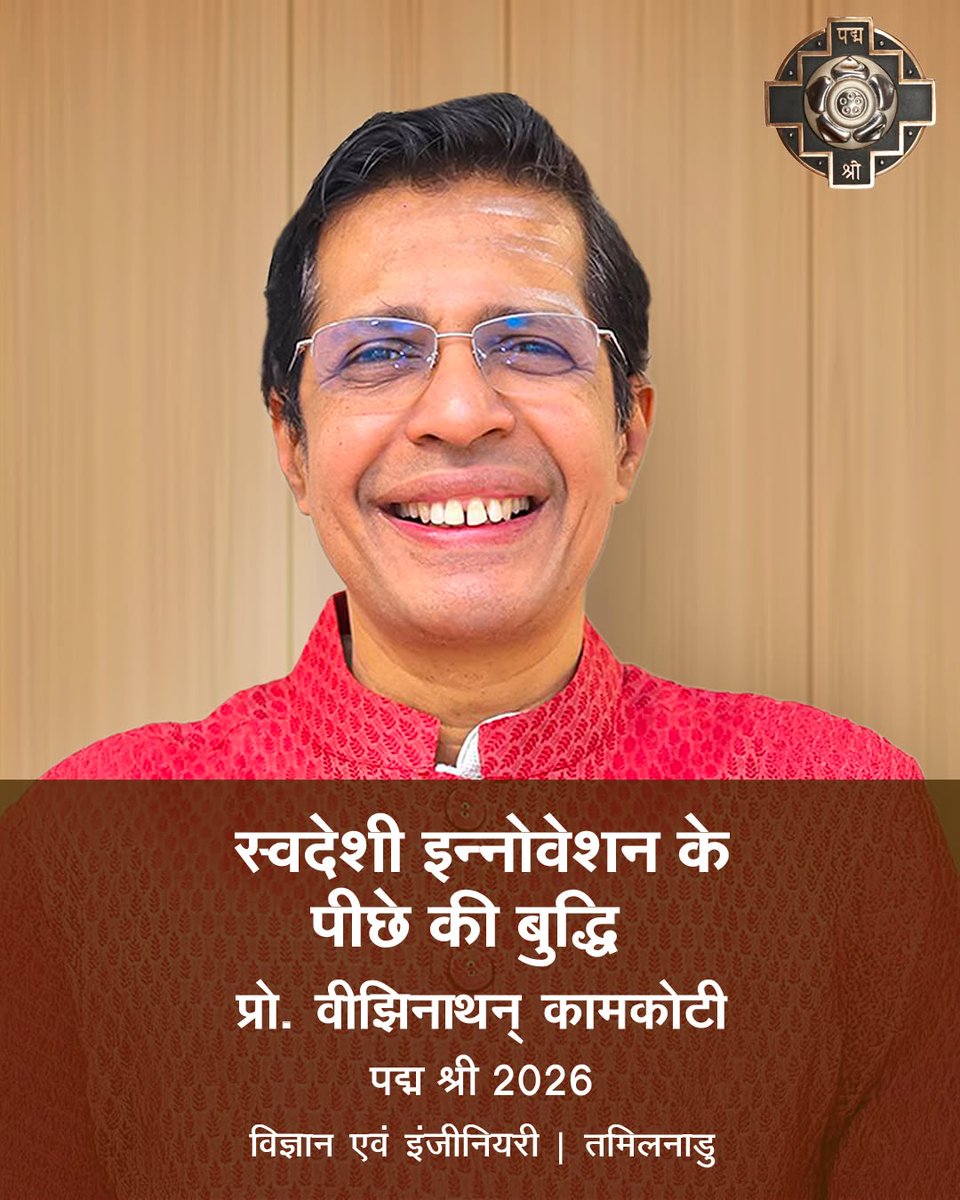
Prof. Veezhinathan Kamakoti honoured with Padma Shri. Eminent computer scientist and Director, IIT Madras. Created India's first indigenous microprocessor, SHAKTI, and contributed to telecom and cyber security initiatives.
#PeoplesPadma2026 #PadmaAwards2026 #PadmaShri
4

Prof. Veezhinathan Kamakoti honoured with Padma Shri - Eminent computer scientist, Director of IIT, Madras. Created India’s first indigenous microprocessor SHAKTI. Improved national security capabilities by implementing policies in sectors like Telecom security, Cyber security.
3

the amount of technological marvel from the first transistor from the microprocessor (in the ibm pc in 1981 iirc) to then wifi and smartphones being invented led to a domino effect of me specifically reading this at the exact time. go home
6

53m
They could have definitely done both, but till 1991, it was all about only the public sector and after 1991 the biggest goal for the Tatas was how to get Air India back into the fold. Remember license permit raj was still in full effect and had driven away many an entrepreneur till 1991. I would have put this right up the alley of HMT, given location in Bangalore , experience in making watches and tractors(in addition to many others), CONgress gobarments in state and center, proximity to ISRO etc. ISRO could have definitely spearheaded given it’s need ( though small for itself but it was given responsibility for communication networks, since the humble radio was still called transistor across the length and breadth of the country). In 1984 when the first INSAT went up, it had solar panels to derive energy for the spacecraft. Microprocessor was invented in 1957, for which Jack Kilby even got a Nobel and by 1971 Intel had its IPO and was a public company. All memory patents lapsed by the mid 80’s which is why the Koreans could easily start memory production. Sam Pitroda, who had the foresight to establish CDOT could also have taken more interest on this foundational technology and maybe gotten the CSIR labs more involved ?
12

মমিং লৈরবা কম্প্যুটর সাইন্টিষ্ট Prof. Veezhinathan Kamakoti বু পদ্মশ্রী পীদুনা ইকায়খুম্নবা উৎলি। IIT, Madras কী দাইরেক্তর ওইনা লৈবাক অসিগী অহানবা Microprocessor SHAKTI শেমখিবা মীওইনি।#peoplespadma2026 #padmaawards2026
2

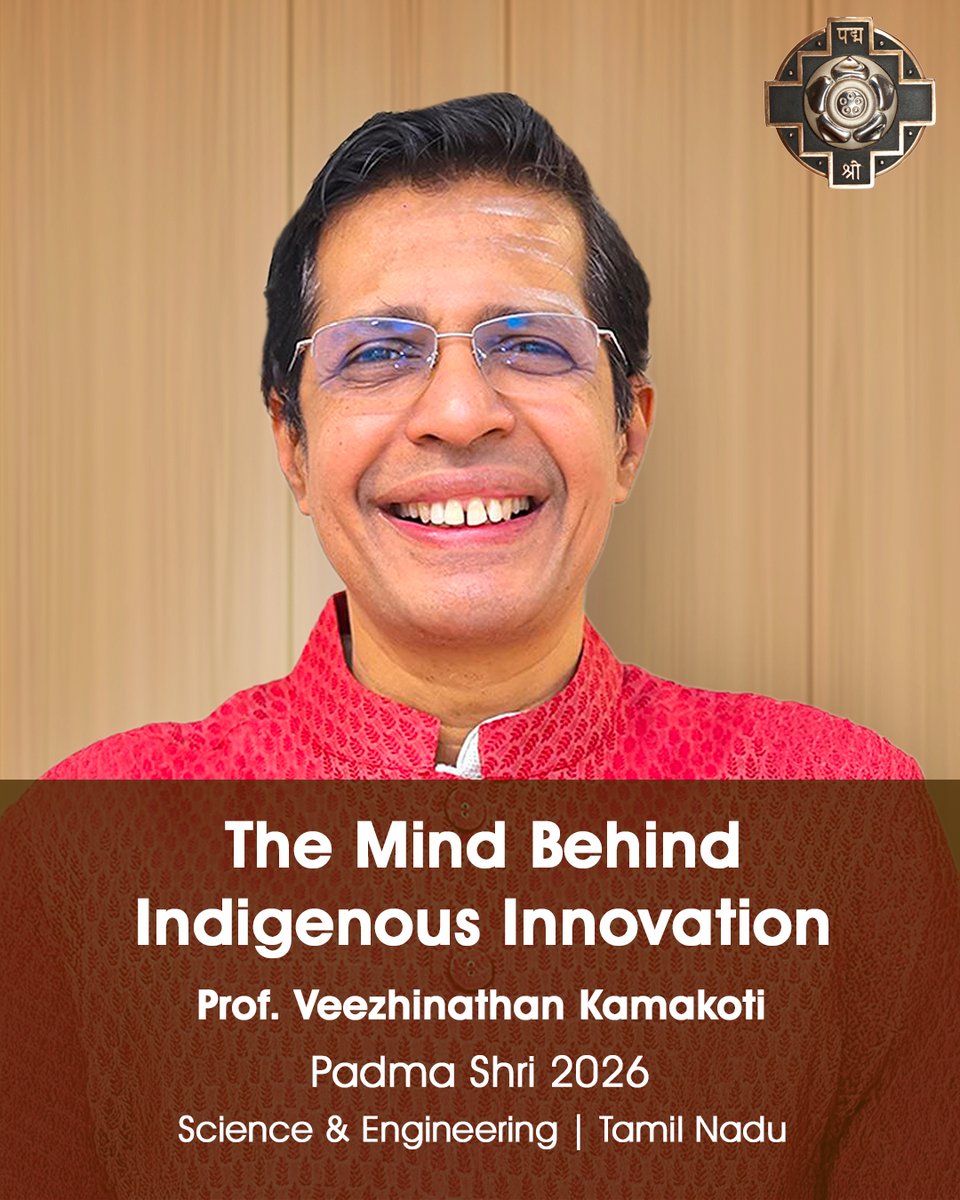
Prof. Veezhinathan Kamakoti honoured with Padma Shri - Eminent computer scientist, Director of IIT, Madras. Created India’s first indigenous microprocessor SHAKTI.
#peoplespadma2026 #padmaawards2026 #padmashri #scienceandengineering
1
11

Prof. Veezhinathan Kamakoti honoured with Padma Shri - Eminent computer scientist, Director of IIT, Madras. Created India’s first indigenous microprocessor SHAKTI
#peoplespadma2026 #padmaawards2026 #padmashri #scienceandengineering

Prof. Veezhinathan Kamakoti honoured with Padma Shri - Eminent computer scientist, Director of IIT, Madras. Created India’s first indigenous microprocessor SHAKTI. Improved national security capabilities by implementing policies in sectors like Telecom security, Cyber security.
#peoplespadma2026 #padmaawards2026 #padmashri #scienceandengineering
5

Prof. V. Kamakoti, Padma Shri awardee and Director of Indian Institute of Technology Madras, led the development of India’s first indigenous microprocessor, SHAKTI and advanced telecom and cybersecurity.
#peoplespadma2026 #padmaawards2026 #padmashri
1
30

Prof. Veezhinathan Kamakoti honoured with #PadmaShri - Eminent computer scientist, Director of IIT, Madras.
Created India’s first indigenous microprocessor SHAKTI.
#peoplespadma2026 #padmaawards2026 #padmashri #scienceandengineering
Prof. Veezhinathan Kamakoti honoured with Padma Shri - Eminent computer scientist, Director of IIT, Madras. Created India’s first indigenous microprocessor SHAKTI. Improved national security capabilities by implementing policies in sectors like Telecom security, Cyber security.
#peoplespadma2026 #padmaawards2026 #padmashri #scienceandengineering
1
16

Prof. Veezhinathan Kamakoti honoured with Padma Shri - Eminent computer scientist, Director of IIT, Madras. Created India’s first indigenous microprocessor SHAKTI. Improved national security capabilities by implementing policies in sectors like Telecom security, Cyber security.
#peoplespadma2026 #padmaawards2026 #padmashri #scienceandengineering
117
101
3,092
ymathi nie retweeted

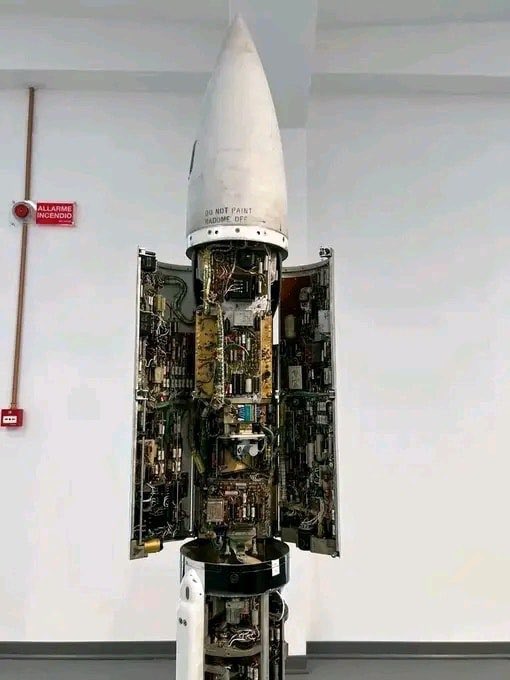
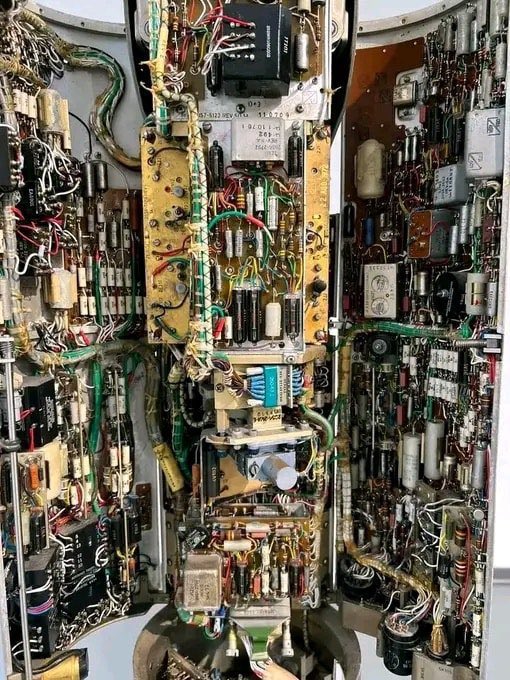
Guided missile of early 1960. Note how much electronics you need when there is no Microprocessor available
2
2
20
615


Prof. Veezhinathan Kamakoti honoured with Padma Shri - Eminent computer scientist, Director of IIT, Madras. Created India’s first indigenous microprocessor SHAKTI.
#PadmaAwards2026 #PeoplesPadma2026 #PadmaShri #scienceandengineering
6

𝗪𝗵𝗮𝘁 𝗶𝗳 𝗲𝗻𝗴𝗶𝗻𝗲𝗲𝗿𝘀 𝗰𝗼𝘂𝗹𝗱 𝗿𝗲𝗰𝗿𝗲𝗮𝘁𝗲 𝘁𝗵𝗲 𝗲𝘅𝗮𝗰𝘁 𝘁𝗵𝗲𝗿𝗺𝗮𝗹 𝗵𝗼𝘁𝘀𝗽𝗼𝘁𝘀 𝗴𝗲𝗻𝗲𝗿𝗮𝘁𝗲𝗱 𝗶𝗻𝘀𝗶𝗱𝗲 𝗵𝗶𝗴𝗵-𝗽𝗲𝗿𝗳𝗼𝗿𝗺𝗮𝗻𝗰𝗲 𝗽𝗿𝗼𝗰𝗲𝘀𝘀𝗼𝗿𝘀 𝗯𝗲𝗳𝗼𝗿𝗲 𝗮 𝗰𝗼𝗼𝗹𝗶𝗻𝗴 𝘀𝘆𝘀𝘁𝗲𝗺 𝗶𝘀 𝗲𝘃𝗲𝗿 𝗱𝗲𝗽𝗹𝗼𝘆𝗲𝗱?
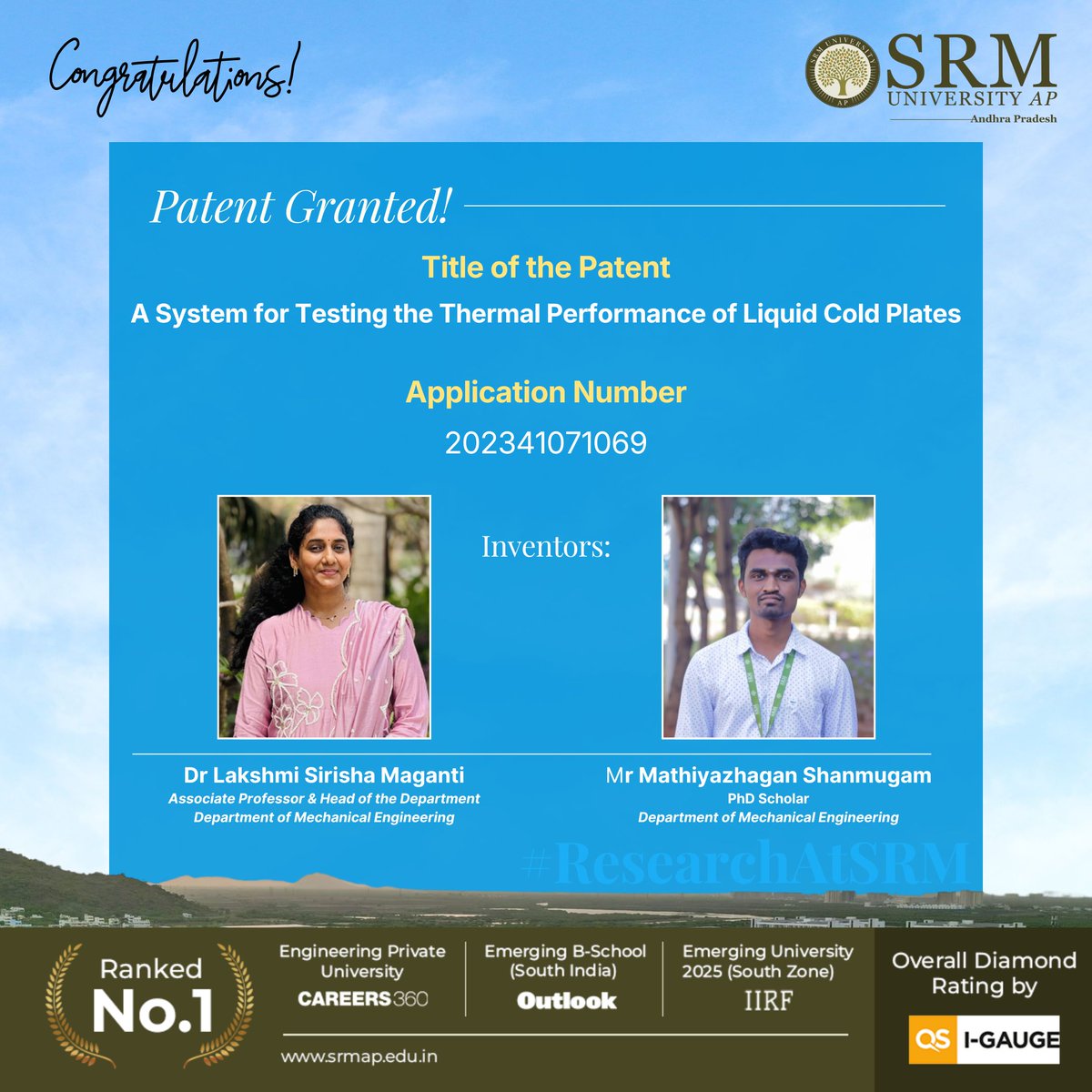
A significant innovation in thermal management and electronic cooling has been recognised with the grant of the Indian patent titled “𝗔 𝗦𝘆𝘀𝘁𝗲𝗺 𝗳𝗼𝗿 𝗧𝗲𝘀𝘁𝗶𝗻𝗴 𝘁𝗵𝗲 𝗧𝗵𝗲𝗿𝗺𝗮𝗹 𝗣𝗲𝗿𝗳𝗼𝗿𝗺𝗮𝗻𝗰𝗲 𝗼𝗳 𝗟𝗶𝗾𝘂𝗶𝗱 𝗖𝗼𝗹𝗱 𝗣𝗹𝗮𝘁𝗲𝘀” (Patent No. 591250; Application No. 202341071069). The patent has been granted to Dr Lakshmi Sirisha Maganti, Associate Professor, Department of Mechanical Engineering, SRM University-AP, Amaravati, and Mr Mathiyazhagan Shanmugam, PhD Scholar, Department of Mechanical Engineering, SRM University-AP, Amaravati.
Conventional testing systems typically evaluate cooling solutions under uniform heat loads, which rarely reflect real-world operating conditions. Addressing this challenge, the patented system introduces an advanced testing platform capable of generating controlled non-uniform heat loads and hotspots, closely replicating the thermal behaviour of modern electronic components. The innovation integrates independently controlled cartridge heaters, PID-based temperature regulation, microprocessor-driven automation, and real-time thermal monitoring to enable precise assessment of liquid cold plates under realistic conditions.
By enabling comprehensive thermal characterisation and optimisation of cooling technologies, this invention has the potential to advance next-generation electronics, high-performance computing systems, power electronics, and industrial thermal management solutions.
Congratulations to the inventors on this remarkable achievement in engineering innovation and intellectual property development.
#SRMUniversityAP #SRMAP #SRMAmaravati #SRM #SRMUniversity #PatentGranted #Innovation #MechanicalEngineering #ThermalManagement #ElectronicCooling #ResearchExcellence #IntellectualProperty #EngineeringResearch #TechnologyInnovation
1
53

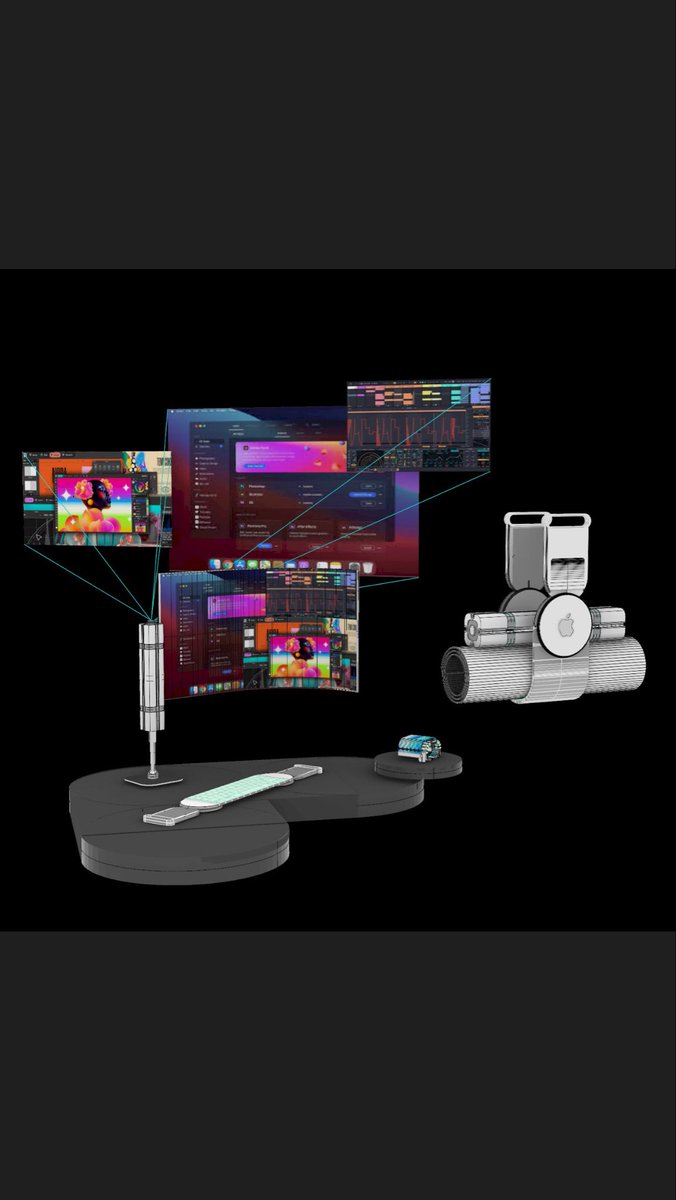
Cosmological #Microprocessor Devil Fist Artifact #AIGAP  europegenesys.com/ai-gap/ #YouthEngagement #WEB3 #Gaming
8
Anime fan🇮🇳🇨🇳🇷🇺🇮🇷🇰🇵 retweeted

Nigga how do you even learn nuclear engineering in a gurukula
What is even the Sanskrit word for the microprocessor..
Stop living in delusions

India lost its' own education system of gurukuls when the british destroyed them in millions - they were skill oriented and taught to live by truth, morales and ethics ...
power of reason over everything else? which europe? they have some industries oriented education system
3
3
49
1,101

Recent Upgrades Improve Iskander-M Lethality & Penetration
Russia has upgraded the Iskander-M tactical ballistic missile to improve its lethality and penetration capability.
The Iskander-M now incorporates an updated 9B899 submunition as a self-protection and penetration aid. The 9B899 module features a radar jammer to disrupt RF-guided interceptors and dispenses decoy submunitions—dipole reflectors and heat traps—to create false targets during the terminal phase of flight, confusing RF- and IR-homing interceptor missiles.
The Iskander-M can release six or more dart-shaped modules fitted with fins.
The missile uses active scanning, likely through its radar seeker, to identify gaps in adversary radar coverage and then manoeuvres to exploit those gaps. The algorithms used to detect blind spots or weak signals can be continuously updated.
New versions of the missile feature a more powerful microprocessor for faster processing of target-area images captured by the optical seeker, improving accuracy.
Almost 90 percent of the electronic components in the missile are now of Russian origin.
The missile can now be fitted with seven different types of warheads. A concrete-piercing warhead is specifically intended for targeting F-16s in hardened shelters.
Russia has ramped up production of the missile to 60 units per month.
A longer-range (1,000 km) version of the missile—unofficially referred to as the Iskander-1000—is still under development, despite limited orders having already been placed.
1
3
8
540
kapoortej retweeted

Jun 11
I'm a technology optimist. I’ve spent four decades studying disruptive innovation, from the microprocessor, the internet, mobile phones to OpenAI. I'm certain AI will do 80% of the economically valuable work humans do today, for 80% of all jobs, faster than most believe. The question isn't whether mass underemployment arrives, but whether we have a policy framework ready. Right now we don't.
Jun 11

We will need a new tax code for the wealth AI creates ft.trib.al/999yn2u
153
110
1,099
461,002

I did this original design concept and breakaway featuring a new microprocessor that he prob hacked my company computers for as well. Standford fuckboys built different when it comes to entitlement and arson
6