
Mar 9
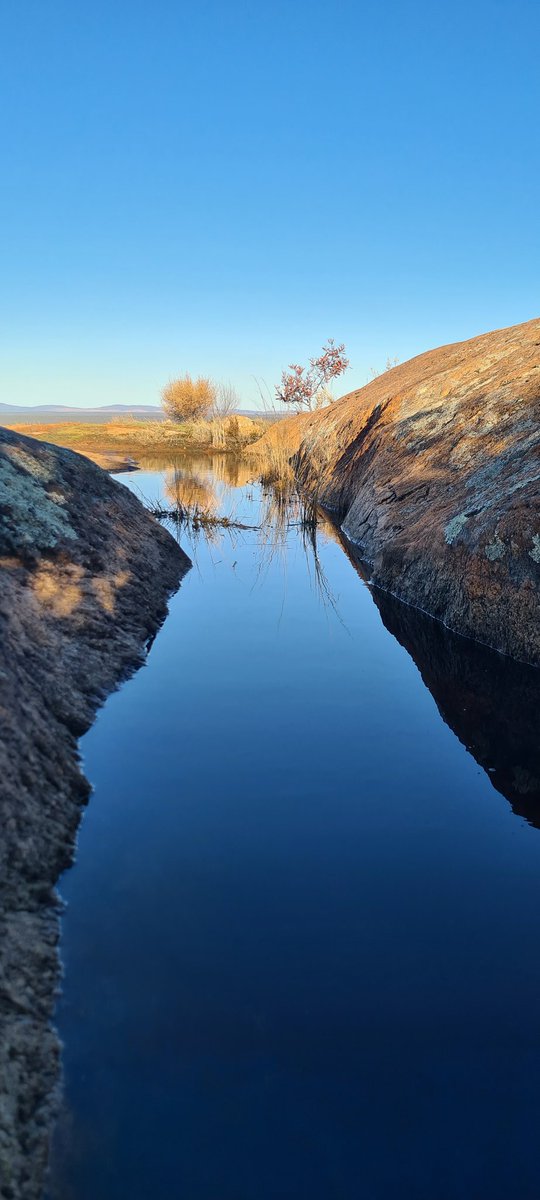
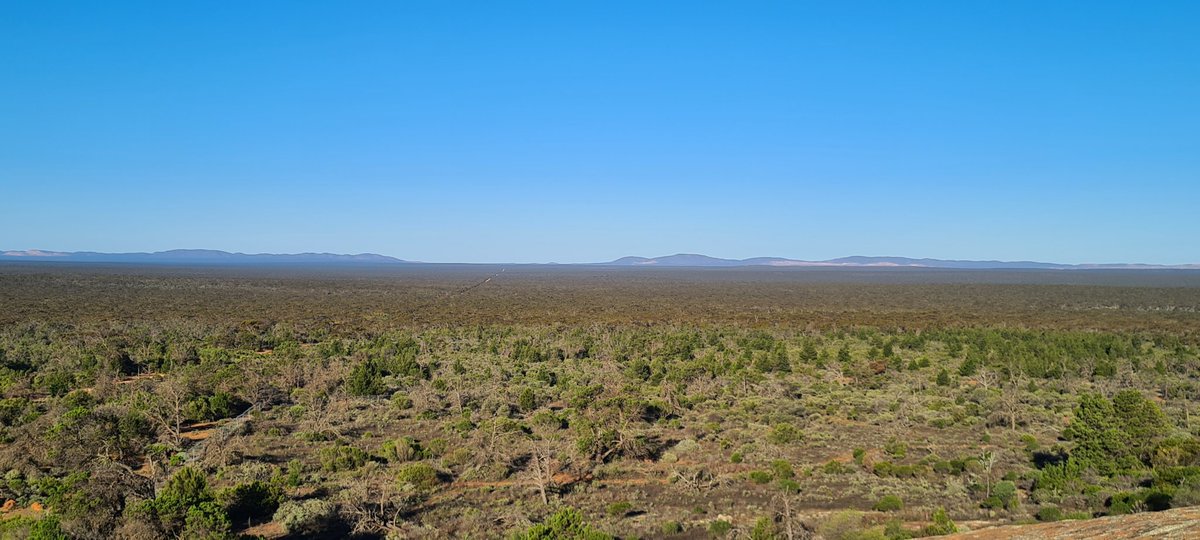
Cutting across the middle of SA's Eyre Peninsula, between Kimba and Whyalla, the road goes through the beautiful Middleback Ranges and the Ironstone Hill Conservation Park
This place is called Nilgin, on the traditional country of the Barngarla people🧵
#AlwaysWasAlwaysWillBe
7
15
99
1,842

Feb 17
The premier's election campaign has hit Whyalla 12 months after the steelworks was plunged into administration. The government has revealed the sale process has been narrowed to just five bidders as millions is poured into the Middleback Range. @KomarekMichaela
488

28 Sep 2025
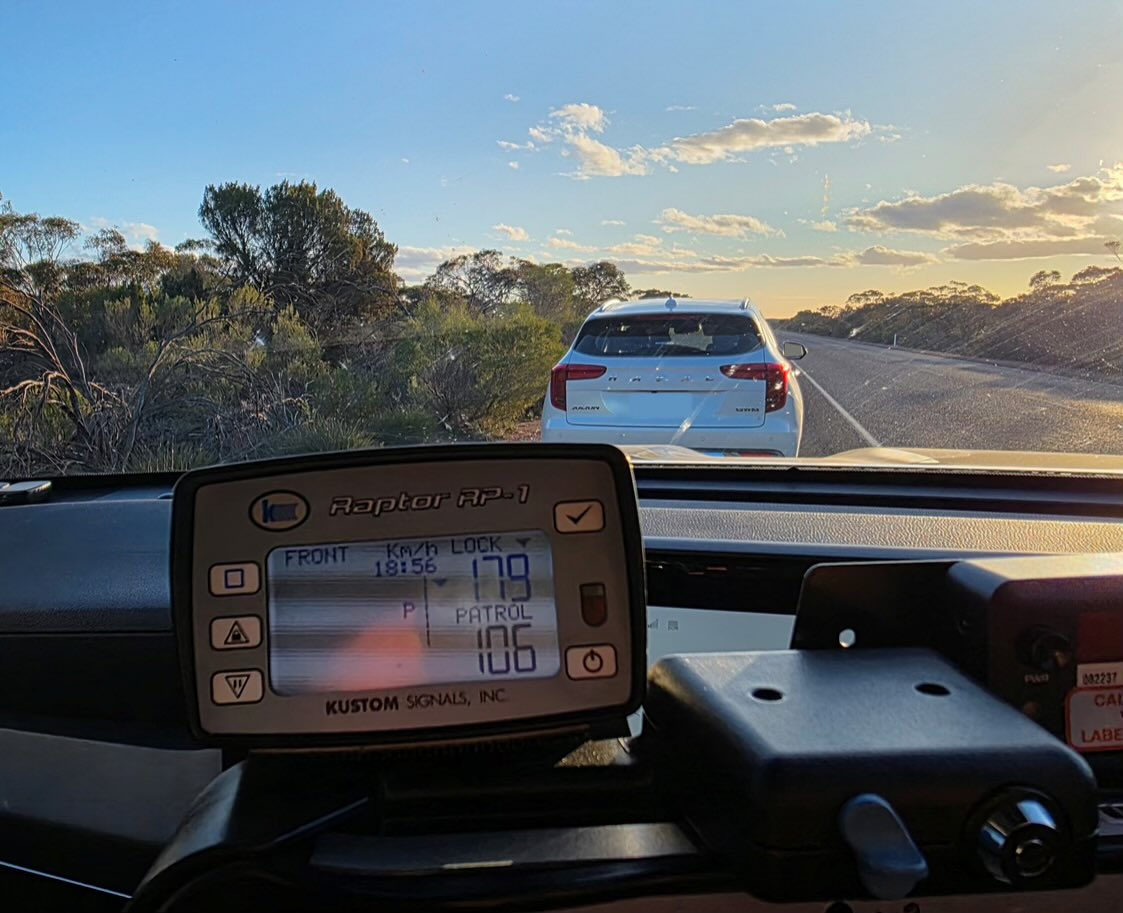
Along with a high range 34yo drink driver who blew 7x the limit (0.351) in Murray Bridge yesterday, a 21yo Mansfield Pk man has copped a $2059 fine for travelling 179 km/h in a 110 zone on the Lincoln Highway, in the Middleback Ranges.
And we wonder why people die on the roads.
1
2
2
485
28 Sep 2025
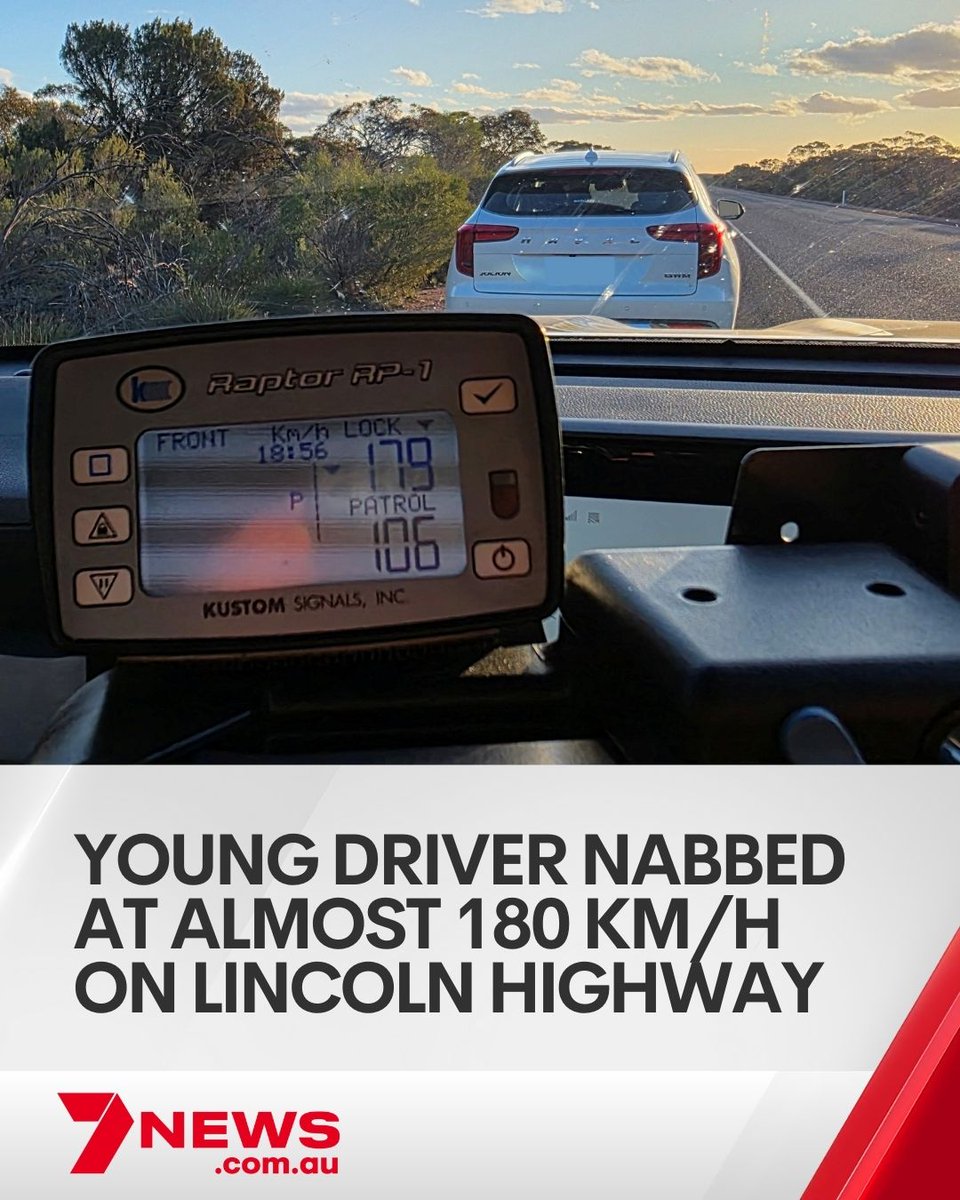
A young man has been slapped with a massive fine and stripped of his licence after he was clocked doing almost 70 km/h over the speed limit at Middleback Range near Whyalla. Police say the 21-year-old man’s SUV was travelling 179km/h in a 110 zone on the Lincoln Highway. #7NEWS
1
1,089


14 Mar 2025
Morning like #aesthetic #demure #volleyball #fyp #coach #vball #club #graceful #savedit #middleback #outside #rightside #defense #scored #gotthepoint #college #awinisawin #Ws #grace #hustle #go #gotit
1
1
3
1,164


22 Feb 2025
In the hills 50 km from Whyalla .."Middleback Range" ..full of iron ore.
12
549

20 Feb 2025
The Whyalla Steelworks, located in Whyalla, South Australia, is a fully integrated steelmaking facility and a critical part of Australia's industrial landscape. It’s the only manufacturer of rail in Australia and produces over 90 different grades of steel, servicing industries like construction and rail transport. The steelworks occupies a 1,000-hectare site on the shore of False Bay, Spencer Gulf, and is the largest employer in Whyalla, supporting around 1,100 workers directly. It has a production capacity of approximately 1.2 million tonnes of raw steel annually, with about 65% transferred as billets for further processing and the rest converted into finished products like structural steel and rails.
Historically, the steelworks traces its roots back to the early 20th century when iron ore mining began in the nearby Middleback Range. The Broken Hill Proprietary Company (BHP) developed the site, starting with pig iron production in the 1940s. By the 1960s, it became a fully integrated operation with the addition of a Basic Oxygen Steelmaking (BOS) plant, rolling mills, and coke ovens. It also had a notable shipbuilding arm, launching significant vessels like the Iron Yampi in 1947 and the world’s first gas turbine-electric ship, the Seaway Prince, in 1975, before the shipyards closed in 1978, impacting the local economy heavily.
Today, the steelworks is owned by GFG Alliance, under British industrialist Sanjeev Gupta, who acquired it in 2017 from Arrium after the latter’s financial collapse. GFG has faced significant challenges, particularly in 2024, with the blast furnace—its industrial core—shutting down for four months due to operational issues, including an uncontrolled iron breakout damaging its shell. Steel production resumed in January 2025, but the furnace is still running at half capacity, with ongoing stability concerns. Financially, GFG’s struggles have led to unpaid debts—tens of millions owed to the South Australian government and suppliers—prompting the state to place the steelworks into administration on February 19, 2025, with KordaMentha appointed to oversee operations and seek a new owner.
The facility relies on magnetite and hematite iron ore from the Middleback Range, mined by GFG’s SIMEC Mining, and produces steel through a coal-based blast furnace process. Gupta has ambitious plans to transition to "green steel" using hydrogen and an electric arc furnace (EAF), backed by government investments—like $63 million from the federal government and $50 million from South Australia—but timelines have slipped, and the hydrogen supply from a planned state facility isn’t due until 2026. Critics argue the focus on green steel has strained current operations, with maintenance cuts and job losses (nearly 50 in 2024) reflecting broader financial pressures within GFG’s global empire.
Whyalla’s economy and identity are deeply tied to the steelworks. Its struggles ripple through the community, affecting contractors, small businesses, and a workforce that’s seen pay cuts and uncertainty. The state’s intervention aims to safeguard this sovereign asset—vital for Australia’s infrastructure, producing 75% of its structural steel—while navigating a global steel market battered by Chinese overproduction and a complex decarbonization path. The steelworks’ future hinges on stabilizing operations and realizing Gupta’s green vision, though skepticism lingers about whether promises will match reality.
20 Feb 2025

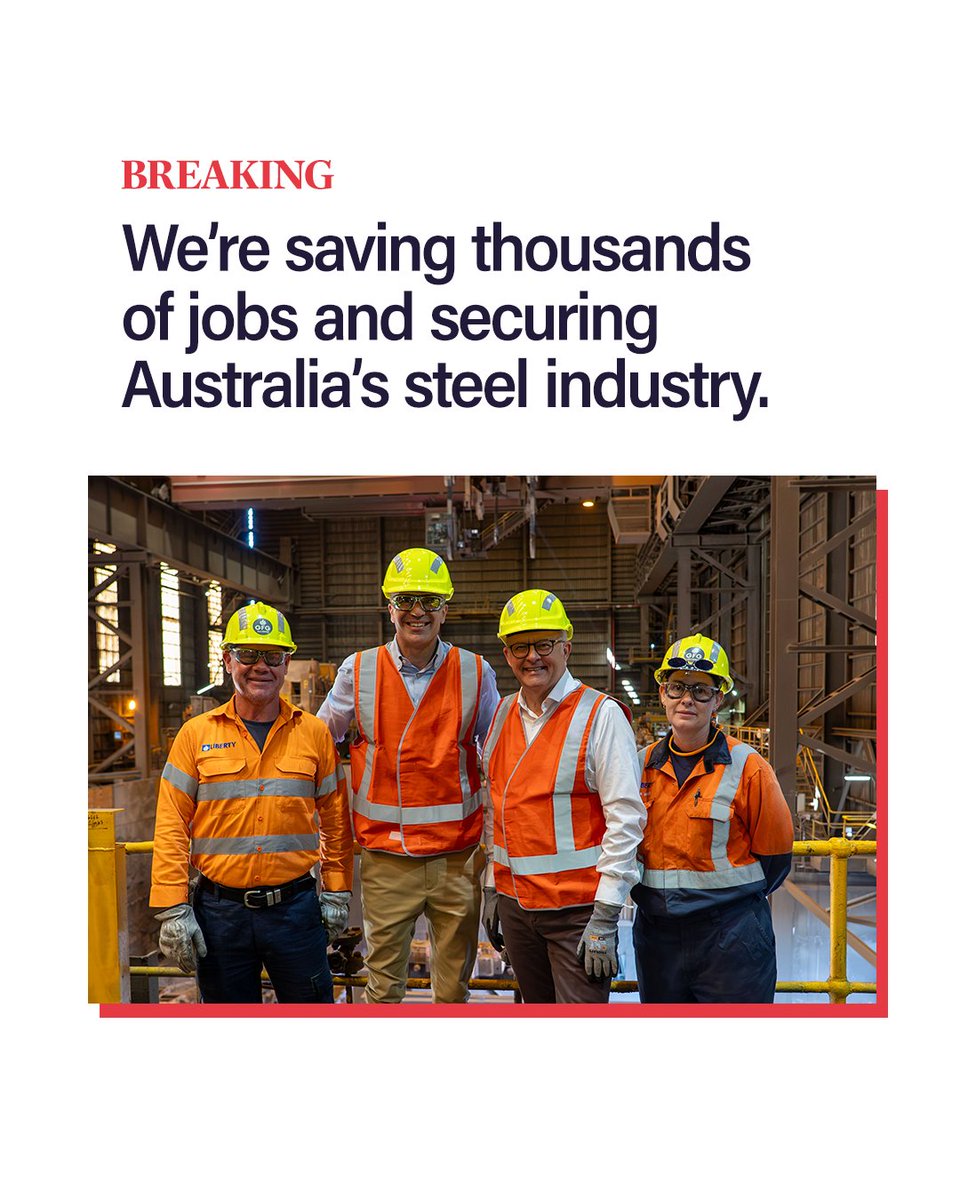
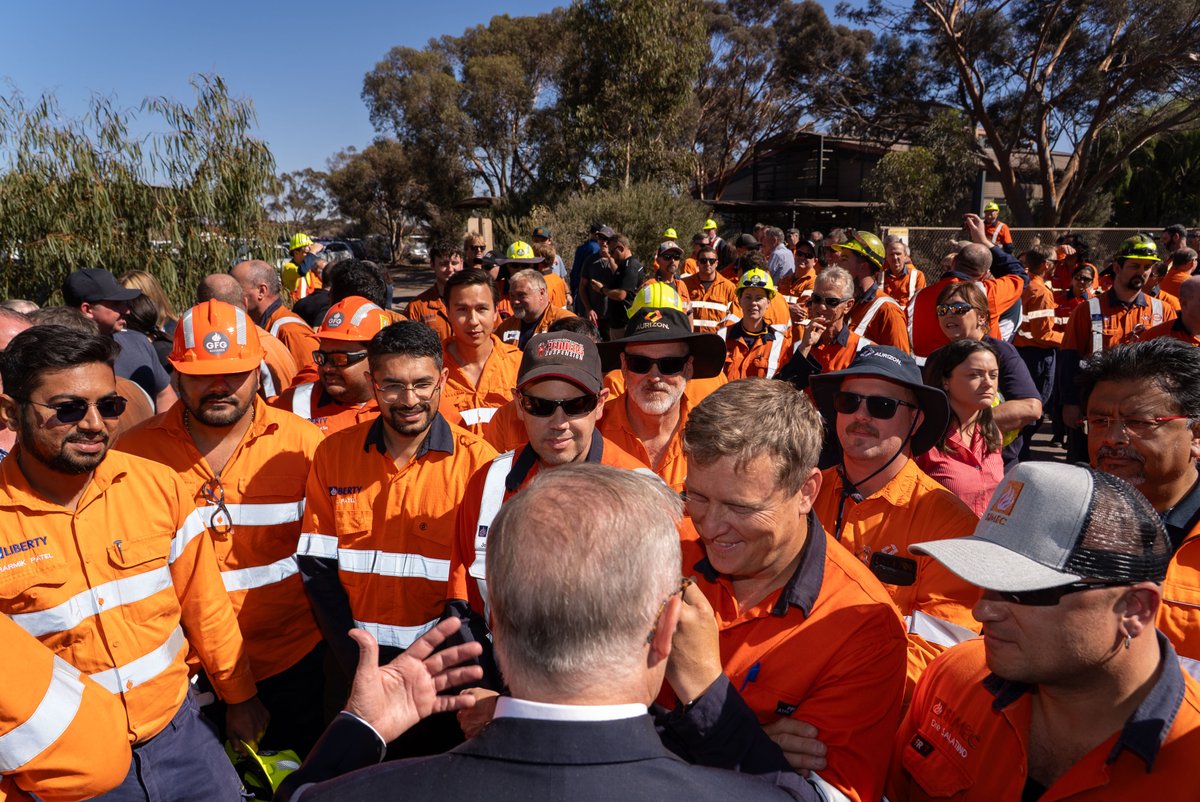
We’ve got the backs of these workers.
The steel from Whyalla has forged some of our countries biggest projects, and the steelworks itself supports a whole town.
We're stepping in to make sure thousands of workers can keep their jobs and to secure the future of steel making in Australia.
3
2
7
831

31 Jan 2025
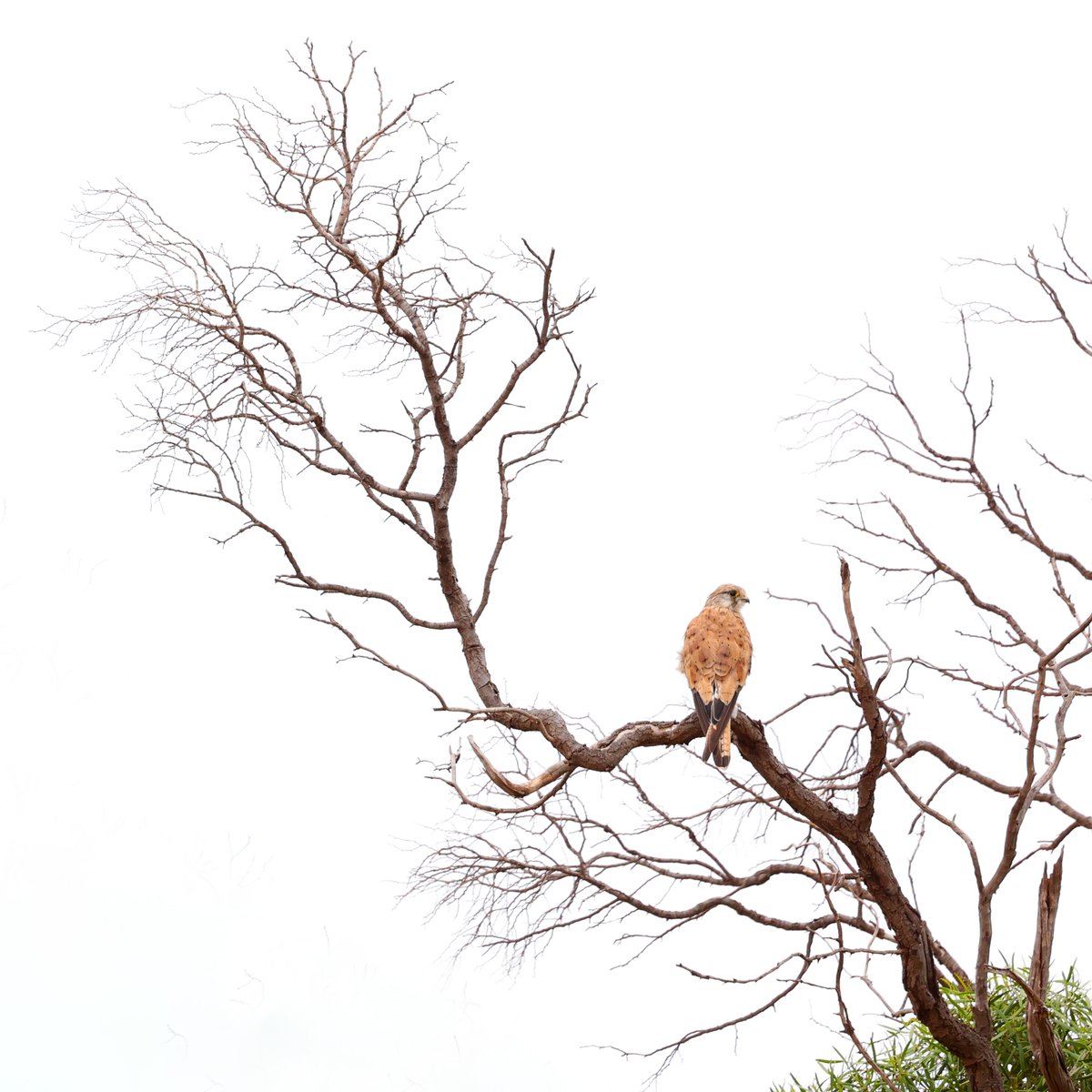
Best of 2024:
A nankeen kestrel at Middleback Range, Eyre Peninsula.
1
8
92
843

2 Jan 2025
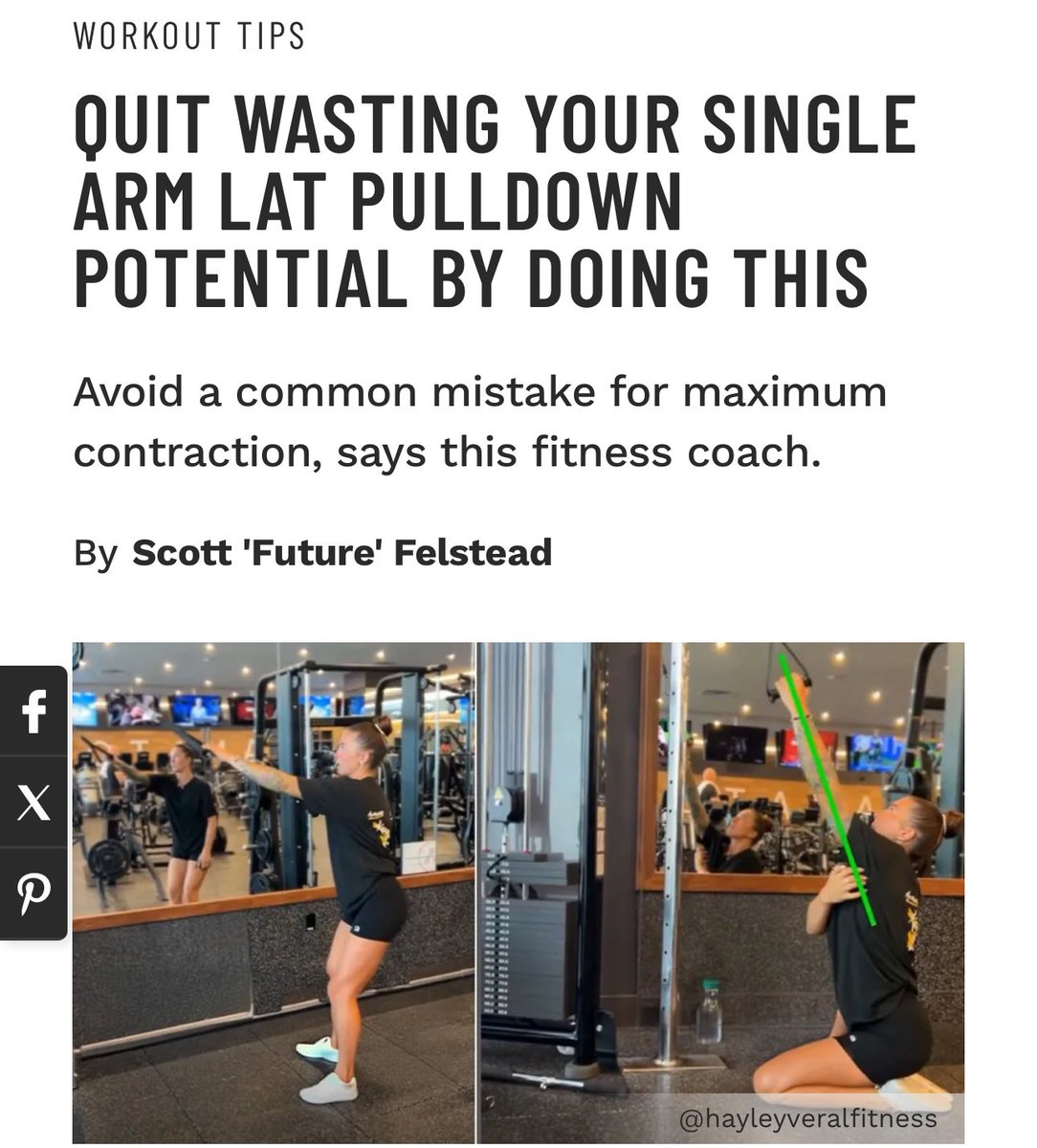
QUIT WASTING YOUR SINGLE ARM LAT PULLDOWN POTENTIAL BY DOING THIS
Avoid a common mistake for maximum contraction, says this fitness coach.
By Scott 'Future' Felstead
Read article: muscleandfitness.com
#back #backexercises #exercisetechnique #exercisetips #middleback #musclebuildingexercises #musclebuildingtips #upperback #upperbackexercises
4
1
7
7,002
23 Dec 2024
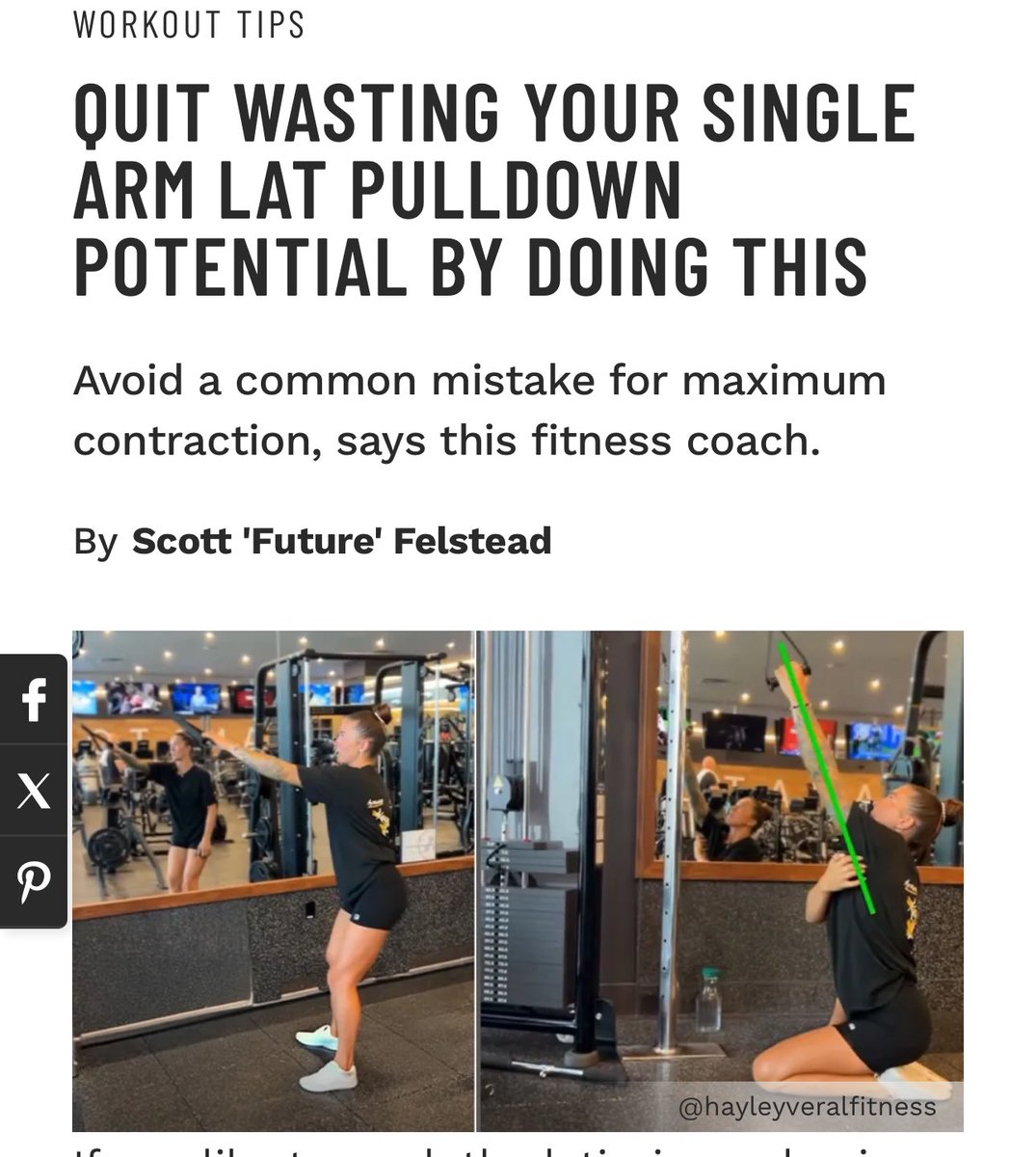
QUIT WASTING YOUR SINGLE ARM LAT PULLDOWN POTENTIAL BY DOING THIS
Avoid a common mistake for maximum contraction, says this fitness coach.
By Scott 'Future' Felstead
Read Article:muscleandfitness.com
@muscleandfitness @muscleandfitnesshers
#Back #BackExercises #ExerciseTechnique #ExerciseTips #MiddleBack #MuscleBuildingExercises #MuscleBuildingTips #UpperBack #UpperBackExercises
2
1
5
7,815

9 Oct 2024
We recently worked with an on-ground musterer and his dogs, as part of a multi-pronged approach that saw close to 4,000 goats removed from an area of the Gawler Ranges near eastern EP and the Middleback Ranges.
Report feral goat sightings 👉feralscan.org.au
@SA_PIRSA
2
7
811

6 Oct 2024
Mr Gupta acquired the steelworks in 2017, along with other Australian assets, for about $700 million after the collapse of Arrium, once part of BHP. The 2017 acquisition of the former Arrium by GFG also included an iron ore mine in the Middleback Ranges near Whyalla.
2
205

24 Sep 2024
The South Australian state government is seeking urgent advice on its exposure and role should GFG Alliance’s embattled Whyalla steelworks and iron ore operations be placed in voluntary administration, following the blast furnace going offline for the second time in a year last week.
The government’s Department of Energy and Mining on Tuesday published a procurement activity report which shows it is seeking “specialist financial and insolvency advisory services’’ relating to GFG’s South Australian operations.
GFG revealed last week that the Whyalla operations as a whole had fallen to a loss making position after two previous years of profit, and the company has been laying off staff both among its white collar ranks and at the mines in the Middleback Ranges.
theaustralian.com.au/busines…
6
2
9
599

2 Sep 2024
#20 Setter, Outside, MiddleBack c/o 2027, Showdown Salt Lake 4/6/24 @2Tall_Larsen @jenni_houk @K3ith2 @sammi_stuart @Coach_Beaty @CoachAli_BGSUvb @zimmick11 @coachggibbons @aquilesthethird @roberts_rylin @rneils @Coach_Manolo
2
3
97

27 Aug 2024
Hearing the lab results are all good looking while I'm still feeling like i have knives in my middleback/stomach is not the news i wanted today 😭
i have no idea wtf is wrong with inside my body rn....
pushing thru this, and being a single parent of two kids, is hurting my soul.
1
3
86
24 Aug 2024
#20 c/o 2027, March Seeding Salt Lake 3/15/24 - volleyball highlights Setter, Outside, MiddleBack @KZMLambert @CoachCardoza @JeJcoach75 @Aub_Becker @Billy_Ebel @adunphy10 @CondronCharles @AlyssaUtesVB @wilstanley13 @Lauren_Plum4 @GwittDan @RedRaiderSoul
2
3
95