
आपकी बर्बादी का सबसे आधुनिक हथियार: EMI! 📉🚨 @YShivamX
#EMI #DebtTrap #PersonalFinance #Economy #FinancialFreedom #MiddleClassReality #yShivam
17

Jun 10
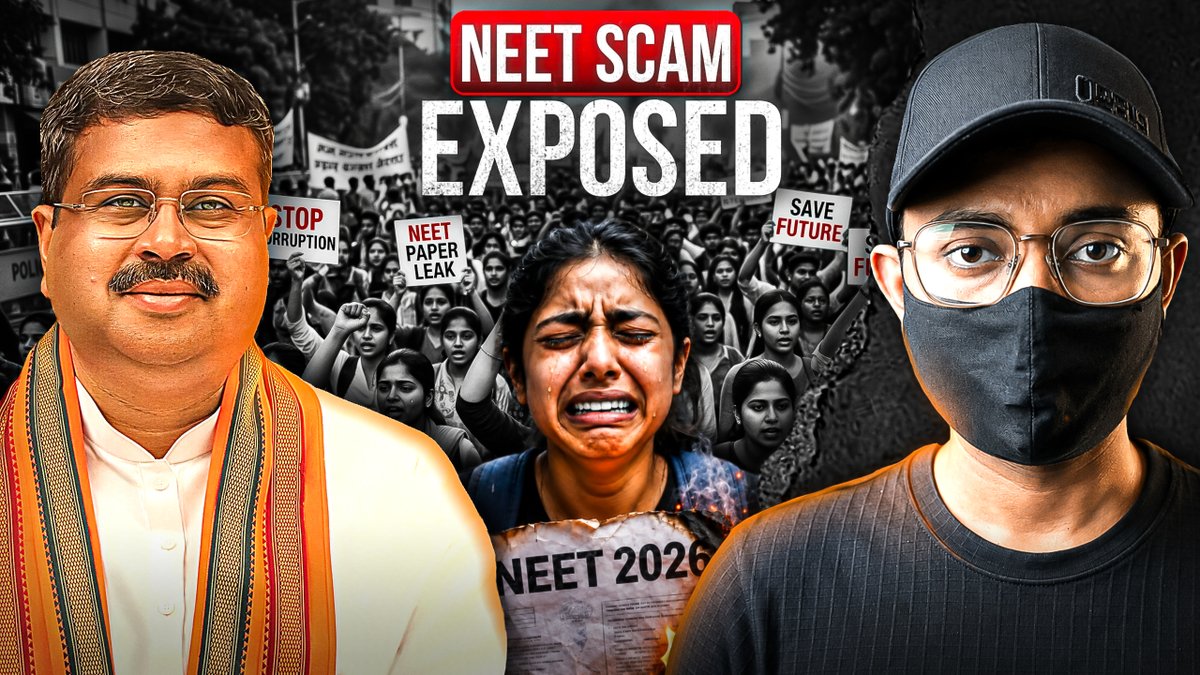
NEET 2026 Paper Leak Scam EXPOSED | Nobody Understood
youtu.be/C-PNE8dxP4c
#NEET2026 #NEETPaperLeak #NTAExposed #EducationScam #NEETUG #JusticeForNEETAspirants #PaperLeakScam #MiddleClassReality #IndianEducation #StudentProtest
1
1
35
Jun 9
The Dark Truth of "Papa Ka Ghar" 📉
youtu.be/KOS_jCUxRzI
#Shorts #RealityCheck #ezFinCode #MiddleClassReality #ModernIndia #DarkTruth #MotivationHindi #CareerTrap #LifeLessons

1
17

Unless a husband has ancestral wealth, “home maker” is a luxury. For most, both must work manage kitchen. School fees, EMIs, metro rents (2BHK ₹25–35K) & job insecurity = survival mode. #MiddleClassReality #LifeCosts
27

May 15
😂 Trump Tower Kalyani Nagar PUNE just listed a 5BHK for ₹5 Lakh rent.
Not 5k. Not 50k.
Straight-up 5 Lakh. Per month.
Bro, even the building looks like it’s flexing on your entire bloodline.
Comes with:
• 5 massive bedrooms
• Imported marble that costs more than most people’s weddings
• Views so good they’ll make you question every life choice
Landlord casually collecting rent like it’s pocket change while the rest of Pune is out here negotiating with autowalas for ₹20.
Tag someone who thinks they’re “doing well” financially 😂
#TrumpTowerPune #5LakhRent #KalyaniNagar #PuneRealEstate #LuxuryTax #MiddleClassReality
*Its NOT my flat, found this post on Facebook

13
39
23,332

Whose "Opportunity" Is It, Anyway? 💸
Ed Perlmutter says Shannon Bird is "in tune" with middle-class families. But let’s look at the sheet music. 🎼
As a founding chair of the Colorado Opportunity Caucus, Shannon Bird has spent more time aligning with high-level donors than with the people of the 8th District.
The math is simple:
The Middle Class: Balancing a checkbook for groceries and gas. 🛒
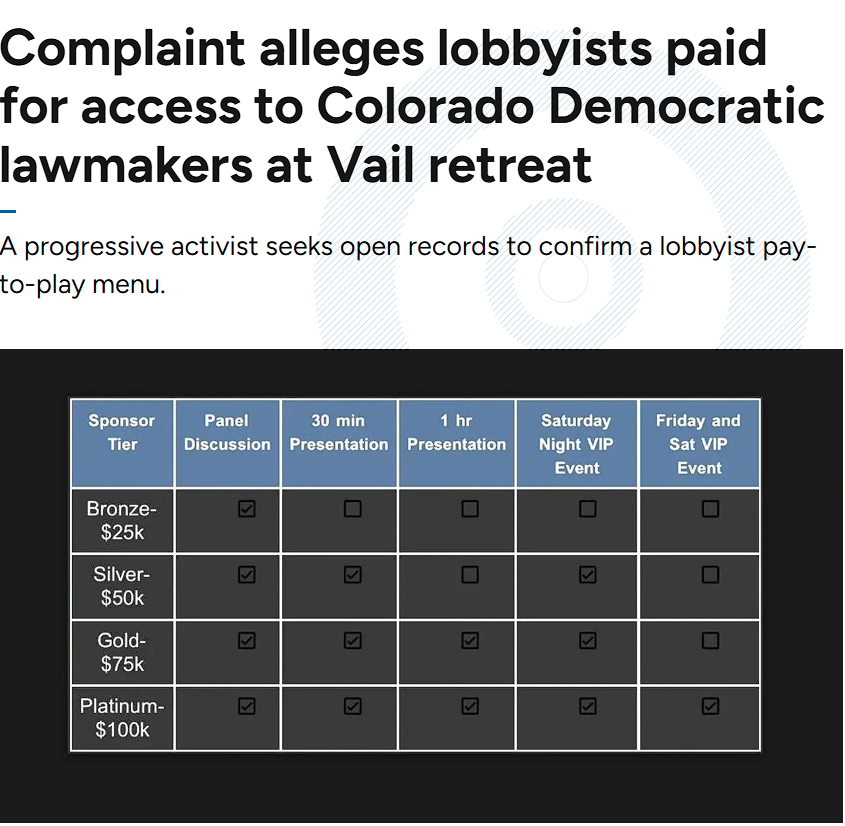
Bird’s Network: Writing checks for $100,000 to fund political influence. ✍️
Hardworking Coloradans can't just drop six figures to get their voices heard. We don’t need an "Opportunity" caucus that focuses on the opportunities of the elite—we need a leader who knows that a $100,000 check isn't "middle class."
It’s time for a representative who’s more interested in your neighborhood than their donor list. 🏔️
We just need to let this Bird go.
9news.com/article/news/polit…
#CO08 #MiddleClassReality #ColoradoPolitics
@ShannonBird4CO

2
10
24
800

Feb 16
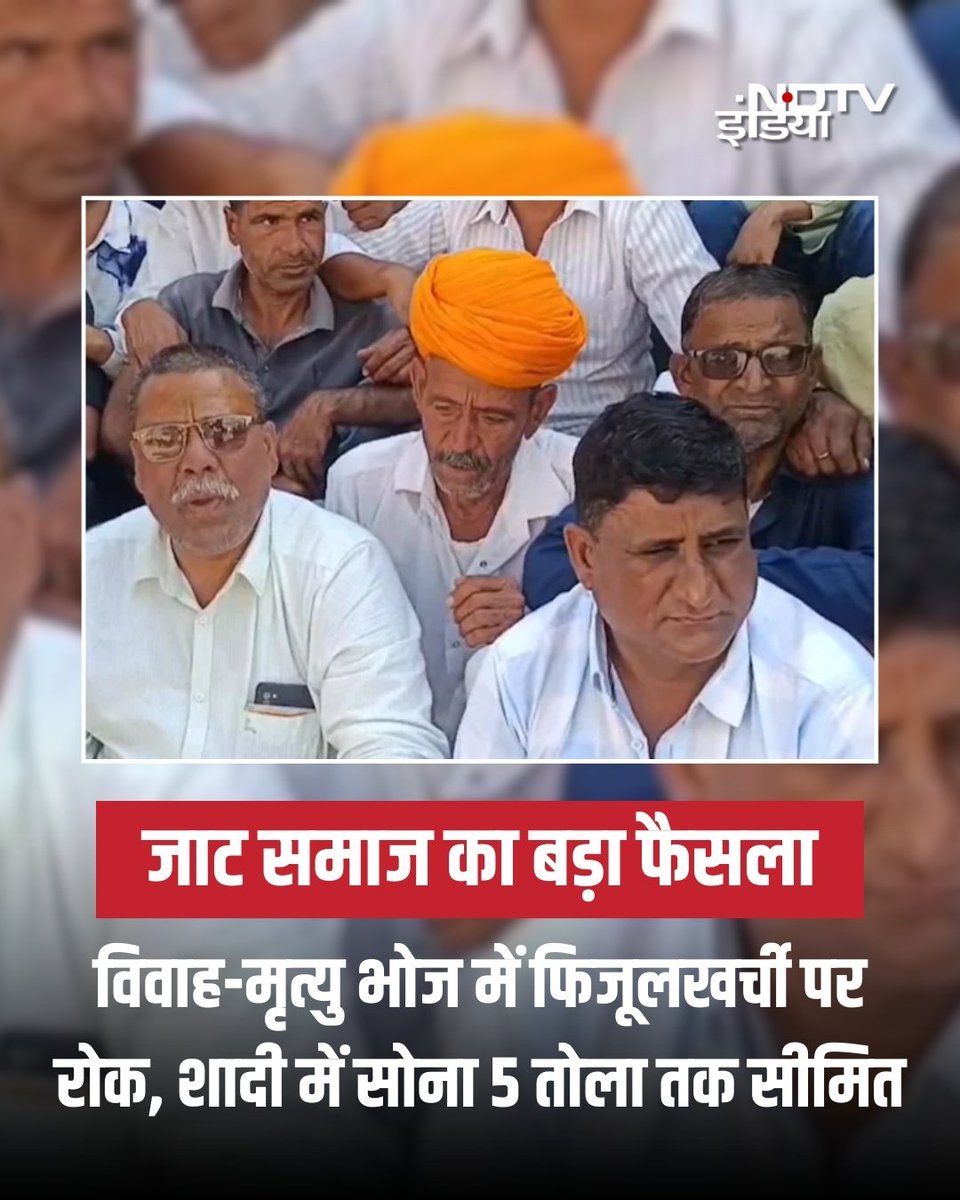
|| जाट समाज का ऐतिहासिक निर्णय ||
जाट समाज का यह फैसला उस दिखावे वाली संस्कृति के मुँह पर तमाचा है,
जहाँ लोग समाज को खुश करने के लिए कर्ज में डूब जाते थे।
5 तोला सोना और मृत्यु भोज पर रोक लगाना केवल एक नियम नहीं, बल्कि एक आर्थिक क्रांति है।
जो लोग अभी भी 'पड़ोसी की शादी में 100 पकवान थे तो हमें 101 करने हैं' वाली रेस में दौड़ रहे हैं—भाई, शादी कर रहे हो या ओलंपिक की मेजबानी?
समझदारी दिखाओ✅, दिखावा नहीं!❌
आपको क्या लगता है कि हर समाज में यह नियम अनिवार्य होना चाहिए?
क्या आप भी मानते हैं कि शादियों में फिजूलखर्ची रोकने के नियम अनिवार्य होने चाहिए?
अपनी राय कमेंट में बताएं👇
इस साहसी पहल का समर्थन करने के लिए इसे शेयर करें ✅
धन्यवाद 🙏🏻
#SocialReform #StopShowOff #MiddleClassReality #IndiaReforms
1
3
54

Feb 14
The “Middle-Class” Debt Trap in India 🚨
Before turning 30, many people are already buried under EMIs.
Let’s break it down:
•💍 Wedding Expenses: ₹20–30 lakh
•🚗 Car Loan: ₹8–12 lakh
•🎓 Student Loan: ₹10–20 lakh
•🏠 Home Loan (Mortgage): ₹40–60 lakh
👉 Total Debt: ₹80–120 lakh
And this often starts before your income even stabilizes.
What Happens Next?
•20–25 years of EMIs
•Career decisions based on loan pressure
•Risk-taking ability reduced
•Financial stress normalized
Society celebrates the lifestyle.
Banks celebrate the interest.
But you carry the burden.
The Real Question 🤔
Are you building assets…
Or just financing expectations?
Freedom isn’t about avoiding responsibility.
It’s about making intentional financial decisions.
Choose stability over status.
Choose long-term wealth over short-term display.
Break the cycle.
#FinancialFreedom #DebtTrap #MoneyMindset #WealthBuilding #MiddleClassReality #PersonalFinanceIndia
4
394

When a hospital bill arrives, most families don’t argue.
They calculate silence.
Not because they agree
but because fear, time, and complexity work faster than courage.
A new Hindi film explores what happens inside that silence.
No villains. No speeches. Just ordinary people, paperwork, and consequences.
Some systems don’t need force.
They run on trust that is never questioned.
#HindiCinema
#StoryFirst
#ContentDrivenCinema
#MiddleClassReality
#FilmsThatStay
#QuietPower
#RealIndia
#NewAgeCinema
#OTTOriginals
#CinemaWithSoul
1
6
1,137

🔥 ₹1 Lakh SBI Salary Exposed: Dream Income or Just Surviving Metro Madness? 😱
Shweta Uppal's breakdown: ₹95K in-hand ₹18.5K lease ₹11K perks. Critics: "Not enough for tier-1 life!" Fans: "Security perks crush risky private jobs!"
Way above average ₹32-40K... but costs are insane. What's YOUR take? Enough or struggling?
Comment your city & real talk , public vs private showdown! 👇 Let's settle this!
#SBISalaryDebate #CostOfLivingCrisis #BankJobVsPrivate #1LakhSalary #MiddleClassReality
2
3
90

12 Dec 2025
Resort वाली शादी: 4–5 घंटे के दिखावे के लिए पूरी ज़िंदगी की कमाई दांव पर! ये वीडियो हर मिडिल क्लास परिवार को ज़रूर देखना चाहिए, वरना देर हो जाएगी…
#MiddleClassReality #WeddingWaleLoans
5
21
26
547

28 Oct 2025
“70 लाख की सैलरी इस बन्दे के पास, फिर भी सुकून नहीं दे पा रही — क्योंकि
‘खुशी’ salary slip में नहीं होती।
शायद वक्त आ गया है पैसे नहीं, mindset कमाने का। 🧠✨
#LifeLesson #MiddleClassReality”
1
10
316

25 Oct 2025
Middle class Indians work 11 months just to take a 5-day vacation…
then spend 3 of those days checking office Slack 😬
We don’t need more PTO.
We need managers who respect PTO. ✈️
#WorkLifeBalance #CorporateLife #MiddleClassReality #TravelMore #RespectPTO
1
1
114

21 Oct 2025
మధ్యతరగతి జీవితాలు పుట్టుక నుండి పోయేదాకా… “పక్కోడు ఏమంటాడో” అనుకునేలోపే జీవితమే ముగిసిపోతుంది.
#MiddleClassReality
7
392

7 Aug 2025
भाई हम तो GST भी झेल गए, नोटबंदी भी झेल ली…
अब टैरिफ़ भी झेल लेंगे! 😅
जहाँ जुगाड़ लगे वहाँ जज बन जाते हैं,
नहीं तो बाबूगिरी छोड़ साहब की कंपनी जॉइन कर लेते हैं!
सड़क पर रोज़ 2 घंटे ट्रैफिक में फँसे रहते हैं 🚗💨
लेकिन बोलेंगे नहीं…
PM भी चुप है,
और CM (Common Man) भी। 🙃
#CommonMan #TariffTruth
#PMModi #MiddleClassReality
2
36

7 Jul 2025
Is taxes being imposed on the middle class in India? Is the middle class forced to give its bread to feed the poor and the rich? Why has Modi squeezed the middle class?
#middleclassfamily #tax #middleclassreality
#SabaSabaRevolutionDay
#BLACKPINK
youtu.be/VljatNbCRDY?si=ohbo…

मध्यम वर्ग का पलायन
क्या भारत में मध्यम वर्ग पर टैक्स लादे जा रहे हैं?गरीब और अमीर के...
youtube.com 8
7
150

7 Jul 2025
क्या भारत में मध्यम वर्ग पर टैक्स लादे जा रहे हैं?
गरीब और अमीर के पालने के लिए मध्यम वर्ग अपनी रोटी देने पर बाध्य है?
क्यों मोदी ने मध्यम वर्ग को निचोड़ दिया है?
#middleclassfamily
#tax
#middleclassreality
youtu.be/VljatNbCRDY?si=ohbo…
मध्यम वर्ग का पलायन
क्या भारत में मध्यम वर्ग पर टैक्स लादे जा रहे हैं?गरीब और अमीर के...
youtube.com 10
8
102

2 Jul 2025
Dear Annie,
What a delightfully nostalgic take on economic history! It's so refreshing to see someone confidently rewrite the New Deal timeline while completely ignoring inconvenient economic realities.
First, let me gently correct your historical confusion: Medicare was created by LBJ in 1965, not FDR.¹ Perhaps you meant to reference Social Security? Though calling a Ponzi scheme that's currently headed toward insolvency a "success story" is certainly... optimistic.
Your fairy tale about FDR's tax policies "building the middle class" is particularly charming, considering most economists now acknowledge his policies actually prolonged the Great Depression by 7-10 years. UCLA economists Harold Cole and Lee Ohanian found that without FDR's interventions, the economy would have recovered by 1936 instead of dragging on until WWII manufacturing finally ended the misery.²
The real irony? America's middle class exploded in the 1950s-60s when tax rates were CUT and regulations reduced, not because of New Deal spending. Post-war prosperity came from unleashed private enterprise, technological innovation, and global manufacturing dominance – not government dependency programs.
But here's the most fascinating part of your economic wisdom: you're celebrating taking money from people who create jobs and businesses to fund government bureaucracies. Because nothing builds prosperity like reducing private investment and expanding federal dependency!
FDR's National Industrial Recovery Act allowed businesses to collude without antitrust prosecution while artificially inflating wages 25% above market rates, resulting in unemployment that was also 25% higher than it should have been.³ These policies "short-circuited the market's self-correcting forces" and kept the economy 27% below where it otherwise might have been.⁴
Between your historical revisionism and economic illiteracy, perhaps consider studying actual data instead of getting your policy analysis from feel-good memes. The middle class thrives when government gets out of the way, not when politicians promise to spend other people's money.
No rush learning basic economics though! I'm sure those depression-era breadlines were just FDR building character.
#EconomicHistory #NewDealMyths #GreatDepressionFacts #MiddleClassReality #TaxationVsGrowth #EconomicLiteracy #HistoryMatters #PolicyConsequences #FDRFacts #ProsperityPrinciples
Footnotes:
¹ Medicare was signed into law by President Lyndon B. Johnson on July 30, 1965, at the Truman Library in Independence, Missouri. Source: U.S. Senate Historical Office, "Medicare Signed into Law"
² Harold L. Cole and Lee E. Ohanian, "New Deal Policies and the Persistence of the Great Depression: A General Equilibrium Analysis," Journal of Political Economy, Vol. 112, No. 4 (August 2004). The economists found that without FDR's policies, the Depression would have ended in 1936 instead of 1943.
³ Cole and Ohanian calculated that in the three years following implementation of Roosevelt's policies, wages in 11 key industries averaged 25% higher than they otherwise would have been, while unemployment was also 25% higher than it should have been given productivity gains.
⁴ UCLA economists found that the gross national product floundered at 27% below where it otherwise might have been due to artificially inflated wages and prices making goods and services too expensive for consumers. Source: UCLA Newsroom, "FDR's policies prolonged Depression by 7 years, UCLA economists calculate"
16
23
162
3,479

25 Jun 2025
2
112

12 Jun 2025
You may be income rich. But that doesn't make you asset rich
In AP and Telangana, real estate is dominated by asset-rich families, not salaried professionals.
Even with a ₹1 Cr gross salary, you can’t afford a ₹6–8 Cr Neopolis luxury flat unless you already own assets.
Income pays EMIs. Assets build legacy.
And modern Hyderabad skyline is being reshaped by those who started with a head start.
It is not being built for income earners! It is for asset owners.
#HyderabadRealEstate #AssetVsIncome #MiddleClassReality #Neopolis
22
36
457
25,552