
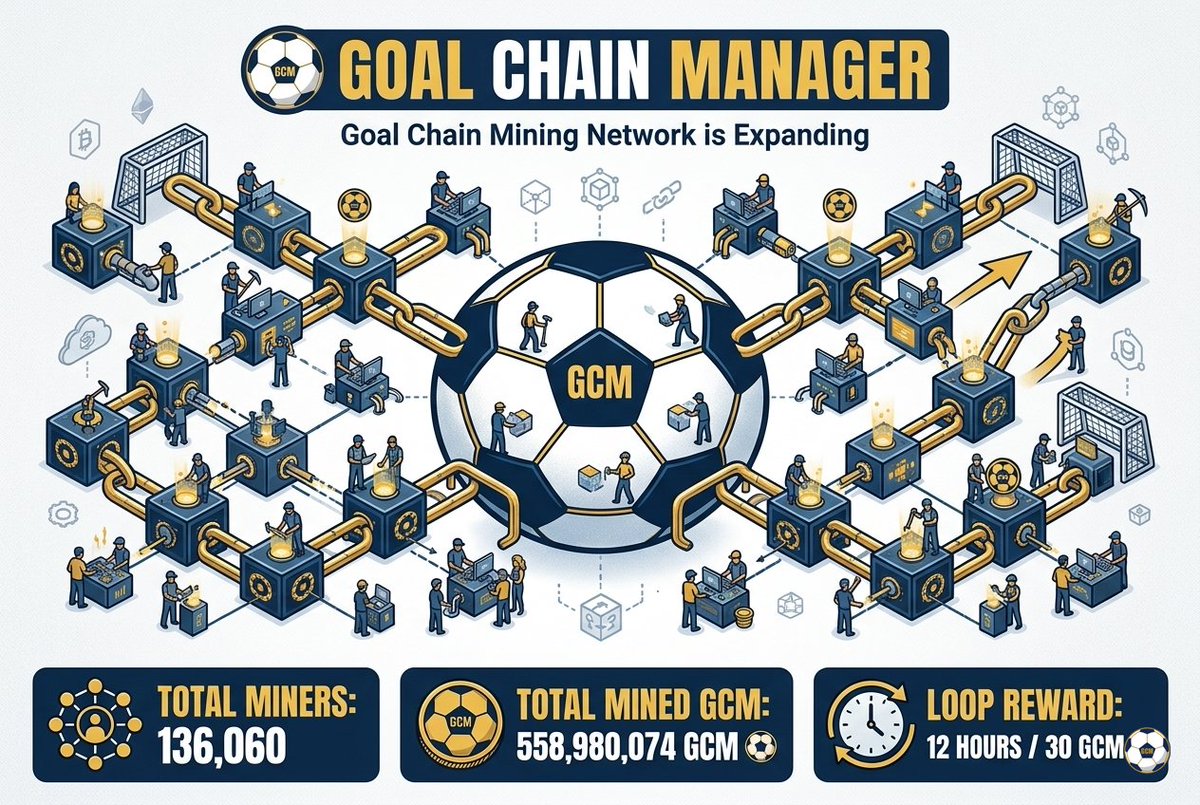
The Goal Chain Mining Network and Football Farm ecosystem is growing faster every single day! ⚽️💎
Check out our latest milestone stats:
📊 Goal Chain Manager (Mining)
Total Miners: 136,060 🚀
Total Mined GCM: 558,980,074 🪙
Loop Reward: 30 GCM / 12 Hours ⏳
🌾 Football Farm
Total Users: 16,500 👥
Total GCM: 14,000,000 🪙
Total Football Players: 34,875 🏃♂️
Big thanks to our incredible community. We are just getting started! 🔥
#GoalChainManager #FootballFarm #GCM #CryptoGaming #Web3 #MiningNetwork #PlayToEarn
8
8
57
1,355

May 16
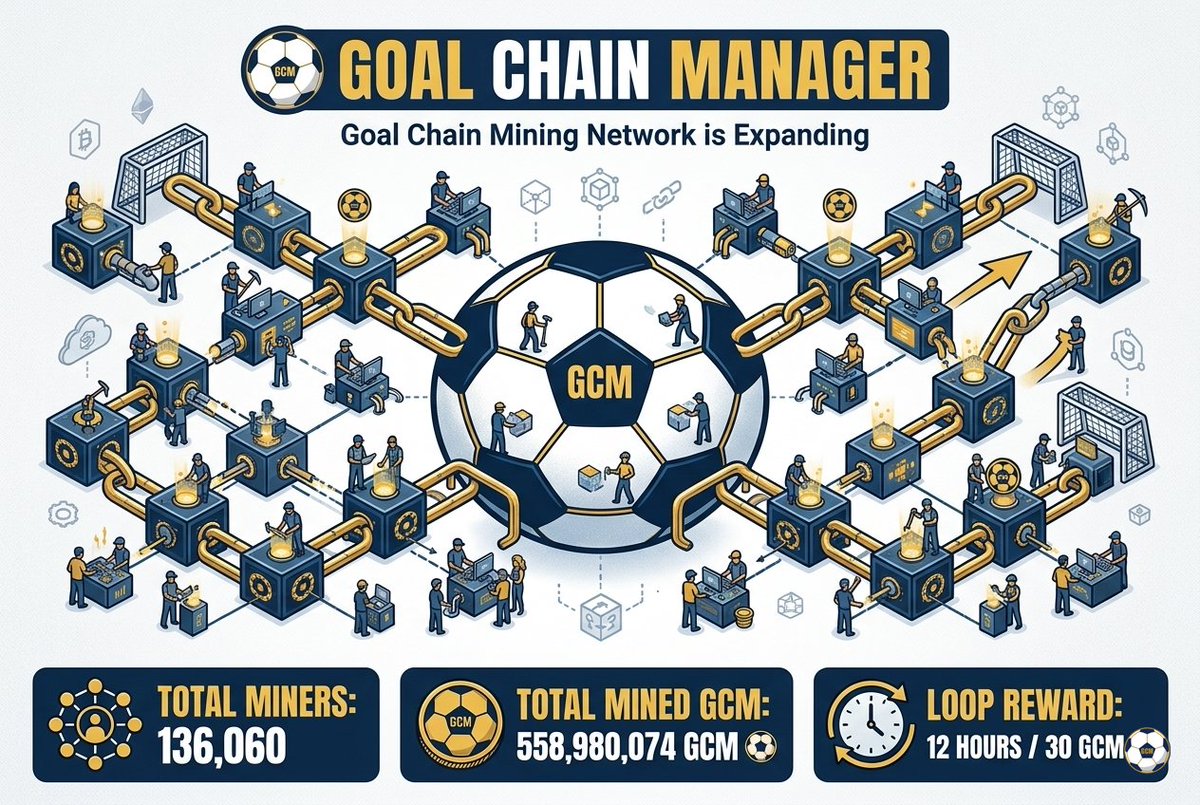
The Goal Chain Mining Network and Football Farm ecosystem is growing faster every single day! ⚽️💎
Check out our latest milestone stats:
📊 Goal Chain Manager (Mining)
Total Miners: 136,060 🚀
Total Mined GCM: 558,980,074 🪙
Loop Reward: 30 GCM / 12 Hours ⏳
🌾 Football Farm
Total Users: 16,500 👥
Total GCM: 14,000,000 🪙
Total Football Players: 34,875 🏃♂️
Big thanks to our incredible community. We are just getting started! 🔥
#GoalChainManager #FootballFarm #GCM #CryptoGaming #Web3 #MiningNetwork #PlayToEarn
342
1,178
1,366
12,253

Apr 23
New podcast with @MiningNetwork...
Why this bull market resembles the 1970s—and what it means for investors. Lots of topics: incoming Fed Chair, shifting interest-rate environment, persistent inflation, high debt, and my prediction the Fed will CUT rates
youtube.com/watch?v=JCgKiWVD…
2
8
2,786

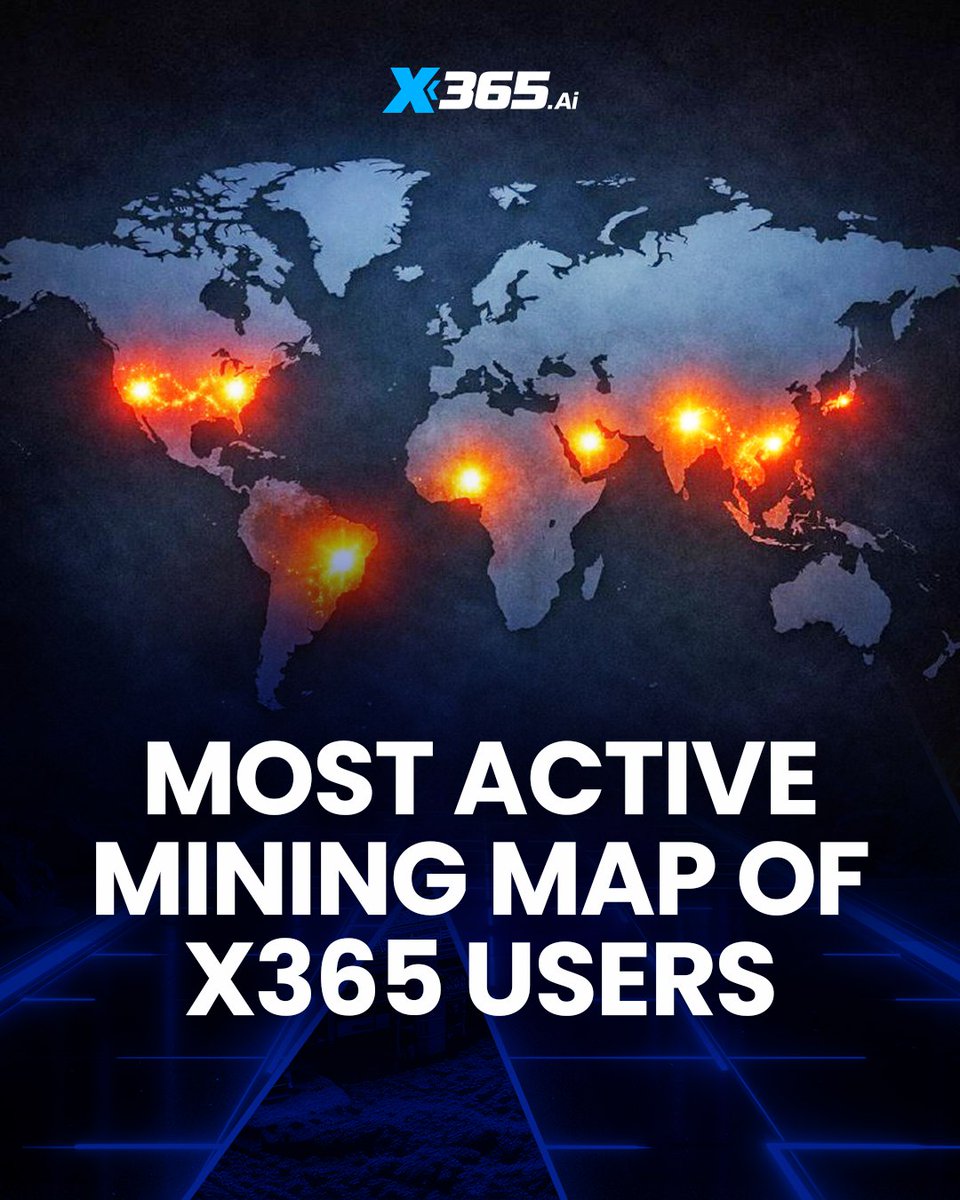
🌍 Mining power knows no borders.
The X365 community is growing stronger across continents , proving that decentralized mining is truly global.
From Asia to America, innovation is running 24/7. ⚡
This is not just activity.
This is adoption in motion. 🚀
#X365 #CryptoMining #Web3Community #BlockchainRevolution #MiningNetwork
6
12
53
2,697

📈 InterLink Growth Strategy
Strong Nodes don’t wait — they optimize. ఆలస్యం చేయకండి, ఇప్పుడే మీ Node ని Optimize చేసుకోండి. 🚀
Every mining session builds credibility. ప్రతి మైనింగ్ సెషన్ మీ నమ్మకాన్ని మరియు సంపాదనను పెంచుతుంది. ⛏️
Every referral strengthens your network. మీ నెట్వర్క్ ఎంత పెద్దదైతే, మీ లాభం అంత ఎక్కువగా ఉంటుంది. 🤝
Prepare now before Version 5.0 arrives. వెర్షన్ 5.0 రాకముందే సిద్ధంగా ఉండండి. ⏳
Verification is about to get competitive. రాబోయే రోజుల్లో వెరిఫికేషన్ చాలా కష్టతరం కానుంది. 🔥
Consistency is the key to big rewards. క్రమం తప్పకుండా మైనింగ్ చేయడం ద్వారా గొప్ప రివార్డ్స్ పొందండి. 💰
Don't miss the future of decentralized mining. డిసెంట్రలైజ్డ్ మైనింగ్ భవిష్యత్తును వదులుకోకండి. 🌐
Join the revolution with G Nelson ID - 000001818. నా ID ద్వారా ఇప్పుడే జాయిన్ అవ్వండి. 🇮🇳
Stronger together, growing together. కలిసి ఎదుగుదాం, విజయం సాధిద్దాం. ✨
Act fast, mine smart, and lead the way. వేగంగా స్పందించండి, స్మార్ట్గా మైనింగ్ చేయండి. 📈
Hashtags:
#InterLink #ITLG #ITL #CryptoMining #NodeOptimization #IndiaCrypto #PassiveIncome #Web3 #Blockchain #MiningNetwork
#Interlink #ITLG #ITL
8
75

30 Dec 2025
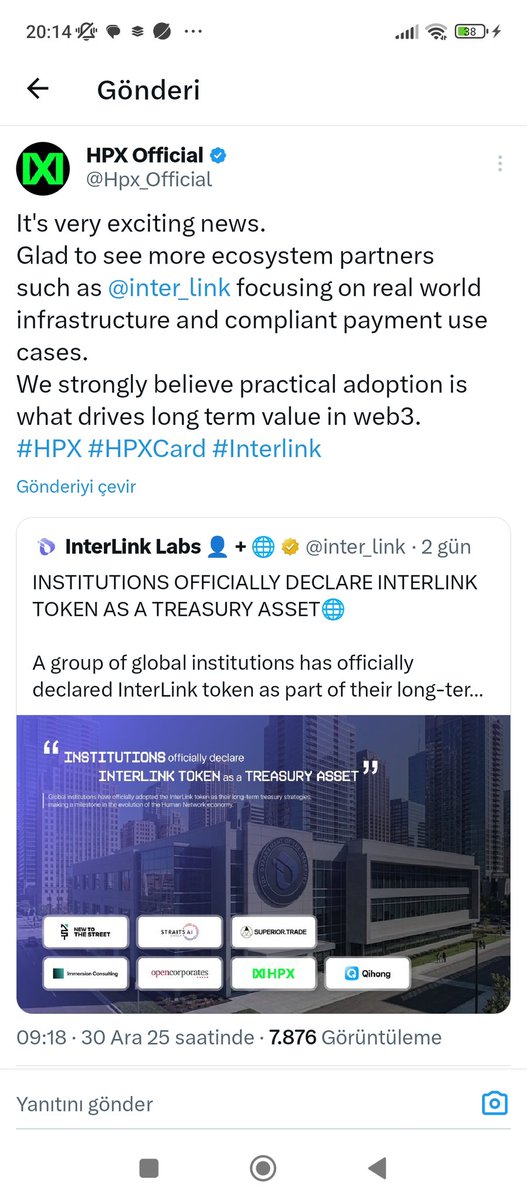
@Hpx_Official Bu çok heyecan verici bir haber. @inter_link gibi daha fazla ekosistem ortağının gerçek dünya altyapısına ve uyumlu ödeme kullanım durumlarına odaklandığını görmekten mutluluk duyuyoruz. Web3'te uzun vadeli değeri sağlayan şeyin pratik benimseme olduğuna inanıyoruz.
#ITL #ITLG #InterLink #HPX #HPXCard #Interlink #DigitalPayments #Visa
#crypto #Bank
#innovation2025 #coin #Blockchain #TREASURE #Payments #Web3 #Mining #MiningNetwork
10
109

11 Dec 2025
Why I’m running a @SelaNetwork node 24/7 in 2025
@SelaNetwork
#AIagent #DePIN #node #SelaNetwork #Early #miningnetwork
1
5
106

11 Dec 2025
How many new #uranium mines the size of Cameco are needed to meet the forecast demand...?
Ten... *maybe more ⛏️📈
📣 Find out more: theoregongroup.com/commoditi… #nuclear #nuclearenergy #mining #miningnetwork
6
13
1,635

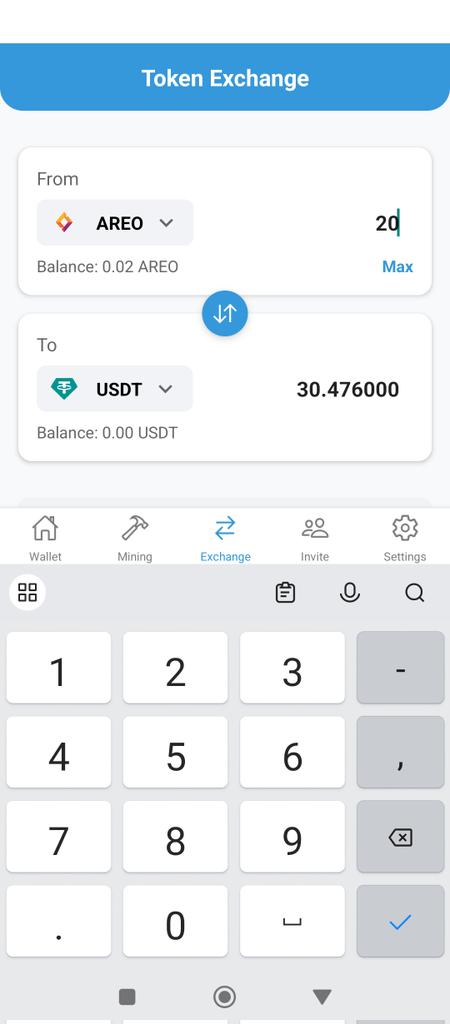
Aro mining
areo.network/?code=PRT9MR
code : PRT9MR
swap aro - usdt
withdraw 10$
#miningnetwork #depinairdrop #crypto #airdrop #PiNetworkOpenMainnetGCVIndia
2
76

1 Dec 2025
📡 Network Update
Miner Growth Acceleration
The Kudos mining network has expanded from 20 → nearly 100 active sessions in just 48 hours, a 5× increase in active hash contributors.
This rate of adoption is ahead of early-stage projections.
If current growth holds, we expect:
• Network participation doubling within days
• Increased distribution efficiency across the shared mining rate
• Strengthened consensus data for miner-identity ranking
Early miners are now securing KUD at one of the most favourable emission environments before the network scales further.
Contribute to the growth: RT join the network. ⚡
#KUD #KudosCashClub #CryptoMining #EmissionRate #Web3Infrastructure #MiningNetwork #HalvingModel #CryptoEconomics #ProofOfActivity #PiNetwork #Avive #Notcoin #Web3Growth #Tokenomics
3
1
2
140

17 Nov 2025
🚀 BIG UPDATE IS LIVE ON GOOGLE PLAY STORE! 🚀
Bitcoin Yay just got a major upgrade — go update your app now!
✨ What’s New:
✔️ All ad issues fixed — smoother sessions, more rewards, higher show rate
✔️ Linked Mining Network is now available
→ Link your extra BTCY accounts directly from the Profile section
→ Boost your main wallet with passive bonus power
✔️ Chat improvements for faster, cleaner communication inside the app
⛏️ More power, more rewards, better experience.
This update sets the stage for everything coming next — including the $1,000 BTCY Alchemy Trial.
📲 Update now on Google Play Store and start mining stronger than ever!
#BitcoinYay #BTCY #AppUpdate #TapToMine #MiningNetwork
3
2
19
805

8 Oct 2025
Few things to consider
When competition increase over time, the total miningnetwork will accept higher opex heaviness, it is the only way long term to compete.
In times when capex heaviness increases it is increasingly valuable to to mine, and as opex heaviness increase it is more valuable to buy the coins.
Over time the market is driven to continue to buy on market.
8 Oct 2025

1/x
How Kaspa Solved The Value Trilemma
#Kaspa $Kas @Kaspaunchained
The Monetary Core
The 1 Sompi per gram is the fundamental bedrock that gives the whole Kaspa system value. It has two constrains, a relative one based on actual physics of the total hardware, tx-collisions between parallel blocks and an absolute total throughput, block size block rate.
When Kaspa scales throughput the parallel blocks increases and so does the potential tx-collisions, the system stays closed and the value of the Sompi stays based.
Very much like 1 Sat/vByte is relative to the bitcoin blocksize blocktime.
But in bitcoins case it is only when the total throughput is reached the fee market starts. However if you increase the block size or block time, the relative value of 1 sat / vbyte gets debased because the number of possible vBytes that can be included is inflated.
This is what happened in the block size wars, BCH and then BSV inflated the blocksize to make transactions for users cheaper, but since the cost of the users becomes the income of the miners over time, all the miners future work got absolutely debased.
Increasing the blocksize by 2x and you need 2x more transactions to start the fee market and 2x more to reach the same fee market.
Every doubling of the throughput in any way increases the need for tx's by 2² but on the other hand decreases the incentive to increase the base cost rate for a transaction equally, why would i pay more than 1 Sat/vByte if i know i'm going to be included in the next block anyway?
So basically the fee for inclusion is either paid with direct cost or time, BCH and BSV debased the value of time itself.
1 Sompi per gram, 500,000 grams per block, 10 blocks per second up from 1 block per second.
In bitcoins case it would mean debasement but in Kaspa's case it does not, because of the relative throughput constraint.
To clearify:
In blockchain/Bitcoin: blocktime x blocksize = constraint, friction increases.
In blockdag/kaspa: block time x block size / collision probability = constraint, friction increases.
This right here is what solves the value trilemma, keeping the value of the Sompi based to a constraint regardless of how much the network scales throughput.
This is the hard resistance/friction of the monetary network,
it determines the miner/user heaviness balance, the base friction of the network.
The Mining Network Core
The mining algo fundamentally determines the hard capex/opex heaviness balance, this heaviness represents the friction/resistance of the real world.
Higher capex heaviness compared to another algo means lower resistence, this is preferable because opex cost is variable and inherently a risk when a miner calculates the future reward and ROI time for an asic.
This is why producers continue to create more efficient machines, creating more hashes for less electricity, but the core is the algo, kHH will forever have lower inherent resistence than SHA-256.
1
4
276

1 Sep 2025
Earn Rewards with Ronen Mining Network and Its Native Token @ronencoin
Read more - cryptodisplay.io/earn-reward…
#cryptodisplay #Ronen #miningnetwork #nativetoken #EarnReward #RONEN #crypto #presale #project
2
240

30 Jun 2025
🇺🇸 Trump vs Gold: Join the Debate
What does ‘Make America Great Again’ mean for the US dollar, gold… and global power?
Hosted by Catt Calls & @MiningNetwork_
📅 Wed 2 July | 16:00 BST
🎟 Register: us06web.zoom.us/webinar/regi…
#Gold #Trump2024 #USD #CattCalls #MonetaryPolicy #MacroFinance #SilverBull #Geopolitics #MiningNetwork
2
3
6
3,256

19 Apr 2025
🚨 $RONEN — @ronencoin
✅ WL mint: 5 RON
✅ Public mint: 10 RON
🔥 Floor: 100 RON = Easy 20x / 10x 🤯
Mining has already started, rewards are flowing.
🪙 TGE: April 30
💼 Join @NorthBoundNFT so you don’t miss calls like this!
We are the alpha 🔥
NorthBound was created with one mission: to put profit in everyone’s pocket. 📈
#RONEN #AlphaCall #MiningNetwork #NorthBound #Web3Gains

1
6
22
3,249

16 Apr 2025
3
304

10 Apr 2025
[1/x]
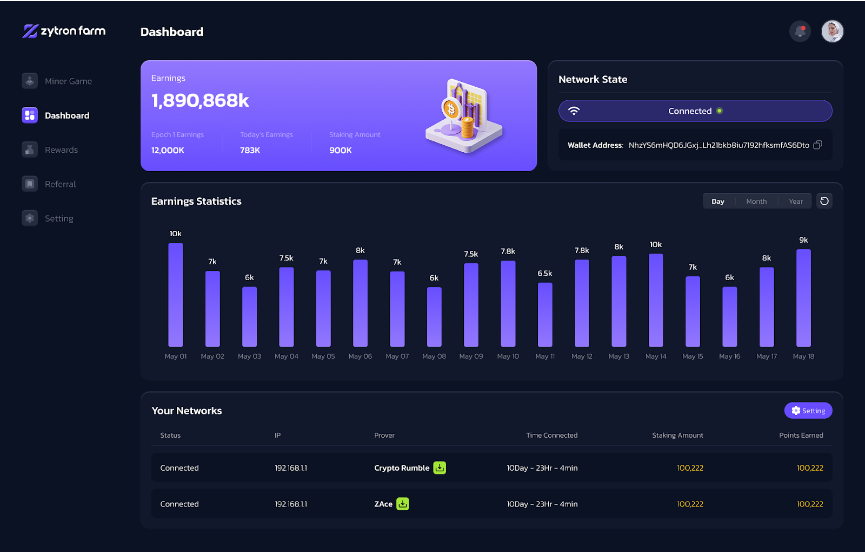
As the number of #AIAgents explodes, trust & security become the biggest barriers to widespread adoption.
Since 2023, Zypher Network has been at the forefront of building trust with math, providing end-to-end security for over 100 AI Agents.
But securing individual agents isn't enough—we need AI Agents to create value and execute tasks autonomously to power the next-gen decentralized economy.
#AI #ZKProof #MiningNetwork #ZypherNetwork #Web3 #ICYMI
35
17
6
25,549

8 Apr 2025
Saylor says: $BTC is going to be $50M
We say: fire up the rigs, and let’s get to work
#BTC #MiningNetwork

1
53
54
3,088
8 Apr 2025
8
11
673

7 Feb 2025
🚀 Let’s Make History Together with Swift Points Mining Network! 💎
Join the movement, mine, earn, and secure your place in the future of crypto. This is more than mining—it’s a revolution!
Be part of history. Start mining today! 🔥
#SwiftPoints #MakeHistory #MiningNetwork #Cry

1
9
107