
Tests the Pedersen commitment chain S_H = S_{H-1} C_H that providesshielded supply audit for NativeToken. Verifies the chain is correct,externally auditable, tamper-evident, and handles forks correctly. Design: passive audit layer (like Bitcoin's halving schedule) —not a consensus circuit breaker.
🫡🫡🫡🫡🫡🫡🫡🫡🫡🫡🫡🫡🫡🫡
1
2
24

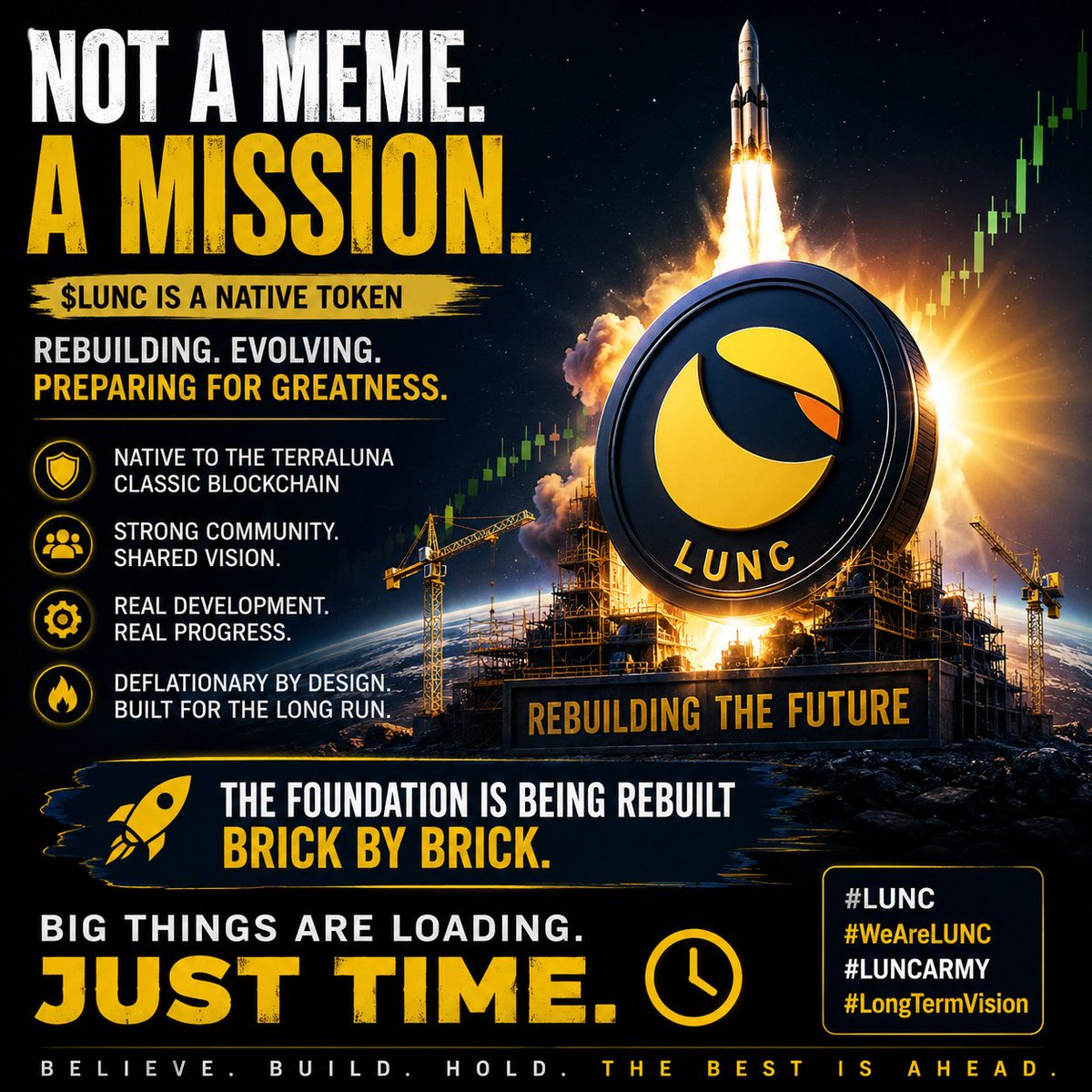
Calling $LUNC a meme coin misses the bigger picture. 😔
$LUNC is rebuilding, evolving, and backed by one of the strongest communities in crypto. 🚀
The real move is still ahead.
Patience today. Rewards tomorrow. 🔥⏳
#Lunc #TerraClassic #NativeToken @TheMoonHailey
3
28
320

May 12
The NetX testnet shutdown makes the technical snapshot more valuable. While live, it showed a serious pre-mainnet architecture with $NETX as native gas, system contracts, relay logic, governance, token management and recovery components. Not mainnet yet, but definitely not an empty testnet either. @netx_world
#NETXTestNetFindings
The NetX testnet going offline may look like a small technical event, but for research it matters.
Because while it was live, it gave us a rare on-chain window into what NetX was actually testing beneath the public narrative.
And the most important conclusion is simple:
NetX was not just running a basic EVM testnet.
What we observed was a structured system architecture with native gas, validators, slashing, relay logic, light-client verification, token-management components, governance contracts, timelock infrastructure, staking components and recovery-style mechanisms.
That does not mean mainnet is live.
It does not mean every component was fully activated.
It does not mean the full product stack is already in production.
But it does mean the testnet was not empty.
It was a technical staging environment for a much larger architecture.
The base layer showed active system infrastructure:
ValidatorSet
SlashIndicator
LightClient
TokenHub / RelayerHub
Incentivize / CandidateHub
RelayerHub V2
GovHub
The advanced layer appeared deployed but mostly staged:
Staking
ValidatorHub / StakeHub
NativeToken / StakeCredit
GovToken
Governor
Timelock
TokenManager
TokenRecoverPortal
That distinction is important.
Active base layer.
Staged advanced layer.
This is exactly how an early technical network can look before mainnet: not finished, not production-grade, but already revealing the design philosophy.
The strongest finding, in my view, is that NetX seems positioned less like “another payment blockchain” and more like a programmable trust layer.
A layer for payment intents, settlement records, compliance proofs, audit trails, challenge logic, cross-chain state, token management, operator accountability and governed rule changes.
Stablecoins can move value. Wallets can handle user experience. Payment processors can handle merchants.
But someone still needs to record the institutional context:
Who authorized the payment?
Which rule applied?
Was the merchant settlement valid?
What proof exists?
What happens if there is a dispute?
Who is accountable if something goes wrong?
That is where NetX could become strategically relevant.
The testnet may be offline now, but the architecture it revealed is worth documenting.
3
23
75
2,035

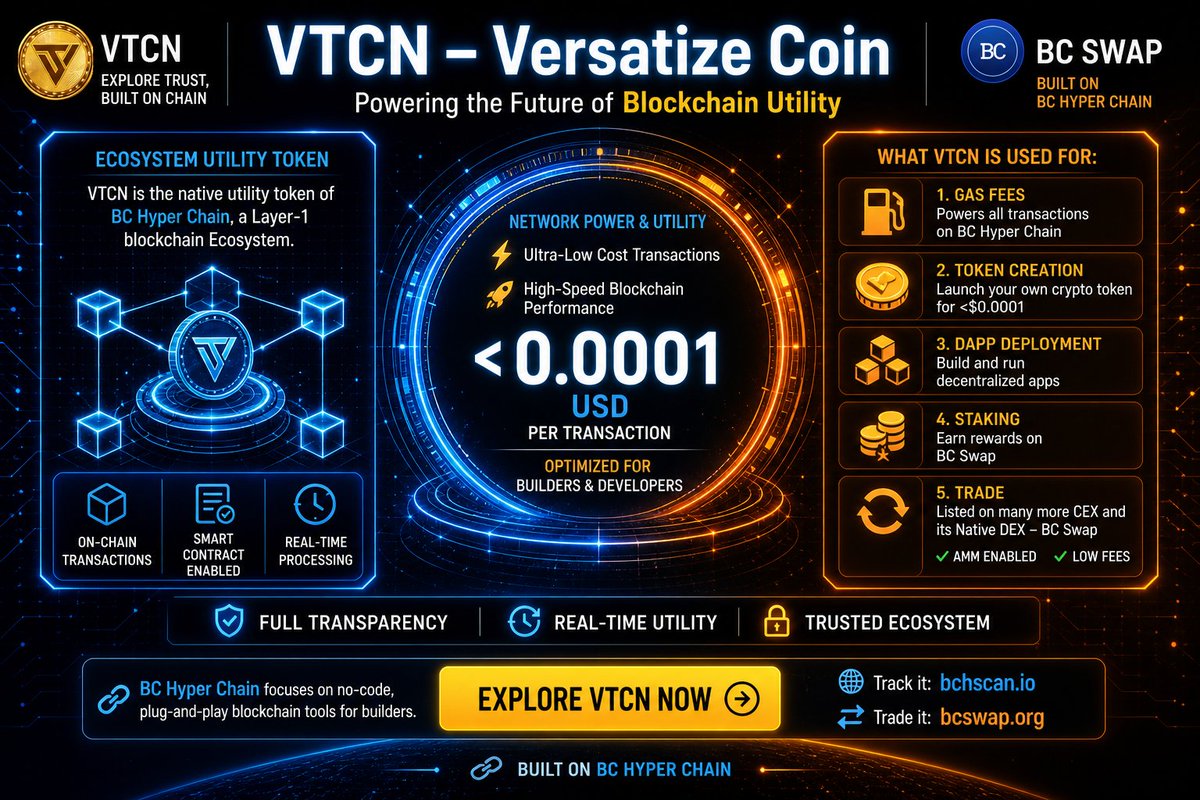
VTCN - Versatize Coin
VTCN is the native utility token of BC Hyper Chain, a Layer-1 Blockchain Ecosystem.
What VTCN is used for:
1. Gas fees: Powers all transactions on BC Hyper Chain
2. Token creation: Launch your own crypto token for <$0.0001
3. dApp deployment: Build and run decentralized apps
4. Staking: Earn rewards on BC Swap
5. Trade: Listed on many more CEX and its Native DEX- BC Swap with AMM, low fees
BC Hyper Chain focuses on no-code, plug-and-play blockchain tools for builders.
Track it: bchscan.io
Trade it: bcswap.org
#VTCN #bchyperchain #utility #nativetoken #lowcost
2
878

Apr 19
東京都が、円建てステーブルコインを活用したユースケース創出事業に対して、最大4,000万円、補助率3分の2以内の補助を出すと知り、とても面白い流れだと思いました。募集期間は6月30日までとのことです。しかも対象は、国内で発行された円建てステーブルコインを活用する事業で、実装または検証の実施地域に都内を含むこと、さらに都内に登記簿上の本店または支店があることが主な要件とされています。ここで率直に思うのは、これは東京の会社しか参加できないのか? という点です。
うちの会社はアメリカ・ロサンゼルスに25年前からあります。だからこそ、東京側で一緒に組める会社、研究機関、金融機関、EC事業者、システム会社を探しています。 東京に本店または支店を持つ会社と組めるなら、十分に面白いことができると思っています。こちらは、ゼロから構想だけを語っているわけではありません。すでに
✅ 自作Layer1あり
✅ Native Tokenあり
✅ Stable Coinあり
✅ Web3 ECあり
・自作Blockchain開発済み
・Native Token発行済み
・Stable Coin発行済み
・Web3 ECサイト試作済み
という段階まで来ています。
つまり、東京都の支援策に対して「これから考えます」ではなく、すぐPoCや実証に入れる側です。そして、ここが一番大事だと思っています。
日本のためを本気で考えるなら、他人のチェーンの上でトークンやステーブルコインを作って終わりでは弱い。もちろん、既存の円建てステーブルコイン活用は現実的で重要ですし、今回の制度もそこを支援するものです。ですが、その先では、日本に技術、運用、手数料、ノウハウが残る構造を作ることが本当に必要だと思います。東京都の今回の補助金でも、対象経費にはプラットフォーム利用料やノード運用費、セキュリティ監査費、ユースケース創出のための開発外注費などが含まれています。これは逆に言えば、基盤・運用・監査・実装をちゃんと回せるチームが強い、ということです。一方で、記事によると、「ステーブルコインを発行する事業そのもの」は補助対象外で、支援対象は既に国内で発行された円建てステーブルコインを活用してユースケースを作る側とのことです。つまり、いきなり発行者になる話ではなく、まずは使い道を作る会社が主役という制度設計です。ここは非常に重要で、EC、決済、ポイント、会員制、IPマーケットプレイス、コンテンツ販売、イベント連動など、現実の商流とつながる会社が強いはずです。だからこそ、東京の会社で「円建てステーブルコインを使った具体的な事業を一緒に作りたい」方がいれば、ぜひつながりたいです。
こちらはロサンゼルスから、
Blockchain / Layer1 / Native Token / Stable Coin / Web3 EC / 実証環境
まで持っています。
東京側で
・申請主体になれる会社
・都内で実証できる会社
・ECや決済導線を持っている会社
・金融や法務に強い会社
がいれば、かなり面白い形にできると思います。一緒にやりたい会社、紹介できる方、興味ある方はDMください。
東京発で、単なる補助金消化ではなく、日本に残るWeb3インフラと円建てステーブルコインの実需を作りたいです。#東京都
#ステーブルコイン
#円建てステーブルコイン
#Web3
#Blockchain
#Layer1
#Fintech
#東京
#補助金
#PoC
#実証実験
#JPYC
#EC
#決済
#IP
#IPMarketplace
#Tokyo
#Stablecoin
#L1 #Layer1
#NativeToken
#Web3EC
#ロサンゼルス
#日本企業募集
#パートナー募集
#共同実証
#DX #NCK #YSC
#次世代金融
#日本発Web3
sangyo-rodo.metro.tokyo.lg.j…
1
12
951


Hier ist die Abschlussarbeit von einem im DCA-Programm $VSN. L2-Systeme, die auf Institutionen abzielen, übersehen oft eine Reibungsstelle. Sie zwingen Banken dazu, #NativeToken für Gasgebühren zu halten. Die Einführung in dem Fall von #VisionChain wird dieses Problem lösen. Ein $ETH Layer 2 für On-Chain Europe, der Gasgebühren in Euro #Stablecoins ermöglicht. Vollständig abgestimmt auf die Rahmenbedingungen von #MiCA, PSD2 und AML. Zielgruppe sind #Finanzinstitute, die zum Beispiel #Immobilien, private Kredite und #Fonds tokenisieren möchten. Der eigentliche Wettbewerbsvorteil von #Bitpanda liegt in den Millionen bereits bestehender Nutzer. #Banken, die auf #Vision aufbauen, müssen keinen eigenen Vertrieb aufbauen. Sie können sich direkt anschließen. Die Effekte zweiter Ordnung beeindrucken jedoch noch mehr.
Mehr Akzeptanz → mehr Liquidität, Talente, #DeFi, Apps.
Mehr Nutzung → mehr Umsatz → Rückkäufe.
Die Schleife: Adoptionsgebühren → Rückkaufgebühren → → Geringeres Angebot → Höherer Preis. Der Wert von #VSNtoken ist an die reale Finanzaktivität in der Kette gebunden. Wenn sie ausgeführt werden, hält die Schleife an!
1
24
635

Feb 21
Happy Ramadan Everyone!
One project that’s really cooking right now is @PerceptronNTWK on Mindo 👀
If you’re not familiar with it yet, they’re currently running a campaign on @MindoAI and we’ve just entered Epoch 3.
It's interesting because it's $PERC.
$PERC is the nativetoken of @PerceptronNTWK, one of the leading decentralized AI data networks.
You earn it by adding real value to the network not hype, not noise.
At the same time, keep an eye on @RemoraMarkets running on @duel_duck
It’s another project pushing social engagement and on-chain participation in a smart way, and it’s starting to pick up momentum.

33
1
43
1,750

Jan 30
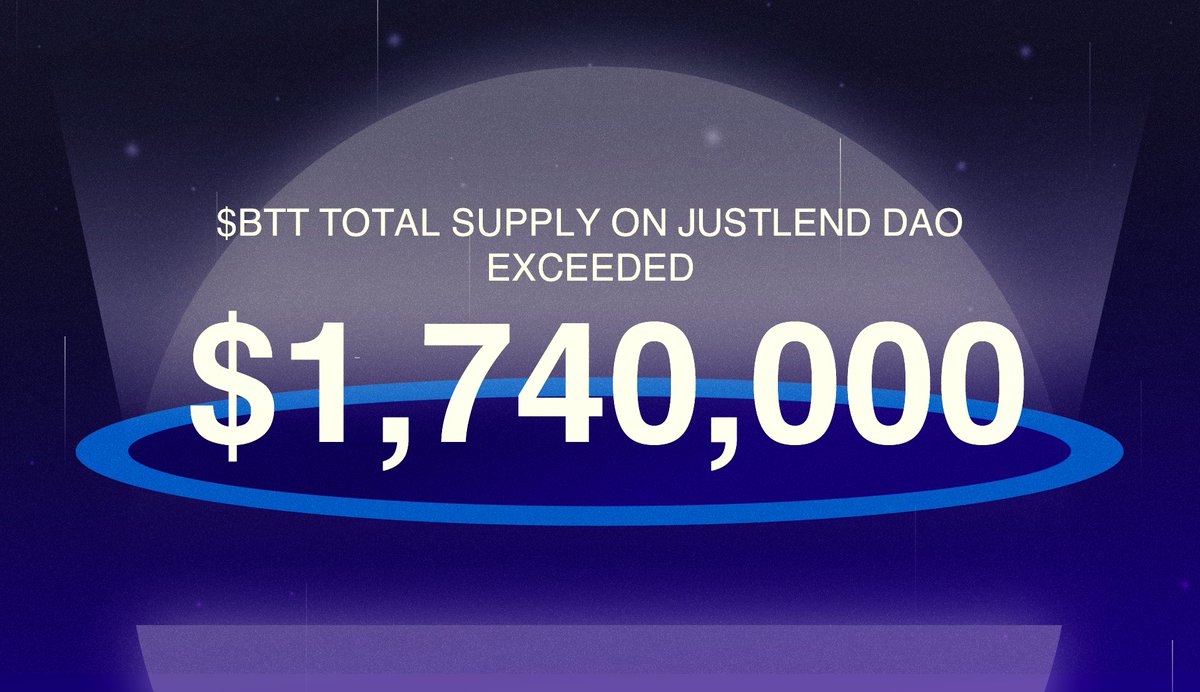
𝐉𝐮𝐬𝐭𝐋𝐞𝐧𝐝 𝐃𝐀𝐎 𝐒𝐮𝐫𝐩𝐚𝐬𝐬𝐞𝐬 $𝟏.𝟕𝟒𝐌 𝐢𝐧 $BTT 𝐓𝐨𝐭𝐚𝐥 𝐒𝐮𝐩𝐩𝐥𝐲, 𝐑𝐞𝐟𝐥𝐞𝐜𝐭𝐢𝐧𝐠 𝐆𝐫𝐨𝐰𝐢𝐧𝐠 𝐀𝐬𝐬𝐞𝐭 𝐈𝐧𝐭𝐞𝐠𝐫𝐚𝐭𝐢𝐨𝐧 𝐚𝐧𝐝 𝐔𝐬𝐞𝐫 𝐀𝐝𝐨𝐩𝐭𝐢𝐨𝐧
The lending and borrowing ecosystem on TRON continues to demonstrate significant momentum, with $BTT (@BitTorrent NativeToken) now exceeding $1.74 million in total supplied value on JustLend DAO. This milestone underscores the expanding utility and deepening integration of ecosystem assets within TRON's decentralized finance infrastructure.
𝐌𝐚𝐫𝐤𝐞𝐭 𝐂𝐨𝐧𝐭𝐞𝐱𝐭 𝐚𝐧𝐝 𝐒𝐢𝐠𝐧𝐢𝐟𝐢𝐜𝐚𝐧𝐜𝐞:
The surpassing of $1.74 million in $BTT total supply reflects several key developments within the TRON DeFi landscape:
1. 𝐃𝐞𝐞𝐩𝐞𝐧𝐢𝐧𝐠 𝐋𝐢𝐪𝐮𝐢𝐝𝐢𝐭𝐲 𝐈𝐧𝐭𝐞𝐠𝐫𝐚𝐭𝐢𝐨𝐧:
$BTT’s growing presence on JustLend DAO signals increased liquidity utilization and holder participation, providing enhanced capital efficiency and lending opportunities for ecosystem participants.
2. 𝐄𝐜𝐨𝐬𝐲𝐬𝐭𝐞𝐦 𝐒𝐲𝐧𝐞𝐫𝐠𝐲 𝐢𝐧 𝐀𝐜𝐭𝐢𝐨𝐧:
As the native utility token of the BitTorrent File System (BTFS) and a core TRON ecosystem asset, $BTT’s adoption within JustLend DAO illustrates functional interoperability and cross-protocol utility within the TRON network.
3. 𝐈𝐧𝐬𝐭𝐢𝐭𝐮𝐭𝐢𝐨𝐧𝐚𝐥 𝐚𝐧𝐝 𝐑𝐞𝐭𝐚𝐢𝐥 𝐂𝐨𝐧𝐟𝐢𝐝𝐞𝐧𝐜𝐞:
The rising supply volume indicates sustained confidence from both retail holders and institutional participants, reinforcing $BTT’s role as a productive and integrated DeFi asset.
𝐖𝐡𝐲 𝐭𝐡𝐢𝐬 𝐦𝐚𝐭𝐭𝐞𝐫𝐬 𝐟𝐨𝐫 𝐓𝐑𝐎𝐍 𝐃𝐞𝐅𝐢:
This development strengthens JustLend DAO’s position as a comprehensive liquidity hub, capable of supporting a diverse range of TRON-native and bridged assets. It also highlights the network’s capacity to foster multi-asset financial activity, moving beyond single-token dominance toward a balanced, multi-faceted DeFi economy.
As $BTT continues to gain utility across storage, content distribution, and now decentralized finance, its integration into lending markets represents a natural evolution of token functionality and user-driven demand.
𝐀𝐜𝐜𝐞𝐬𝐬 𝐭𝐡𝐞 $𝐁𝐓𝐓 𝐌𝐚𝐫𝐤𝐞𝐭 𝐨𝐧 𝐉𝐮𝐬𝐭𝐋𝐞𝐧𝐝 𝐃𝐀𝐎:
🔗 app.justlend.org/marketDetai…
@justinsuntron @BitTorrent #TRONEcoStar
2
14,676

24 Dec 2025
Minswap×Kucoin🎄
@MinswapDEX
Trade $MIN on #KuCoin
CardanoのDEXもNIGHTで流動性が上がってます。このまま他のNativeTokenも勢いづいて欲しいなと言う願いを込めて🎁
@ISPF_Cardano @hix_coffeepool @AshiyaPool
24 Dec 2025

🎉 Celebrate $MIN on #KuCoin with an exciting giveaway!
🎁 200,000 MIN for 100 winners!
How to enter:
1️⃣ Follow @kucoincom & @MinswapDEX
2️⃣ Like, RT & Quote: "Trade $MIN on #KuCoin!" Tag 3 friends
3️⃣ Fill this out: gleam.io/FD6Pc/kucoin-x-mins…
⏰ 48 hours
1
2
5
872

23 Dec 2025
I have my $INDN Token, Do you? Live and on Sale NOW! Support Native Sovereignty. #NativeToken #INDN #NativeAmerican #PumpFunLaunch #MerryChristmas

1
1
5
64

1 Dec 2025
GN
@Neverland_Money 's design must specifically accommodate the Monad native gas token ($MON) as collateral, which presents unique contract interaction challenges.
Unlike standard ERC-20 tokens, the native gas token requires special handling within the EVM (via Solidity's call.value() function) and cannot be directly transferred with a simple transfer() function. Neverland manages this by wrapping the native token into an ERC-20 standard (e.g., $wMON) before it enters the collateral pool, ensuring that all lending logic is consistent and composable with the broader EVM ecosystem.
#Monad #NativeToken #wMON #Collateral
10
10
264

25 Nov 2025
The economic model for @DataHaven_xyz is truly brilliant! NativeToken utility, EigenLayer-backed staking, dynamic execution fees, storage incentives, and on-chain governance-it all clicks. It's a super solid foundation for genuinely decentralized data.
Three Key Statements about
@DataHaven_xyz
✅Verifiable Data Integrity for AI
✅Legacy Ethereum Security via EigenLayer
✅Foundation for a Trusted and Decentralized AI Economy (Web3 AI)
14
58
515

Arbitrum Just Got Smarter — >Custom Gas Token SDK Support
@arbitrum just rolled out SDK support for custom gas tokens and this one’s a real dev treat 🍬
👇 What’s this about?
Think of the Arbitrum SDK as a toolbox for devs who build on Arbitrum.
Now it got a new tool that lets you use your own gas token not just ETH.
💡 Example:
Instead of paying gas in ETH, you could use your own project token (say $VINU or $AGE).
👇 Why it need
Normally, when you send tokens from Ethereum → Arbitrum, you pay ETH as gas.
But with custom gas tokens, you can:
Make your token act like ETH on your chain
Cover bridge transaction fees in that token 💰
Build dApps that don’t rely only on ETH liquidity
- It’s flexibility freedom for builders.
👇 The SDK now has new APIs
They have added 2 main helpers sounds fancy but here’s what they do:
EthBridger:
Used when you move native tokens (like ETH) to Arbitrum.
→ APIs: "getApproveGasTokenRequest() approveGasToken()"
💬 Think of it as getting permission then actually sending it.
🪙 Erc20Bridger:
Used when you bridge ERC-20 tokens (like USDC, your own token, etc).
→ Uses retryable tickets (basically a way to make sure your bridge tx doesn’t fail).
💬 Example: you approve fees first → bridge happens safely later.
👇 Custom gas = native-like behavior
Once bridged, your custom token acts just like ETH on L2.
You can pay gas, deploy contracts, and make transactions using your token not ETH.
That’s huge for ecosystem-native rollups 🌐
💡 Real-world example:
Imagine a gaming rollup where players pay all in-game fees using the game’s token, not ETH. That’s possible now.
👇 When to use this
✅ When your Arbitrum chain uses a custom gas token
❌ Not needed for regular ETH-based rollups or AnyTrust chains
Everything else happens “under the hood” devs just need to set the nativeToken field in the L2Network config and the SDK handles the rest.
Custom gas tokens make $ARB more flexible and more dev-friendly.
It’s like giving rollups their own “local currency,” powered by SDK magic.
🛠️ SDK adds support for custom gas token bridging
💸 Pay gas with your token, not ETH
🧠 Works via simple APIs (EthBridger, Erc20Bridger)
🪙 Tokens behave like ETH once bridged
⚙️ Great for rollups, gaming, or dApps with native economies
“Arbitrum just made it possible to build rollups that feel like their own mini-Ethereum but powered by your token.”
@KaitoAI
5
1
3
76

7 Nov 2025
Stability is key in the digital economy. $REVA, the @r3vl_xyz native token, is the engine driving our reliable foundation for transactions. Excited for what's next!
#REVA #NativeToken #DeFi #Reveel #Blockchain #InnovationInAction #PayFi @AdrienStern @cz_binance @coinbase
3
95

15 Sep 2025
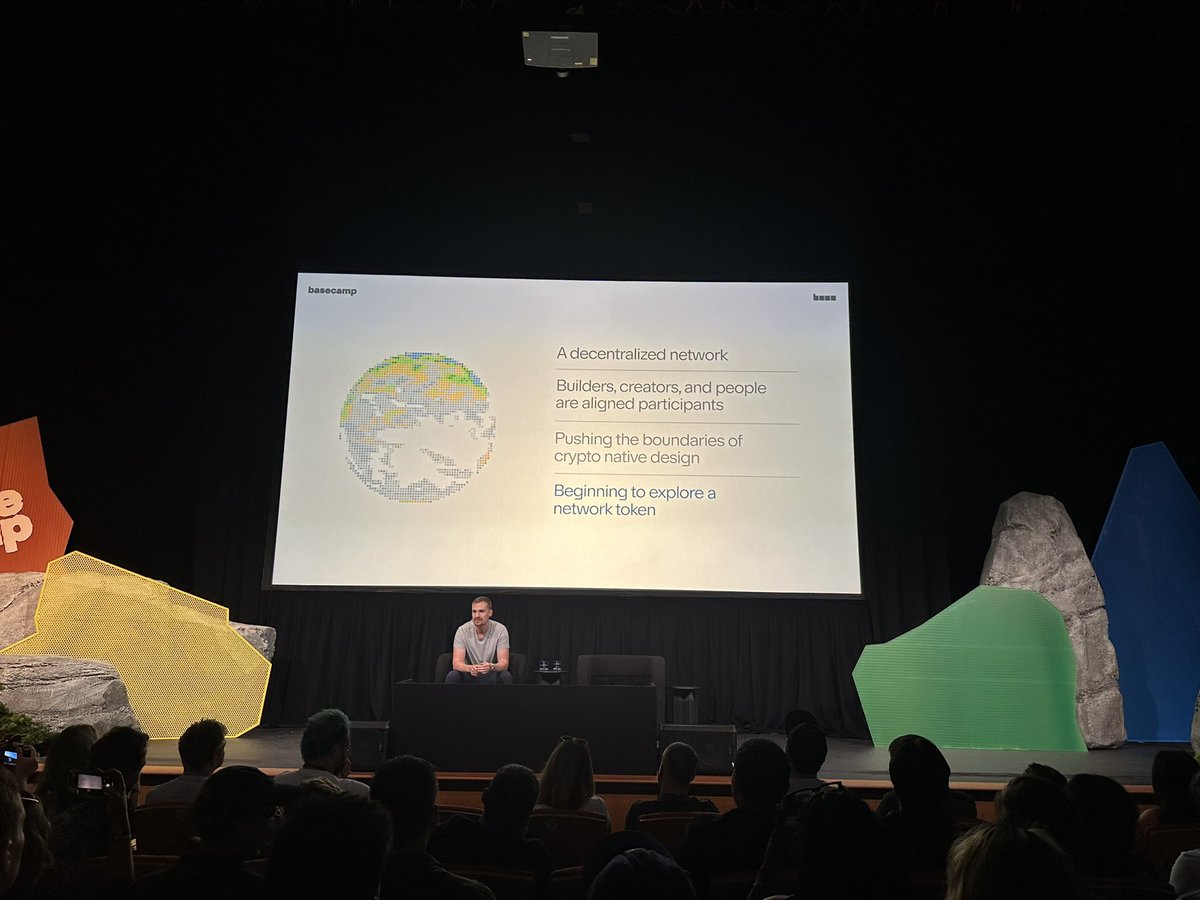
🚨🤯 @base may soon #launch its own #NativeToken 👀
@jessepollak hinted at it during #BaseCamp…
A move that could change a lot for the #Base ecosystem. 🔵
What do you think? Bullish or not? 🧐
2
165

8 Sep 2025
Deflationary Mechanisms 🔥 🪙
#ReZor Can Implement Buybacks & Burns From Trading Fees,
Reducing Supply Over Time.
Scarcity Growth = Strong Value Foundation.
#Supply #Scarcity #Growth #StrongFundamentals #BuildWithReZor #ReZorWallet #Crypto #NativeToken #RezorCommunity
3
4
19
96

1 Sep 2025
Earn Rewards with Ronen Mining Network and Its Native Token @ronencoin
Read more - cryptodisplay.io/earn-reward…
#cryptodisplay #Ronen #miningnetwork #nativetoken #EarnReward #RONEN #crypto #presale #project
2
240
29 Aug 2025
ApexChainAI #Blockchain Project with #NativeToken $ACAI Explained 💥
👉Learn more - cryptodisplay.io/apexchainai…
@ApexchainAI #cryptodisplay #blockchain #token #ACAI #crypto #project #nativetoken #cryptoproject #community #explore #invest #trade
2
197

27 Aug 2025
Hey! I added $50 to your Kraken account. Unlock it after your first trade of $200 with code: 7w8czj4b or through this link invite.kraken.com/JDNW/5914q… #Kraken #KrakenPro #Bitcoin #Ethereum #Solana #crypto #cryptocurrency #xrp #nativetoken
#defi #stablecoins #memecoins #dexs
1
4
167