Chidambara .ML. retweeted

#highlycited paper
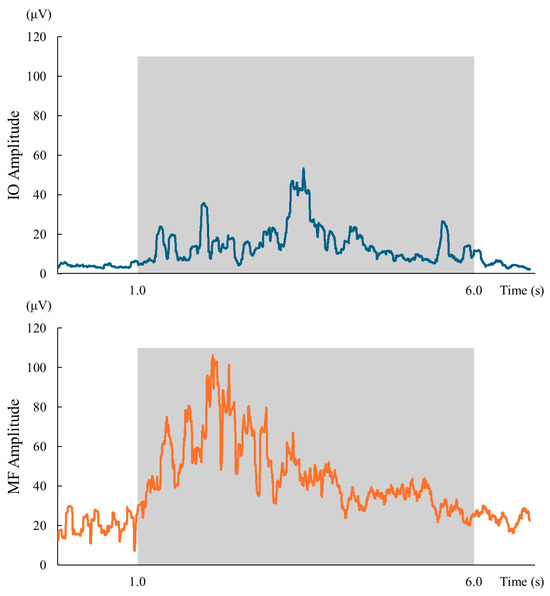
📚Effects of a Pneumatic External Abdominal Pressure Assist Belt on Trunk and Lower Limb #MuscleActivity and Joint Kinematics During Lifting Tasks
🔗mdpi.com/2076-3417/15/20/108…
👨🔬by Yuki Nakai and Yasufumi Takeshita
🏫Reiwa Health Sciences University
#externalabdominalpressure #pneumaticbelt
1
3
56
#highlycited paper
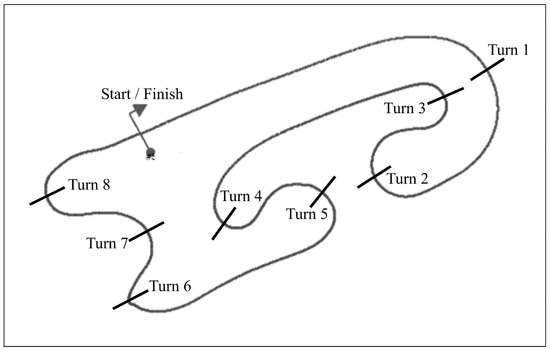
📚Forearm #MuscleActivity During Motorsport: A Case Study
🔗mdpi.com/2076-3417/15/16/880…
👨🔬by Chris Mills et al.
@portsmouthuni
#karting #asymmetry
14

May 7
About #mesothermic #fish-like #species and their #energy needs to keep their bodies well #heated.
#Masshomeothermy describes a phenomenon in which animals store #bodyheat due to their size. The larger an animal is, the more its ratio between skin surface area and body volume shifts towards body volume.
But further specific #adaptations are necessary to maintain body heat permanently. In rare cases of so called "fish" #physiological mesothermy evolved.
A veritable giant among #actinopterygeous fish is the #oceansunfish #Mola #mola (Tetraodontiformes). Yet it is incapable of mesothermy. It relies on lying near the water's surface for extended periods to utilize solar heat, which provides its body with thermal energy. This fish species' unique adaptation to its environment consists of a combination of size, body shape (well-suited for absorbing solar heat), and an economical, and therefore #energysaving, mode of activity.
Other actinopterygeous fish, on the other hand, retain the heat energy generated by #muscleactivity within their bodies through special adaptations of their #bloodvessels. This includes #tuna or #opahs of the genus #Lampris (Lampriformes), which are also known as ocean sunfish, but may not be mistaken with Mola mola.
That mesothermy in fish-like organisms is the result of independent evolution (#convergence) can be deduced from the fact that further examples of mesothermic species belong to the cartilaginous fish (#Chondrichthyes). One needs to be aware in this context that animals referred to as "fish" are a #paraphyletic group and not a closed reproductive lineage. Mesothermic #sharks include the #makosharks Isurus oxyrinchus and Isurus paucus, the #porbeagle shark Lamna nasus, the #salmonshark Lamna ditropis, the #greatwhite shark Carcharodon carcharias, and the #baskingshark #Cetorhinus #maximus. It can be reconstructed that in the stem species of #Lamnidae, corresponding features of the circulatory system favoring mesothermy were already existing, putatively even as #apomorphic character state. The tuna, the opah, the basking shark and the Lampriformes evolved the countercurrent heat exchange system convergently. Convergent evolution, means #independentevolution, is based on comparable #selectionpressures resulting from very similar #environmentalconditions and lifestyles.
The so-called #Rete #mirabile, responsible for mesothermy, is formed by arteries, and it could therefore arise convergently multiple times because the arrangement of blood vessels in Chondrichthyes and Actinopterygii exhibits fundamental similarities, which channeled the direction of possible adaptation pathways through evolution.
A #Retemirabile consists of a network of arterial branches that subsequently converge to form a single artery once again. In mesothermic "fishes," warm venous blood does not flow to the gills—where it would cool down—but instead transfers its heat via the Rete mirabile to an adjacent artery, thereby warming the latter's formerly colder blood.
The authors N. L. Payne et al. (2026) have developed a modern methodology to determine the energy consumption of "fish" in relation to their size and body temperature. The researchers concluded that mesothermic species require four times as much energy to maintain their body heat as do #ectothermic species. Consequently, these species are dependent on cool ambient temperatures; otherwise, they would #overheat. Thus #globalwarming may place large mesothermic species at risk of #extinction.
© #StefanFWirth, May 2026, Berlin
Reference:
N. L. Payne et al. (2026):
doi.org/10.1126/science.adt2…
#Illustrations:
© Stefan F. Wirth; #AI-assisted #artistic illustrations based on my hand-drawn storyboard sketches, manually edited:
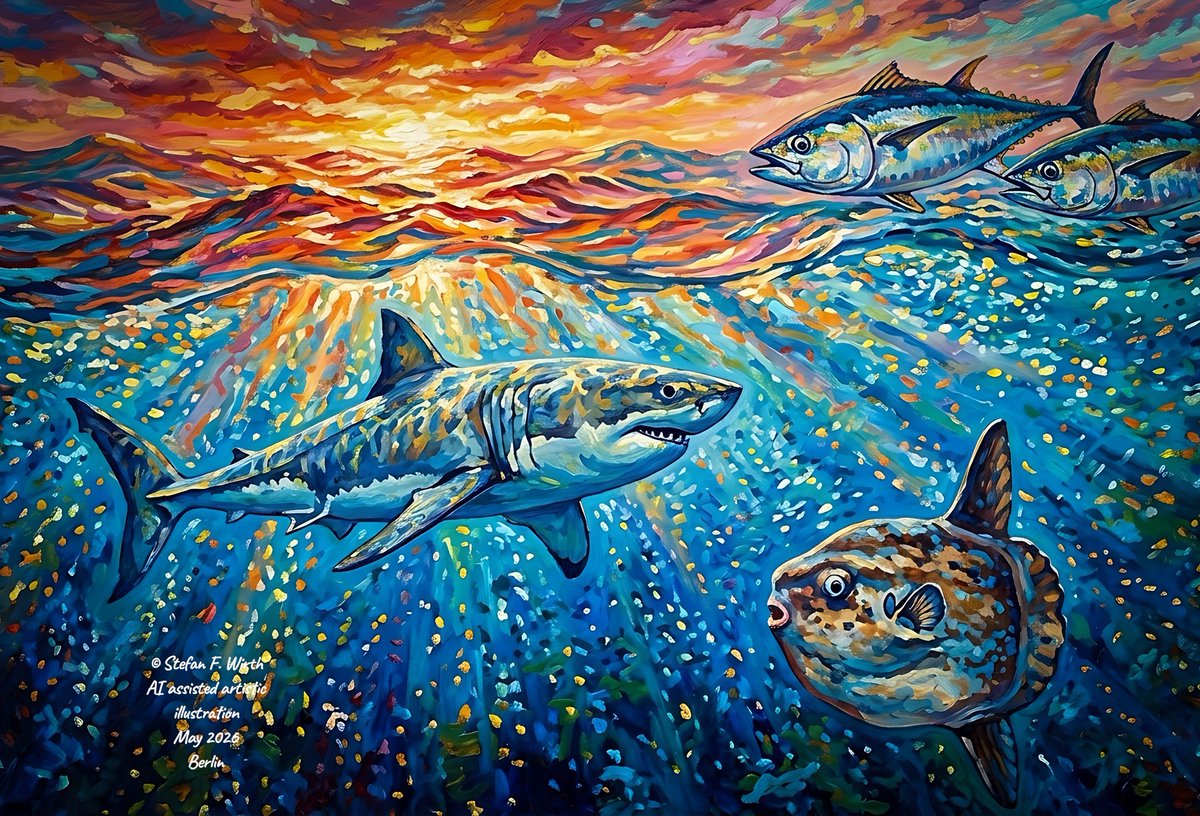
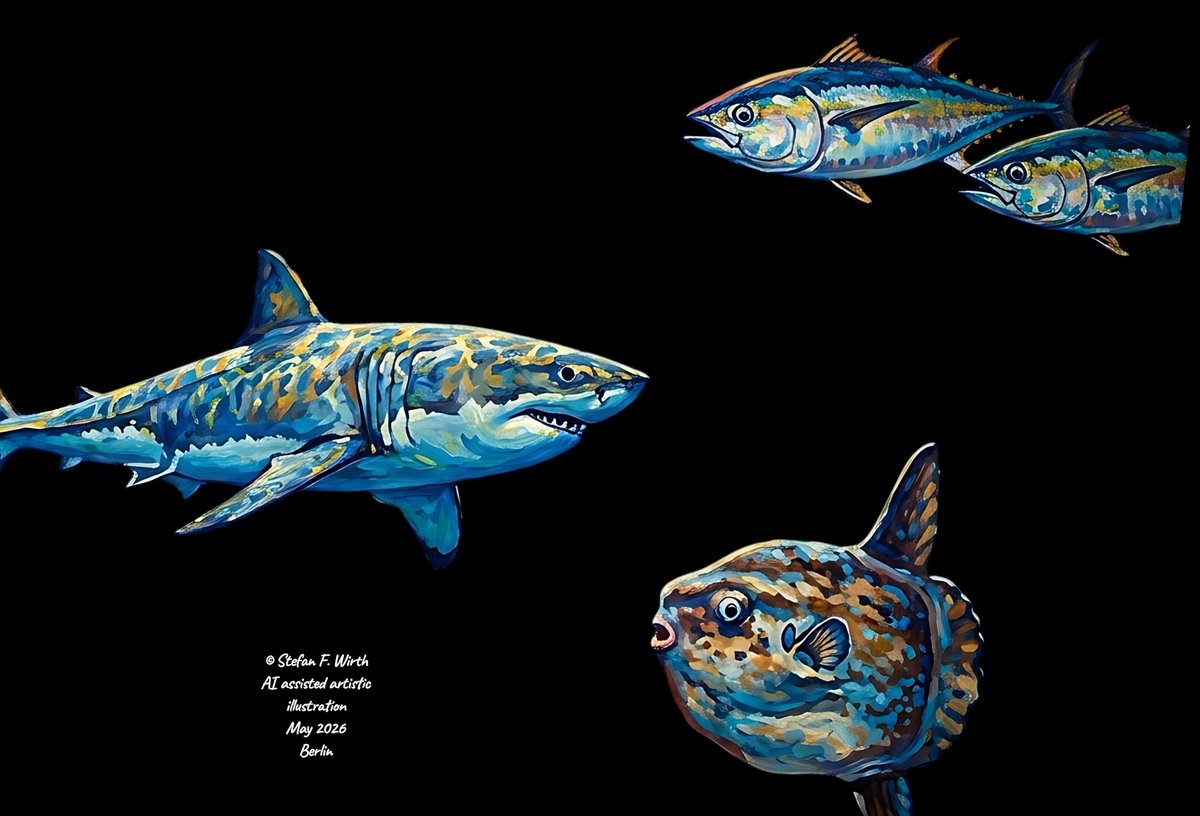
1) Large fish: great white shark, tuna, and ocean sunfish (*Mola mola*); of these, only the first two mentioned are mesothermic.
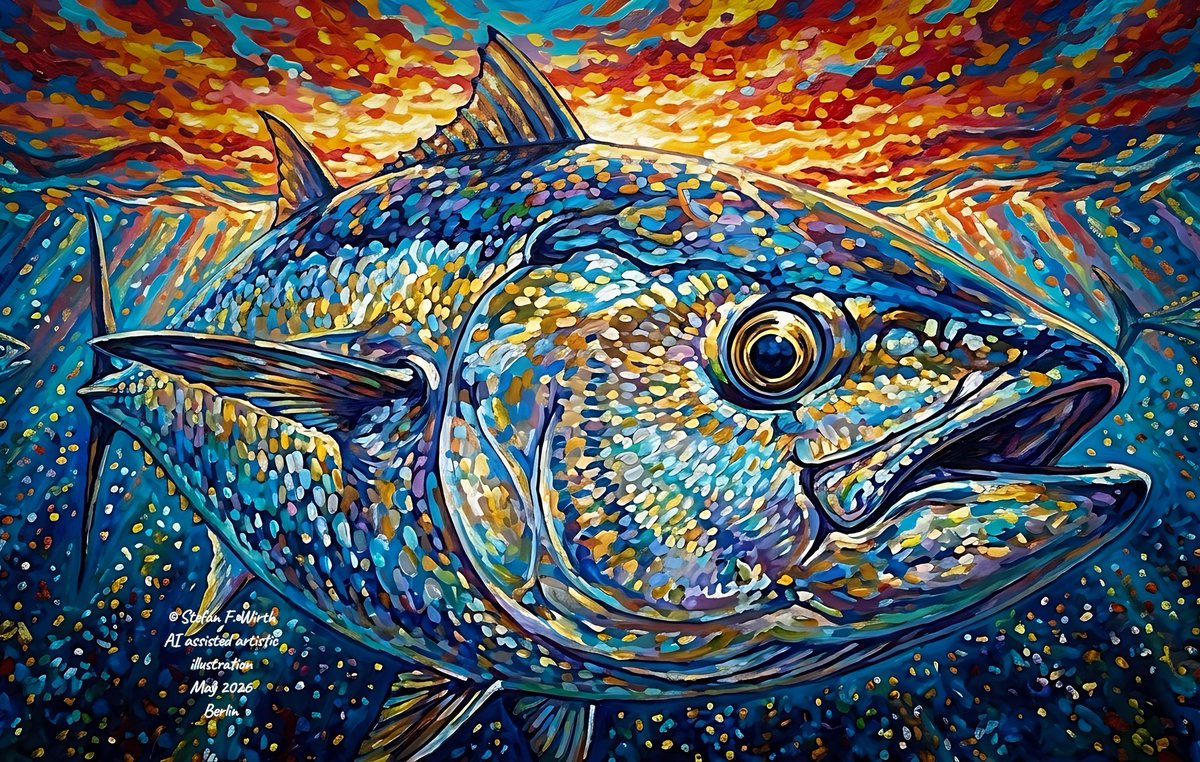
2) tuna in a close-up
3) ocean sunfish Mola mola uses sunlight to warm up its body
4) large "fish" isolated
1
18
219
1,008

8 May 2025
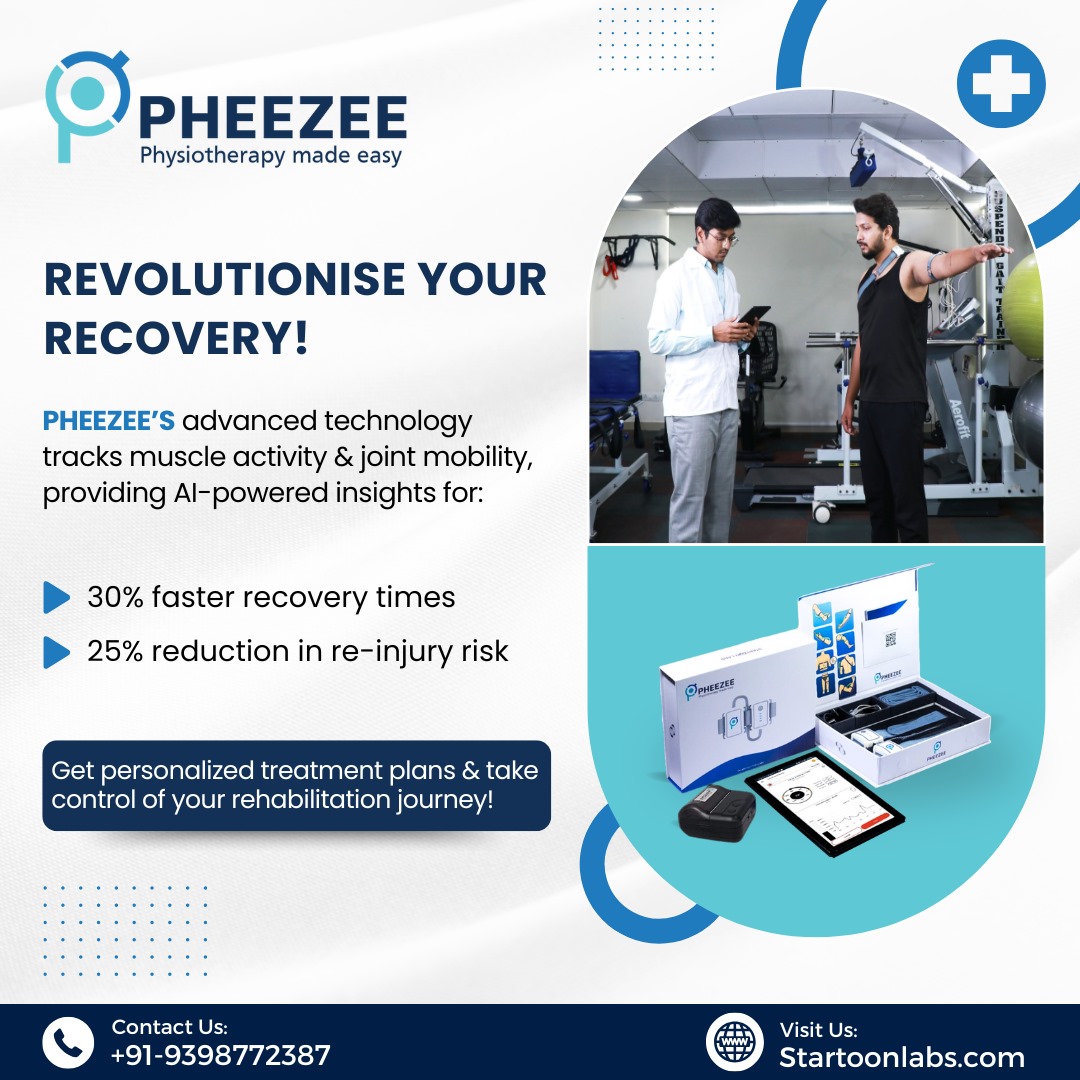
Get Personalized Treatment Plans with Pheezee!
Pheezee helps you heal faster with smart AI that tracks your muscle and joint movements.
#AIRecovery #FasterRecovery #InjuryPrevention #MuscleActivity #startoonlabs #healthcareindia #hospitals #physiotherapy #physiotherapist
4
33

29 Nov 2024
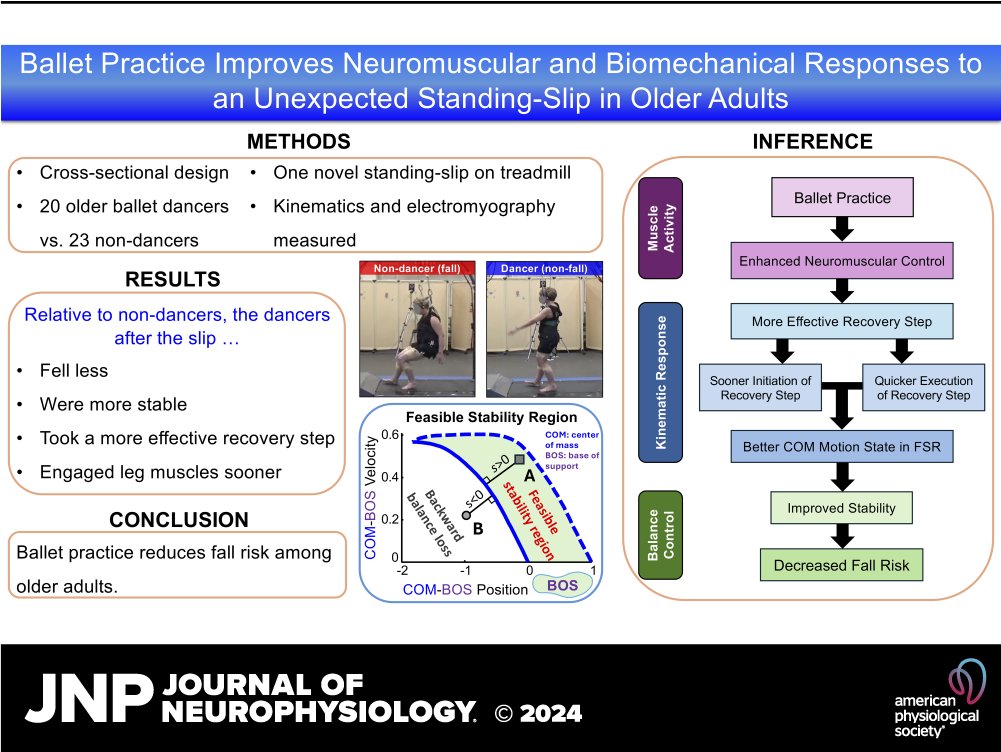
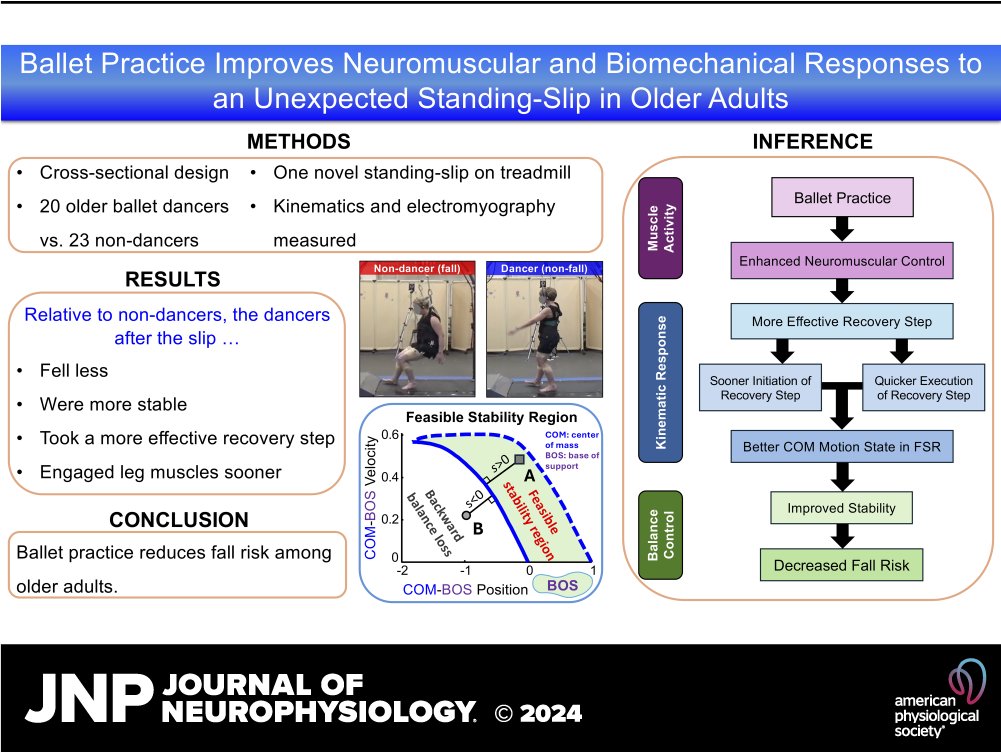
🩰New research by Caroline Simpkins and Feng Yang reveals that older #BalletDancers have a lower fall risk than non-dancers after a slip! Their quick neuromuscular responses help them recover better.
🔗ow.ly/y7L550UgO6B
#DynamicGaitStability #MuscleActivity
2
7
629

29 Nov 2024
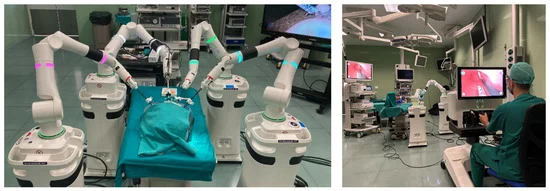
Comparative Study of Ergonomics in Conventional and Robotic-Assisted Laparoscopic Surgery
mdpi.com/1424-8220/24/12/384…
#surgery #wearable #motionanalysis #muscleactivity
3
114
4 Nov 2024
🩰This is the first study to examine how older ballet dancers respond to an unexpected external slip perturbation while standing.
ow.ly/QNOG50TXgyz
#DynamicGaitStability #MuscleActivity
1
5
461

23 Oct 2024
🚀Introducing #CIMAP, our new #OpenSource algorithm for muscle activation pattern analysis, now live on GitHub!
🔍Check it out and contribute!
🔗github.com/Biolab-PoliTO/CIM…
#AI #Python #MuscleActivity #EMG #Gait

1
5
117
19 Sep 2024
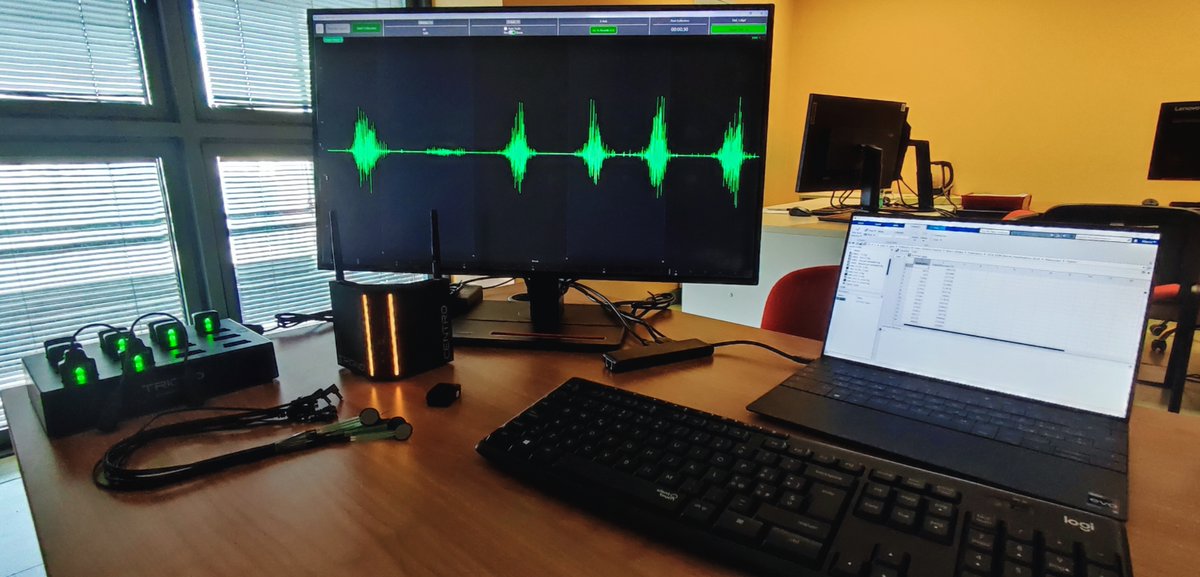
🎉Super excited to start using @delsysinc #EMG system!
#Electromyography #MuscleActivity #DelsysEMG #TrignoCentro #TrignoEMG
2
15
1,756

30 Mar 2024
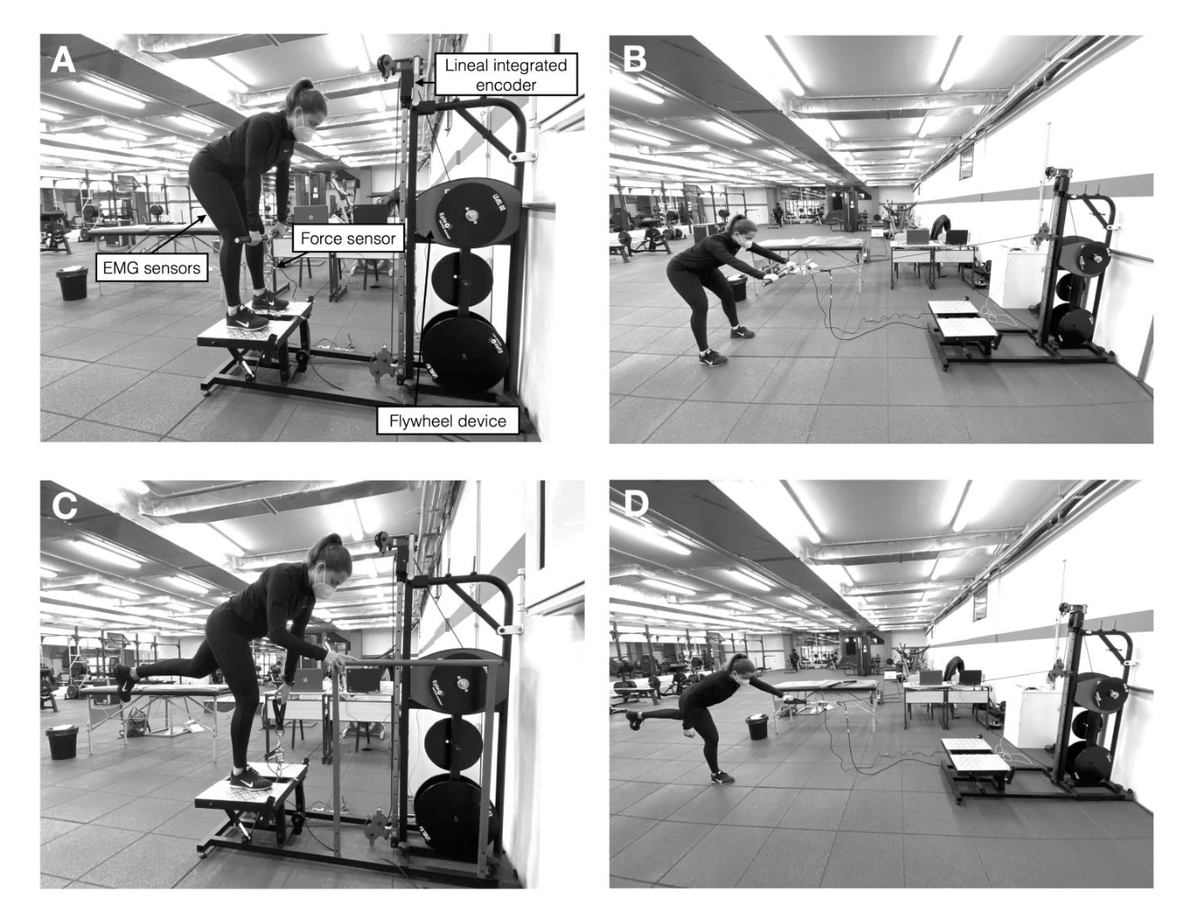
In this study, we dived into the effects of bilateral vs. unilateral flywheel deadlifts, under vertical vs. horizontal loading, on #force production and #muscleactivity in team-sport athletes. We compared...⬇️⬇️⬇️
1
3
191
26 Mar 2024
#MyOAdataset "Long short-term memory (LSTM) recurrent neural network for muscle activity detection" received more than 250 downloads since its publication!
Access the dataset here: zenodo.org/records/5617950
#EMG #DeepLearning #LSTM #MuscleActivity
1
2
131

17 Jun 2023
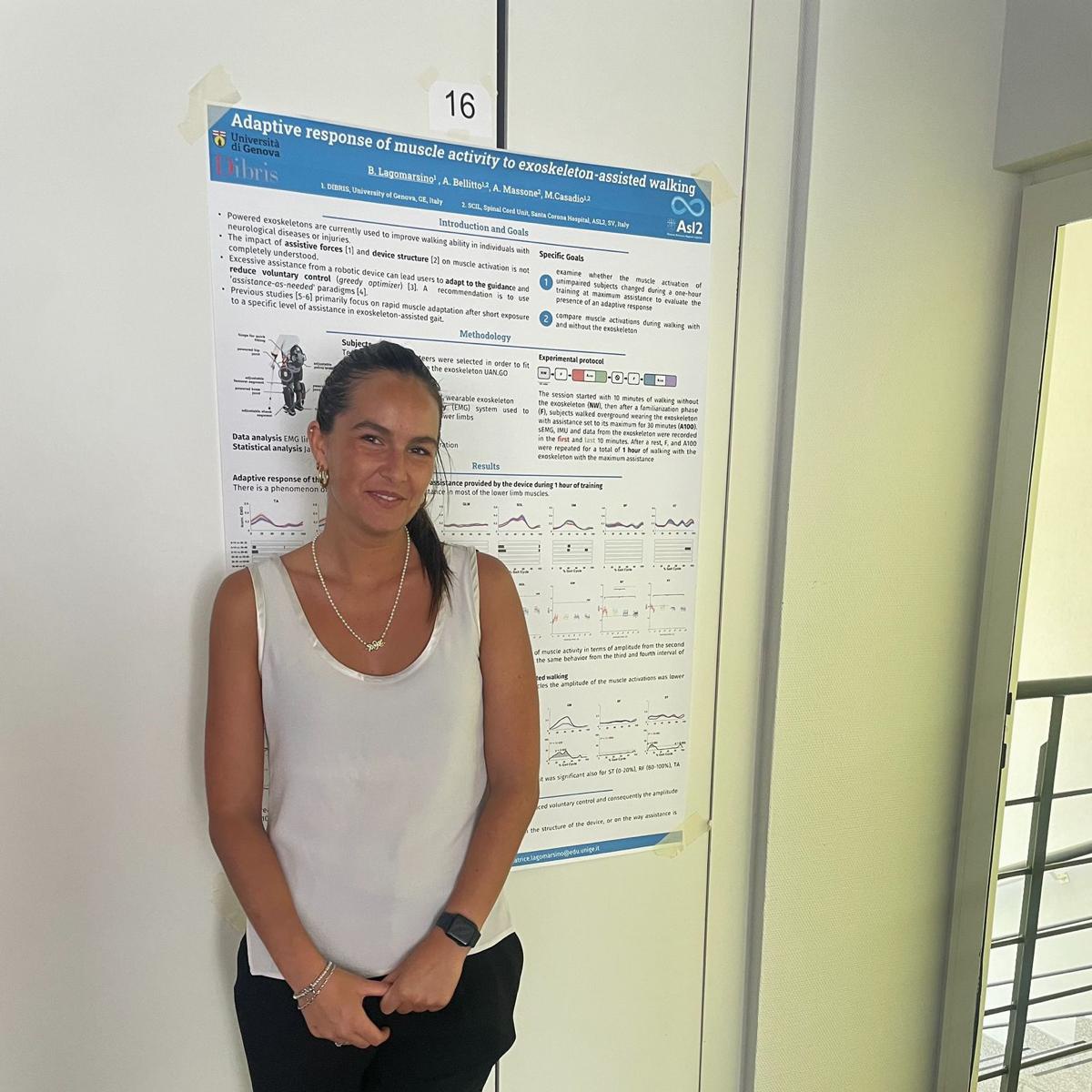
New week, new #summerschool for @Bea_Lagomarsino who attended the #TCRT summer school on #RobotAssistedTherapy at @RELabETHZ. Here presenting her work titled #adaptive response of #muscleactivity to #exoskeleton assisted #walking!
1
6
454

10 Jun 2023
😍🤩Welcome to read👉"#Muscular and #PrefrontalCortexActivity during #DualTaskPerforming in #YoungAdults"📜by🧑🔬Marina Saraiva et al.:📍mdpi.com/2254-9625/13/4/55
#dualtask #EMG #fNIRS #muscleactivity #prefrontalcortex #cocontractionindex
1
2
100

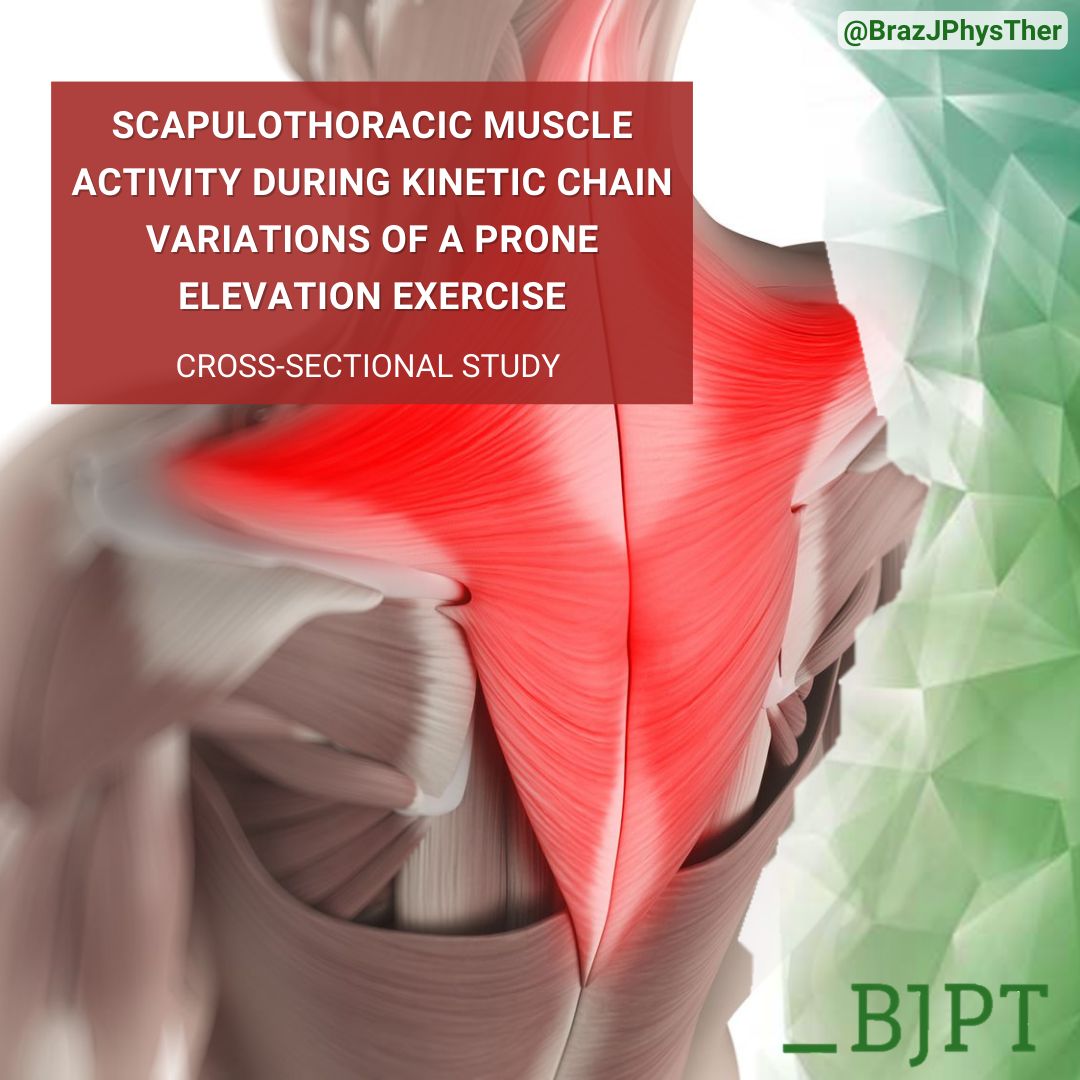
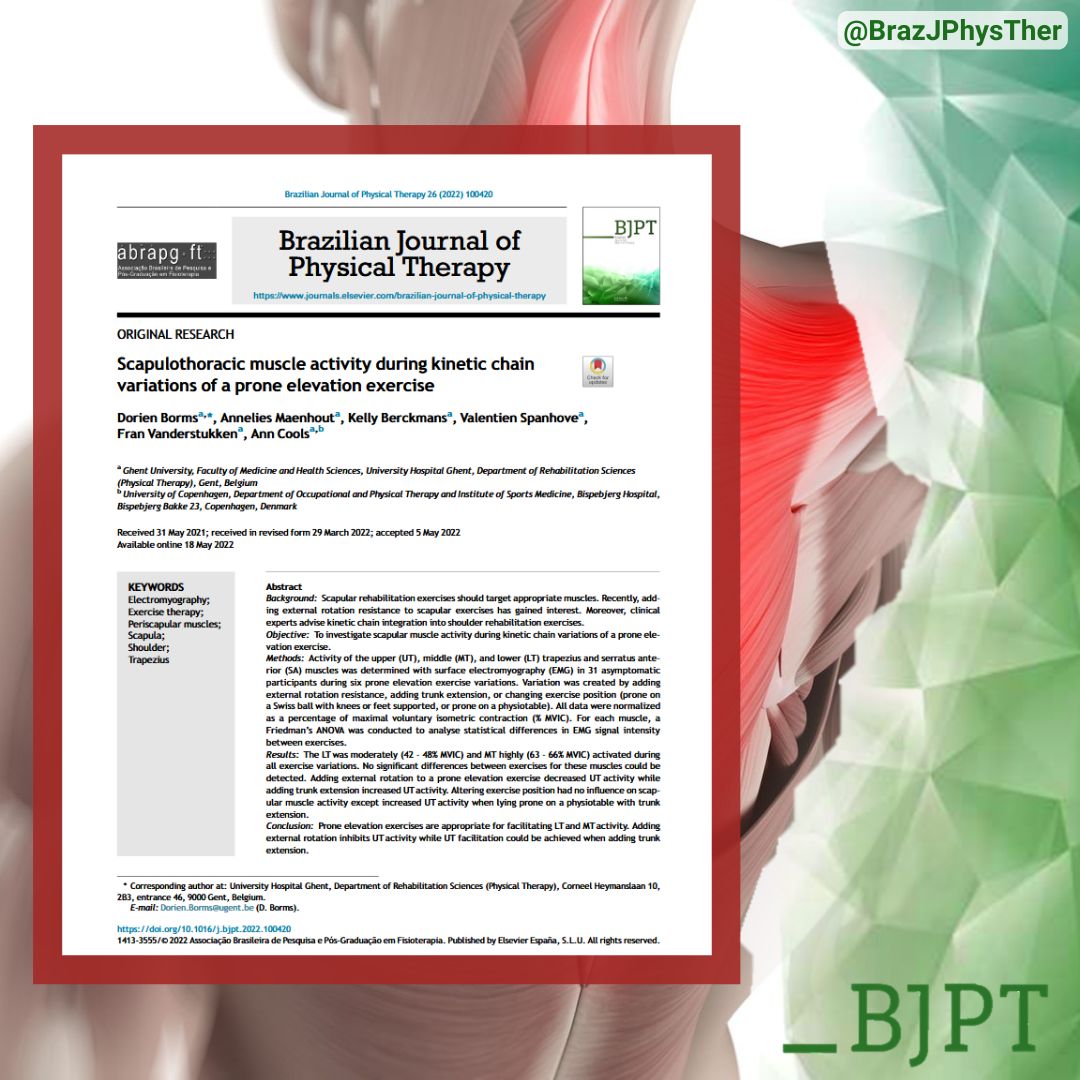
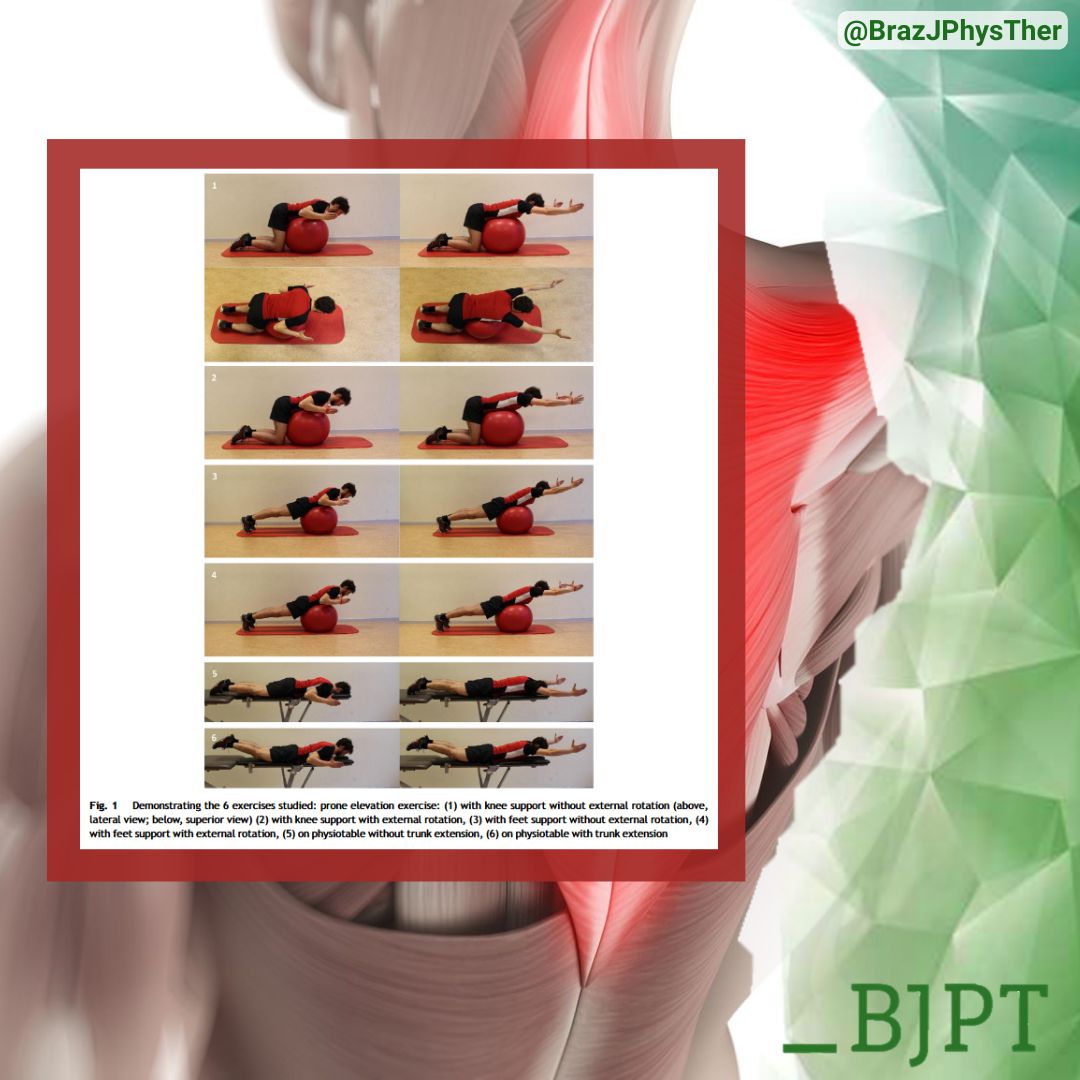
🎯 To investigate scapular muscle activity during kinetic chain variations of a prone elevation exercise
📊 Adding ext rotation inhibits UT activity
📊 UT facilitation could be achieved when adding trunk extension
🔗 doi.org/10.1016/j.bjpt.2022.…
#BJPT #MuscleActivity #Exercise
1
7
329

10 Nov 2022
@Orthokintrack will present 1 podium, and 1 poster related to #jointkinematics & #muscleactivity #shouldersurgery #shoulderdata in #ORS2023
Thanks to our team & collaborators! @rabeeh_m @kiapoura @EntezariVMD
#OrthoResearch #MSKdiseases
#telemedicine #Orthotwitter #MEDTECH
1
4

21 Oct 2022
Alex @alexpwolf shares some of the key findings between rowers with low back pain and healthy rowers (no low back pain). #rowing #biomechanics #rowingbiomechanics #pelvis #muscleactivity #fatigue
4
7

@RArmstrong1993 from @LJMUSportSci compares the #kinematics and #muscleactivity of three #squat variations
Squat variation did not influence hip/knee/ankle ROM with Gluteus Max activity is similar between all squat variations
@delsysinc @QualisysUK #BIG2022
2
4

16 Oct 2021
MSK Course @UoNPhysio @UoNSportRehab
Shoulder rehab #Evidence #MuscleActivity #RotatorCuff #Shoulder #Physio #PhysicalTherapy
👀👇👇
16 Oct 2021

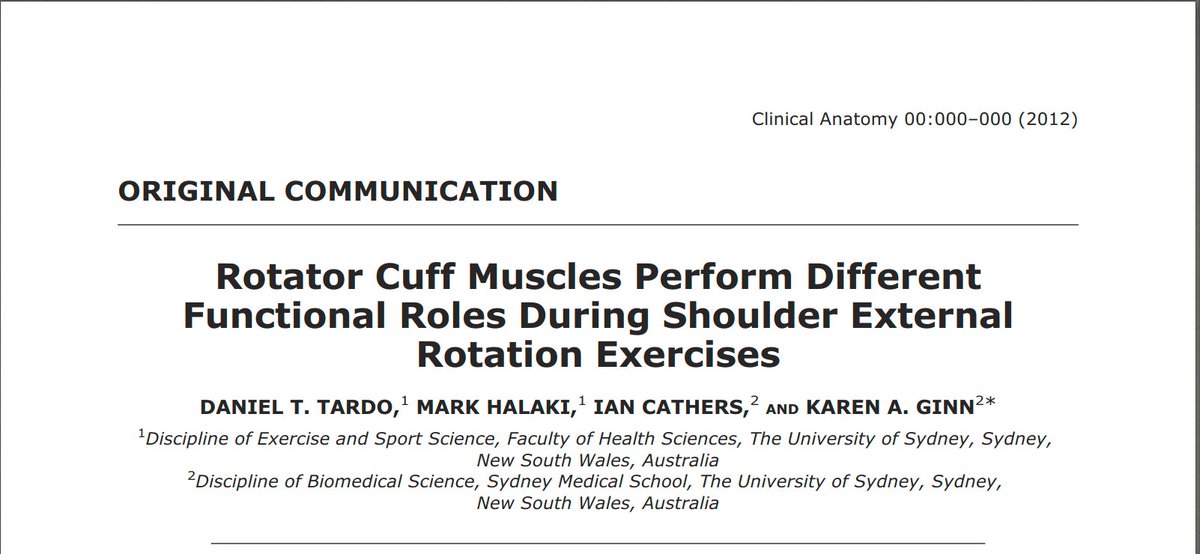
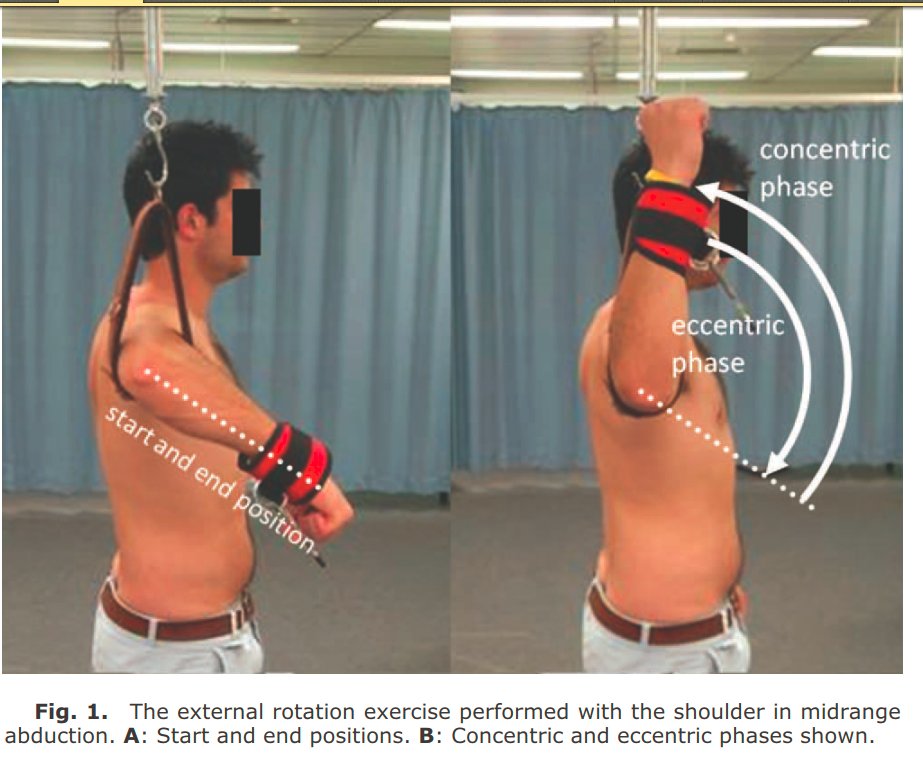
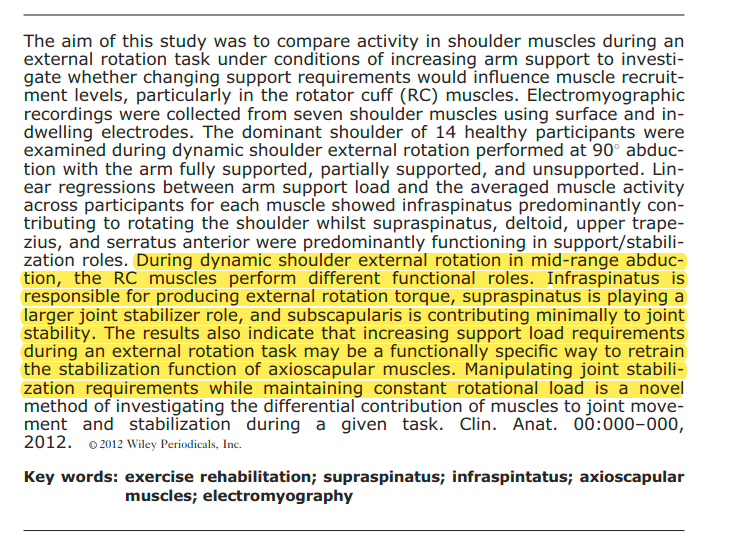
Rotator cuff muscles perform different functional roles during shoulder external rotation exercises
👀👀👇👇
pubmed.ncbi.nlm.nih.gov/2283…
1
3

7 Sep 2021
‘It was clear to see how it could help more skilled drivers make changes that would benefit their race times’
Check out @BarnabyLane_ experience of testing with us at the Goodwood Circuit… via @thisisinsider 🏎📊 insider.com/what-its-like-to… #motorsport #biomechanics #muscleactivity
1
2