
PCAP files are the gold standard of network forensics — full packet captures that preserve complete network conversations, including payloads.
Unlike flow records or connection logs, PCAPs capture everything: every byte transmitted, every protocol exchange, every payload. This makes them invaluable for deep-dive investigations into data exfiltration (T1041), command-and-control traffic (T1071), and lateral movement.
Capture methods include tcpdump on Linux/Unix systems, Wireshark for targeted collection, or enterprise-grade network taps and SPAN port configurations. Analysis tools range from Wireshark and tshark for manual inspection to NetworkMiner for automated artifact extraction and Zeek for converting PCAPs into structured logs.
PCAPs enable file carving from network streams, credential harvesting from cleartext protocols (FTP, HTTP Basic Auth, Telnet), malware payload extraction, and full reconstruction of attacker C2 sessions. You can literally replay what happened on the wire.
The tradeoff: storage. A 1 Gbps link generates approximately 450 GB of uncompressed PCAP data per hour. Plan your retention strategy accordingly — many orgs capture selectively at chokepoints or use triggered capture during incidents.
When logs fail you, PCAPs tell the truth.
#DFIR #NetworkForensics
20

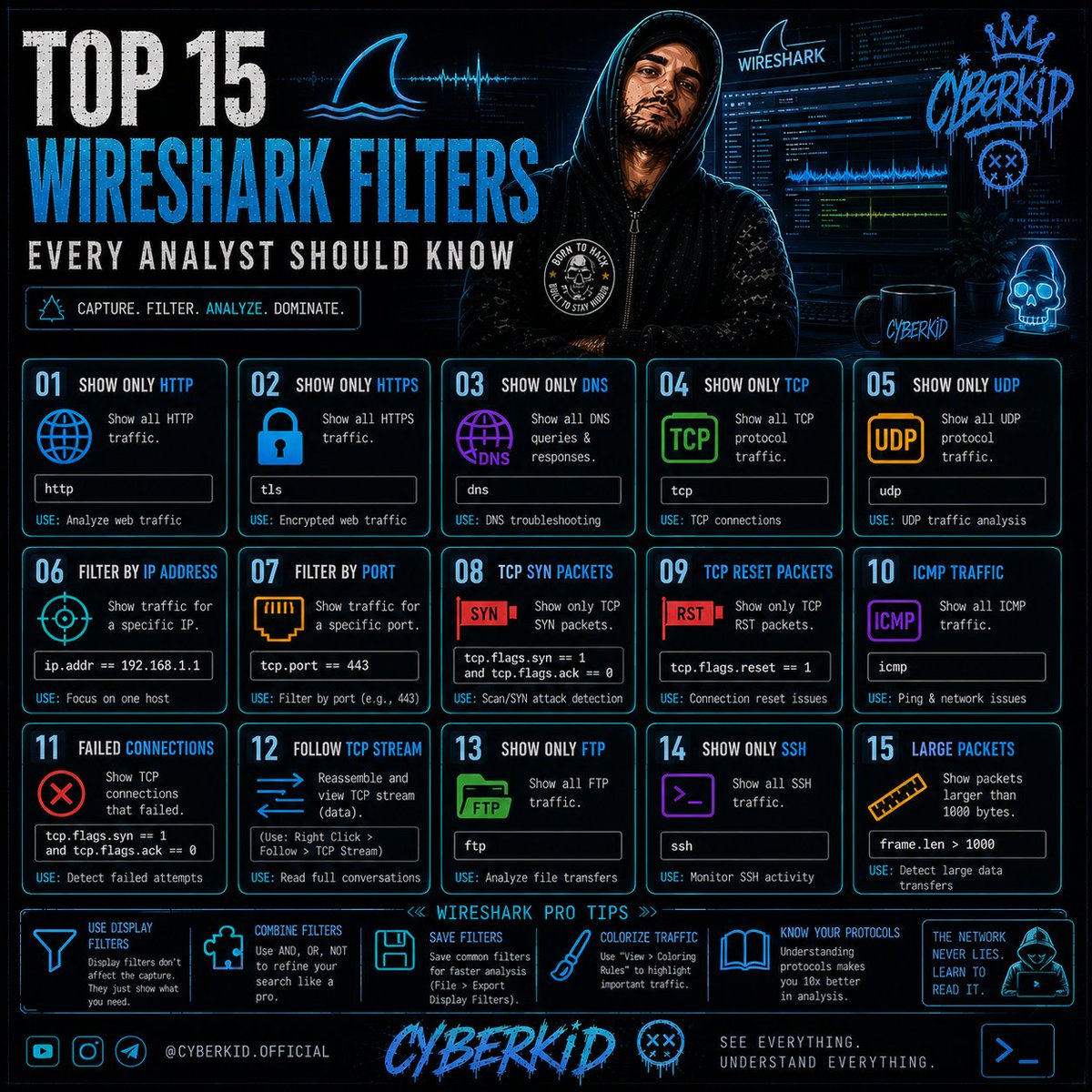
🦈 Top Wireshark Filters — See What’s Really Happening on Your Network
Wireshark isn’t just about capturing packets — it’s about understanding the story behind the traffic.
💬 Comment “FILTERS” and I’ll send more details.
#Wireshark #NetworkForensics #CyberSecurity
2
11
61
970

May 21
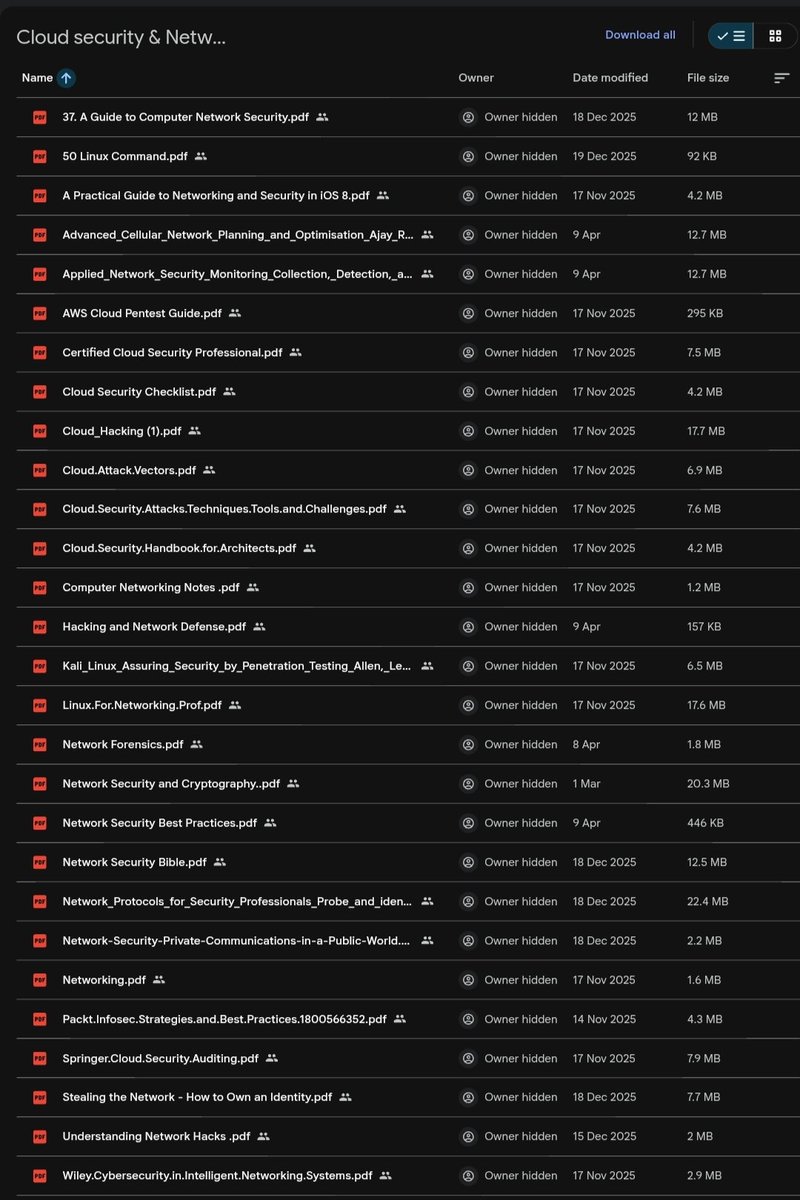
🔥 Cloud Security & Networking Collection
(Cloud Security • Network Security • Forensics • AWS • Cryptography • Defense)
Inside the collection: • Cloud Security Fundamentals
• AWS Cloud Pentesting
• Cloud Attack Vectors
• Network Security
• Network Forensics with Wireshark
• Cryptography Basics
• Network Protocol Security
• Linux for Networking
• Security Monitoring & Detection
• Infosec Best Practices
• Cloud Security Auditing
• Identity & Network Attacks
Topics Covered: • Cloud Infrastructure Security
• AWS Security Testing
• Network Defense
• Packet Analysis
• Threat Detection
• Security Monitoring
• Cryptography
• Network Protocols
• Cloud Auditing
• Attack Surface Analysis
• Incident Investigation
Strong cybersecurity fundamentals start with: • Networking
• Protocols
• System behavior
• Traffic analysis
• Cloud architecture understanding
Without networking knowledge, most security concepts become guesswork.
📥 Collection Folder:
drive.google.com/drive/mobil…
#CloudSecurity #NetworkSecurity #CyberSecurity #AWS #CloudComputing #NetworkForensics #Wireshark #Cryptography #BlueTeam
2
29
100
2,783

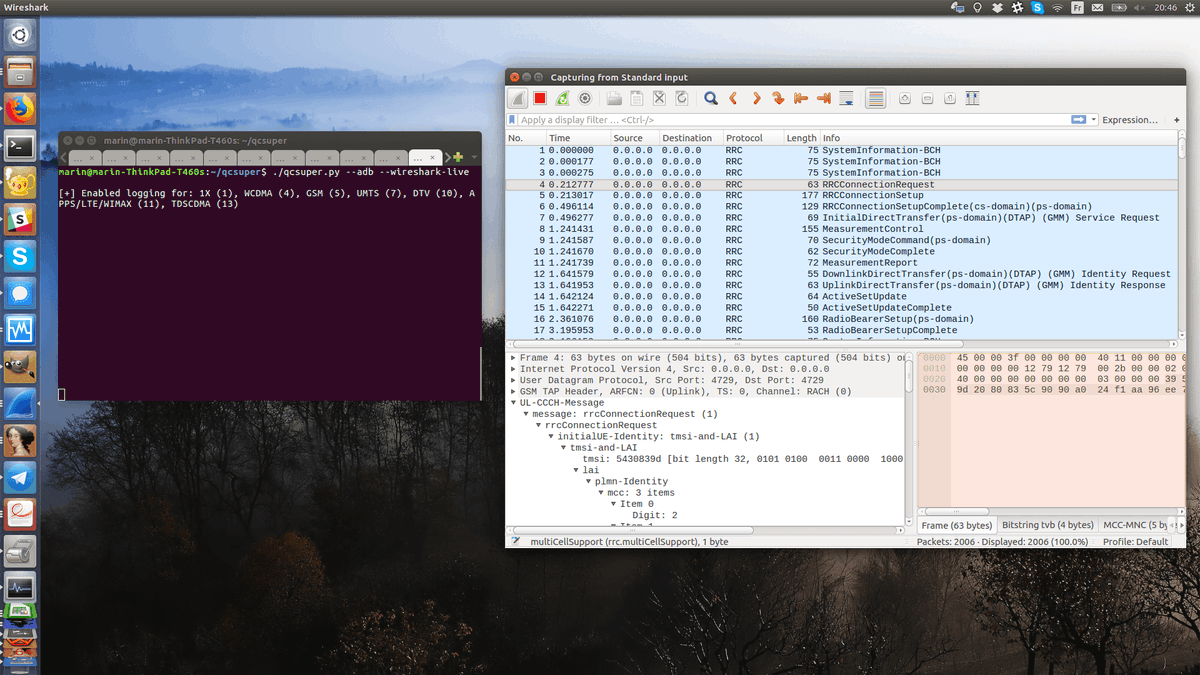
Wireshark 4.6.5 fixes over 40 flaws, including RCE flaws in TLS, RDP, and SBC modules. Patch now to prevent attackers from hijacking your analysis host.
#Wireshark #CyberSecurity #RCE #NetworkForensics #InfoSec #SOC #NetworkAnalysis #BugBounty #CVE
meterpreter.org/wireshark-4-…
1
9
646

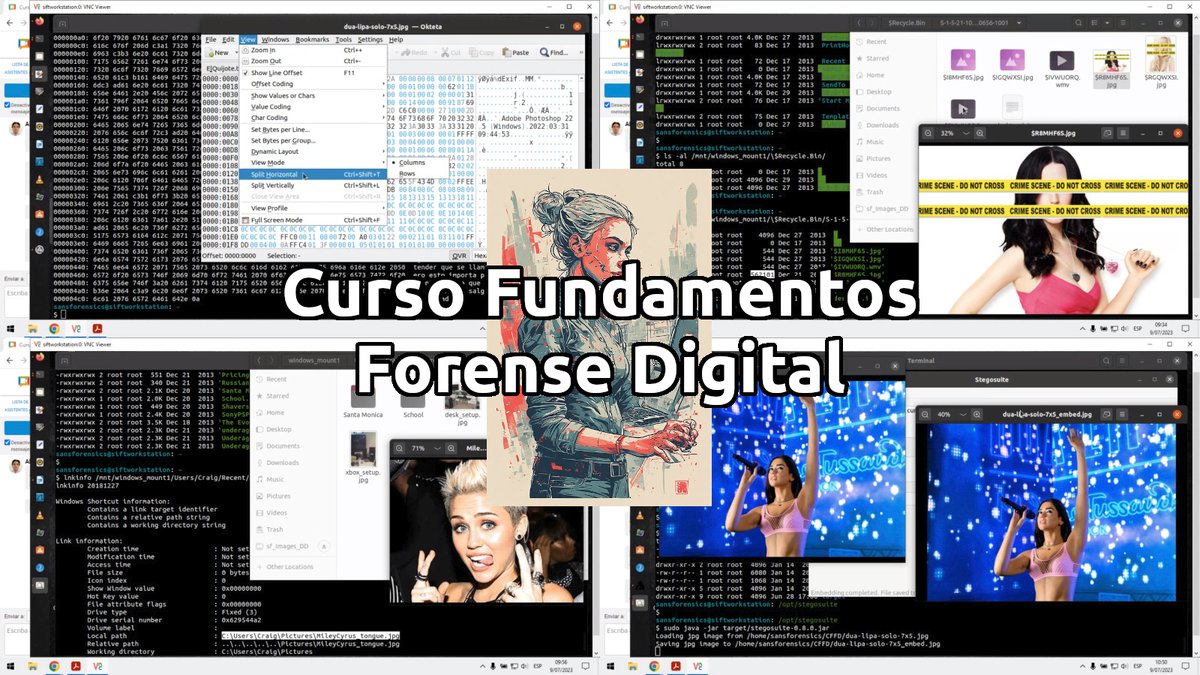
🎖️ El Curso Fundamentos de Forense Digital está permanente disponible en el aula virtual para acceso inmediato. 📲 WhatsApp: wa.me/51949304030 🌐 reydes.com/e/Curso_Fundament…
#memoryforensics #networkforensics #forensictools #digitalevidence #cybercrime #dfir #digitalforensics
1
1
12
317

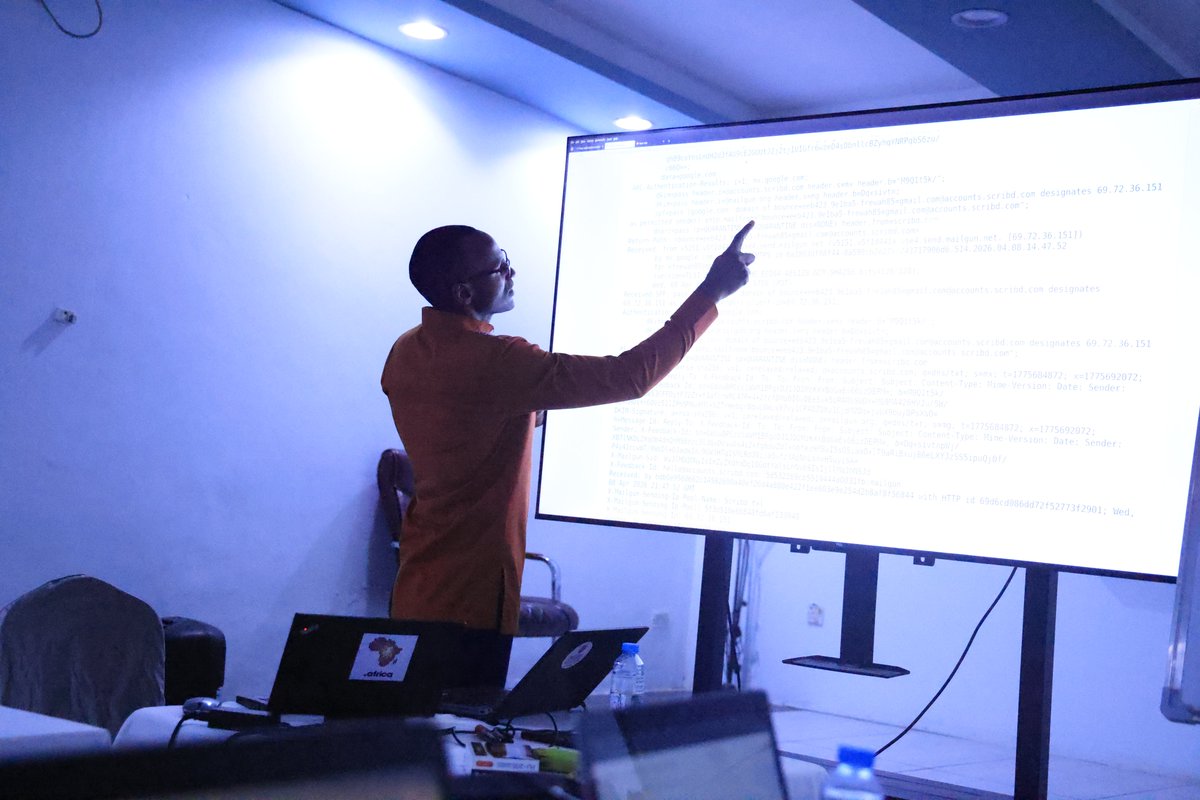
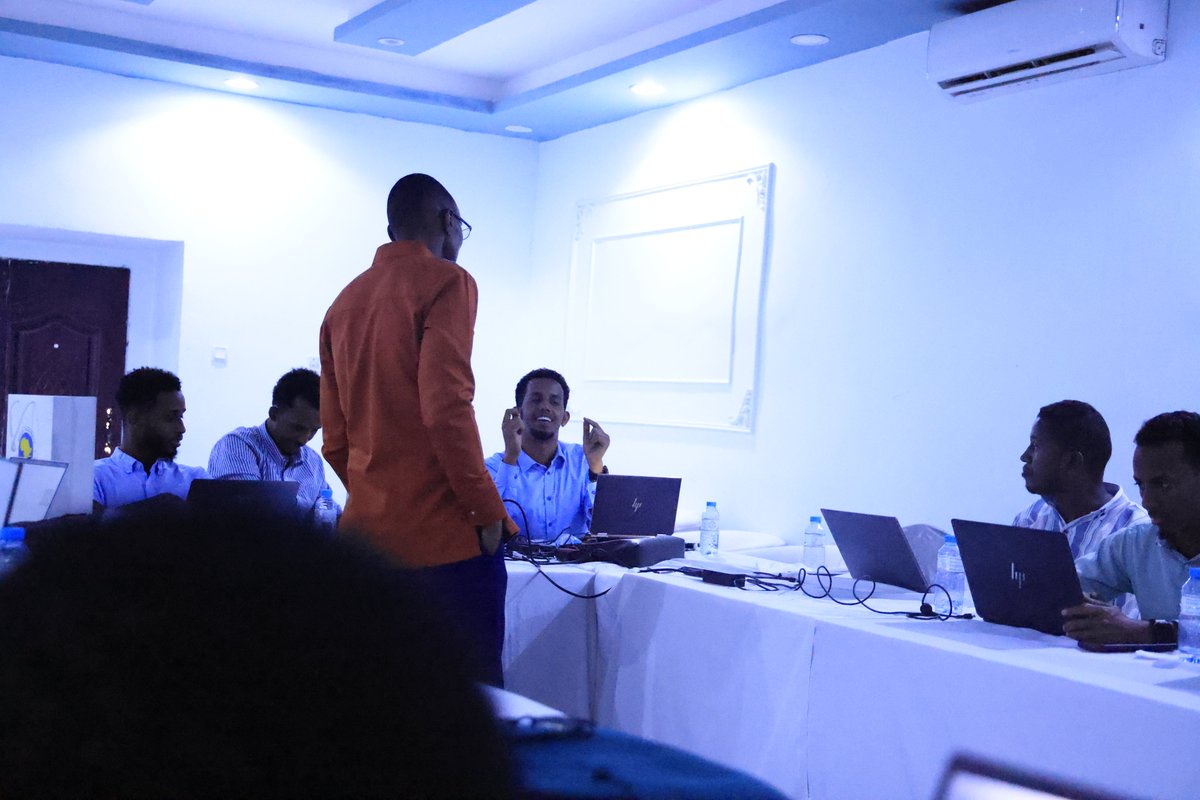
Day 3 of the EC-Council Incident Handling training covered Email Security and Network Forensics.
#CyberSecurity #EmailSecurity #NetworkForensics #IncidentResponse #ECCouncil
16

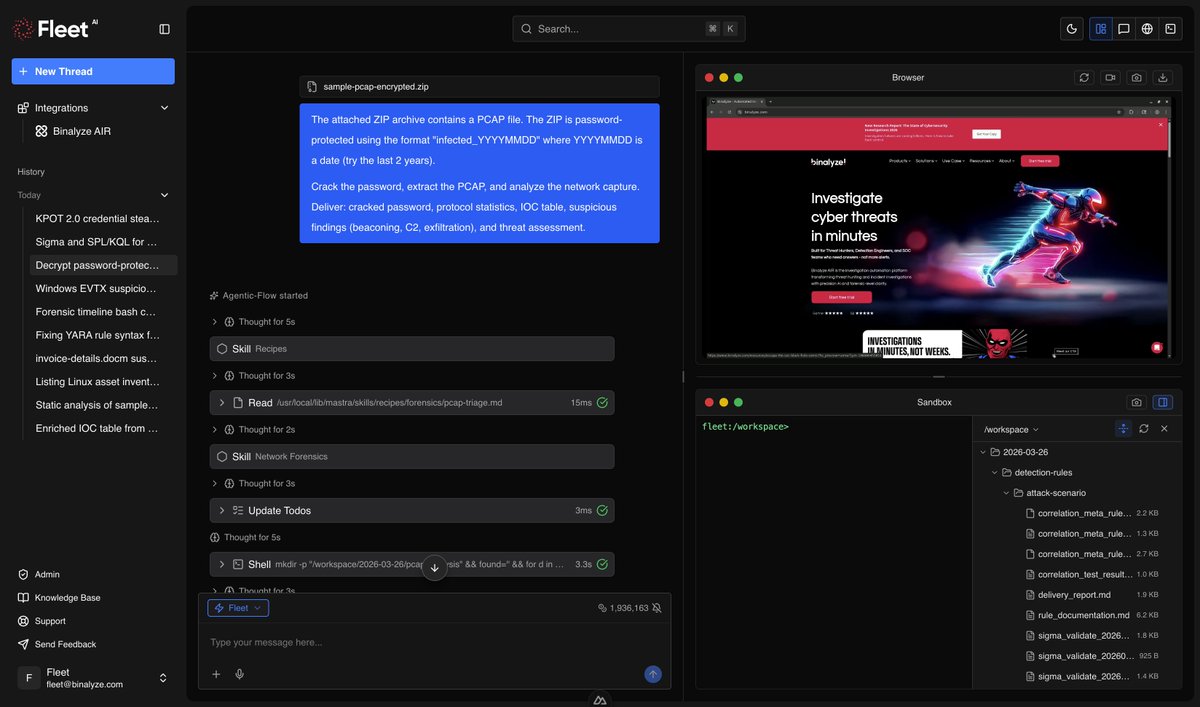
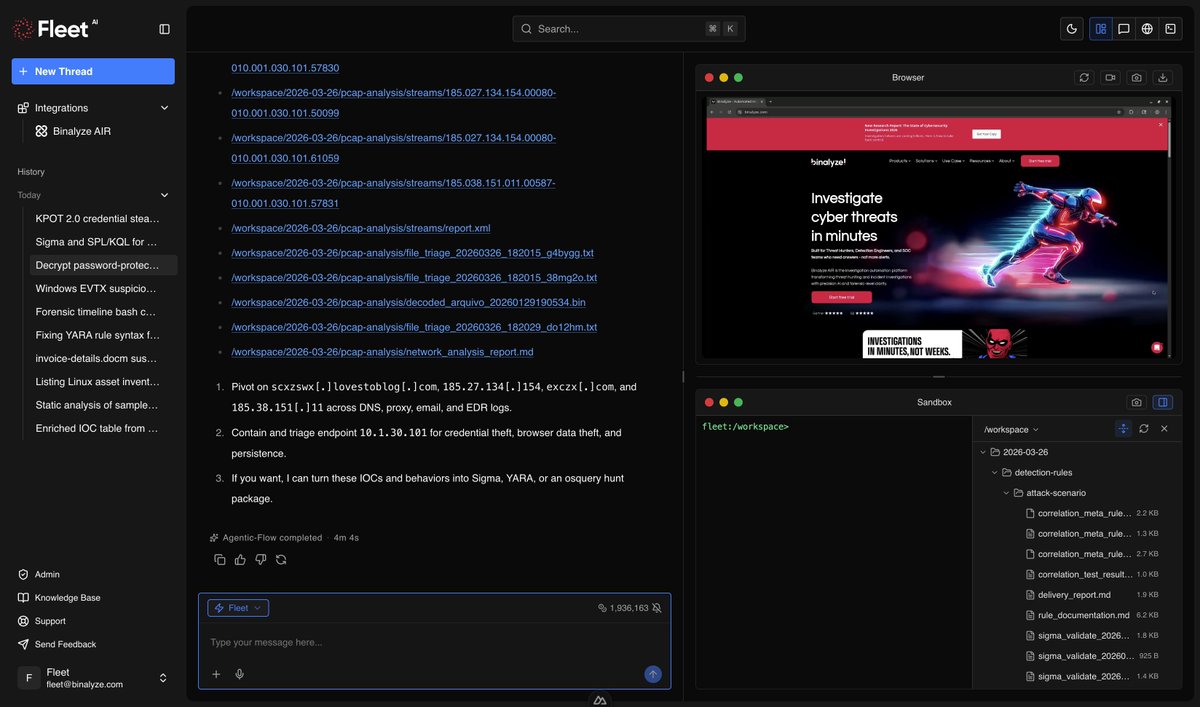
Password-protected PCAP? Fleet cracked, extracted, analyzed, and delivered actionable IOCs in minutes, not hours. From locked ZIP to full threat assessment, fast. Join the waitlist: bit.ly/4sIJLIK #DFIR #ThreatHunting #AISOC #IR #XDR #NetworkForensics #IOC
2
270

┌──[DRAGON403]─[~/forensics]
└──╼ $ nmap -p 33356 adm-api-*
apifalla.com OPEN
joymi.live OPEN
fallalite.com OPEN
taeal.live OPEN
Same port. Same server. Same operator.
@Google @GooglePlayDev
#NetworkForensics #OSINT #DRAGON403
1
14
┌──[DRAGON403]─[~/forensics]
└──╼ $ nmap -p 33356 adm-api-*
apifalla.com 33356/tcp OPEN
joymi.live 33356/tcp OPEN
fallalite.com 33356/tcp OPEN
taeal.live 33356/tcp OPEN
4 "different companies."
1 admin panel. 1 port. 1 operator.
#NetworkForensics #DRAGON403
1
25
أدمِنْ بانيلٌ واحدٌ على بورتِ ثلاثةٍ وثلاثينَ وخمسينَ وستةْ
أدمْ-آبي-ثلاثةٍ وثلاثينَ وخمسينَ وستةْ
أبي فلا وجويمي وفلا لايت
كلُّها تحتَ يدِ مجرمٍ واحدٍ
#NetworkForensics
1
31
5/12
ALL APPS SHARE ONE ADMIN PANEL:
adm-api-33356.apifalla.com
adm-api-33356.joymi.live
adm-api-33356.fallalite.com
adm-api-33356.taeal.live
Same port (33356). One operator. The "different companies" are a legal illusion.
#NetworkForensics #OSINT
1
40

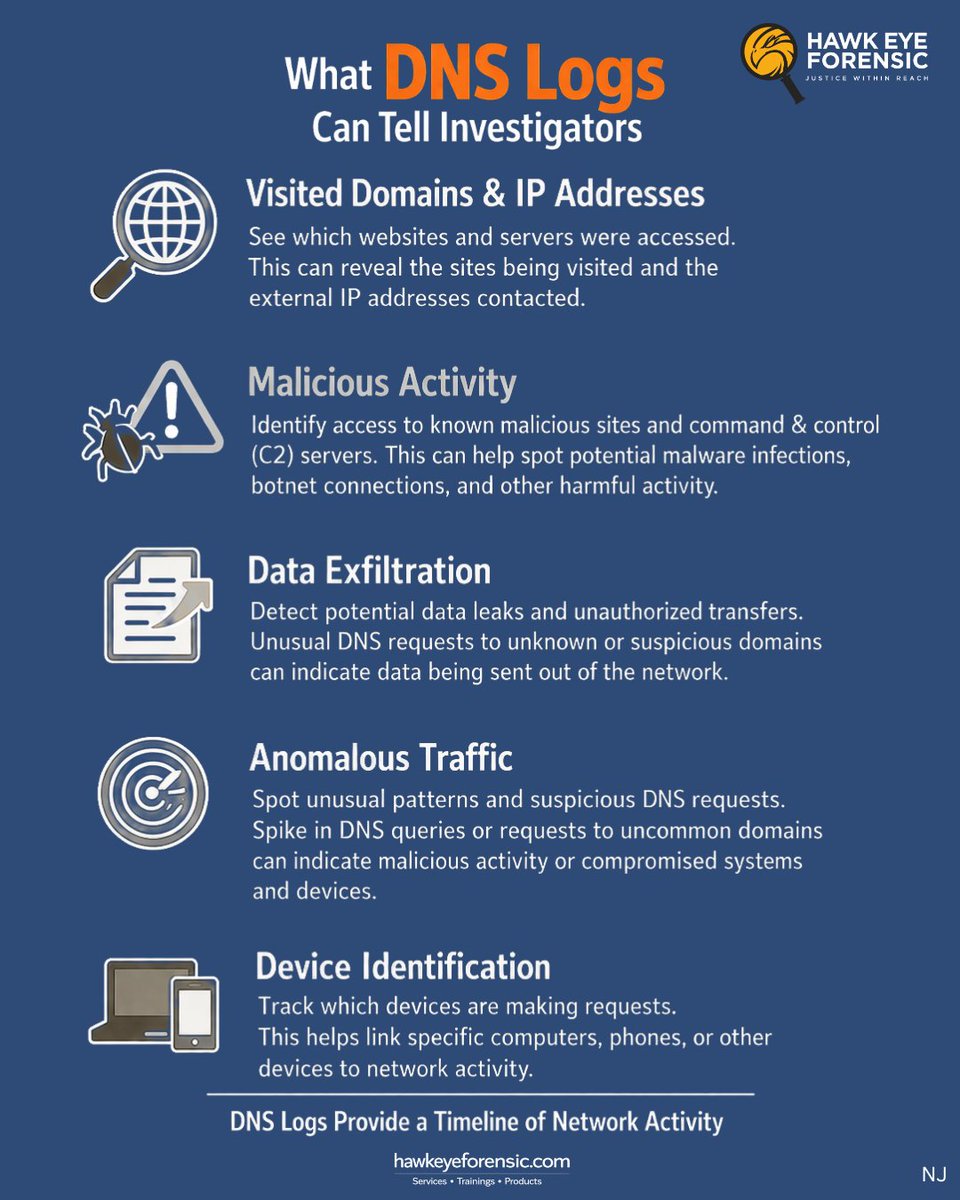
𝐃𝐍𝐒 𝐥𝐨𝐠𝐬 𝐚𝐫𝐞 𝐦𝐨𝐫𝐞 𝐭𝐡𝐚𝐧 𝐣𝐮𝐬𝐭 𝐪𝐮𝐞𝐫𝐢𝐞𝐬 - 𝐭𝐡𝐞𝐲’𝐫𝐞 𝐚 𝐝𝐢𝐠𝐢𝐭𝐚𝐥 𝐭𝐫𝐚𝐢𝐥 𝐨𝐟 𝐢𝐧𝐭𝐞𝐧𝐭.
#dnslogs #digitalforensics #cybersecurity #forensicanalysis #threathunting #incidentresponse #networkforensics #malwareanalysis #cyberinvestigation
10

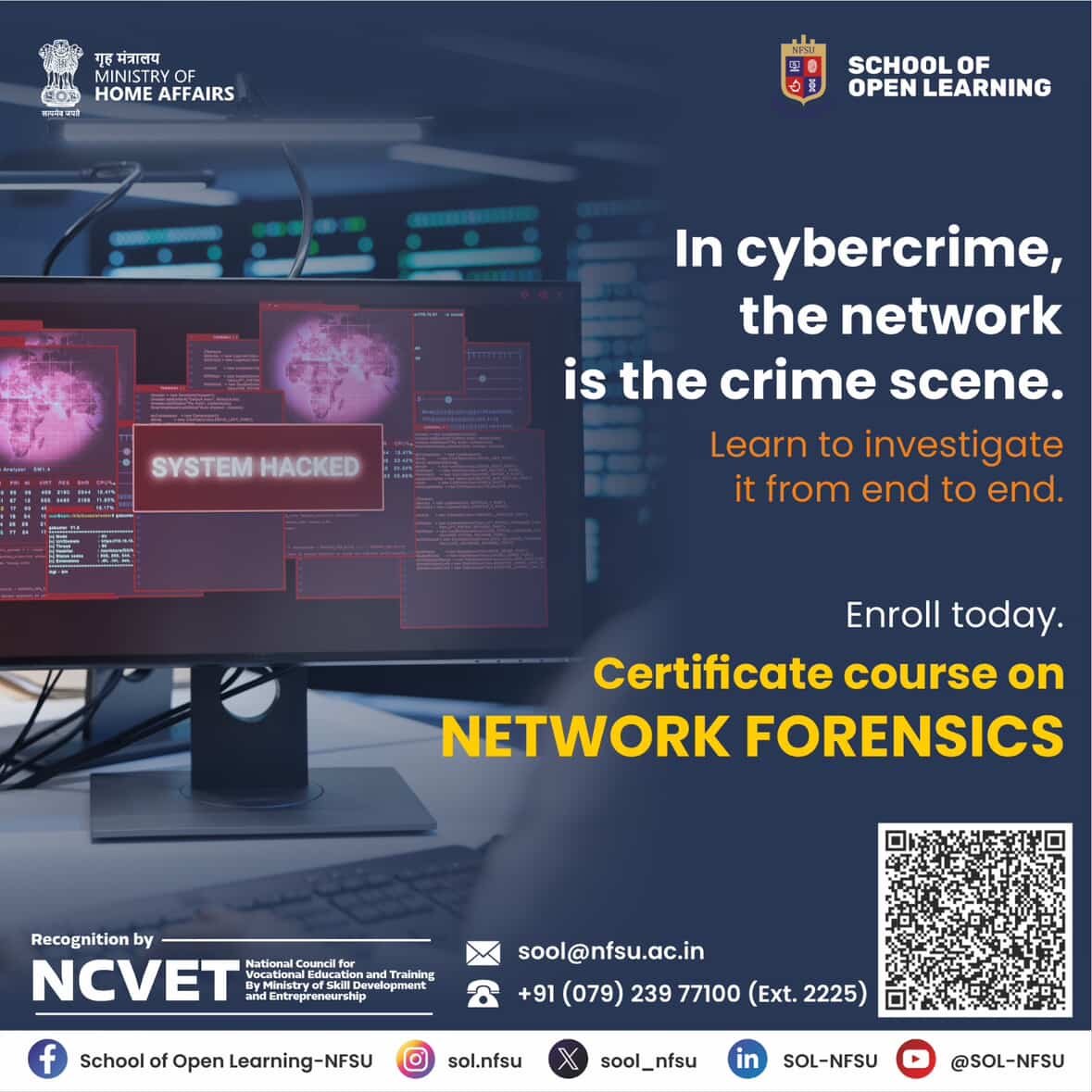
📚 Learn to trace digital evidence & investigate cyber incidents with the Certificate Course on Network Forensics by School of Open Learning, NFSU.
📧 sool@nfsu.ac.in
📞 91 (079) 239 77100 (Ext. 2225)
#NFSU #NetworkForensics #CyberSecurity #CyberCrime #DigitalForensics
1
26

📜 DFRWS EU 2026 | Network & Emerging Forensics
Join us at the Linköping University (LiU) for our #DFRWSEU2026 Paper Session.
👉 Program (Thurs): buff.ly/M6DZn2R
🧿 Register: buff.ly/O5gA8U6
#DFRWS2026 #NetworkForensics
#DroneForensics #MatrixProtocol #OSINT
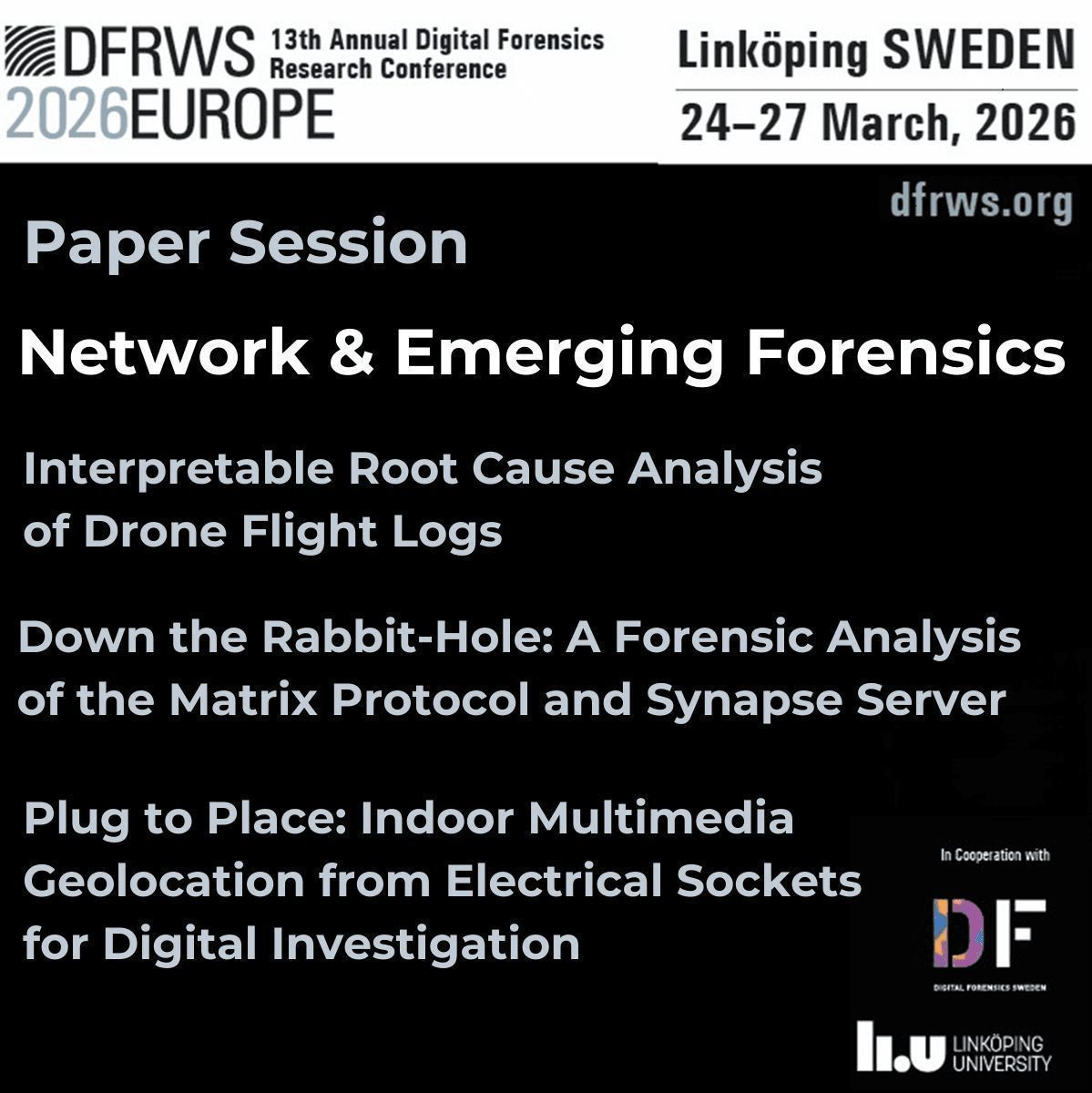
ALT 📜 DFRWS EU 2026 | Network & Emerging Forensics Join us at the Linköping University (LiU) for our #DFRWSEU2026 Papers Session. 👉 Program (Thurs): https://buff.ly/M6DZn2R 🧿 Register: https://buff.ly/O5gA8U6
1
2
183

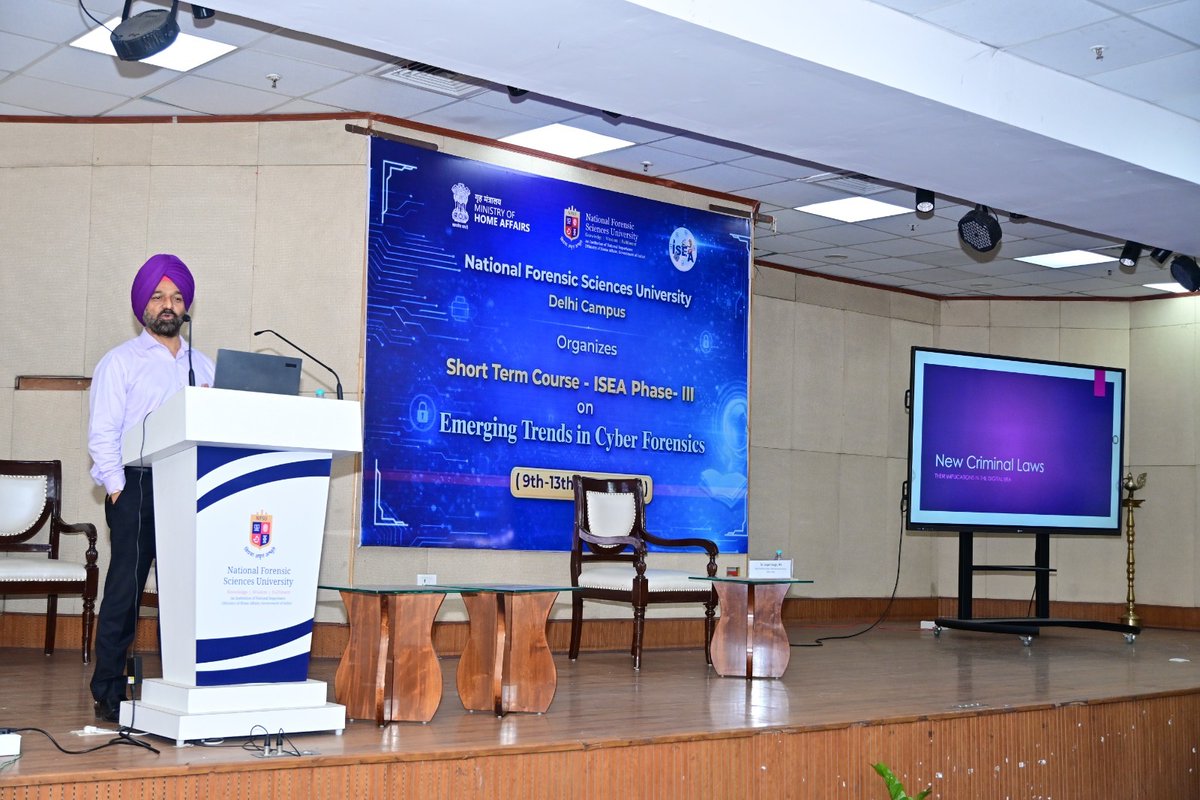
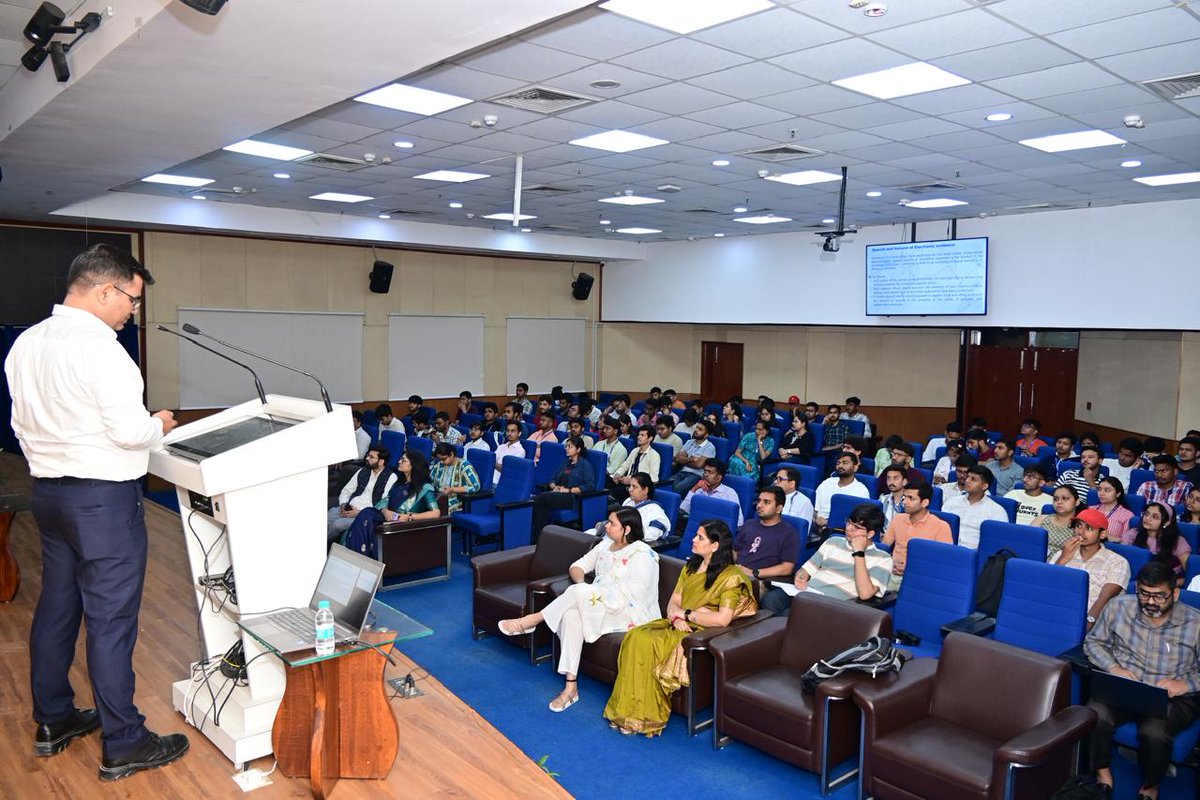
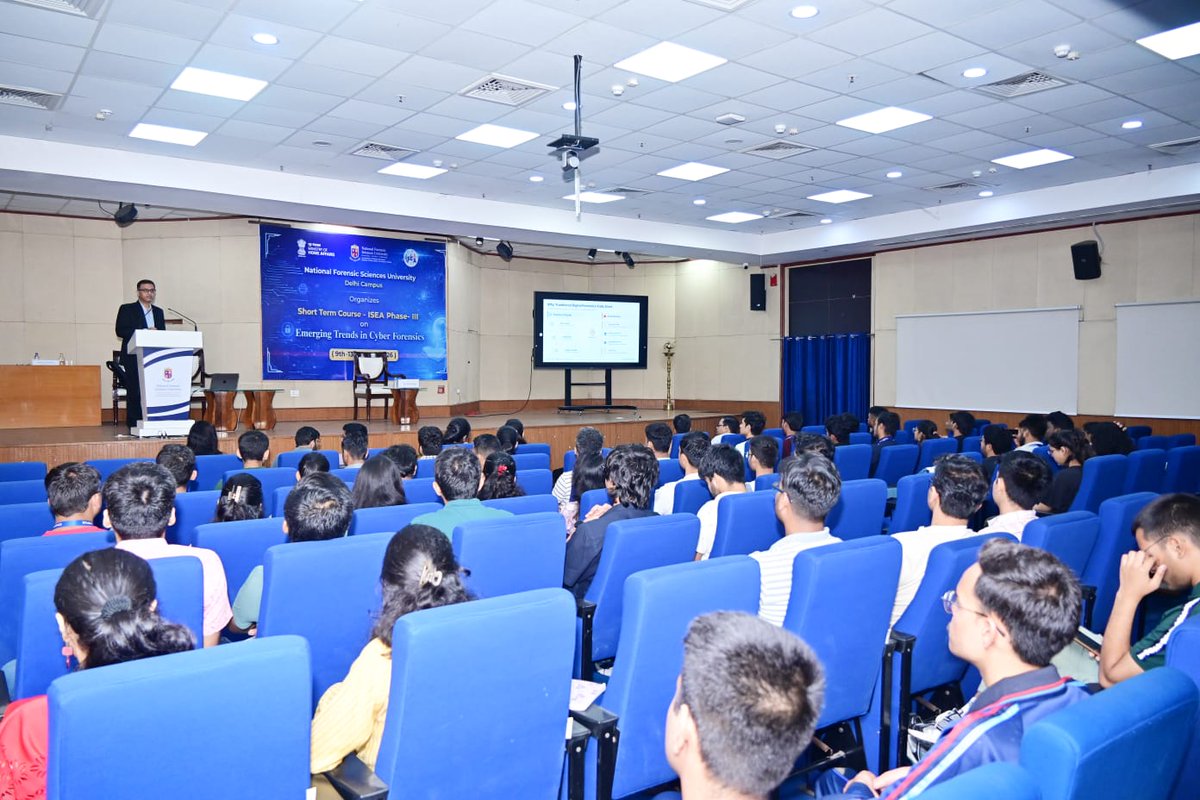
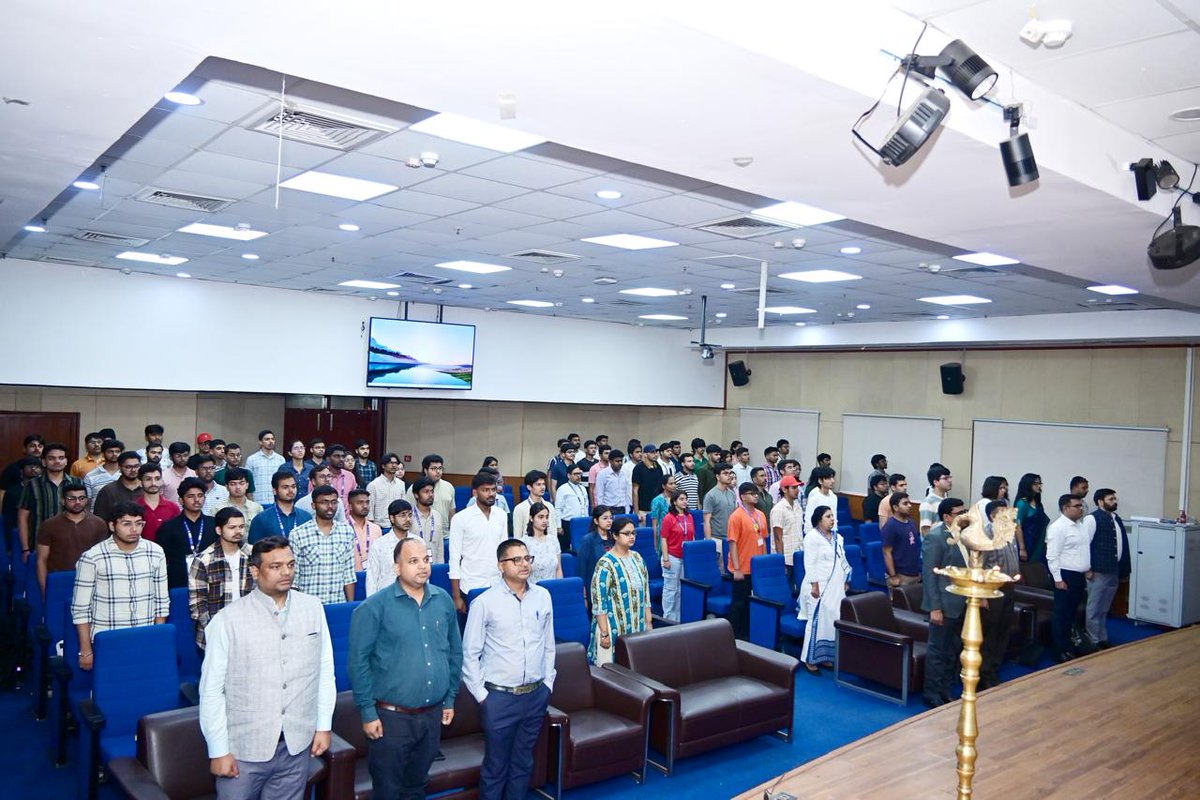
We completed 5-Day Short-Term Course “Emerging Trends in Cyber Forensics from March 9-13, 2026 under the ISEA Phase-III project @GoI_MeitY
#NFSU #NFSUDelhi #CyberForensics #CyberSecurity #DigitalForensics #ISEA #CyberAwareness #OSINT #NetworkForensics #BlockchainForensics
1
108
𝐈𝐧 𝐧𝐞𝐭𝐰𝐨𝐫𝐤 𝐟𝐨𝐫𝐞𝐧𝐬𝐢𝐜𝐬, 𝐩𝐚𝐜𝐤𝐞𝐭 𝐜𝐚𝐩𝐭𝐮𝐫𝐞 𝐭𝐮𝐫𝐧𝐬 𝐢𝐧𝐯𝐢𝐬𝐢𝐛𝐥𝐞 𝐭𝐫𝐚𝐟𝐟𝐢𝐜 𝐢𝐧𝐭𝐨 𝐜𝐥𝐞𝐚𝐫, 𝐚𝐧𝐚𝐥𝐲𝐳𝐚𝐛𝐥𝐞 𝐞𝐯𝐢𝐝𝐞𝐧𝐜𝐞.
#networkforensics #packetcapture #digitalforensics #cyberforensics #networksecurity #cybersecurity
13

📢 New Blog Post: Using Zui for Network Forensics
We’ve just published a new article on our blog covering how to work with Zui for network forensic investigations.
If you’re handling PCAP files and looking for a structured, efficient way to analyze network traffic, this post will give you practical insight into how Zui can support your workflow.
Read the full blog here:
cyber5w.com/blog/using-zui-f…
#C5W #CyberSecurity #NetworkForensics #ZuiTool #PCAPAnalysis #DFIR #SOC #NetworkSecurity #ThreatAnalysis #Cyber5W #MalwareAnalysis #Zeek #Suricata

2
2
183

Mar 2
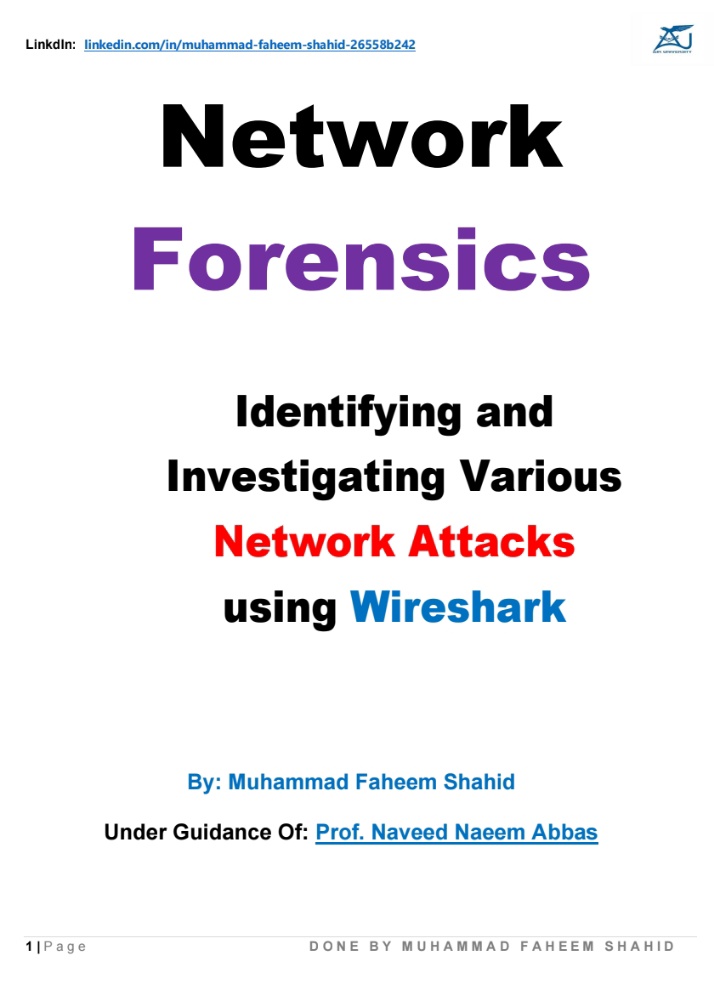
Network Forensics Using Wireshark - See What Really Happened
When something goes wrong on a network, logs tell part of the story.
Packets tell the truth.
DM for pdf
#NetworkForensics #Wireshark #CyberSecurity #IncidentResponse #Infosec
20
📜 DFRWS EU 2026 | Network & Emerging Forensics
Join us at the Linköping University (LiU) for our #DFRWSEU2026 Paper Session.
👉 Program (Thurs): buff.ly/M6DZn2R
🧿 Register: buff.ly/O5gA8U6
#DFRWS2026 #NetworkForensics
#DroneForensics #MatrixProtocol #OSINT
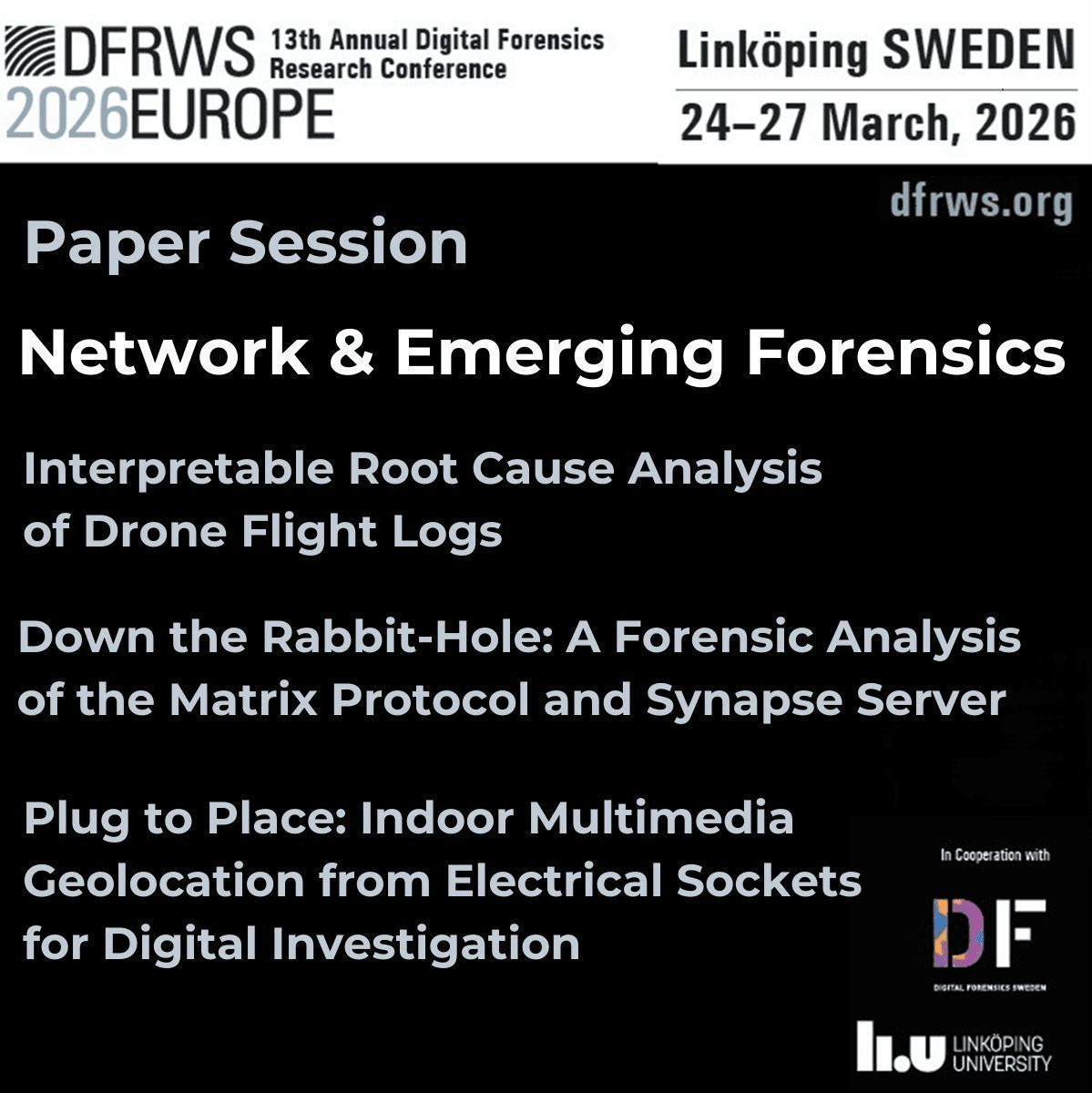
ALT 📜 DFRWS EU 2026 | Network & Emerging Forensics Join us at the Linköping University (LiU) for our #DFRWSEU2026 Papers Session. 👉 Program (Thurs): https://buff.ly/M6DZn2R 🧿 Register: https://buff.ly/O5gA8U6
1
3
289

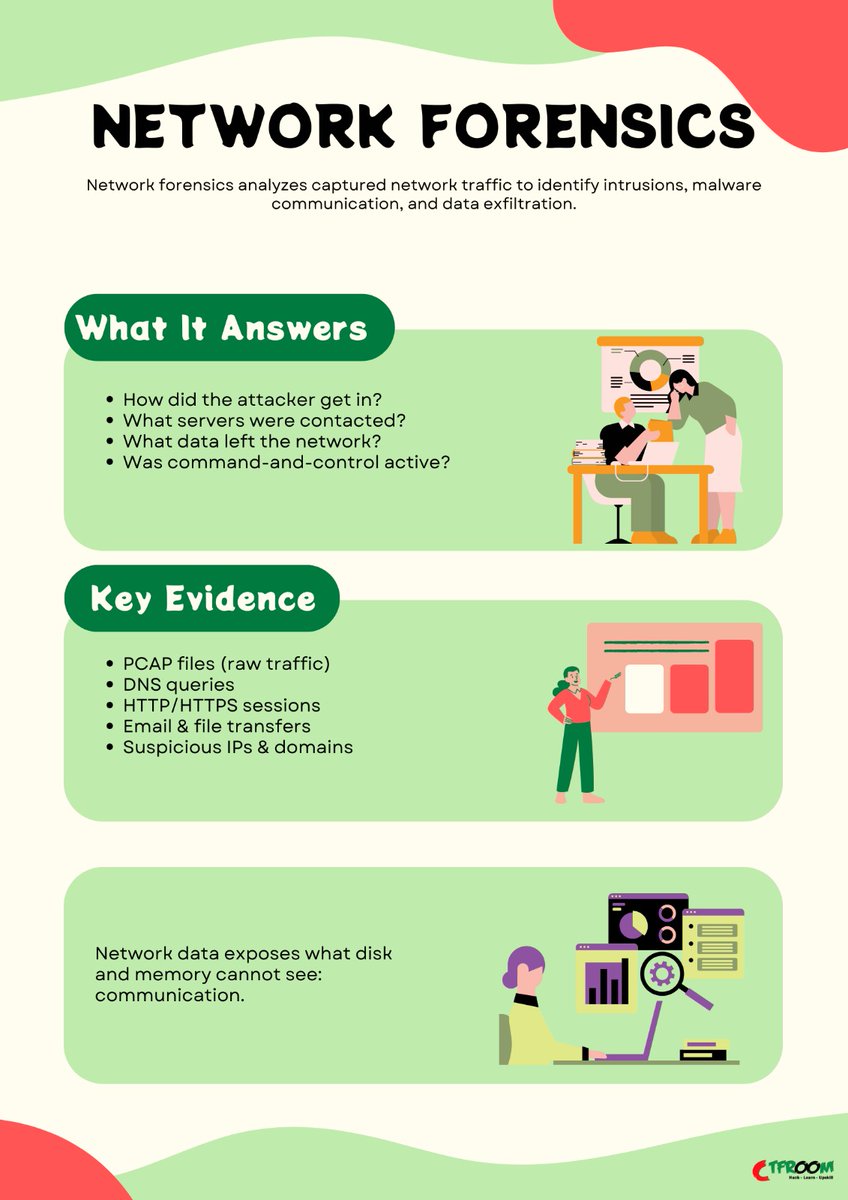
Network forensics follows data in motion to uncover intrusions, command-and-control traffic, and data exfiltration.
What disk can’t show, the network reveals.
Every breach talks.
Every attack sends traffic.
Network forensics listens.
#NetworkForensics #DigitalForensics #DFIR #CyberSecurity #IncidentResponse #MalwareTraffic #ThreatDetection #BlueTeam #PacketAnalysis #CyberDefense #CTFROOM #InfoSecCommunity
1
78