May 3
BioLLM is pioneering adaptive AI by linking real human neurons to large language models, creating biologically responsive systems that evolve with living context.
#BioLLM #AdaptiveAI #NeuralIntegration #BioAI
5
38

The Technology Behind Cyborg Tech
⚕️ Severe trauma. Limb loss. Neural collapse. ⚕️
Once fatal. Now survivable.
Stabilize. Align. Integrate. Seal.
Every augmented soldier is a future we refuse to lose.
The body can be rebuilt. The will cannot.
#CyborgTech #AugmentedSoldiers #Bioengineering #FutureOfWarfare #HumanEnhancement #Cybernetics #MedicalTech #BionicRevolution #TechForLife #NeuralIntegration
7
33
56
1,533

World’s First Two-Way Brain-Computer Interface: A Quantum Leap in Neural Integration
Chinese researchers from Tianjin University and Tsinghua University have unveiled a groundbreaking two-way adaptive brain-computer interface (BCI) that promises to revolutionize the field. Published in Nature Electronics and reported by the South China Morning Post, this system leverages a memristor-based neuromorphic decoder to boost efficiency by 100-fold and reduce energy consumption by 1,000-fold compared to traditional BCIs.
At its core, the interface uses a 128k-cell memristor chip, enabling a one-step decoding strategy through a dual-loop feedback mechanism. One loop continuously refines the brain wave decoder using machine learning, while the other gathers user feedback to enhance control over thought patterns. This dual adaptation allows for stable, real-time performance, enabling the system to achieve four degrees of freedom in movement control; translating into intuitive, precise control over virtual drones, external devices, or even robotic systems.
The implications are profound. In medicine, this BCI could revolutionize rehabilitation for individuals with brain injuries by restoring motor functions. Beyond healthcare, its efficiency and adaptability pave the way for portable and wearable neural interfaces, transforming human-computer interaction and even gaming.
This breakthrough marks an initial step toward a future where biological and machine intelligence co-evolve, unlocking applications that were once the stuff of science fiction. As we look to a future of more intuitive neural interfaces, the promise of this two-way BCI offers a glimpse into a world where technology and humanity truly merge.
#BrainComputerInterface #BCI #NeuromorphicComputing #Innovation #FutureTech #NeuralIntegration
2
210

18 Jun 2019
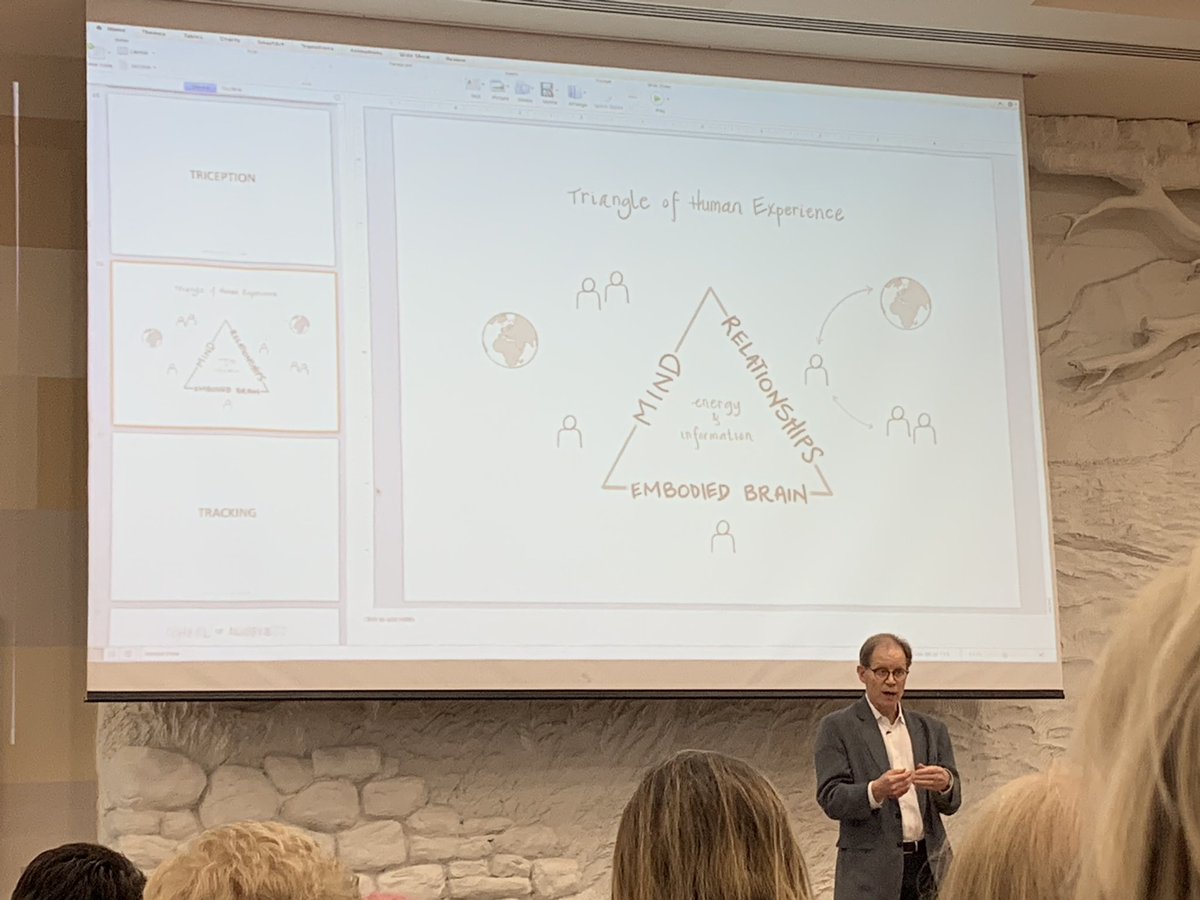
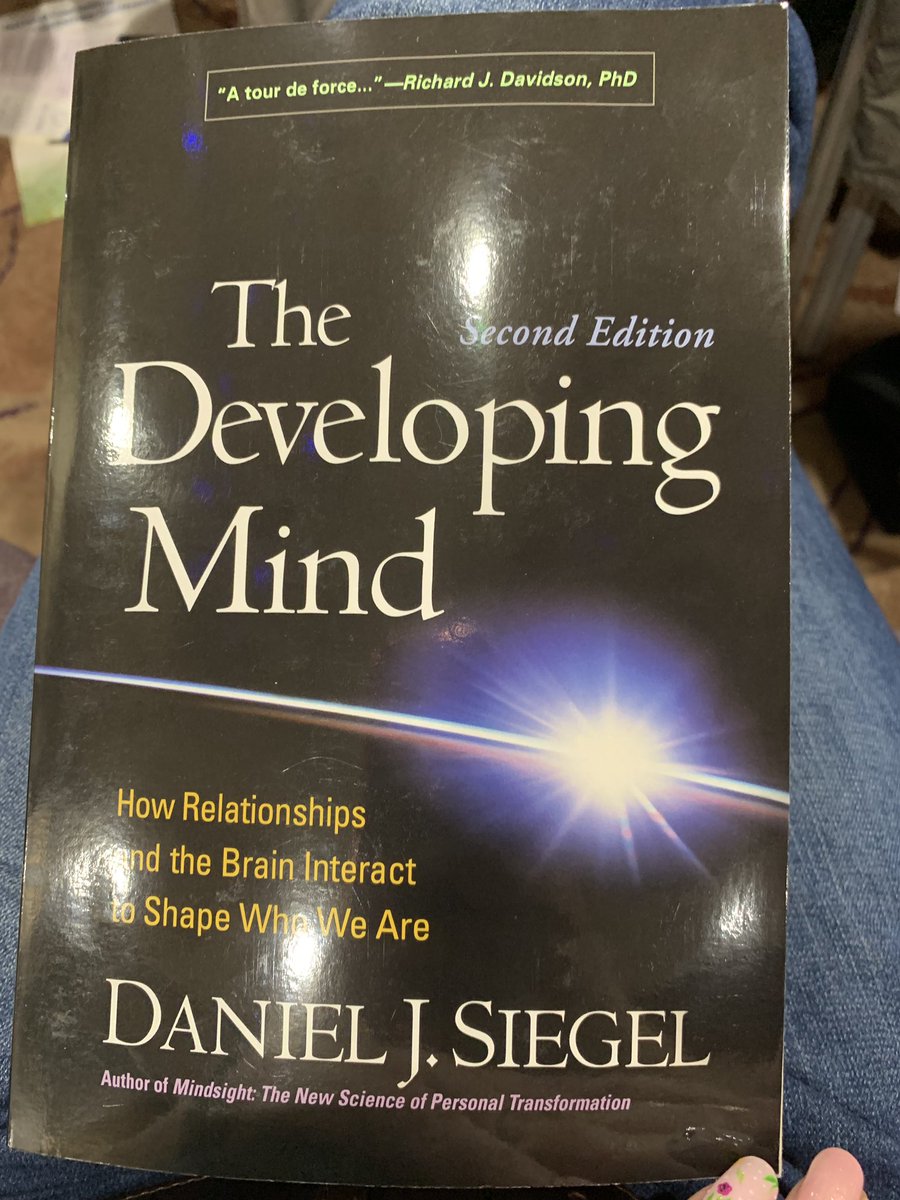
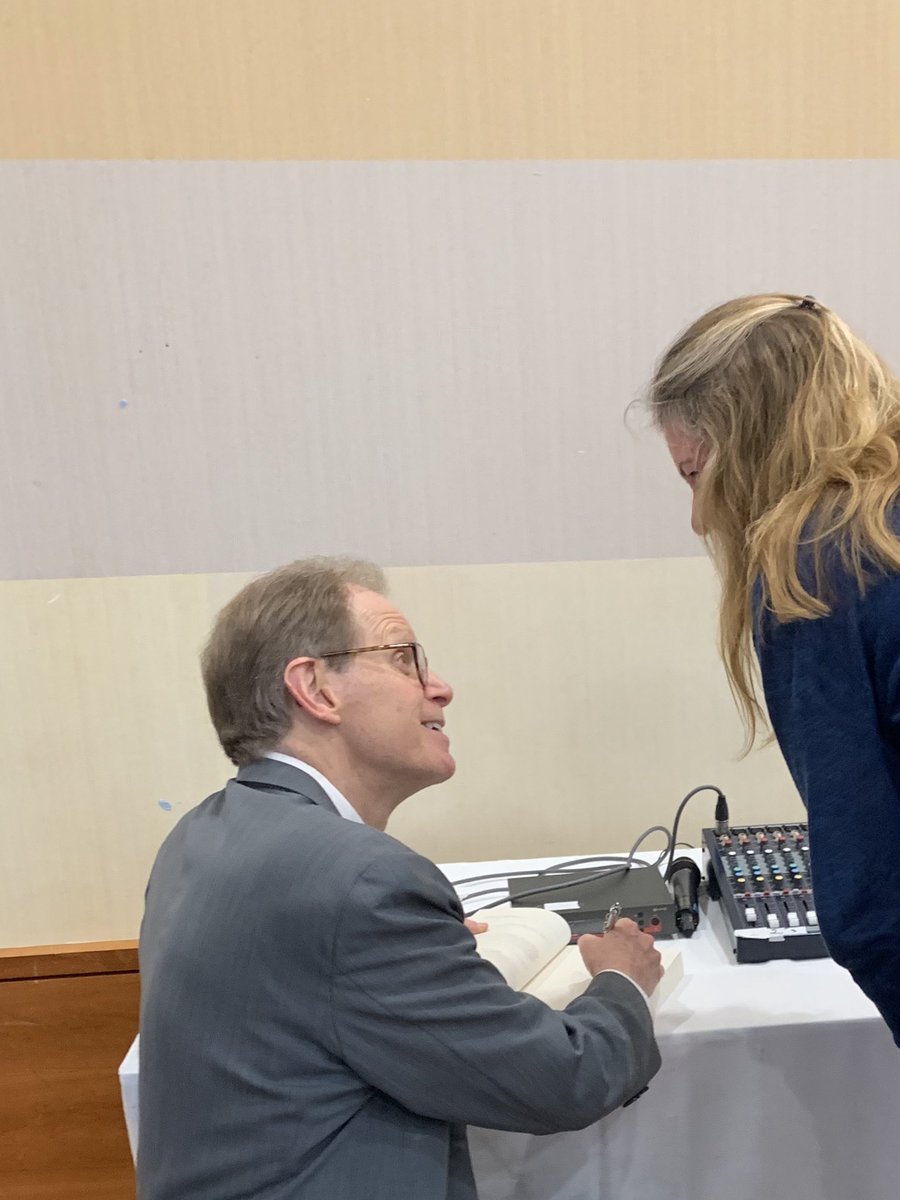
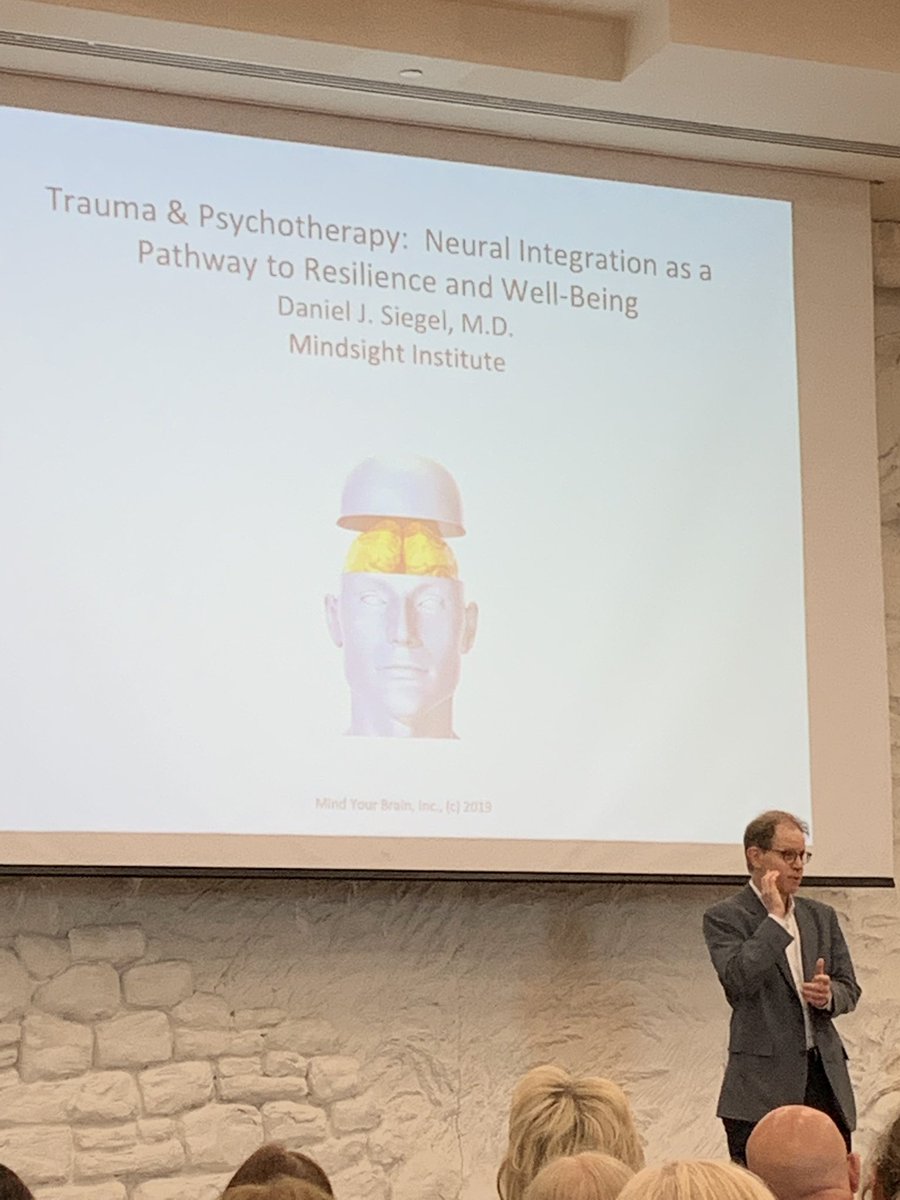
Thanks so much @drdansiegel and @pcpsireland for these two inspiring days. When you finish a training full of questions and joy everything makes sense, that must be #integration and #meaningmaking #neuralintegration

2
3
17 Jun 2019
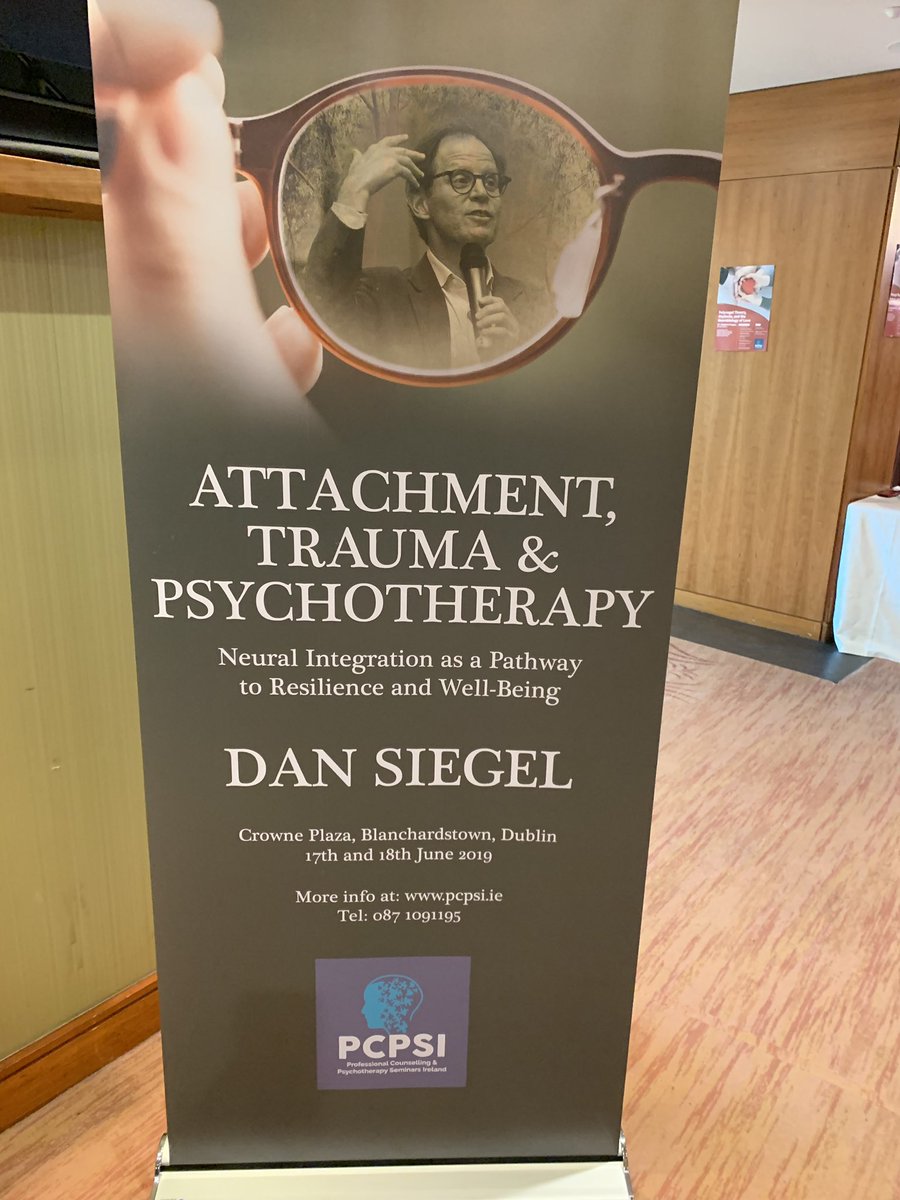
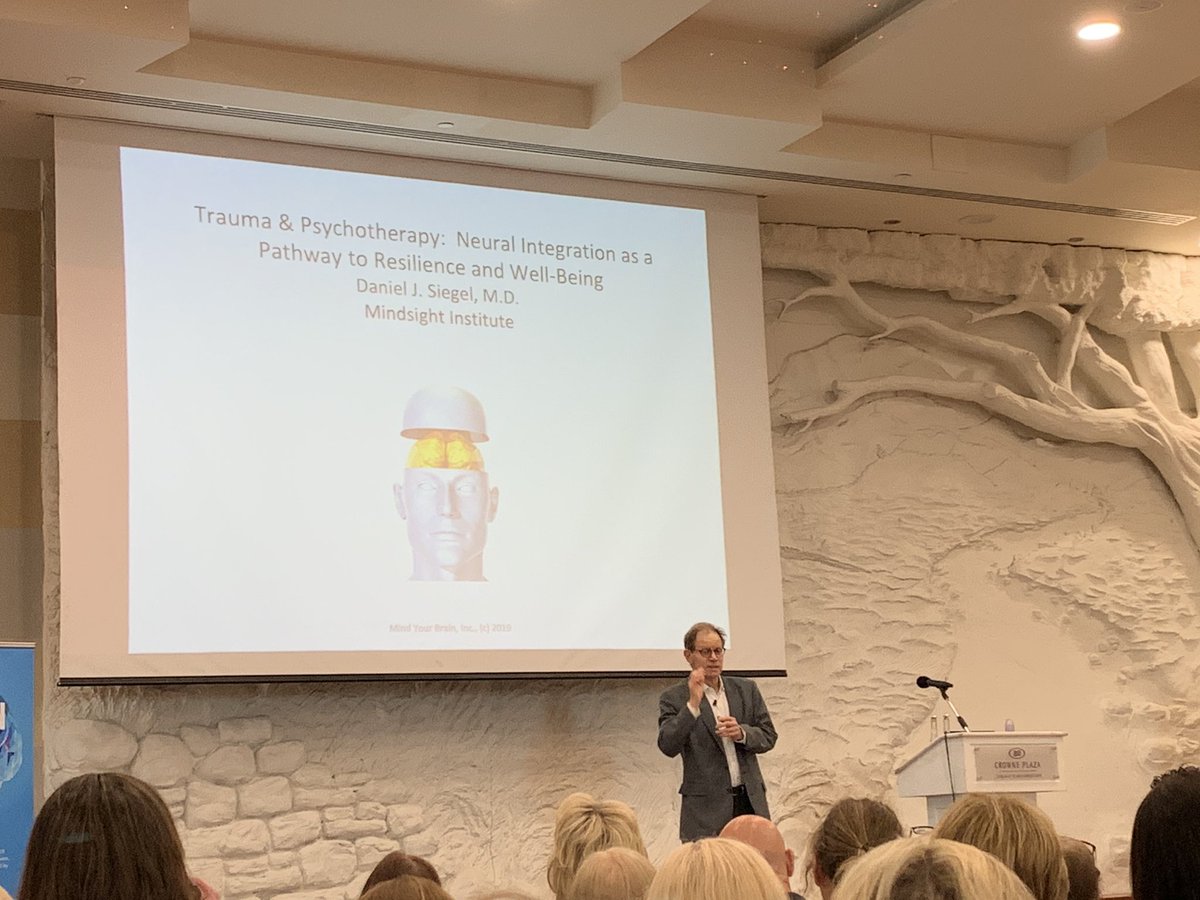
It’s a great pleasure to spend these two days learning from @DrDanSiegel about #neuralintegration #attachment and #trauma here in #dublin
1

7 Mar 2019
Learn how to stop shitting all over your Self #mBraining #mBIT #NeuralIntegration facebook.com/multiplebrainin…
1
1

2 Jan 2018
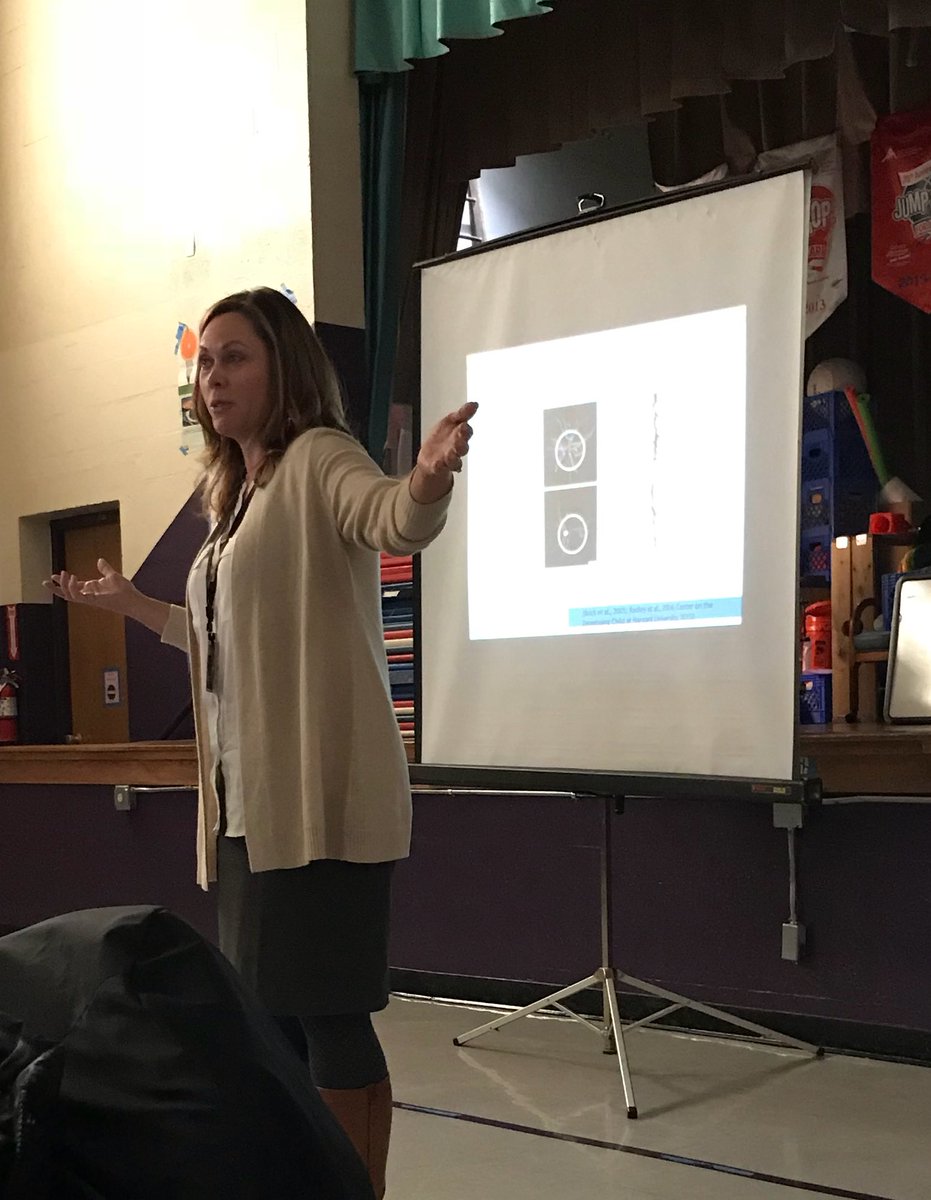
Talking trauma-informed practices at Murrell School. #NeuralPathways #Epigenetics #UpstairsBrainVsDownstairsBrain #DisciplineVsPunishment #NeuralIntegration #SSNREs #GoodStuff #NASPadvocates
1
5

1 Dec 2017
"A true fluid #neuralintegration is going to happen. It's just a matter of time."
#braincomputerinterface #augmentation #neuroscience #innovation
1 Dec 2017

"It’s not inconceivable to think that in a 20-year time frame everything in a cell phone could be put into your head in a minimally invasive way." trib.al/dc65Fqq
1
2

2 Aug 2016
#Mindfulness and #NeuralIntegration: Daniel Siegel, MD at TEDxStudioCityED youtu.be/LiyaSr5aeho via @YouTube, #Relationships, #Recovery

14 Jan 2016
#TEDx - Daniel #Siegel, #MindFulness and #NeuralIntegration
youtube.com/watch?v=LiyaSr5a… #Art
#SapereCondiviso #Scienza

7
7

#TEDx - Daniel #Siegel, #MindFulness and #NeuralIntegration
youtube.com/watch?v=LiyaSr5a… #Art
#SapereCondiviso #Scienza
3
8
14 Jan 2016
#TEDx - Daniel #Siegel, #MindFulness and #NeuralIntegration
youtube.com/watch?v=LiyaSr5a… #Art
#SapereCondiviso #Scienza

6
9