
सोशल मीडिया में रहने के लिए कुछ वी कर रहे है, इन जैसे लोग… हर कोई उठकर धर्म का ठेकेदार बन जाता है..🤦🏻♂️
गुरु साहिबान की ओर पीठ करके गुरुद्वारे में नमाज़, इफ्तारी और इजलास हो सकते हैं, लेकिन योग नहीं… जबकि योग न कोई पूजा-पद्धति है, न कोई धार्मिक अनुष्ठान, बल्कि मानसिक और शारीरिक स्वास्थ्य का एक साधन है…
#Yoga #DoubleStandards #EqualRulesForAll #FreedomOfThought #FairnessMatters #QuestionTheNarrative #TruthMatters #OneRuleForAll #SocialDiscussion #PublicDebate
11
29
76
3,114

Jun 10
जनता टैक्स देती है, जनता सरकार चुनती है, फिर जनता को ही घंटों सड़क पर खड़ा करके परेशान करना किस लोकतंत्र का हिस्सा है?
Cockroach Public Party की मांग है:
✅ VIP Culture पर सख्त नियंत्रण हो
✅ किसी भी नेता या मंत्री के लिए आम जनता को अनावश्यक रूप से न रोका जाए
✅ एम्बुलेंस, छात्रों और आम नागरिकों को प्राथमिकता मिले
✅ कानून सबके लिए एक समान हो
#VIPCultureBandKaro #OneRuleForAll #JanataFirst #EndVIPCulture #CockroachPublicParty #SystemChange #JantaKiAwaaz
1
1
15
Jun 10
🚨 VIP Culture Band Karo! 🚨
लोकतंत्र में कानून सबके लिए बराबर होना चाहिए।
फिर आखिर क्यों एक नेता, मंत्री या VIP के गुजरने के लिए हजारों आम लोगों को सड़क पर रोक दिया जाता है?
क्या एक छात्र का समय कीमती नहीं है?
क्या एक मरीज को अस्पताल पहुंचने की जल्दी नहीं होती?
क्या एक मजदूर की रोज़ी-रोटी की कोई कीमत नहीं है?
आखिर आम आदमी ही क्यों इंतजार करे?
जनता टैक्स देती है, जनता सरकार चुनती है, फिर जनता को ही घंटों सड़क पर खड़ा करके परेशान करना किस लोकतंत्र का हिस्सा है?
एक देश, एक कानून, एक नियम — चाहे आम आदमी हो या मंत्री!
✊ VIP नहीं, सबसे पहले जनता!
#VIPCultureBandKaro #OneRuleForAll #JanataFirst #EndVIPCulture #CockroachPublicParty #SystemChange #JantaKiAwaaz
1
1
23

Jun 9
1/ In any mature democracy, the scaffolding of free and fair elections rests on one non-negotiable pillar: uniform application of law. Today, that pillar is visibly cracking. Congress leader and former MP #Meenakshi Natarajan’s Rajya Sabha nomination from Madhya Pradesh has been summarily rejected over what her party describes as a minor show-cause notice mischaracterized as a “criminal case.” Contrast this with the leniency extended to BJP-backed independent Parimal Nathwani in Jharkhand, granted extra time till 11 AM tomorrow to rectify a “procedural mistake.”
The disparity isn’t just procedural — it strikes at the heart of constitutional equality.
2/ India’s Election Commission is constitutionally mandated to act as a neutral umpire, not a selective referee. Article 324 vests it with sweeping superintendence, direction, and control over elections precisely to insulate the process from partisan whims. When one candidate faces instant disqualification on contested grounds while another receives accommodation for similar or lesser infractions, we aren’t witnessing administrative discretion — we are witnessing the erosion of institutional neutrality.
Supreme Court precedents on nomination scrutiny demand substantive justice over hyper-technicality, especially when stakes involve the people’s representation in Parliament. A show-cause notice is not a conviction. Procedural variances in documentation have historically been overlooked when identity and intent are clear. Selective enforcement betrays that principle.
3/ Meenakshi Natarajan is no political novice. A seasoned leader, former parliamentarian, and dedicated public servant with decades of contribution to the Congress ecosystem and national discourse. Her rejection on these grounds — especially amid BJP’s numerical dominance in Madhya Pradesh — raises uncomfortable questions about level playing fields. Democracy dies not with dramatic coups, but through death by a thousand small, “legal” cuts that conveniently favor the incumbent.
True strength of a ruling dispensation lies in its willingness to compete fairly, not engineer walkovers. When institutions appear to bend rules to eliminate opposition voices, public trust in the electoral process inevitably frays.
4/ This isn’t about one seat or one party. It is about whether Indian democracy remains a contest of ideas, policies, and accountability — or devolves into a managed spectacle where outcomes are pre-scripted through procedural gatekeeping. The ECI must rise above optics and demonstrate — through consistent, transparent action — that it remains the impartial guardian the Constitution envisioned.
Reconsideration, uniformity, and adherence to the spirit of Representation of the People Act are not favors to the opposition; they are duties to the Republic.
5/ Let us reaffirm what democracy demands: equal rules, equal scrutiny, equal opportunity. Stand with fair process. Stand with Meenakshi Natarajan’s right to contest. Stand with the foundational idea that no candidate — from any party — should be judged by two different scales.
The soul of Indian democracy is under test. Let it not fail on technicalities that mask deeper arbitrariness.
#SaveDemocracy #OneRuleForAll #FairElections #ConstitutionalValues

IMPORTANT: Is there a day that passes in Indian ‘demo-crazy’ without high drama? Now Cong Rajya Sabha candidate Meenakshi Natarajan nomination rejected by returning officer claiming she hid details of a criminal case against her in Telangana. Cong claims it was only a show cause notice in a minor case. NOTE: BJP supported independent Parimal Nathwani given till 11 am tomorrow to rectify procedural mistake in Jharkhand Rajya Sabha poll . Will same principle be followed here? Will ECI @ECISVEEP finally play neutral umpire as it is constitutionally mandated to?
129

Jun 6
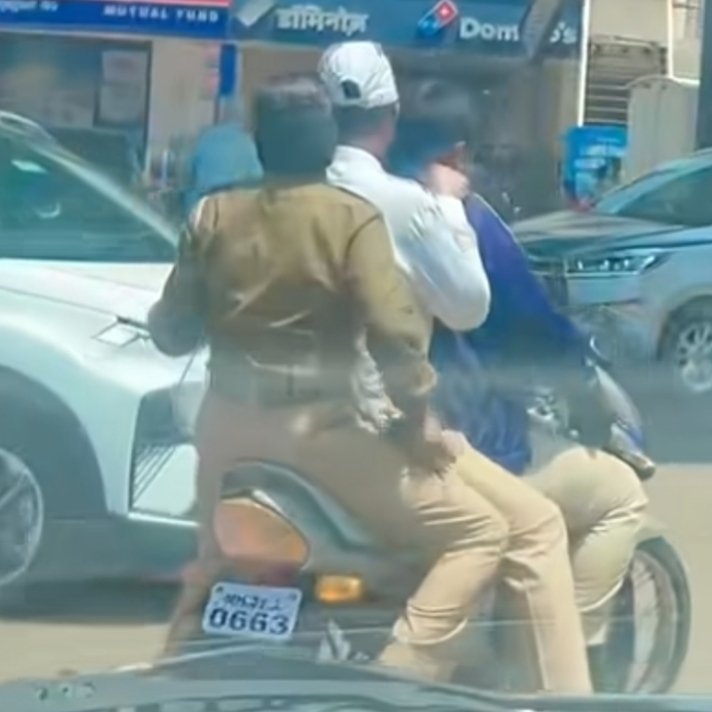
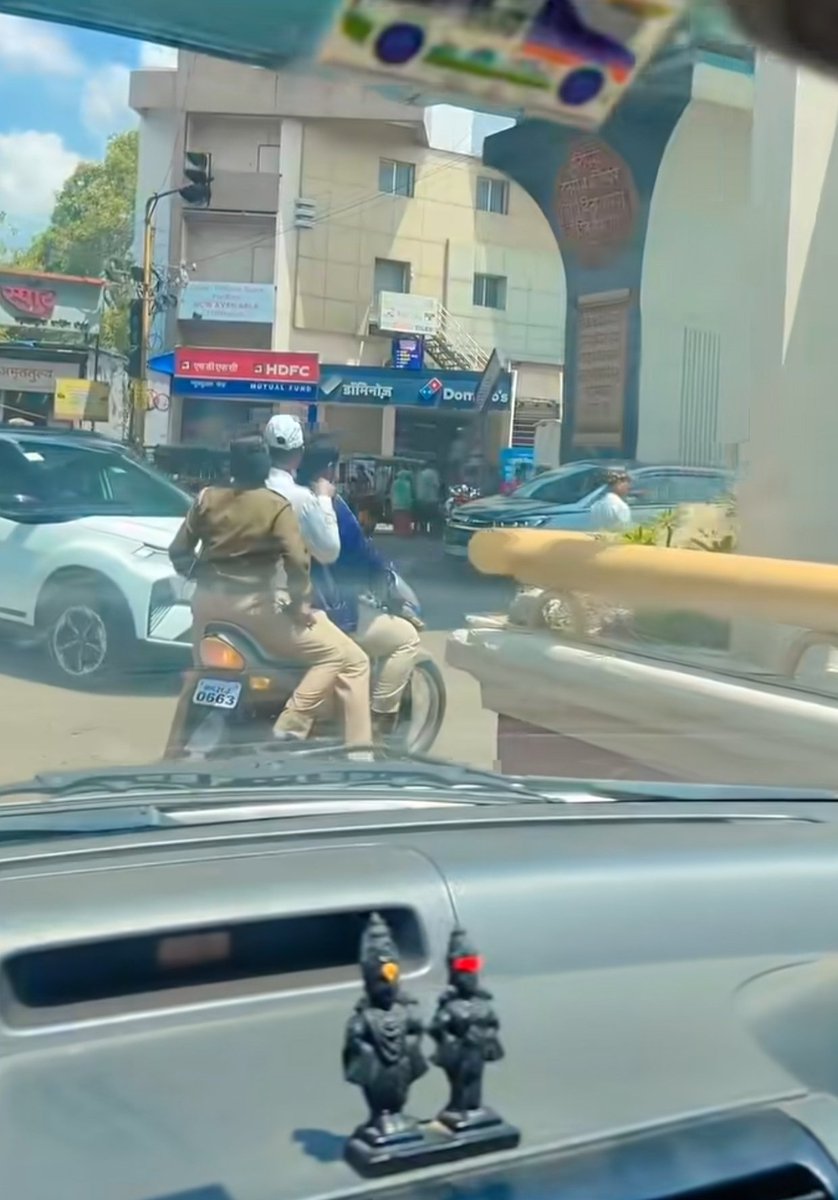
When a common citizen breaks a traffic rule, the fine is immediate. When those responsible for enforcing the law appear to break the same rule, who takes action? The law cannot have two different standards. #OneRuleForAll #TrafficRules @DGPMaharashtra @MumbaiPolice
3
2
1,490
NZ police goal "To ensure [people] feel safe, and are safe".… @MarkMitchellMP , these knives have been wielded to kill people.
#OneRuleForAll
1
7
91

@Vocal_GenX i disagree and you should too,
let me tell you why this take is completly wrong.
Britain has strict knife laws for normal people, you cant carry a blade over 3 inches without good reason.
but the 2019 Offensive Weapons Act changes extended the kirpan exemptions so longer blades are allowed.
the killer Vickrum Digwa used a 21cm (over 8 inch) blade on 18 year old Henry Nowak, he was carrying it openly round his neck and it was fully legal under the religious exemption. This aint about banning objects instead of people. its about one rule for all.
no special religious pass for deadly blades the rest of us cant carry.
Focus on people? then scrap the legal privilege that arms the wrong ones.
Henry is dead because of this double standard. enough.
reverse the 2019 changes. one rule for all.
#JusticeForHenryNowak #EndTheExemption #OneRuleForAll
2
1
2
154

Jun 2
In the shadow of a blade and a silent scream,
a leader confronts the mirror of his dream. 🔊
#OneRuleForAll #HenryNowak #KeirStarmer
3
54

May 11
Australians, wake the hell up!
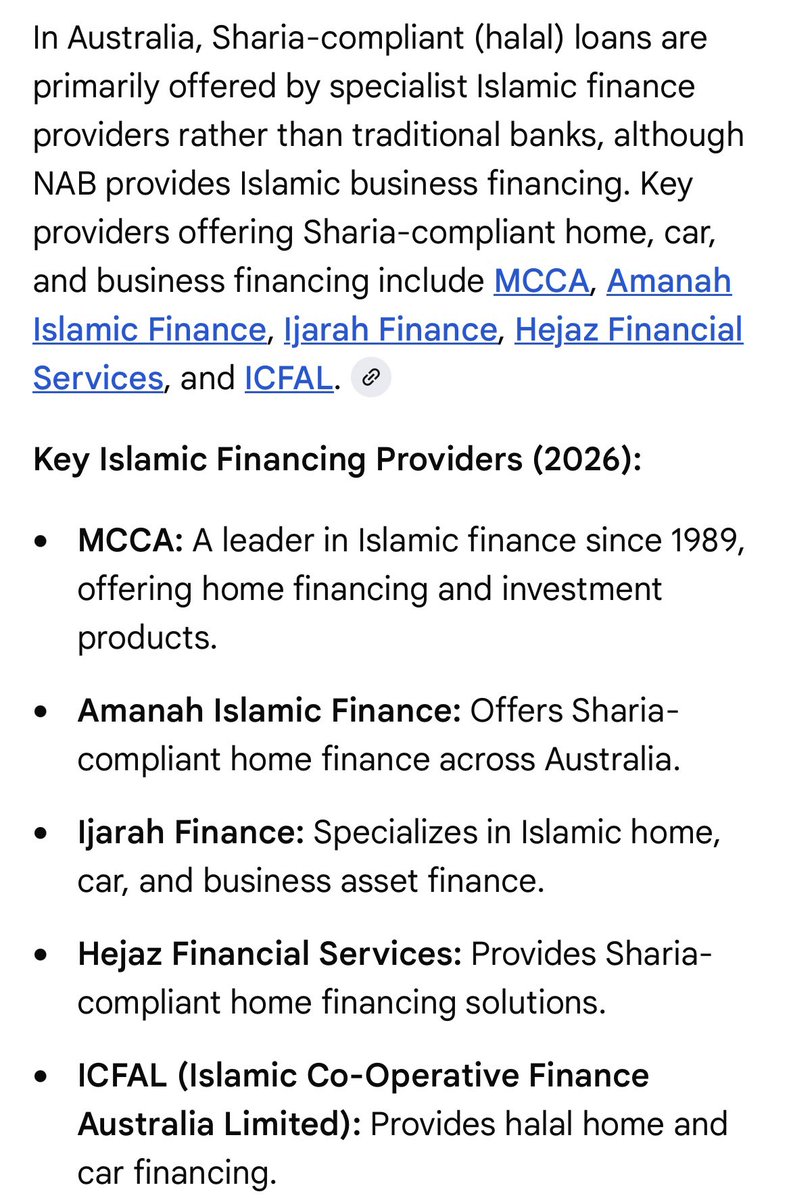
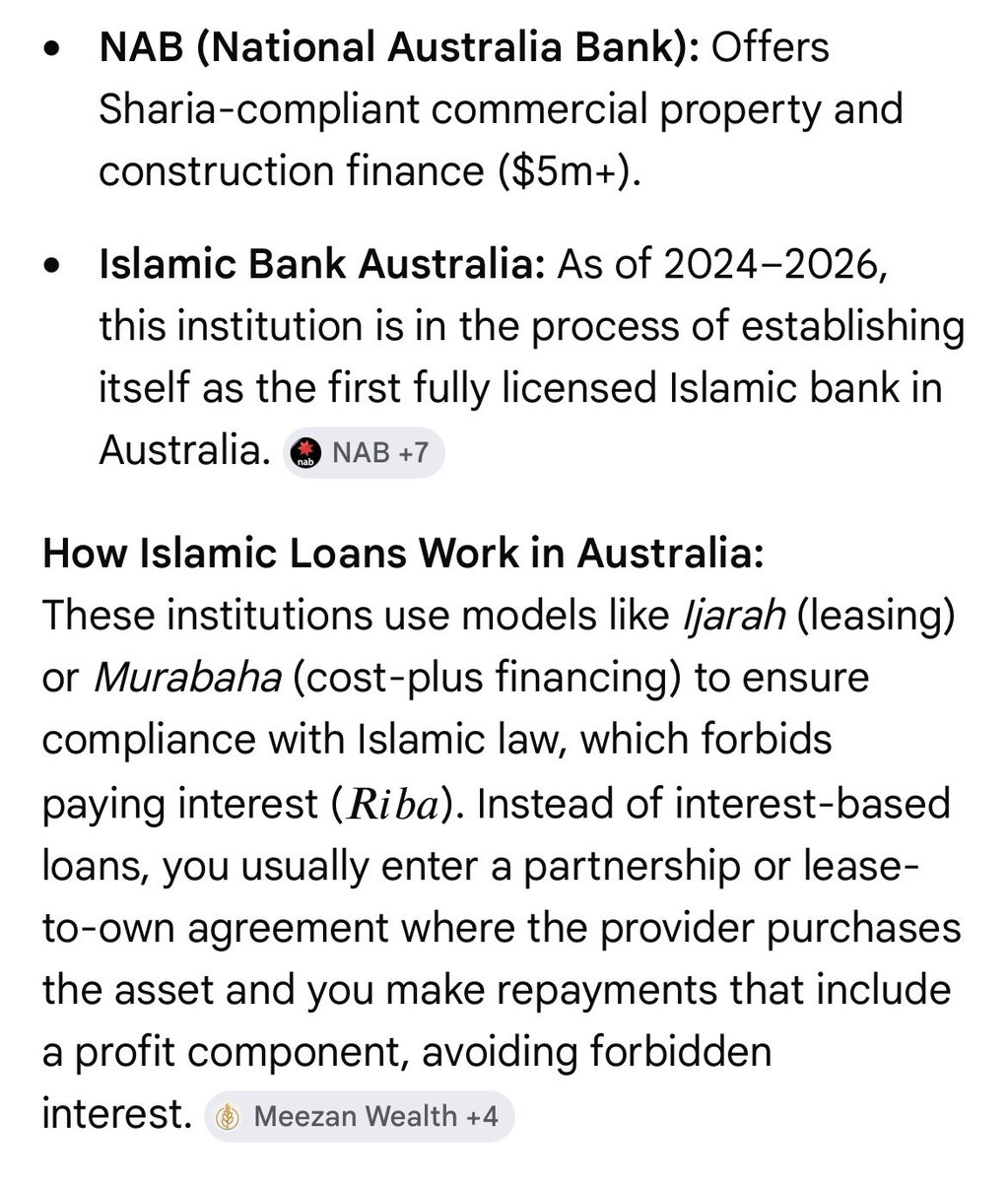
NAB is an Australian bank – not a Sharia bank! This “special” Islamic finance is the thin end of the wedge. No laws, no rules, no banking products should EVER be changed or created specifically for Muslims.
One country. One set of rules. For ALL Australians.
I’m closing my @NAB account this week.
Protest this now or watch Australia get carved up piece by piece.
Vote One Nation! Save our nation!
#AustraliaFirst #NoShariaBanking #OneRuleForAll
May 11

Australians,
Please note these👇.
If Muslims get special privilege in my country, can I as a Christian get a special privilege too with my loans?
We must go protest against this! Why Muslims in our country get special treatment?? If they want their set of system, go back to their Muslim countries! Not welcome here in Australia!
I will close my bank account with NAB this week.
Vote One Nation! Save our nation from being invaded and occupied by Muslims!
41
165
386
9,511

May 10
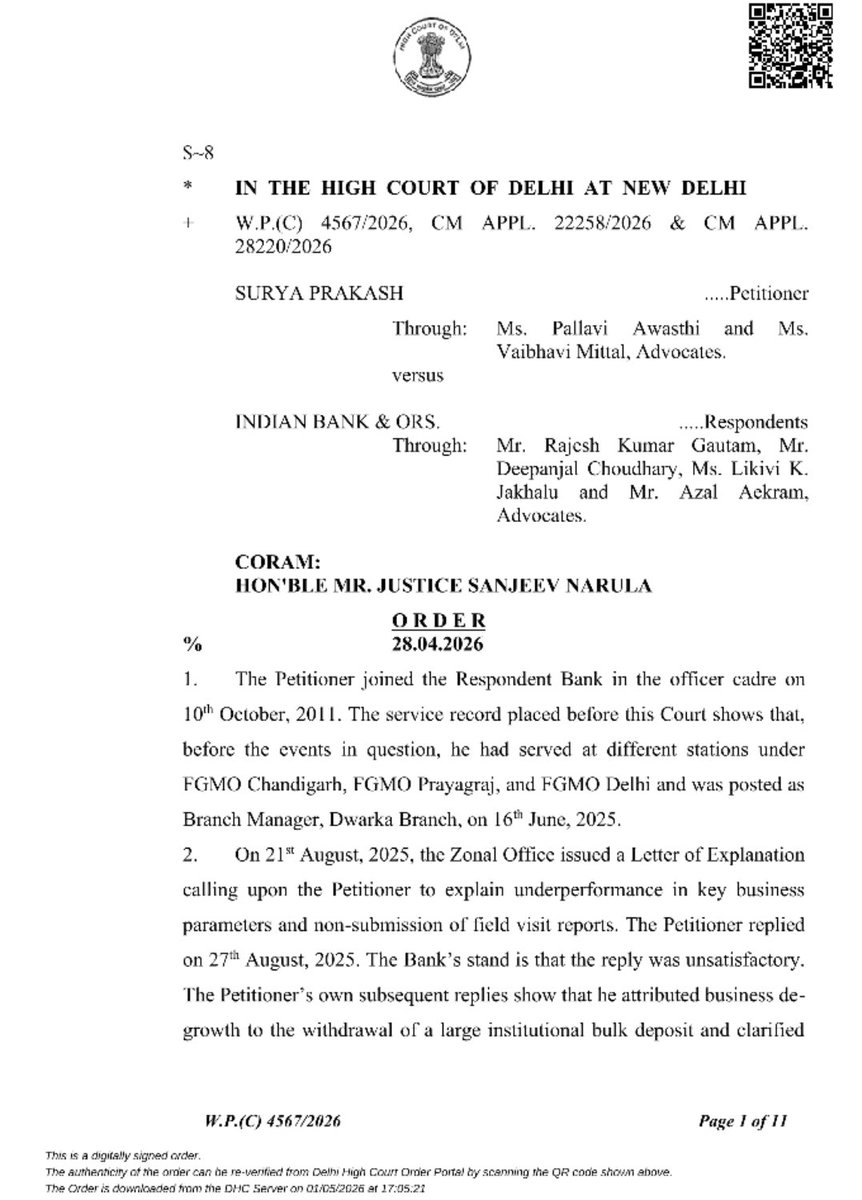
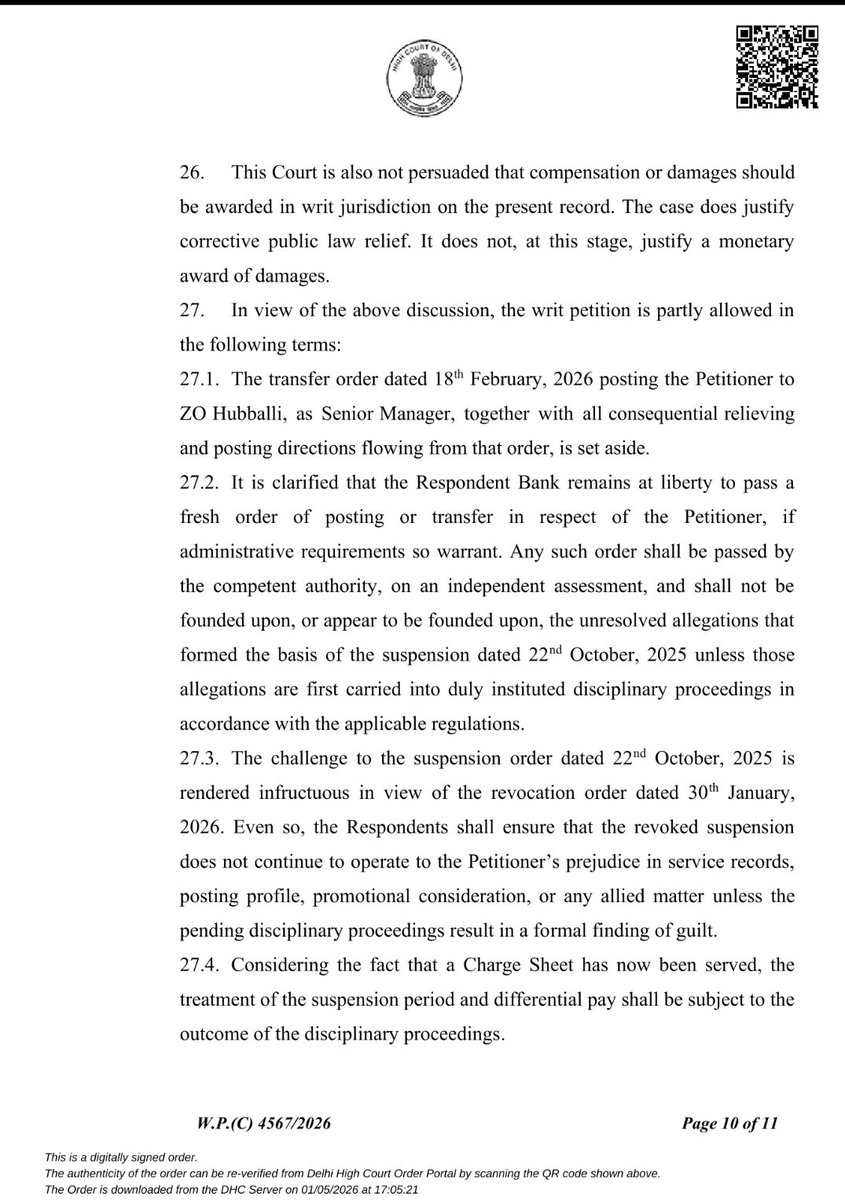
The recent suspension of a Junior Officer for a simple social media update isn't just an "HR rule"—it’s a clear case of targeted victimization. In W.P.(C) 4567/2026 (Surya Prakash vs Indian Bank), the Delhi High Court recently slammed the bank, noting a "recurrence of such cases" where management actions give a clear "impression of punitive intent."
To those saying "don't defend the wrong thing"—exactly! Defending a system where a GM is a "pro networker" for using the bank logo on LinkedIn while a junior is a "security threat" for a
Facebook post is what's truly wrong. If identifying as an employee is a breach, start the show-cause from the GM HR's cabin. Accountability must be equal! ⚖️🚫
@MyIndianBank @DFS_India @nsitharaman #IndianBank #JusticeForBankers #OneRuleForAll
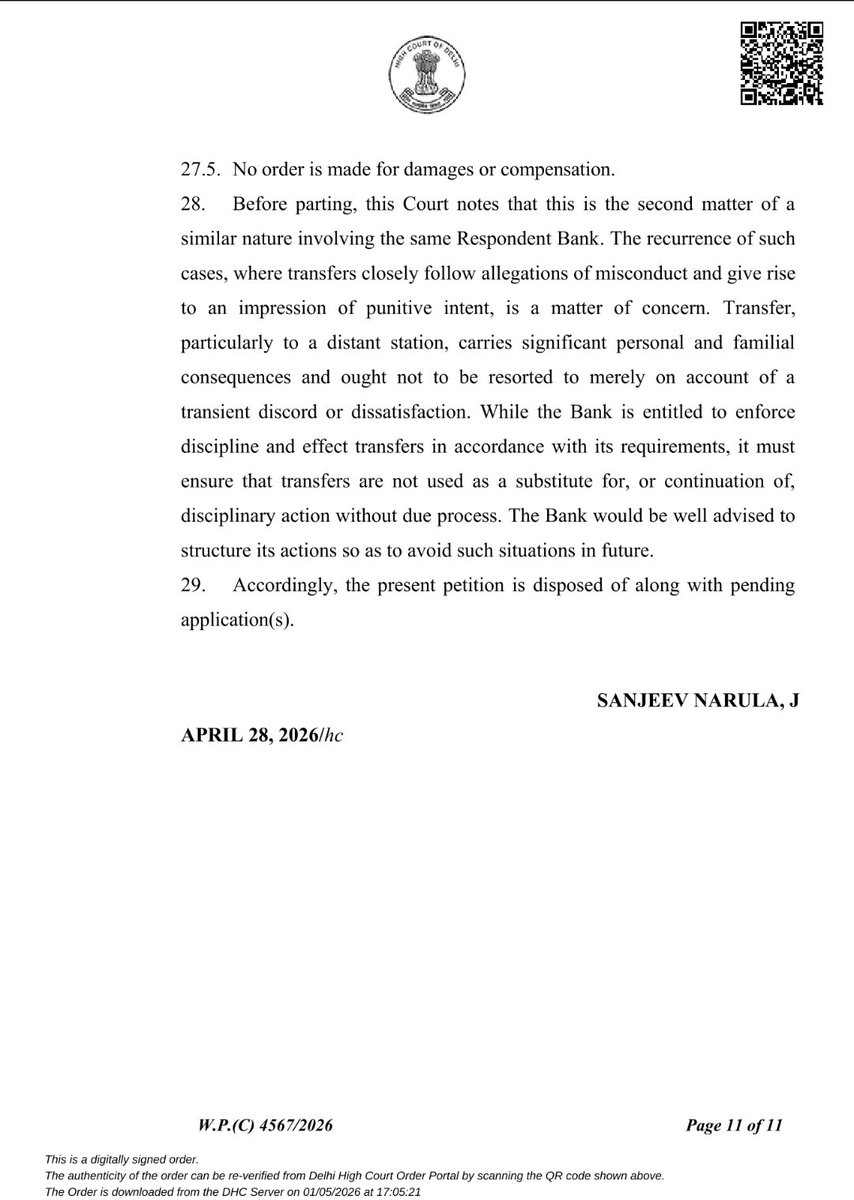

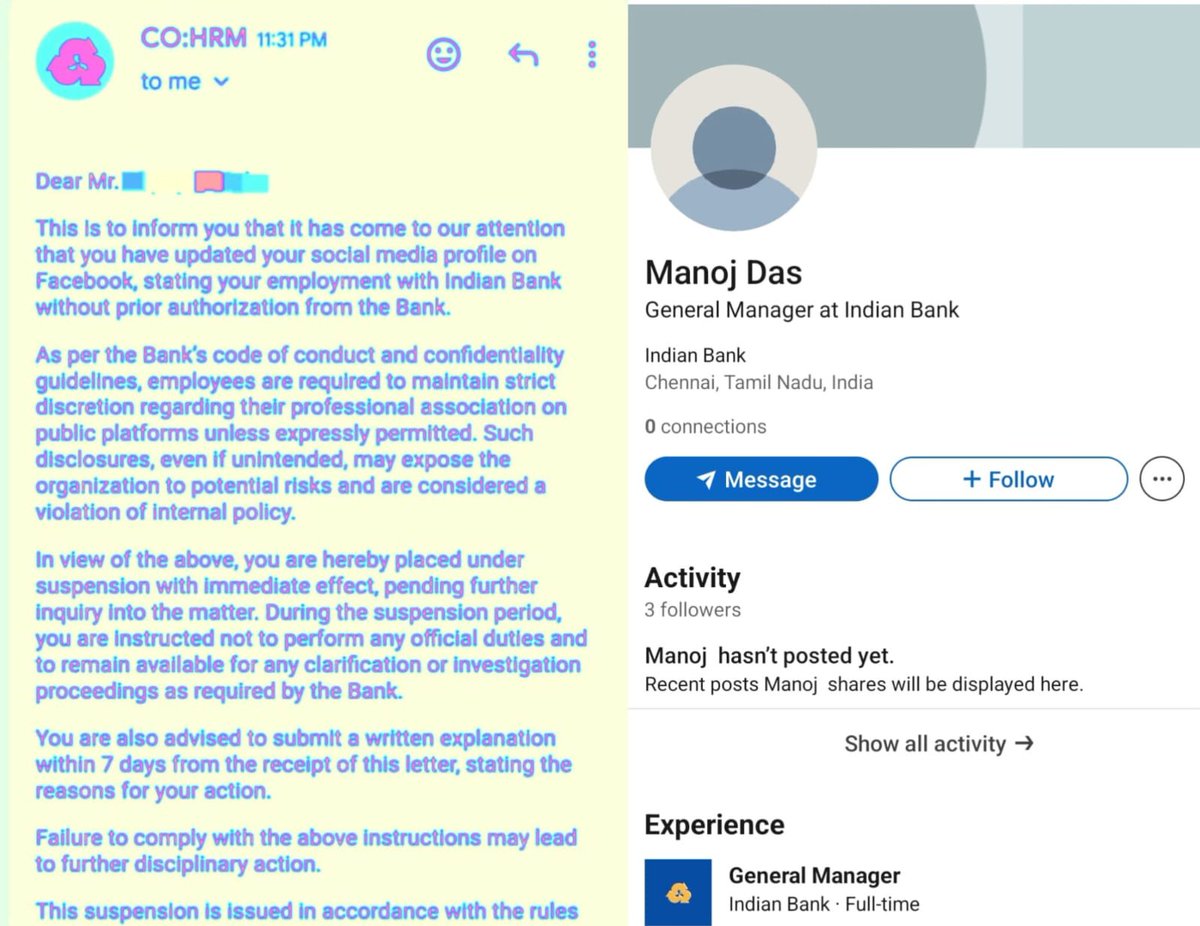
😂 Bank’s Code of Conduct in 2026 be like:
Junior Officer posts “Works at Indian Bank” on Facebook?
→ SUSPENDED IMMEDIATELY.
Confidentiality breached. National security threatened. 7 days to beg for mercy.
General Manager has full LinkedIn flex — designation, logo, “General Manager at Indian Bank”, Chennai location, everything?
→ “What a great professional networker, sir! Outstanding!”
Social media is social media only when it’s convenient for HR, it seems.
Rules for the juniors.
VIP treatment for the seniors.
Equality in discipline? Bro, that died in the same PPT slide where they wrote “We value transparency.”
@MyIndianBank @DFS_India @nsitharaman
7
30
60
7,573

Them:
‘Look at you Brioche shouting in your little echo chamber , you have no impact. Nobody listens to you ‘
Me :
#sunlightisthebestdisinfectant #oneruleforall #ficm #@FICMNews


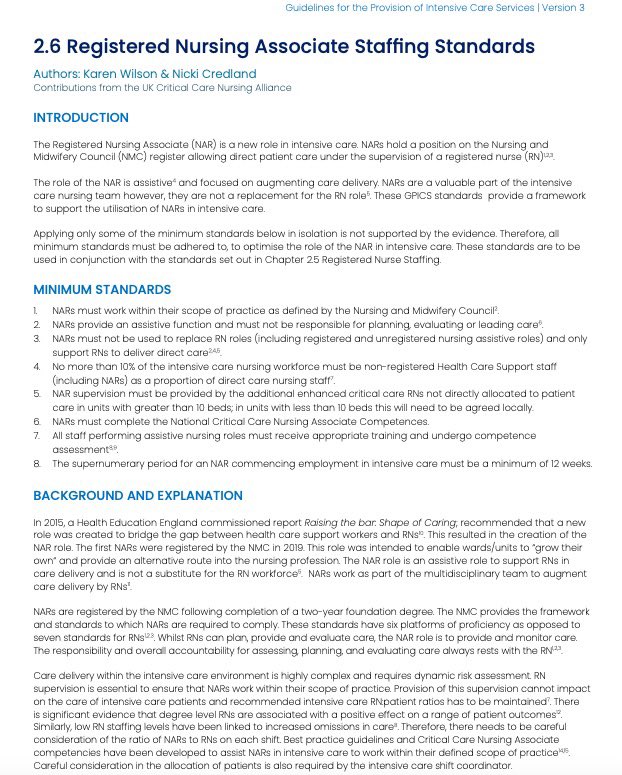
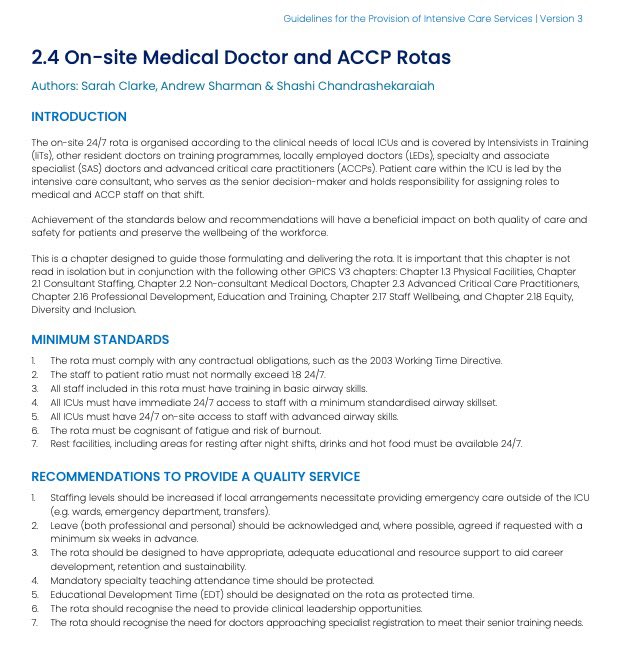
So, The Faculty of intensive care Medicine have published their updated service standards.
Some interesting things in it. Naturally states that nursing associates cannot replace nurses but completely fine with ACCP being interchangeable with a doctor
ficm.ac.uk/sites/ficm/files/…
1
4
26
974

3 Dec 2025
Oh, "resign" sounds kind of limp @NicolaWillisMP @MarkMitchellMP , but we'll take it. Glad to have Coster exiting. So long as there was NO golden handshake payout on top of the excessive leave period.
Now how about the corruption charges? Where are they at....
#OneRuleForAll
2
2
16
176

29 Nov 2025
Judicial accountability reform: If your dog escapes and bites ONE person — you’re strictly liable. No excuses.
If it bites 15 people? You lose your house, your savings, your dog (euthanized), and maybe your freedom. That’s the law in 2025.
Now imagine a judge releases the SAME violent criminal 15 times… and he hurts or kills someone every single time. What happens to the judge? NOTHING.
Absolute immunity. Keeps the robe, keeps the pension, keeps the power. Same country. Same year.
One rule for you and your dog. Zero rules for the people in black robes who keep letting monsters walk free.
This isn’t “judicial independence.” This is unaccountable madness. It’s time to end absolute judicial immunity for bail/release decisions that directly cause harm.
Hold judges to the same standard we hold dog owners. Who’s with me? Retweet if you’ve had enough. Tag your reps. #JudicialAccountabilityNow #EndTheDoubleStandard #OneRuleForAll 🔥
1
1
21
25 Nov 2025
Judicial accountability reform: If your dog escapes and bites ONE person — you’re strictly liable. No excuses.
If it bites 15 people? You lose your house, your savings, your dog (euthanized), and maybe your freedom. That’s the law in 2025.
Now imagine a judge releases the SAME violent criminal 15 times… and he hurts or kills someone every single time. What happens to the judge? NOTHING.
Absolute immunity. Keeps the robe, keeps the pension, keeps the power. Same country. Same year.
One rule for you and your dog. Zero rules for the people in black robes who keep letting monsters walk free.
This isn’t “judicial independence.” This is unaccountable madness. It’s time to end absolute judicial immunity for bail/release decisions that directly cause harm.
Hold judges to the same standard we hold dog owners. Who’s with me? Retweet if you’ve had enough. Tag your reps. #JudicialAccountabilityNow #EndTheDoubleStandard #OneRuleForAll 🔥
2
39
24 Nov 2025
Judicial accountability reform:
If your dog escapes and bites ONE person — you’re strictly liable. No excuses.
If it bites 15 people? You lose your house, your savings, your dog (euthanized), and maybe your freedom.
That’s the law in 2025.
Now imagine a judge releases the SAME violent criminal 15 times… and he hurts or kills someone every single time.
What happens to the judge? NOTHING.
Absolute immunity. Keeps the robe, keeps the pension, keeps the power. Same country. Same year.
One rule for you and your dog.
Zero rules for the people in black robes who keep letting monsters walk free.
This isn’t “judicial independence.”
This is unaccountable madness.
It’s time to end absolute judicial immunity for bail/release decisions that directly cause harm.
Hold judges to the same standard we hold dog owners.
Who’s with me? Retweet if you’ve had enough. Tag your reps. #JudicialAccountabilityNow #EndTheDoubleStandard #OneRuleForAll 🔥🔥🔥
3
24
23 Nov 2025
Judicial accountability reform:
If your dog escapes and bites ONE person — you’re strictly liable. No excuses.
If it bites 15 people? You lose your house, your savings, your dog (euthanized), and maybe your freedom.
That’s the law in 2025.
Now imagine a judge releases the SAME violent criminal 15 times… and he hurts or kills someone every single time.
What happens to the judge? NOTHING.
Absolute immunity. Keeps the robe, keeps the pension, keeps the power. Same country. Same year.
One rule for you and your dog.
Zero rules for the people in black robes who keep letting monsters walk free.
This isn’t “judicial independence.”
This is unaccountable madness.
It’s time to end absolute judicial immunity for bail/release decisions that directly cause harm.
Hold judges to the same standard we hold dog owners.
Who’s with me? Retweet if you’ve had enough. Tag your reps. #JudicialAccountabilityNow #EndTheDoubleStandard #OneRuleForAll 🔥
1
2
5
213

18 Nov 2025
If temporary refugee status is good enough for Ukrainians 🇺🇦 who are expected to return home when the war ends because that’s how the scheme is written, then why isn’t it good enough for everyone else? 🤨
Let’s be honest:
🟦 Temporary protection works
🟦 Going home when it’s safe is normal
🟦 That isn’t cruelty, it’s how asylum is meant to function
So why does the left call it “inhumane” for anyone who isn’t Ukrainian? If it’s fair for Ukrainians, it’s fair for everyone. Equal rules or no credibility. Full stop. 🔥
#OneRuleForAll #MigrationReform #RefugeePolicy #FairNotSoft #RealityCheck #CommonSensePolitics #AsylumCrisis #UKPolitics 🇬🇧
18 Nov 2025

Shabana Mahmood, pound shop Priti deport-dem Patel, is a Political Coward scapegoating asylum seekers to pander to racists & the far right. This is racism laundering & brown washing bigotry. By asylum seekers Labour means black/brown ppl not Ukrainians because they’re white.
7
6
47
15,496

20 Oct 2025
You’ve raised a valid point balance and consistency matter in every discussion about public conduct.
Freedom of religion or celebration doesn’t mean freedom to inconvenience others. Whether it’s loudspeakers, roadblocks, or noise pollution the rule should be equal for all, without selective outrage.
Respect for faith should go hand in hand with respect for law and public space.
That’s the true spirit of coexistence and democracy.
#EqualityBeforeLaw #OneRuleForAll
@mrsinha
4
931

18 Oct 2025
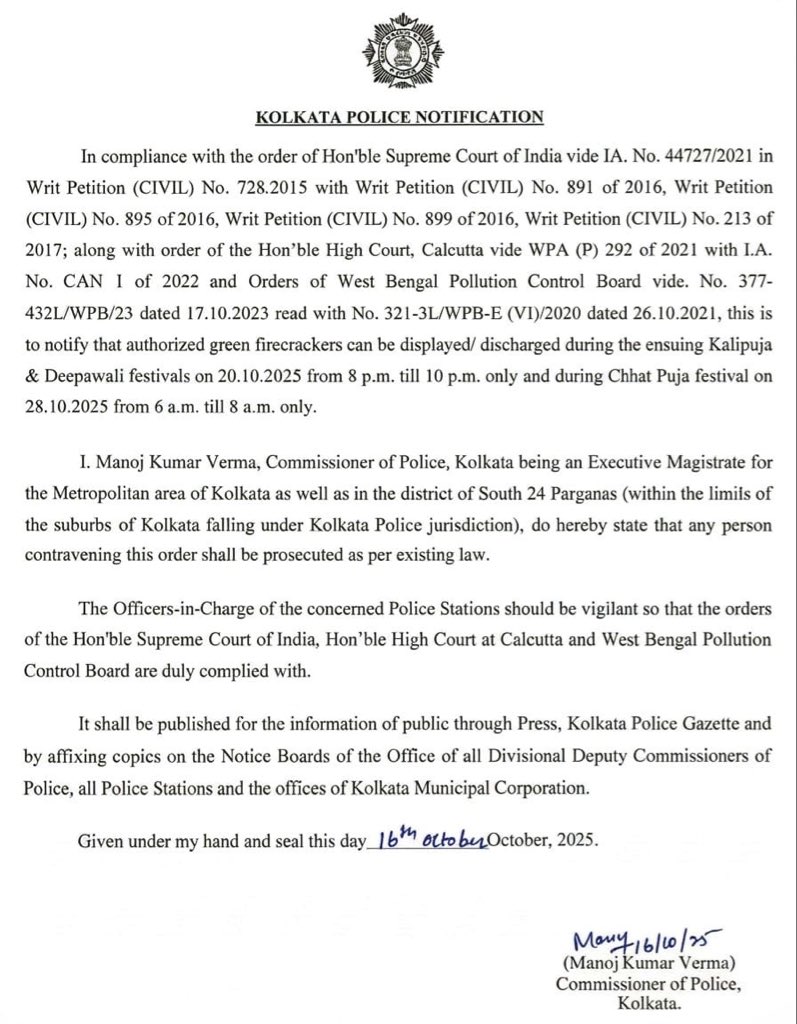
So once again, Kolkata Police imposes restrictions — Only 8 PM to 10 PM for Diwali crackers and 6 AM to 8 AM for Chhath Puja!
Every year, the same hypocrisy repeats —
Restrictions only during Hindu festivals in the name of pollution, but no such urgency during political rallies, religious processions of other communities, or New Year celebrations! This isn’t environmental concern — this is blatant appeasement politics and selective targeting of Hindu traditions. If pollution is truly the concern, then the same rule should apply to all occasions, not just Hindu festivals. Justice means equality, not selective enforcement.
@AmitShah @SuvenduWB @JPNadda @BengalGovernor @chief_west @tathagata2 @JaipurDialogues @ProfKapilKumar @Profdilipmandal @mrsinha @DrSukantaBJP @BefittingFacts @ANI @PTI_News @ians_india @HinduVoice_in @bloody_media @UnSubtleDesi
#AppeasementPolitics #DoubleStandards #Diwali #ChhathPuja #KolkataPolice #WestBengal #HinduFestivals #Tushteekaran #EqualRights #OneRuleForAll #ShameOnKolkataPolice #ShameTMCGovt
17 Oct 2025

Kolkata Police Notification in connection with Kali Puja/Diwali celebrations.
2
5
12
278

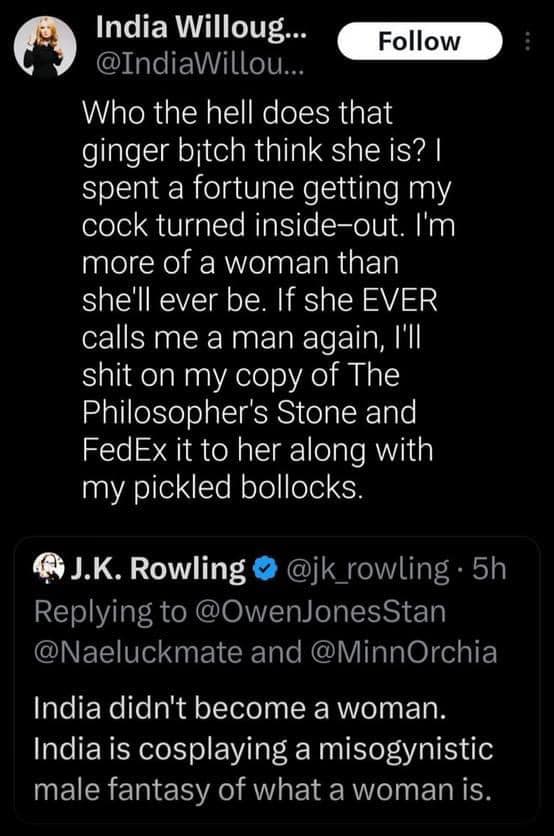
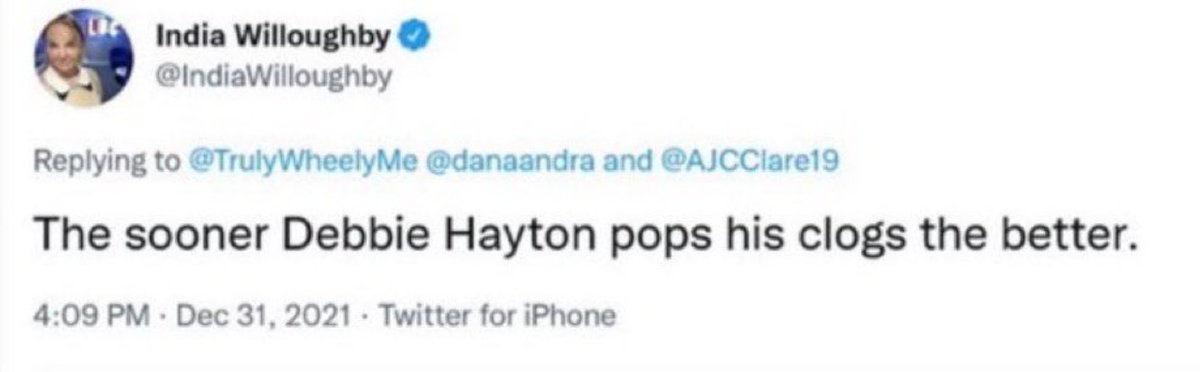
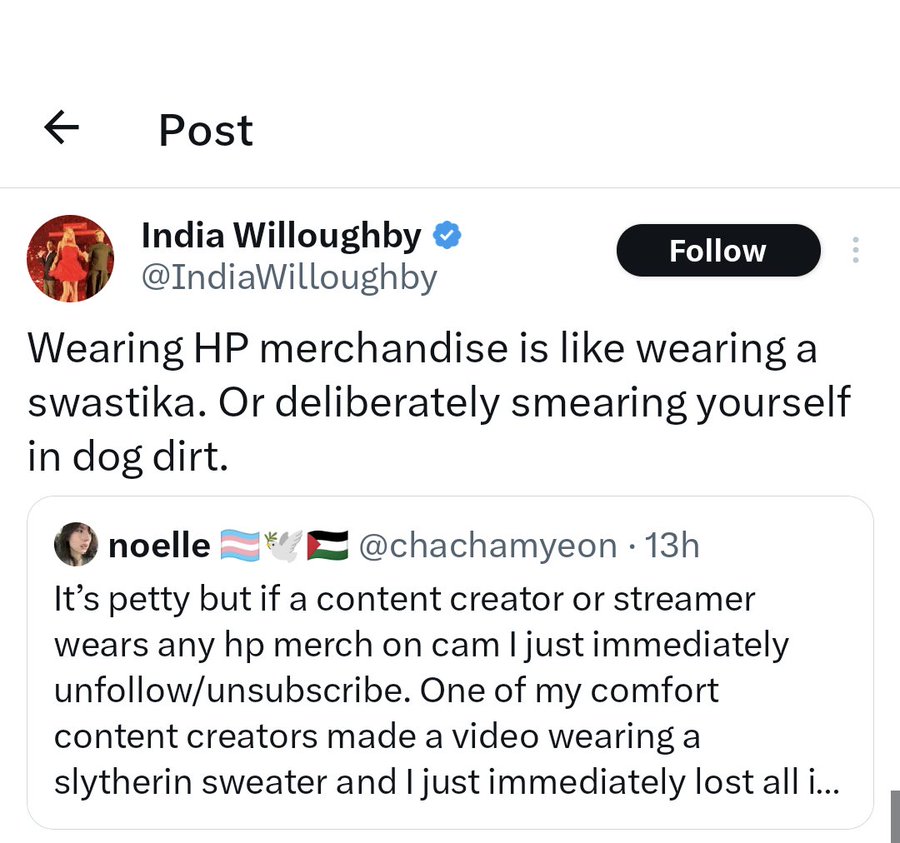
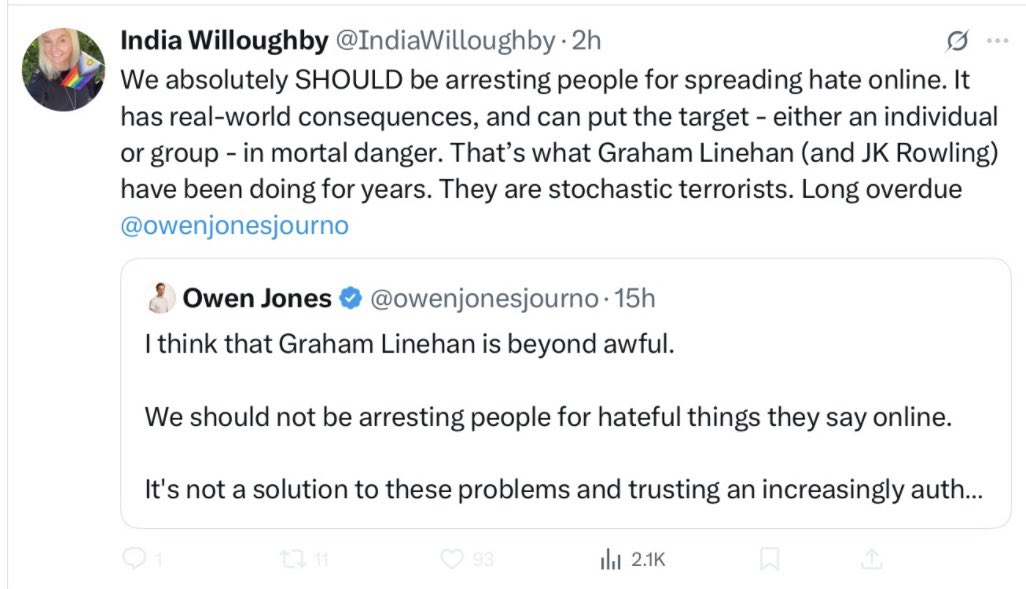
Does that include you, Jonathan?
We have the receipts, we have lots and lots of receipts.
You and Euan would make good cell mates.
#OneRuleForAll
#IndiaWilloughbyIsAMan
#EuanWeddellIsAMan
#TheoUpton
#TransRightsArePervertsDemands

1
6
217