

The suicide rates in rural outposts was highest between the mid 1980's and 2000's.
It was higher in those rural areas than the rest of whole country combined.
The introduction of the internet and social media, contributed a reduction of suicides amongst young people who live in isolated outposts on the continent. If you observe suicide rates, you'll find they actually went down, not up. They've tried to emotionally manipulate.
1
2
Patrick 🇮🇪 🇵🇸 ☫ retweeted

Israeli forces suppress Palestinians in their lands as Israeli settlers set up new outposts during a raid on Dura, south of Hebron.
1
1
17

Vision statement? Perhaps one of these?
A multiplanetary human race.
A multistar human race.
Mission:
Develop scaled transport, extra-planetary outposts, and wake up more humans to our potential.

The mission statement SpaceX adopted when it absorbed xAI in February reads: "scaling to make a sentient sun to understand the Universe and extend the light of consciousness to the stars."
This is, depending on how you read it, either the most ridiculous thing a serious company has ever put on its mission page or the most honest. We think it’s the latter.
If you squint at the org chart, SpaceX is a launch provider with an internet subsidiary and a recently-acquired AI lab.
If you squint at the technology roadmap, it’s the only company on Earth assembling the full prerequisite stack for the post-scarcity transition.
If you squint at the mission statement, it’s a serious attempt by one of the most operationally capable founders of our time to push humanity through the bottleneck that ends with us either as an interplanetary species sharing the cosmos with intelligent machines we built, or as a footnote on one rocky planet that didn’t make the leap.
SpaceX & the Sentient Sun, by @mikemcg0 and @pmarca: a16z.news/p/spacex-and-the-s…
5

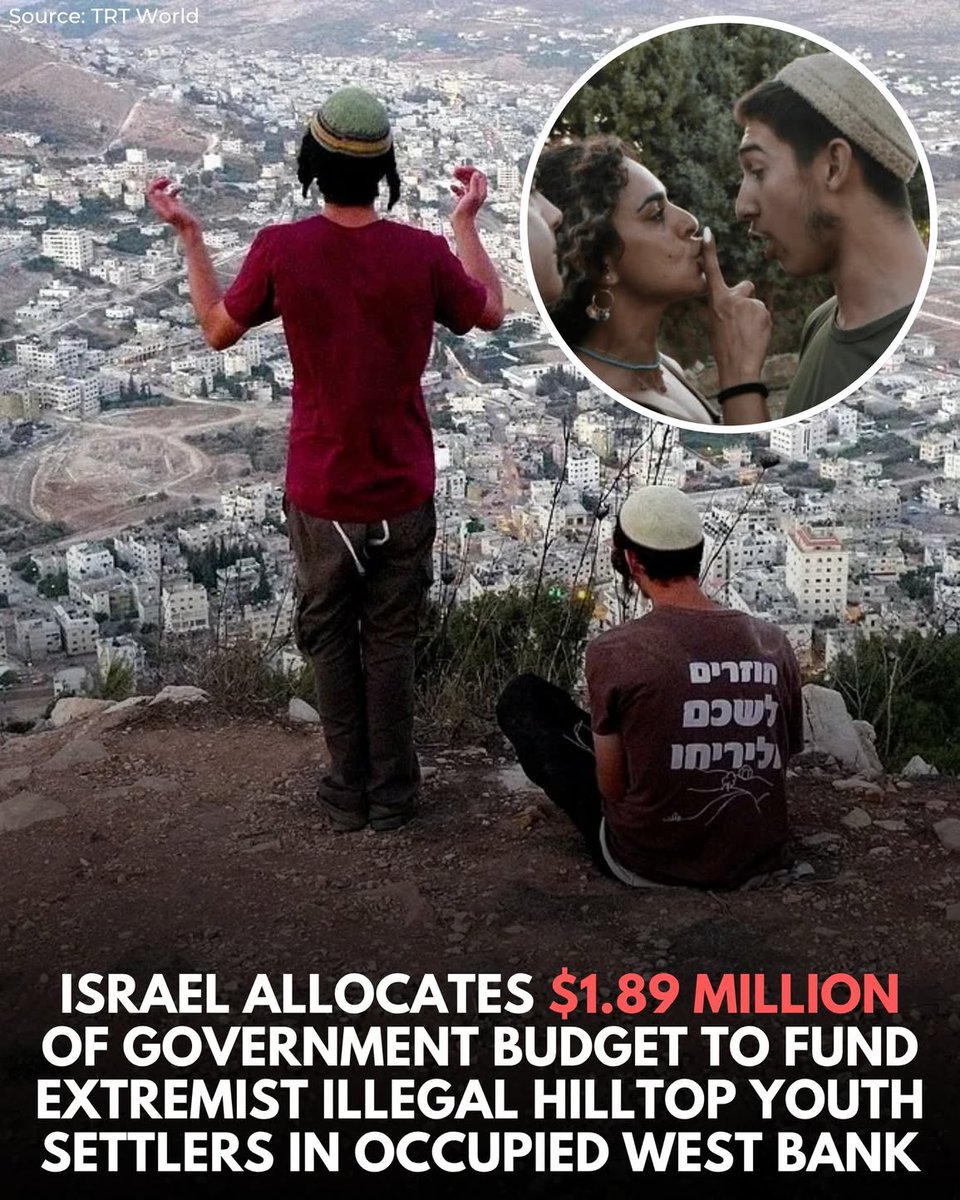
The Israeli government approved a $1.89 million funding package for the “Hilltop Youth,” a group of extremist youths living in unauthorized settlement outposts that injuring, setting fires to homes, and murdering Palestinians.
None33 retweeted

I was telling you they view these places as global outposts of leftist strength and bases for anti Western subversion and that's exactly what he's admitting
7
228
3,513

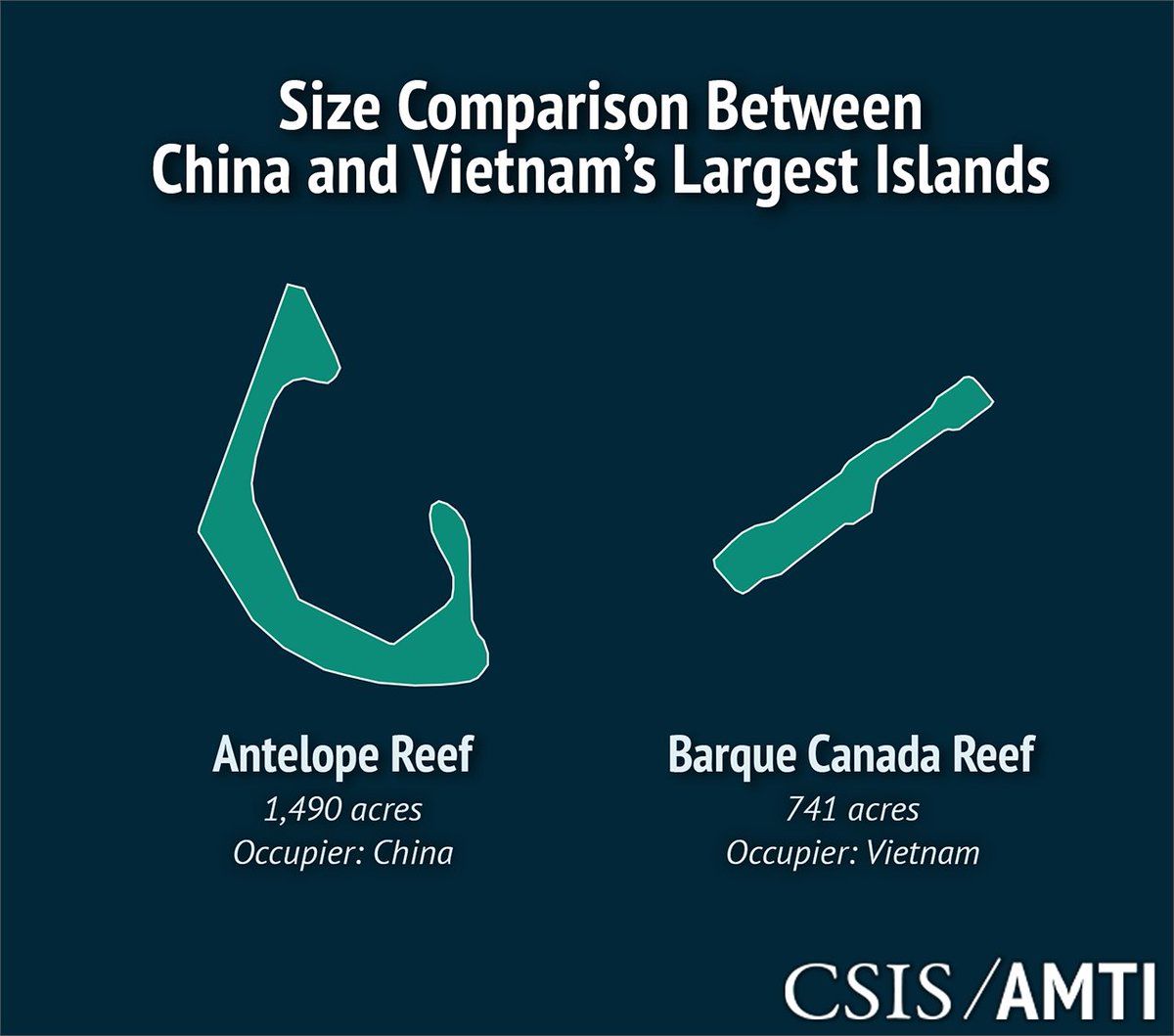
As China jumps back into island building, Vietnam has continued to expand its own outposts in the South China Sea. New imagery shows Hanoi is up to 2,771 acres of artificial land and is beginning to construct specialized infrastructure: cs.is/49hWc6I
1
3
174
Ofer Neiman #StopArmingIsrael 🍉🇺🇦 🇹🇼 retweeted

Meanwhile, the Israeli government is handing out yet another quintillion shekels for West Bank settlements and outposts and to pay the personal salaries of the Hilltopler Youth and deck out the Jew Klux Klan with IDF gear (mostly because many of its members are IDF guys)
2
2
3
55

Go read about the testimony presented before the is congress about the things taught in their school. Go read about how most refugee outposts are temporary with one to 900 refugees meanwhile UNWRA has 1:300, they don’t use the same terrorist watch list for background check just
2
13

The Hidden Igbos Of Edo State: The Igbanke Story And The Forgotten Eastern Heritage
When you drive through the Orhionmwon axis of Edo State, the red earth, rolling farmlands and friendly faces look typically Midwestern. But listen carefully, the language spoken in homes, markets, and shrines carries a familiar rhythm: “Kedu? Ị bụ onye ebee?”
That’s the Igbo language spoken not in Enugu or Anambra, but deep inside Edo State.
Welcome to Igbanke, the most prominent Igbo-speaking community in Edo, and one of the many forgotten outposts of the ancient Igbo civilization.
Igbanke is not a single town. It is a proud federation of six autonomous communities:
Omolua, Ake, Igbontor, Ottah, Idumuiru and Olije.
Together, they form a cultural enclave of pure Igbo heritage within Orhionmwon Local Government Area of Edo State.
The people of Igbanke speak an unmistakably Igbo dialect, celebrate the New Yam Festival, and bear traditional Igbo names such as Nwokeoma, Ifeanyi, Nkemdilim, Chukwuma, Ogochukwu amongst others.
Their marriage rites, burial customs and community titles are identical to those of Enugu and Anambra, revealing the undeniable truth: they are Igbo by blood, culture and history, only separated by modern state lines drawn by British and Nigerian geopolitics.
Historically, the people of Igbanke traced their roots to migrations from ancient Igbo settlements in what is today Enugu and Anambra States.
Centuries ago, waves of Igbo migrants crossed the Niger River in search for greener pastures and safety during inter-communal wars. Some settled at Agbor, others at Igbanke.
Their settlement grew into what became known as Igbanke today, “Igbo nke” (literally meaning ‘that which is Igbo’), a name that in itself confirms their ethnic origin.
Over time, the British colonial map-makers lumped Igbanke under the old Benin Province, and later, into Edo State after Nigeria’s state creation. The result was an administrative displacement, a people politically classified as “Edo,” but culturally and linguistically Igbo.
Despite their clear Igbo identity, the Igbanke people have faced decades of cultural erasure and political marginalization.
Their language is often dismissed as “Edo-Igbo,” and their identity questioned by both sides considered too Igbo for Edo, and too Edo for mainstream Igbo society yet, they stand firm. Thanks to the Igbo Unification Team and the good people of Igbanke who have recently risen, and told the public that they are Igbo, not Bini.
Every August, they celebrate the Iri Ji (New Yam Festival) with traditional dancers, masquerades, and elders invoking Chukwu (God) in pure Igbo prayers.
In family compounds, ancestral shrines are maintained, kola nuts are broken with “onye wetere oji, wetere ndụ!” and the old songs of the East echo through Edo’s red earth.
In recent years, a strong cultural awakening has emerged among Igbanke sons and daughters worldwide through the Igbanke National Union (INU) and Igbanke Progressive Assembly.
They have launched campaigns to preserve their language, document their history, and demand official recognition as indigenous Igbo people.
Cultural advocates argue that historical documents, oral records, and linguistic evidence all affirm that Igbanke was part of the old Igbo civilization long before Nigeria’s artificial boundaries.
Many Igbanke intellectuals now partner with Igbo historians and Biafran cultural researchers to reconnect their heritage to the larger Igbo identity, amongst which of recent, many of them reached out to me via my page, Biafra Historical Facts, declaring their igboness and readiness to be reintegrated into the wider Igbo community.
1
7

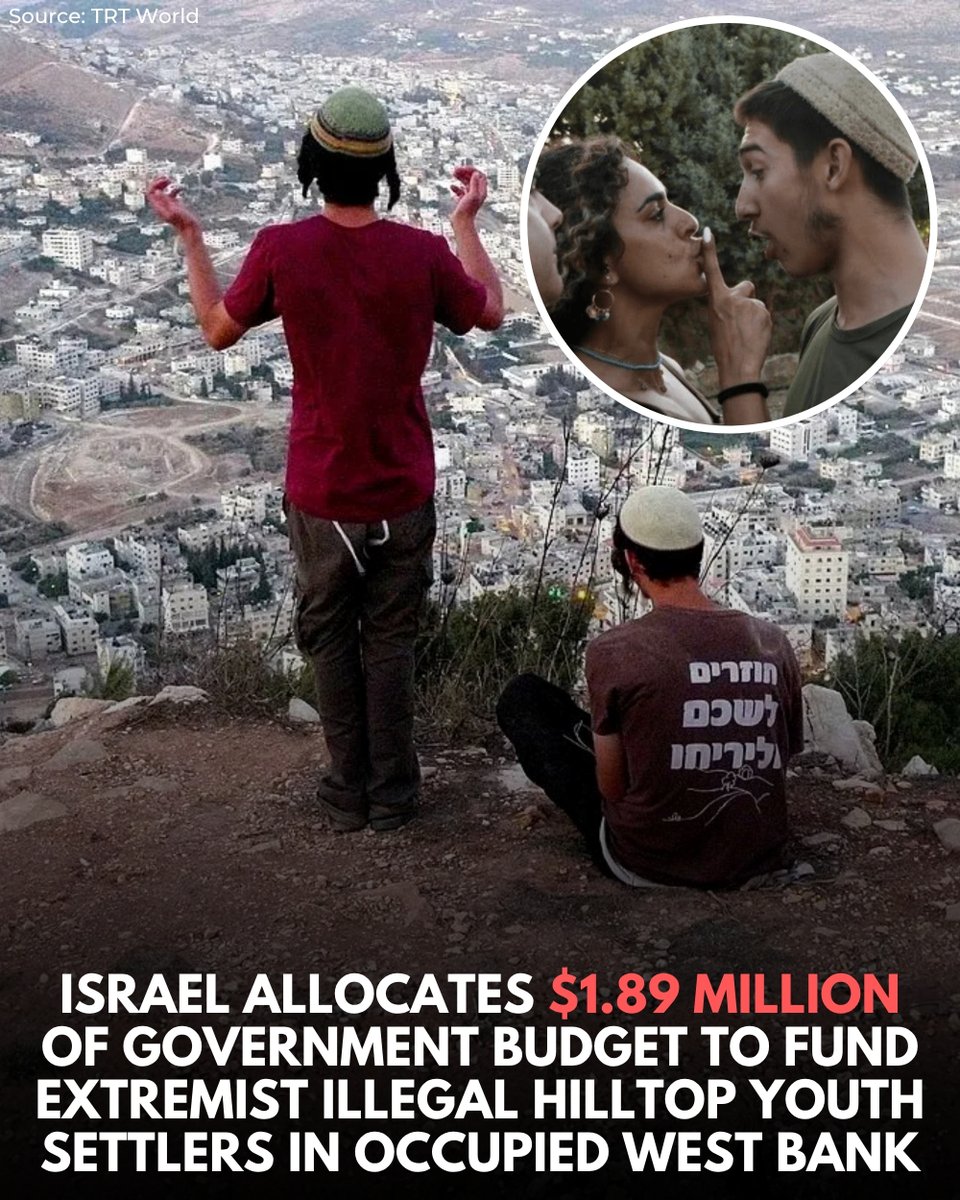
The Israeli government approved a $1.89 million funding package for the “Hilltop Youth,” a group of extremist youths living in unauthorized settlement outposts in the occupied West Bank.
This group is responsible for harassing, injuring, setting fires to homes, and murdering Palestinians. The plan provides the Hilltop Youth with daily stipends and specialized welfare programs.
2
20
15
328

Oh definitely, not like she accidentally began to broadcast the outposts location~
2
15
Noah Trapolino ✒️🖋️ retweeted

The tech guys notoriously don’t care about art. None of the blue chip galleries like gagosian and zwirner have SF outposts, even though they all have LA galleries.
Jun 13

The 10,000 San Franciscans who are about to become millionaires in 2026 are going to fund a new generation of art, architecture and ideas that will shape the world

4
4
50
6,135

all of this is wrong, russian energy companies have a stronghold over lots of the world, coal and agriculture is looted from occupied ukrainian territory and russia has many other colonial outposts in africa to assist the looting of resources like gold.
1
5
Newsandpolitics retweeted

Israeli forces suppress Palestinians in their lands as Israeli settlers set up new outposts during a raid on Dura, south of Hebron.
4
87
93
1,397

The Surviving Builders of both the Lemuria and Atlantis Civilisations migrated to the Nile Delta before Spreading in multiple Directions including the Americas,Both Civilisations were outposts of Visiting Races.So,yes they were not Human.
1
4
138

It'd be interesting to showcase the early, and late period through a system similar to the MP campaign that Rising Storm Vietnam had. Especially since by the mid to late period Marines were getting lifted to and from outposts via helicopters.
1
1
10

Aren't all the upset players coming from Euro leagues and from outposts of European countries?
450