
Jun 13
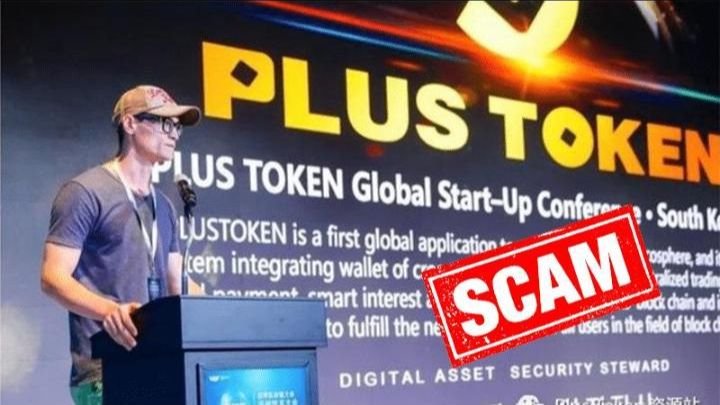
PlusToken wasn't a shortcut. It was a trap. 4 billion lost because people ignored how it worked for how it sounded.
13

The $4 Billion Crypto Scam That Fooled Millions
PlusToken was a cryptocurrency wallet and investment platform launched in 2018.
It promised investors extraordinary returns, claiming users could earn 10–30% per month through arbitrage trading and referral rewards.
Here's how it worked:
• Users deposited cryptocurrencies such as BTC and ETH.
• The platform advertised passive income opportunities and rewarded users for recruiting new members.
• Behind the scenes, PlusToken wasn't generating profits through legitimate trading. Instead, it paid earlier investors using funds deposited by newer participants, a classic PONZI SCHEME.
So, how was it exposed?
In mid 2019, users suddenly lost access to withdrawals.
Panic spread across the community as investors realized they could no longer access their funds.
Soon after, the operators disappeared with billions of dollars worth of cryptocurrency.
Authorities eventually tracked down and arrested several individuals connected to the scheme.
Investigators later estimated that PlusToken collected between $2 billion and over $4 billion in cryptocurrency, making it one of the largest crypto frauds ever uncovered.
The fallout didn't end there.
In 2020, Chinese authorities seized approximately $4.2 billion worth of crypto assets linked to the operation, including a massive stash of around 194,000 BTC.
Although several sources claim that Chinese authorities fumbled by selling the entire $194k BTC stash, there isn't enough evidence to prove it.
To this day, PlusToken remains one of the largest and most infamous scams in crypto history.
22
36
1,264

Jun 11
经过这次聚币事件,我发现了一个很有意思的现象,原来很多币圈人真的不了解资金盘。我来小小科普一下,特别是那些号称自己入圈多少年的人,太尼玛水了。
说真的,你到底入了个啥圈?或者说,你在行业里干的啥工作?
但凡你不是做技术工作的话,我不相信一个入圈多年的老玩家会不了解资金盘的存在。因为不管是做BD工作还是做运营工作,多多少少都会接触到。
什么张建的Fcoin ,Plustoken,VDS,那些年太多太多了。
即便你没从事过行业相关工作吧,前些年大家还经常在各种微信群或者各种公众号里,总能看到相关的信息吧?
先说华语区资金盘的风格。实际上,和币相关的资金盘还只是其中一脉,并不是全部。还有很多资金盘是包装成实业的,但这部分我了解就不多了,没怎么接触过。
币圈的资金盘历史基本等同于币圈历史。毕竟,币圈才是后来者,盘圈、CX圈、直销圈已经存在多少年了。
但从我听到的故事中,币圈和盘圈第一次的大融合,应该是3M的互助盘模式。后来就和币圈一直如影随形,每年都会有一些神盘。
上一次币圈和盘圈融合最深的就是Filecoin。因为Filecoin的整套设计非常符合盘圈模式,当时加上还有矿机作为实物切割,所以天然匹配盘圈人的喜好。
骚年,如果不知道的话,去百度一下人人矿场最后收割了多少钱。
虽然人人矿场一开始是做比特币云算力的,也是典型的资金盘模式。
甚至很多币圈大佬背后都有盘圈人的身影,这一点 @forevergalxy 有很多科普了。
Filecoin的存储挖矿还诞生了一个神盘,就是奇亚。没错,奇亚就是一个深圳帮做的盘子。
2021年后呢,从我体感上,其实币圈和盘圈走得已经没那么近了,属于有点各玩各的。
聚币应该是去年上半年吧,当时搞了几个模式币,然后忽然火了一阵,但当时老玩家一看就知道是典型资金盘模式。
去年下半年很多盘子转战到了BSC上,什么Labubu、拉菲、奥拉丁什么什么鬼的一大堆。
OK,所以不要很诧异,好像头一次听说资金盘似的,只会显得啥也不懂。
特别是一些所谓的“入圈多年KOLs”,提到这些事,只有情绪输出,没有任何内容密度,显得很可笑。
一些算圈内常识的东西都不知道,那你日常内容在写个鸡毛?
下一个话题,盘圈到底是一个什么群体?
我们通常嘲笑大爷大妈,其实是一个比较粗暴的概括。
盘圈一般有几种类型的人,一个一个说。
第一种,没怎么接触过币圈,但有点兴趣。这种人可能就是看过一些新闻,提到过什么比特币啊、币圈啊,但自己并没有特别去关注。
直到某一天,身边一个人告诉他,我这有个很好的投资机会,来了解一下。
基本就入坑了。这种类型各种各样的人都有,大学生,上班族,公务员,甚至沿海城市的一个土老板身价千万上亿的大把大把。
第二种,又或者接触过币圈,但就是更喜欢盘圈模式。
这类人一般是老盘圈人,他可太知道盘圈是什么了。
他们一般属于自己也炒币,但炒币就是兴趣,或者是盈利手段之一。做盘是人家的事业,就和你上班差不多。
因为人家做盘是有直接收入的,和币涨不涨没关系。
这种收入手段很多种,取决于那个盘子的模式设计。
但毫无疑问,这种类型只要是大团队长,都是暴利。
最后一种,或者压根没有能力接触任何新资讯的人。
这种就是真正的大爷大妈了,啥也不懂。
盘圈人针对这种大爷大妈,本质上和卖保健品也没啥区别。
就纯骗呗,打打感情牌啥的,然后做各种虚假承诺,把大爷大妈哄开心,哄到他们掏钱。
OK,这就是盘圈基本上的人群画像,大体上就这三类。
然后我们再聊一个话题。
为什么这些人要做盘或者玩资金盘?
起盘很简单嘛,本质就是诈骗。
那个项目从上线开始的目标就是为了掏空你口袋,这个没什么好分析的。
值得聊一聊的是,为什么有些人要去玩资金盘。
首先分两种。
第一种是团队长及他们的团队。
对于这类人,做盘本质上就是一份工作,就跟销售似的。
他们卖得多,得得多。
舞台人家搭好了,他们只管拼命去销售就行了。
第二种,参与资金盘的人。
这里面又要分两种。
第一种是懂的。
懂的人很简单,他们追求的就是一个刀口舔血,赌那个盘子做得起来,他们能吃上涨期的红利。
另一种是不懂的。
纯傻逼被骗的。
他们一听什么无风险高息、月化30%-1000%,直接全身酥麻。
加上销售各种给他吹牛逼、洗脑,这类人就完全失去理智,只管冲冲冲。
OK,大概就这么多吧,懒得写了。
你学废了吗?
下次有机会再科普盘圈的一些模式、工作风格、流派,甚至一些习惯啥的。
还是蛮有乐子的。
1
3
1,537


Jun 11
Plustoken 不知道新人有多少听过?
当年特别疯狂
很多人因此进入币圈
应该是入圈以来碰到最大的资金盘
最后也是跑路了
所以链上目前这种协议模式,无论是蝴蝶🦋平台的税费各种新模式还是unihook 这些都是衍生更多盘子的地方,只不过现在链上锁死了,参与时候不可能跑路。
3
13
6,498

Jun 10
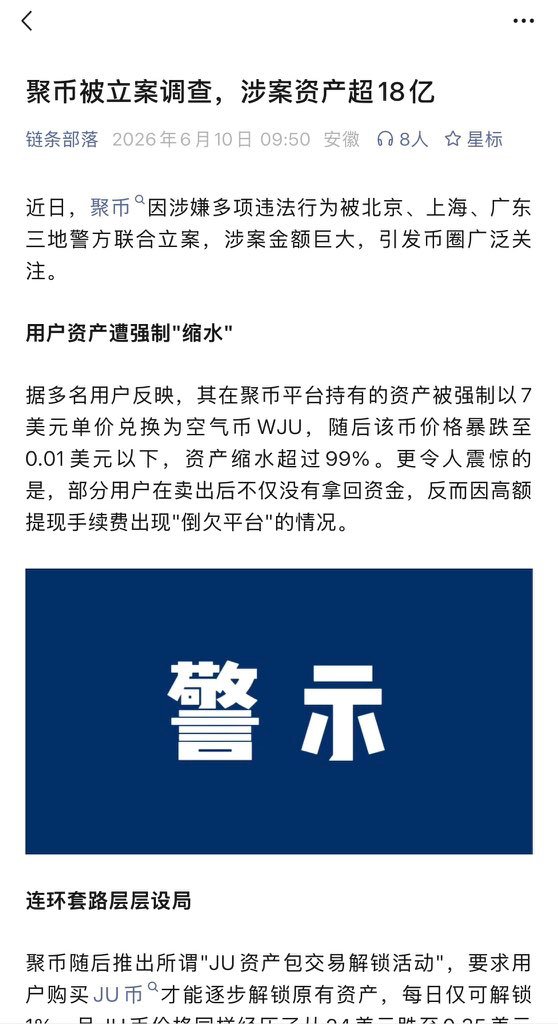
立案了,先把推广的抓进去,逃跑的也有机会抓回来,但是钱就算没收了也不会退还了,都要做好心理准备,参考plustoken 😭,别问我为什么知道!

1
160


Jun 9
DEMONS ARE FOREVER. 👹
A FUTILE ATTEMPT TO DESTROY A DEMON.
DEMONS DON'T FORGET.
DEMONS DON'T DIE.
Memecoins are about communities, and fun, and the hope to one day make a few bucks and be financially safe.
Whenever someone betrays the honest people in this space, the space itself becomes a little less relevant and less people are willing to invest even one USD into it, understandably.
REPUTATION IS EVERYTHING
This is the reason it's slowly dying, this is the reason crypto in general has received such a bad rep, nobody trusts, some politicians even claim it's mostly used by criminals, this very likely includes @villainmonkey and many others who will become traitors to the entire crypto space just to make a few bucks, zero morals, zero ethics, small petty criminals. What they fail to understand is :
The blockchain never forgets.
Here are a few of the worst offenders who should ALL be held accountable for the damage to unsuspecting and innocent people :
THE 66.6 CRYPTO HALL OF SHAME*
1. Terra Luna / UST — $40–60B — @terra_money | @stablekwon
2. FTX — $8–32B — @FTX_Official | @SBF_FTX
3. OneCoin — $4–15B — Ruja Ignatova (no major surviving X presence)
4. Celsius Network — $4–10B — @CelsiusNetwork | @Mashinsky
5. Three Arrows Capital — $3–10B — @zhusu | @KyleLDavies
6. Africrypt — up to $3.6B claimed — @Africrypt (historical)
7. BitConnect — $2–4B — @bitconnect (historical)
8. PlusToken — $2–3B — no major surviving account
9. Thodex — up to $2B — @ThodexOfficial (historical)
10. HyperVerse / HyperFund — $1–2B — @HyperVerseGlobal
Jun 9

How @villainmonkey (Sahil Arora) Just Scammed @lucithecoin And Why It Concerns Every Memecoin Holder on @solana 🧵👇
1
1
9
422

Jun 7
中国政府一万美金砸盘plustoken比特币
德国政府四万八卖飞比特币
英国卖飞黄金
我亏点钱又怎么了😠
Jun 7

如果你不是双标狗,你就应该知道央行买黄金和MSTR堵屁眼没有任何区别
而韭菜程度上也和MSTR没有什么不同。1999年5月,英国财政部宣布了一个重大决定:他们将打算抛售一半以上的国家黄金储备。最终在随后三年内抛售了400吨黄金,而此时是黄金30年大底部😅
牛市一路狂扫,牛顶狂堵屁眼,熊底一通乱卖
1
369

Jun 7
吴老板已经有点何不食肉糜了 忘记了加密圈的来时路有一大股力量是cx人群 ju的基本盘就是那群叔叔阿姨们和cx大军 超级3m plustoken 助力了 btc 以太坊贸易 助力了eth
波点钱包助力了trx 维卡币成就了cz
1
449


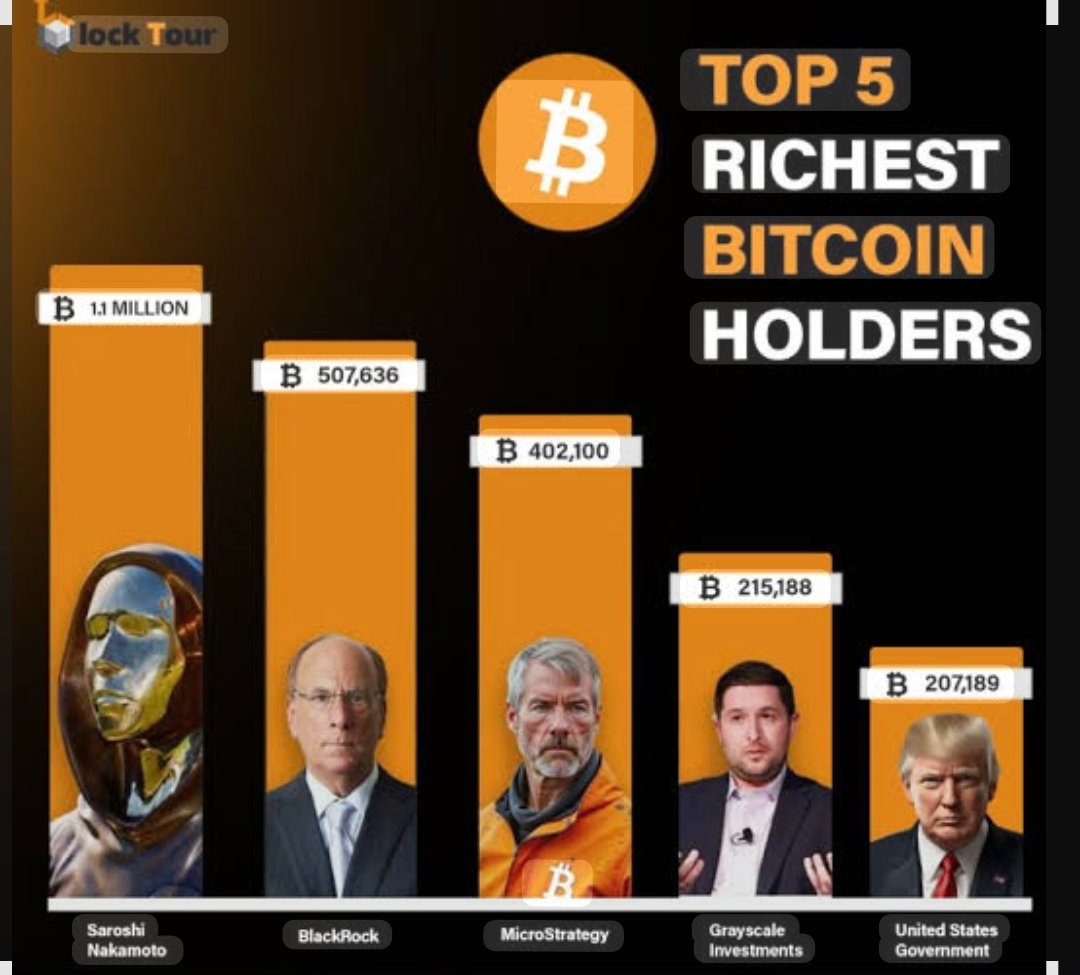
Top 5 countries with the highest Bitcoin holdings and how they got it
1. United States ~329,000 BTC - Criminal seizures
2. China ~190,000 BTC - PlusToken seizure
3. United Kingdom ~61,000 BTC - Fraud & seizures
4. Ukraine ~46,000 BTC - Public donations & reserves
5. Bhutan

Not that y'all care,
But,
Did you know that the United States is one of the top 5 holders of Bitcoin in the world even without having ever bought a single $BTC.
6
1
12
124

May 26
让我们派对就像2019
CEX纷纷开始做云交易所白标方案
博彩链上化是金融的未来 (EOS/Polymarket)
打新撑起了市场的Fomo情绪(pre-IPO/IEO)
划时代的分红盘在水下百花齐放(PlusToken/OHM仿盘)
此时此刻,恰如彼时彼刻
62
2
47
9,306

May 26
Every major economy of the world is now taking a position on $BTC.
And what they’re drawing together is the most important geopolitical development in crypto.
CT analysis treats this as a US story while the map says otherwise 👇🏻
1️⃣ Seizure giants: US and UK
The United States holds approximately 325,000-328,000 BTC: the largest confirmed sovereign Bitcoin position on earth.
It did not buy a single coin.
Every bitcoin came from criminal forfeiture: Silk Road, Bitfinex, James Zhong, and dozens of smaller cases.
For years the policy was to sell it. Under Trump’s executive order signed March 2025, the policy shifted: hold it.
ARMA (American Reserve Modernization Act) was introduced on May 21, with bipartisan support and 16 co-sponsors.
It would codify the reserve into federal law, lock the existing holdings for 20 years, and authorize the Treasury to purchase 200,000 BTC per year for five years.
Target: 1 million BTC. If passed, the Treasury begins buying in Q4 2026.
→ Current position: ~328,000 BTC valued around ~$26B at current prices
→ Strategy: Seizure → hold → codify → buy
→ Status: Executive order signed. ARMA in Congress.
The UK controls approximately 61,000 BTC seized in a 2021 money laundering investigation linked to a Chinese fraud ring.
Current value: approximately £5 billion.
The UK government is still debating what to do with it.
─────────────────────────────────
2️⃣ Strategic buyers: El Salvador
El Salvador became the first country to adopt Bitcoin as legal tender in 2021.
President Bukele has been buying consistently since, including a publicly announced strategy of purchasing 1 BTC per day.
Current holdings: approximately 6,000-7,500 BTC worth roughly $500-600 million.
The complication: El Salvador’s IMF loan agreement explicitly restricts further Bitcoin accumulation as a condition of the deal.
The country that pioneered sovereign Bitcoin buying is now legally constrained from expanding the position that made it famous.
→ Position: ~6,000-7,500 BTC
→ Strategy: Political conviction, legal tender adoption
→ Status: IMF restrictions limiting further accumulation
─────────────────────────────────
3️⃣ Silent Miner: Bhutan
Bhutan’s sovereign wealth fund, has been mining Bitcoin since 2019 using the country’s vast hydroelectric capacity.
A quiet conversion of surplus renewable energy into sovereign BTC.
At peak, Bhutan held approximately 13,000 BTC.
An extraordinary result for a country of 800,000 people, equivalent to roughly 18% of GDP.
In 2026, Bhutan shifted strategy: it started selling.
The stack has dropped from approximately 6,000 to 3,200 BTC this year as the government liquidates to fund development priorities.
→ Peak position: ~13,000 BTC
→ Current position: ~3,200 BTC and declining
→ Strategy: Mine with hydro power → sell when needed
→ Status: Active liquidation phase in 2026
─────────────────────────────────
4️⃣ Seizure Seller: China
China’s position is the most misunderstood on the map.
The PlusToken seizure figure of ~190,000 BTC is still widely cited.
The reality in 2026: Chinese local governments have been selling seized crypto through third-party intermediaries for years.
Reuters reported approximately 15,000 BTC still held: a fraction of the original seizure.
China banned crypto trading and mining.
It simultaneously became one of the largest accidental Bitcoin holders through enforcement.
It is now quietly liquidating that position through opaque channels rather than declaring a sovereign reserve strategy.
→ Reported position: ~15,000 BTC remaining (down from ~190,000)
→ Strategy: seizure → quiet liquidation
→ Status: selling, not holding
─────────────────────────────────
5️⃣ Explorers: UAE and Kazakhstan
The UAE’s Bitcoin exposure comes primarily through Citadel, a public mining company majority-owned by UAE Royal Group through IHC.
Here we don’t have a formal sovereign reserve but corporate exposure through state-linked entities.
Kazakhstan holds approximately 3,500 BTC accumulated as mining migrated from China post-2021 ban.
Neither country has announced a formal Bitcoin reserve strategy.
→ UAE: Mining exposure via state-linked companies, no formal reserve
→ Kazakhstan: ~3,500 BTC, mining-derived, no formal strategy
─────────────────────────────────
6️⃣ The map that emerges
Three strategies. Three outcomes. One asset.
→ Seize and hold: US (~328K BTC) converting accidental accumulation into strategic policy
→ Buy deliberately: El Salvador (~7K BTC) first mover, now constrained by IMF
→ Mine quietly: Bhutan (peaked ~13K, now liquidating) energy arbitrage as sovereign capital
The fourth strategy (Germany) is also on the map: seize and sell immediately. Zero BTC.
The least discussed and arguably the most instructive comparison.
When sovereign buyers enter a market with 21 million units of fixed supply, the price discovery mechanism changes permanently.
174
5
491
17,413


May 23
•2011 Mt. Gox first hack
•2013 Silk Road shutdown
•2013 China’s first Bitcoin ban
•2014 Mt. Gox collapse
•2015 Bitstamp hack
•2016 Bitfinex hack
•2017 Jamie Dimon “fraud” comments
•2017 SegWit/Bitcoin Cash fork war
•2018 ICO bust / crypto winter
•2018 Google & Facebook ad bans
•2019 PlusToken Ponzi unwind
•2020 COVID Black Thursday crash
•2021 China mining ban
•2021 Tesla halts BTC payments
•2022 Terra/Luna collapse
•2022 Three Arrows Capital implosion
•2022 Celsius & Voyager bankruptcies
•2022 FTX collapse
•2023 Silicon Valley Bank crisis
•2023 SEC sues Binance & Coinbase
•2024 Mt. Gox creditor repayments
•2024 German government BTC sell
•2024 Yen carry trade unwind
•2025 Oct 10 mega-liquidation
•2025–2026 Quantum computing FUD
•2026 US–geopolitical tensions
Honey badger don’t care about your “Clarity Act”
bitcoin:native
May 23

If we don’t get Clarity Act before the midterms, it’s probably over.
5
4
16
969

May 21
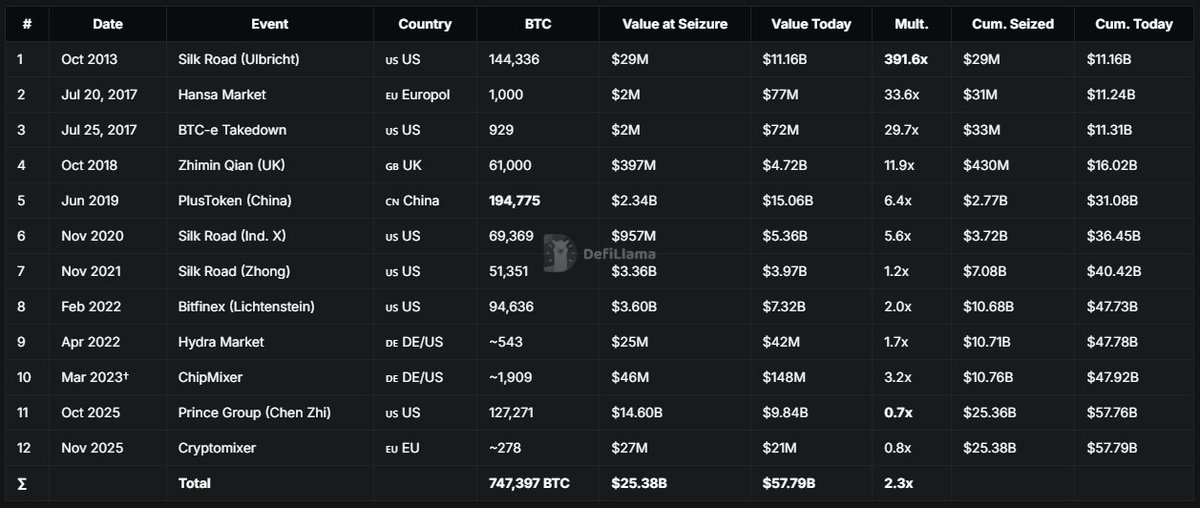
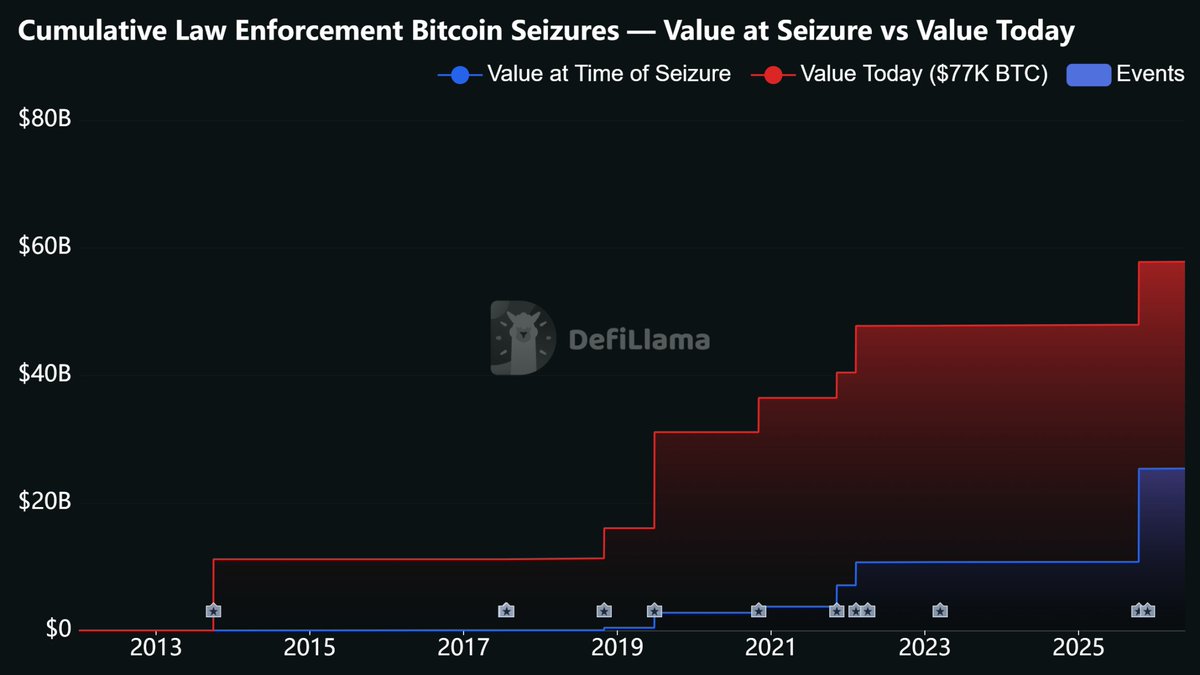
Since 2013, criminals collectively lost control of 747k BTC.
At today's prices, that's $57B. The biggest haul saw 194,775 BTC seized from PlusToken by Chinese Authorities in June 2019, today worth $15b (6.4x).
defillama.com/ai/chat/shared…
4
4,787

May 17
🟢 สินทรัพย์พลังงานกว่า $2 พันล้านถูกโทเค็นบน XRP Ledger ผ่าน Justoken
siamblockchain.com/2026/05/1…
#PlusToken #RWA #Tokenization #Crypto #คริปโต
1
12
687