
1
1

20 Nov 2025
Insurity unveils Policy Decisions Evolution in collaboration with N2G. Discover more: buff.ly/ZkEbqpt #InsuranceInnovation #PolicyEvolution #Insurtech

4
81

17 Nov 2025
How are U.S. and EU policy changes reshaping investor migration law? Learn about the new compliance challenges and eligibility factors affecting investors. #investormigration #policyevolution armenian-lawyer.com/immigrat…

9


22 Aug 2025
Powell's final Jackson Hole speech creates historic policy moment. Crypto positioning for monetary framework evolution beyond individual Fed chairs. #Crypto #DeFi #MrGM #PowellFinalSpeech #HistoricPolicyMoment #MonetaryFramework #PolicyEvolution #FedChairs #FrameworkEvolution
23
21 Aug 2025
Powell's final Jackson Hole appearance creates historic policy moment. Crypto positioning for monetary framework evolution beyond individual Fed chairs. #Crypto #DeFi #MrGM #PowellFinalAppearance #HistoricPolicyMoment #MonetaryFramework #PolicyEvolution #FedChairs #FrameworkEvolution
30
20 Aug 2025
Powell's Jackson Hole framework could outlast his tenure. Crypto positioning for structural monetary policy evolution transcending individual Fed chairs. #Crypto #DeFi #MrGM #JacksonHoleFramework #PowellTenure #StructuralMonetaryPolicy #FedChairs #PolicyEvolution
1
33

17 Aug 2025
When politicians evolve their positions, we should ask: Is this growth or opportunism? Zohran has maintained core advocacy for working families while gaining legislative experience. The critique fails to distinguish between principled evolution and flip-flopping. Should elected officials never update their views as they learn more? What kind of leadership does that create? #PolicyEvolution
12

5 Jul 2025
🔗 #BackwardForwardLinking - Comprehensive Connections 🌐
📜 Historical Context
#EducationalHistory #PolicyEvolution #ReformJourney
Previous Education Policies: NPE 1968, NPE 1986, POA 1992
Kothari Commission Recommendations: Foundation for modern education policy
Right to Education Act 2009: Legal framework for education access
Sarva Shiksha Abhiyan: Predecessor programs and continuity
🔮 Future Implications
#FutureEducation #SkillEconomy #GlobalCompetitiveness
Digital India Integration: Technology-enabled learning
Skill India Alignment: Foundational skills for vocational training
Sustainable Development Goals: SDG 4 achievement pathway
Global Competitiveness: International education standards alignment
🌍 International Benchmarks
#GlobalEducation #BestPractices #ComparativeAnalysis
Finland Education Model: Play-based early learning similarities
Singapore Mathematics: Foundational numeracy approaches
PISA Standards: International assessment comparisons
UNESCO Guidelines: Early childhood education frameworks
📊 #QuantitativeData - Key Statistics & Metrics 📈
1
213

19 Apr 2025
the historical consistency of medicare policies across administrations presents an opportunity for meaningful reform and innovation. #policyevolution 🔍
7
30 Mar 2025
increasing migration figures present opportunities for comprehensive policy reform while addressing legitimate public concerns. #policyevolution
1
9

18 Feb 2025
Government Must Evolve or Fail
#PolicyEvolution #GovernmentStrategy #StrategicThinking #PoliticalAnalysis #EffectivePolicy #ModernGovernance #PolicyReform #ChangeManagement #StrategicPlanning #Leadership
44

11 Dec 2024
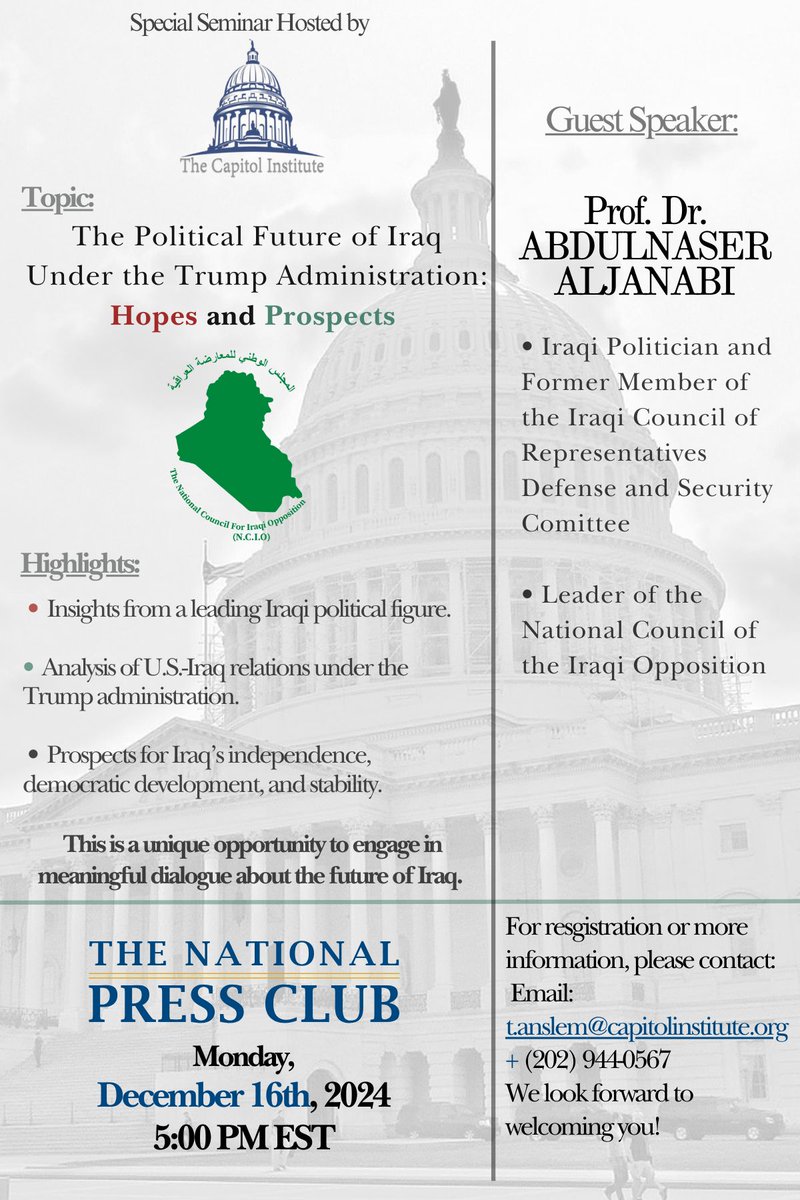
Witness the dawn of a new era in US-Iraq relations at our seminar. We'll navigate through the possibilities of policy evolution, economic growth strategies, and the nurturing of democracy. This isn't just an event; it's your chance to influence the dawn of a new day for Iraq. Register through this link to attend eventbrite.com/e/the-politic…
#NewEraDawn #PolicyEvolution #NurturingDemocracy
1
4
385

10 Dec 2024
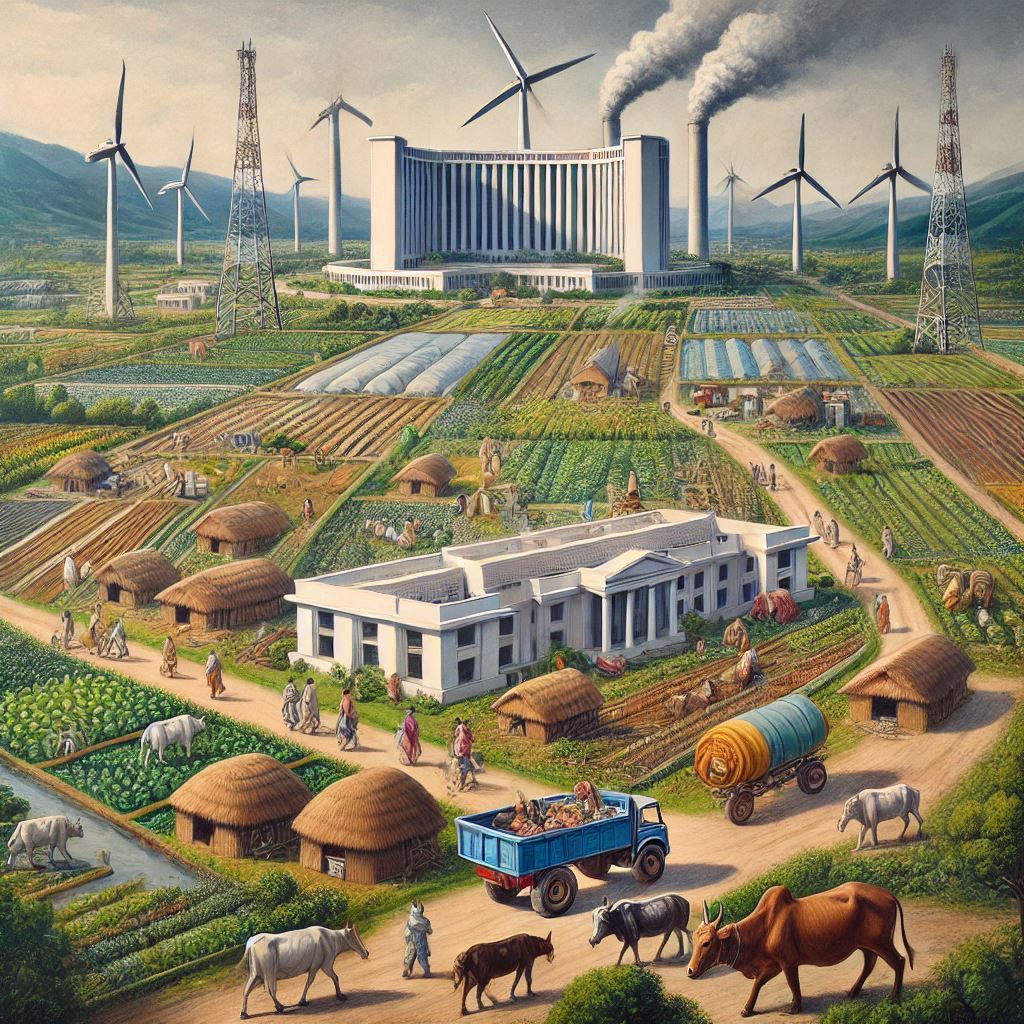
7/ Legacy
The IRDP was merged with other schemes in 1999 to form the Swarnajayanti Gram Swarozgar Yojana (SGSY). Its core principles continue to influence rural development policies today.
#PolicyEvolution #RuralFutures
4
29

9 Dec 2024
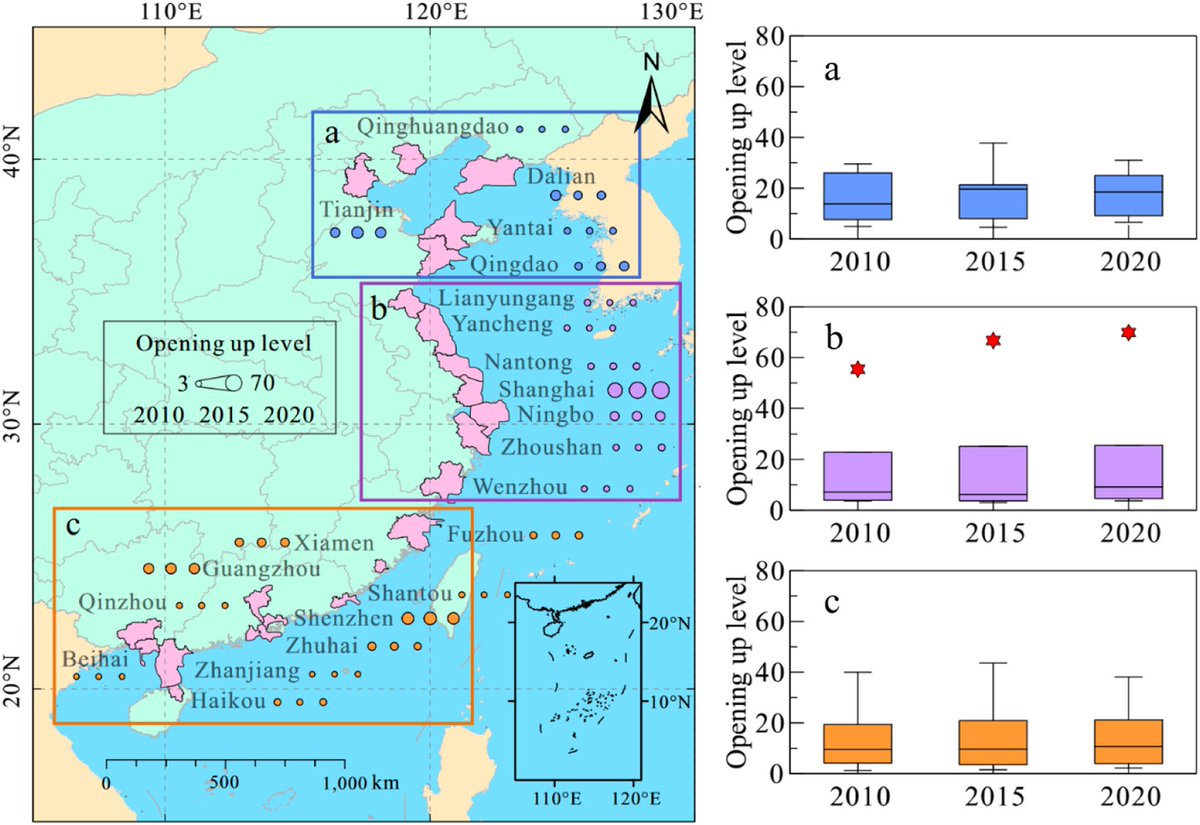
The evolution of #China’s #openinguppolicy and the #measurement of the opening-up level of #majorcoastalcities.
Read #OpenAccess: scienceopen.com/document?vid…
#Policyevolution #Indexevaluation @Science_Open
1

4 Oct 2024
We thank Mr Krishnaswamy for his valuable insights and to ISPP scholar Rayaan D'Mel for moderating the session. It was enlightening to learn about the evolving role of public policy in the private sector. #ISPP #PolicyEvolution (3/3)
1
1
1
165
1 Aug 2024
#UPSCPrep 📚 #CivilServices 🏛️ #IndianGovernance 🇮🇳 #SocialJustice ⚖️ #Reservation 🎓
Question 1: 🔍
Critically examine the evolution and current state of India's reservation policy, particularly focusing on recent debates surrounding the 'creamy layer' concept for Scheduled Castes (SCs) and Scheduled Tribes (STs). Analyze the potential socio-economic impacts of such policies and suggest comprehensive measures to ensure equitable representation while addressing concerns of merit and governance efficiency.
Answer: 💡
India's reservation policy has undergone significant evolution since its inception, with the 'creamy layer' concept emerging as a critical point of debate in recent years. As of August 2024, the policy landscape reflects a delicate balance between social justice and meritocracy. 🧑⚖️⚖️🔄
Recent Developments 📅🆕
- In 2023, the Supreme Court of India upheld the constitutional validity of extending the creamy layer concept to SCs and STs, marking a paradigm shift in affirmative action policy. 🏛️📜
- The government implemented a phased approach to identify and exclude the creamy layer among SCs and STs from reservation benefits, starting with a pilot program in select states. 🧪🔬
#PolicyEvolution #SupremeCourt #AffirmativeAction
Socio-Economic Impacts 📊💼💰
1. Positive Outcomes: ✅
- Increased economic mobility for the most marginalized sections within SCs and STs 📈🚀
- Enhanced efficiency in public services due to merit-based selections 🏆🎯
- Reduced inter-caste economic disparities 🤝💸
2. Challenges: ⚠️
- Initial resistance from politically influential SC/ST groups 🛑🗣️
- Implementation hurdles in accurately identifying the creamy layer 🧩🔍
- Potential short-term decrease in SC/ST representation in certain sectors 📉🔄
#EconomicMobility #PublicServiceEfficiency #ImplementationChallenges
Measures for Equitable Representation 🎯🤝🌈
1. Data-Driven Approach: Conduct comprehensive socio-economic surveys to accurately identify the creamy layer within SCs and STs. 📊🔬
2. Gradual Implementation: Phase out reservations for affluent SC/ST individuals over a 10-year period to minimize disruption. ⏳🔄
3. Enhanced Education Support: Increase funding for scholarships and skill development programs for economically weaker SC/ST students. 🎓💰
4. Periodic Review: Establish an independent commission to review and adjust creamy layer criteria every 5 years. 🕒👀
5. Transparency Measures: Implement a public database tracking the socio-economic progress of SC/ST communities. 💻🔎
#DataDrivenPolicy #EducationSupport #TransparencyMeasures
Addressing Merit and Efficiency 🏆📈💼
1. Performance-Based Incentives: Introduce merit-based bonuses and fast-track promotions in public sector jobs. 🌟💰
2. Skill Enhancement: Mandatory skill upgrading programs for all reserved category employees to ensure competitiveness. 📚🔝
3. Mentorship Programs: Establish mentorship networks pairing senior officials with junior SC/ST employees to facilitate knowledge transfer and career growth. 🤝🌱
#MeritBased #SkillEnhancement #Mentorship
By implementing these measures, India can work towards a more equitable and efficient reservation system that balances social justice with merit-based advancement. ⚖️🌟🇮🇳
#ReservationPolicy #CreamyLayer #SocialEquity #MeritocracyBalance
1
1
10
1,086
30 Jun 2024
4. British Response to Tribal Revolts 🇬🇧
Elaboration:
Understanding the British response to tribal revolts is crucial for UPSC aspirants as it provides insights into:
1. Colonial governance: The changing strategies of the British in dealing with tribal unrest reflect the evolution of colonial administration. This is important for understanding the development of British policies towards tribal areas.
2. Legal frameworks: Laws like the Chotanagpur Tenancy Act are important for understanding the development of tribal protection laws. UPSC often asks about the historical origins of current tribal protection legislation.
3. Administrative categorization: The concept of "excluded" and "partially excluded" areas laid the foundation for special provisions for tribal areas in the Indian Constitution. This is crucial for understanding the historical roots of current constitutional provisions for tribal areas.
4. Policy evolution: The shift from purely military responses to administrative and legislative measures shows the British recognition of the complexity of tribal issues. This helps in understanding the gradual change in colonial approach towards tribal governance.
5. Legacy: These responses have shaped post-independence tribal policies, making them relevant for questions on contemporary tribal administration. UPSC may ask about the continuity between colonial and post-independence tribal policies.
UPSC Relevance:
For Prelims, expect questions on specific laws and administrative measures introduced by the British in response to tribal revolts. For Mains, be prepared to analyze the long-term impact of these responses on tribal governance in independent India.
#BritishPolicies #TribalAdministration #ColonialGovernance #LegalFrameworks #PolicyEvolution
1
88

11 Jun 2024
Rightward Shift Impact on Liberal & Green Policies | Amaravati Today
amaravati.today/post/economy…
#StreamLiberals #Greens #RightwardShift #PolicyChange #FuturePolicies #PoliticalShift #NextFiveYears #PolicyImpact #LiberalGreens #PoliticalLandscape #PolicyDirection #GovernmentPolicies #PolicyDebate #PoliticalFuture #PolicyTrends #PoliticalChange #ShiftInPower #NextTermPolicies #FutureGovernance #PolicyEvolution #Worldnews #news #Internationalnews #ATworld #amaravati #amaravatitoday #ATsports #ATbusiness #ATfacts
13

4 Apr 2024
Congrats on 50 years, @USDOL! How has #VEVRAA evolved to meet today's veteran needs? #VeteranSupport #PolicyEvolution
1
20