
May 8
Understanding Horizontal Reservation for UPSC
#UPSC #UPSCPrelims #UPSCMains #IndianPolity #ReservationSystem #HorizontalReservation #VerticalReservation #ConstitutionOfIndia #SocialJustice #Equality #Article16 #CivilServices #IASPreparation #PolityNotes
2
223

May 5
What Does Article 18 Say? | Abolition of Titles Explained
.
#Article18 #IndianConstitution #AbolitionOfTitles #FundamentalRights #PolityNotes #DrishtiIAS
2
23
936
May 2
Polity: Type of PYQs Asked From Preamble
#UPSC #UPSCPrelims #UPSCMains #IndianPolity #ConstitutionOfIndia #Preamble #Civics #PolityNotes #ExamPreparation #CivilServices #IASPreparation #PolityRevision
2
116

Apr 10
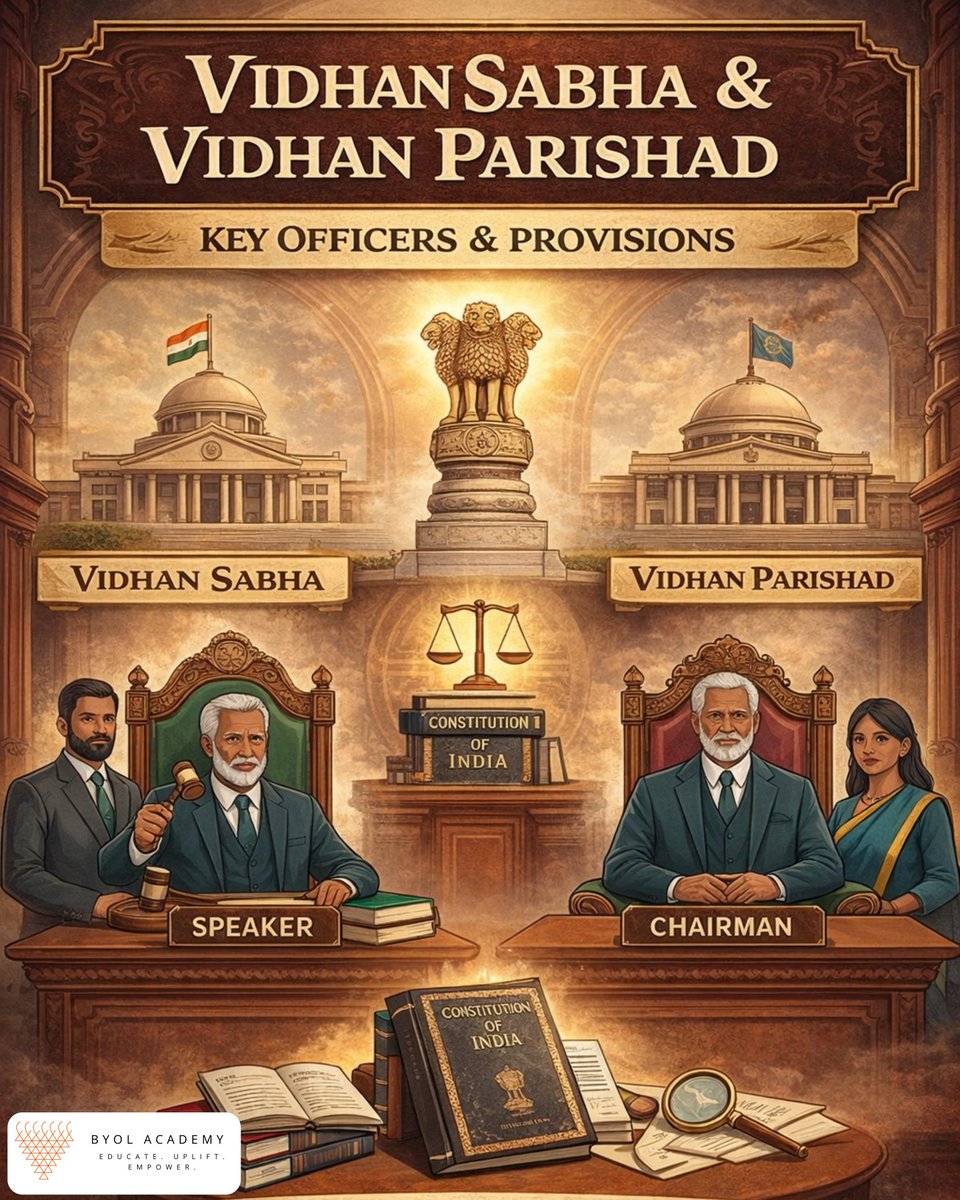
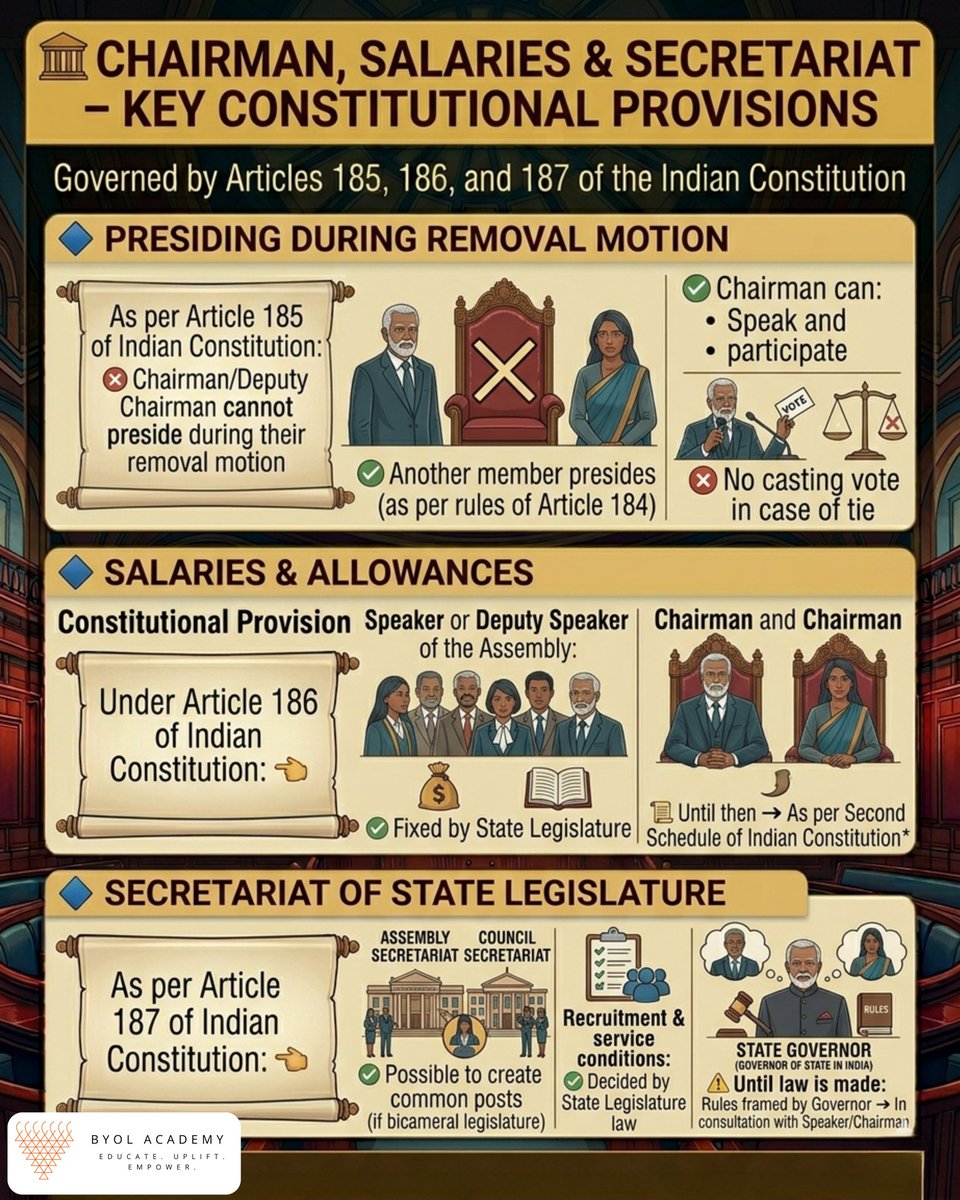
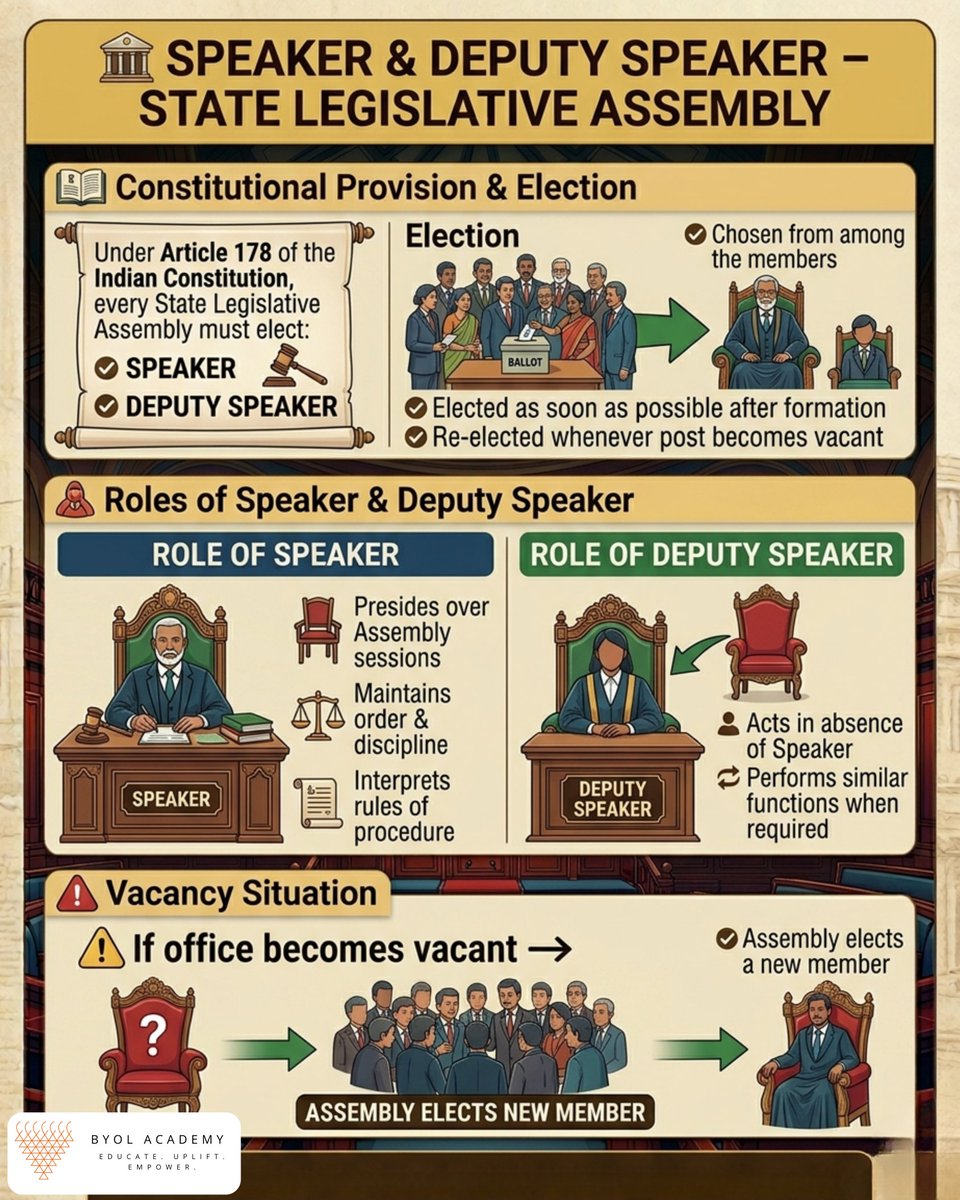
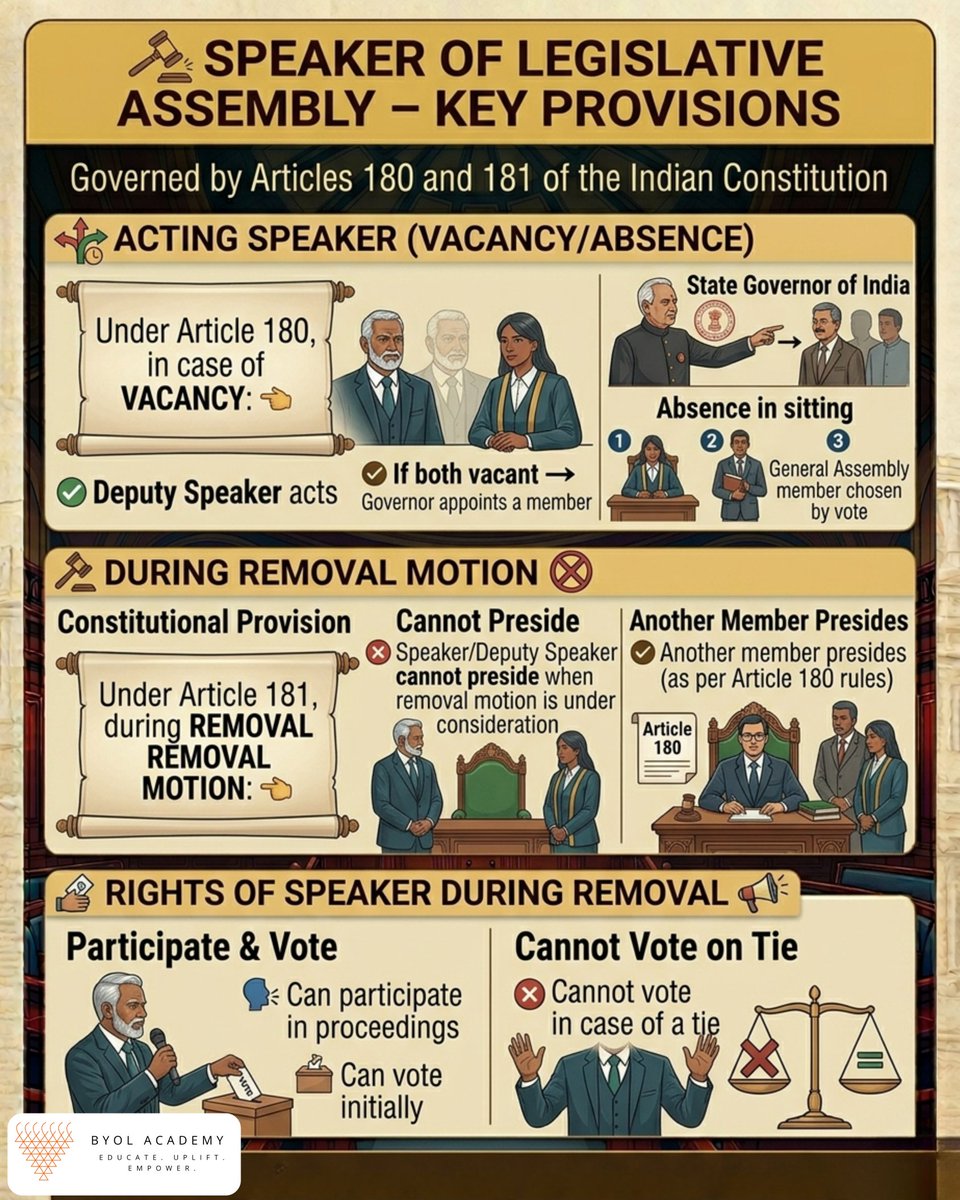
Understanding the structure of the State Legislature in India made simple . This series covers the key officers of Vidhan Sabha (Speaker) and Vidhan Parishad (Chairman) along with their constitutional provisions, roles, powers, removal, and functioning in a clear and visual way. From Articles 178–187, these positions ensure order, neutrality, and smooth legislative functioning in the states.
#UPSC #IndianPolity #StateLegislature #VidhanSabha #VidhanParishad #Speaker #Chairman #IndianConstitution #UPSCPreparation #SSC #StatePCS #PolityNotes #GS2 #StudyGram #CompetitiveExams #LearnWithInfographics #Education #ExamPrep
1
5
15
365
Apr 10
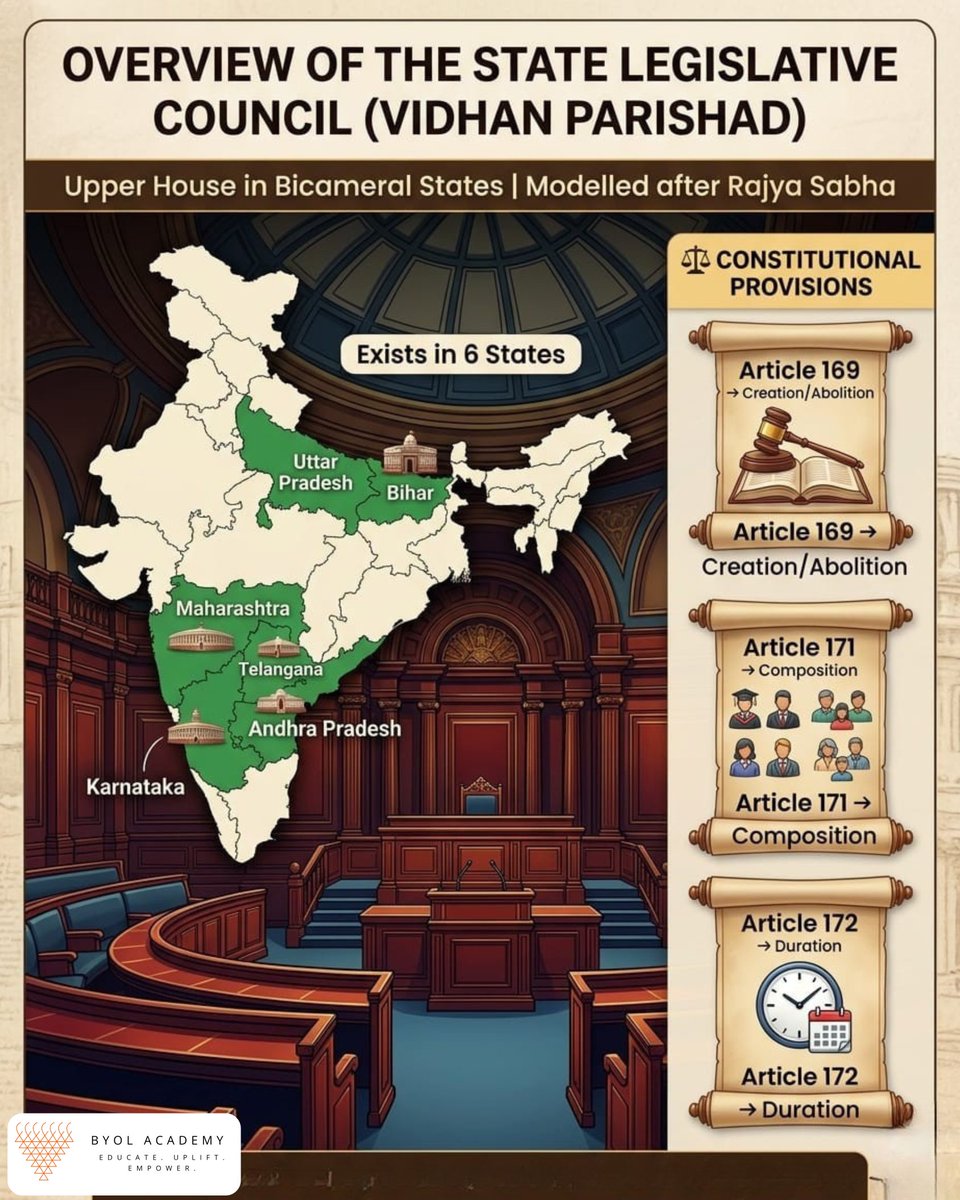
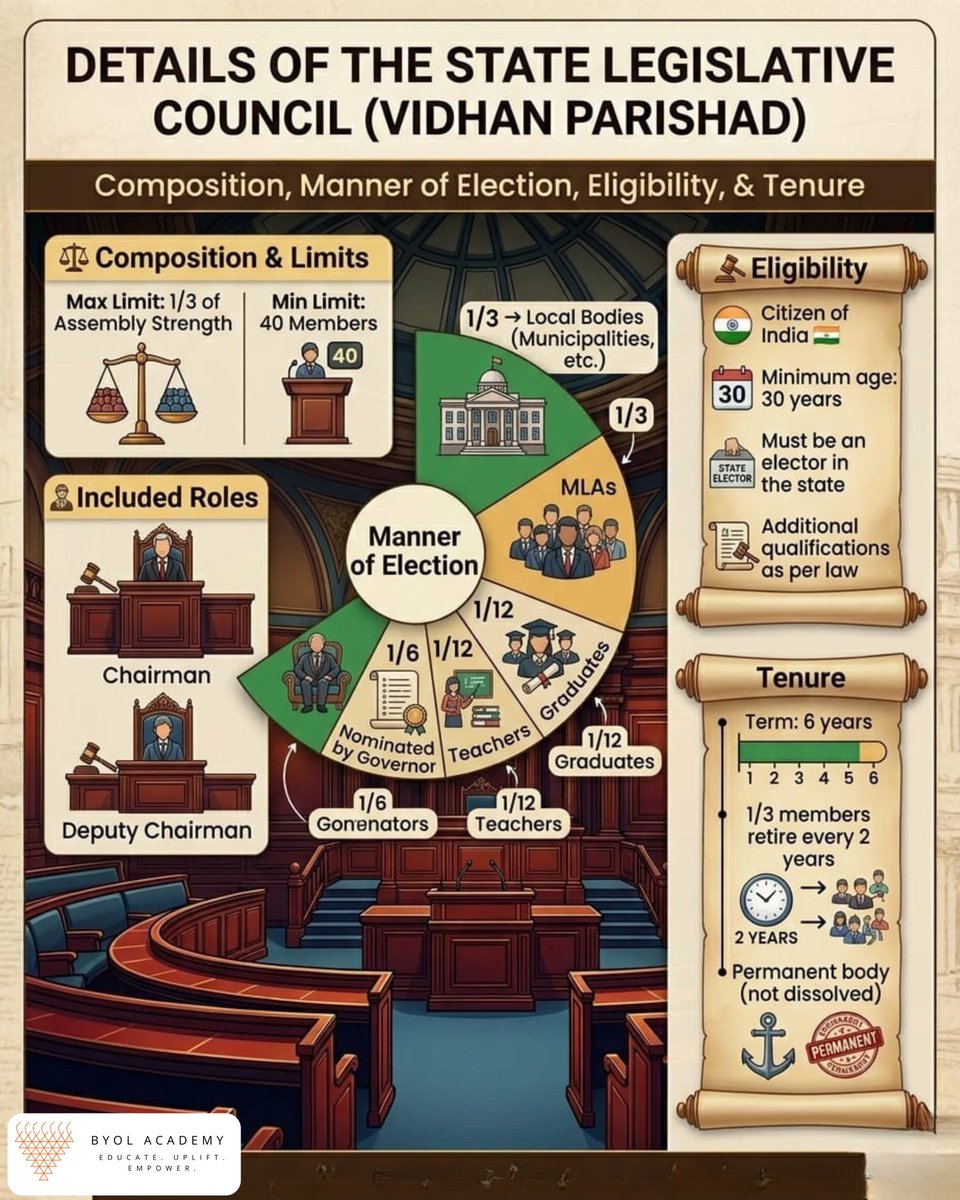
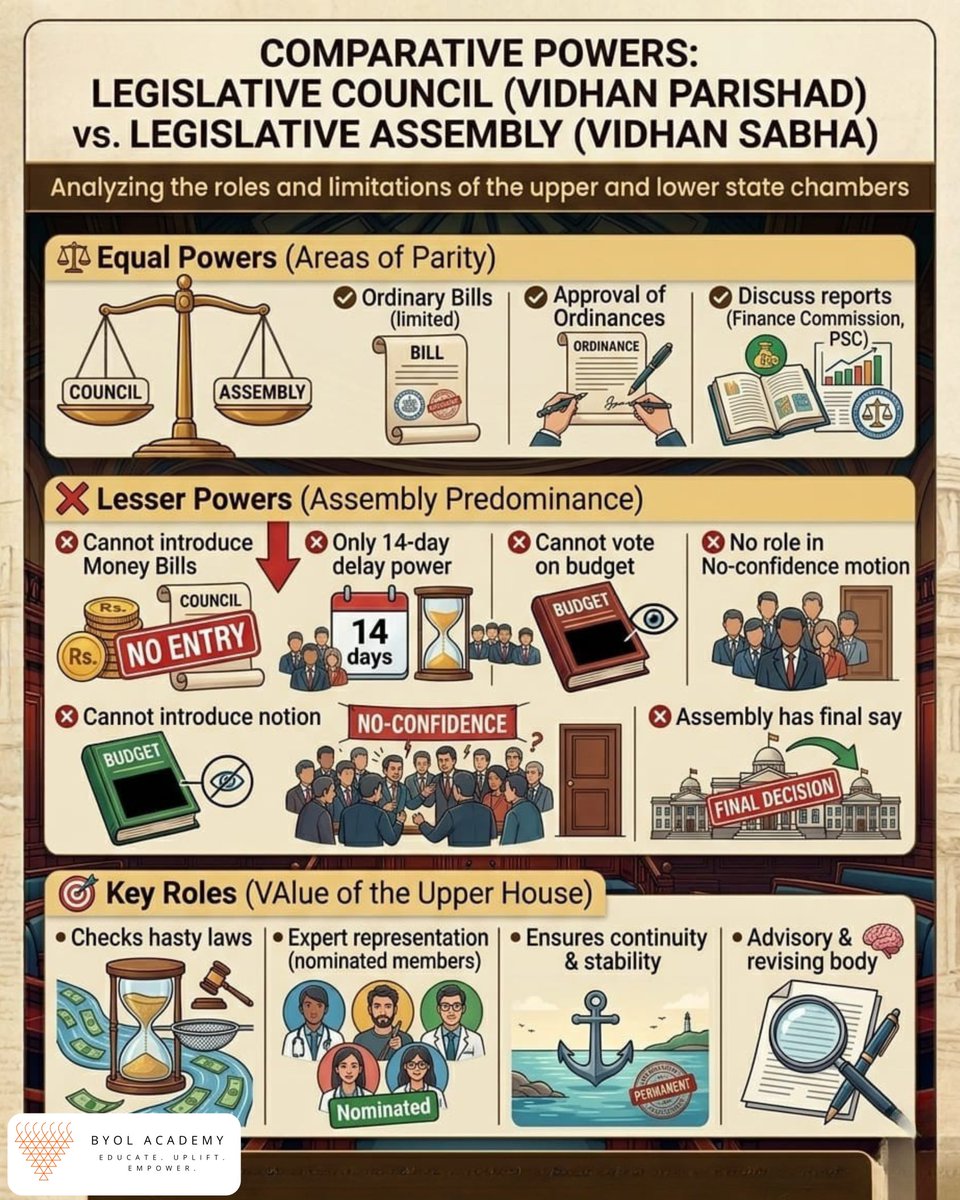
Understanding the State Legislative Council (Vidhan Parishad) becomes easy with this visual breakdown 🏛️. It covers everything from its constitutional provisions (Articles 169–172) to its composition, election process, eligibility, and tenure in a structured way. The Council exists only in a few states and functions as the Upper House, similar to the Rajya Sabha at the central level. It is a permanent body (not dissolved) and mainly acts as a reviewing and advisory chamber, helping to check hasty legislation and provide expert opinions. However, when compared to the Legislative Assembly (Vidhan Sabha), its powers are limited, especially in financial matters where the Assembly has the final authority. Overall, it plays an important role in ensuring continuity, stability, and better law-making in the state legislative system.
#UPSC #Polity #IndianPolity #VidhanParishad #LegislativeCouncil #VidhanSabha #UPSCPreparation #SSC #StatePCS #IndianConstitution #PolityNotes #StudyGram #UPSCNotes #CompetitiveExams #GS2
4
9
246
Apr 10
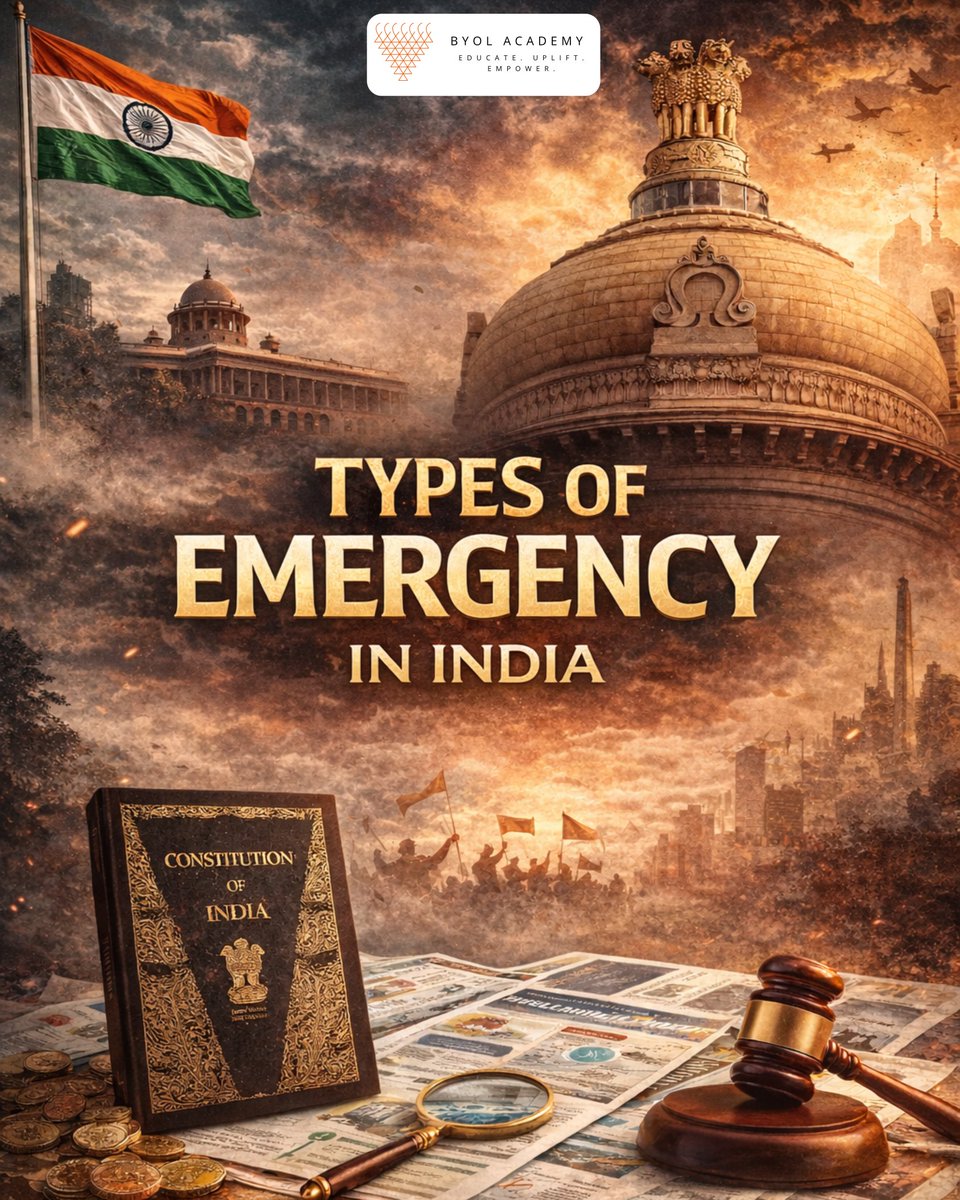
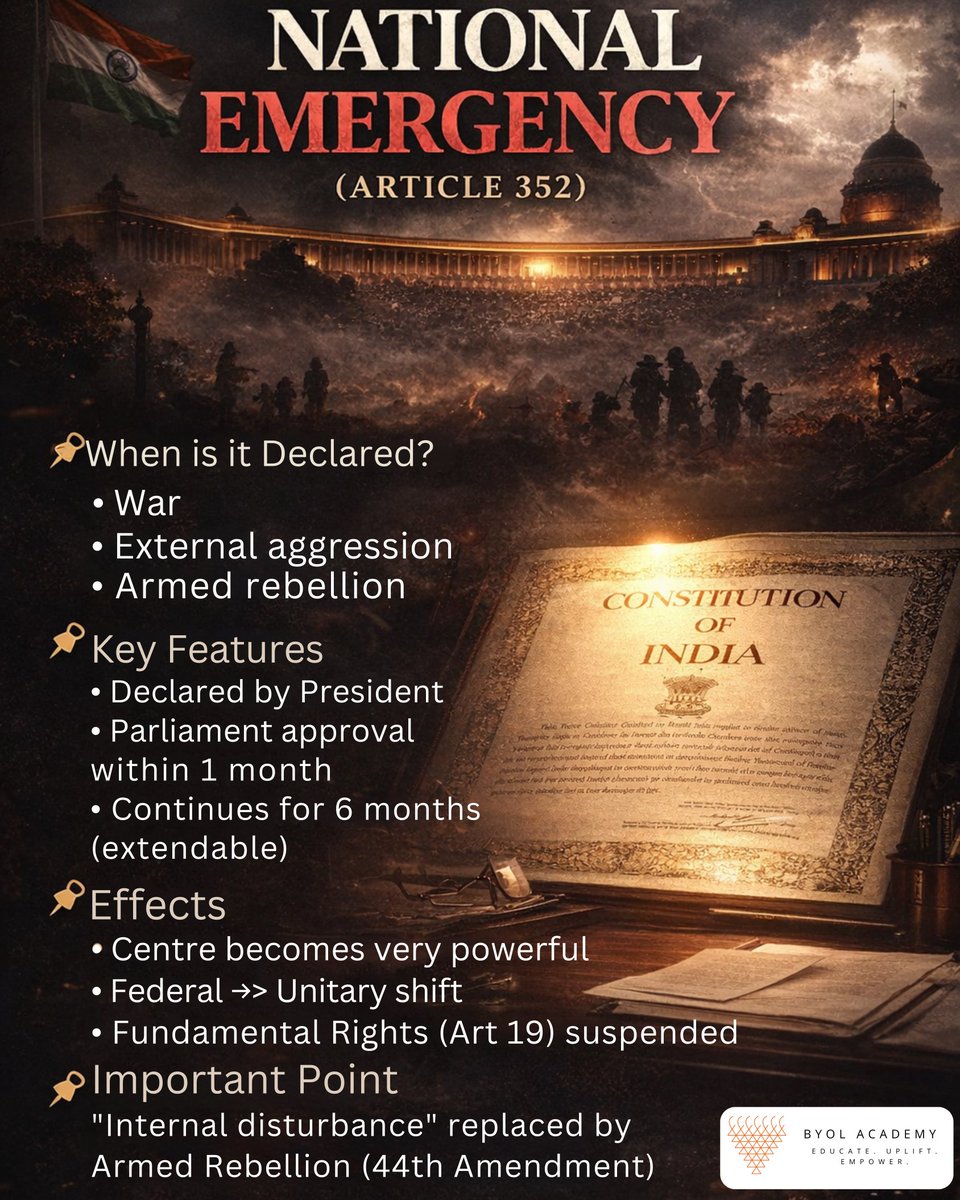
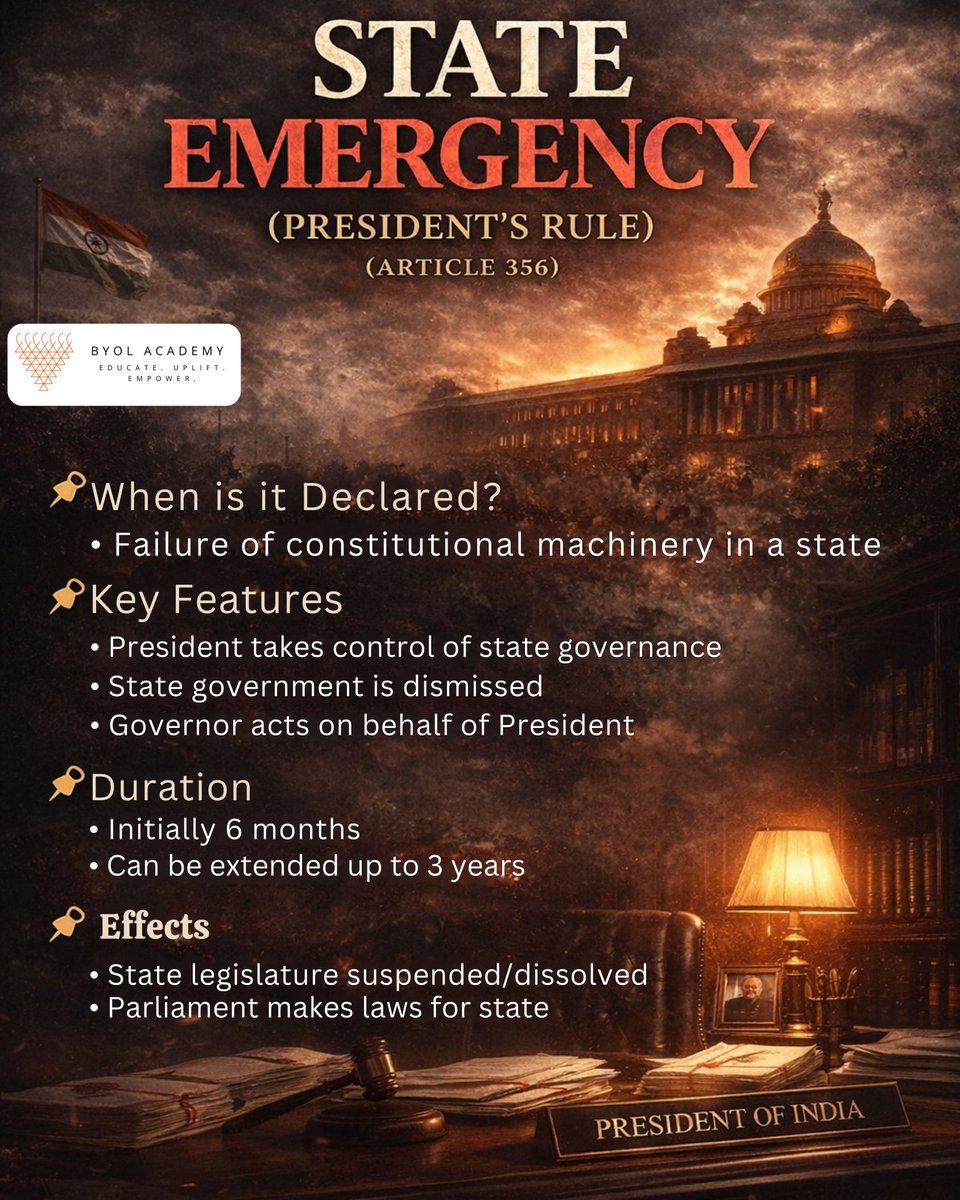
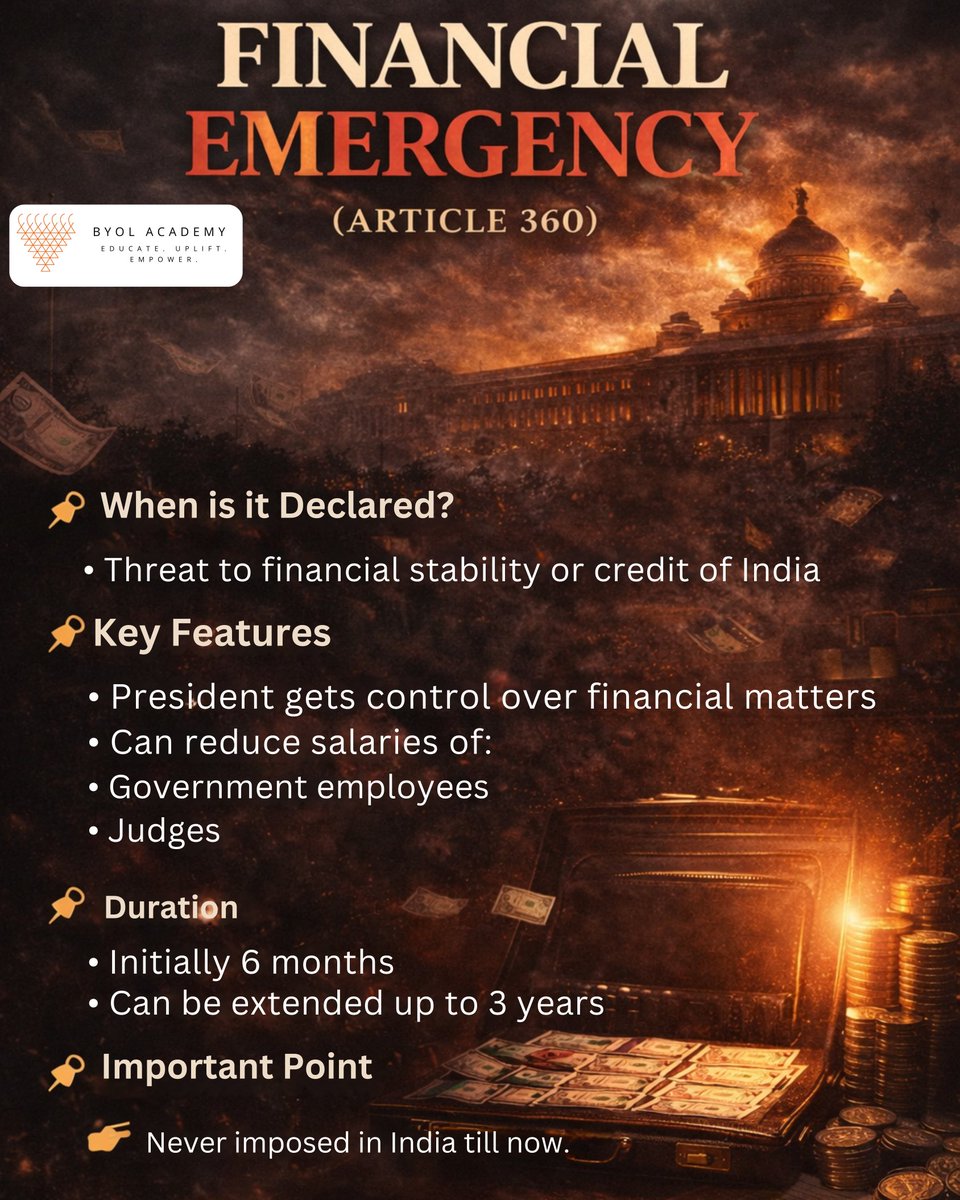
Emergency provisions under the Indian Constitution (Articles 352, 356, and 360) are designed to protect the nation during extraordinary situations. From National Emergency to President’s Rule and Financial Emergency, these provisions ensure stability, but they also raise important questions about federalism and fundamental rights.
#UPSC #UPSCPreparation #IndianPolity #ConstitutionOfIndia #EmergencyProvisions #Article352 #Article356 #Article360 #PolityNotes #IAS #SSC #CompetitiveExams #Prelims2026 #MainsPreparation #StudySmart #Civics #Governance #IndianConstitution #ExamReady #UPSCNotes
3
8
253

Apr 8
पुडुचेरी सबसे अलग केंद्र शासित प्रदेश क्यों है?
#Puducherry #UnionTerritory #IndiaPolity #UniqueIndia #FrenchColony #IndianGeography #IndianHistory #CulturalDiversity #UTOfIndia #ColonialHistory #Governance #PolityNotes #UPSCPrep #IncredibleIndia #Heritage #SouthIndia #IndianAdministration #GeographyFacts #HistoryFacts #IndiaStudy #shorts #sanskritiias #shortsvideo #dailyshorts #educationshorts #studyshorts #motivationshorts #shortsreels #shortstoday #viralvideo #ytshorts
5
184

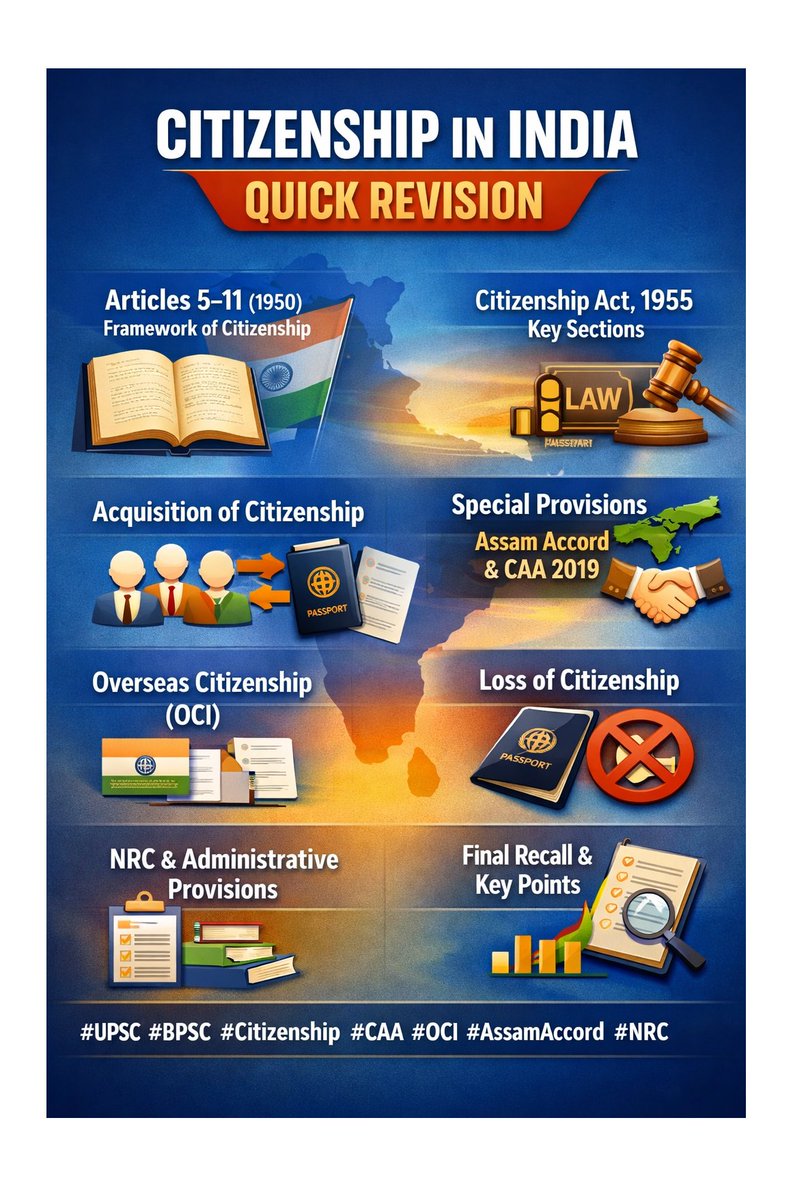
🇮🇳 CITIZENSHIP IN INDIA – QUICK REVISION THREAD
Articles 5–11 define citizenship at the commencement of the Constitution (26 Jan 1950).
Article 5: Citizenship by domicile, birth, parentage, residence
Articles 6–7: Migration during Partition
Article 8: Indians abroad (registration)
Article 9: Foreign citizenship = termination
Article 10: Continuity
Article 11: Parliament’s power to legislate
Note: Articles 5–11 deal only with citizenship at the commencement (1950), not current acquisition.
📜 Citizenship Act, 1955 – Key Sections
Section 1: Short Title
Section 2: Definitions
→ Illegal Migrant (important for CAA)
→ OCI Cardholder (Sec 7A)
Most important: Section 2(1)(b) proviso
🧾 Acquisition of Citizenship
Section 3: By Birth (1950 / 1987 / 2004 changes)
Section 4: By Descent (pre-1992, post-1992, post-2003 registration rule)
Section 5: By Registration
Section 6: By Naturalization
→ 11 years residence
→ Good character
→ Language (8th Schedule)
🌏 Special Provisions
Section 6A: Assam Accord (1985)
Section 6B: CAA 2019
→ Residency: 11 → 5 years
→ Exclusions: Sixth Schedule areas, ILP regions
Section 7: Incorporation of Territory
🌐 OCI (Overseas Citizenship of India)
Sections 7A–7D
Not full citizenship
❌ Loss of Citizenship
Section 8: Renunciation
Section 9: Termination
Section 10: Deprivation
📌 Administrative Provisions
Section 14A: NRC & National Identity
Section 18: Rule-making power
🔁 Final Recall
Articles 5–11 → Base
Section 2 → Illegal migrant
Section 3 → Birth
Section 6A → Assam
Section 6B → CAA
Section 7A–D → OCI
Section 8–10 → Loss
Section 14A → NRC
#UPSC #BPSC #Polity #Citizenship #UPSC #BPSC #Polity #Citizenship #IndianPolity #GS2 #Prelims2026 #Mains2026 #UPSCPrep #BPSCPrep #CivilServices #IAS #IPS #ExamPreparation #CurrentAffairs #StaticGK #IndianConstitution #Governance #Law #PublicPolicy #NRC #CAA #OCI #AssamAccord #ConstitutionalLaw #StudyNotes #Revision #LastMinuteRevision #PolityNotes #UPSCNotes #BPSCNotes #CompetitiveExams
5
7
66
Apr 3
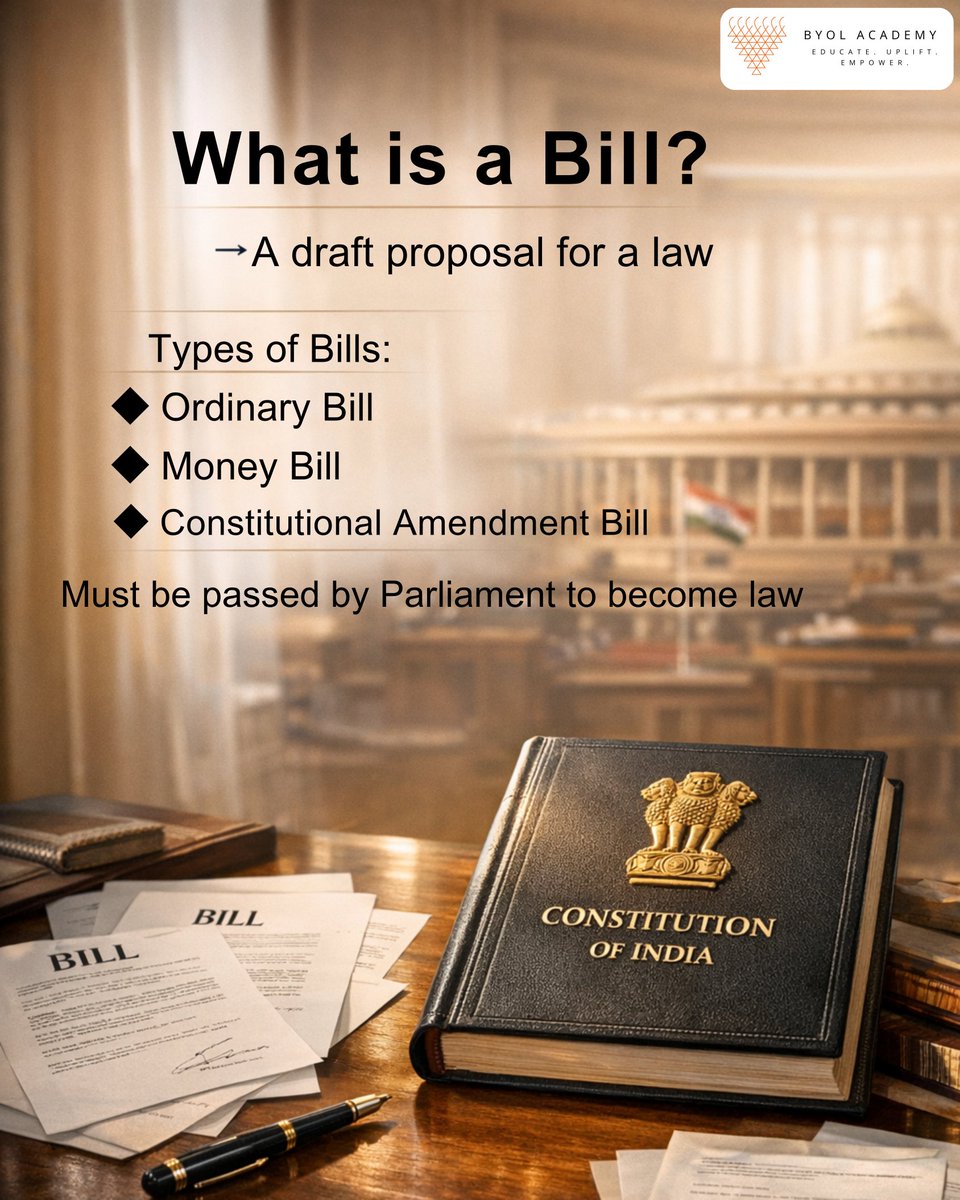
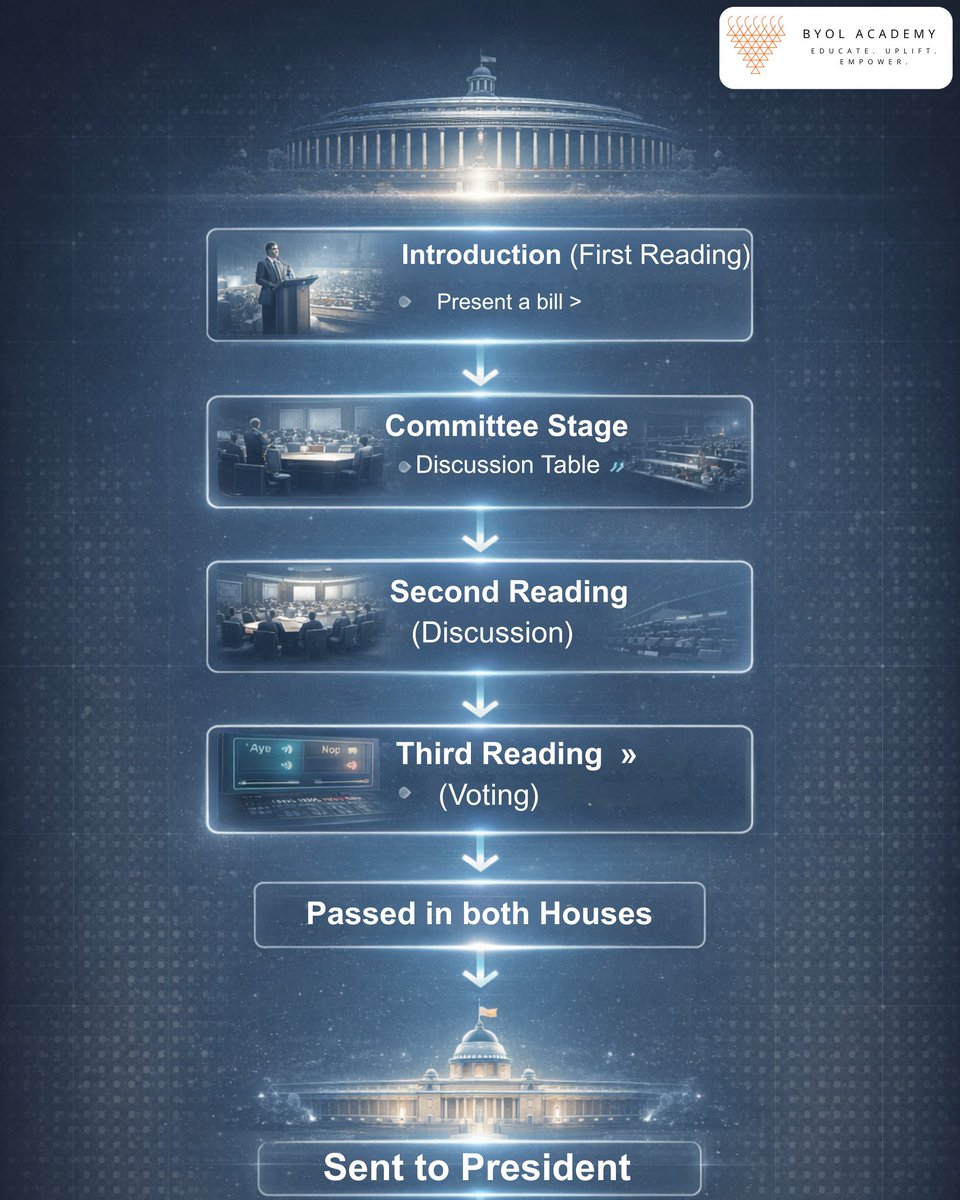
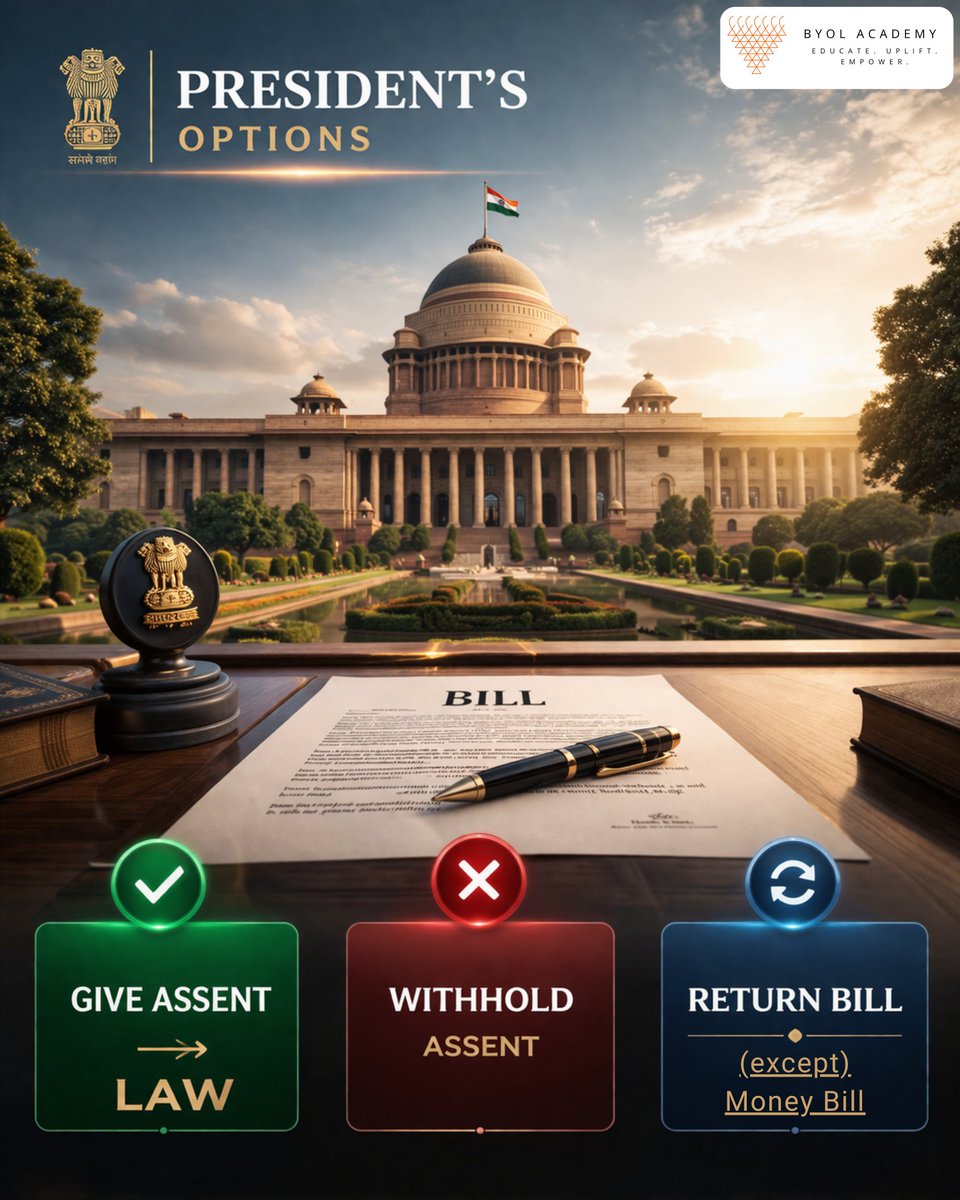
From introduction in Parliament to final Presidential assent, every step ensures debate, scrutiny, and democratic decision-making.
A Bill must be passed by both Houses of Parliament before becoming a law.
#UPSC #UPSCPreparation #Polity #IndianPolity #UPSCNotes #StudyMaterial #CivilServices #UPSC2026 #UPSCPrelims #UPSCMains #GS2 #ExamPreparation #StudySmart #CurrentAffairs #Education #Learning #Revision #Government #IndianParliament #LawMaking #PolityNotes #Aspirants #UPSCJourney
6
136
Apr 2
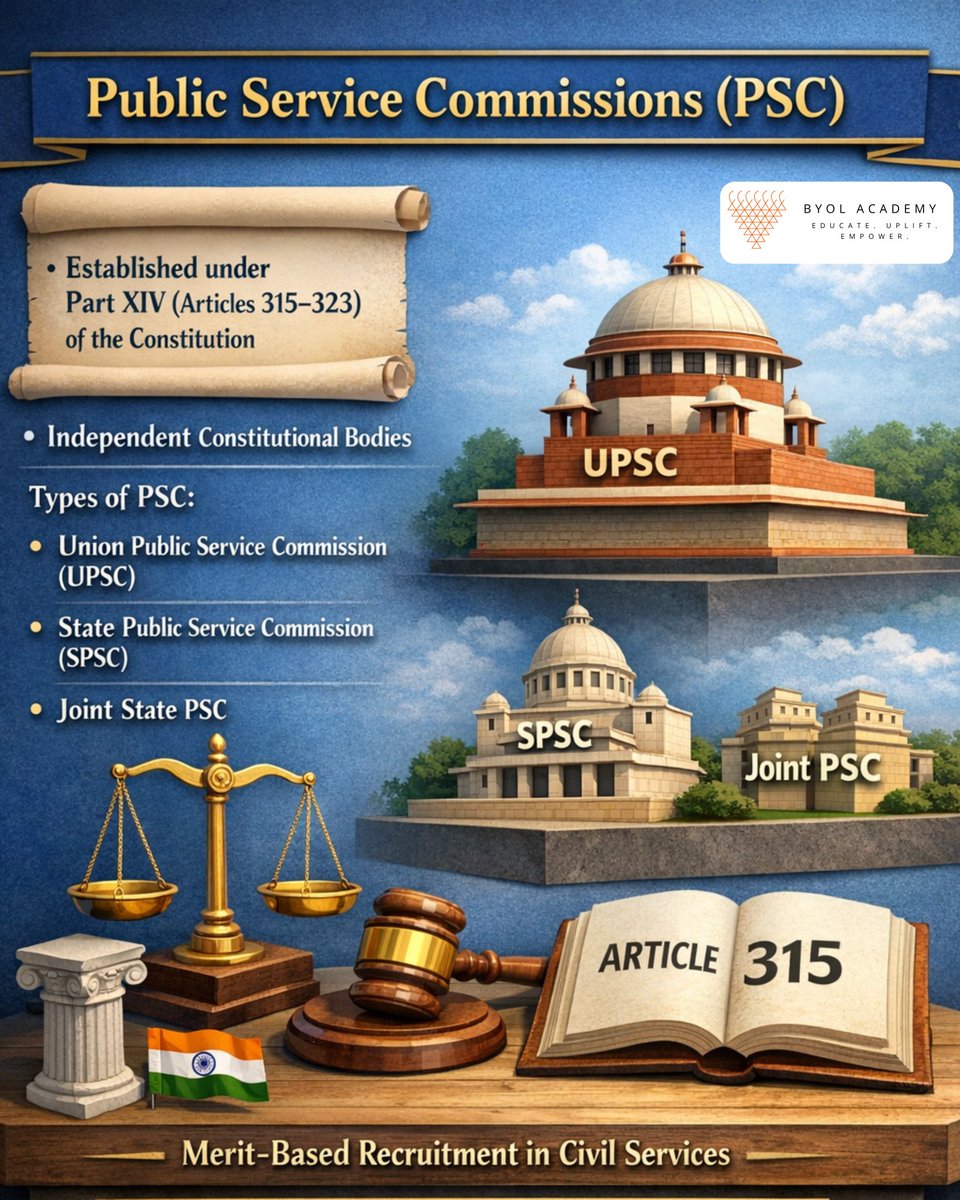
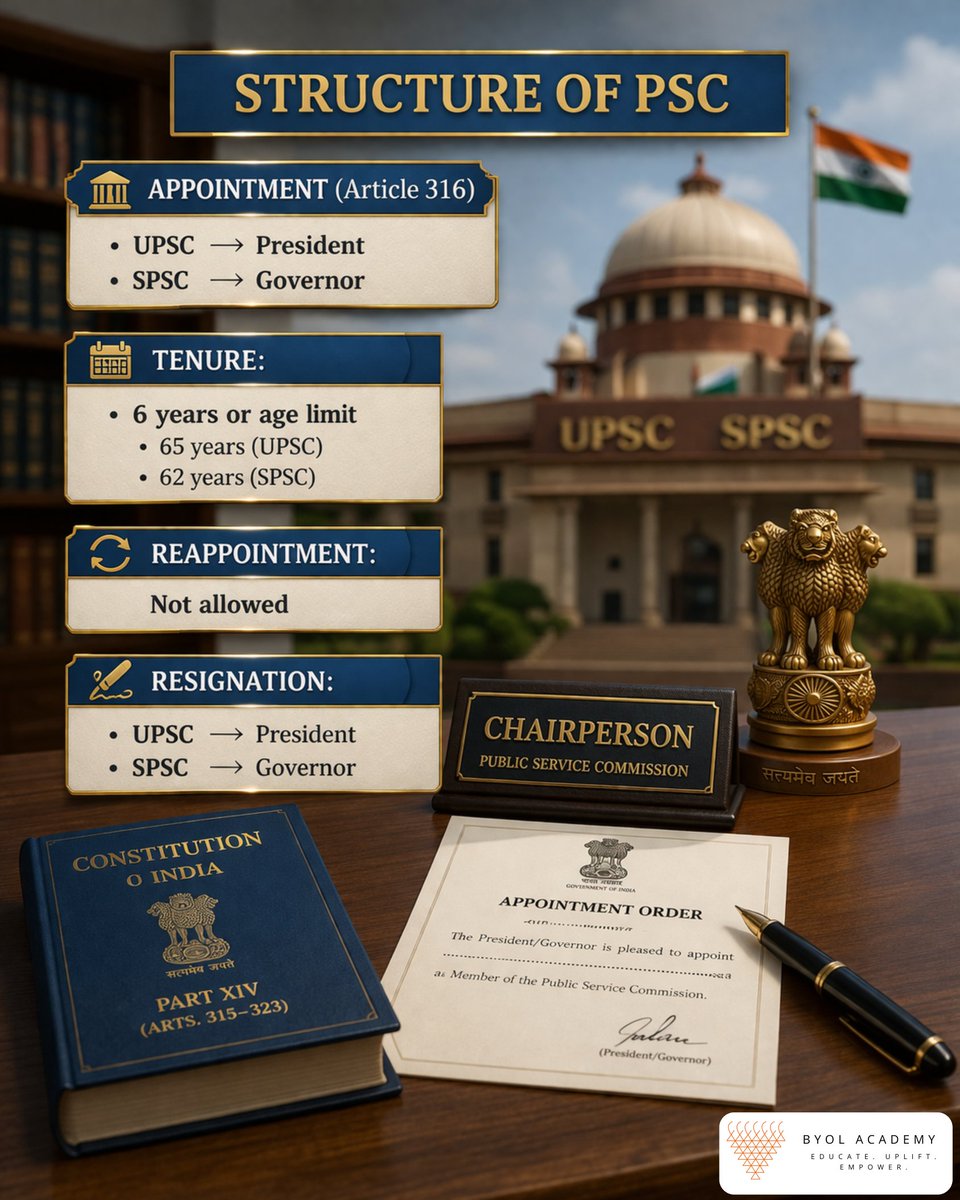
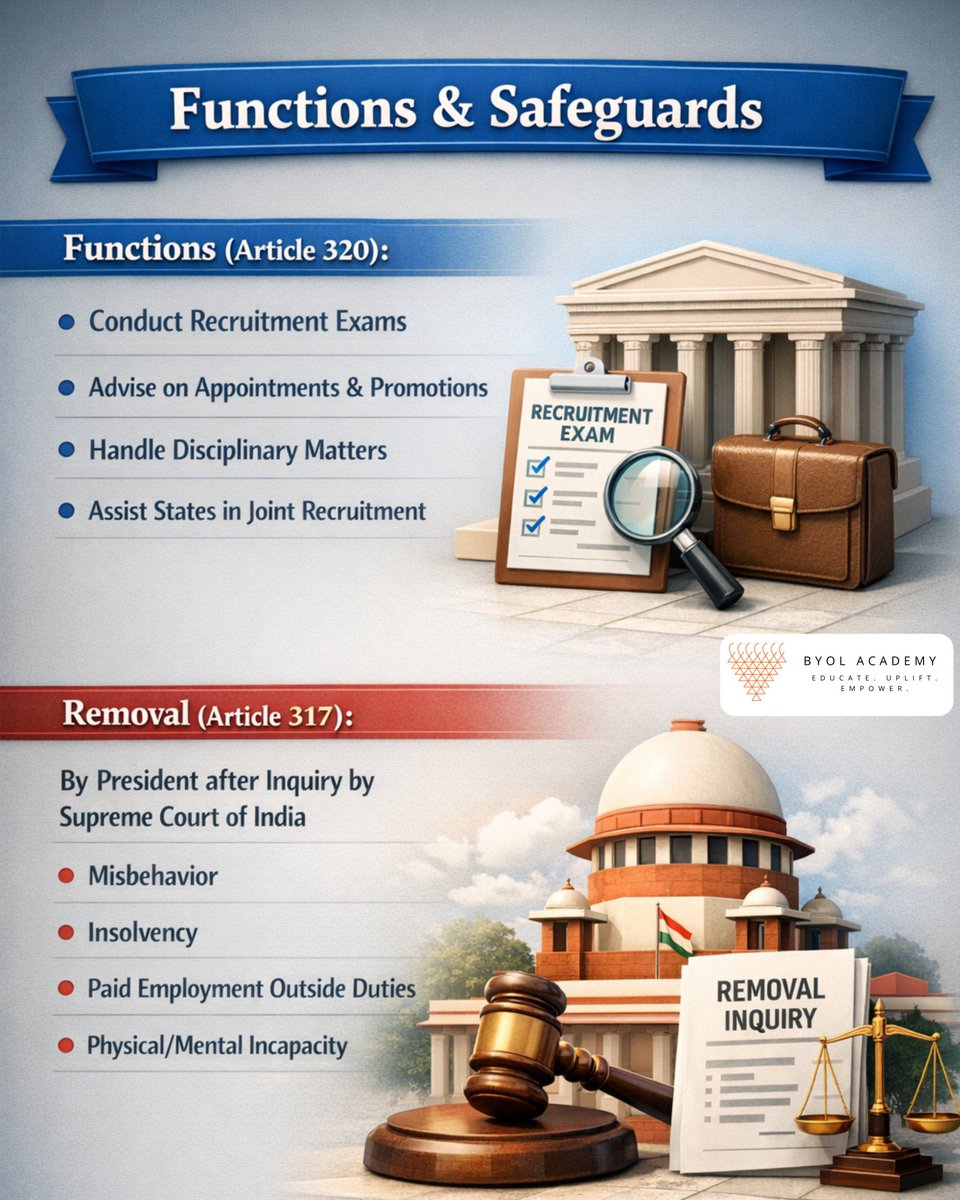
Public Service Commissions (PSC) play a crucial role in ensuring fair, transparent, and merit-based recruitment in India.
From conducting examinations to advising the government on recruitment policies, PSCs are the backbone of administrative efficiency.
#UPSC #UPSCPreparation #IndianPolity #PolityNotes #PSC #PublicServiceCommission #CivilServices #UPSC2026 #UPSCPrelims #UPSCMains #GovernmentJobs #ExamPreparation
1
1
4
129
Mar 24
दुनिया में कितने प्रकार के गणराज्य होते हैं? #Republic #cbpsrivastavasir #shorts #sanskritiias #PoliticalScience #ComparativePolitics #WorldPolity #UPSCPreparation #PolityNotes #GKQuestions #CompetitiveExams #youtubeshorts #viralshorts #trendingshorts #shortsvideo #dailyshorts #educationshorts #studyshorts #motivationshorts #shortsreels #shortstoday #viralvideo #ytshorts
3
105
Feb 13
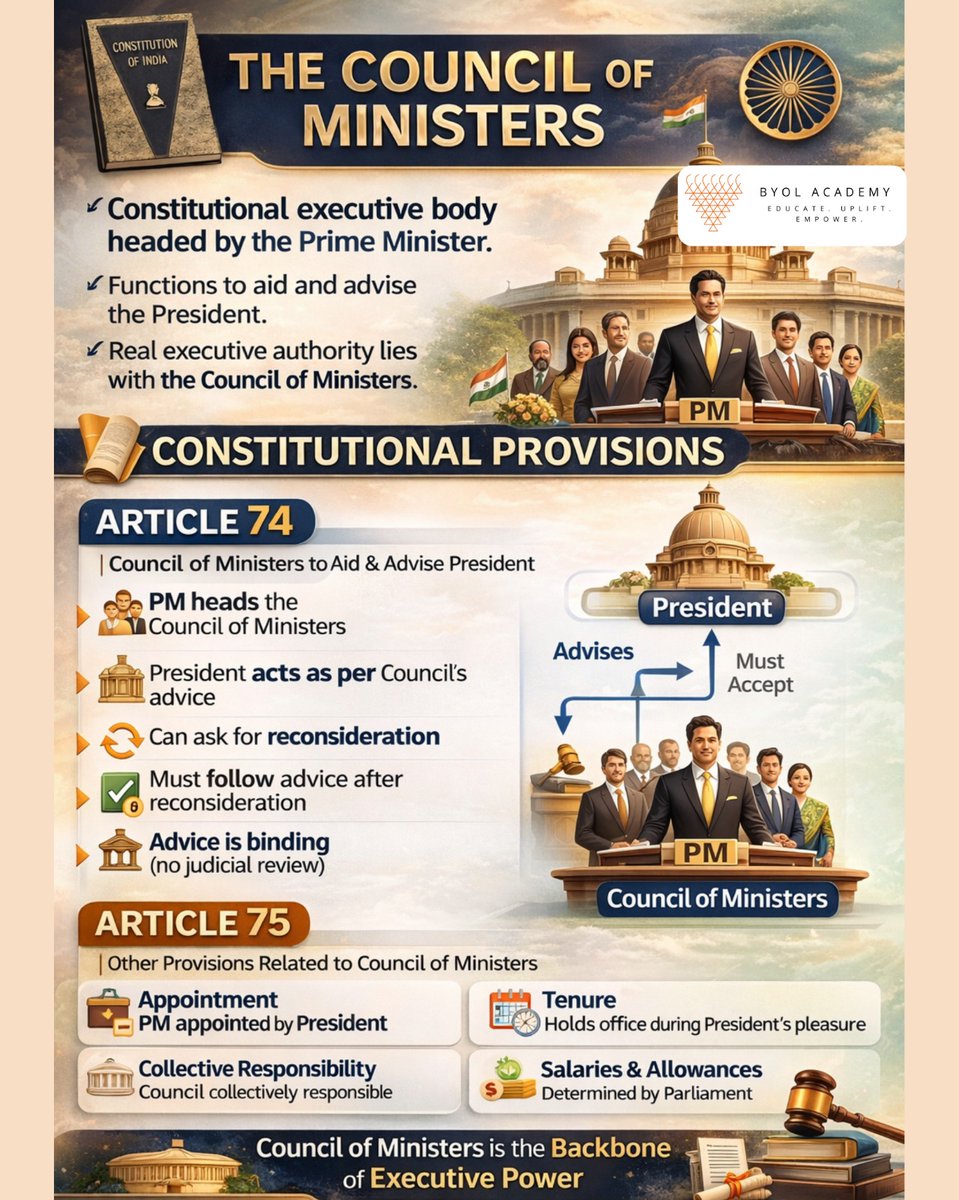
The Council of Ministers is the real executive authority of India, headed by the Prime Minister. Under Articles 74 & 75, it aids and advises the President and forms the backbone of executive power.
#CouncilOfMinisters #IndianPolity #Article74 #Article75 #IndianConstitution #PrimeMinister #PresidentOfIndia #UPSCPreparation #Judiciary #ExecutivePower #PolityNotes #CompetitiveExams
4
11
158

Jan 31
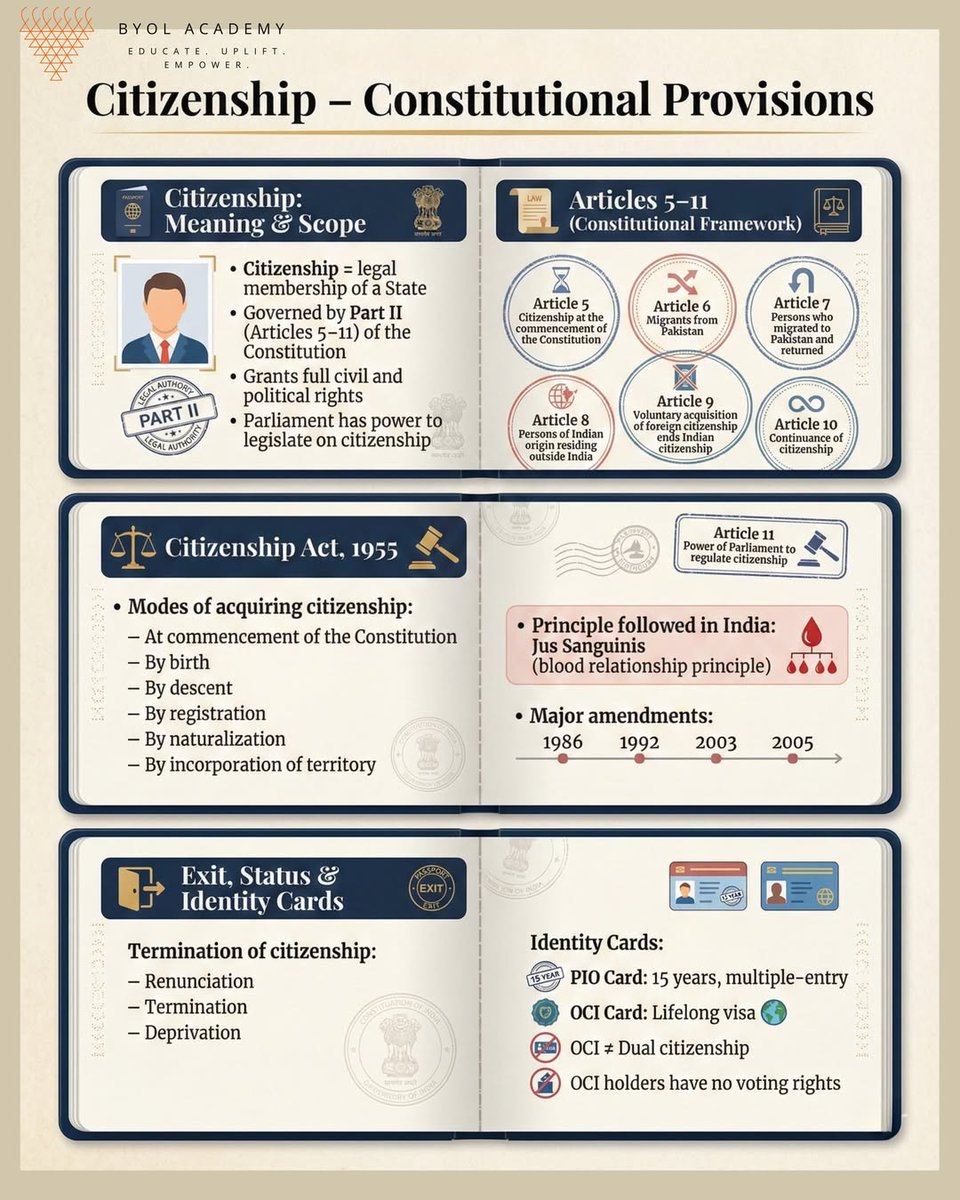
Citizenship under the Indian Constitution is not just a legal status but the foundation of rights and duties. Articles 5 to 11 (Part II) define who is a citizen, how citizenship is acquired, terminated, and the power of Parliament to regulate it. The Citizenship Act, 1955 lays down the modes of acquiring citizenship such as by birth, descent, registration, naturalization, and incorporation of territory.
#Citizenship #IndianConstitution #Article5to11 #CitizenshipAct1955 #IndianPolity #ConstitutionalProvisions #UPSC #SSC #StatePCS #PolityNotes #Civics #IndianLaw #ExamPreparation #India
1
12
272
Jan 30
Understanding the foundation of India’s unity!
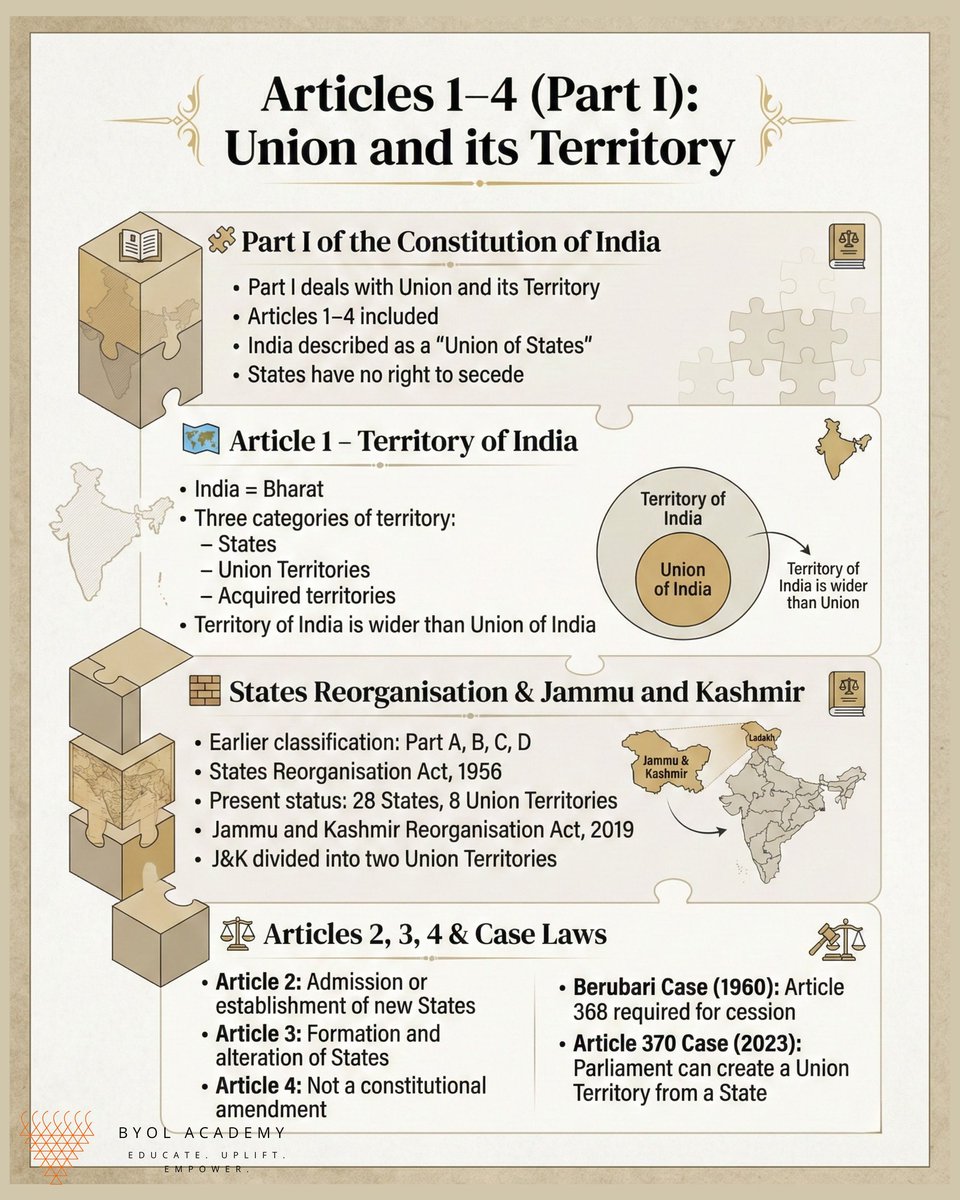
Articles 1–4 of the Indian Constitution explain the Union of India, its territory, and the power of Parliament in state reorganisation. A must-know for every Constitution learner
#IndianConstitution #Articles1to4 #UnionOfIndia #TerritoryOfIndia #PolityNotes #IndianPolity #Civics #UPSC #StateReorganisation #ConstitutionOfIndia
3
13
218
Jan 14
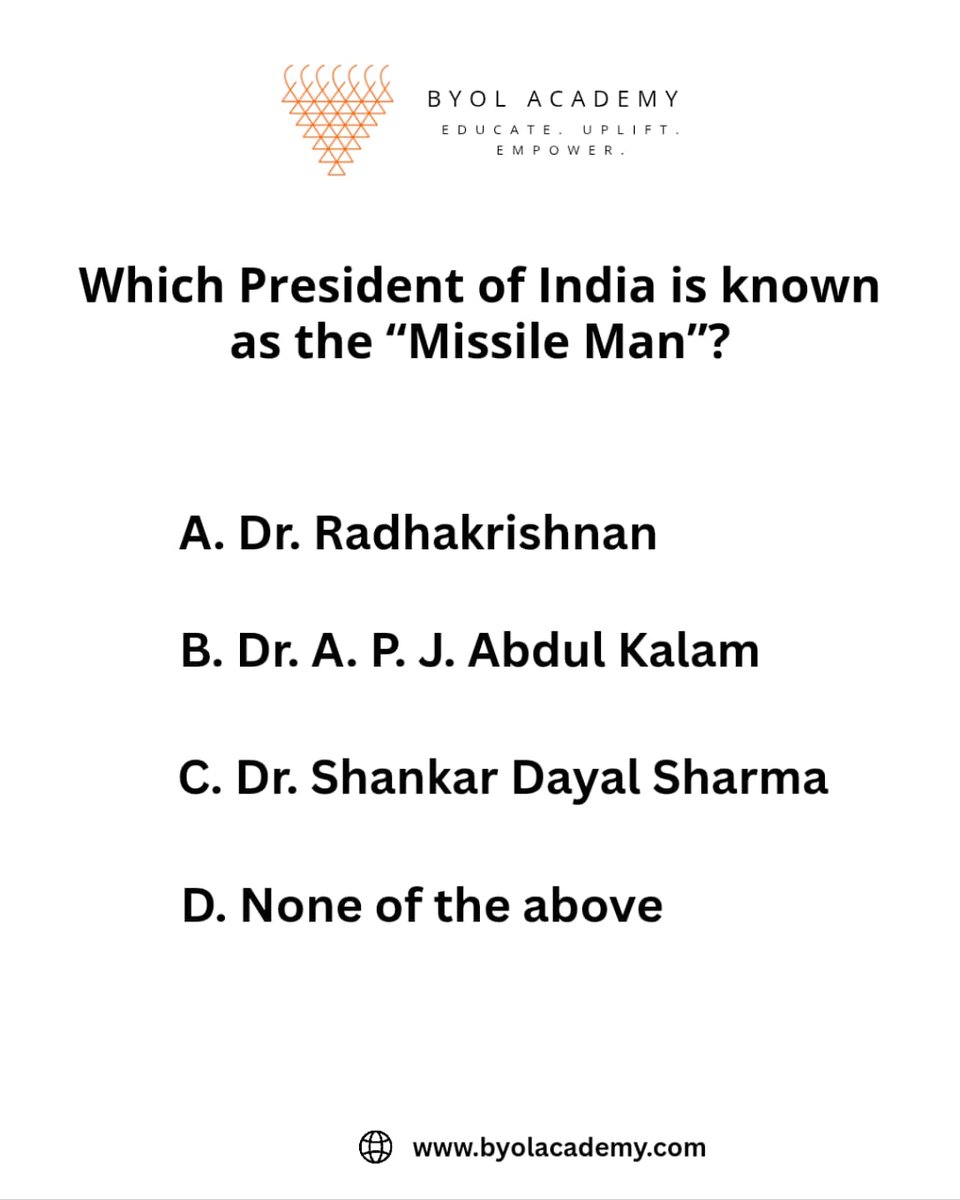
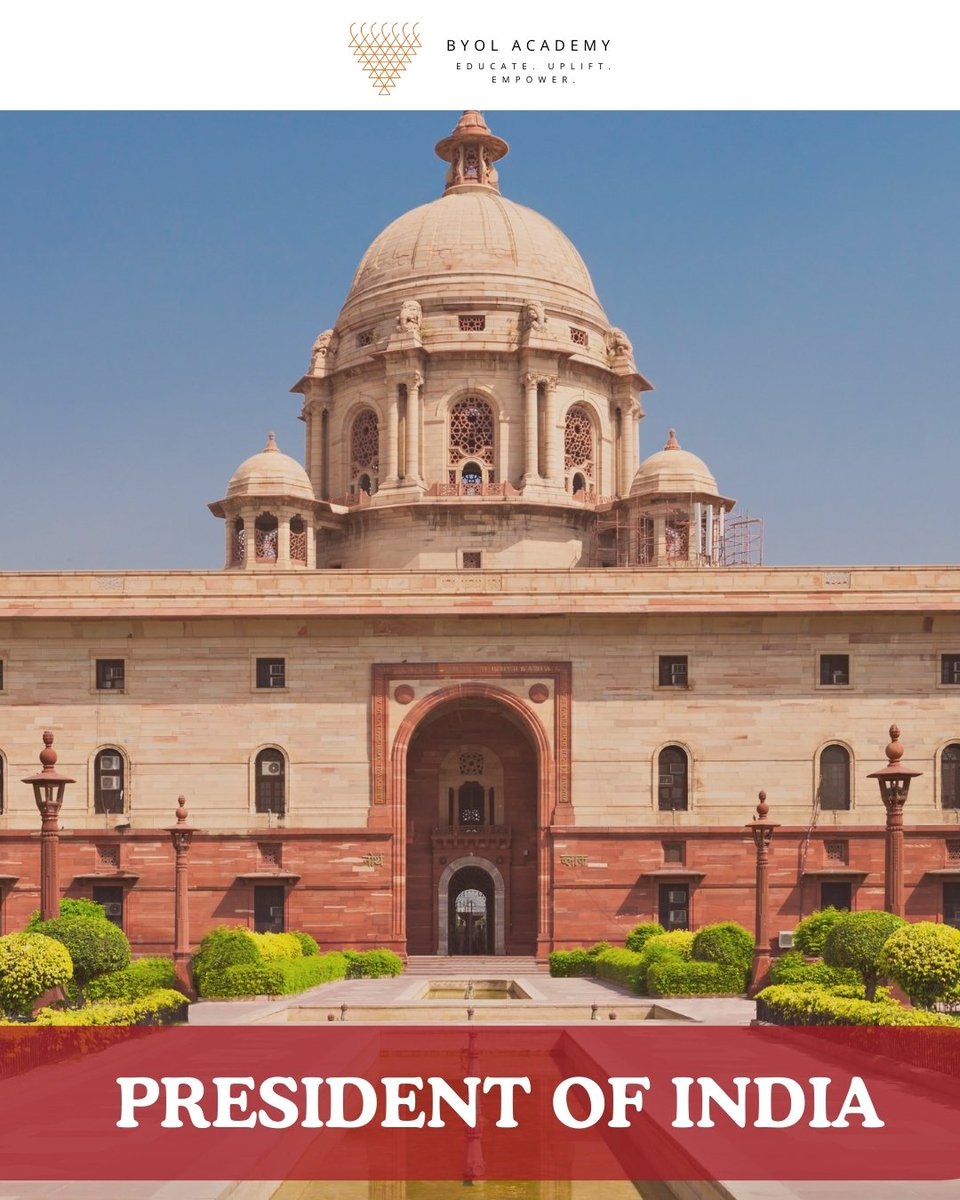
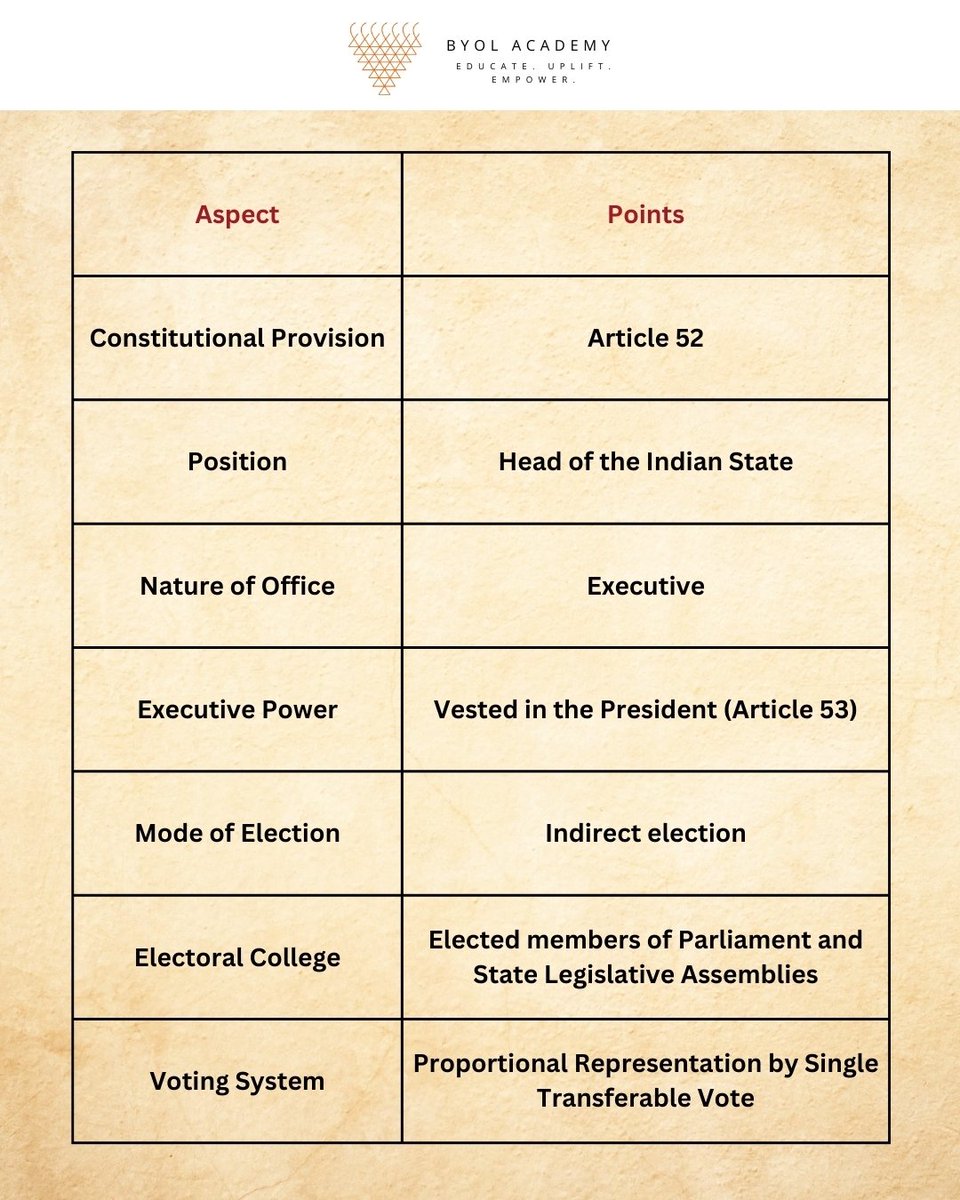
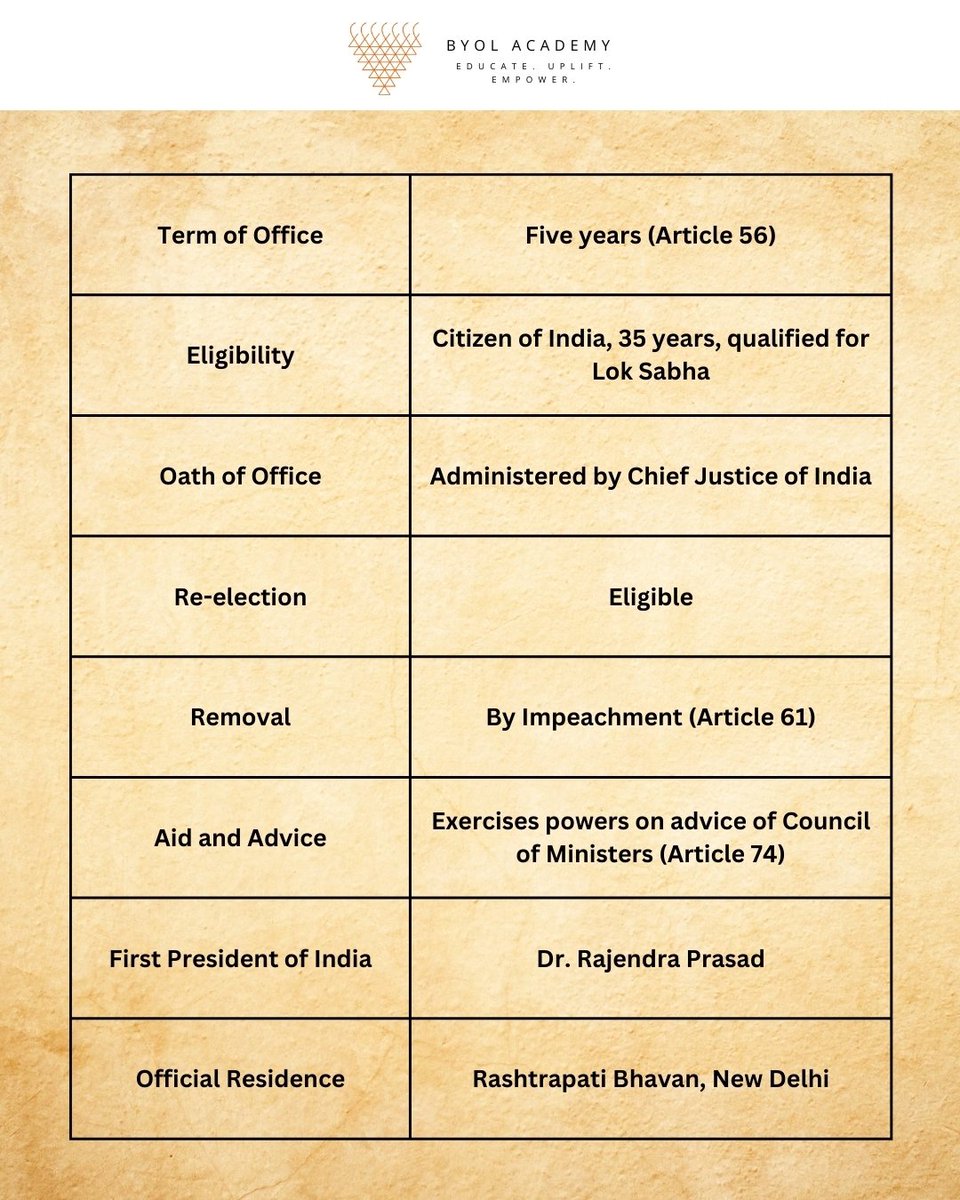
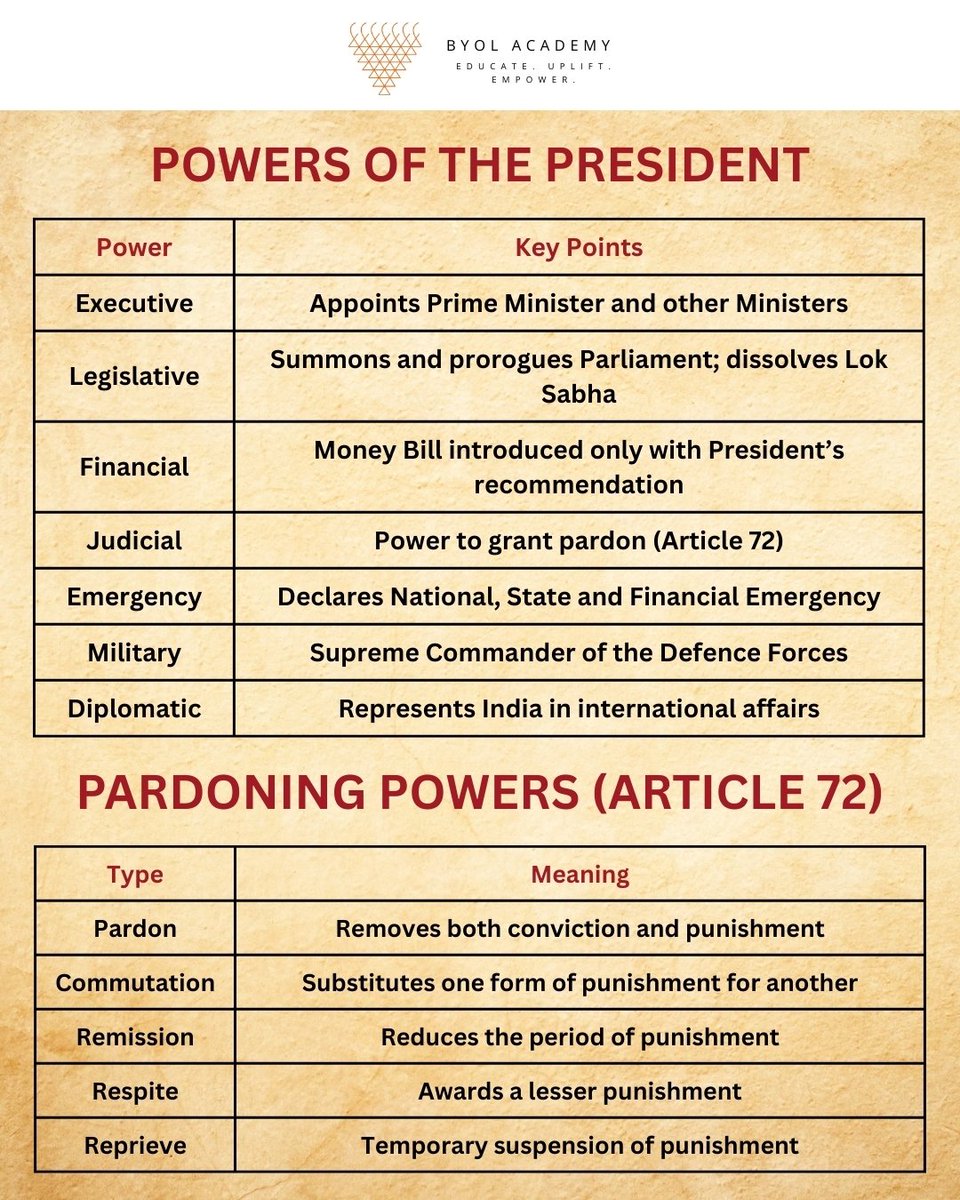
President of India
The Constitutional Head of the Indian State, symbolizing unity, continuity, and the democratic spirit of the nation, an essential pillar of Indian Polity and Governance.
#PresidentOfIndia #IndianPolity #ConstitutionOfIndia #HeadOfState #IndianDemocracy #Governance #IndianConstitution #Civics #PolityNotes #UPSC #UPSCPreparation #CompetitiveExams #IndianAdministration #BYOLAcademy
1
20
382
Jan 3
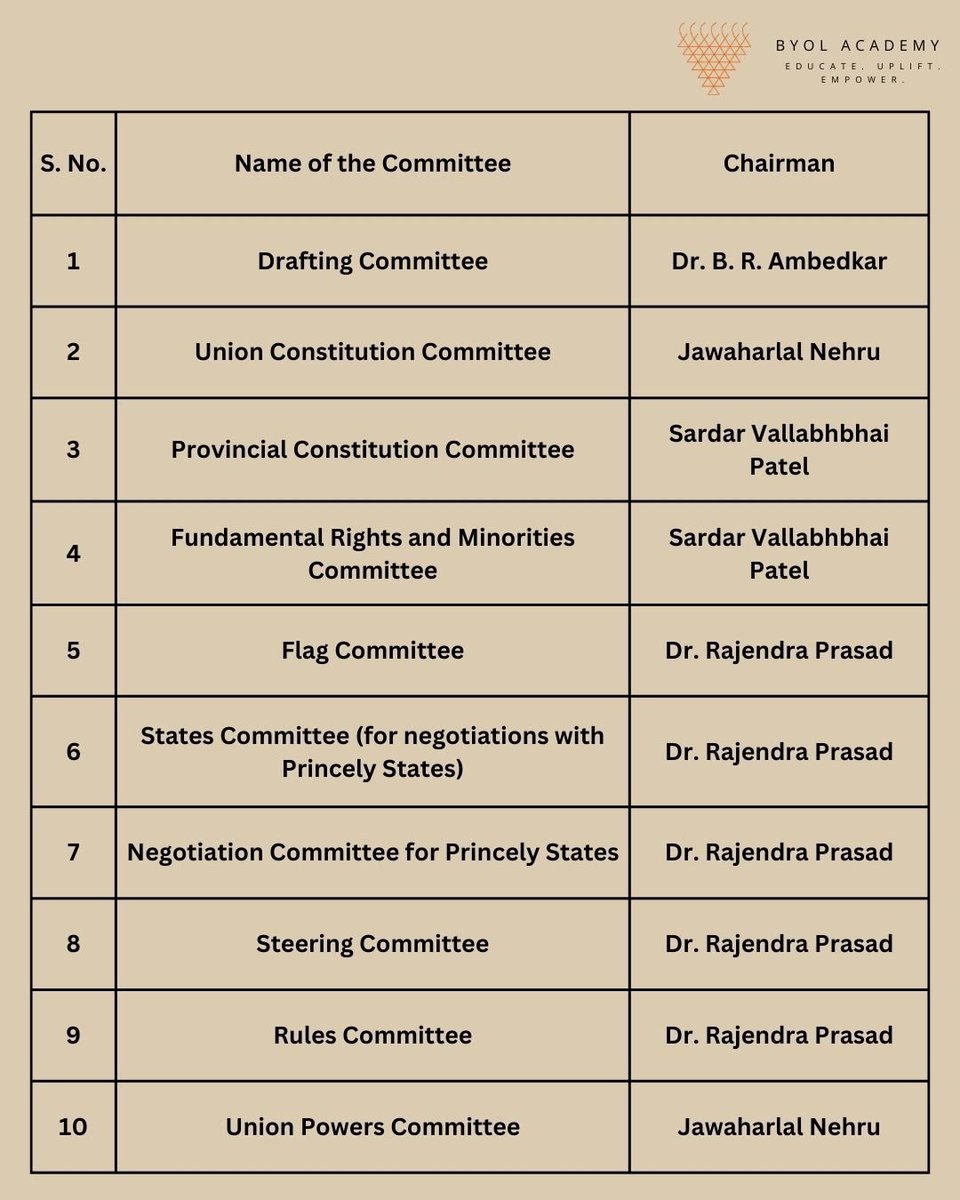
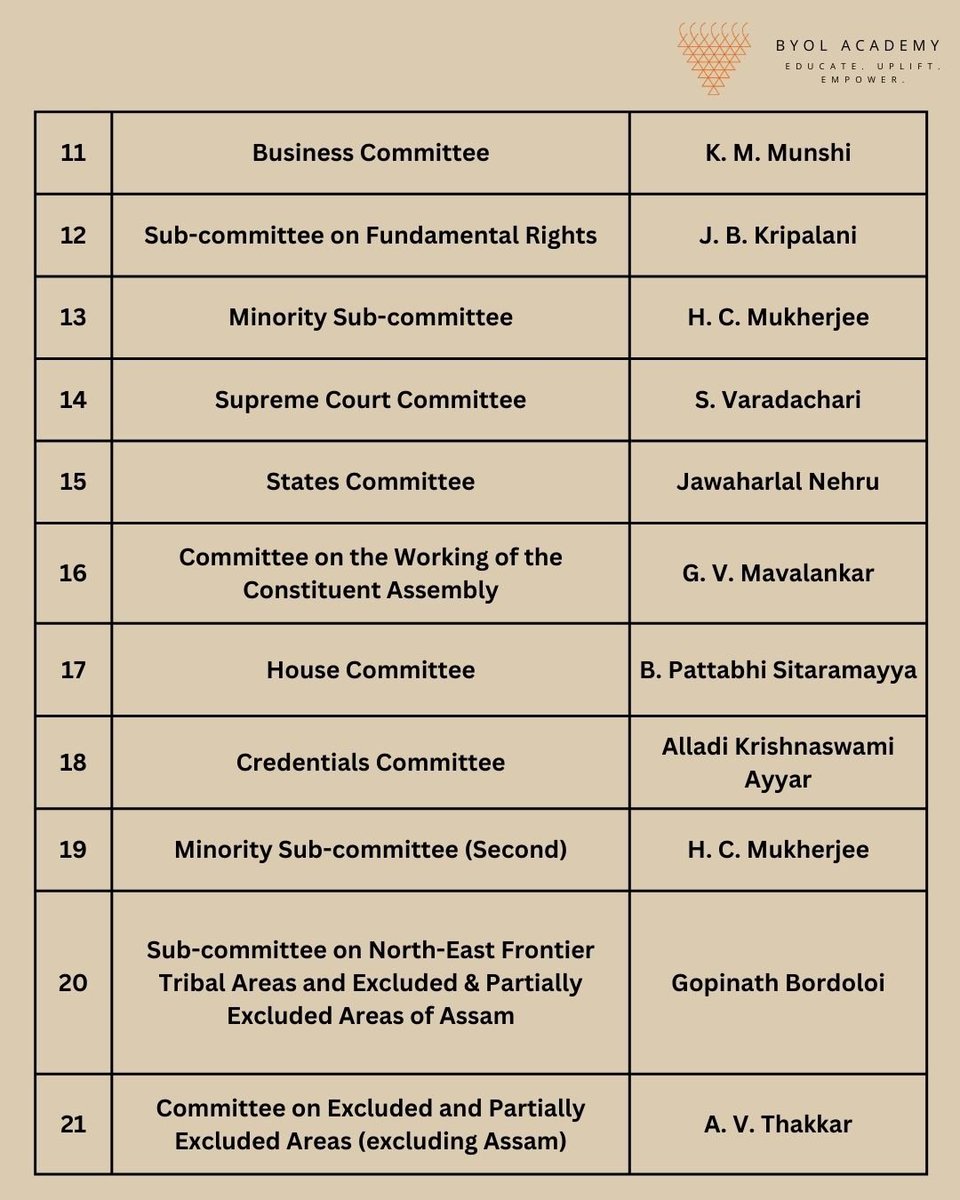
Committees that shaped the soul of India
From drafting rights to defining governance, the Constituent Assembly Committees laid the foundation of the world’s largest democracy
#IndianPolity #PolityNotes #UPSC #UPSCPreparation #CompetitiveExams #IndianHistory #Governance
15
60
1,489

29 Dec 2025
25 June 1975.
India was asleep, but democracy wasn’t.
No war. No foreign attack.
Just two words — “Internal Disturbance” — powerful enough to silence a nation.
#Emergency1975 #IndianPolity #IndianConstitution #UPSC #CivilServices
#DemocracyInIndia #FundamentalRights #ADMJabalpur
#ChecksAndBalances #IndianHistory #PolityNotes
2
2
21
25 Dec 2025
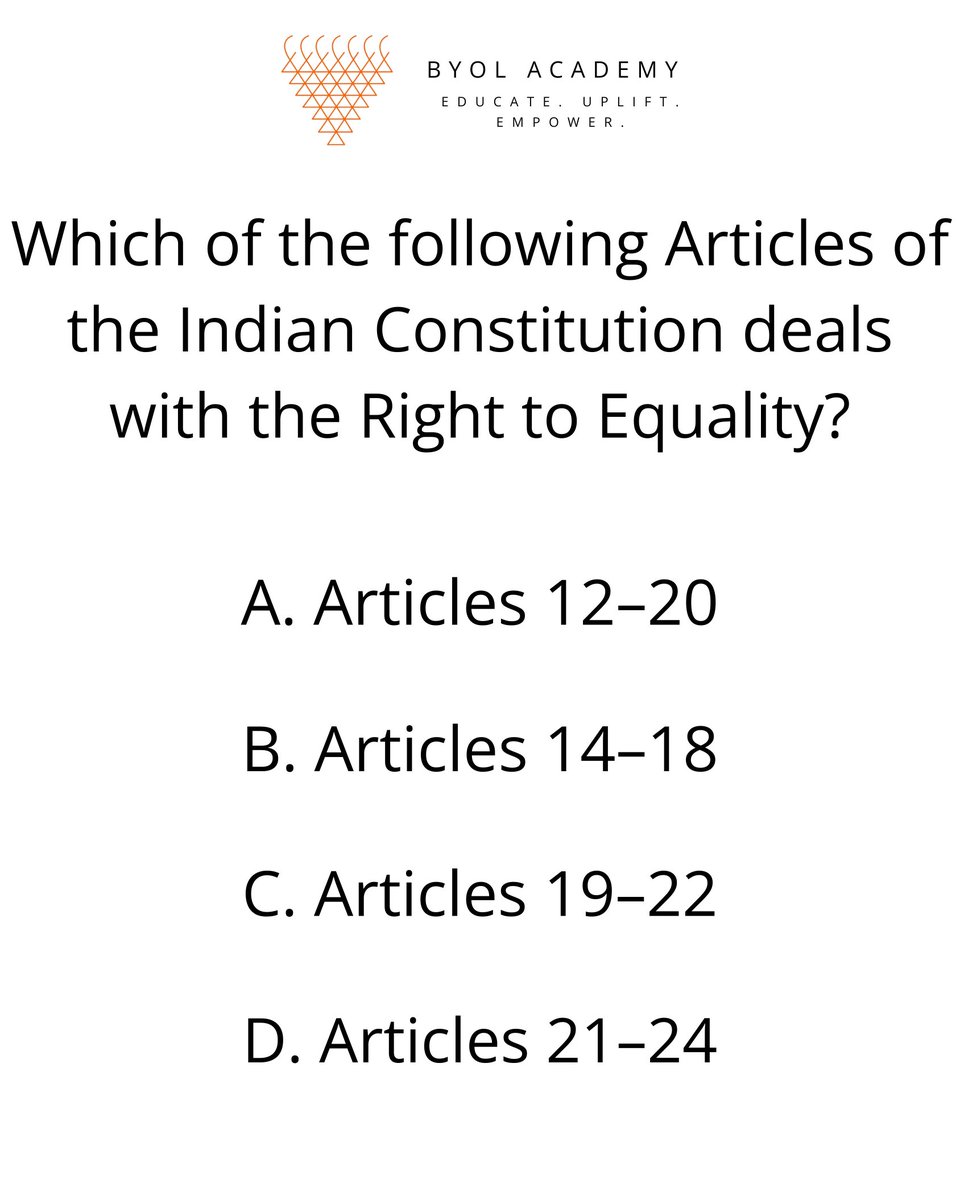
Which of the following Articles of the Indian Constitution deals with the Right to Equality?
#IndianConstitution #RightToEquality #IndianPolity #ConstitutionOfIndia #FundamentalRights #Articles14to18 #UPSC #UPSCPreparation #Civics #IndianHistory #GS1 #GS2 #CompetitiveExams #PolityNotes #StudyGram #EducationContent #BYOLAcademy #DailyQuiz #LearningIndia
1
4
103