
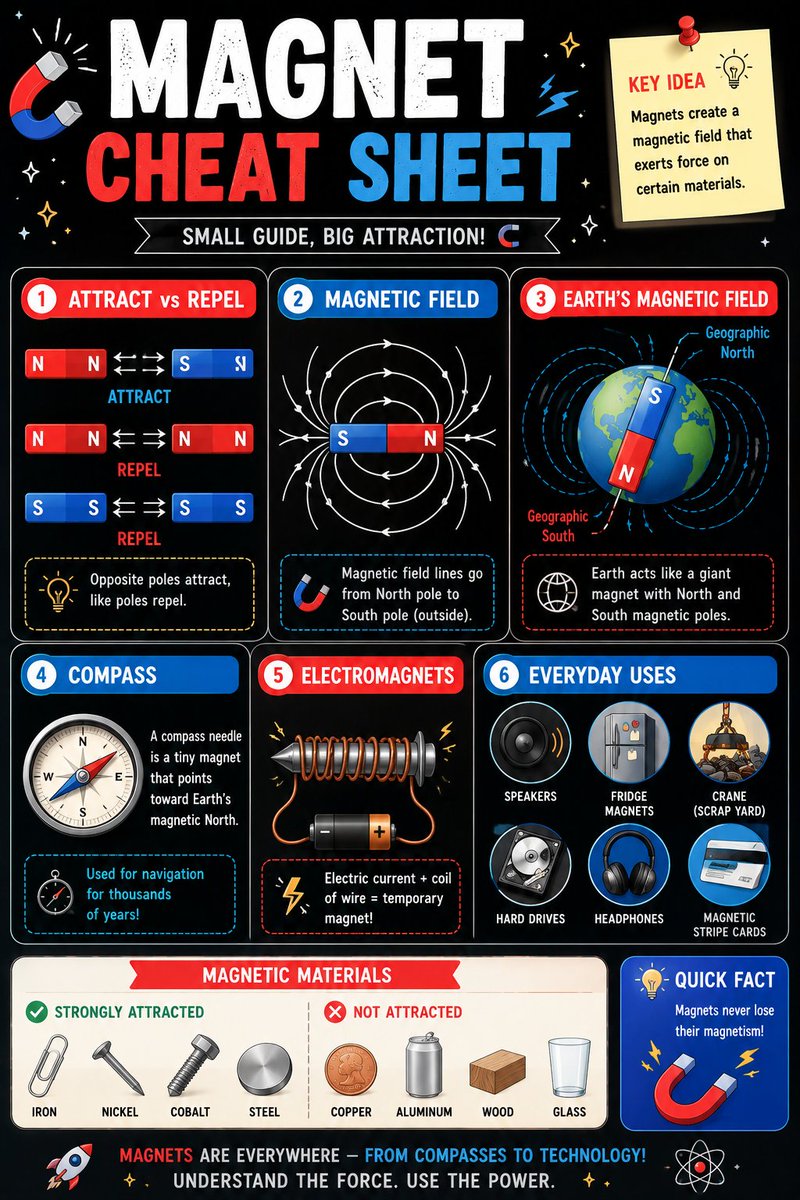
Magnet Cheat Sheet 🧲 | Magnets Explained Simply
pin.it/2CoKAnSBT
#Magnets #Physics #Science #CheatSheet #STEM #Learning #ScienceFacts #PhysicsFacts #StudyNotes #ScienceExplained #PinterestEducation #Infographic #MagneticField
3

Anything the hierarchy of the religious organizations on the Earth they don’t have a way of explaining they say it’s a mystery. Will you show me any mystery in the Bible name one the Trinity is not a mystery. It’s a man-made dogma by the Catholic Church. Use John 1:1 they’re only two people there. John 14 I will give you an explanation for in just a second.
John 1:14
flesh: Or “ahuman being.”The Greekword sarx ishere used inthe sense of aphysical being,a living beingwith flesh.When Jesuswas born as ahuman, hewas no longera spirit. He didnot merelyassume afleshly body,as angels haddone in thepast. (Ge 18:1-3; 19:1; Jos5:13-15)Therefore,Jesus couldrightly callhimself “theSon of man.” —Joh 1:51; 3:14;see study noteon Mt 8:20.
the Wordbecame flesh:Jesus wasentirelyhuman fromhis birth untilhis death.Jesusexplained thepurpose of hisbecomingflesh when hesaid: “Thebread that Iwill give is myflesh in behalfof the life ofthe world.”(Joh 6:51) Inaddition, onlybecause Jesuswas whollyhuman couldhe experiencewhat humansof flesh andbloodexperienceand thusbecome asympatheticHigh Priest.(Heb 4:15)Jesus couldnot have beenhuman anddivine at thesame time; theScriptures saythat he “wasmade a littlelower thanangels.” (Heb2:9; Ps 8:4, 5;see study noteon flesh inthis verse.)However, notall agreed thatJesus hadcome in theflesh. Forexample, theGnostics, whobelieved thatknowledge(Greek, gnoʹsis)could begained in amystical way,combinedGreekphilosophyand Orientalmysticism withapostateChristianteachings.They held thatall physicalmatter is evil.For thatreason, theytaught thatJesus did notcome in theflesh but onlyseemed tohave a humanbody. An earlyform ofgnosticismwasapparentlyprevalent atthe end of thefirstcentury C.E.,so John maybe making aspecific pointwhen hewrites that“the Wordbecame flesh.”In his letters,John warnsagainst thefalse teachingthat Jesus didnot come “inthe flesh.” —1Jo 4:2, 3;2Jo 7.
resided: Lit.,“tented.” Somehave taken thestatement thatthe Word‘resided, ortented, amongus’ to meanthat Jesus was,not a truehuman, but anincarnation.However,Peter used therelated nounthat isrendered“tabernacle,”or “tent,” whenhe spoke ofhis own fleshlybody as atemporarydwelling place.(2Pe 1:13; ftn.)Though Peterknew that hisdeath wasnear and thathisresurrectionwould be inthe spirit, notin the flesh, hewas notindicating thathe was anincarnation. —2Pe 1:13-15;see also 1Co15:35-38, 42-44; 1Jo 3:2.
we had a viewof his glory:In Jesus’ lifeand ministry,John and theother apostlessaw a glory, asplendor ormagnificence,that could bedisplayed onlyby someonewho perfectlyreflected thequalities ofJehovah. Inaddition, theapostle John,along withJames andPeter,witnessed thetransfigurationof Jesus. (Mt17:1-9; Mr 9:1-9; Lu 9:28-36)So John mayhere havealluded notonly to Jesus’reflection ofGod’s qualitiesbut also to thetransfigurationvision that hadoccurred morethan 60 yearsearlier. Thisevent alsomade a lastingimpression onthe apostlePeter, whowrote hisletters about30 yearsbefore Johnwrote hisGospel. Peterspecificallyreferred to thetransfigurationas amarvelousconfirmationof “thepropheticword.” —2Pe1:17-19.
an only-begotten son:The Greekwordmo·no·ge·nesʹ,traditionallytranslated“only-begotten,” hasbeen definedas “the onlyone of its kind;one and only;unique.” TheBible uses theterm indescribing therelation ofsons anddaughters totheir parents.(See studynotes on Lu7:12; 8:42;9:38.) In theapostle John’swritings, thisterm is usedexclusively ofJesus (Joh 3:16,18; 1Jo 4:9) butnever aboutJesus’ humanbirth orexistence as aman. Instead,John uses theterm todescribe Jesusin hisprehumanexistence asthe Logos, orthe Word, theone who “wasin thebeginningwith God,”even “beforethe worldwas.” (Joh1:1, 2; 17:5, 24)Jesus is the“only-begottenson” becausehe wasJehovah’sFirstborn andthe only onecreateddirectly byGod. Whileother spiritcreatures arelikewise called“sons of thetrue God” or“sons of God”(Ge 6:2, 4; Job1:6; 2:1; 38:4-7), all thosesons werecreated byJehovahthrough thatfirstborn Son(Col 1:15, 1
21

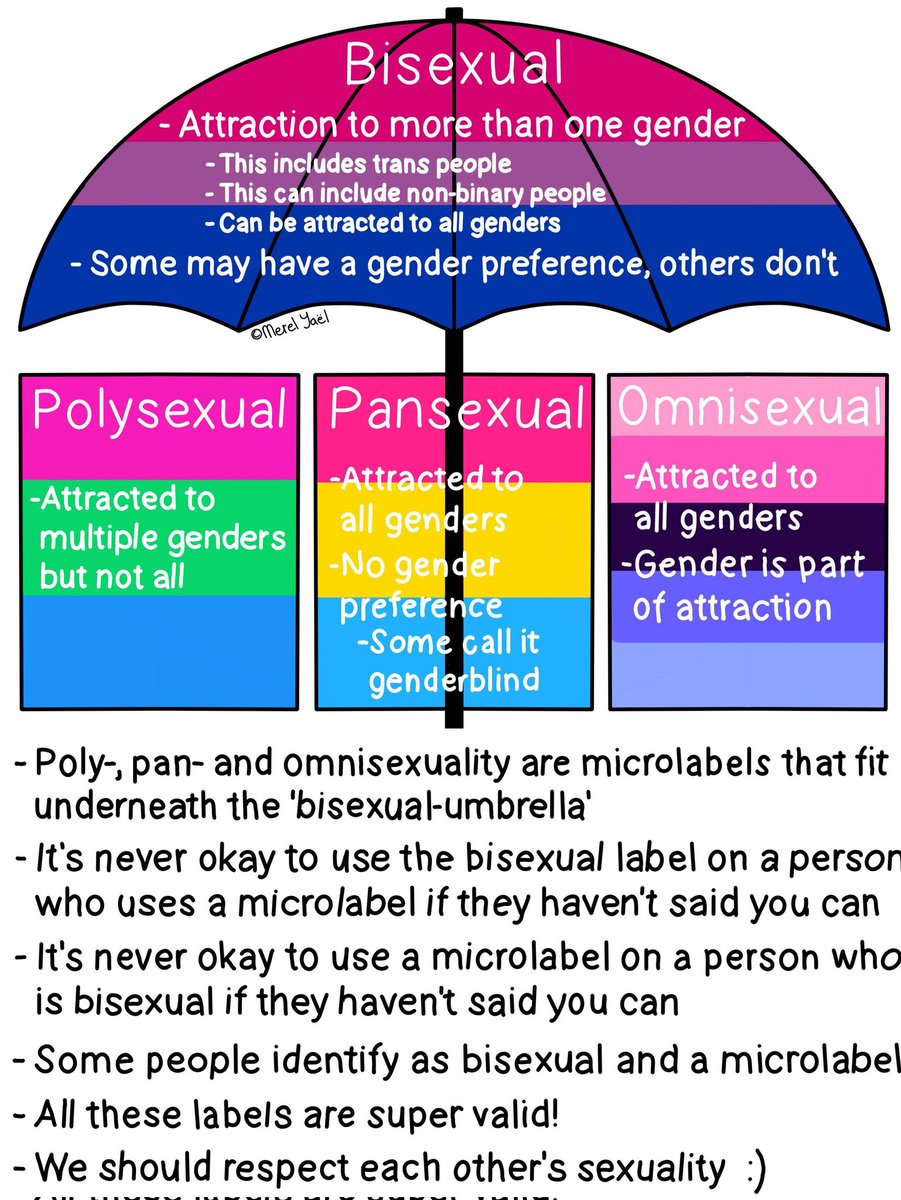
Saving this & posting this just in case.
Personal study purpose.
#LGBTQ #Bisexual #Polysexual #Pansexual #Omnisexual #educational #studynotes
by u/MerelYael on Reddit
1
52
pin.it/5XbHBWsrp
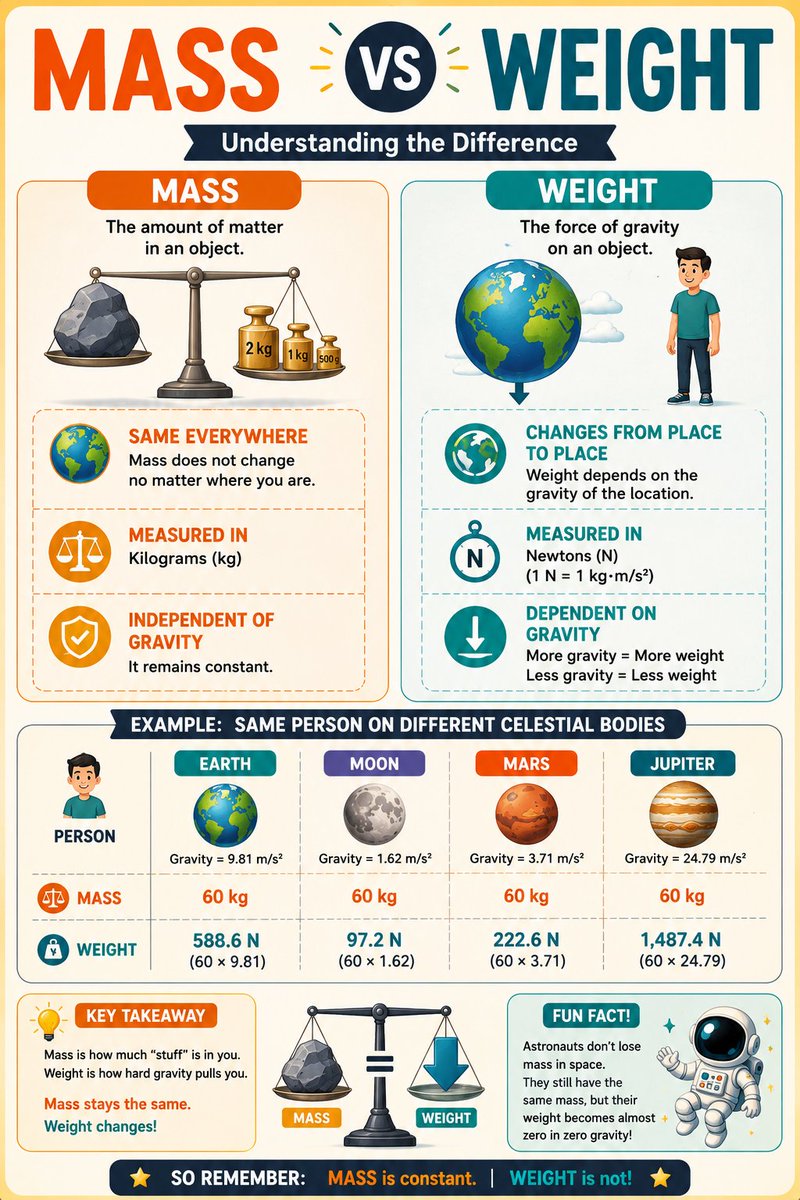
Stop Confusing Mass and Weight!
#MassVsWeight #Physics #Science #STEM #StudyNotes #PhysicsFacts #Education #Learning #Gravity #ScienceExplained #Infographic #Studygram #PinterestEducation #PhysicsStudent
1
5

Types of Nurses and Their Roles
This educational chart explains different nursing specializations and their responsibilities. It helps learners understand roles in emergency care, child health, maternity care, mental health, public health, and elderly care.
#NursingCareers #Healthcare #MedicalEducation #CareerAwareness #studynotes

1
45

Jun 10
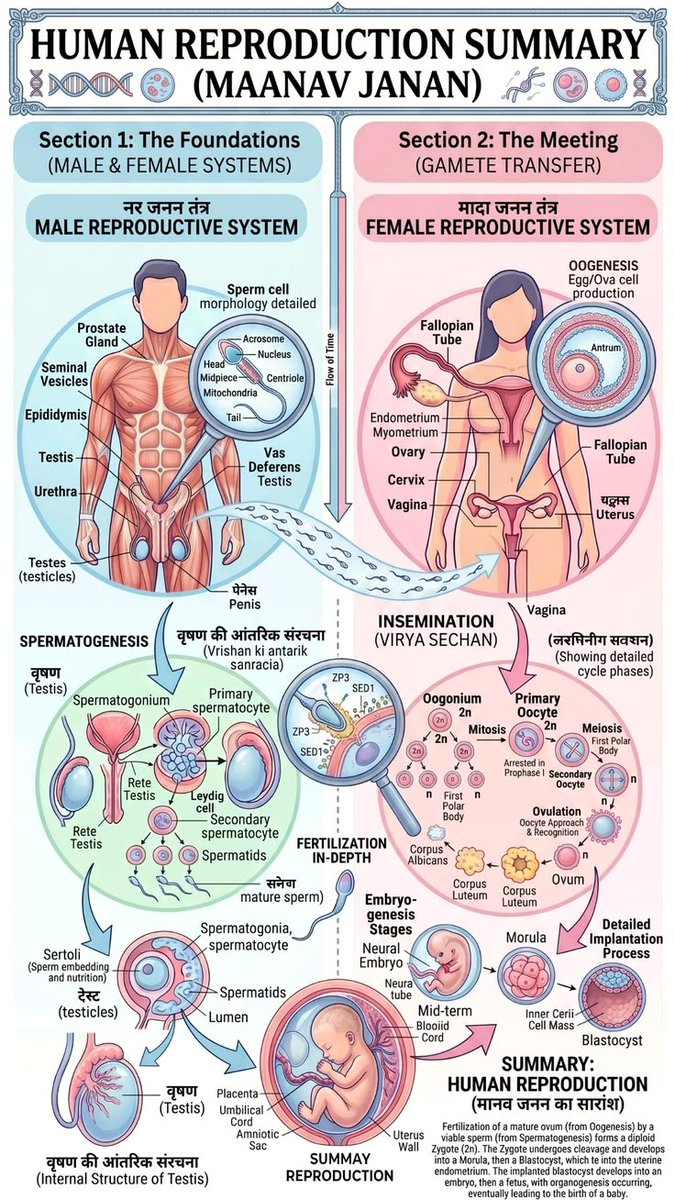
🧬 From a single cell to a new life — human reproduction is one of nature’s most fascinating biological processes. Understanding the journey from fertilization to embryo development helps us appreciate the science behind life itself.
📚 Learn. Explore. Grow.
Follow for more updates👇
@wiliam23820a
#Biology #HumanReproduction #ScienceFacts #Education #MedicalScience #Learning #Genetics #Embryology #StudyNotes #ScienceEducation
25
61
147
2,217
Jun 8
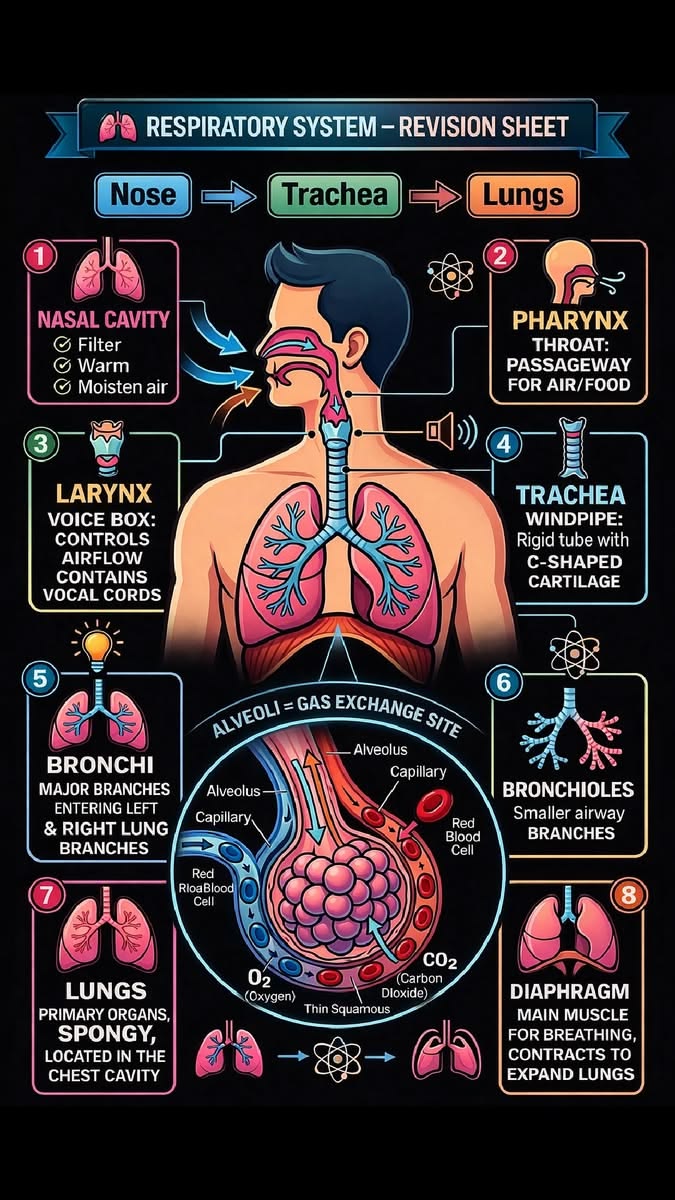
🫁 Breathing is life — and your lungs never take a day off.
Quick revision. Clean knowledge. Strong basics. 📚✨
Follow for more updates 👇
@wiliam23820a
#RespiratorySystem #Biology #ScienceFacts #StudyNotes
22
52
106
1,252

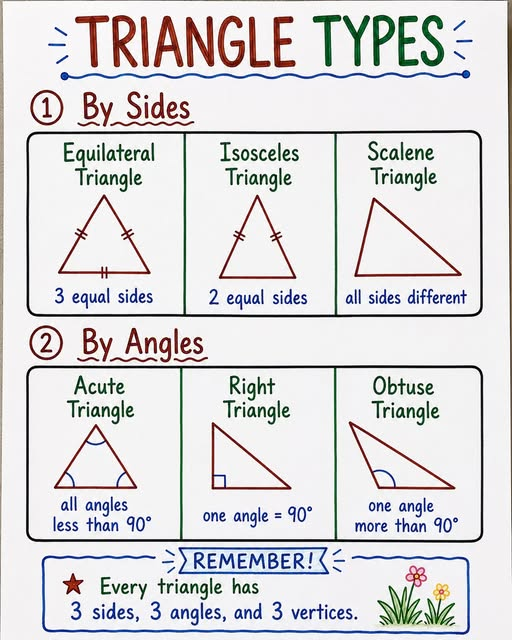
A useful geometry chart showing triangle types by sides and by angles. It explains equilateral, isosceles, scalene, acute, right, and obtuse triangles clearly.
#TriangleTypes #GeometryLearning #MathForStudents #StudyNotes #matheducation
1
1
3
162
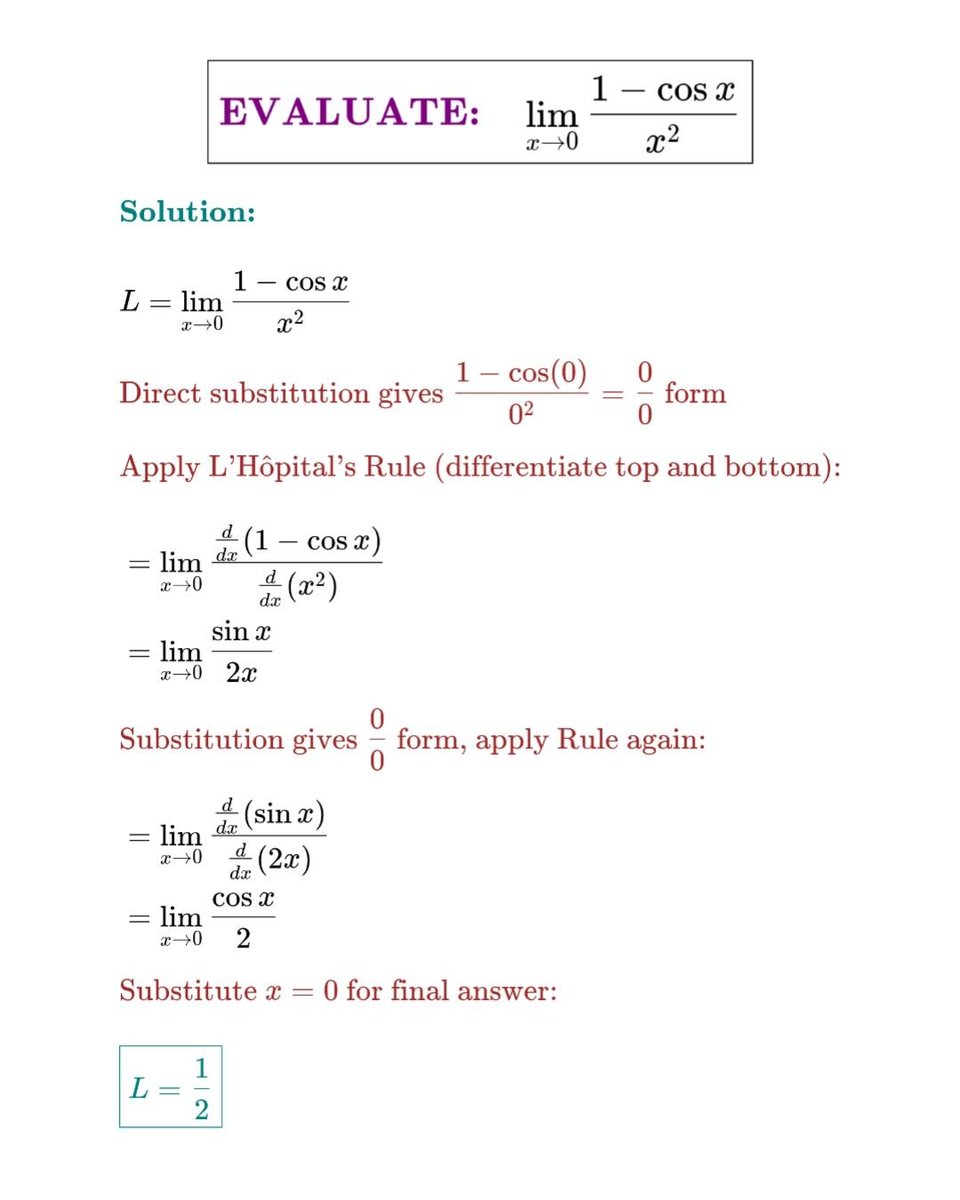
📘 A limit problem solved by using L' Hospital rule | Step by step guide
#calculus #limit #studynotes #apcalculus #STEM
1
15
425

May 22
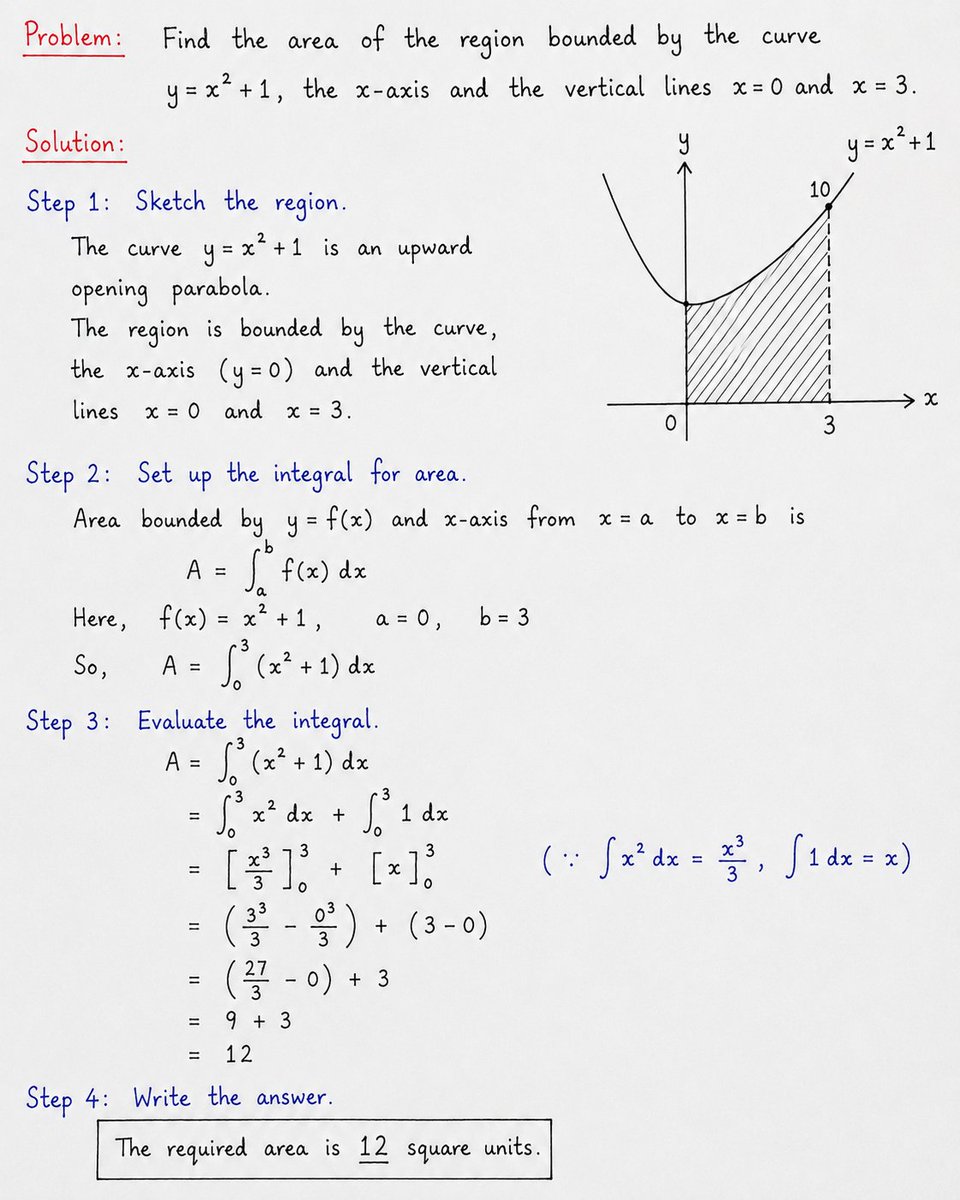
📐 Applications of Integrals — Made Easy ✍️
Here’s another beginner-friendly handwritten calculus problem showing how integration is used to find the area under a curve step by step.
In this example, we calculate the area bounded by the curve y = x^2 1, the x-axis, and vertical lines using definite integration. From graph sketching to final evaluation, every step is explained clearly for students who are starting calculus.
Mathematics becomes much easier when concepts are visualized instead of memorized. 🚀
If you love engineering, mathematics, and visual learning, stay connected for more handwritten problem solving and STEM content.
#Calculus #Integration #IntegralCalculus #Maths #Engineering #STEM #LearnMath #MathTutorial #EngineeringStudent #DefiniteIntegral #Mathematics #StudyNotes #HandwrittenNotes #EducationalContent
1
9
434


May 19
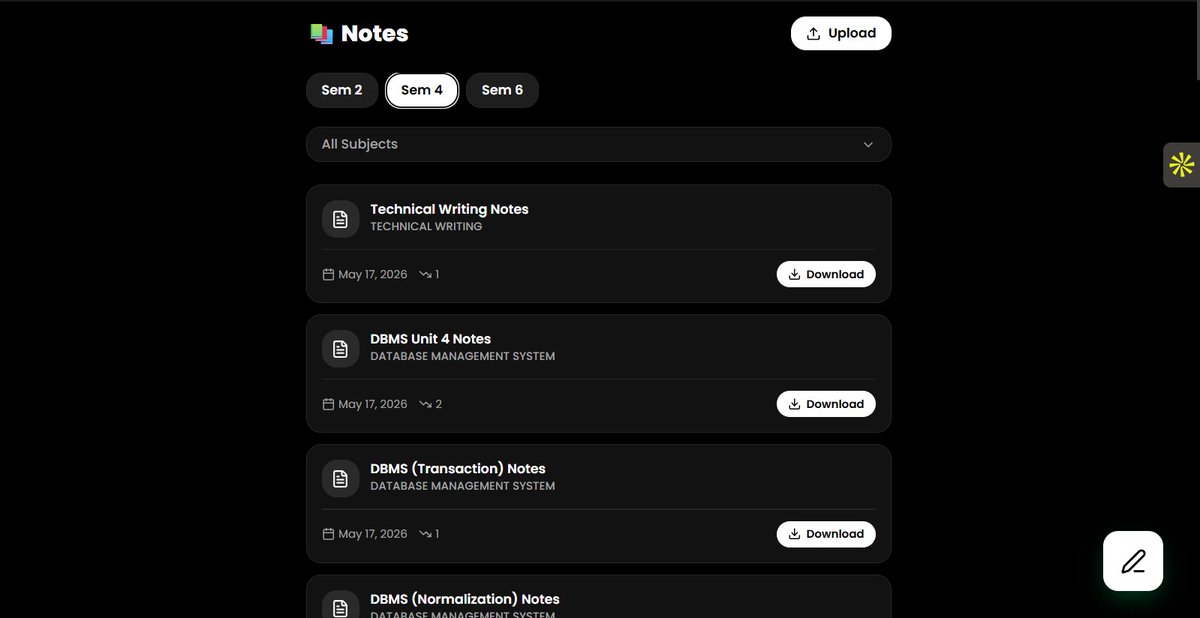
We're 15 days old. 200 students in. And we're not stopping.
Introducing Notes on CollegePaglu 📚
Free notes. For every Indian college student. Right when you need it most.
app : play.google.com/store/apps/d…
website : web.collegepaglu.com
#CollegePaglu #ExamTime #CollegeIndia #StudentLife #StudyNotes #IndianEdTech #BuildInPublic

1
1
3
78

May 14
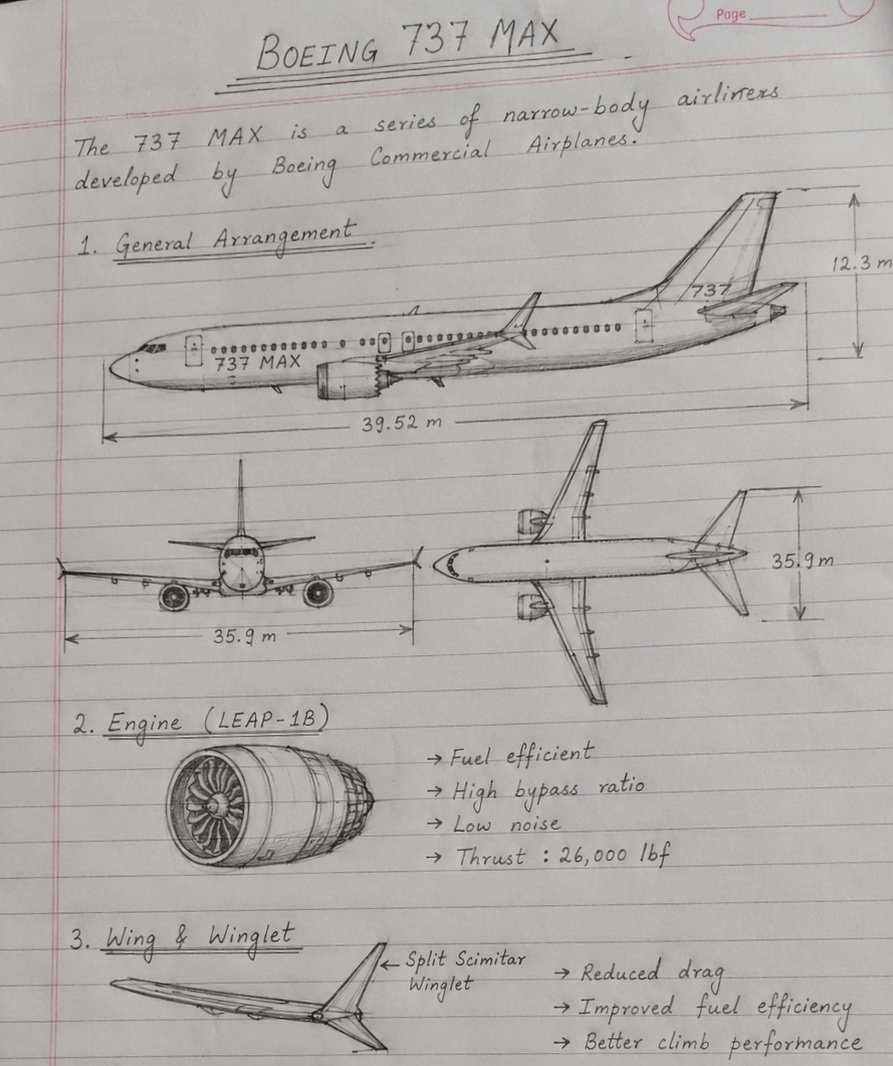
✈️ Boeing 737 MAX notes - clean & focused!
3-view General Arrangement, LEAP-1B engine details, and Split Scimitar Winglet advantages.
Perfect for quick revision!
Follow for more
#Boeing #737MAX #Aviation #Aerospace #StudyNotes
2
1,130

May 10
t.me/pragati_mentorship/831?…
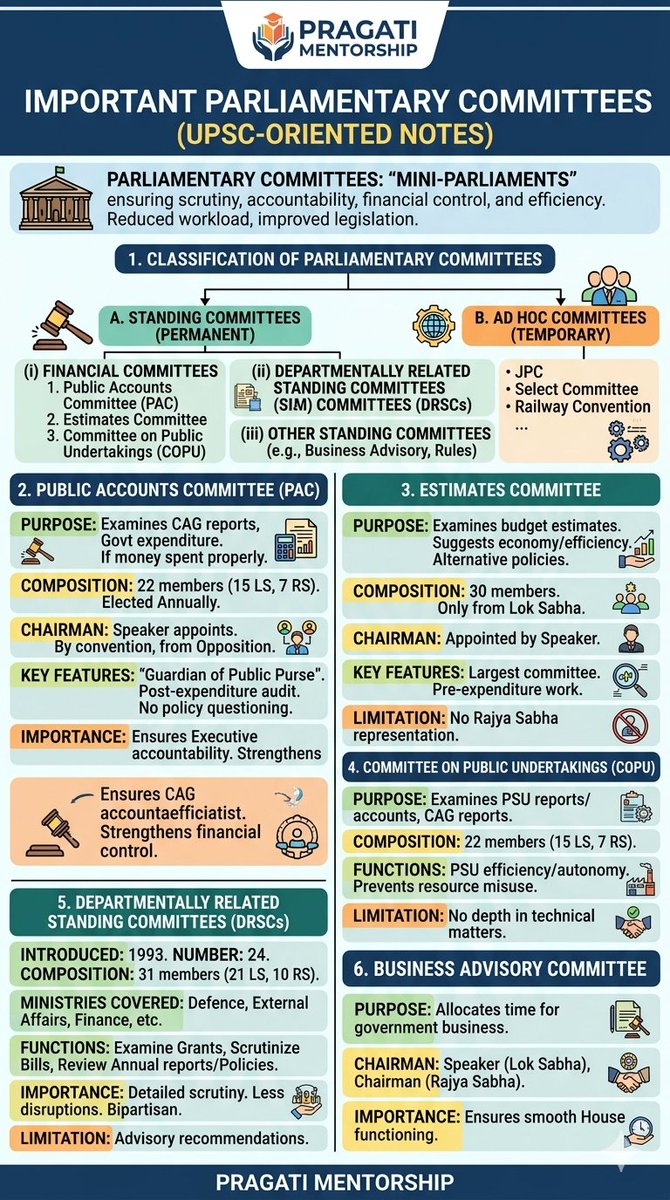
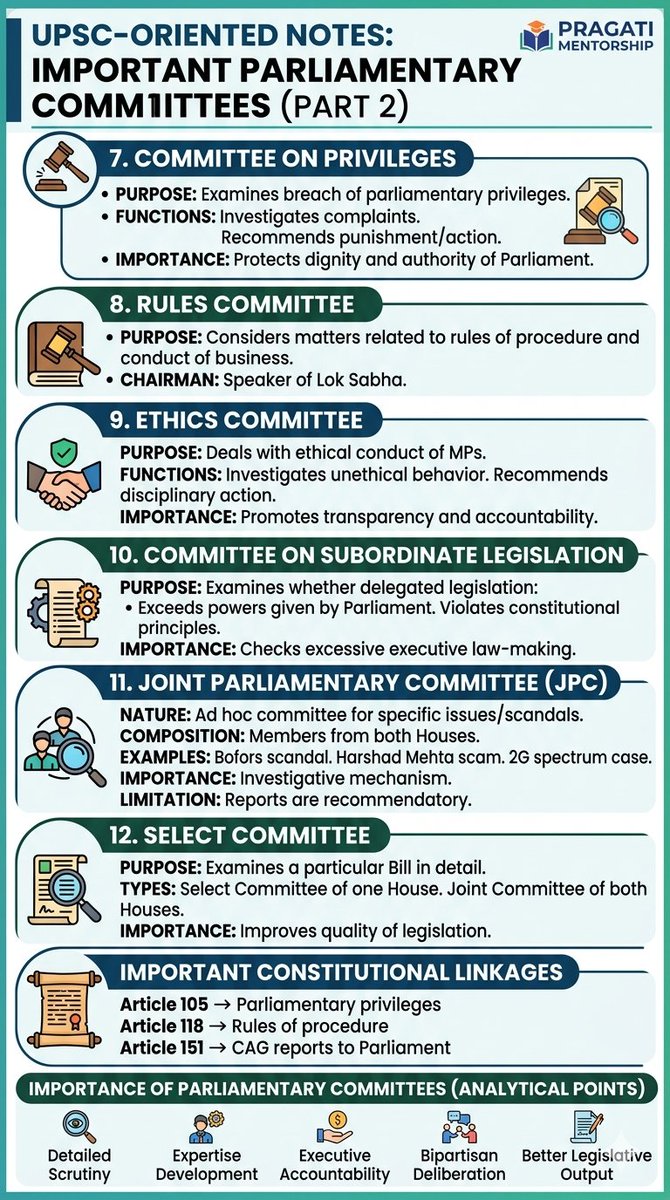
Master the "Mini-Parliaments" of India! 🏛️📑
Parliamentary Committees are the unsung heroes of Indian democracy, ensuring executive accountability and deep legislative scrutiny. Whether it's the Public Accounts Committee guarding the public purse or DRSCs reviewing crucial bills, these committees are essential for your UPSC Prelims & Mains preparation.
Check out our comprehensive breakdown of:
✅ Financial Committees (PAC, Estimates, COPU)
✅ Departmentally Related Standing Committees
✅ Ad Hoc & Specialized Committees
✅ Constitutional Linkages (Art. 105, 118, 151)
Save these notes for your last-minute revision! 🚀
#UPSC #IASExam #IndianPolity #PragatiMentorship #CivilServices #StudyNotes
7
55
1,811

May 7
Equilibrium State:
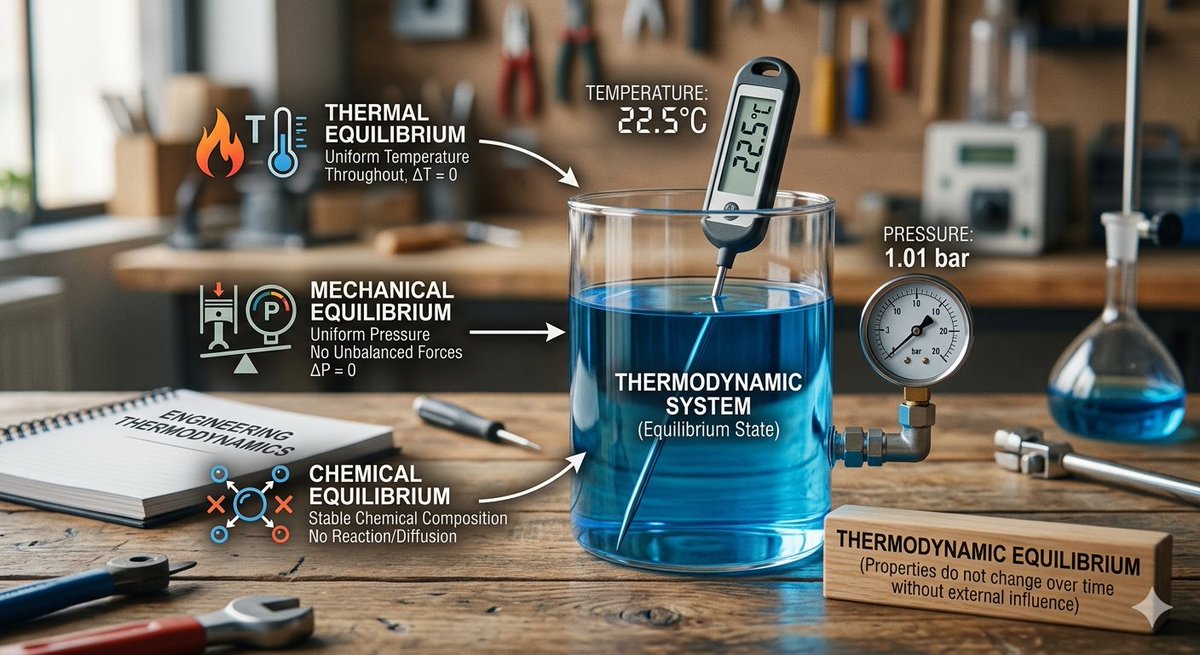
Let's talk about a concept in engineering thermodynamics that sounds rather highbrow but is actually quite "Zen-like"—**equilibrium state**.
In everyday life, if we say someone is "balanced," we usually mean they have a stable mindset and don't dwell on things. In thermodynamics, if a system enters an "equilibrium state," it has essentially entered its **"ultimate retirement mode"**.
🟢 What is an Equilibrium State?
Simply put, if something (what we call a "system") remains completely unchanged over time in the absence of disturbance or external forces, then it has reached an equilibrium state.
Imagine a glass of warm water in a thermos. If you don't add ice or heat it, after a while, the water will enter a state of "non-interference".
🟢 Three Key Indicators for Achieving "Equilibrium"
To enter this retired state, three key indicators must be met:
1. Thermal Equilibrium (Uniform Temperature):
The water in your cup shouldn't be scalding hot at one end and icy cold at the other. Every part of your body must have the same temperature.
2. Force Equilibrium (Uniform Pressure):
There is no pressure difference within the system. Like a balloon, if the internal pressure is uneven, the gas will move around erratically. Only when everything is stable will the balloon not suddenly deform.
3. Chemical Equilibrium (Stable Composition):
No chemical reactions are occurring internally, and no substances are moving around (diffusion). Everything is in its proper place, no longer causing problems.
🟢 Why Study This?
You might ask, "Since it's 'retired' and not moving, why study it?"
Actually, **equilibrium is the "benchmark" in thermodynamics**. Real-world engines, power plants, and air conditioners operate as turbulent, non-equilibrium processes. However, to calculate their limiting efficiency, we must first assume an ideal equilibrium state as a reference.
💡 In summary:
**Equilibrium state = Unattended No interference Complete internal uniformity.** While achieving absolute equilibrium is difficult in reality (after all, the world is always changing), understanding this "static beauty" is key to truly grasping the fundamentals of thermodynamics.
#EngineeringThermodynamics #PopularScience #HardcoreKnowledge #StudyNotes #BeautyOfPhysics
4
81
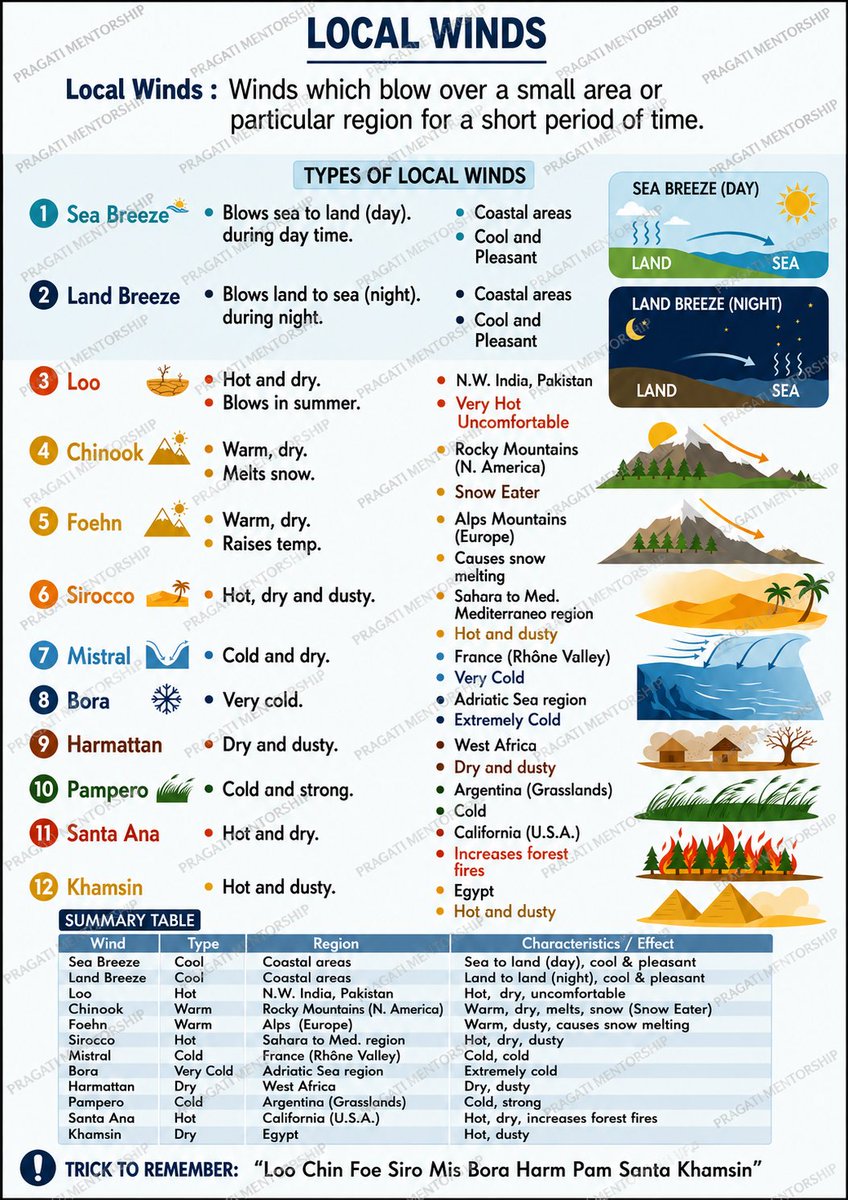
Mastering the elements! 🌬️ From the 'Snow Eater' Chinook to the dusty Harmattan, local winds shape climates across the globe. 🌍📚
#Geography #StudyNotes #ClimateEducation
4
23
511

Apr 29
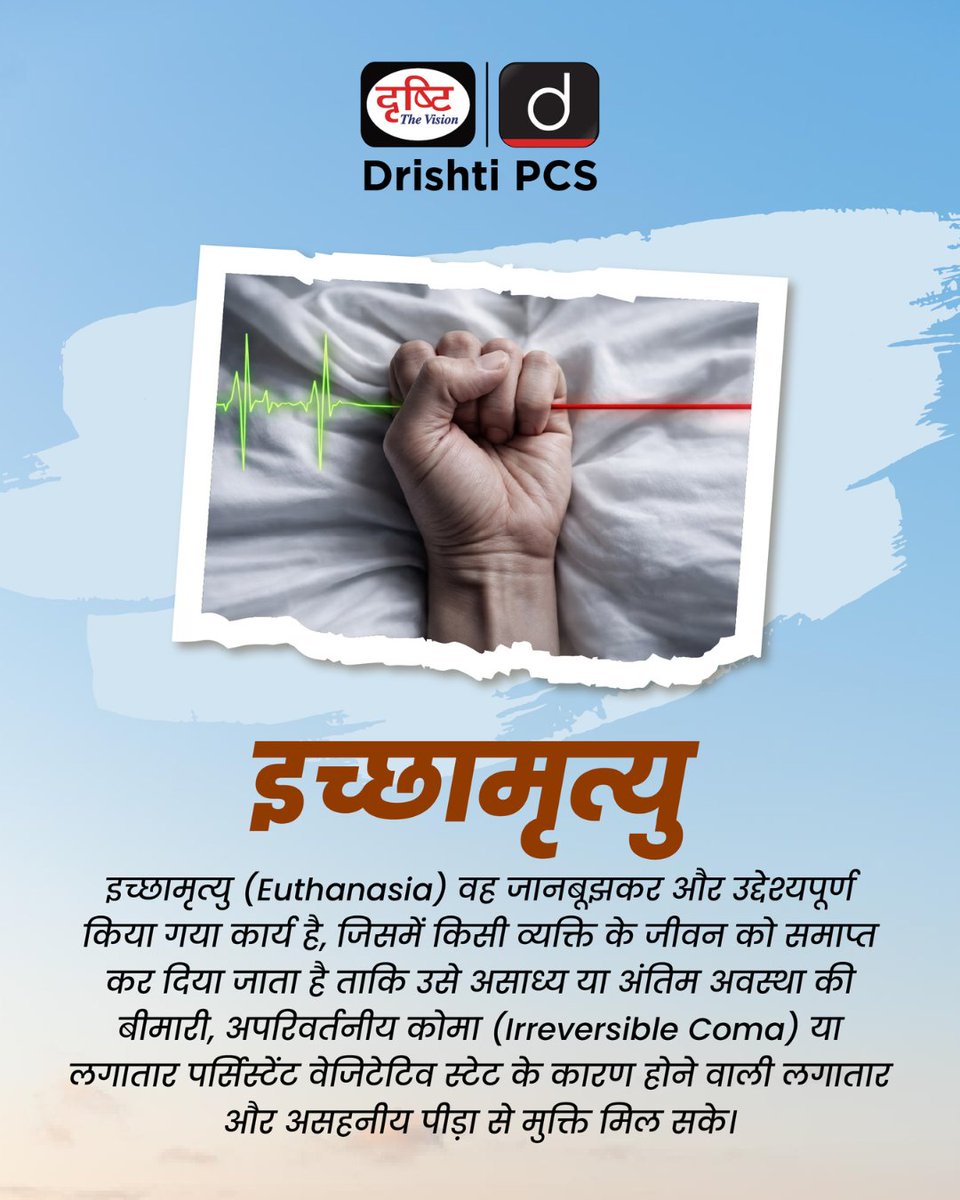
"इच्छामृत्यु (Euthanasia) वह प्रक्रिया है जिसमें किसी असाध्य रोग से पीड़ित व्यक्ति को उसकी असहनीय पीड़ा से मुक्ति दिलाने के लिए जीवन समाप्त किया जाता है।
#Euthanasia #Ethics #MedicalLaw #HumanRights #GK #CurrentAffairs #StudyNotes #UPSC #SSC #Education
7
171
Apr 27
"एंटी-डंपिंग ड्यूटी (ADD) विदेशी वस्तुओं पर लगाया जाने वाला एक सुरक्षात्मक शुल्क है। यह तब लागू होता है जब उत्पाद को उसके उचित बाज़ार मूल्य से कम कीमत पर बेचा जाता है।
#AntiDumpingDuty #Economy #TradePolicy #GK #CurrentAffairs #IndianEconomy #StudyNotes #UPSC #SSC #Learning #Education

2
107


Apr 14
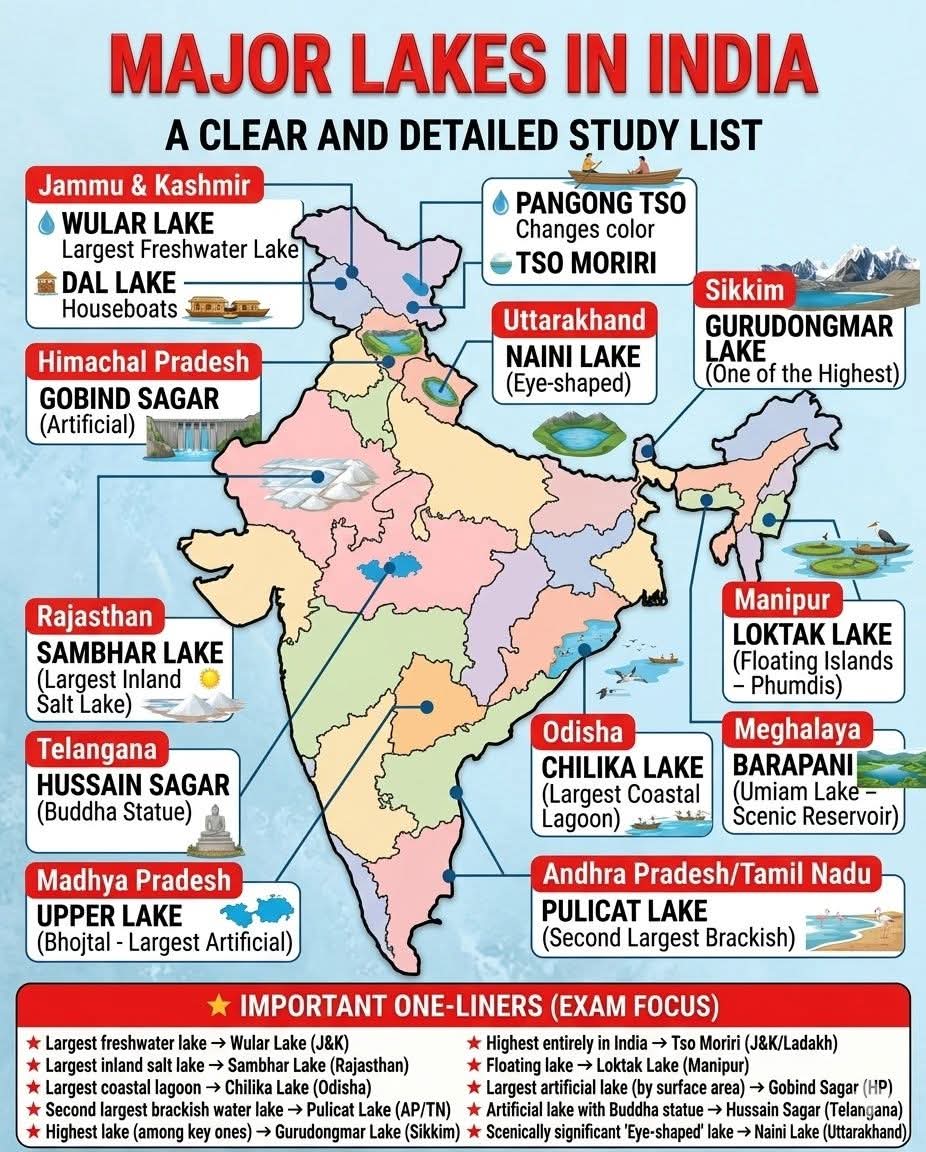
🌊 Major Lakes of India – Quick Revision Guide 🇮🇳
#Geography #IndiaGK #StudyNotes #CompetitiveExams #IndianGeography #LakeFacts #Education #ExamPreparation #GK #UPSC #SSC #LearningMadeEasy
1
39
222
5,698