
While the exact cause of preeclampsia is complex, a man’s genetic makeup and preconception health significantly impact the risk. The father provides half of the fetal and placental genes; certain paternal genetic variants, poor heart health, and obesity are linked to higher preeclampsia rates in partners.The father's involvement in a preeclamptic pregnancy involves several key factors:Paternal Genes & Epigenetics: The father's genetic material determines half of the placenta's makeup. Specific paternal DNA patterns or epigenetic markers in sperm can cause abnormal placental implantation or poor blood vessel development.Preconception Health: Men with two or more metabolic syndrome characteristics (such as high blood pressure, high cholesterol, or elevated blood sugar) are significantly more likely to father a preeclamptic pregnancy. Paternal obesity is also recognized as an independent risk factor.Prior History: Studies show that men who have fathered a preeclamptic pregnancy are twice as likely to father another one, even with a different partner. Similarly, men who were born from a preeclamptic pregnancy have a higher risk of fathering one themselves.Immune Adaptation: Preeclampsia is sometimes triggered by the mother's immune system reacting to "paternal antigens". Reduced exposure to these antigens—such as in a short-term relationship, changing partners, or using donor sperm—has been linked to an increased risk of the condition.For comprehensive information on this topic, you can read the research published in the National Institutes of Health or read about the effects of paternal heart health provided by the Preeclampsia Foundation.
9


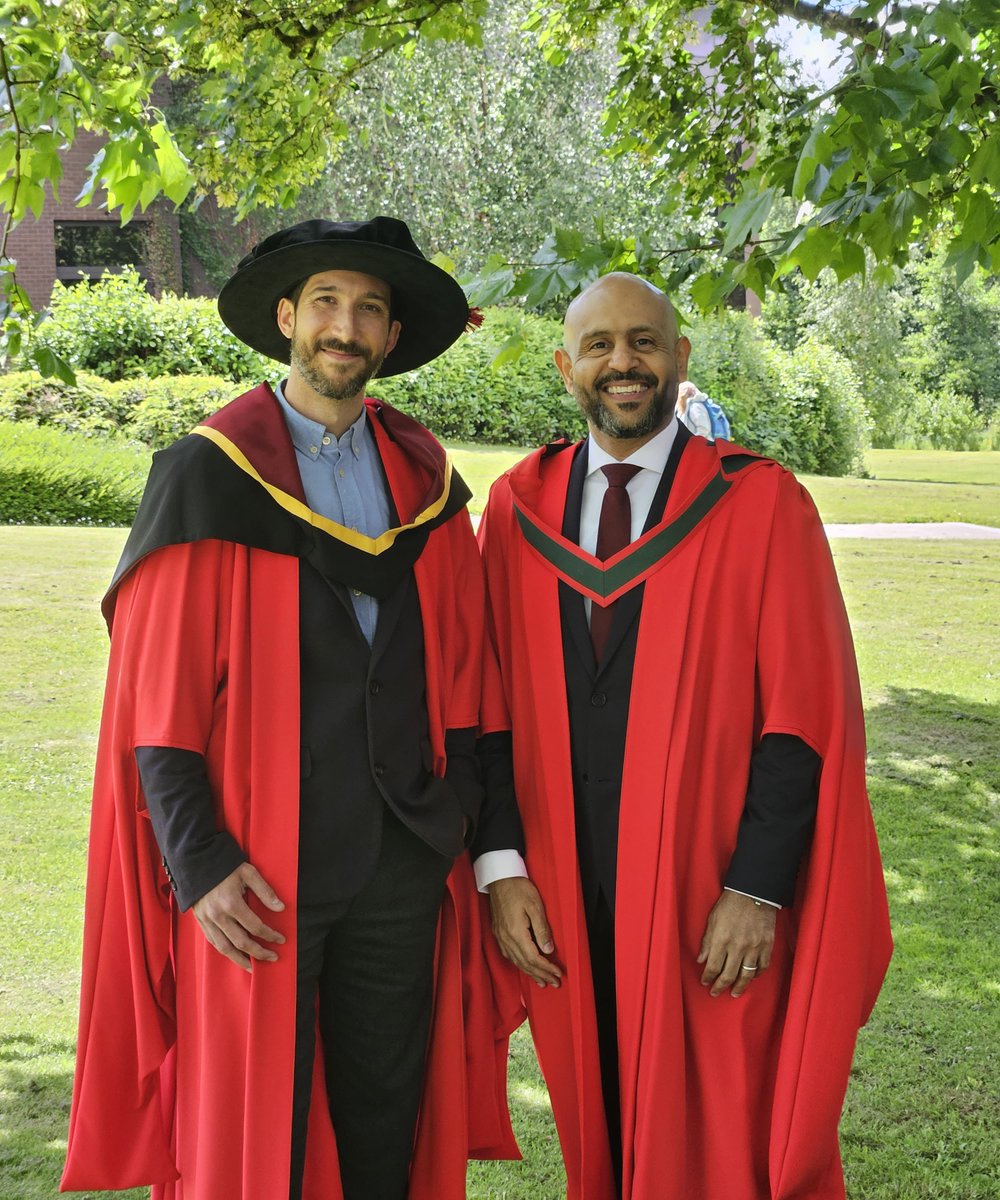
Proud moment: my PhD student Dr Sébastien Poix graduated last week
His PhD focused on the #economics of #preconception health and care in #LMIC
The key message is simple: healthier pregnancies often begin before pregnancy.
Congratulations, Sébastien. Very proud of you.
3
4
296

Nah you had a preconception going in and a schizoid tendency to find things that aren’t there.
54

And the best part is, despite discovering incontrovertible evidence that aligned exactly with what the globe predicts, his views didn't change one bit. Instead he doubled down and claimed everything test that disagreed with his preconception was wrong.
2
21

Introducing Bloom by American Hospital Dubai.
A maternity programme thoughtfully designed to support every stage of your pregnancy journey with exceptional clinical expertise, personalized care, and unparalleled comfort.
From preconception guidance to childbirth and beyond, Bloom offers a seamless experience in a five-star healthcare environment, where your wellbeing and your baby's health remain our highest priorities.
Book your appointment today:
📞 Call or WhatsApp: 800 24392
🌐 ahdubai.com
#AmericanHospitalDubai #BloomByAHD #DubaiMaternityHospital #MayoClinicCareNetwork
14

saying east asians “dont count” for our transitions is extremely racist. stop gendering ethnic features just because your preconception of “masculine/feminine” is based on Eurocentric beauty standards.
1
7
579

I THOUGHT I WAS DOING EVERYTHING RIGHT... THEN THIS HAPPENED 🤯 When my partner and I went for our preconception consult in Jan 2024, everything changed. The nutritionist took one look at our blood work and asked “Are you living in mold? You need to get out immediately.” We
1
32

It's always about control with you people.
Never let libs get away with the preconception that they're against the things that they're guilty of.
Jun 12

It's simple, really. Just don't be racist. Don't be pedophilic. Don't be a mysoginist. Don't run away from controversy when being called out. Don't be dismissive towards your fanbase, especially your PoC fans. Actually give all of your characters the development they need
27
CinTica retweeted

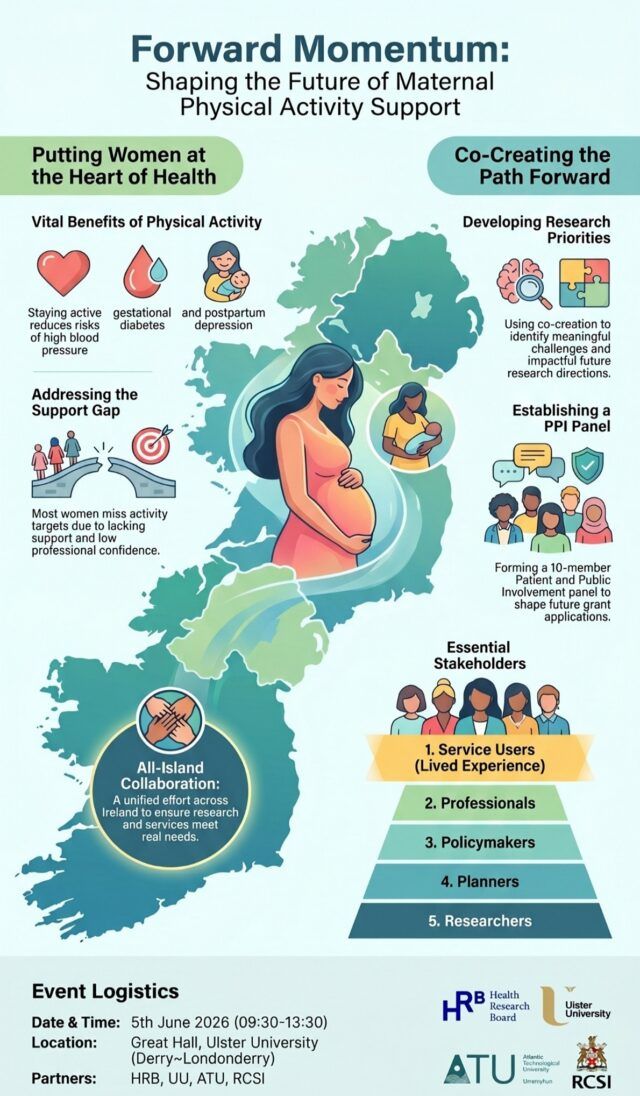
🚨 NEW #BJSMBlog ✅
Forward Momentum: Shaping the future of physical activity support and guidance across preconception, pregnancy and postpartum on the island of Ireland 🤰🏃♀️
READ ➡️ bit.ly/4umJg7c
1
6
1,403

I think if it was more funny I could care less about a cartoon being mean. A lot of shows are mean. I think an issue with the pitch is the fact it's reliant on the preconception that all major indie shows are the same over arching stories.
2
1
81

Jun 14
I understand perfectly. You aren't listening to me because you have a preconception about what I'm saying.
There are THREE reasons identified so far Karmelo Anthony did not have a legal self defense claim.
THREE. Not Zero, not One, and not Five.
You made a crazy claim he failed for five reasons. He failed for three. One is sufficient to invalidate self-defense.
1
38

Jun 14
My only real complaint with Kant is that he normatively privileges reason while smuggling in a preconception of what it means to act reasonably.
On deontology more broadly, I find that it’s either too brittle to apply to robust contexts or slips into virtue-ethics lite.
1
1
18

Jun 14
I feel that this is a perfect case of a close minded world view where they can't conceive any other alternative and have to force everything into their preconception. ludicrous.
10

Jun 14
anything that deviates from said consensus becomes a threat to artificial stability of confidence founded in preconception despite fallible discretion & familiarity drives need to not question that which is held dear in conviction to remain secure in uncertainty of actual reality
4

I mean, that's not what happened but you'd have to look at each individual update and we already know you dismiss all evidence to the contrary of your preconception.
1
18

Jun 13
I've liked the movies and individual filler episodes i've seen the first arc with the dragons just dragged lol I suppose the small comedy fillers are better but then again everything I hear about G-8 challenges that preconception lol
1
27

Jun 13
it's really just your own false preconception because in no other country in the world is soccer considered a monolithically lefty political thing. americans really just need to get over it
8
27
1,439

Jun 13
Quick conception or prolonged infertility? Hidden factors like PCOS, low ovarian reserve, endometrial issues and sperm quality make the difference. Learn which preconception tests help identify risks and guide treatment. wix.to/loTpiNg #preconceptioncare
3