
8s
Chambered
Prompt:
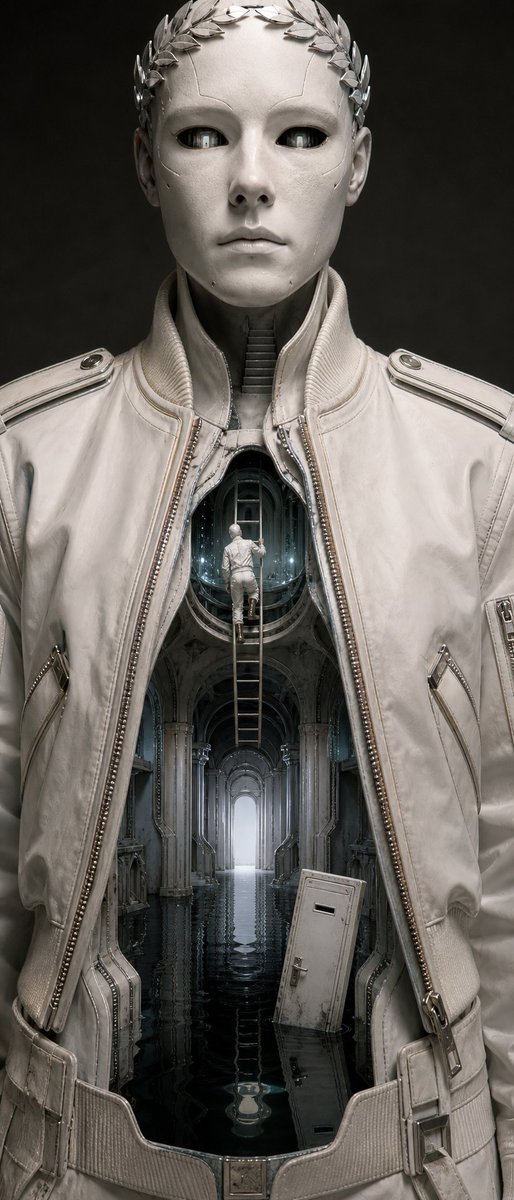
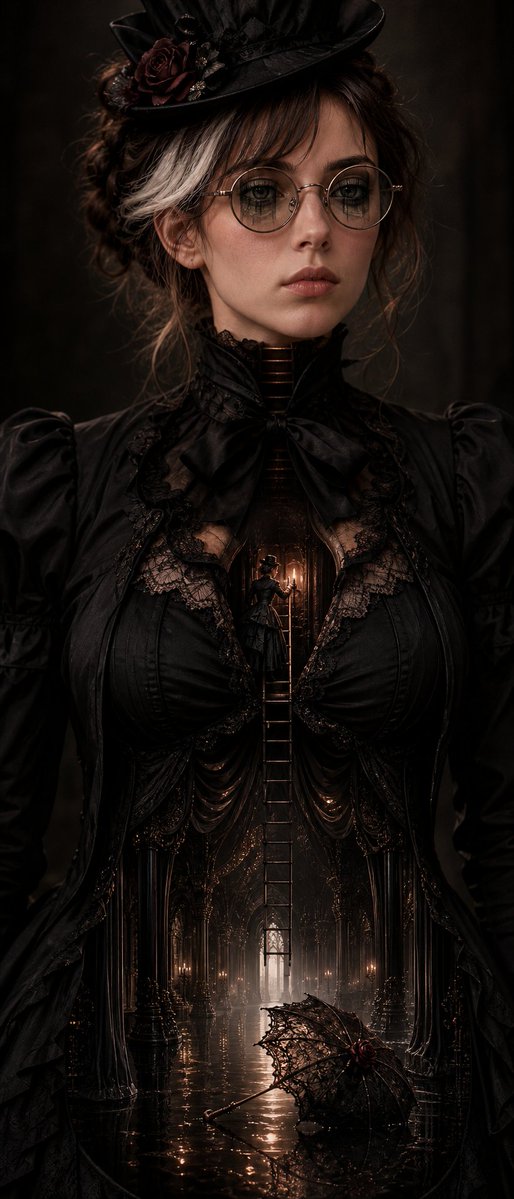
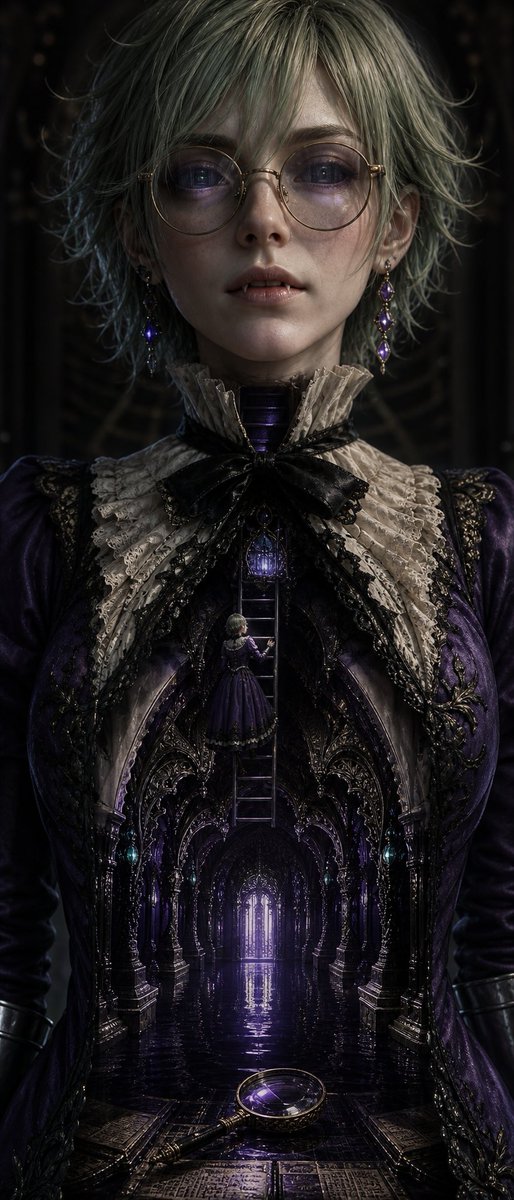
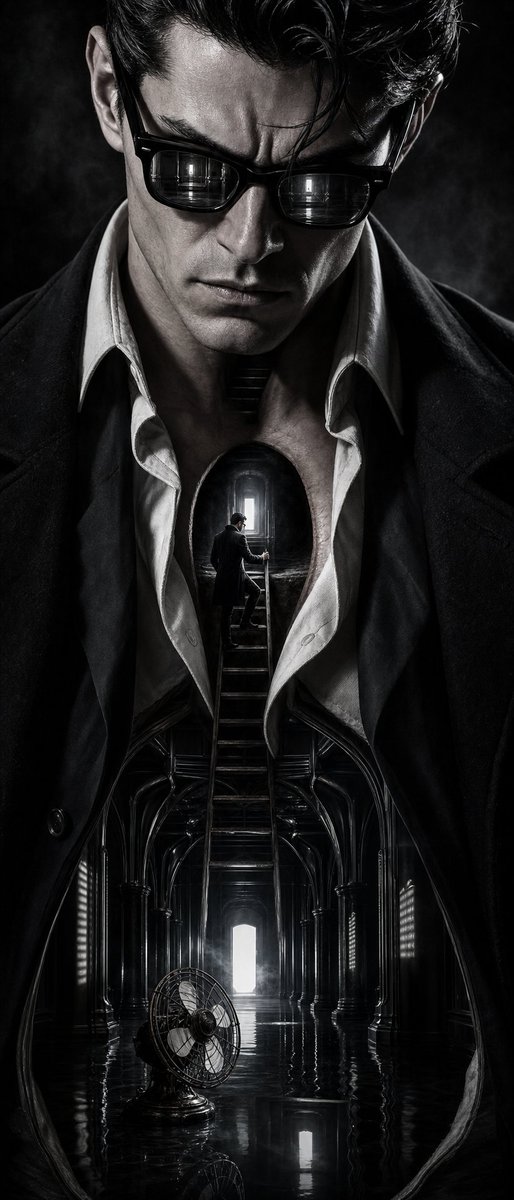
Create a photoreal surreal fine-art cinematic portrait titled The Inner Reliquary: The Room Beneath the Sternum, using the supplied reference image as the primary guide for character identity, anatomy, species traits, body type, face structure, skin, fur, scales, feathers, markings, hair, clothing, armor, eyewear, accessories, materials, colors, and mood.
The final image should feel like the same reference character reimagined as a believable real person or real physical being photographed in cinematic lighting. Preserve the character’s identity and design language. Do not redesign the character, change species, alter facial structure, change body type, replace clothing or armor, remove eyewear, or turn the image into generic fantasy glamour.
The character’s body should feel like a sacred reliquary containing impossible private architecture: a sternum hollow, a ladder, a miniature version of the character, and a vast character-derived cathedral hidden in the torso.
ASPECT RATIO AND FRAMING:
Use a tall 9:21 vertical portrait composition.
Frame the character from the top of the head to the lower torso in a sacred vertical bust portrait. Include the full face, eyes or eyewear if present, throat, collarbones, sternum hollow, upper chest, chest ladder, and a large visible abdominal cathedral.
The face should remain emotionally dominant, but the torso cathedral should be a major surreal reveal. This is a monumental torso-reliquary portrait, not a full-body showcase. Do not show thighs, knees, legs, feet, full tails, city, landscape, palace, or large external background.
If the reference depicts an adult character and the design naturally includes cleavage, neckline exposure, or open clothing, preserve it naturally without awkward censoring. The focus must remain sacred, surreal, and architectural, not erotic.
PHOTOREALISM:
Push toward photoreal cinematic realism, not anime, illustration, game art, digital painting, concept art, or stylized fantasy art.
Translate the reference character into realistic physical materials: skin pores, natural eyelids, believable lips, real hair strands, fur fibers, tactile fabric, worn leather, aged metal, polished armor, glass lenses, scratched goggles, porcelain, stitched trim, realistic shadows, contact depth, and natural optical falloff.
FACE AND IDENTITY:
Keep the face clearly visible and recognizable. Preserve the character’s expression, eye area or eyewear, hairline or head shape, species traits, markings, accessories, and emotional mood.
Do not crop out the face, hide it completely in shadow, or turn the image into a headless torso study.
THE EYES AS EMPTY WINDOWS:
Transform both eyes into small realistic empty windows while preserving the character’s natural eye shape, eyelids, lashes, brow structure, gaze direction, eyewear if present, and expression.
The eye-window effect should read as tiny recessed interior spaces, not ordinary reflections, glowing pupils, shiny highlights, or vague glass glare.
Each eye should feel like a small vacant architectural window embedded behind the wet eye surface or behind eyewear glass. Show subtle inner depth: tiny side walls, faint window frames, thin interior edges, distant dim light, soft mist, shadowed recesses, and a sense of empty space continuing inward.
If glasses, goggles, visor lenses, sunglasses, optical lenses, or other eyewear cover the eyes, keep the eyewear fully intact. The empty-window effect may appear within, behind, reflected inside, or layered inside the lenses while preserving the eyewear shape, tint, frame, scratches, reflections, and material.
One eye-window may be brighter but empty, showing pale light, faint mist, and vacant depth. The other may be darker and empty, showing shadow, dim architecture, glass reflection, or deeper interior darkness. No figure, no silhouette, and no person appears in either eye.
The eye windows should remain secondary to the sternum hollow and abdominal cathedral, but they must still be unmistakable as tiny empty rooms or windows when viewed closely.
CHEST HOLLOW:
Place a deep dark hollow in the sternum area, aligned with the character’s natural central chest structure and costume design. The hollow should feel integrated into the neckline, chest ornament, fabric folds, armor seam, fur depth, scale overlap, feather layering, cleavage shadow if present, or chest shadow.
The hollow is not a wound, injury, gore, medical anatomy, exposed flesh, body horror, torn skin, or damaged body part. It is a symbolic dark recess formed from shadow, fabric, fur, scales, feathers, armor, clothing, or natural chest structure.
Inside the hollow, place a small contained light inspired by the reference character’s palette. Warm characters may use restrained amber, copper, bronze, gold, or ember light. Cool characters may use smoky blue-white, silver, violet, green glass, moonlit, or spectral light. Echo strong eye color, eyewear tint, tattoo color, jewel color, armor accent, fabric trim, or other design accents subtly.
The glow should illuminate the miniature character, ladder rungs, inner rim, nearby material texture, mist, and dust.
THROAT STAIRCASE:
Inside the throat, beneath the chin and behind the natural neck shadow, reveal a very subtle narrow staircase ascending upward. It should feel hidden inside the character’s interior architecture, not painted on the outside of the neck.
Only two to five dim steps should be visible, partially obscured by collar, jaw shadow, hair, hood, beard, armor, fabric, fur, or neckline darkness. It should be less readable than the chest ladder and should not form a strong vertical neck pattern.
The throat staircase must not look medical, anatomical, wound-like, exposed, or gory. It is symbolic architecture glimpsed inside shadow.
The throat staircase and chest ladder are separate interior glimpses. Do not connect them into one continuous exterior ladder.
CHEST LADDER AND MINIATURE CHARACTER:
From the sternum hollow, a narrow physical ladder descends toward the abdominal cathedral. The ladder should have visible side rails, individual rungs, depth, shadows, and partial occlusion. It must feel inside the torso’s hidden interior space, not pasted onto the surface.
The ladder must obey clothing, armor, fur, feathers, scales, straps, fabric folds, jewelry, cleavage line if present, and costume structure. It may disappear behind rim shadow, fabric, armor plates, hair, fur, leather, metal trim, or darkness.
Place a tiny standing or climbing version of the reference character on the ladder inside the sternum hollow. The figure must be small but recognizable by silhouette, matching ears, hood or head shape, hair, clothing, colors, eyewear if present, posture, and mood.
The miniature character must physically touch the ladder: one hand on a rail, one foot on a rung, or both feet on rungs. It belongs only on the ladder, not in the eyes, not floating, not standing separately in the room, and not on the floor.
The tiny figure should remain secondary to the hollow and ladder, not become a large duplicate, doll, statue, or second portrait.
CHARACTER-DERIVED ABDOMINAL CATHEDRAL:
The ladder leads down into a large secret abdominal cathedral occupying the torso below the sternum. The cathedral should be clearly visible, vast, and important.
The room must be designed from the supplied reference character’s visual DNA: palette, materials, silhouette, species or identity traits, clothing, armor, markings, accessories, eyewear, and mood. The chamber should feel impossible for this exact character and wrong for any other character.
Do not create the same generic vaulted hall across different references. Change the architecture’s silhouette, structure, column shape, doorway shape, ceiling height, floor pattern, water behavior, symmetry, object placement, material language, and lighting based on the character.
Use these as design logic, not fixed templates:
* Fox, animal, hooded, amber, leather, shrine, or ritual characters: drowned amber shrine-cathedral, curved wooden beams, lacquered columns, bronze trim, cords, wet stone, warm mist, black reflective water.
* Armored, cybernetic, visor, military, green glass, hard-plated, or mechanical characters: flooded mechanical basilica, ribbed metal columns, armored panels, green-black reflections, cables, hatch-like doorways, submerged grates.
* Noir, black clothing, sunglasses, slick hair, tailoring, grief, detective, or severe contrast characters: drowned private noir hall, black columns, glossy water, narrow white doorway light, smoke haze, venetian shadows, dark wood trim.
* Porcelain, white leather, mask, android, synthetic, minimalist, sterile, or silver-trimmed characters: sterile porcelain cathedral, white ceramic arches, silver seams, black water, surgical moonlight, enamel columns, laboratory-chapel doorway.
* For any other design, translate its exact colors, textures, materials, symbols, and mood into sacred interior architecture.
The abdominal cathedral should contain black reflective water, impossible depth, a distant doorway, inward-bending columns, soft mist, suspended dust, and one subtle reflection error: the distant doorway reflects in the water as a slightly misaligned second doorway, as if the reflection belongs to a different room.
The room should feel recessed behind body surface layers, not painted onto the stomach. Let fabric folds, armor plates, jacket edges, fur, feathers, scales, straps, seams, leather, metal panels, or shadowed body contours overlap the cathedral edges.
The room must not look like a wound, gore, exposed anatomy, medical cavity, damaged body, or body horror. It is symbolic interior architecture.
CHARACTER-DERIVED MISPLACED OBJECT:
Inside the abdominal cathedral, place exactly one strange ordinary object. Do not choose from a fixed universal list. Invent one object based on the reference character’s visual identity, role, palette, species traits, materials, clothing, armor, eyewear, accessories, mood, or implied private history.
The object should feel specific to this character, but still wrong inside a sacred internal cathedral. It should be ordinary before it is symbolic: a real physical object that could be touched, moved, used, stored, lost, abandoned, or remembered.
The object must:
1. Echo the reference character through color, material, shape, era, species cue, profession cue, accessory cue, or mood.
2. Feel misplaced inside the cathedral, like an ordinary object from another life trapped in a sacred room.
3. Be immediately readable at a glance.
Examples of object logic only, not preferred choices:
* Fox or shrine character: comb, brass bell, paper umbrella, offering bowl, donation box, grooming tool, folded cloth.
* Armored or cybernetic character: field radio, helmet, monitor, compass, sealed case, tool box, canister.
* Noir character: typewriter, umbrella, desk fan, ashtray, chair, tape recorder, office object.
* Porcelain or android character: mannequin hand, privacy screen, sink, examination chair, toy horse, freezer door, sterile stool.
Do not repeat example objects mechanically. Prefer inventing a new ordinary object derived from the actual character.
Do not default to a red rotary telephone. A red telephone is only allowed if the reference strongly contains red accents, retro communication motifs, telephone imagery, or vintage domestic themes.
The object may sit slightly off-center, face the wrong direction, be wet, tilted, abandoned, isolated, reflected in black water, or lit by a practical glow that does not perfectly match the cathedral lighting. It should not dominate the portrait more than the face or sternum hollow, but inside the abdominal cathedral it should be the clearest uncanny detail.
COLOR, LIGHT, AND MOOD:
Use the dominant colors of the reference character to shape the darkness, hollow light, eye-window light, eyewear reflection, throat staircase, rim light, mist, ladder, doorway, cathedral, object, clothing, armor, skin, fur, scales, feathers, and surrounding shadows.
Warm references should create warm-black, amber-black, copper-black, rose-black, cream-shadow, or earthy darkness. Cool references should create blue-black, silver-black, violet-black, slate-black, or moonlit darkness. Metallic references should carry subtle dark reflections across the hollow, eyes, eyewear, ladder, cathedral, and object.
Lighting should be soft, sacred, controlled, and cinematic, with rim light along the face, jaw, throat, collarbones, sternum, clothing edges, fur, feathers, scales, armor seams, mask edge, visor, glasses, fabric folds, and material seams.
Mood: intimate, surreal, sacred, secretive, lonely, eerie, elegant, dreamlike, impossible. The body should feel like a place of hidden mystery rather than an object of display.
STYLE:
Photoreal surreal fine-art cinematic realism, tall 9:21 vertical sacred torso-reliquary portrait, believable reference-character translation, visible character face, empty eyes as tiny recessed architectural windows, eyewear intact if present, sternum hollow with character-inspired light, tiny version of the character on the ladder, separate throat staircase hidden in shadow, large character-derived abdominal cathedral, one obvious character-derived misplaced ordinary object, black reflective water, distant doorway with incorrect reflection, impossible interior depth, soft mist, tactile skin, fur, fabric, leather, metal, glass, porcelain, armor, and shadow detail, premium gallery photograph.
AVOID:
generic chapel, repeated room design, repeated object choice, random object unrelated to the character, multiple objects, cluttered props, magical artifact, fantasy relic, treasure, glowing rune object, weapon display, object too tiny, object hidden in shadow, object blending into architecture, object becoming bigger than the portrait focus, default red telephone, eyewear removed or broken, cracked glasses, broken goggles, fractured visor, replacing covered eyes with normal eyes, normal eyes, eye windows reading only as reflections, eye windows with no interior depth, glowing orb eyes, neon portal eyes, sci-fi screen eyes, rune eyes, flat symbolic eyes, cartoon window eyes, figures inside the eyes, miniature character inside eyes or eyewear, both eyes showing the same scene, eye effect overpowering the portrait, cropped-out face, hidden face, headless torso, anime, illustration, digital painting, game render, concept art, stylized fantasy art, smooth plastic skin, oversized anime eyes, cel shading, magical neon lighting, censoring natural adult neckline, explicit nudity, exposed nipples, lingerie styling, erotic posing, footpath or road across body, exterior path to hollow, hollow near head, hollow in hood or hair, hollow only on stomach, chest wound, torn skin, medical anatomy, exposed anatomy, body horror, medical throat opening, throat wound, staircase painted on neck, exterior throat ladder, one continuous ladder from throat to abdomen, ladder pasted on surface, ladder as zipper, tattoo, jewelry, trim, body paint, or costume decoration, room outside the body, room painted flat on abdomen, pasted portal, ordinary hallway, plain empty room, city inside body, crowded miniature figures, colorful fantasy clutter, changing identity, changing species, changing face, changing body type, changing skin tone, changing clothing style, changing armor design, or anything that makes the hidden room feel grotesque instead of secret and sacred.
@OccultusNotitia @MorgankingAI @OvtedFatash @Skyebrows
IPOB GHANA OFFICIAL PAGE💪🐉 retweeted

Preserving Igbo identity 🖤
Chimamanda reminds us that the Igbo people are one united by language and heritage, not divided by dialects. She calls for a return to truth, dignity, and community values.
At the Things Fall Apart Festival, she urges:
“We must reclaim our Igbo values before it is too late,” and asks,
“What are we celebrating if we have lost who we are?”
@ChimamandaReal
12
256
600
5,844

FOR IMMEDIATE RELEASE
R. C. Rocha Music: Navy Veteran and Independent Songwriter Blends Country Heart and Christian Faith on YouTube and Major Streaming Platforms
June 17, 2026 – R. C. Rocha Music, the YouTube channel and independent music project of Navy veteran and author Richard C. Rocha, continues to resonate with listeners seeking authentic, heartfelt storytelling rooted in American values, family, faith, and patriotism.
With over 160 original videos and growing list of subscribers on YouTube (@richrocha4099), Rocha writes, composes, and produces every song himself. His catalog features a distinctive blend of classic Country and Christian music—described by the Rocha as “the heart and soul of good American music.” Themes draw from personal experience, including military service, generational wisdom, love, loss, and national pride.
Rocha, a proud Navy Veteran and child of the Greatest Generation, brings decades of life experience to his craft. In addition to songwriting and poetry, he authored a book chronicling his American journey. His recent releases, available on Spotify, Apple Music, YouTube Music, Amazon Music, and other platforms, include the touching country ballad “Just One More Time” (released May 27, 2026), which reflects on cherished memories of loved ones who have passed and the longing for one more moment together. The track has been praised for its sincere emotion, understated arrangement, and faith-centered comfort.
Other notable releases include:
• “The Man Inside”
• “Medal Of Honor”
• “This Is The America I Live In”
• “Me and My DD214”
• “In The Presence of Jesus”
and many more originals that celebrate everyday heroes, family bonds, patriotism, and spiritual reflection. amazon.com
“All the songs on my channel were written by me,” says Rocha. “I pour my heart into these tracks—stories of faith, country living, love, and the values that built this nation.”
R. C. Rocha Music invites fans of traditional country, gospel, and independent artists to discover an ever-growing library of original music that feels like sitting on the front porch with an old friend—honest, uplifting, and deeply American.
Listen and Subscribe:
• YouTube: music.youtube.com/@richrocha…
• Streaming: Search “R.C. Rocha Music” on Spotify, Apple Music, and Amazon Music
For media inquiries, interviews, contact him at richrocha158@gmail.com
About R. C. Rocha Music
R. C. Rocha Music is the independent creative outlet of Richard C. Rocha, a U.S. Navy veteran, author, poet, and songwriter dedicated to preserving the spirit of classic American music through original Country and Christian songs.
2



Gargoti Museum celebrates the hidden beauty of Mother Nature through its remarkable collection of crystals.
India is a land of geological diversity and natural wonders. At Gargoti Museum, we are dedicated to conserving, preserving, and showcasing these extraordinary treasures.
ArditB2006 retweeted

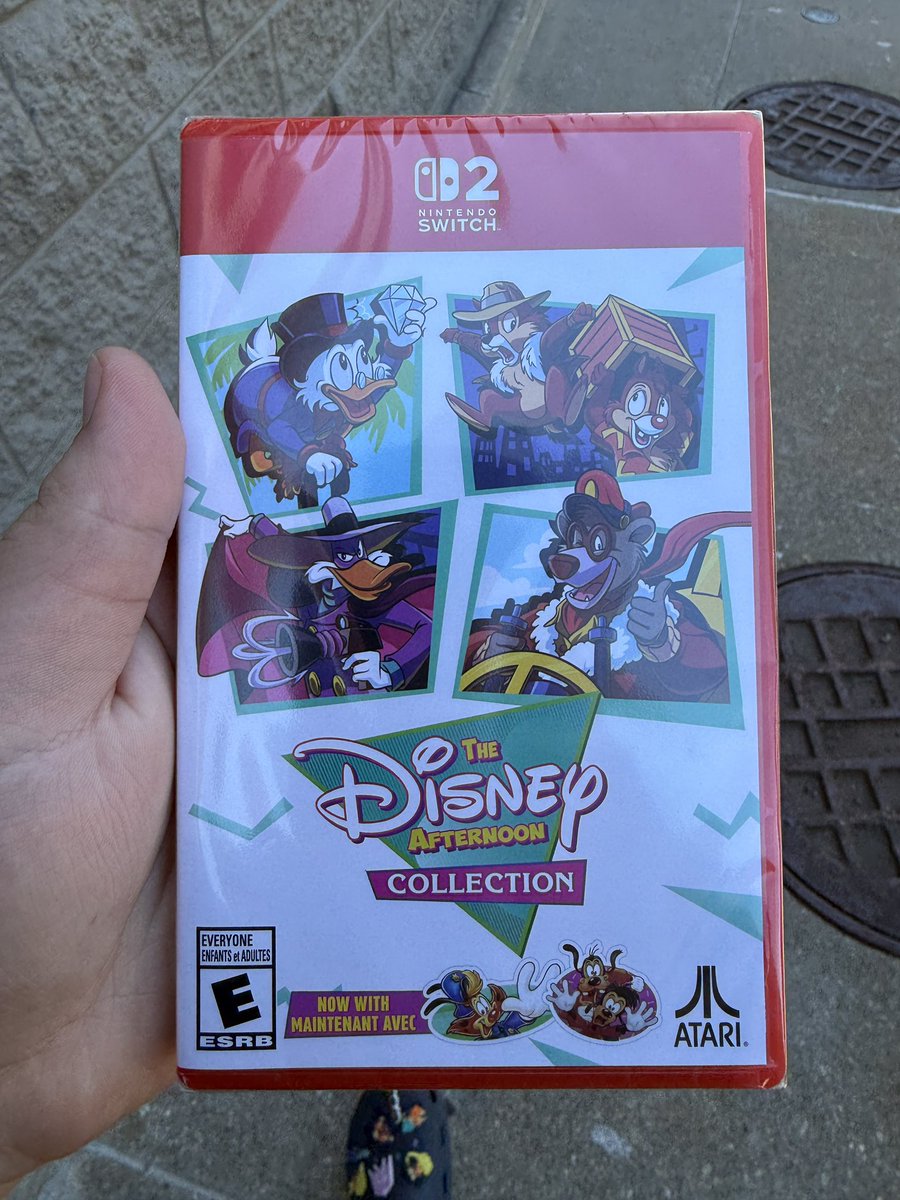
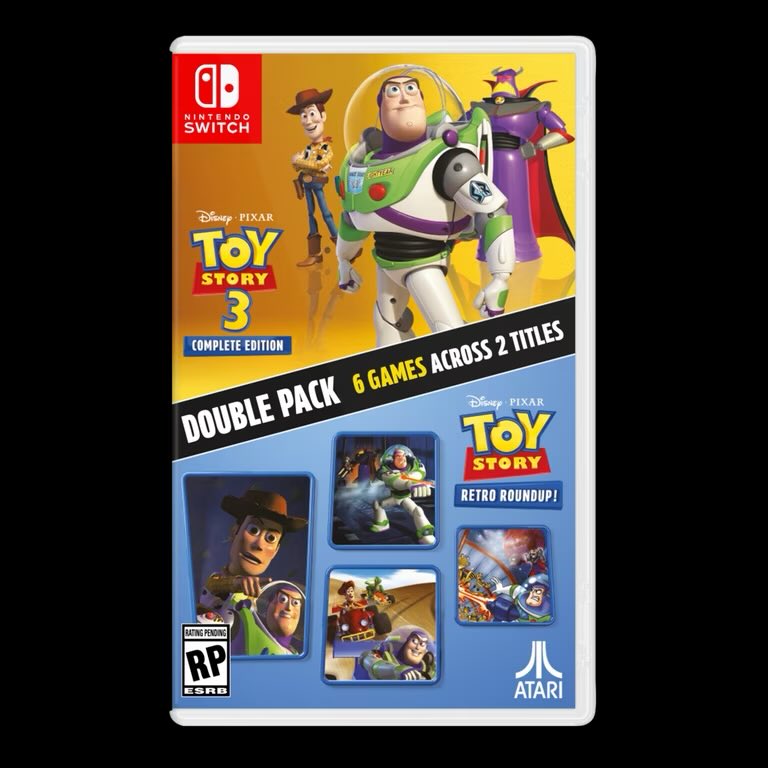
When you think abt it Disney has done a better job at preserving their games than Sega has.
Jun 13

Sega’s god awful attempts at game preservation and lack of doing so should be talked about more often and I’m tired of people ignoring it. A thread (1/?)

22
124
1,440
34,574

“maximize my values” is probably sufficient assuming preserving your personhood is part of your values
1
1
19


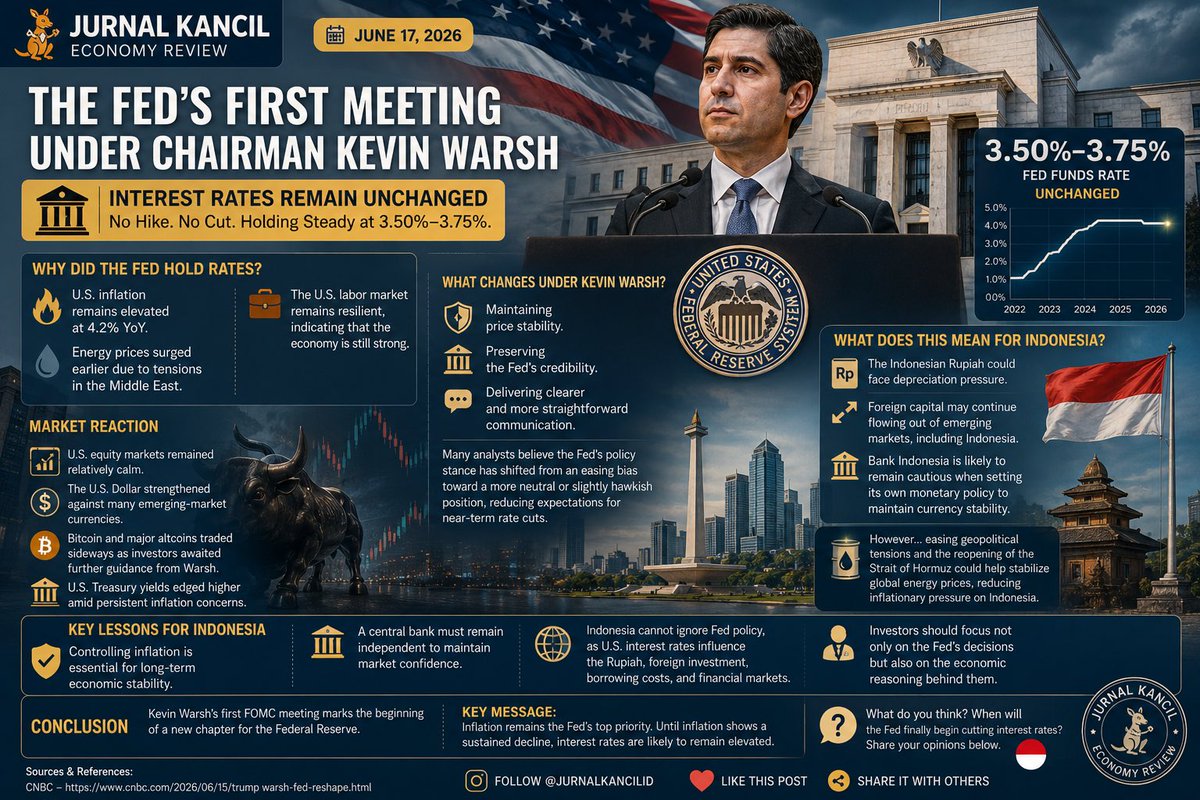
📚🦘 JURNAL KANCIL | ECONOMY REVIEW 🇺🇸🇮🇩
📅 June 17, 2026
🏦 THE FED’S FIRST MEETING UNDER CHAIRMAN KEVIN WARSH
🇺🇸 Interest Rates Remain Unchanged
No Hike. No Cut. Holding Steady at 3.50%–3.75%.
🚨 What does this mean?
The Federal Reserve has officially kept its benchmark interest rate unchanged at 3.50%–3.75% during the first FOMC meeting chaired by Kevin Warsh, who succeeded Jerome Powell.
Although President Donald Trump had urged the Fed to cut rates, the central bank chose to remain independent and prioritize economic data over political pressure.
━━━━━━━━━━━━━━━━━━
📊 WHY DID THE FED HOLD RATES?
Several key factors influenced the decision:
🔥 U.S. inflation remains elevated at 4.2% YoY.
⛽ Energy prices surged earlier due to tensions in the Middle East.
💼 The U.S. labor market remains resilient, indicating that the economy is still strong.
➡️ In short, the Fed is not yet convinced that inflation is fully under control.
━━━━━━━━━━━━━━━━━━
🎯 WHAT CHANGES UNDER KEVIN WARSH?
👤 As the new Fed Chair, Kevin Warsh is expected to take a more disciplined approach toward inflation.
His priorities include:
📈 Maintaining price stability.
💵 Preserving the Fed’s credibility.
🗣️ Delivering clearer and more straightforward communication.
Many analysts believe the Fed’s policy stance has shifted from an easing bias toward a more neutral or slightly hawkish position, reducing expectations for near-term rate cuts.
━━━━━━━━━━━━━━━━━━
📉 MARKET REACTION
📊 U.S. equity markets remained relatively calm.
💵 The U.S. Dollar strengthened against many emerging-market currencies.
₿ Bitcoin and major altcoins traded sideways as investors awaited further guidance from Warsh.
📈 U.S. Treasury yields edged higher amid persistent inflation concerns.
━━━━━━━━━━━━━━━━━━
🇮🇩 WHAT DOES THIS MEAN FOR INDONESIA?
Higher U.S. interest rates generally make dollar-denominated assets more attractive.
As a result:
💸 The Indonesian Rupiah could face depreciation pressure.
📤 Foreign capital may continue flowing out of emerging markets, including Indonesia.
🏦 Bank Indonesia is likely to remain cautious when setting its own monetary policy to maintain currency stability.
However…
🛢️ Easing geopolitical tensions and the reopening of the Strait of Hormuz could help stabilize global energy prices, reducing inflationary pressure on Indonesia.
━━━━━━━━━━━━━━━━━━
📖 KEY LESSONS FOR INDONESIA
🇮🇩 This decision offers several important lessons:
✅ Controlling inflation is essential for long-term economic stability.
✅ A central bank must remain independent to maintain market confidence.
✅ Indonesia cannot ignore Fed policy, as U.S. interest rates influence the Rupiah, foreign investment, borrowing costs, and financial markets.
✅ Investors should focus not only on the Fed’s decisions but also on the economic reasoning behind them.
━━━━━━━━━━━━━━━━━━
📝 CONCLUSION
🏦 Kevin Warsh’s first FOMC meeting marks the beginning of a new chapter for the Federal Reserve.
➡️ The key message is clear:
Inflation remains the Fed’s top priority.
Until inflation shows a sustained decline, interest rates are likely to remain elevated.
For Indonesia, maintaining macroeconomic stability and prudent monetary policy will become increasingly important in a world of higher global interest rates.
💬 What do you think? When will the Fed finally begin cutting interest rates?
🇮🇩 Share your opinions below.👇
📚 Sources & References :
CNBC :
Link: cnbc.com/2026/06/15/trump-wa…
If you found this post informative, please consider supporting our work by:
✅ Following our account
❤️ Liking this post
🔄 Sharing it with others
Your support helps us continue delivering educational and insightful content.
🔖 Follow @JurnalKancilID
#FedMeeting #KevinWarsh #FOMC2026 #SukuBungaFed #InflasiAS #FedRateDecision #WarshFed #MonetaryPolicy
8

🚨 India Needs China-Style Social Discipline for Progress 🇮🇳🇨🇳
India's biggest challenge isn't a lack of talent, resources, or opportunity—it's the lack of social discipline.
📌 Key takeaways from his column:
▪️ China transformed itself from a developing nation into the world's second-largest economy in just a few decades.
▪️ While many credit China's authoritarian political system but there exists something deeper: discipline, public order, and a relentless focus on national progress.
▪️ Chinese cities maintain cleaner roads, efficient public transport, organized public spaces, and a culture where rules are followed more strictly.
* generation of Chinese youth that appears intensely focused on economic advancement and national development.
▪️ India, where infrastructure has improved dramatically since the 1991 reforms, but civic discipline often remains a bottleneck.
⚖️ trade-off:
🔹 China's model involves extensive surveillance, restricted information flows, and limited personal freedoms.
🔹 The question for India is not whether to copy China's political system, but whether it can cultivate the same level of civic responsibility and public discipline while preserving democracy and individual liberty.
💡 The real debate:
Can India achieve world-class growth through a uniquely democratic model of development, or does rapid progress require a stronger culture of social discipline and accountability?
🇮🇳 India's future may depend not just on policy reforms, but on whether citizens, institutions, and governments can collectively embrace a culture of responsibility.
#India #China #EconomicGrowth #Development #Governance #PublicPolicy #Infrastructure #SocialDiscipline #Democracy #ShashiShekhar #IndiaVsChina #Reforms #NationBuilding #TrendingNow

2

It's not only about language its also about preserving our deeply rooted culture. Hindi is nothing but Urdu, and for one nation one language ideology why should we allow it? Hindi Hindu fanatic people also want access to our land and resources our duty is to stop them and 1/2
3

⚽️🏈 Why Do Americans Call It Soccer? Blame England.
Americans get a lot of grief for calling it soccer. It is, the argument goes, a typically obtuse piece of American exceptionalism, a nation so convinced of its own importance that it renamed the world’s most popular sport just to be difficult. The rest of the world calls it football. The Americans call it something that sounds like a position in a law firm. How very them.
Except it isn’t them. Not originally, anyway.
The word soccer comes from Association Football, the formal name given to the game when the Football Association was founded in England in 1863. A few decades later, schoolboys at Rugby School and then Oxford, with that particular genius the English have for mangling perfectly good words, took “Assoc,” short for Association, and bolted on the suffix “-er,” a standard piece of Victorian public school slang used to make anything sound more cheerful. Rugby football became “rugger.” Association football became “soccer.”
The English invented the word. They used it cheerfully for decades. It appeared in British newspapers and formal writing well into the twentieth century without anyone apparently clutching their pearls about it.
There is a lovely wrinkle here, too. “Soccer” was largely the word of the upper class, while the working and middle classes preferred “football.” So when the upper class began losing its grip on British society from the 1960s onward, “soccer” went down with it, quietly dropped the way you abandon a phrase once it becomes unfashionable, and then pretend you never said it at all.
By the time America was building its own professional leagues, “soccer” had become entirely natural there, partly to distinguish the sport from American football, which had arrived earlier and planted its flag on the word “football” with the confidence of someone who got there first and has no intention of moving.
So the next time someone sneers that Americans can’t even name the sport correctly, you can point out that Americans are faithfully preserving a word the English coined, used for generations, then quietly abandoned and somehow turned into evidence of foreign stupidity.
Which, when you think about it, is a very English thing to do.
Stay connected,
Follow @Gandalv

1
205

Bulgarian children grow up surrounded by quality Bulgarian music and begin learning traditional folklore dances from an early age. This cultural heritage plays an important role in shaping their identity and preserving the nation's rich traditions across generations.
7

Preserving the legacy of Chhatrapati Shivaji Maharaj’s capital, Raigad Fort.
The Maharashtra Government is accelerating conservation and development efforts through coordinated action among key agencies. With assured funding, improved infrastructure, enhanced disaster management, and UNESCO-aligned standards.
#RaigadFort #FortConservation #MaharashtraHeritage #CulturalHeritage #HeritageConservation #UNESCOHeritage #RaigadDevelopment
#MaharashtraGovernment

29

6m
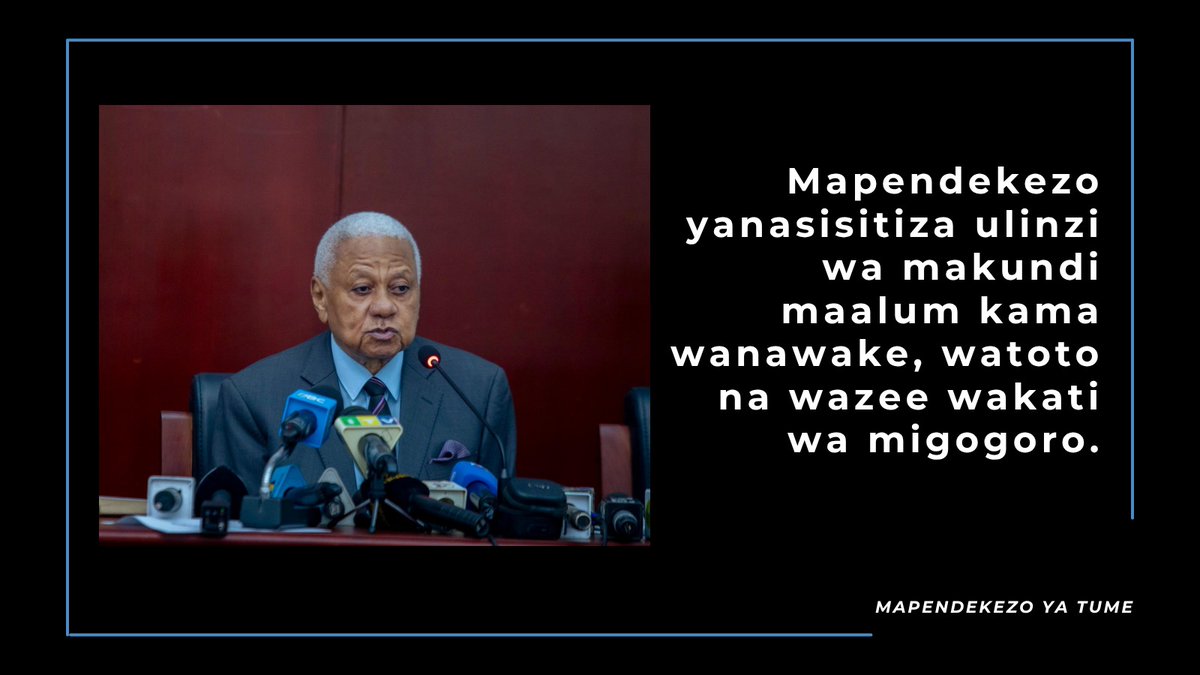
Preventing violence requires commitment from citizens, institutions, and leaders alike. Collective responsibility is the key to preserving national peace and unity. #PropagandaZafichuliwa #TumeYaUchunguziReport Tanzania Yetu Kwanza
2
15

🔐 Privacy Is Coming to Stellar’s Financial Infrastructure
As Stellar $XLM continues expanding across payments, stablecoins, payroll, and tokenized assets, one question is becoming impossible to ignore:
How do you bring privacy to real-world finance without sacrificing compliance?
That answer is starting to take shape on Stellar ⚡️
Recent protocol upgrades have made zero-knowledge (ZK) applications significantly easier to build, while projects like Arcane are working on privacy solutions designed specifically for financial institutions and production environments.
Because real financial activity shouldn't expose sensitive information to the entire world.
💼 Payroll shouldn't reveal employee salaries.
🏦 Treasury operations shouldn't expose company cash movements.
💳 Consumer payments shouldn't become a permanent public record.
📈 Institutional settlements need stronger data protection.
Stellar is building the foundation to solve this.
Recent upgrades introduced:
🔐 Zero-knowledge primitives (BN254, Poseidon & Poseidon2)
⚡️ Faster and more efficient ZK infrastructure
🛠 Better tools for developers building privacy-preserving applications
Projects like Arcane are now developing:
✔️ Private payment layers
✔️ Shielded transactions
✔️ Encrypted audit trails
✔️ Role-based disclosures
✔️ Compliance-ready reporting systems
✔️ KYT and risk screening integrations
The goal isn't anonymous finance.
The goal is compliance-ready privacy.
🌍 Stellar is quietly positioning itself as a network where:
💸 Payments
🏦 Stablecoins
📊 Tokenized assets
💼 Payroll
🤝 Institutional settlements
...can all operate inside a single ecosystem while protecting sensitive financial data.
This is an important distinction.
Stellar isn't trying to become a privacy coin.
It's becoming a financial network where privacy and compliance can coexist. 🔗
As institutional adoption accelerates, that may become one of Stellar's biggest advantages moving forward ✨
🔠 Watch Video: youtu.be/eLAJcYx3sgw
#Stellar #XLM #Crypto #Blockchain #DeFi
2
24