ALT Quantinuum Helios: Forging the Bridge Between HPC and the Quantum Era The largest integrated quantum computing company in the world, Quantinuum, has firmly taken center stage in defining the next phase of high-performance computing (HPC) by showcasing ground-breaking developments in quantum-classical integration and proving true quantum advantage in a challenging, practical scientific experiment. As the vital link between the long-standing HPC community and the emerging quantum era, the company’s extensive presence at the International Conference for High Performance Computing, Networking, Storage, and Analysis (SC25), which took place in St. Louis, Missouri, from November 16–21, was confirmed. The Integration Frontier at SC25 The industry’s rapid transition to hybrid quantum-classical computing was highlighted by Quantinuum’s participation at SC25. The company displayed a live demonstration unit of their cutting-edge trapped-ion quantum hardware at booth #4432, which included a model
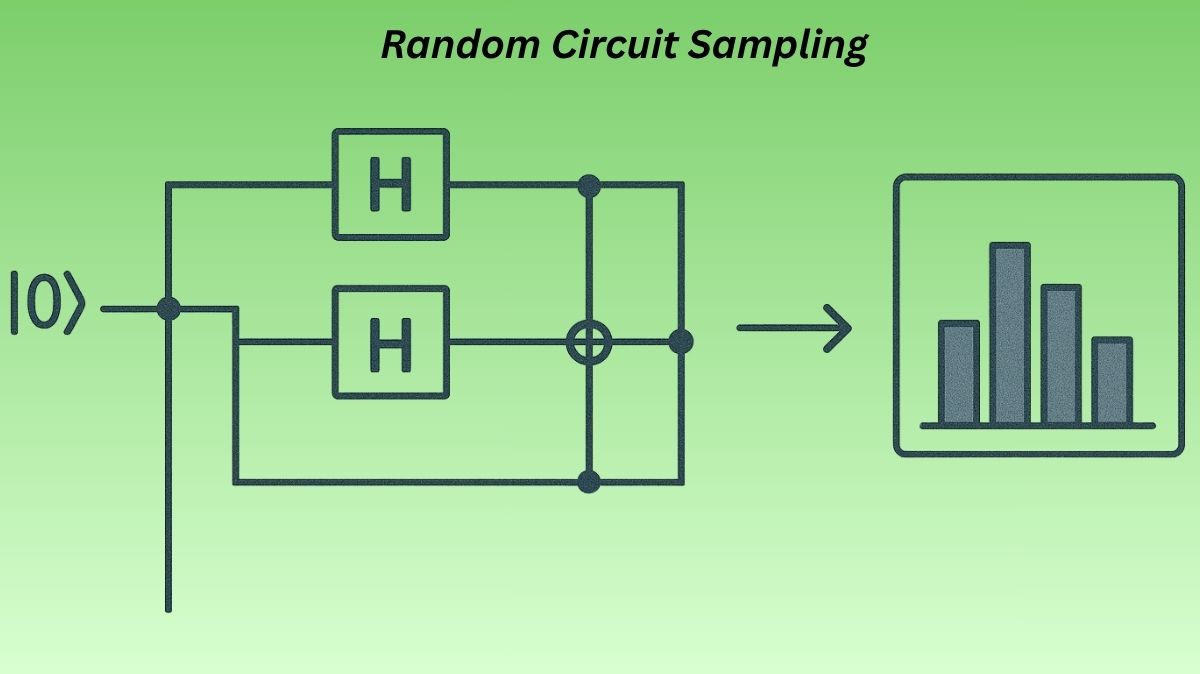
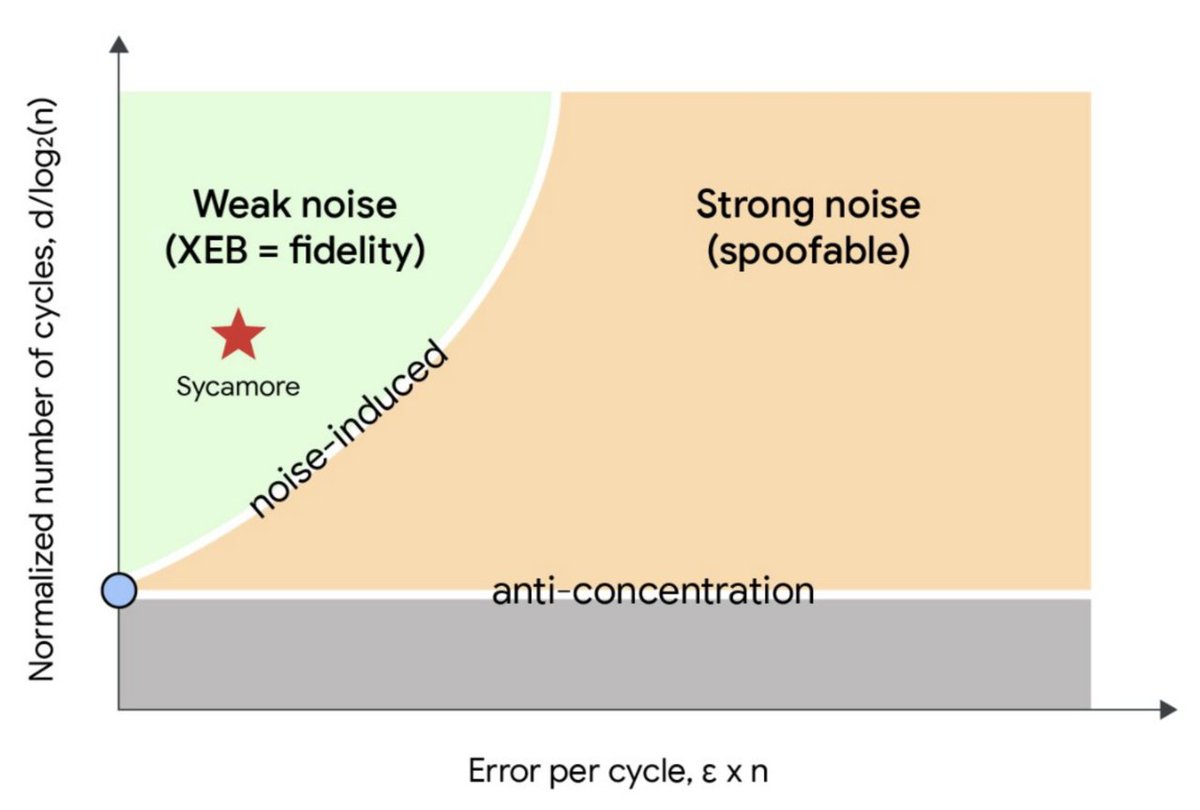
ALT What is Random Circuit Sampling One of the most popular methods for assessing the performance of quantum computers is quantum benchmarking using random circuit sampling (RCS). This technique is essential for measuring advancements in quantum information technology, evaluating device capabilities, and locating error causes. Mechanism and Importance of Random Circuit Sampling Random Circuit Sampling works by evaluating a quantum computer’s ability to do tasks that are thought to be classically unsolvable. How Random Circuit Sampling Works: Generate a Random Circuit: Create a Random Circuit. The structure of a quantum circuit is determined by variables such as the number of qubits and the circuit depth. They are made using random gates. Run on Quantum Device: The random circuit is carried out by the quantum processor, producing a collection of measurement results known as bitstrings.



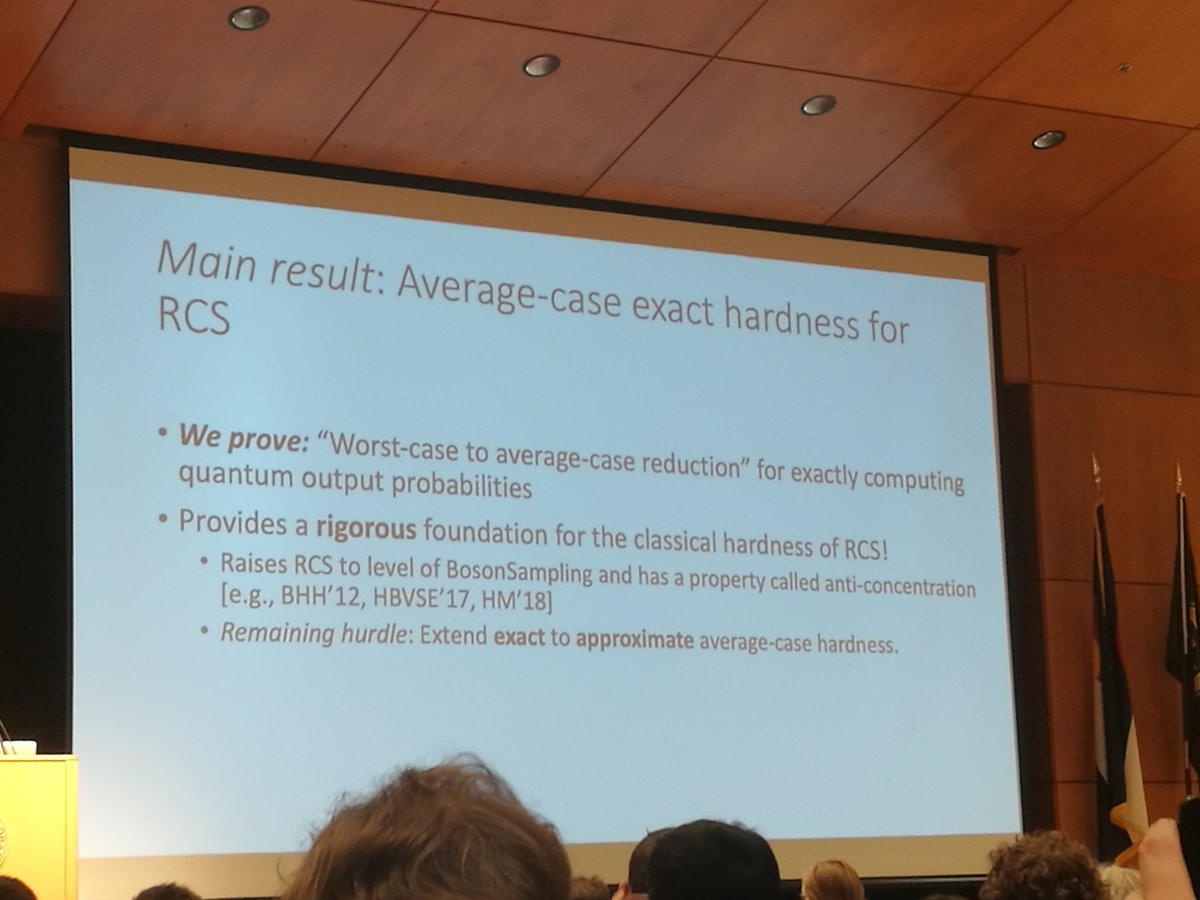
ALT A crucial computational job used mostly in quantum computing to test quantum processor and show quantum advantage or supremacy is random circuit sampling, or RCS. It is intended to demonstrate that even the most potent classical supercomputers cannot easily do a calculation in an acceptable amount of time, but a quantum computer can. What is Random Circuit Sampling? A quantum computer runs a sequence of randomly generated Quantum Circuits in RCS, after which the output distribution is sampled. Because the circuits are purposefully made to be “random,” they are extremely entangled and devoid of a straightforward structure that might be used by traditional algorithms. The main objective is to demonstrate quantum supremacy the idea that quantum computers are capable of tasks that are beyond the capabilities of classical supercomputers.