
2 Sep 2024
Many told us it would be great to have data from the western side of Tanzania in our project. We are excited to have visited Mwanza this summer and interviewed people there! Read more on our blog👇 swahilidialects.com/2024/08/… #Swahili #LanguageVariation #multilingualism #Mwanza
1
3
53

24 Aug 2024
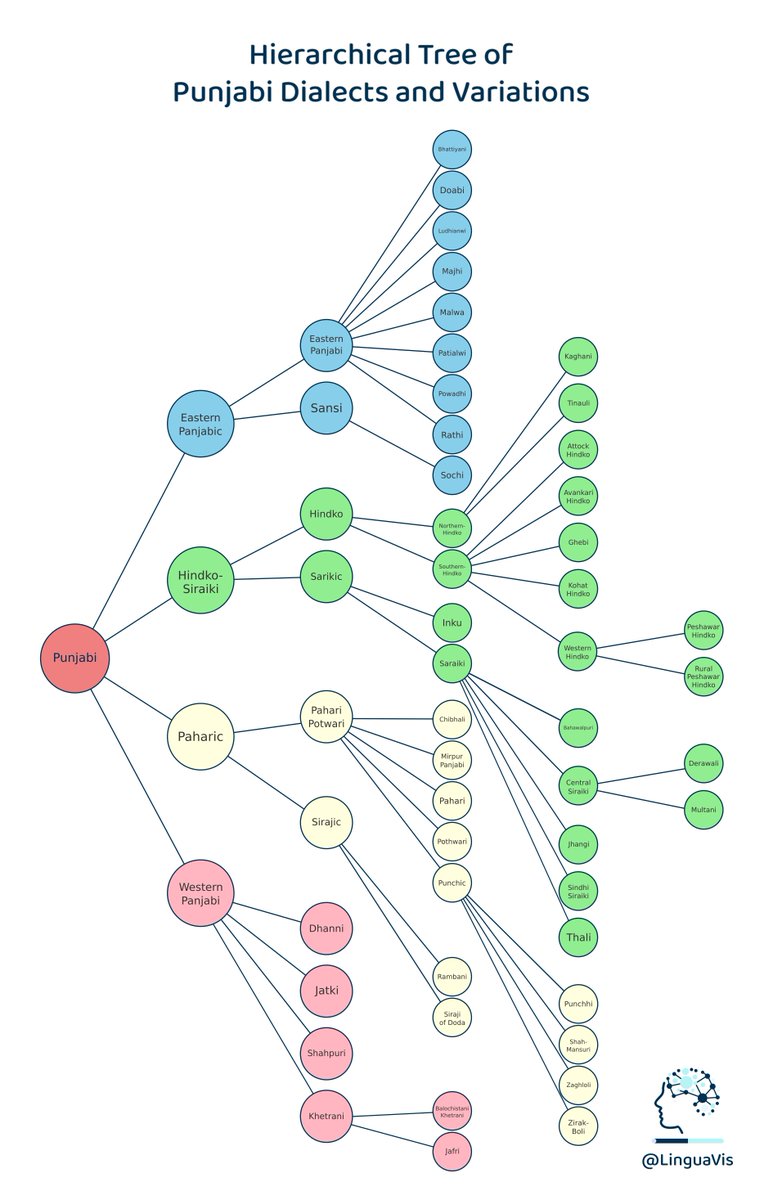
Linguistic Tree of Punjabi Dialects and Variations
#Punjabi #PunjabiLanguage #Linguistics #LanguageTree #PunjabiCulture #Dialect #LanguageVariation #LanguageDiversity #LinguisticTree #PunjabiDialects #CulturalHeritage
1
2
23

11 Aug 2024
Let's define what we mean by grammar. "Ain't gonna do it" might jolly well be perfectly good grammar when sociolinguistic variations are accounted for.
Corollary: Nit-pickers are the scum of the earth.
#LanguageVariation #Sociolinguistics
1
2
49

9 Jul 2024
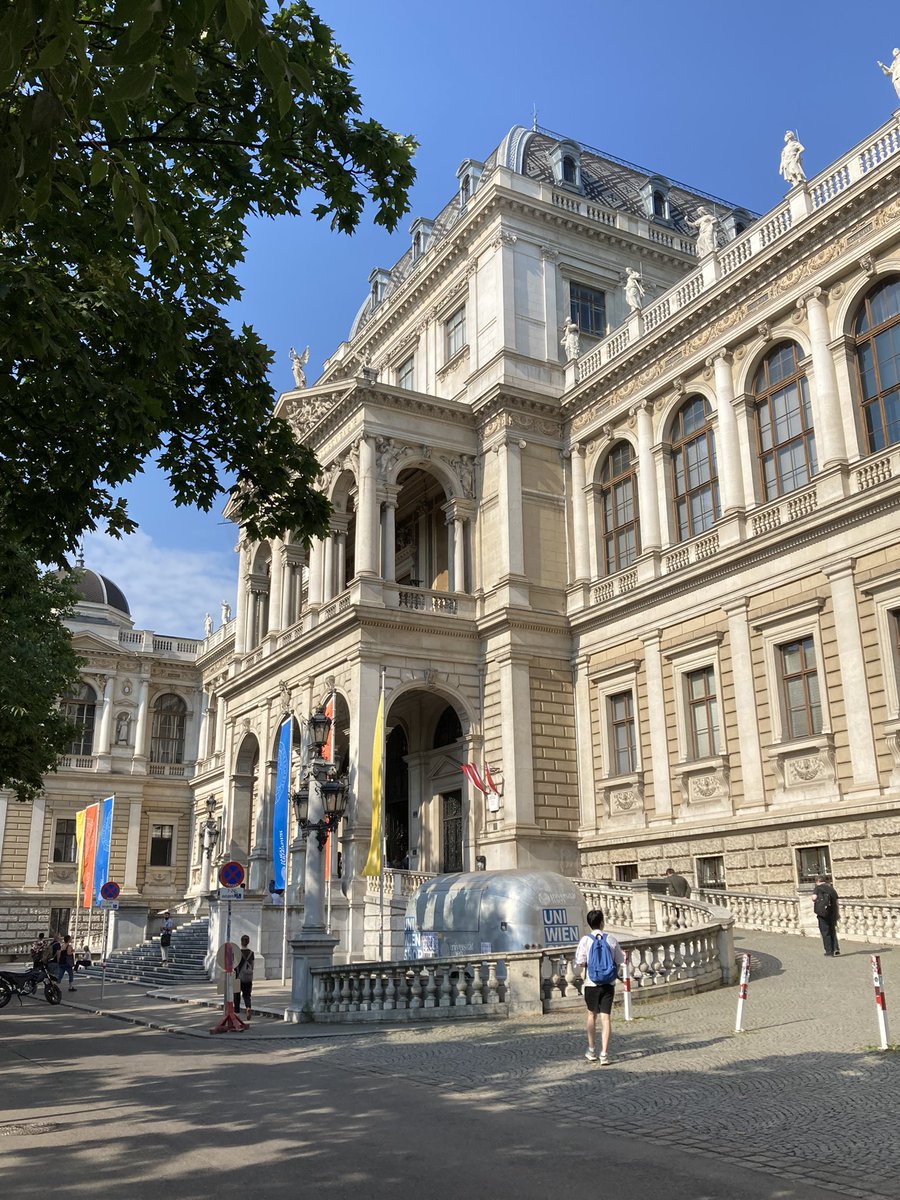
Today, #ICLaVE12 took place @univienna with many inspiring talks, panels and presentations.
#ICLaVE12 #Vienna #LanguageVariation
1
4
172
8 Jul 2024
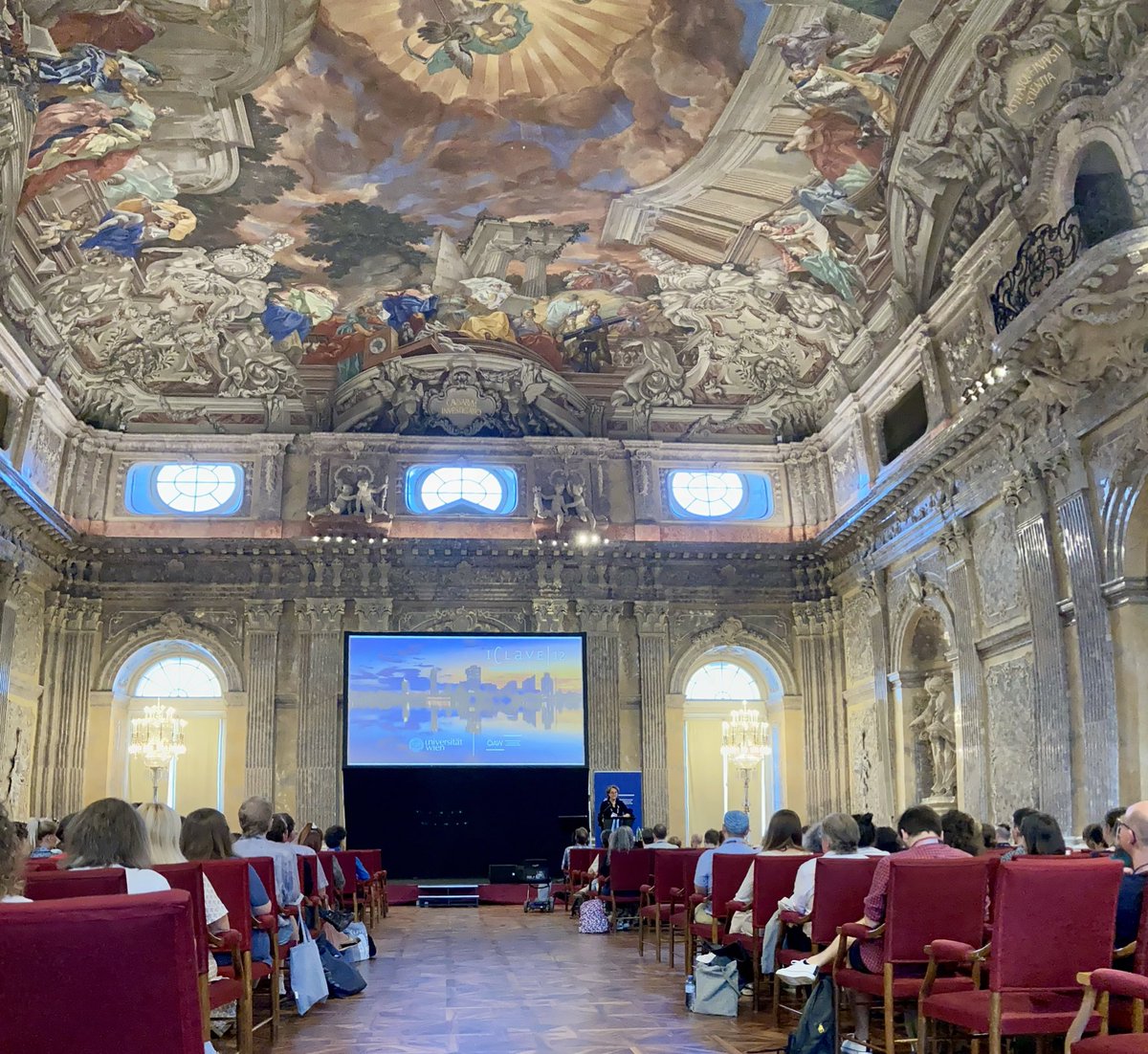
#ICLaVE12 is off to a great start: opening session with welcome words from the conference host A.N.Lenz. We’re looking forward to the next days and inspiring talks and conversations with fellow scholars.🗣️
#ICLaVE12 @ACDH_OeAW #LanguageVariation #Vienna
2
6
228

23 Jun 2024
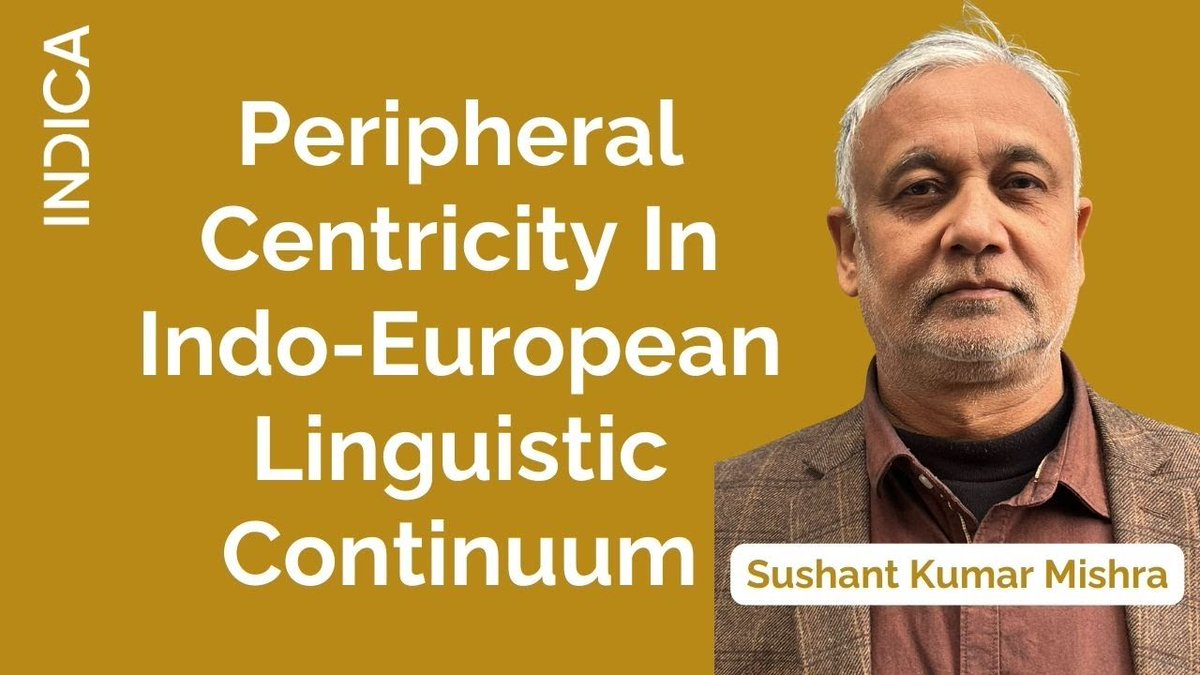
Professor Sushant Kumar Mishra ji speaks on the topic of Peripheral Centricity in Indo-European Linguistics Continuum at the Bharatiya Bhasha Family Online Symposium hosted by INDICA’s Center for Bhasha Studies. @meghkalyan
Watch: youtube.com/watch?v=-eTgarcW…
#IndicaBhasha #IndicaCBS #PeripheralCentricity #IndoEuropeanLinguistics #LinguisticContinuum #PeripheralLanguages #LinguisticHierarchy #PeripheralPerspectives #LanguageVariation #LinguisticDiversity #PeripheralStudies #IndoEuropeanLanguages #LinguisticAnalysis #PeripheralInfluence #LanguageContinuum #PeripheralCentricApproach #LinguisticVariety #PeripheralFocus #LanguageHierarchy #LinguisticTheory #PeripheralResearch #LanguageContinuumAnalysis #IKS #IndicKnowledgeSystems #IndianKnowledgeSystems #IndigenousKnowledgeSystems #IndianHeritage #IndicHeritage #IndianCulture #IndicCulture #IndianKnowledgeTraditions #IndicKnowledgeTraditions
1
2
366
20 Jun 2024
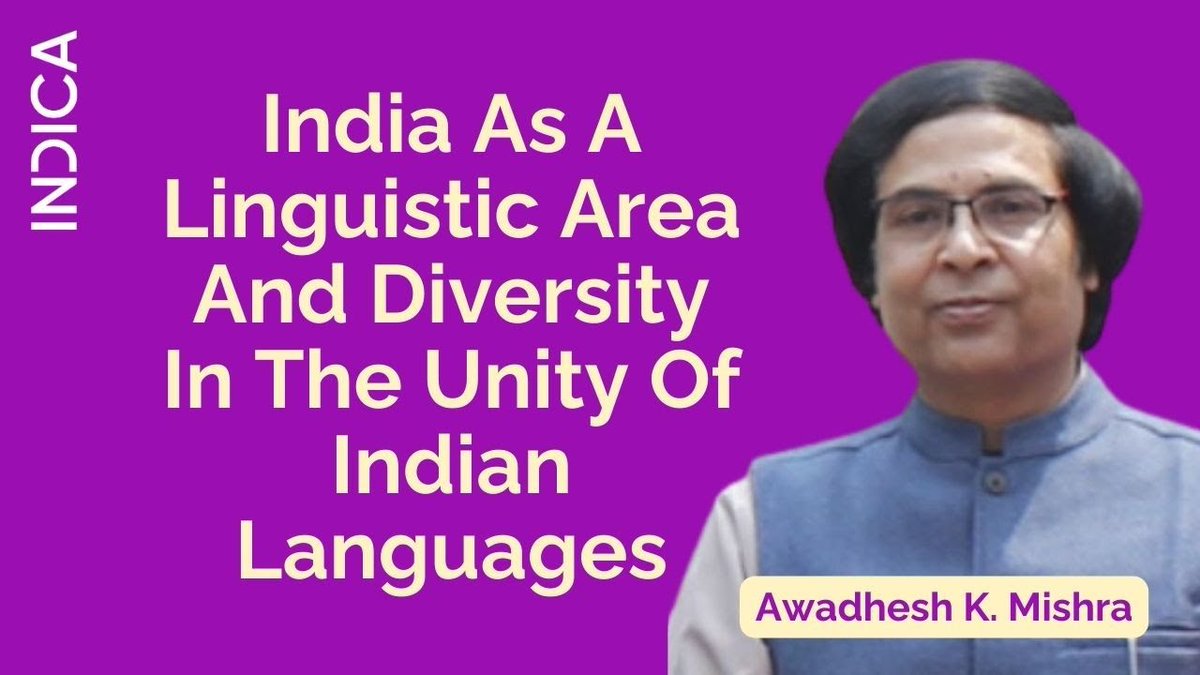
Shri Awadhesh Kumar Mishra Ji speaks on the topic of ‘India as a linguistic area and diversity in the unity of Indian languages’ at the Bharatiya Bhasha Family Online Symposium hosted by INDICA’s Center for Bhasha Studies @meghkalyan
Watch: youtube.com/watch?v=r_1q8MlY…
#IndicaBhasha #IndicaCBS #LinguisticDiversity #LanguageUnity #IndianCulture #CulturalPlurality #LinguisticHarmony #UnityThroughLanguages #BhashaSangam #BhashaUnity #LanguageVariation #IKS #IndicKnowledgeSystems #IndianKnowledgeSystems #IndigenousKnowledgeSystems #IndianHeritage #IndicHeritage #IndianCulture #IndicCulture #IndianKnowledgeTraditions #IndicKnowledgeTraditions
1
3
4
545
19 Jun 2024
Padmashri. Chamu Krishna Shastry ji (@ChamuKShastry ), renowned educationist and Chairman of Bharatiya Bhasha Samiti shares his vision at the Bharatiya Bhasha Family Online Symposium hosted by INDICA’s Center for Bhasha Studies @meghkalyan
Watch: youtu.be/1k372OtjAQo?list=PL…
#IndicaBhasha #IndicaCBS #LanguageStudies #BharatiyaBhasha #Indica #Symposium #BhashaSangam #BhashaUnity #LanguageVariation #IKS #IndicKnowledgeSystems #IndianKnowledgeSystems #IndigenousKnowledgeSystems #IndianHeritage #IndicHeritage #IndianCulture #IndicCulture #IndianKnowledgeTraditions #IndicKnowledgeTraditions
3
2
471

12 Jun 2024
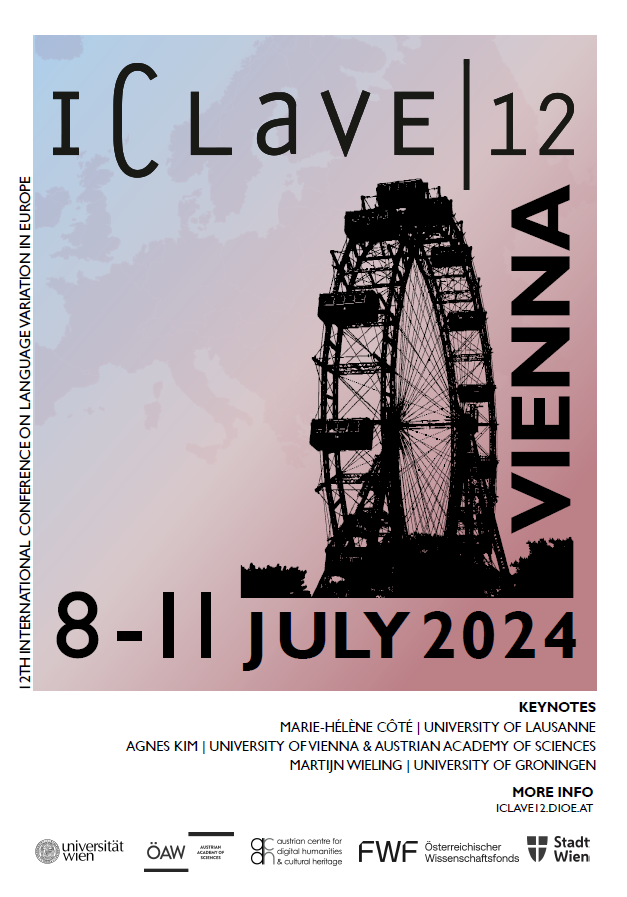
From July 8-11, the ICLaVE |12 is going to take place in Vienna!
We are looking forward to (co-)hosting this great Conference full of interesting panels, talks, presentations from all around the continent! See you in Vienna in 4 weeks!
#ICLaVE12 #Vienna #LanguageVariation
2
1
3
503

29 Apr 2024
🚨 REMINDER FOR THIS WEEK: @Catheri92184838 will present an online seminar on 2 May, 1pm AWST/3pm AEST — What's in an #accent? Understanding the social meaning of #LanguageVariation in #AustralianEnglish. Use password 250801 to access the seminar: uwa.zoom.us/j/6038975685?pwd…
2
4
523
4 Sep 2023
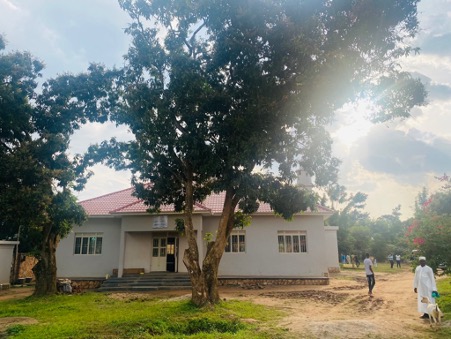
Part of the team went to Uganda in August and you can read all about their visit to the Swahili-speaking Nubian community in Bombo on our blog 👉swahilidialects.com/a-visit-… #Swahili #multilingualism #LanguageVariation
1
1
3
421

30 Aug 2023
Nothing compares to Corpus Linguistics when it comes to:
- the empirical analysis of language patterns grounded in real-world usage.
- providing a data-driven foundation for linguistic theory.
- the quantification of lexical and grammatical phenomena across diverse text types.
- the systematic study of language variation and change over time.
- the elucidation of sociolectal and dialectal variations in language.
- offering a robust methodology for the study of discourse markers and pragmatics.
- the investigation of language ideologies as they manifest in textual data.
- the exploration of lexical semantics through collocational and concordance analysis.
- the scrutiny of syntactic structures and their distributional properties.
- the empirical validation of grammatical rules and linguistic hypotheses.
- the development of natural language processing algorithms informed by authentic language data.
- the comparative analysis of languages, facilitating typological studies.
- the critical examination of language in institutional settings, such as legal or medical discourse.
- the assessment of language acquisition and pedagogical approaches.
- the identification of idiolectal features and authorship attribution.
- the study of language contact phenomena and code-switching.
- the nuanced understanding of semantic prosody and its implications for meaning.
- the evaluation of linguistic representations in media and their societal impact.
- the methodical investigation of specialized jargons and terminologies in technical fields.
- the interdisciplinary applications of linguistic insights, from psychology to computer science.
#SyntacticStructures #LanguageVariation #DiscourseMarkers #Pragmatics #SociolectalVariations #NaturalLanguageProcessing #TypologicalStudies #InstitutionalDiscourse #LanguageAcquisition #IdiolectalFeatures #CodeSwitching #SemanticProsody #MediaRepresentation #SpecializedJargon #InterdisciplinaryLinguistics #CorpusLinguistics #EmpiricalAnalysis #DataDrivenLinguistics #LexicalSemantics #LanguagePatterns
9
28
1,344
2 Aug 2023
Corpus Linguistics, at its core, is the study of language as it is used in the real world. It’s about rolling up our sleeves and digging into the rich soil of language data, unearthing insights that traditional methods might miss.
For instance, have you ever wondered how often we use certain words or phrases? Or how language use varies across different contexts, regions, or social groups? Corpus Linguistics has the answers! By analyzing large collections of texts, known as corpora, we can uncover patterns and trends that illuminate how language is truly used.
One of the key tools in the Corpus Linguist’s toolkit is the concordancer. This handy tool allows us to search for specific words or phrases within a corpus and see all the instances of its use. It’s like having a magnifying glass that can zoom in on the intricacies of language use!
But Corpus Linguistics isn’t just about counting words. It’s about understanding context, exploring variation, and revealing the dynamic nature of language. It’s about seeing language not as a static set of rules, but as a vibrant, ever-changing tapestry of communication.
Stay tuned for more entries in our “Corpus Chronicles” series, where we’ll delve deeper into the methods, applications, and groundbreaking discoveries of Corpus Linguistics!
#CorpusChronicles #CorpusLinguistics #DataDrivenLinguistics #LanguageInAction #RealWorldLanguage #CorpusTools #Concordancer #LanguageVariation #DynamicLanguage
2
98

15 Jul 2023
Just came across this, and I’m not sure what I love more — the sincere replies or the joking ones. In any case: this is way more fun than the Great British Bread Roll Debate! #sociolinguistics #LanguageVariation #dialects #ThisIsWhyImStillOnTwitter
3
14
4,721
7 Jul 2023
In our project we are interested in examples such as👇(see previous tweets) and all the different ways in which Swahili is spoken, especially considering its multilingual speakers and how other languages might influence this variation #Swahili #languagevariation #multilingualism
1
1
2
481

31 Mar 2023
Audio/video corpora as #openresearchdata in #linguistics, #EMCA etc. present challenges: ethical concerns, technical complexity, #languagevariation, a written bias of existing tools. How should we share our data? Join the discussion on April 28, 4:00pm: chord-talk-in-interaction.us…
2
2
725
30 Oct 2022
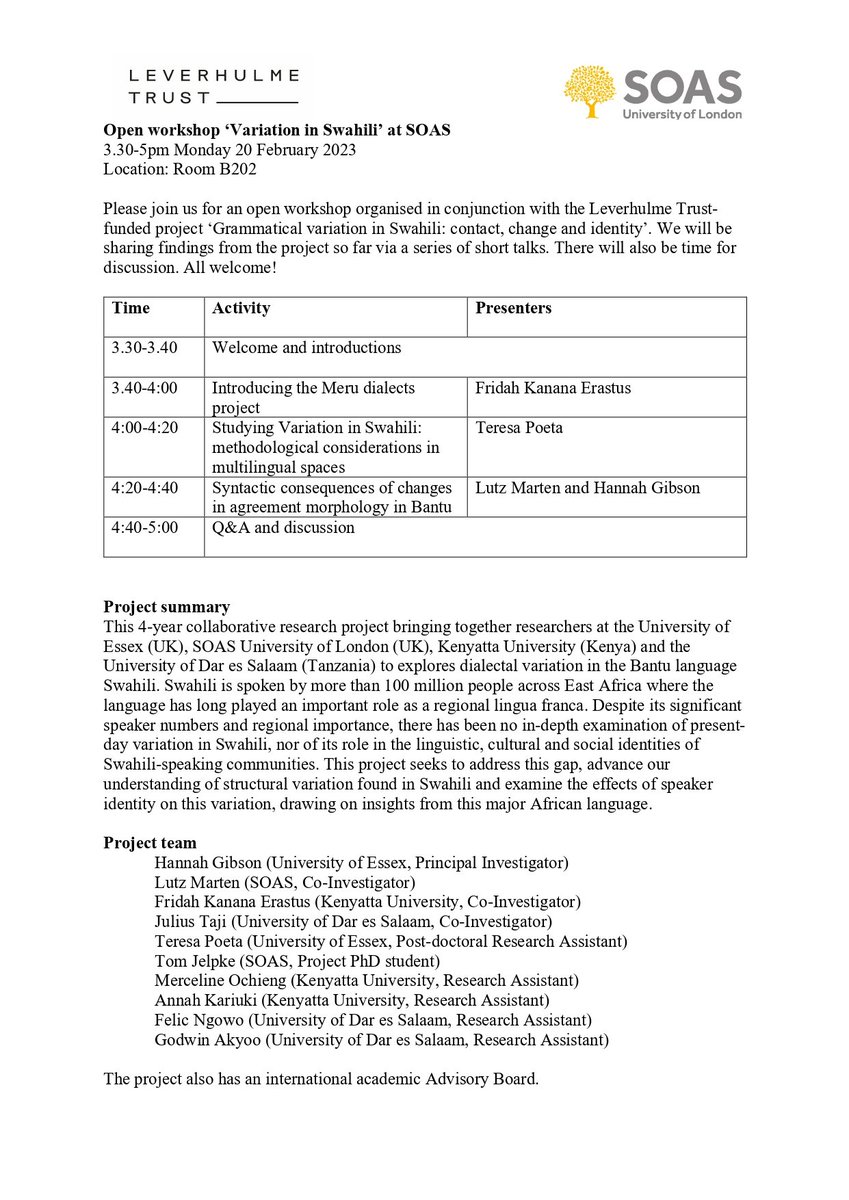
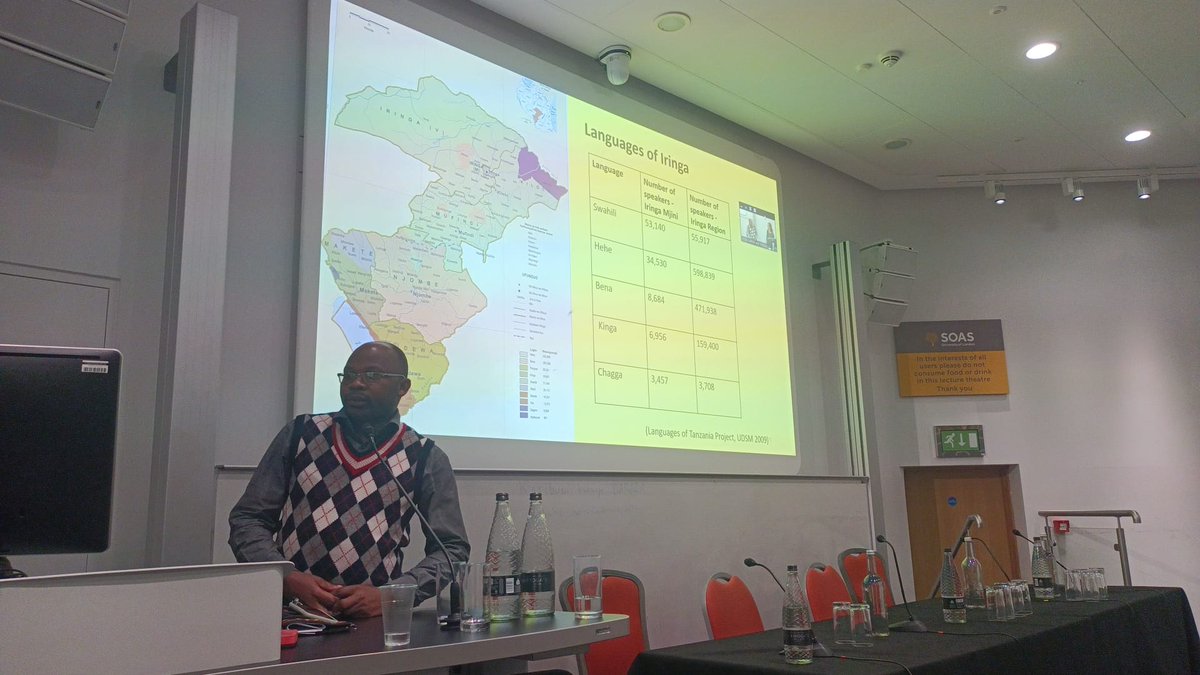
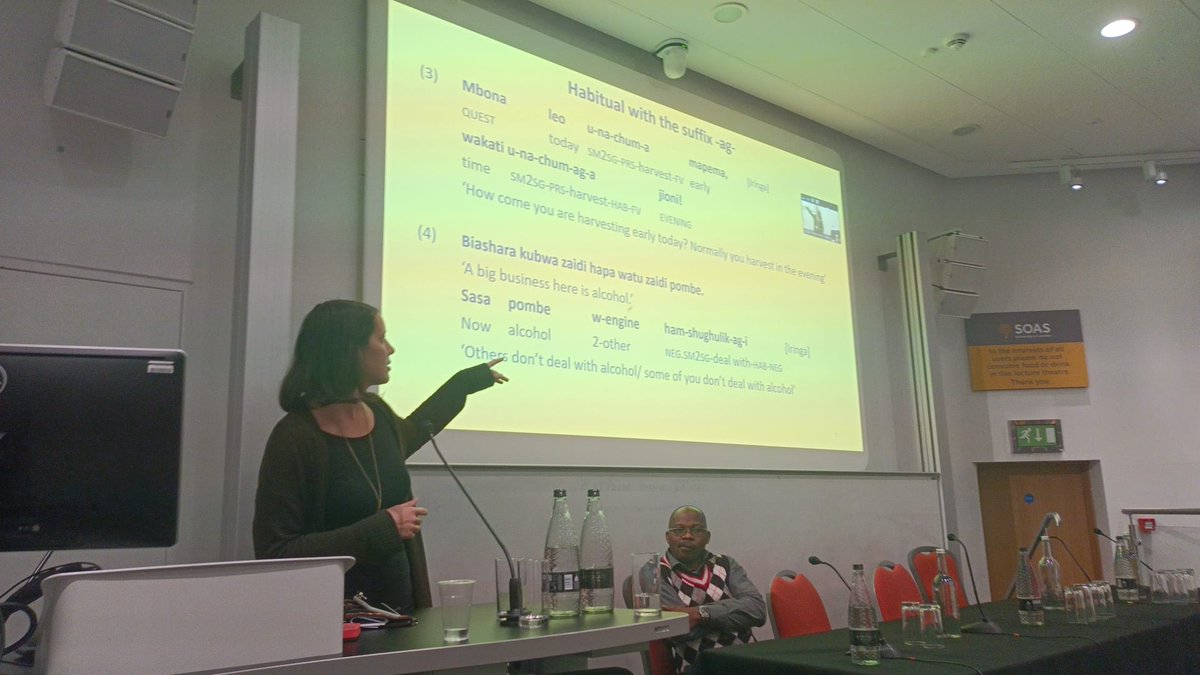
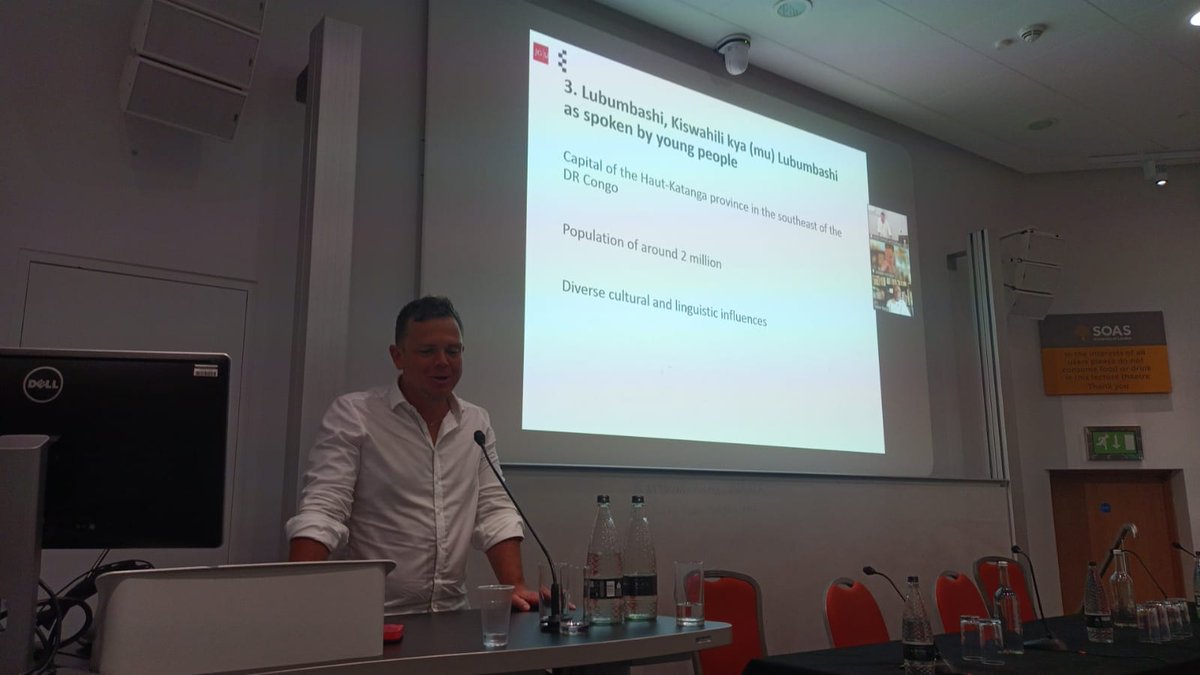
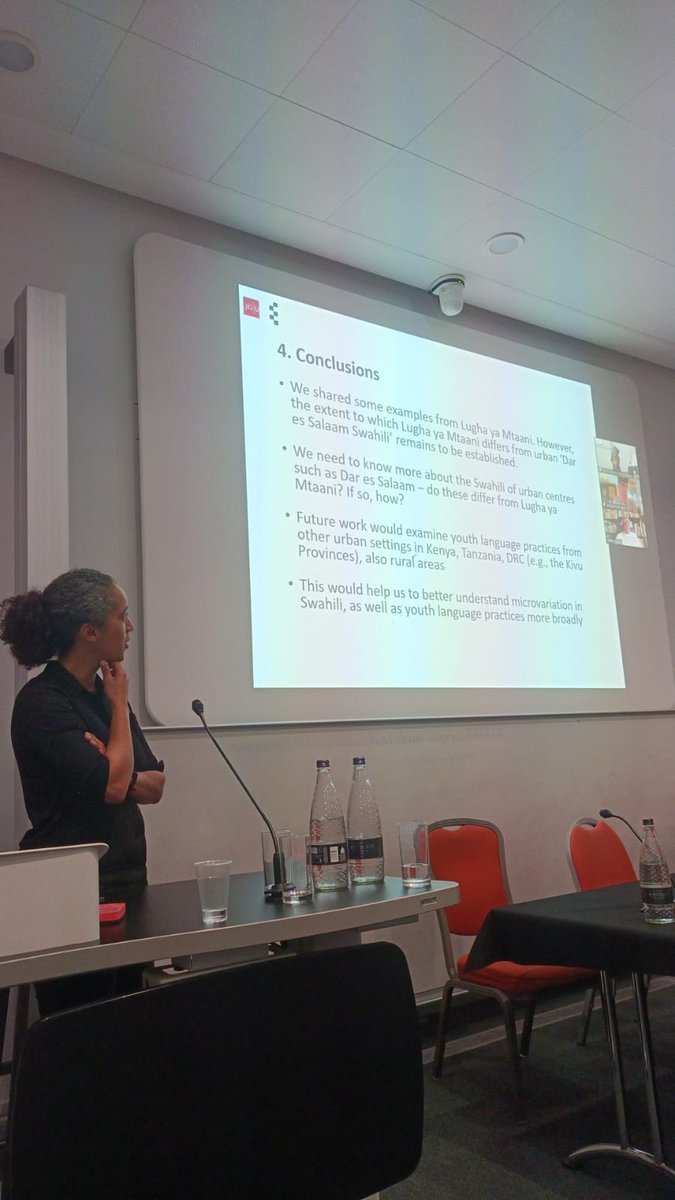
We had a great time at the Baraza conference yesterday! Tunashukuru sana @IdaHadjivayanis Angelica @CAS_SOAS and @MissGeorgios
#Kiswahili #LanguageVariation #Lahaja

2
11

Language cartography, one of the very first cases!
Vive Edmond Edmont !
#geolinguistics #dialectology #languagevariation #languagecartographie
24 Oct 2022

If you enjoyed out latest episode, 'The linguistic map is not the linguistic territory', and you want to learn more about Edmond Edmont and his dialect mapping work, check out this article by @atlasobscura
atlasobscura.com/articles/do…
2

20 Oct 2022
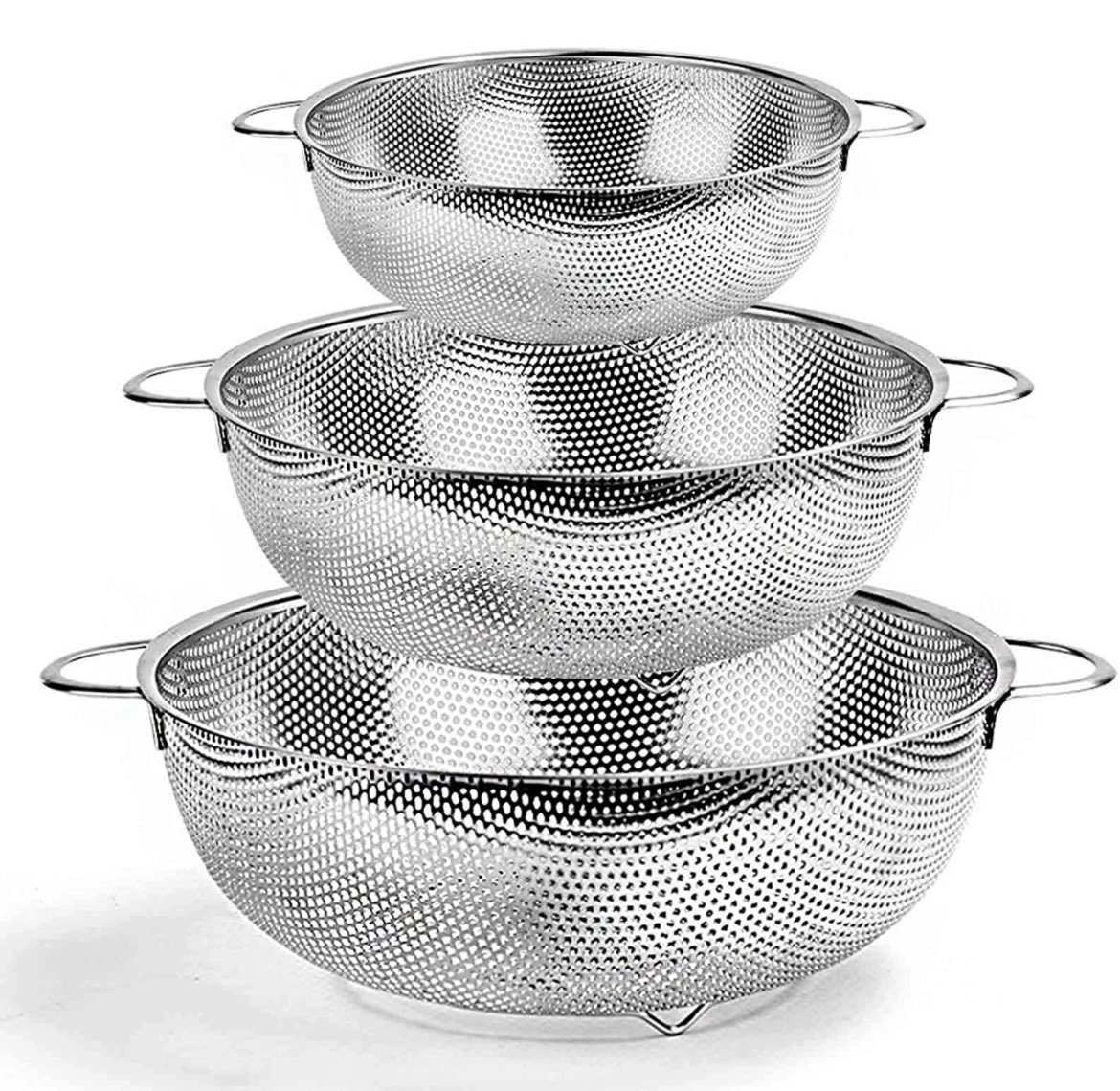
This is the exact set that I have in my kitchen. I exclusively use 'colander' for this type of bowl that one uses to drain food. Hole size is not a factor for me but apparently is for others!
#languagevariation
19 Oct 2022

What do you call this kitchen item?
Where is your English from?
2
2