
Feb 18
In Nigeria, many people trust their pastor, imam, or prophet more than they trust any politician or government agency. When religious leaders frame suffering as ‘God’s will,’ ‘testing of faith,’ or ‘divine timing,’ it becomes very difficult for citizens to hold the government accountable for failed roads, hospitals, schools, and jobs. That soft exoneration of bad governance is exactly why the conversation must stay loud. 🇳🇬 #Accountability #ReligiousInfluence”
2
1
5
353

8 Oct 2025
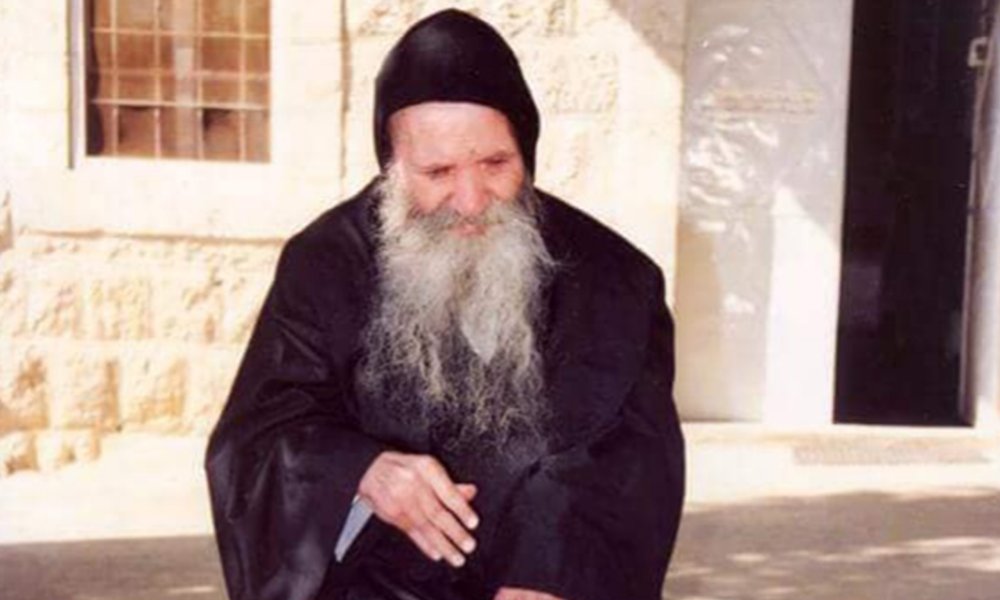
🇻🇦 | 🇱🇧 The Maronite Order has announced that the General Assembly of the Vatican’s Congregation for Saints' Causes accepted the validity of the beatification process for Father Antonios Tarabay on March 29, 2025. This significant milestone in the proceedings highlights the need for ongoing prayers to expedite his declaration as blessed. The order expressed gratitude to the court, to Professor Emanuele Spedicato who has been advocating for the cause, and to Father Joseph Zghib, the order's representative at the Vatican.
This development reflects the active role of the Maronite community in ecclesiastical matters and could enhance their influence within Lebanon, particularly in a context marked by political instability and sectarian divisions.
#MaroniteOrder #Vatican #Beatification #Lebanon #FatherAntoniosTarabay #ReligiousInfluence
2
4
245

30 Sep 2025
Makkah ke former Imam Sheikh Al-Talib jail se bahar, sermon ke liye hue the giraftar.
#Makkah, #SheikhAlTalib, #SaudiArabia, #ReligiousLeader, #GrandMosque, #ImamRelease, #JailSeRelease, #IslamicSermon, #ReligiousFreedom, #SaudiPolitics, #MohammedBinSalman, #ReligiousSpeech, #IslamicCommunity, #MiddleEastNews, #InternationalReaction, #HumanRights, #QuranRecitation, #ReligiousFollowers, #BreakingNews, #SaudiNews, #ClericRelease, #FaithLeaders, #SaudiJustice, #ReligiousInfluence, #SocialMediaReaction
3
183

26 Jul 2025
Dr Lucas Wilson explains how historical norms paved the way for current political movements and the rise of both Hitler and Trump. #HistoryLessons #PoliticalAnalysis #ReligiousInfluence #CriticalThinking #Trump #MAGA #TrumpCult #ChristianRight
2
68

7 Jun 2025
Frankist Kabbalah: Root of Catholic Church Scandals & Epstein?
#FrankistKabbalah #CatholicChurchScandal #EpsteinIsland #JacobFrank #HiddenTruth #ConspiracyTheory #KingCharles #CanadianPresident #ArchdioceseBankruptcy #ReligiousInfluence
1
1
3
209

1 Jun 2025
Scientology's Secret Influence: Exposing the Truth in Washington
#ScientologyExposed #CultInfluence #WashingtonPolitics #DeceptivePractices #ReligiousInfluence #TruthRevealed #PoliticalManipulation #ExScientologist #CultAwareness #TaxExemption
2
11
55
1,513

6 May 2025
“તમારા બાળકોને એટલા કટ્ટર બનાવો કે તેઓ અન્ય ધર્મના પ્રભાવમાં ન આવે”- પંડિત ધીરેન્દ્ર શાસ્ત્રી
#LoveJihad #DhirendraShastri #Hinduchildren #Religiouseducation #GazwaeHind #Religiousinfluence #MP
tv9gujarati.com/national/dhi…
2
281
5 May 2025
“તમારા બાળકોને એટલા કટ્ટર બનાવો કે તેઓ અન્ય ધર્મના પ્રભાવમાં ન આવે”- પંડિત ધીરેન્દ્ર શાસ્ત્રી
#LoveJihad #DhirendraShastri #Hinduchildren #Religiouseducation #GazwaeHind #Religiousinfluence #MP
tv9gujarati.com/national/dhi…
1
255

26 Feb 2025
Understanding the Tensions Between Igbo and Yoruba Cultures
#IgboYorubaRelations #CulturalUnderstanding #NigerianCultures #SharedIdentity #CulturalTension #FaithAndCommunity #ExploreNigeria #EthnicDiversity #ReligiousInfluence #CulturalCoexistence
2
13

18 Feb 2025
📢 Featured Article from Journal of Economics, Management, and Religion!
In the wake of communism, where religious expression was suppressed, a remarkable shift is occurring in post-communist countries: religiosity is thriving, even among today’s youth. A groundbreaking study by Monica Roman (Bucharest University of Economic Studies), @kfzimmermann (@UNUMERIT & Maastricht University, @Glabor_org, @cepr_org, and Aurelian-Petrus Plopeanu (Department of Social Sciences and Humanities, The Institute of Interdisciplinary Research, @UAICiasi) explores how religiosity influences risky behaviors like smoking, drinking, and drug use in young people.
The key takeaway? External religiosity—things like attending services or visibly practicing faith—profoundly impacts the choices youth make. It's not just about personal beliefs, but how faith is expressed in everyday life. What's especially intriguing is that, while this holds true for both males and females, females who question or reflect on their religious views tend to engage in fewer risky behaviors than their counterparts who either fully embrace or doubt religion.
This underscores the continued power of visible religious norms in guiding youth behavior in post-communist societies, offering a protective shield against the temptations of modern-day vices. It's a powerful reminder of how faith, when expressed outwardly, can shape healthier futures for the next generation.
This article is free to read! Read more here: doi.org/10.1142/S2737436X225…
@WS_JEMAR
#Religiosity #YouthBehavior #FaithInAction #PostCommunistSocieties #RiskyBehaviors #SocialImpact #YouthEmpowerment #ReligiousInfluence

1
2
435

22 Dec 2024
LULA'S CATHOLIC CRISIS: SUPPORT CRUMBLES
President Lula's approval among Catholic voters drops to 51% from 67%. Key factors: • Conservative values clash • Religious freedom concerns • Economic challenges • Social policy disputes
Catholic voters, traditionally Lula's strong base, show growing disillusionment as Brazil's largest religious group shifts political ground.
riotimesonline.com/catholic-…
BrazilPolitics #LulaBrasil #BrazilianPolitics #CatholicVoters #ReligionAndPolitics #BrazilElections #PoliticalApproval #BrazilCatholic #VotosCatolicos #PoliticaBrasil #IgrejaCatolica #BrazilGovernment #CatholicFaith #BrazilianSociety #PoliticalShift #ReligiousVoters #CatholicCommunity #BrazilianDemocracy #SocialMovements #PoliticalChange #CatholicDisillusionment #BrazilianCatholicism #LulaApprovalRating #CatholicPolitics #BrazilianChurch #ReligiousInfluence #VotoCatolico #PoliticalDissent #CatholicOpposition #BrazilianPoliticalScene
44
6
3
228

1 Nov 2024
Is Bishop Clarence McClendon out in these streets fighting on behalf of regular ordinary folk? youtu.be/GBspRiZZorU
#BishopMcClendon #FaithLeaders #CommunityIssues #SocialJustice #Accountability #VoiceForTheVoiceless #ReligiousInfluence #LeadershipChallenge
13
4
29
4,029

31 Oct 2024
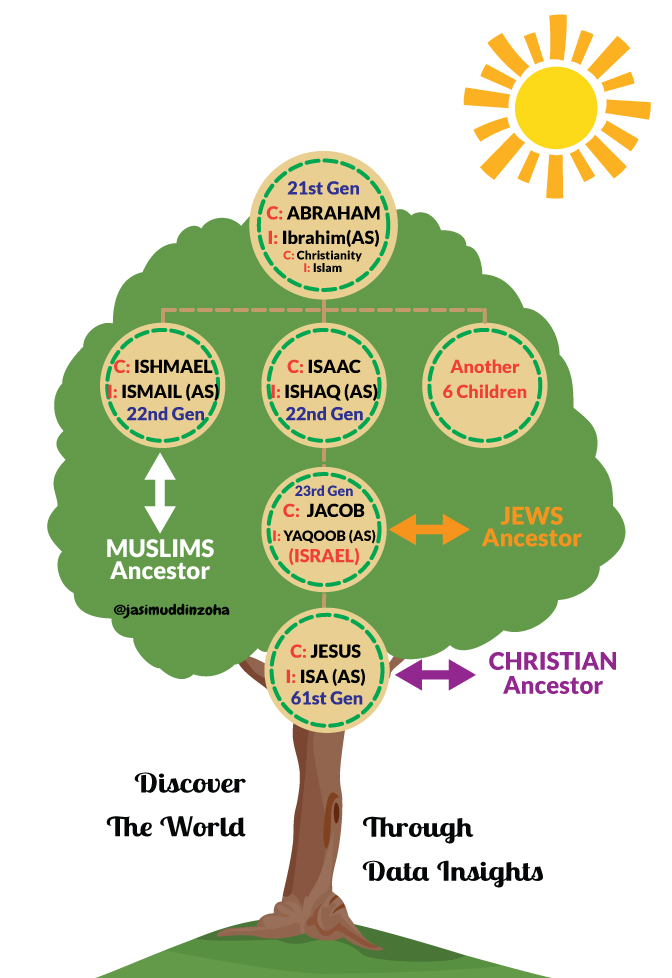
Islam emerged uniquely first, followed by Judaism, which later gave rise to Christianity. With many prophets descending from the Jewish line, Judaism holds historical and modern influence, especially in altering Christianity. Today, Jewish elites use this influence on Christianity to steer global dynamics.
#ReligiousInfluence #GlobalPower #FaithAndControl #PropheticLineage
24 Oct 2024

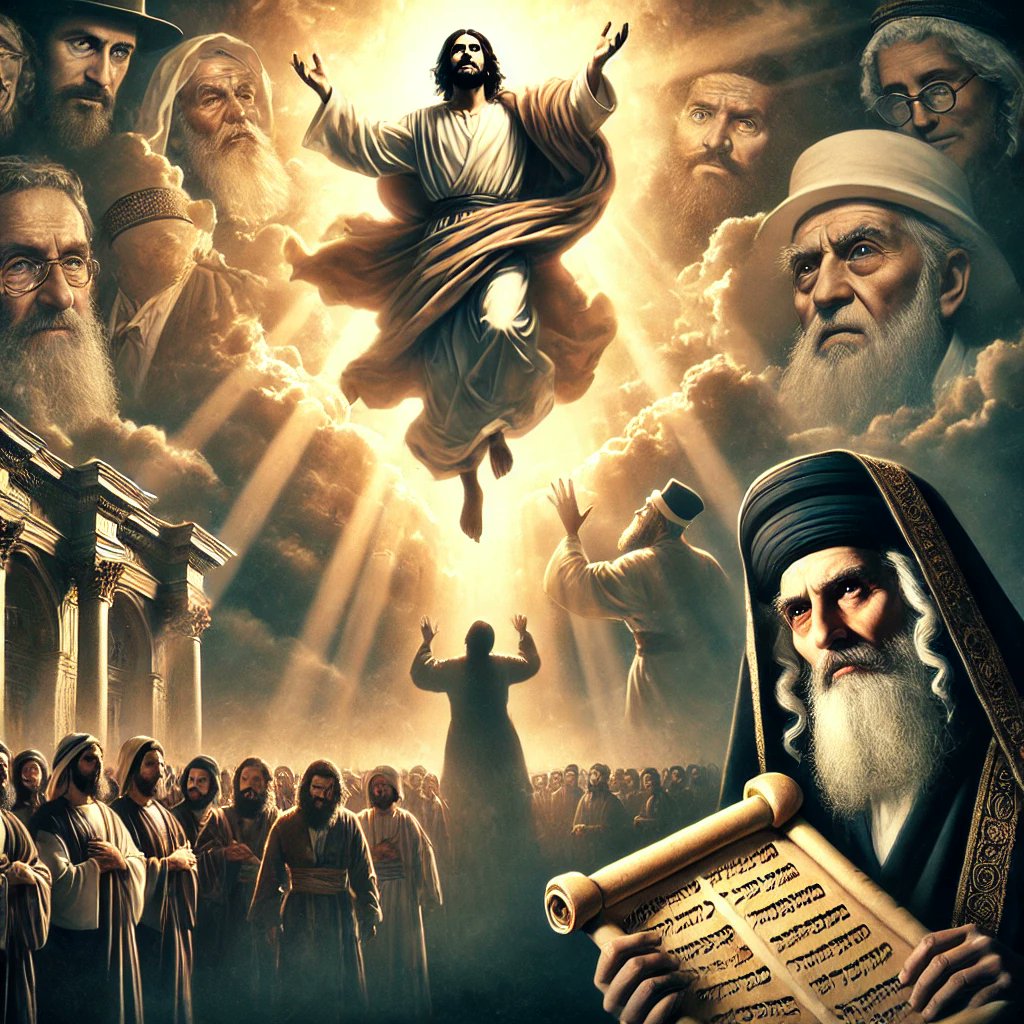
How Jewish Hostility and Paul’s Influence Distorted the True Faith of Jesus (PBUH)
Prophet Jesus (PBUH) became a target of Jewish hostility, falsely accused, and sentenced to crucifixion. However, by the grace of Allah, He was saved from their hands and lifted to the heavens.
After Prophet Jesus (PBUH) was raised, his religion began to decline. Then, a fanatical Jew named Saul, who later changed his name to Paul, plotted a new religion in the name of Christianity. Paul, a sworn enemy of Jesus (PBUH), infiltrated the Christian community and distorted the teachings of Jesus. Christians fell into his trap, and Paul was fully successful in his mission.
It can be said that modern Christianity is not the faith left by Jesus (PBUH), but rather the "Religion of Paul."
(Source: Isaiyyat)
@fuhrerious_ftj @iluminatibot
3
1
4
5,525

30 Oct 2024
Why does the West support Israel? The layers behind this complex relationship reveal deep-seated influences, from historical colonial legacies to financial power dynamics and media narratives that shape public opinion. Our latest research uncovers how U.S. Evangelicals and Zionist lobbies play pivotal roles in American politics, tracing the evolution of this alliance from 18th-century religious movements to today’s political landscape. With the ongoing conflict in Gaza carrying significant religious undertones, this relationship is far from just political; it intertwines beliefs, ideologies, and strategic interests. Discover with us how the convergence of political, economic, and religious forces not only fuels Western support for Israel but also impacts global perceptions and actions in the region, driving a complex narrative that’s reshaping the world as we know it. #israel #usisraelrelations #middleeastconflict #Zionism #EvangelicalSupport #politicalalliances #religiousinfluence #globalpolitics #coloniallegacy #medianarratives #GazaConflict #historicalcontext #StrategicInterests #publicopinion #politicaleconomy #waroffaith #faith #baldyproductions #IsraelPalestine #GazaCrisis #middleeastpeace #politicalnarratives #religiousconflict #globalsolidarity #PeaceInTheRegion #internationalrelations
180
155
1,819

18 Oct 2024
The Real Truth: Do Muslims Behave Differently Without God?
#MuslimsAndBehavior #ReligionVsBehaviors #TrueNatureOfMuslims #ReligiousInfluence #MythBusting #MuslimCulture #BehavioralChoices #HumanNature #ReligiousImpact #StereotypesDebunked
3
5
33
750

6 Oct 2024
"Israel's Wars & the Talmud: Unveiling Ancient Practices in Modern Conflict" rumble.com/v5hozfl-israels-w…
#IsraelWars
#TalmudExposed
#SaveTheChildren
#FifthColumn #PoisoningTheWell
#MiddleEastConflicts #AncientPractices
#WarAndReligion #PoliticalExposé
#ReligiousInfluence #HiddenTruth #UnmaskingPower
#InvestigativePodcast #Trump2024 #MAGA
#DrainTheSwamp
#MakeAmericaGreatAgain #TrumpTrain
#TrumpStrong
#AmericaFirst
#KeepAmericaGreat
#TrumpForPresident
#VoteTrump #Patriot
#TrumpSupporters
#TrumpIsRight
#TrumpWon
#SaveAmerica
1
2
41

17 Sep 2024
Forces of Change. I study them all!
Anything that influences society, business, technology, or our environment, I keep an eye on it. Anything at all!
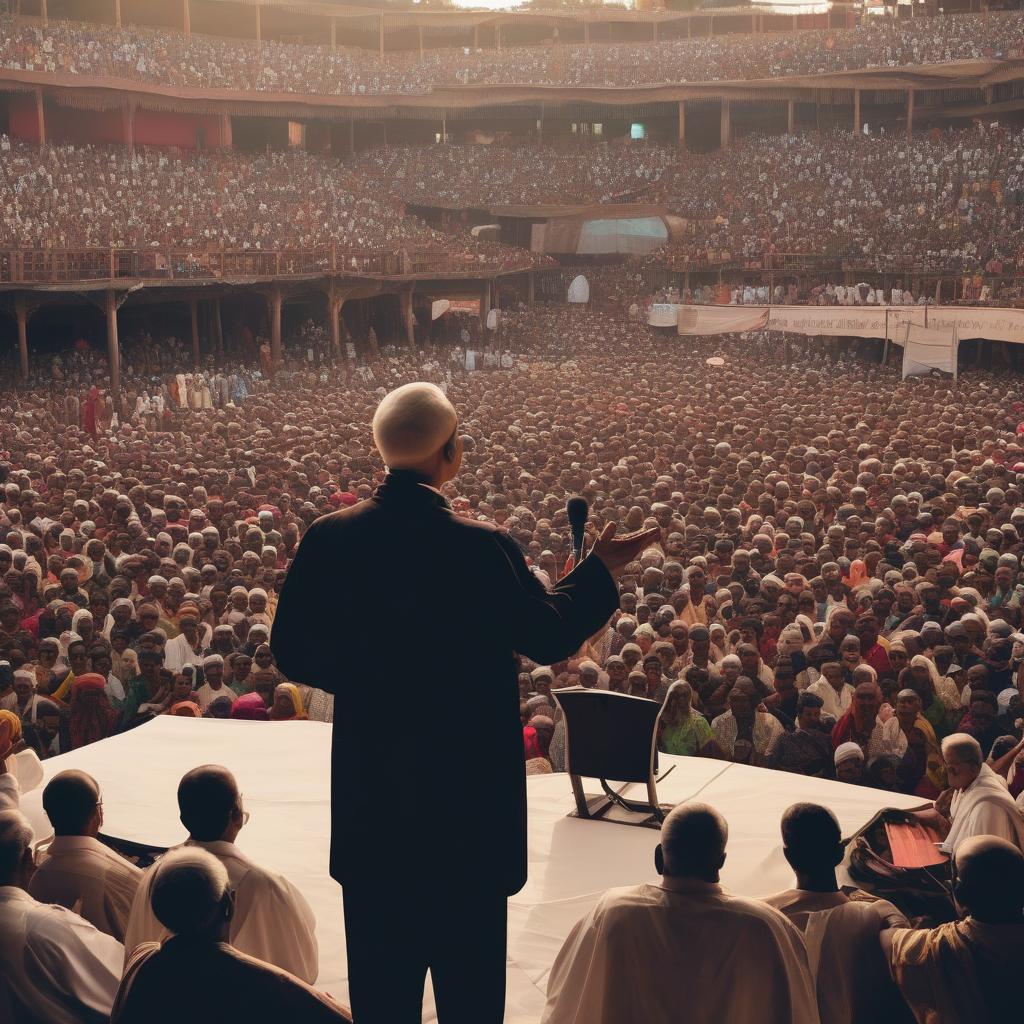
Religion and their many institutions are a major influence on everyone, regardless of whether you are a believer or not. In South Africa, hundreds of churches have recently joined civil society’s call for the Social Relief of Distress (SRD) grant to be made permanent and transformed into a Universal Basic Income Grant (UBIG).
You have to agree, this is not really a traditional ‘church’ matter.
Nonetheless, it's happening!
Their initiative is being supported by the World Communion of Reformed Churches (WCRC) and other major church denominations, as they pledge commitment to advocate for such a grant. We have a lot of people struggling in South Africa, and it’s good to hear people speaking for those in need. Currently, around 7.5 to 8.5 million unemployed adults rely on the R370-per-month SRD grant. However, the ‘strict checks’ exclude many people who are struggling. At a gathering in Cape Town, the churches also launched the Global Reformed Platforms of Engagement (Grape) programme, focusing on inclusive economic and social transformation.
#SocialChange
#BasicIncome
#UBIG
#EconomicTransformation
#ChurchActivism
#SocialJustice
#SouthAfrica
#ReligiousInfluence
#PovertyAlleviation
#CommunitySupport
2
38

9 Aug 2024
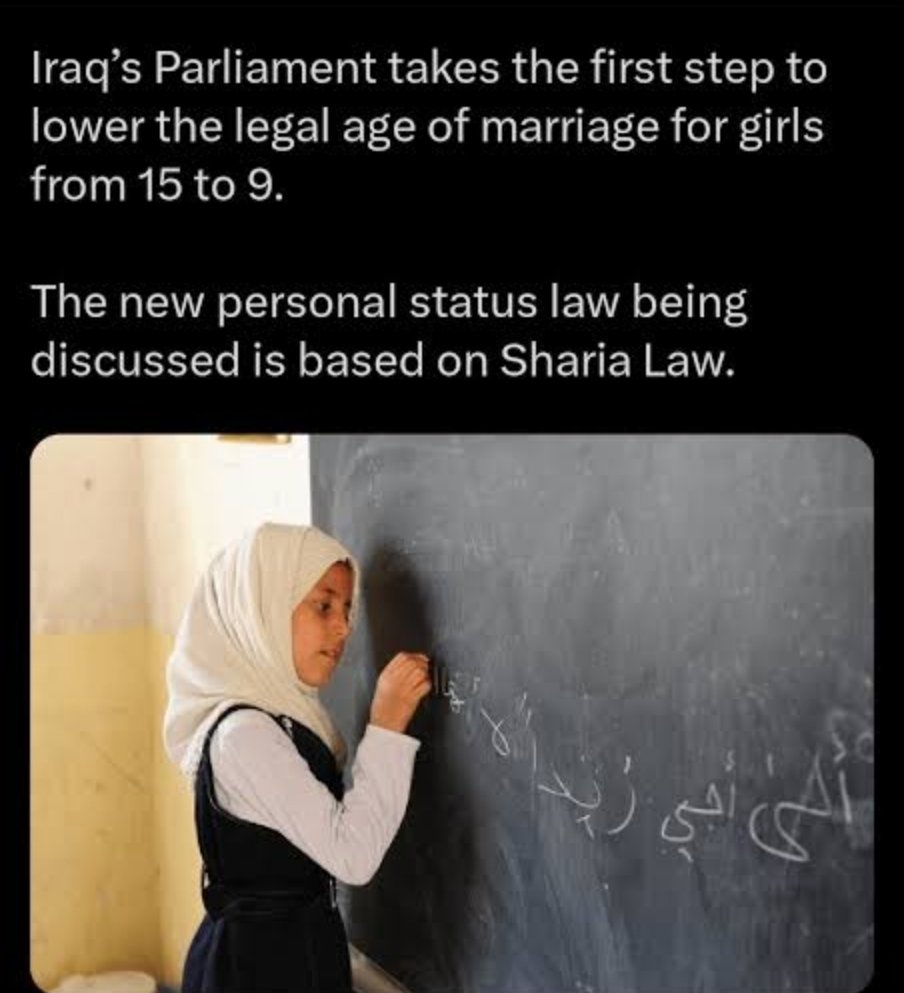
Proposed bill in Iraq to lower marriageable age for girls to 9 has sparked significant controversy & criticism from various ideological perspectives.
Social Perspectives
Child Rights & Education: Critics argue that lowering marriage age undermines children's rights & disrupts their education. Child marriage often leads to girls dropping out of school, affecting their future opportunities & perpetuating cycles of poverty. Education is a powerful strategy to end child marriage & ensure girls can fulfill their potential. 📚👧 #ChildRights #EducationForAll #EndChildMarriage
Health Implications: Early marriage poses severe health risks, including early pregnancies, which can lead to higher maternal and infant mortality rates. World Health Organization highlights these risks, emphasizing need for protective legislation. 🏥👶 #HealthMatters #ProtectChildren
Cultural Perspectives
Religious Influence: Bill allows families to choose between religious or civil authorities for family matters, reflecting strong influence of religious norms in Iraq. This mirrors similar practices in countries like Yemen & Saudi Arabia, where religious laws often dictate family issues. 🕌📜 #ReligiousInfluence #CulturalNorms
Traditional Practices: In many cultures, child marriage is seen as a way to secure a girl's future. However, this practice is increasingly challenged by international human rights organizations advocating for protection of minors. 🌍👩⚖️ #TraditionalPractices #HumanRights
Ideological Perspectives
Liberal Perspective
Human Rights: Liberals view bill as a violation of fundamental human rights, arguing that it strips young girls of their autonomy & potential. They advocate for universal standards that protect children from exploitation. 🗽🛡️ #HumanRights #ProtectChildren
Legal Uniformity: Emphasis is on maintaining a uniform legal age for marriage, as seen in many Western countries where age is set at 18, ensuring equal rights & protection under law. ⚖️🌍 #LegalUniformity #Equality
Neoliberal Perspective
Economic Impact: Neoliberals focus on economic implications of child marriage, highlighting how it limits girls' participation in workforce & contributes to economic stagnation. Educated women are seen as vital to economic growth. 💼📈 #EconomicImpact #EmpowerWomen
Feminist Perspective
Gender Equality: Feminists argue that bill reinforces patriarchal structures, giving men disproportionate control over women's lives. They emphasize need for policies that empower women & promote gender equality. ♀️✊ #GenderEquality #WomenEmpowerment
Case Study - India: In India, Prohibition of Child Marriage Act sets minimum marriage age at 18 for women & 21 for men. Despite this, child marriage persists, particularly in rural areas, due to socio-economic pressures & cultural norms. Feminists in India advocate for stricter enforcement & societal change to protect girls. 🇮🇳📜 #India #EndChildMarriage #PolicyIntervention
Comparative Analysis
Iraq: Proposed bill would lower marriageable age for girls to 9, reflecting strong religious influence. 🕌 #Iraq #ReligiousInfluence
India: Prohibition of Child Marriage Act sets minimum marriage age at 18 for women & 21 for men. Despite legal frameworks, child marriage persists due to socio-economic & cultural factors. 🇮🇳 #India #CulturalNorms
Saudi Arabia: There is no minimum legal marriage age, with family matters predominantly governed by religious laws. 🇸🇦 #SaudiArabia #ReligiousLaws
Yemen: Similar to Saudi Arabia, there is no minimum legal marriage age, and tribal and religious norms play a significant role. 🇾🇪 #Yemen #TribalNorms
🌍👧🛡️ #GlobalStandards #ProtectChildren #HumanRights #EndChildMarriage #CulturalRespect #BalancedApproach #UPSC #IAS #CivilServices #CurrentAffairs #GirlChild #WomenEmpowerment #Equality #Justice #StopChildAbuse #ChildProtection #Education #GenderJustice #Diversity #SocialChange #PolicyIntervention
1
3
15
1,122

4 Aug 2024
Unveiling the Hidden Truth: The Secrets of Powerful Drug Lords
#DrugLordsRevealed #UntoldStories #SecretSupplyChains #PowerfulInstitutions #EducationSystem #GenderIdentity #ReligiousInfluence #FinancialKnowledge #FutureShaping #HiddenTruths
2
66

22 Apr 2022
People don’t think Morrison has vision! IMO, Katherine Deves is the epitome of Morrison’s vision for the LNP and subsequently his vision of how he wants a political party controlled by his religious ideology to shape Australia!
#ScottyTheWorstPrimeMinisterEver #religiousinfluence
1
2