
#FromtheTERIWebDesk
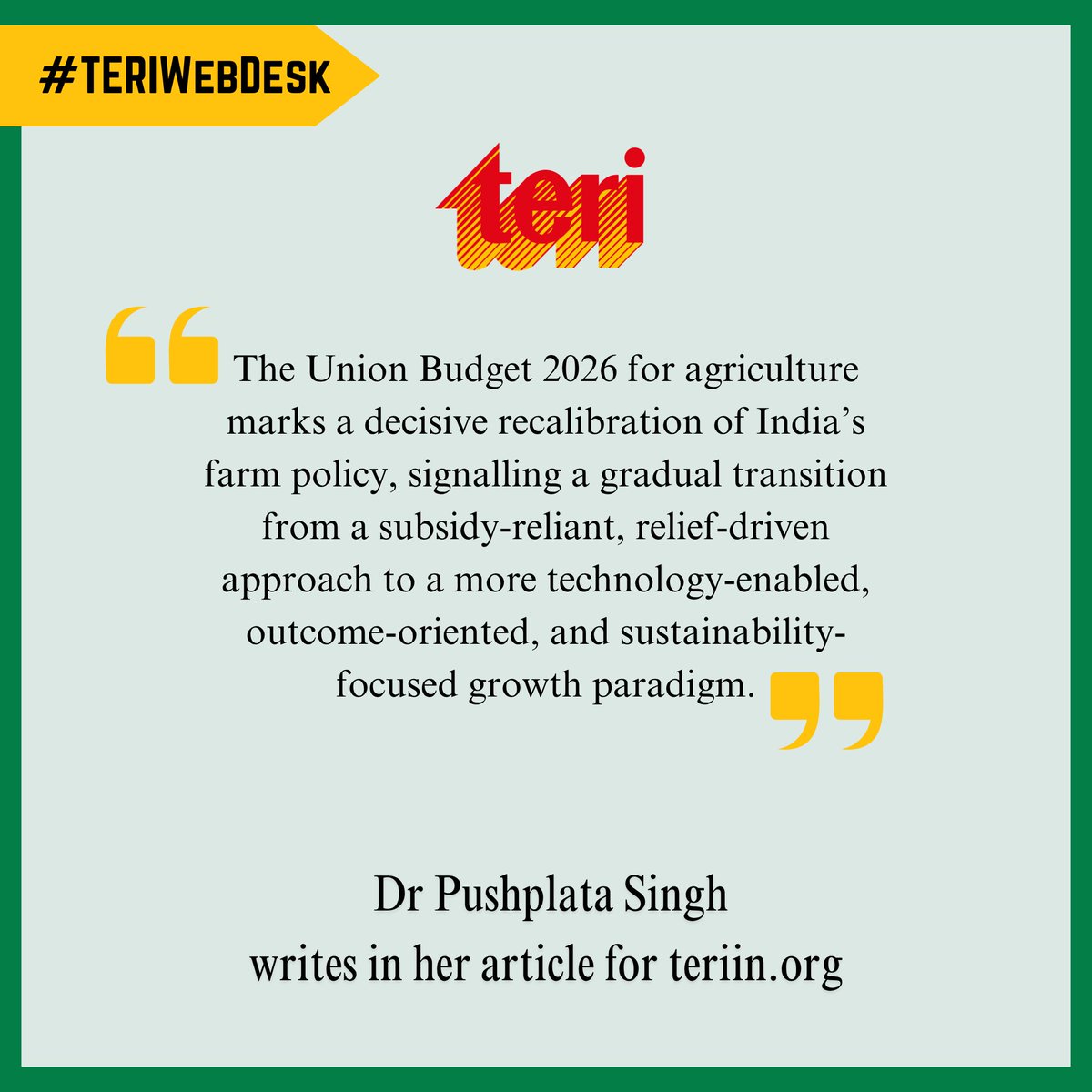
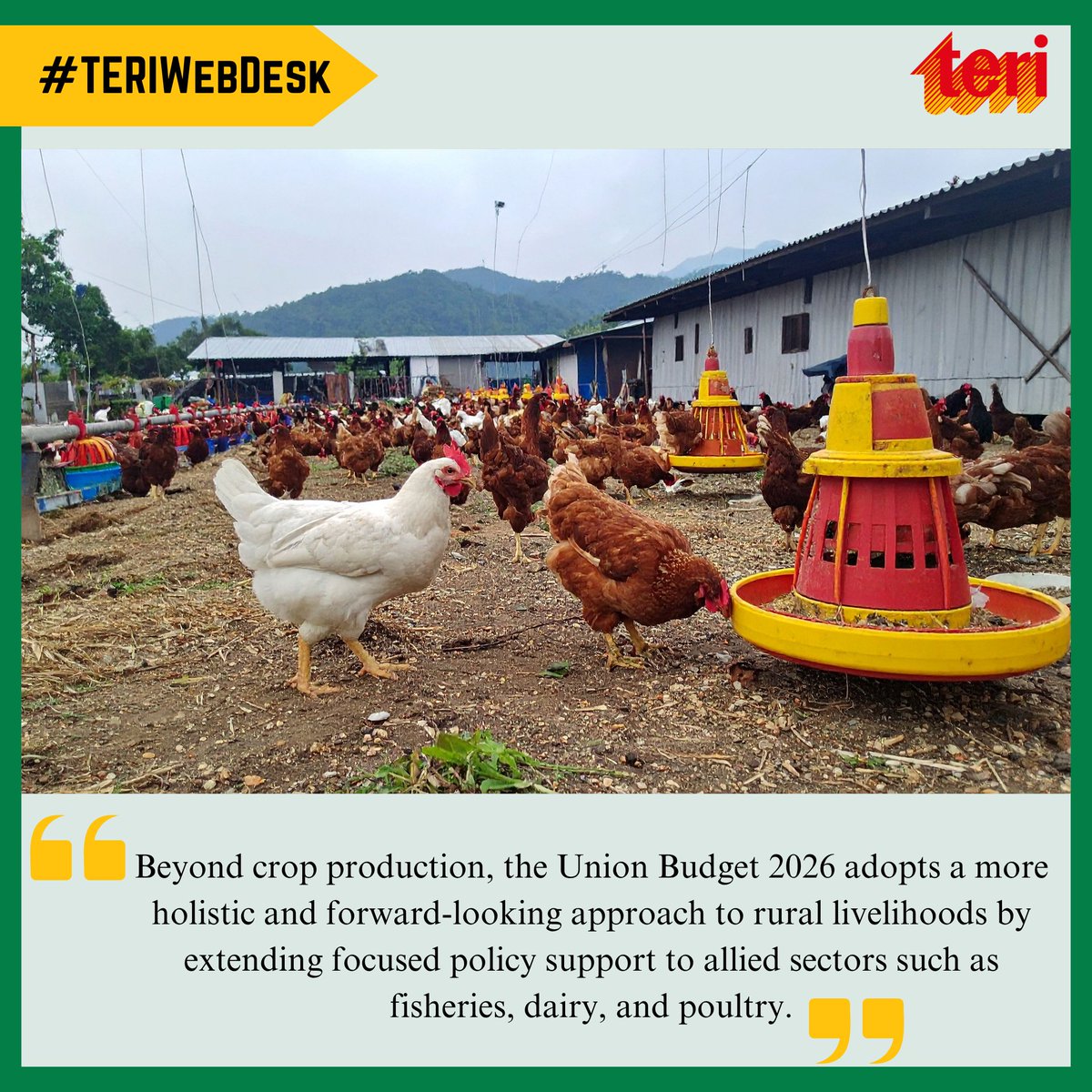
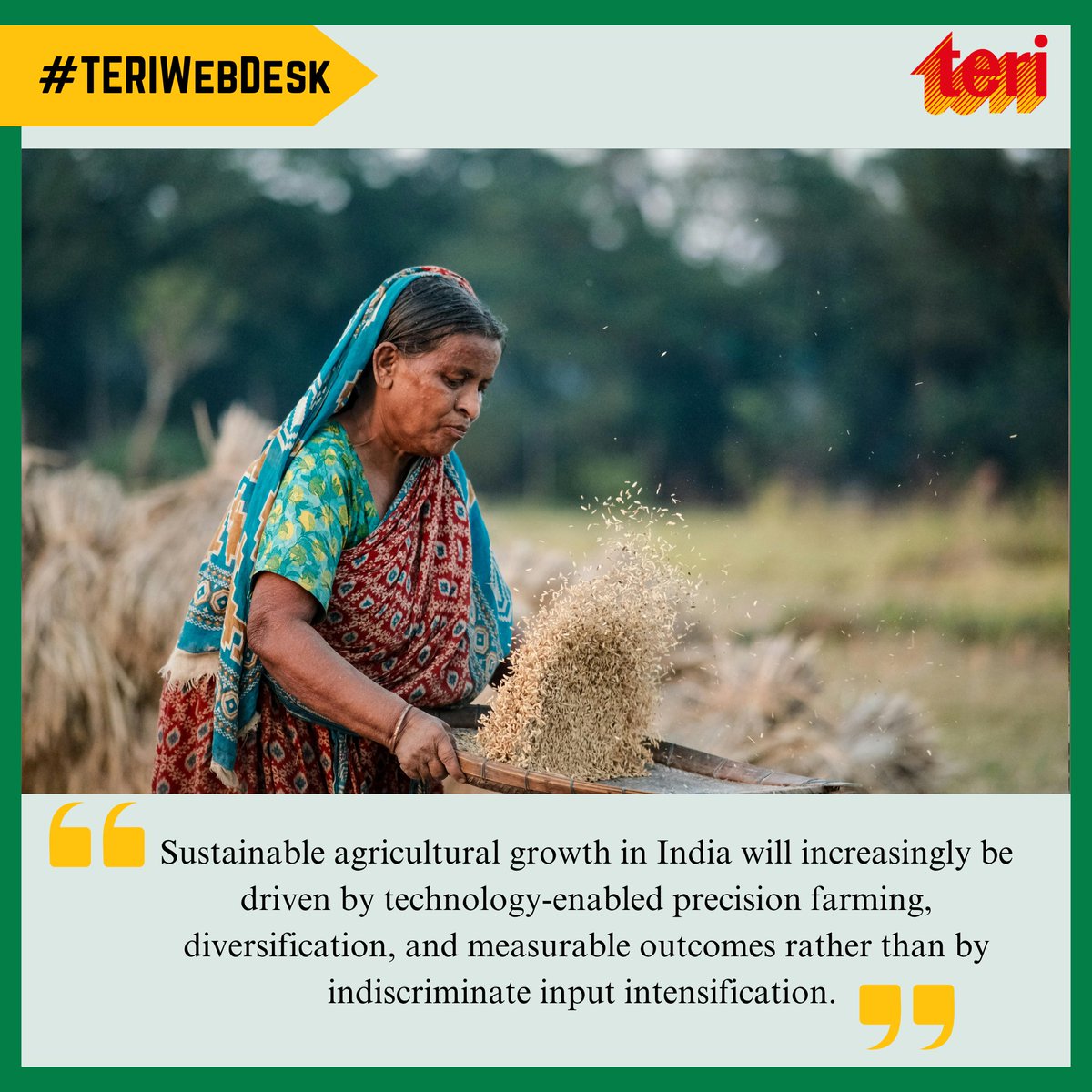
“If executed effectively, this policy shift could place Indian agriculture on a more resilient, resource-efficient, and income-secure path—benefiting farmers, consumers, and the environment alike,” writes Dr Pushplata Singh in her article for teriin.org.
Read the full article here: teriin.org/article/union-bud…
#IndianAgriculture #ResourceEfficient #Resilient #Farmers #UnionBudget #Environment #Consumers #Subsidies #AgriculturalResearch

2
107

27 Nov 2025
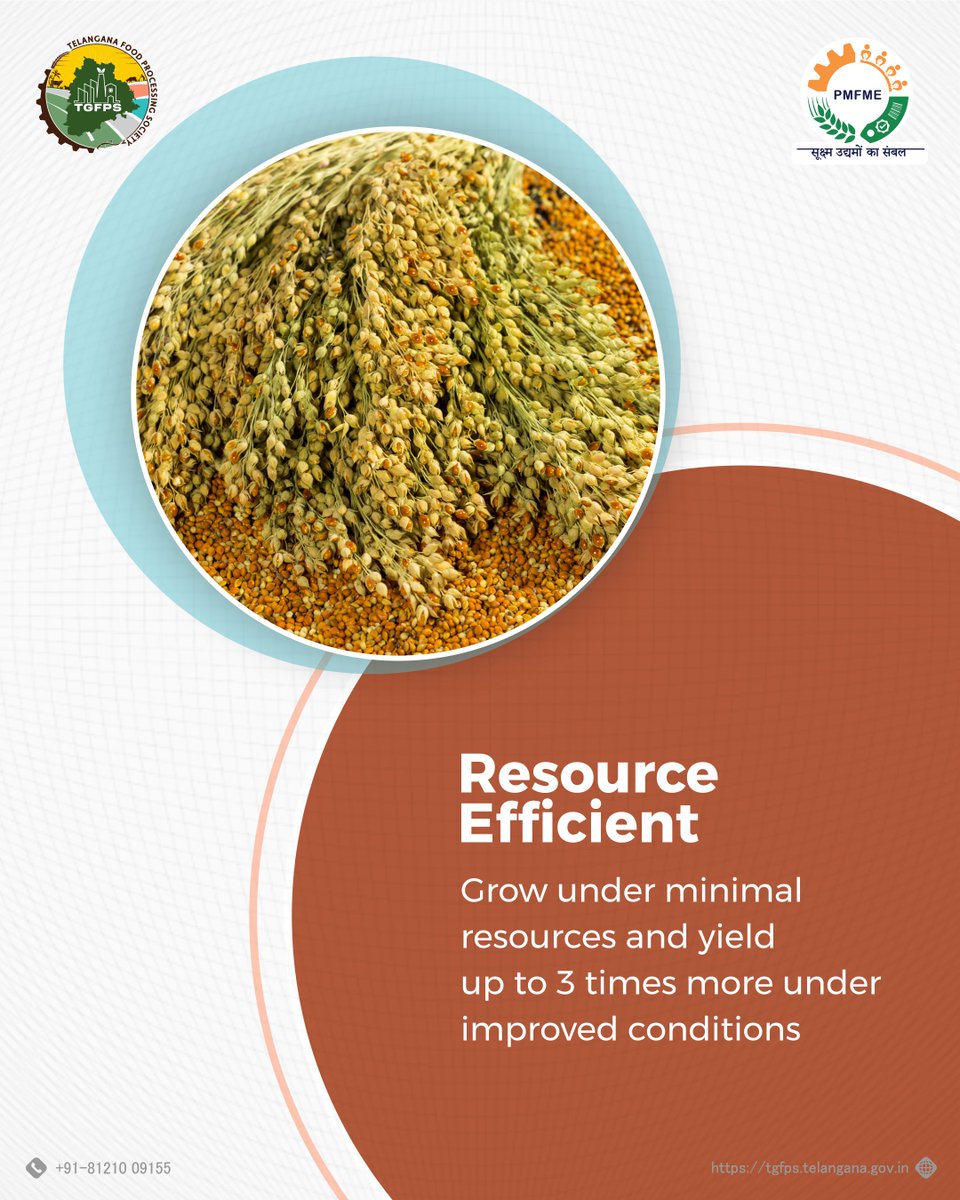
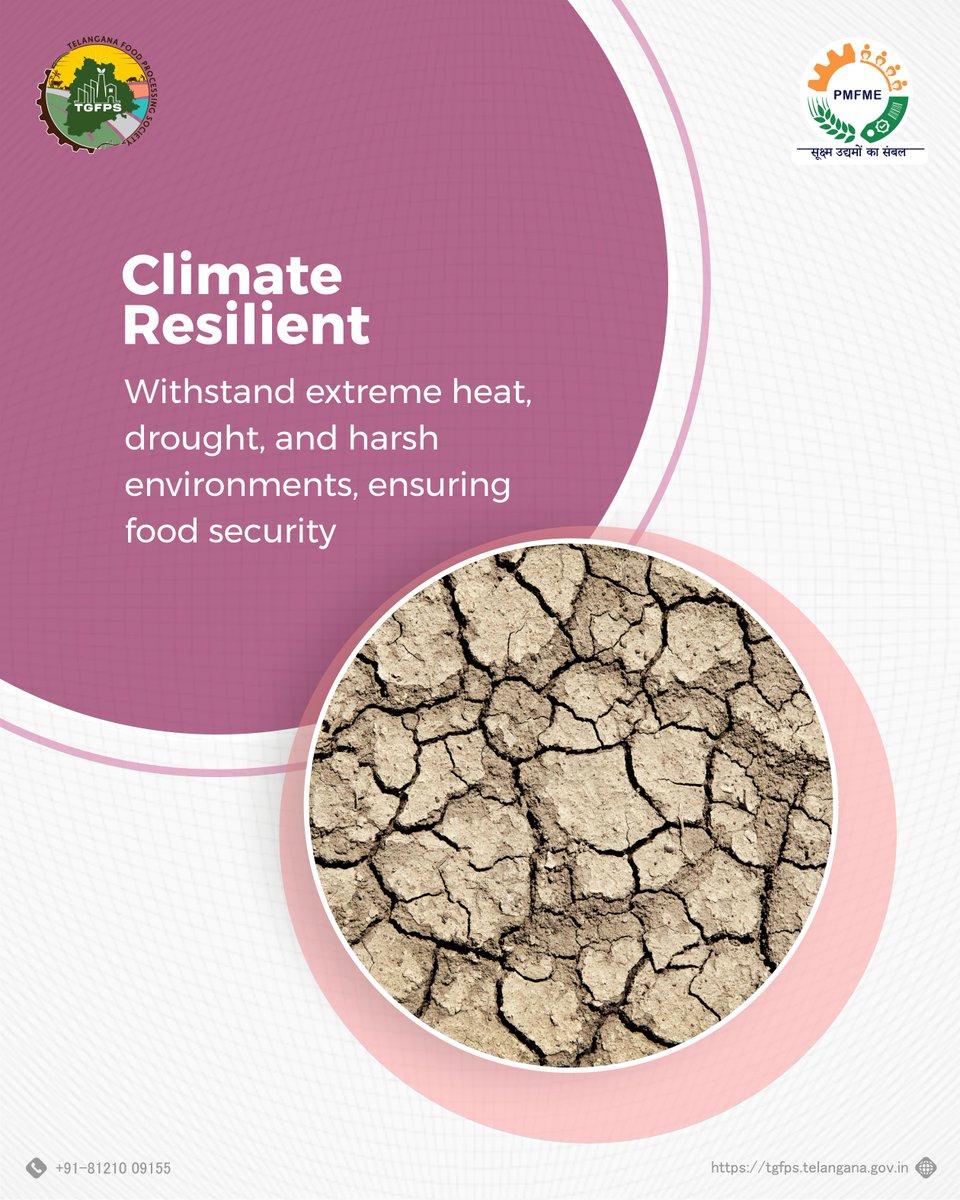
Resilient, resource-efficient, and ready for the future, millets stand strong with farmers and the planet.
Discover their role in ensuring sustainable agriculture and food security!
#PMFME #Telangana #PMFMEScheme #TelanganaFoodProcessing #Millets #SustainableAgriculture #ResilientFarming #ResourceEfficient #FarmersFirst #Agroecology #HealthySoils #Biodiversity #SustainableFoodSystems #CropDiversity #EcoFriendlyFarming #MilletRevolution


3
3
233

9 Aug 2025
Take A Look New Sentient Integration
GPT-OSS marks one of the most significant moments in OpenAI’s recent history because it’s the first time since the GPT 2 era that they’ve released an open weight model family. That decision alone changes the playing field for developers and researchers because the model weights are freely accessible, making the system transparent and fully available for experimentation.
It’s not locked away behind a proprietary wall, and that means people can actually dig into it, customize it, and even deploy it in places where closed models simply can’t go.
OpenAI didn’t just open the door halfway either; they put these models under the Apache 2.0 license. That’s a strong commercial friendly license that lets anyone use, modify, and redistribute without legal headaches. Combined with the way the models are engineered, this release isn’t just symbolic it’s practical. The larger GPT OSS 120B model delivers performance in the range of the O4 mini, yet it can run on a single 80 GB GPU.
The smaller GPT OSS 20B matches something closer to O3 mini performance and is light enough to run on lower-spec hardware. That’s a big win for accessibility because it shifts high end capability into the hands of people without massive infrastructure.
Both models use a Mixture of Experts architecture, which is a clever way of keeping performance high while cutting unnecessary computational cost. Instead of activating all parameters for every token, only a portion is used at a time 5.1 billion active parameters in the case of the 120B variant.
This design makes them fast, resourceefficient, and more adaptable to various deployment scenarios. Another layer of openness comes from their support for Chain of Thought reasoning in a visible, traceable way, allowing anyone to follow the model’s reasoning steps instead of just seeing the final answer.
Deployment flexibility is clearly part of the strategy. These models run on Azure AI Foundry, Ollama, LM Studio, and even locally on Windows 11 through Windows AI Foundry. That means developers can experiment in the cloud, set up real time services, or run them privately on their own hardware.
They’re also available on Hugging Face, which naturally sparks community driven demos, fine tunes, and toolkits that multiply their impact. Industry voices like NVIDIA have framed this move as a boost to open source AI innovation, and it’s easy to see why this isn’t a research only curiosity, it’s a fully usable piece of infrastructure.
When Sam Altman calls GPT OSS part of a broader push to democratize AI, it’s not just marketing. These models give individuals and small teams the kind of capabilities that used to be locked behind expensive APIs or research agreements. In a landscape where closed systems often dictate the pace and direction of innovation, GPT OSS hands over control to the people building with it. It’s a rare blend of power, transparency, and permission to create without asking for approval.
IN SUM BROTHERSS:
With today’s update, GPT OSS integration has arrived in Sentient Chat. This marks the first time since GPT 2 that OpenAI has released an open weight model, made available to everyone under the Apache 2.0 license. Thanks to its high performance Mixture of Experts architecture, it can run on both cloud and local devices, supports transparent chain of thought reasoning, and can be easily deployed on platforms like Azure, Ollama, and Hugging Face. This means Sentient users can now experience an advanced, fully accessible, and customizable AI directly within the chat environment.
@SentientAGI @SentientTurkiye #sentientchat
8 Aug 2025

Another Friday Feature😁
We're pushing the open-source AI ecosystem forward any way possible, excited to integrate GPT OSS into Sentient Chat today!
17
33
397

7 Jul 2025
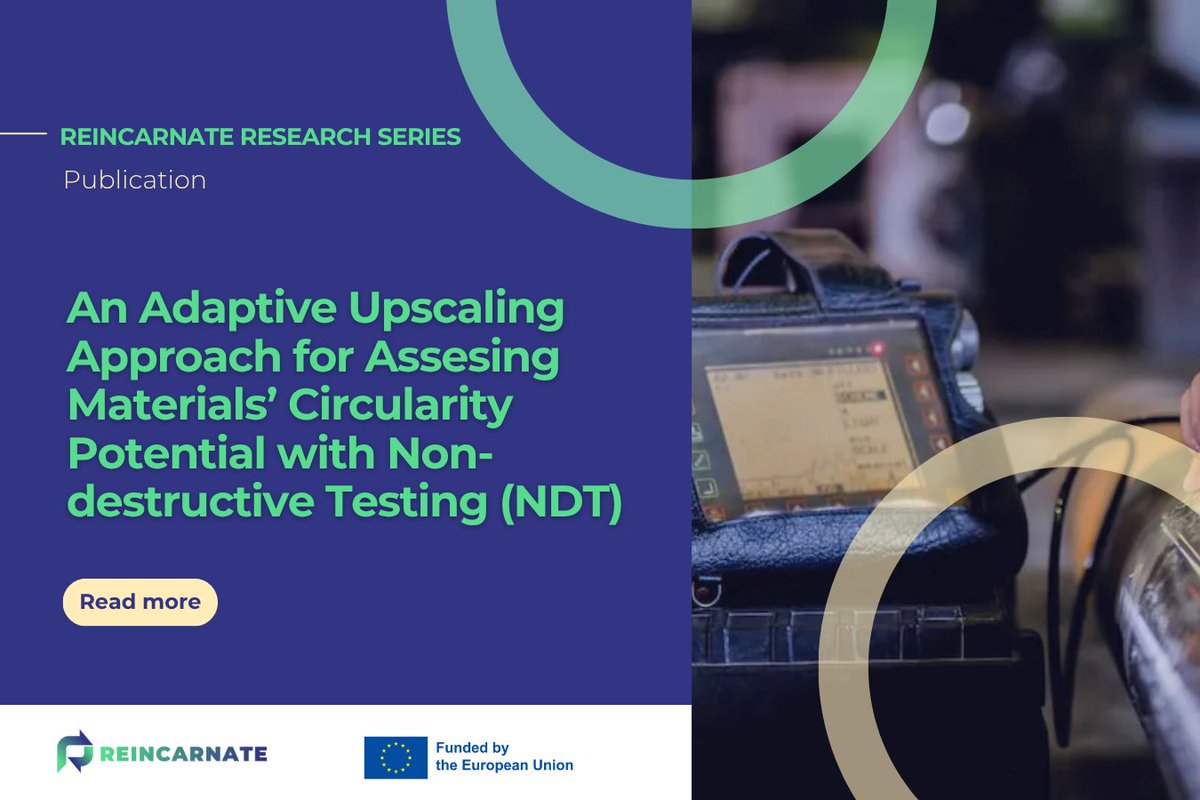
🔬 #ReincarnateResearch Series: Shaping a Sustainable Future in Construction
This week’s spotlight: #AI-driven adaptive sampling meets #NDT to assess #materialcircularity with fewer samples - faster, scalable, and #resourceefficient.
📖 Read more: reincarnate-project.eu/publi…
@TUBerlin @BAMResearch
3
3
74

18 Oct 2024
How are we as staff and as the EEA doing to lower our #environmentalfootprint? Our goal is to become #climateneutral and #resourceefficient.
Find out in our latest annual #EMAS report: eea.europa.eu/en/about/who-w…

1
1
7
696

28 May 2024
The #CloudEdgeContinuum is a foundational computing network for @HYPERAI_Project, which will investigate the potential of #autonomous computing nodes on this network managed by #AI, to enable #ResourceEfficient #HyperDistributed data-processing applications.
Find out more👇
27 May 2024

🎉 Registration Now Open! 🎉
Join us for the EUCEI's Open Continuum Final Conference on 18 June 2024 at The Claridge, Brussels. Celebrate our achievements and discuss the future of the European Computing Continuum!
Register by 7 June 2024: eucloudedgeiot.eu/event/euce…
#EUCEI #OpenContinuum #CloudEdgeIoT #Innovation #OC2024

1
1
190

29 Feb 2024
13:10 - *Do uewen* huet geäntwert. D’Rees geet gläich weider 🚆 Mäin Ticket? Very special. Stempel an Handschrëft ✍️ #ResourceEfficient

1
2
92

16 Feb 2024
As part of the "Brick Hybrid" project, students designed and planned #resourceefficient, easily deconstructable prefabricated components made of brick, wood, and clay on a scale of 1:1 and assembled them into a room: go.tum.de/577760
#architecture #innovation
📷@ProLehre
2
4
2,025

3 Jan 2024
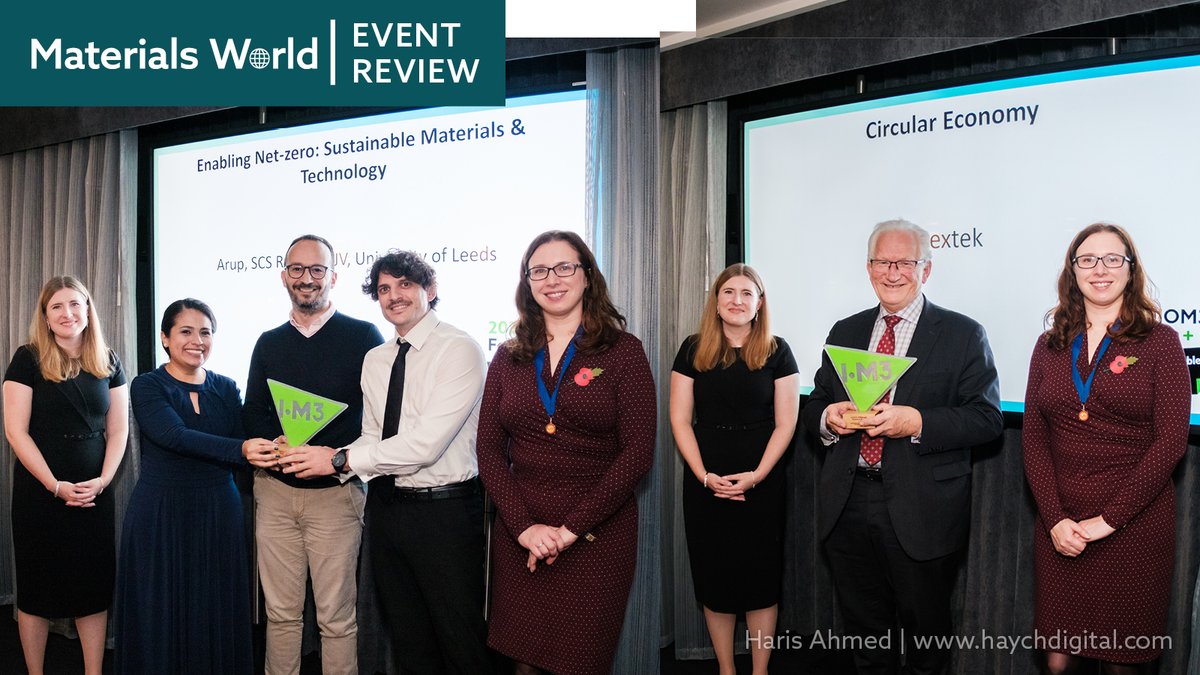
The @iom3 Sustainable Future Awards, sponsored by @innovateuk , recognise excellence and celebrate the champions advancing the transition to a #LowCarbon, #ResourceEfficient society.
Find out who won at: bit.ly/4aEOeUk
2
5
654

14 Oct 2023
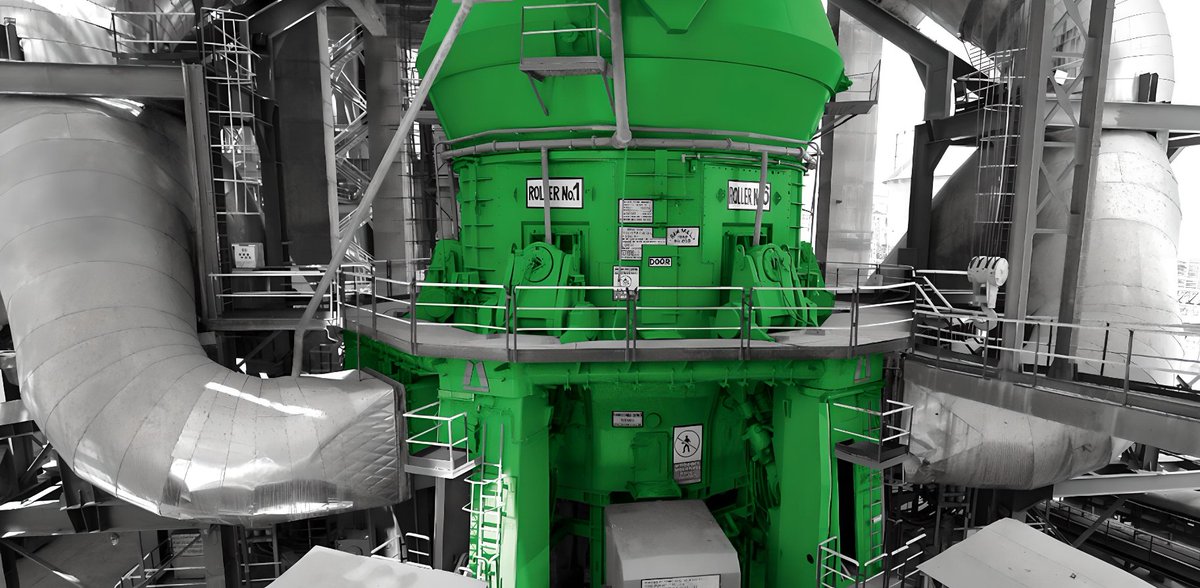
🌱 The Trend is Green Efficiency: Our robust #verticalrollermill for #rawmaterials embodies our motto, "Experience is the best foundation for innovation." By continuing to advance our milling #technology with greener processes, we contribute to a #resourceefficient future.
1
4
99

To offer #SustainableDevelopment for livelihoods, an economy that reduces environmental degradation that is, an economy that is #LowCarbon, #ResourceEfficient, and #SociallyInclusive, is essential, a #GreenEconomy needs to be adopted to alleviate poverty.

ALT Green economy
2
2
93

21 Feb 2023
🌍 Raw materials are essential in our day-to-day lives. It is thus vital to find a way to sustainably extract & #recycle these elements for a more #sustainable and #resourceefficient Europe! Subscribe to our #newsletter for our project's updates ✉️👉 ion4raw.eu/
3
63

7 Feb 2023
3/3...This underpins the urgency to re-imagine & build #resourceefficient, #selfsustainable, & #circularcities ♻ in the #GlobalSouth. Where will the urbanites go once their rural resource supply & support systems have collapsed?
#citiesofthefuture #circularcities #urbanplanning
3
36

7 Dec 2022
Product as a Service models are one concrete route to #sustainability.
Our member BSH leads the #PapillonProject allowing low-income families to rent #resourceefficient appliances, saving energy and costs.
All, ready for a second-life:circularappliances.eu/the-pa…
#EPRGrandChallenge
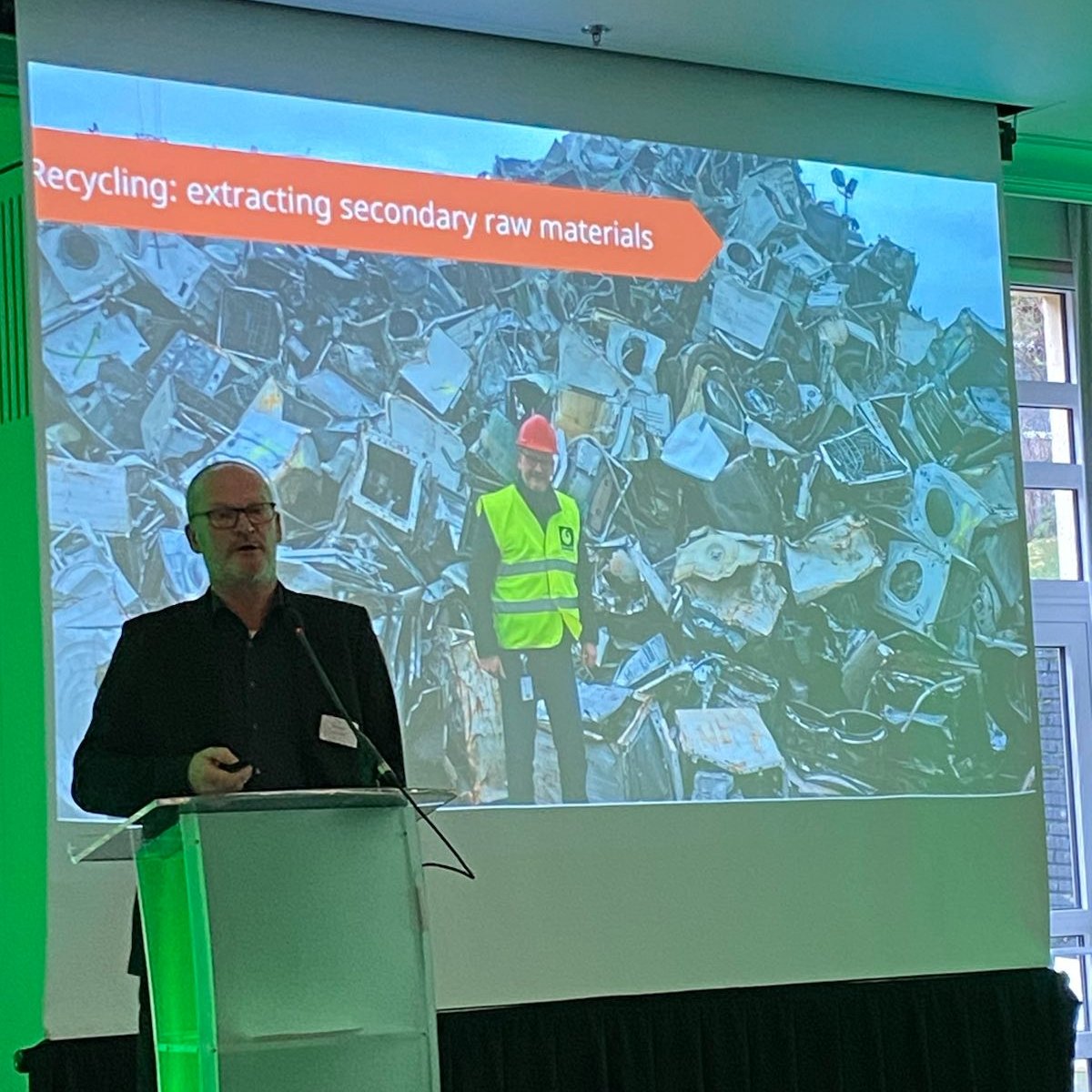
ALT Bruno Vermoesen, BSH Home Appliances s.a. speaking at WEEE Forum's EPR Grand Challenge Conference
1
6

25 Nov 2022
How the Innovate UK #NetZero 'Make & Use programme' will support businesses towards a #ResourceEfficient, resilient& technologically advanced future.
The latest #InnovateBlog from @DaveElson1 David Elson, Head of Manufacturing & Materials, @innovateuk:
👉ow.ly/Je2K104fZyL

1
3

24 Nov 2022
How the Innovate UK #NetZero 'Make & Use programme' will support businesses towards a #ResourceEfficient, resilient& technologically advanced future.
The latest #InnovateBlog from @DaveElson1 David Elson, Head of Manufacturing & Materials, @innovateuk:
👉ow.ly/WroN50LMQyG

ALT Waste pile of computer hard drives and circuit boards.
6
5

31 Oct 2022
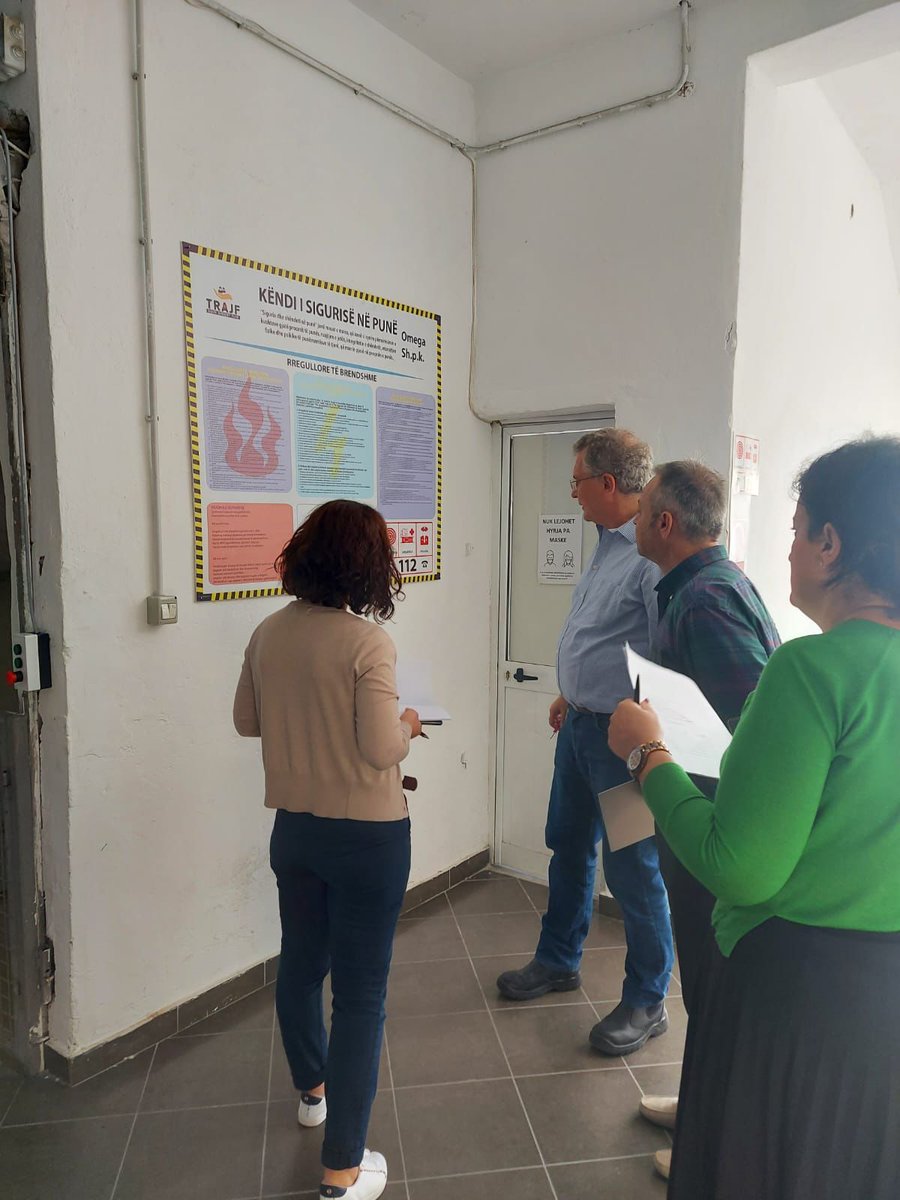
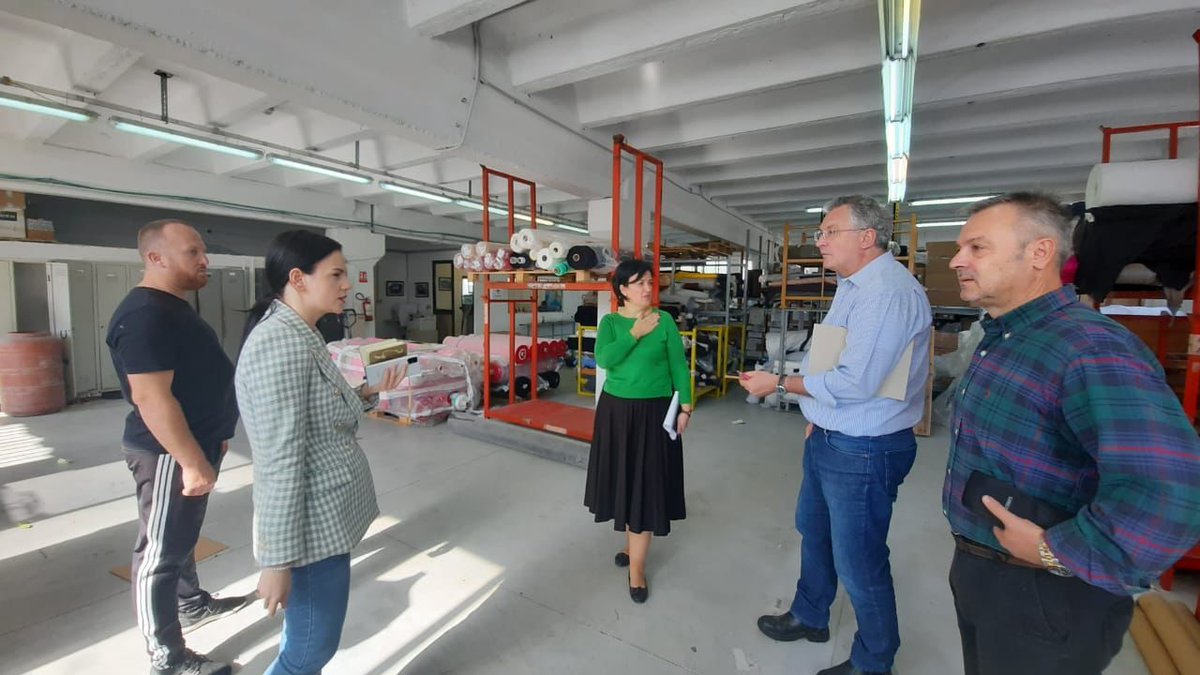
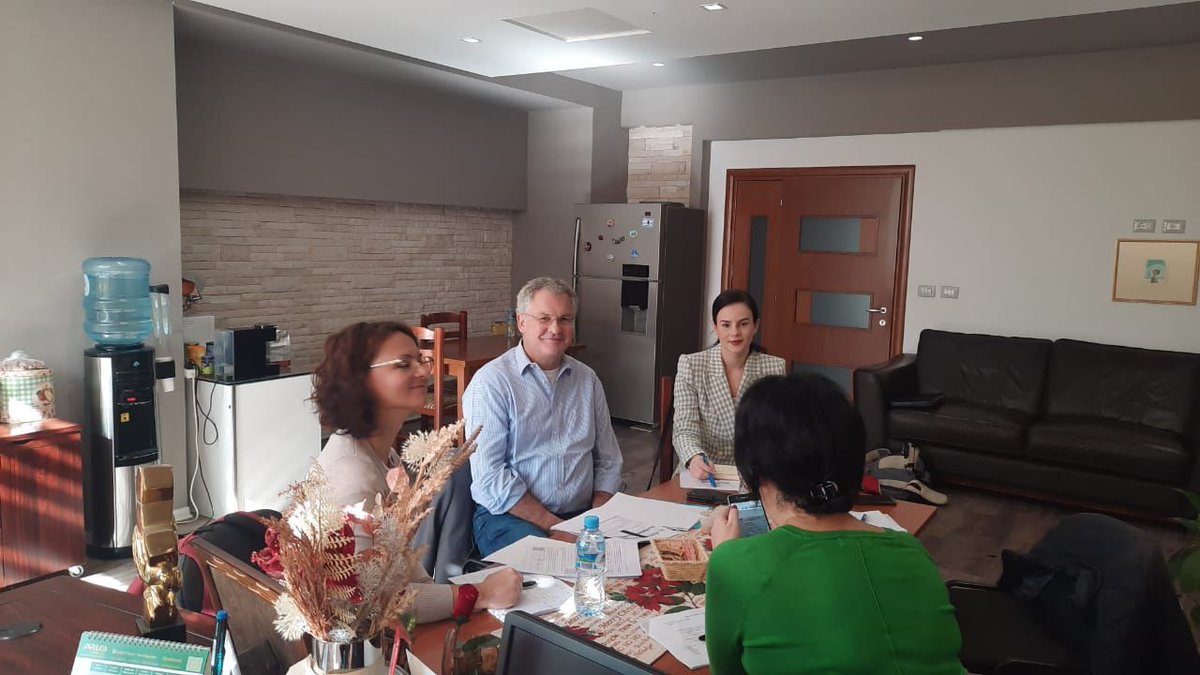
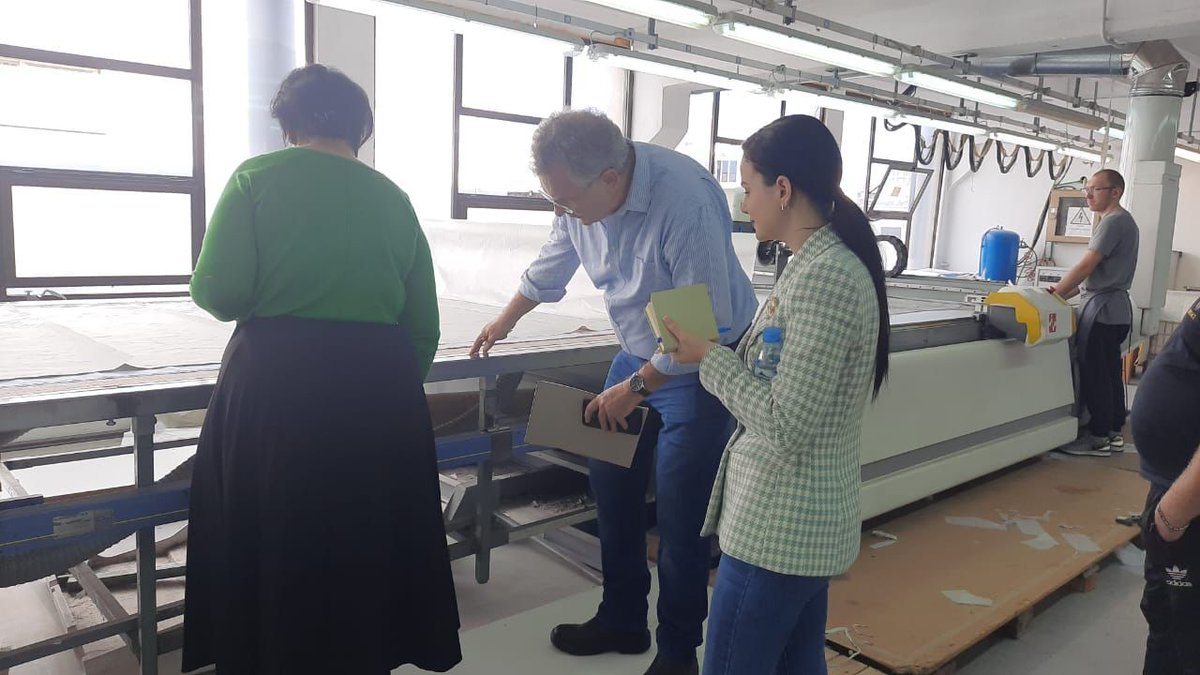
.@UNIDO visited garments & footwear companies in Tirana to help them turn into more #ResourceEfficient & #EnvironmentallyFriendly. Included a debriefing session w national experts of the Technical University. Part of 'Business Parnerships & Solutions for #SDGs' JP, funded by 🇸🇪
1
4

27 Oct 2022
As part of #MaterialChange: Resourcing #NetZero a #DigitalSeries from @iom3 & @cwp_tw we are delighted to share a Thought Leadership interview from @markmiodownik on how #CircularEconomy can drive us towards a #LowCarbon #ResourceEfficient society. f.io/2D7CCtR8
1
3
2
21 Oct 2022
We're thrilled to be part of Material Change: Resourcing Net Zero a #DigitalSeries from IOM3 & Content With Purpose, launching today!
Follow #MaterialChange to discover the innovations driving us towards a #LowCarbon #ResourceEfficient society.

Innovation in the materials cycle is key to addressing the climate crisis.
Discover the stories from organisations and individuals who are making a #materialchange across the disciplines of materials, minerals & mining.
materialchange.iom3.org
1
2

20 Oct 2022
We're thrilled to be part of Material Change: Resourcing Net Zero a #DigitalSeries from IOM3 & Content With Purpose, launching today!
Follow #MaterialChange to discover the innovations driving us towards a #LowCarbon #ResourceEfficient society.
Innovation in the materials cycle is key to addressing the climate crisis.
Discover the stories from organisations and individuals who are making a #materialchange across the disciplines of materials, minerals & mining.
materialchange.iom3.org
3
5