
11 Nov 2025
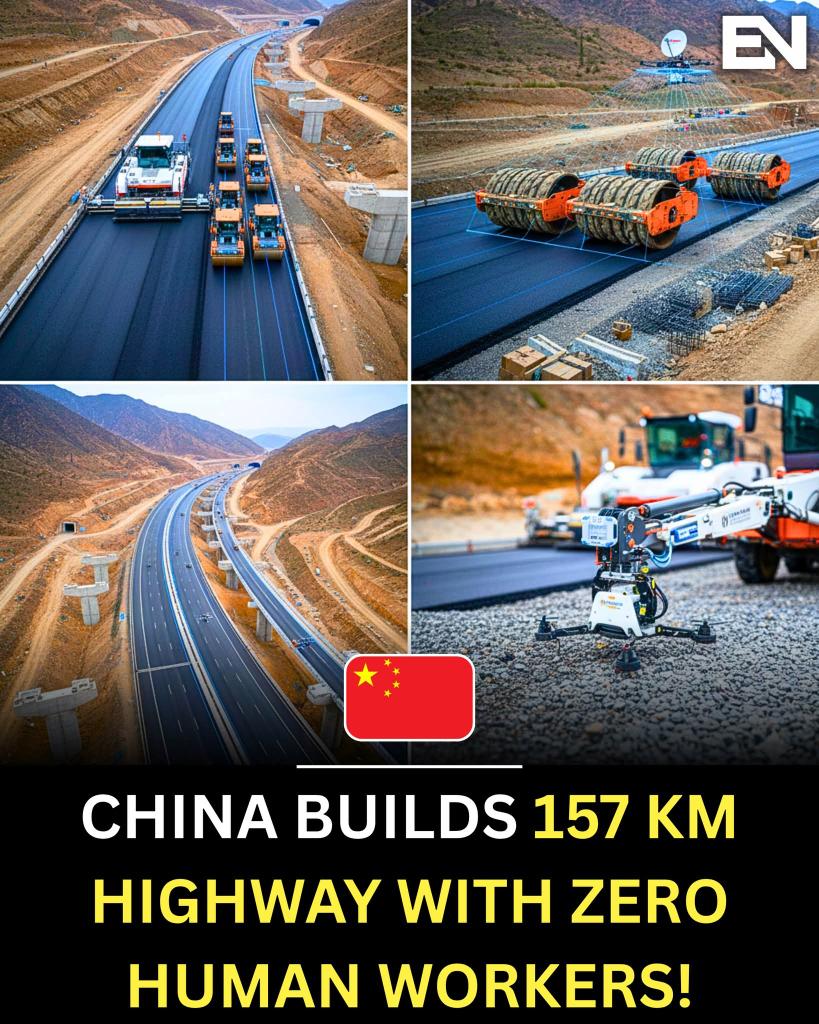
China just pulled off something amazing: they built a 158-kilometer section of the Beijing-Hong Kong-Macao highway using only robots and AI—no human workers on the ground at all.
A company called Sany Heavy Industries ran the show.
They used a giant 20-meter-wide paver that lays asphalt in one smooth go, plus six heavy rollers and three big tire rollers—all moving together like a smart team thanks to super-accurate GPS from China’s Beidou satellites.
These machines did everything: smoothed the ground, poured hot asphalt, packed it down tight, and even trimmed the edges perfectly.
One paver alone covered nearly 20 meters wide in a single run, finishing fast and smooth.
This cuts down on workers getting hurt and saves money on labor.
But some say humans were still watching from afar for safety, and the fancy machines cost millions—so it’s not clear if it’s really cheaper overall.
The speed and quality are top-notch, but using this everywhere will be tough.
Places need huge upfront cash for the tech, and many countries, like the UK, are still testing half-robot systems.
It’s a giant leap into the future of building, but we’re not sure yet if the whole world can follow.
#fblifestyle #ChinaInnovation #AutonomousConstruction #AIinConstruction #SmartEngineering #BeijingHongKongExpressway #SanyHeavyIndustries #SmartInfrastructure #ConstructionTechnology #CivilEngineering #AIRevolution #FutureOfConstruction #SmartMachines #AutomatedBuilding #ConstructionInnovation #TechInEngineering #InfrastructureDevelopment #EngineeringMarvel #ConstructionAutomation #RoboticsInConstruction #SmartCities #AIinfrastructure #NextGenConstruction #DigitalEngineering #ConstructionTech #BuildingTheFuture
1
1
32

16 Jul 2025
BEDROCK ROBOTICS: Autonomous Excavators & Construction Automation
TECHNOLOGY NEWSWIRE: Waymo alums launch Bedrock Robotics, automating construction with autonomous excavators.
AI INNOVATION: Bedrock Robotics' $80M funding aims to solve labor shortages and cut costs.
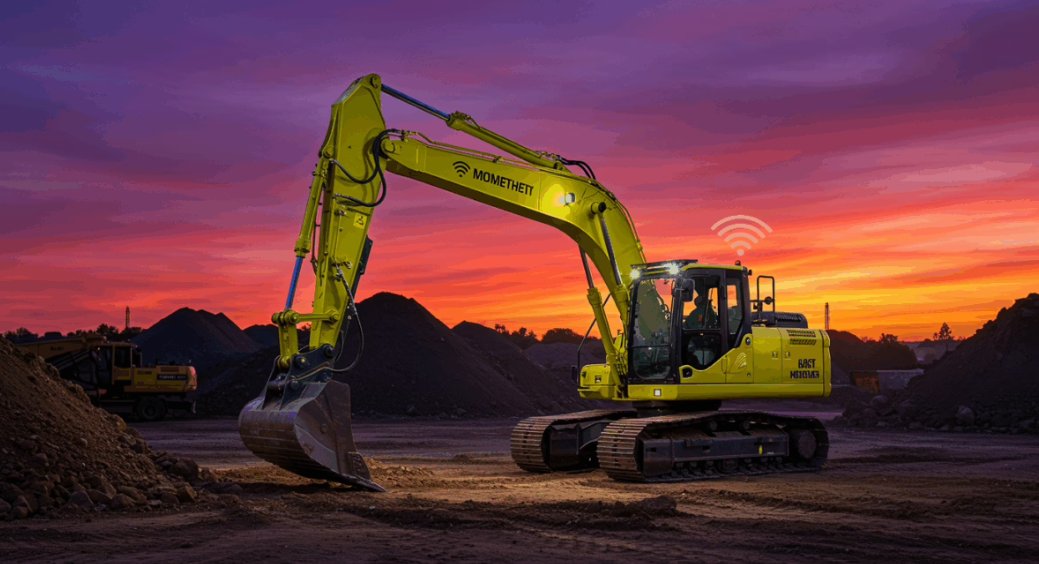
A team of engineers formerly with Waymo, a leader in self-driving robotaxis, has launched Bedrock Robotics, a startup aiming to automate construction equipment, starting with excavators.
The San Francisco-based company plans to modify existing machinery with cameras, lidar, computers, and AI software to enable 24/7 operation, even in extreme conditions.
Bedrock Robotics is emerging from stealth mode with $80 million in funding and plans to begin commercial operations in 2026.
The company aims to address the increasing demand for construction projects amid a shortage of skilled labor and rising material costs.
The company is currently testing autonomous excavators at sites in Arizona, Texas, and Arkansas, with plans to expand testing to customer sites.
The company anticipates having operator-free equipment in use by 2026.
Unlike autonomous vehicle companies, Bedrock’s capital needs are lower because it modifies existing equipment and operates on private construction sites, avoiding public road regulations.
The company estimates projects using its technology could see at least a 20% reduction in labor costs and faster completion times.
The company’s technology allows for detailed mapping of ground conditions and precise measurement of material removed, providing contractors with valuable data for project management and payment.
Venture firms have invested in the company, citing its rapid progress from concept to testing and planned commercialization.
The company aims to partner with existing equipment manufacturers to integrate its technology and improve efficiency in the construction industry.
#BedrockRobotics
#AutonomousExcavators
#ConstructionAutomation
#AIinConstruction
#RoboticsInnovation
#WaymoAlums
#ConstructionTech
#AutonomousMachinery
#AIFunding
#LaborShortageSolution
#ConstructionEfficiency
#SanFranciscoStartups
#TechStartups
#RoboticsStartups
#ExcavatorAutomation
#AIConstruction
#24x7Construction
#ExtremeConditionsTech
#StealthModeStartup
#AI
#CommercialOperations2026
#ConstructionInnovation
#SkilledLaborShortage
#RisingMaterialCosts
#AutonomousEquipment
#TestingInArizona
#TestingInTexas
#TestingInArkansas
#OperatorFreeEquipment
#PrivateConstructionSites
#CostReductionTech
#LaborCostSavings
#ProjectEfficiency
#GroundConditionMapping
#PreciseMaterialMeasurement
#ConstructionData
#ProjectManagementTech
#VentureCapital
#RapidTechProgress
#Commercialization2026
#EquipmentManufacturers
#ConstructionPartnerships
#TechIntegration
#ConstructionIndustry
#FutureOfConstruction
#RoboticsInConstruction
#SmartConstruction
#AIRevolution
#InnovationInConstruction
#NextGenConstruction
1
206

20 Jun 2025
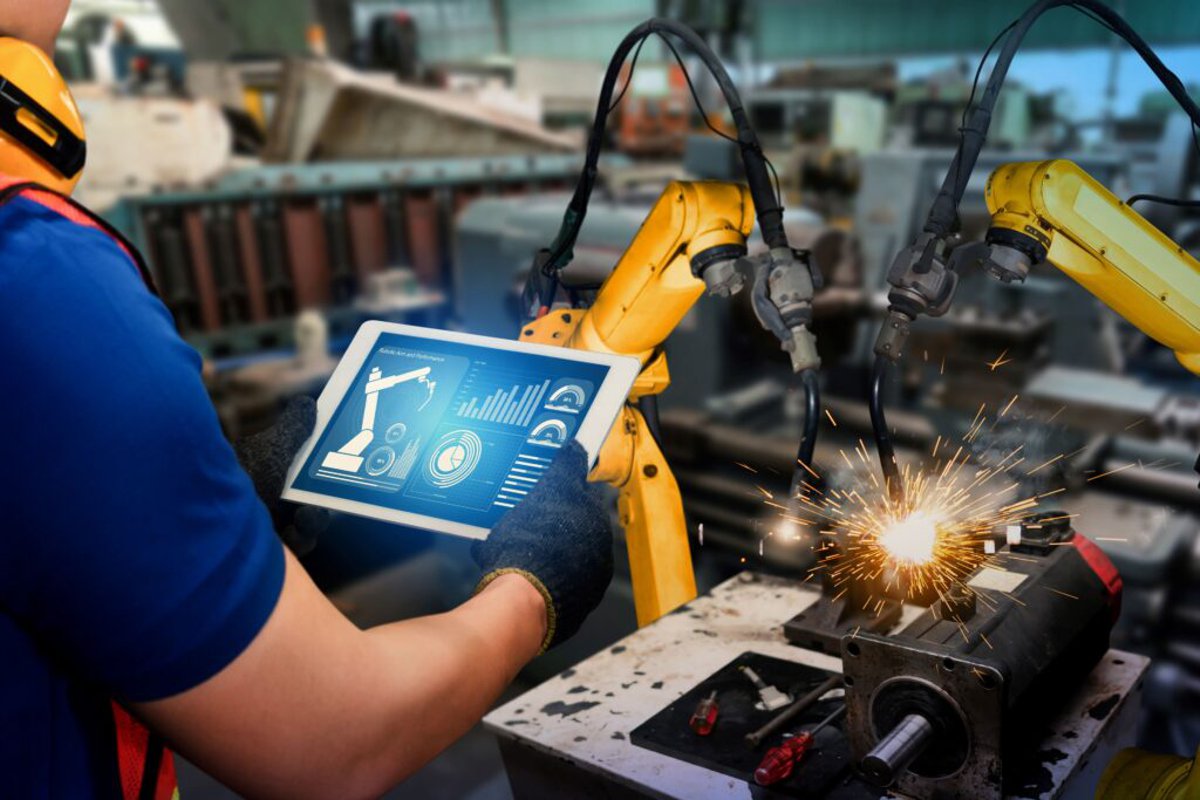
Welding automation on sites:
→ AI path correction
→ Quality sensors
→ Human-assisted control
Faster. Safer. Smarter.
#RoboticsInConstruction #WeldingTech
3
9

31 May 2025
China is building that dam completely without human intervention.
Read More: bsnewslive.com/news-details/…
#BSNewsMedia #BSNews #ChinaYangquDam #AIDrivenConstruction #RoboticsInConstruction #DamConstruction #AutomationInConstruction #ChinaInnovation #SustainableEnergy

2
26

22 Apr 2025
Chinese Power Company uses Humanoid Robots in Grid Infra Construction
#TechNews #China #HumanoidRobots #RoboticsInConstruction #GridInfrastructure
539

16 Apr 2025
Discover #SmartConstruction from Samsung C&T with our #LaserTracker and reflector to redefine #accuracy and #safety. 𝐑𝐞𝐚𝐝 𝐭𝐡𝐞 𝐟𝐮𝐥𝐥 𝐬𝐭𝐨𝐫𝐲 𝐡𝐞𝐫𝐞 🔎 hxgn.biz/4jv2YJD
#RoboticsInConstruction #InnovationInBuilding #ATS600 #Autonomous
2
4
240

9 Apr 2025
While China’s recent 3D-printed building may garner headlines, it is a far cry from the technological sophistication seen in the United States and Japan. American firms like ICON have developed proprietary robotics systems capable of printing entire neighborhoods with military-grade precision, including resilient housing for NASA’s Mars habitat simulations. Meanwhile, Japan’s construction giants, such as Shimizu Corporation, integrate 3D printing with AI-guided robotics and earthquake-resistant architecture, a level of complexity China’s demonstration does not approach.
Unlike China’s concrete extrusion methods, which often lack structural reinforcement and long-term validation, U.S. and Japanese systems emphasize material science, sustainability, and structural integrity. These aren’t just buildings—they are engineering achievements that meet or exceed rigorous global standards. To equate a quick-build prototype with the cutting-edge infrastructure emerging from the U.S. and Japan is not only premature—it’s technically illiterate.
#3DPrinting #ConstructionTech #ICON #ShimizuCorporation #AdvancedEngineering #TechLeadership #USInnovation #JapaneseEngineering #MarsHabitat #FutureOfConstruction #StructuralIntegrity #MaterialScience #RoboticsInConstruction #AIConstruction #EngineeringExcellence

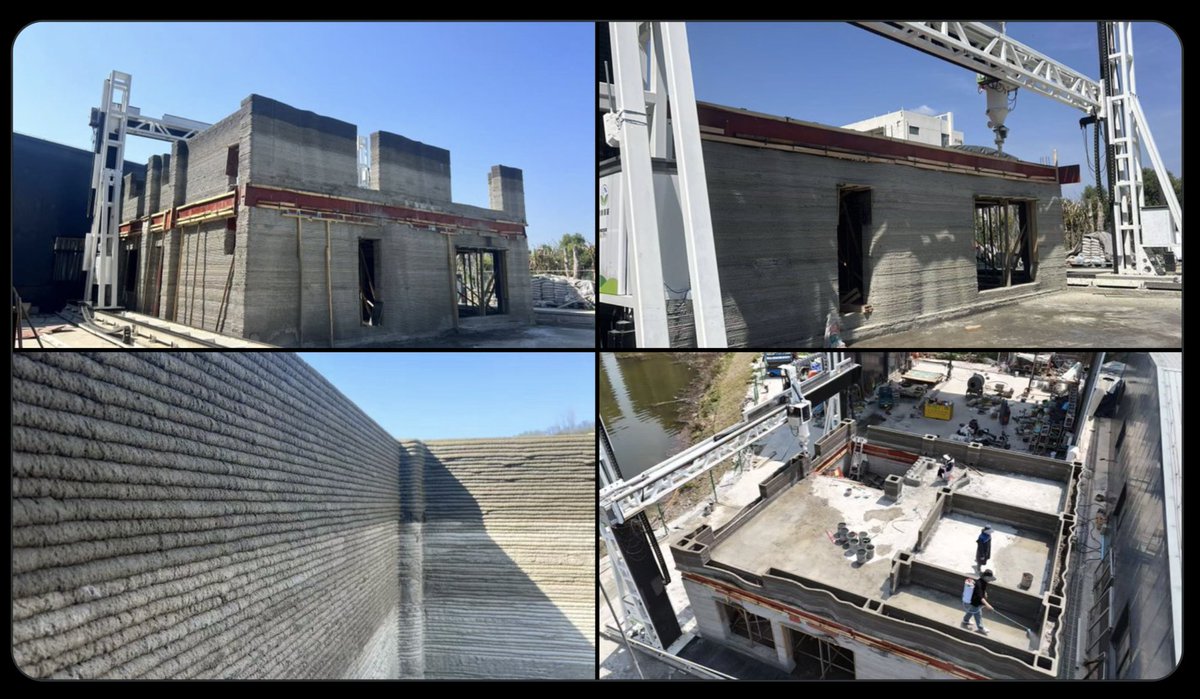
China exhibits first in-situ 3D-printed building, and it’s a stunner: Two stories, three workers, 22 days from start to finish
Is this the future of construction?
4
1
2
258

14 Mar 2025
🤖 𝐂𝐨𝐧𝐬𝐭𝐫𝐮𝐜𝐭𝐢𝐨𝐧 𝐒𝐞𝐚𝐥𝐚𝐧𝐭𝐬 & 𝐑𝐨𝐛𝐨𝐭𝐢𝐜𝐬: 𝐓𝐫𝐚𝐧𝐬𝐟𝐨𝐫𝐦𝐢𝐧𝐠 𝐭𝐡𝐞 𝐈𝐧𝐝𝐮𝐬𝐭𝐫𝐲
🏢 Building Enhancement:
• Water resistance improvement. 💧
• Energy efficiency optimization. ⚡
• Structural durability increase. 🏗️
• Traditional limitations elimination. 🚫
⚙️ Automation Benefits:
💯 𝐑𝐨𝐛𝐨𝐭𝐢𝐜 𝐀𝐝𝐯𝐚𝐧𝐭𝐚𝐠𝐞𝐬:
• Precision application delivery. 🎯
• Uniform finish creation. ✨
• Waste material reduction. ♻️
• Labor cost optimization. 💰
🛠️ Implementation Value:
• Project timeline acceleration. ⏱️
• Worker safety enhancement. 🛡️
• Quality control improvement. 📊
• Competitive edge development. 🏆
🔬 Future Opportunities:
• Industry automation expansion. 📈
• Technological innovation advancement. 💡
• Business growth potential. 🌱
• Market leadership positioning. 🥇
#ConstructionInnovation #RoboticsInConstruction #SealantTechnology #Automation #SmartBuilding #ConstructionEfficiency #RoboticSealantApplication #ConstructionIndustry #SustainableBuilding #ConstructionAutomation #BuildingTechnology #ConstructionProductivity #AutomatedSystems #DigitalConstruction #TechInConstruction
𝐆𝐞𝐭 𝐅𝐫𝐞𝐞 𝐒𝐚𝐦𝐩𝐥𝐞 𝐑𝐞𝐩𝐨𝐫𝐭: lnkd.in/d94u2_yT
1
3
185

15 Dec 2024
Robots boost safety and efficiency, but what about workers left behind? Should we focus on training programs to help laborers collaborate with machines instead of replacing them? #WorkforceFuture #RoboticsInConstruction #SkilledJobs
2
16

25 Nov 2024
"I'm 100% in favor of purpose-built robots. Specialized form factors are the only way to get the efficiency you need to build a sustainable business around robotics," said Dusty CEO Tessa Lau at Cerebral Valley AI Summit last week. #ConstructionAI #RoboticsInConstruction


2
196

13 Mar 2024
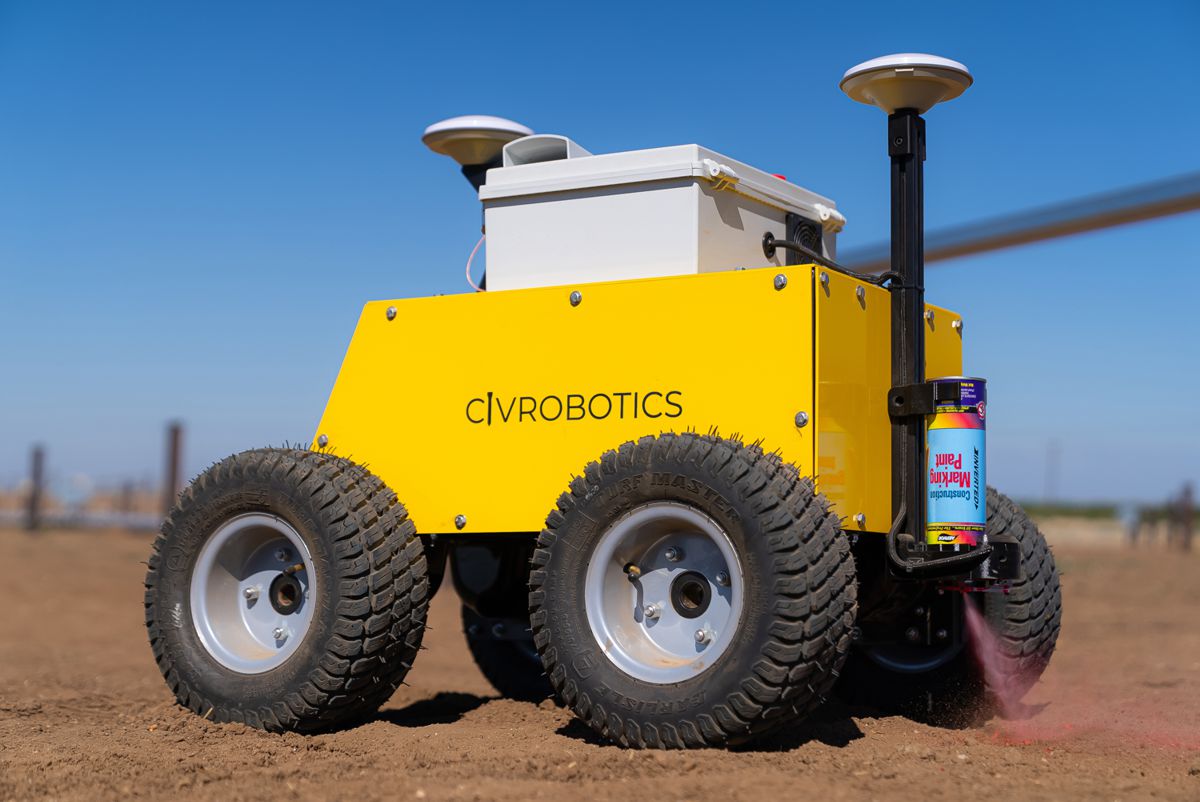
🤖 Civ Robotics Revolutionizing Construction Site Mapping with Point One’s Polaris RTK precision technology 🤖
📍 Explore Civ Robotics' transformative solution in construction site mapping and surveying. This article delves into how Point One technology is combined with advanced robotics and precision GPS technology to automate the process of site mapping, significantly improving accuracy and efficiency while reducing manual labor. Discover how Civ Robotics is paving the way for a new era of construction technology, where automation and digital tools streamline project planning and execution, ensuring timely and on-budget delivery of infrastructure projects. 🏗️🌐
👉 Read the full article on Highways Today: highways.today/2024/03/10/ci…
#Construction #Innovation #CivRobotics #Robotics #PointOne #SiteMapping #HighwaysToday #RoboticsInConstruction #GPSMappingTechnology
4
3
57

21 Feb 2024
Any experience with robotics and AI in construction? 🤖
Give your thoughts 💬
construo.io/questions/343/do…
#ConstructionTech #RoboticsInConstruction #AIinConstruction #SmartConstruction

2
5
90

19 Feb 2024
Embracing robotics in construction is transforming the #FutureOfWork. Robotic technology, with its ability to work independently, ensures precision and efficiency, optimizing resource utilization and enhancing overall operational efficiency. This trend not only streamlines processes but also presents lucrative opportunities for market growth in the global arena.
Construction robotics revolutionize the industry with enhanced productivity, quality, and safety. From demolition robots ensuring worker safety to 3D printing minimizing material wastage, these innovations reshape construction. However, the high cost of technology and equipment configuration poses challenges for widespread adoption."
Explore insights: tinyurl.com/5ybdw6uz
#RoboticsInConstruction #AI #Innovation #ConstructionRobotics #Innovation #FutureOfWork
19 Feb 2024

2
3
96
31 Jan 2024
🤖👷 The Rise of Robotics Training in Construction 🚀🚧
🔍🌟 Explore the fascinating intersection of robotics and construction with this article on the growing trend of robotics training in the industry. Learn how this integration is reshaping skill sets, enhancing safety, and driving innovation in construction. 🏗️💡
🔗 Read the full article on Highways Today: highways.today/2024/01/30/ro…
#RoboticsInConstruction #HighwaysToday #Construction #Training #FutureOfWork #ConstructionNews #InnovativeEducation #SafetyAndEfficiency #TechnologyAdoption #SkillDevelopment #IndustryEvolution #ProfessionalNetworking #Robotics #Education #TechInConstruction #DigitalSkillsInConstruction #AutomationInConstruction
4
5
95
24 Nov 2023
Autonomous construction robots are shaping industry trends by enhancing efficiency and safety. These robots use AI and sensors for tasks like bricklaying, welding, and excavation, reducing labor-intensive work and boosting productivity. Integration of machine learning allows these robots to adapt to complex construction environments, optimizing workflows. Increased safety is achieved through precision and the ability to handle hazardous tasks. The industry is witnessing a shift towards collaboration between human workers and autonomous robots for improved outcomes. As technology advances, expect continued innovation, cost reduction, and widespread adoption, revolutionizing the construction sector with smarter and more efficient building processes.
Explore More Insight: bit.ly/46JgzWx
#AutonomousConstruction #RoboticsInConstruction
#ConstructionTech #RobotWorkers #allied_market #SmartConstruction #InnovationInConstruction
#AutonomousMachines #ConstructionAutomation
#FutureOfWork #Industry40 #BuildingAutomation
#RoboticsTechnology #ConstructionRobots
23 Nov 2023
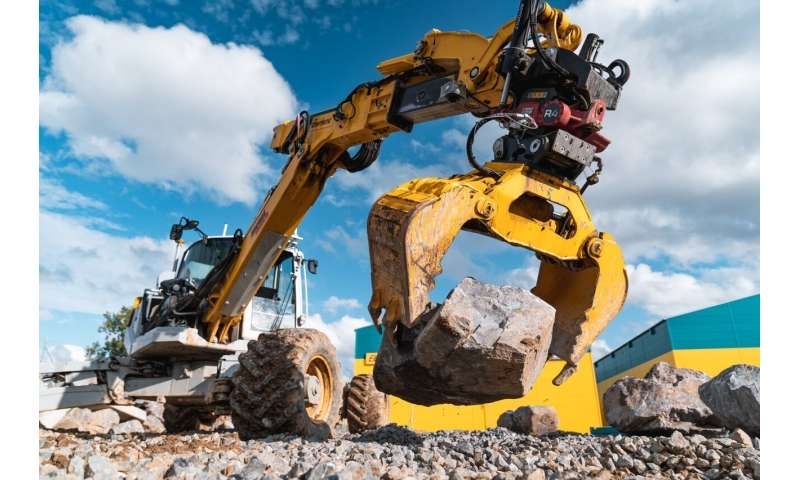
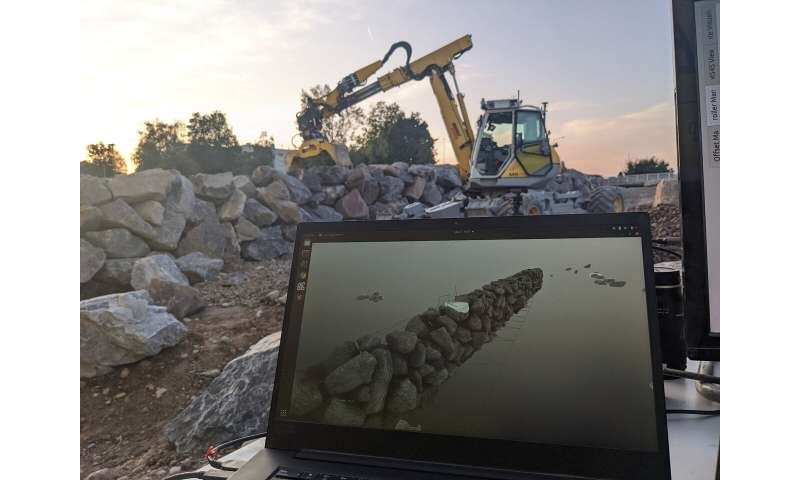
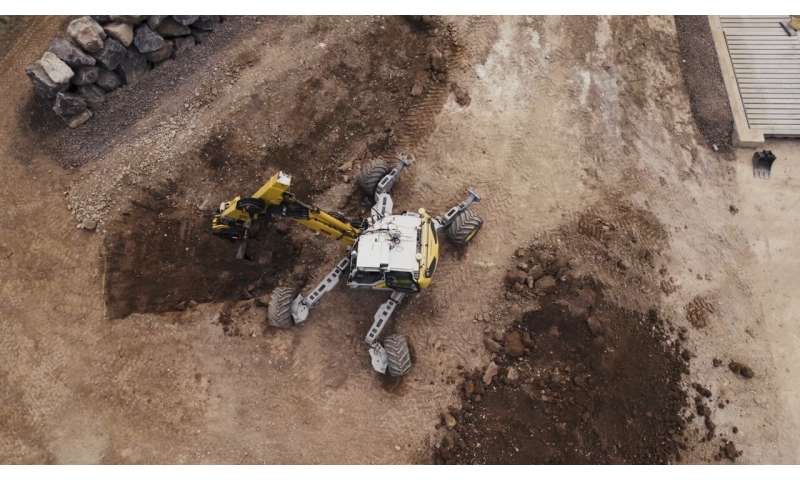
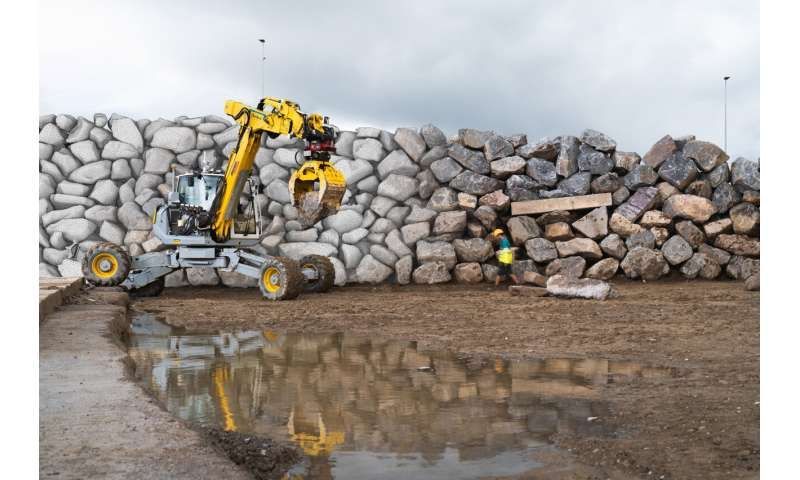
Autonomous excavator constructs a 6-meter-high dry-stone wall techxplore.com/news/2023-11-…
1
3
61

3 Oct 2023
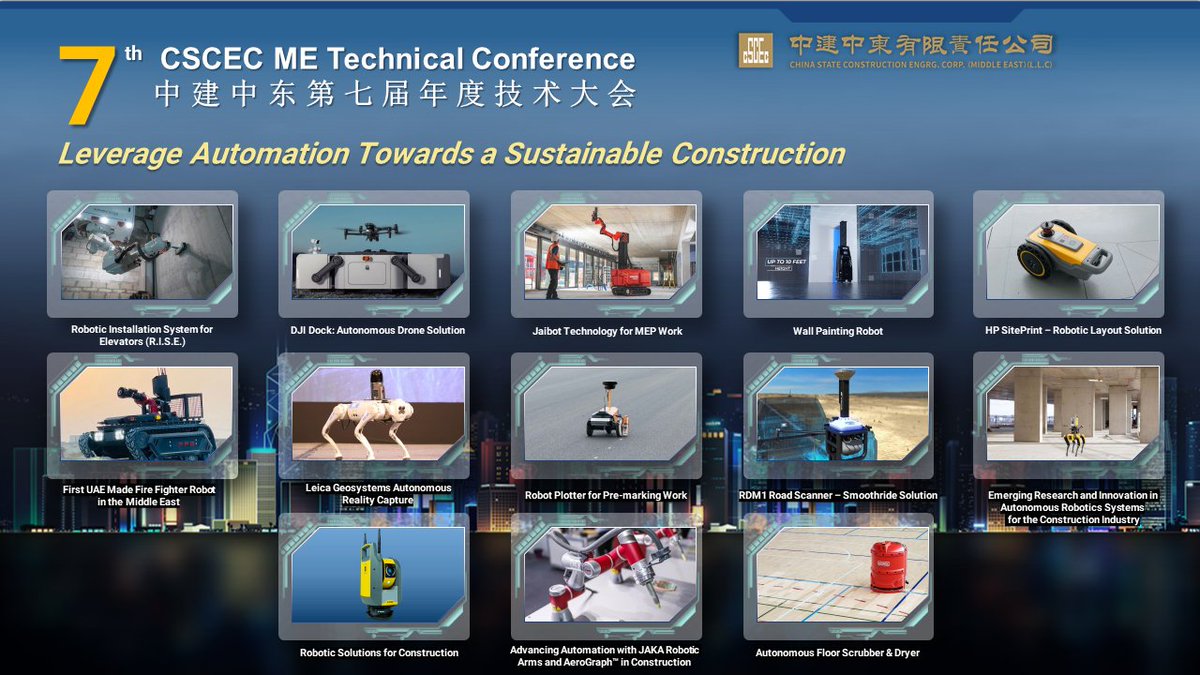
Excitement is building as the 7th @CSCECNEWS ME Technical Conference is 2 days away. Join the live broadcasting link to immerse into an insightful presentation and mind-blowing encounter with actual robots & automated technology exhibitions. Be part of this latest automation drive in the construction industry. youtube.com/live/wJCi1mN6DZY…
#CSCEC #CSCECME #CSCECMiddleEast #7thCSCECMETechnicalConference #TechnicalConference
#Automation #ConstructionAutomation #LatestTechnology #AutomationTechnology #RoboticsInConstruction
#AIInConstruction #ArtificialIntelligence #AutomatedWorkflow #ConstructionEfficiency #FutureOfConstruction #TechnologicalAdvancements #Innovation #ConstructionInnovation
#Robotics #AutonomousSolutions #SustainableConstruction #SustainableSolutions #SmartConstruction #ConstructionTechnology #TechnologyGamechanger #AutomationExperts #GlobalIndustryExperts #ConstructionIndustry #industry4Point0 #CSR #CorporateSocialResponsibility

2
154
13 Sep 2023
We are delighted to share that @CSCECNEWS ME, will be bringing back the 7th CSCEC ME Technical Conference, taking place on 5 October 2023, in Dubai, UAE. The mission: "Leveraging Automation for Sustainable Construction." The event will gather global industry experts to delve deep into automation's core, showcasing best-in-class use cases and live robot & automated technology exhibitions.
Get ready to witness transformation as they bring automation to life.
Join the conversation: youtube.com/live/wJCi1mN6DZY…
#CSCEC #CSCECME #CSCECMiddleEast #7thCSCECMETechnicalConference #TechnicalConference #Automation #ConstructionAutomation #LatestTechnology #AutomationTechnology #RoboticsInConstruction
#AIInConstruction #ArtificialIntelligence #AutomatedWorkflow #ConstructionEfficiency #FutureOfConstruction #TechnologicalAdvancements #Innovation #ConstructionInnovation
1
2
4
686
6 Jun 2023
🤖 What are your thoughts on Robotics and AI in the Construction Industry? 🏗️
Hey everyone! We'd love to hear your opinions.
Let's start a conversation and explore the future of construction together!
#RoboticsInConstruction #AI #FutureOfConstruction #TechRevolution

1
4
63

11 Apr 2023
Find out how robots are transforming construction sites in the new episode of the #DigitalBuilderPodcast hosted by @builder_digital with Brooke Gemmell of @SkanskaUSA!
#RoboticsinConstruction #Contech
1
4
576

16 Dec 2022
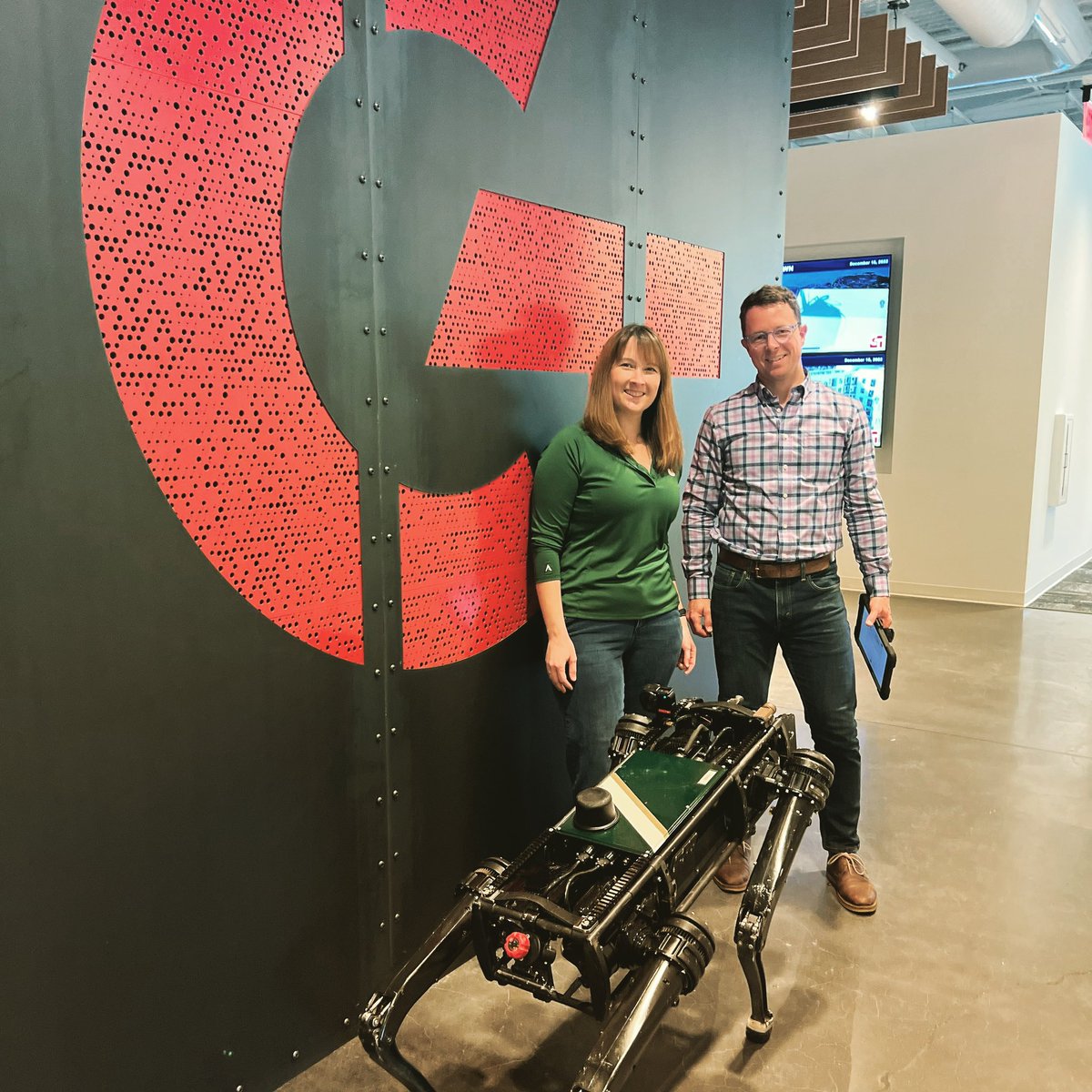
K-Niner and I had a great time visiting @ClancyandTheys this afternoon and are very much looking forward to conducting modbility tests at one of their jobs sites soon!
#ForgeTheFuture #RealWorldReady #RoboticsInConstruction
8
326