
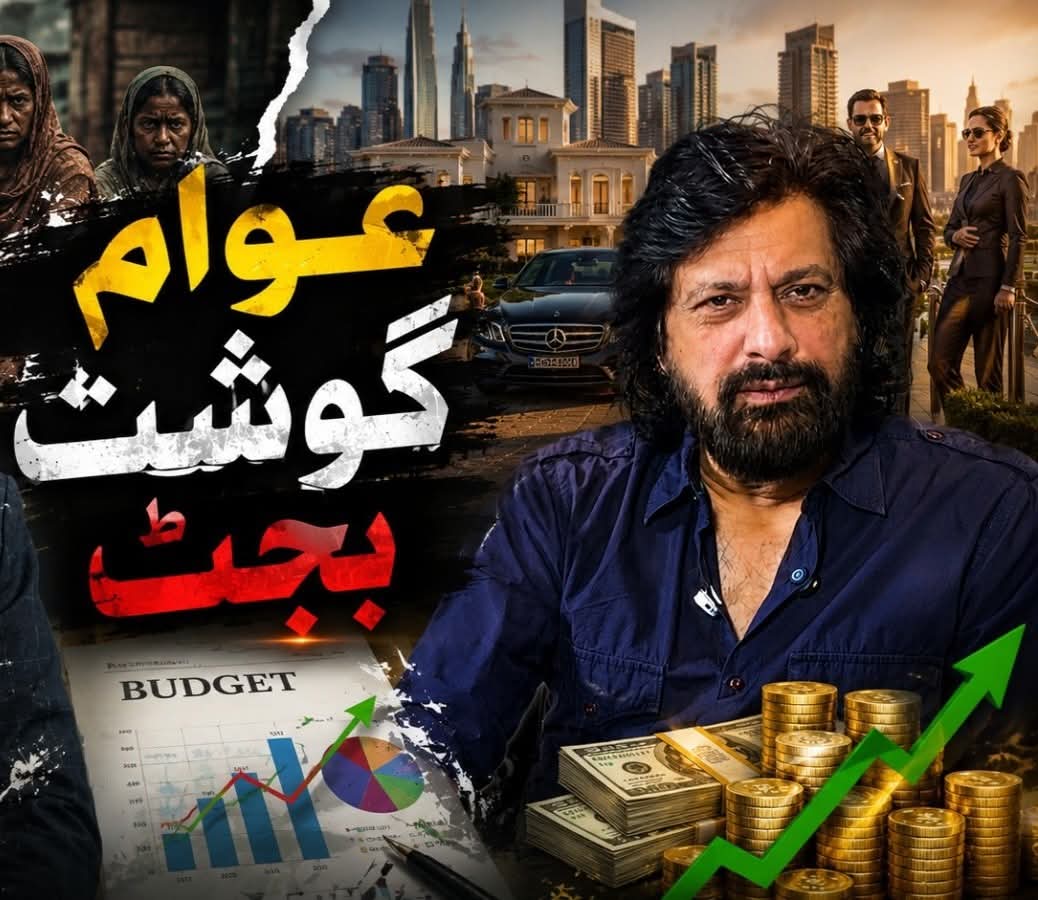
یہ عوام دوست بجٹ نہیں بلکہ عوام گوشت بجٹ ہے۔۔ چیرمین برابری پارٹی جواد احمد 🔥
#budget #budget2026 #jawadahmad #barabriparty #politics #socialism #pakistan #rulingclass #elitecapture
@jawadahmadone @javeednusrat @ahmad__bobak @amberdanishh @KlasraRauf @DurraniViews @Fahdhusain
22

What will it take to Fire&Jail Evil RulingClass that has Forced Mass Migration on UK?
No One wants it
No One wants to live in fear that the"migrants"will R&PE or kill a wife/daughter? The Statistics are clear & show that the chance is very high-Yet Ruling Class liars protect them
11

May 13
Wherever Buddhism spread, it generally adapted itself to the dominant social order already established in the region, whether that meant the centralized imperial bureaucracy of China, the militarized feudal structures of Japan (not much different of a caste system, even having their own untouchability), or the caste-based organization of Hindu society in India.
It also tended to accommodate the existing religious and cultural customs of local populations. One notable exception often mentioned is the suppression of the practice of burying widows alongside their deceased husbands in Mongol territories under the influence of the third Dalai Lama. In most cases, however, Buddhism primarily incorporated members of those societies into the monastic community and directed them toward Buddhist discipline and practice. Even in what is often described as “caste-bound India,” the Buddhist emperor Ashoka, despite taking the significant step of restricting animal slaughter on certain days, did not attempt to dismantle the caste system itself.
That's why more than 80% of the hundreds of men Siddartha recruited, were from the upper castes, more than 40% were Brahmins and that the Buddha himself was a proud Ksatriya (and the Sangha even proudly flaunted that status, as seen in the controversy over who would keep his ashes) and prophetized that his sucessor would also be from a upper caste.
There is nothing that justifies the Ambedkarite narrative that, on a social level, Buddhism was a reformist movement aimed at abolishing caste. On the contrary, in many cases it was tolerant of it and greatly benefited from it.
“What the noble ones say is the truth, what the others say is not true. And why is this? The noble ones understand things as they are, the common folk does not understand. Furthermore, they are called noble truths because they are possessed by those who own the wealth and assets of the noble ones. Furthermore, they are called noble truths because they are possessed by those who are conceived in the womb of a noble person.” - Abhidharma Mahāvibhāṣa Śāstra
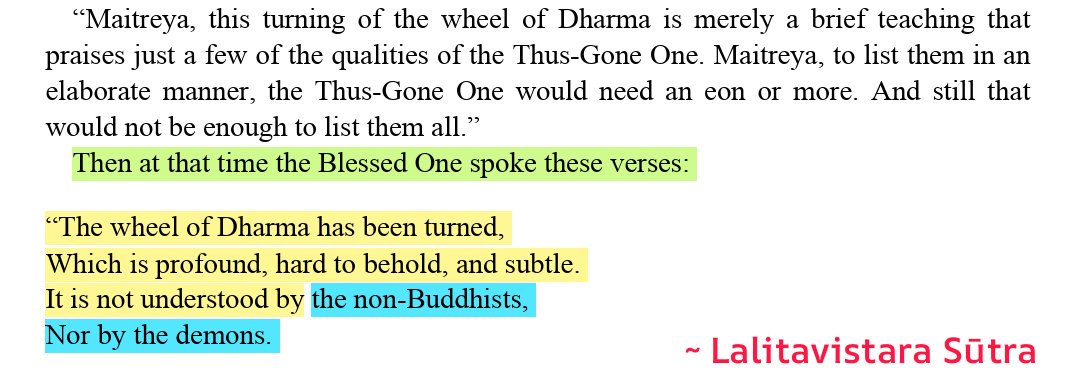
"And why, monks, did the Bodhisattva behold the country of his birth? Because a bodhisattva is not born in outlying lands where people are as stupid as sheep, with dull faculties, ignorant, and incapable of distinguishing right from wrong. Rather a bodhisattva is born in a central land. And why, monks, did the Bodhisattva behold the family of his birth? Because a bodhisattva is not born into an inferior family, like a family of outcastes, flute makers, cartwrights, or servants. A bodhisattva is only born into one of two families—a priestly family or a family of the ruling class. When the priestly families are dominant in the world, the bodhisattva is born into a priestly family. When the rulingclass families are dominant in the world, the bodhisattva is born into a ruling-class family. Thus, monks, at this time the ruling-class families were dominant in the world, so bodhisattvas were born into such families. " (Lalitavistara Sutra, c. 3)

Since you are a foreigner and new to this topic:
1. There is no Caturvarna in Buddhism and wherever you find these terms mentioned, they only serve a rhetorical function that's not central to Buddhism. If it was, all the Buddhists across the Buddhist countries would be practising it.
2. Shantideva, who is the author of the quintessential handbook for Boddhisattvas, not once mentions anything about caste.
3. Buddhists are not obliged to answer or provide explanations to an inferior religion. You take our answers or leave it.
4. You will not understand the sublime wisdom of the Buddha. This is made clear in multiple texts including Parinirvana Sutra.
Buddhadharma is SUPREME and those who drink the sweet nectar to take refuge in the Buddha are immune to the howls of the jackals or the whispers of the demons.
5
13
58
6,500

The racists loved Enoch in the '75 EUref and they loved Nigel in the '16 EUref.
Fascists flocked to Baron Mosley before WW2 - and after.
Brexit was very predictable. Racist #RulingClass #MayfairSet Britain exposed
independent.co.uk/voices/bre…
3
5
126
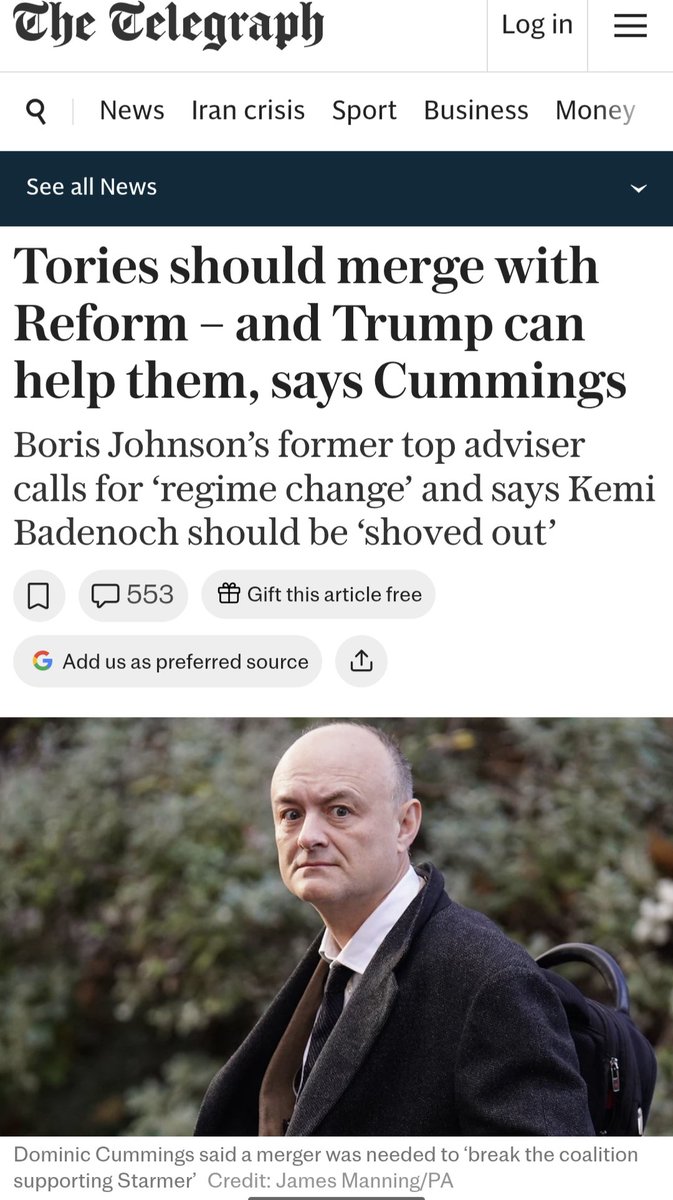
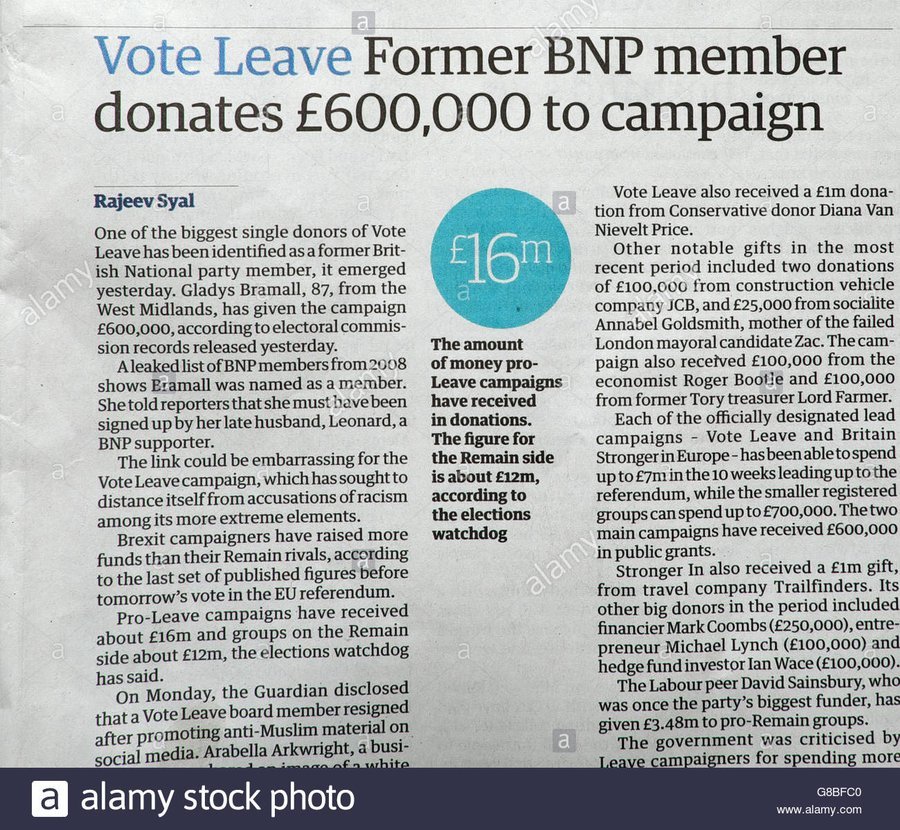
Reform will merge with the Tories. Farage is using his old UKIP playbook. Brexit puppeteer Cummings has already approved, tying in MAGA 💰. His Vote Leave took its biggest donation from a BNP member. #freaksfraudsfascists #RulingClass
2
5
267
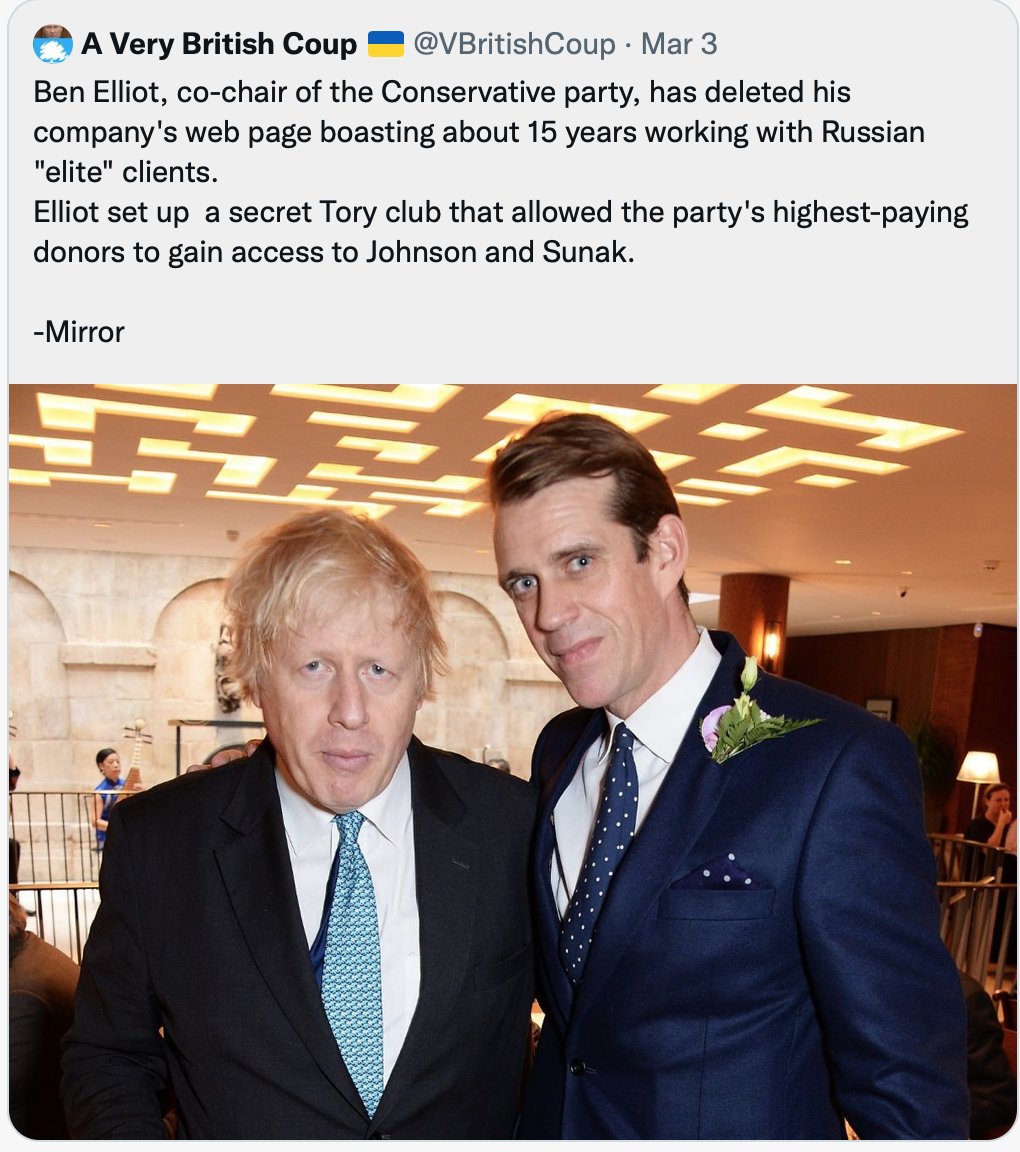
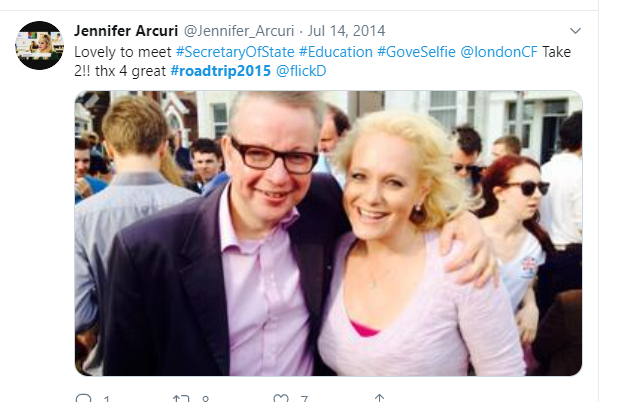
Murdoch, Goldsmith, Elliot, Gove?
#BrexitElite #RulingClass 👑
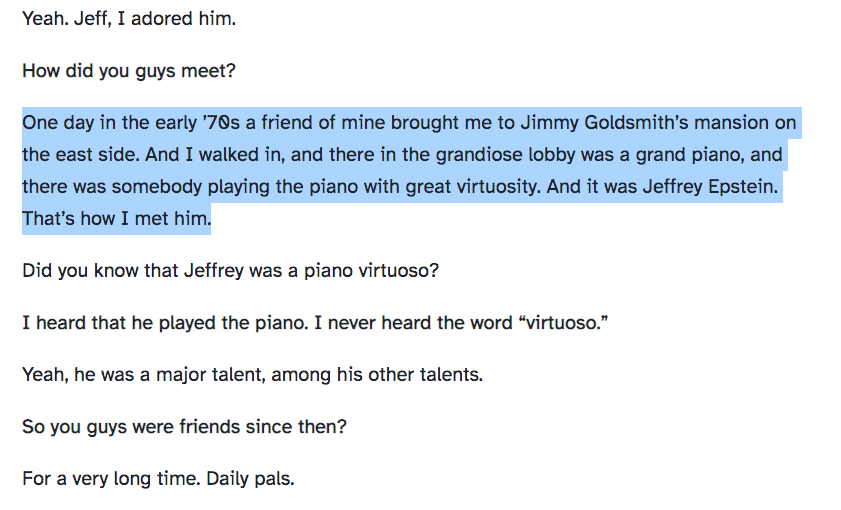
Epstein was personal friend of James Goldsmith in NY. Then lived p/t London from 74. First EU Ref in 75.
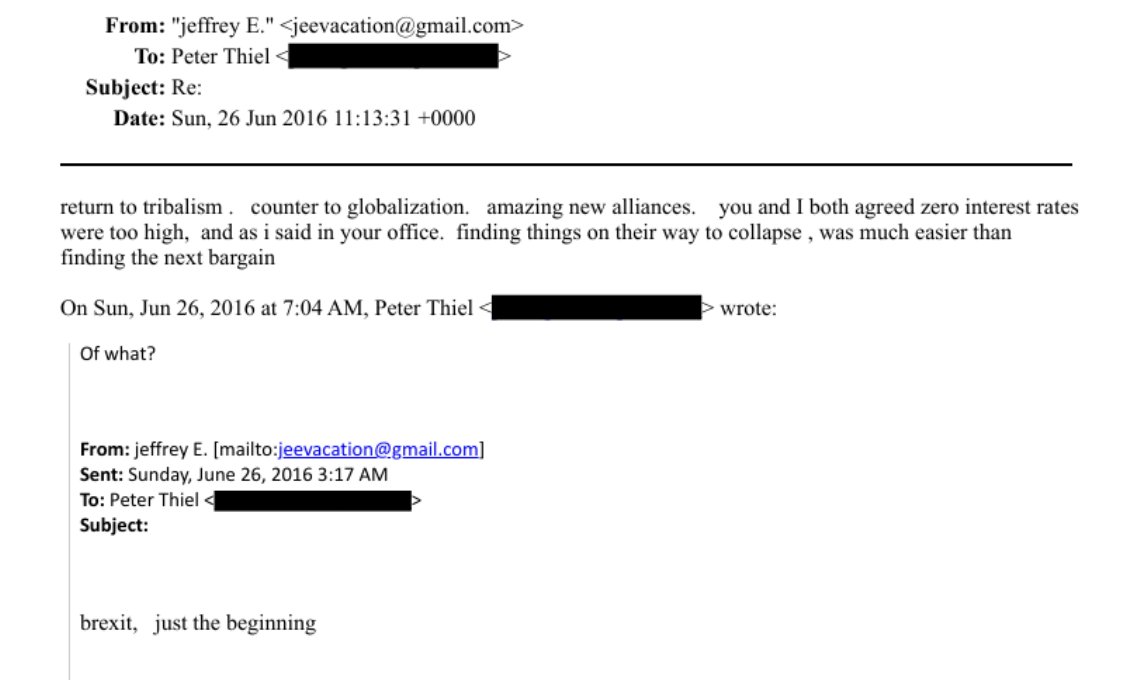
Epstein backed Brexit and no doubt also backed Goldsmith's 90s anti-EU Referendum Party. Elliot was an adviser.
10
29
1,128

.
Something the #BlackPanthers & Fred Hampton understood that people in the US don't seem to realize is what the #RulingClass & #Epstein_Class do is pin 1 group of poor people against another.
Punch Up my friends & comrades. Always Punch Up !
1
4
71

Apr 21
A lot of people still don't see it
We're nothing more than numbers on a ledger to these people, free-range tax slaves to be milked at every opportunity
Our children?
Tax revenue collateral against the continued issuance of debt to benefit the rulingclass
Time to wake the F up
2
1
3
59

If UK was anything like a moral & humane society... there'd be a permanent 'media encampment'.
Instead, we've a #MSM colluding with an authoritarian [& multi-party] #Establishment/#RulingClass...
so only #AntiEstablishment radicals who advocate change, ever get "doorstepped".😠
1
3
83

The historical analogy doesn't even work out:
The ones ruling over you aren't residing an ocean away.
Also: The "bravery" of the guy didn't seem to grasp that the warehouse fire harmed the city, his coworkers, residents and firefighters, not the #RulingClass. Strange targeting.
1
2
95

Apr 17
The Epstein War Is Falling Apart
They told us this was for world peace and instead the consequences keep spreading. Now the entire world sees us with our ass on the floor crying like babies and censoring anyone whose reminding them that this was a terrible idea in the first place.
#rulingclass #iranwar #freespeech
11
162
388
3,746
And critical #BrexitElite #RulingClass link is Hanson bankrolling and membership Business for Sterling h/t @RealBristolNews.
'Vote Leave' Cummings led BfS on return from 🇷🇺.
Also Hannan (ex MEP, now Lord) and Tice (ex BfS, biz partner Barrack, now Reform) sourcewatch.org/index.php/Bu…
1
2
3
103

Apr 16
Defence: Bait and Switch open.substack.com/pub/radica… #WelfareCuts #DisabilityRights #Pensioners #DefenceSpending #LordRobertson #Treasury #Austerity #PoliticalEconomy #ClassPolitics #PetitBourgeoisie #RulingClass #FiscalPolicy #Britain #SocialSecurity #Althusser #CriticalRealism #RadicalCritique #TobaccoVanguard

1
2
74


Apr 7
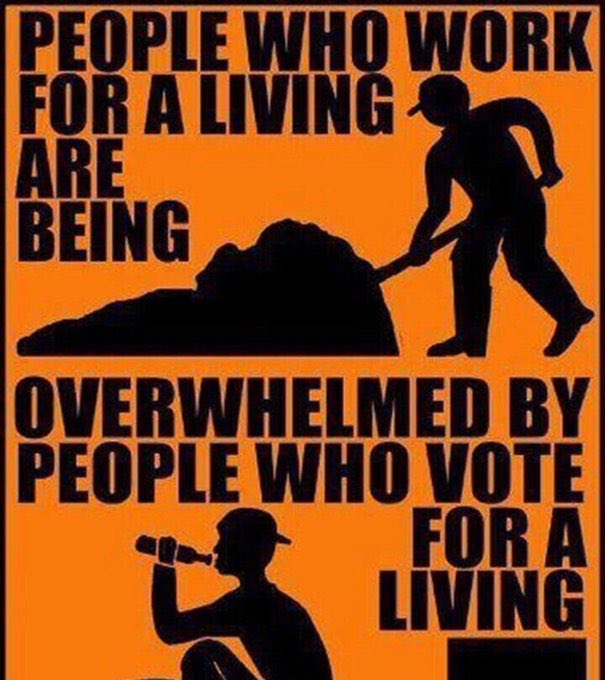
That's in essence the core of #socialism, great #life for the #rulingclass while the rest has to line up for some rationed bread. It's just a matter of time before it's fully installed here. They have the know-how; get rid of #FirstAmendment then #Secondamendment and thats it💀
1
3
4
173
Come on England. Epstein living/working pt in England from 1974. Operated in UK for decades and MSM did not/are not investigating. Why? The #Epsteinclass is the #RulingClass. #BrexiTrump
Mar 13

To the Epstein class: Be prepared for accountability. And to serve your sentence out.
3
6
77
The #MayfairSet really had the royal *trade envoy* in the bag. Johnson was Mayor too. #Brexit #RulingClass #EpsteinFiles
Mar 4

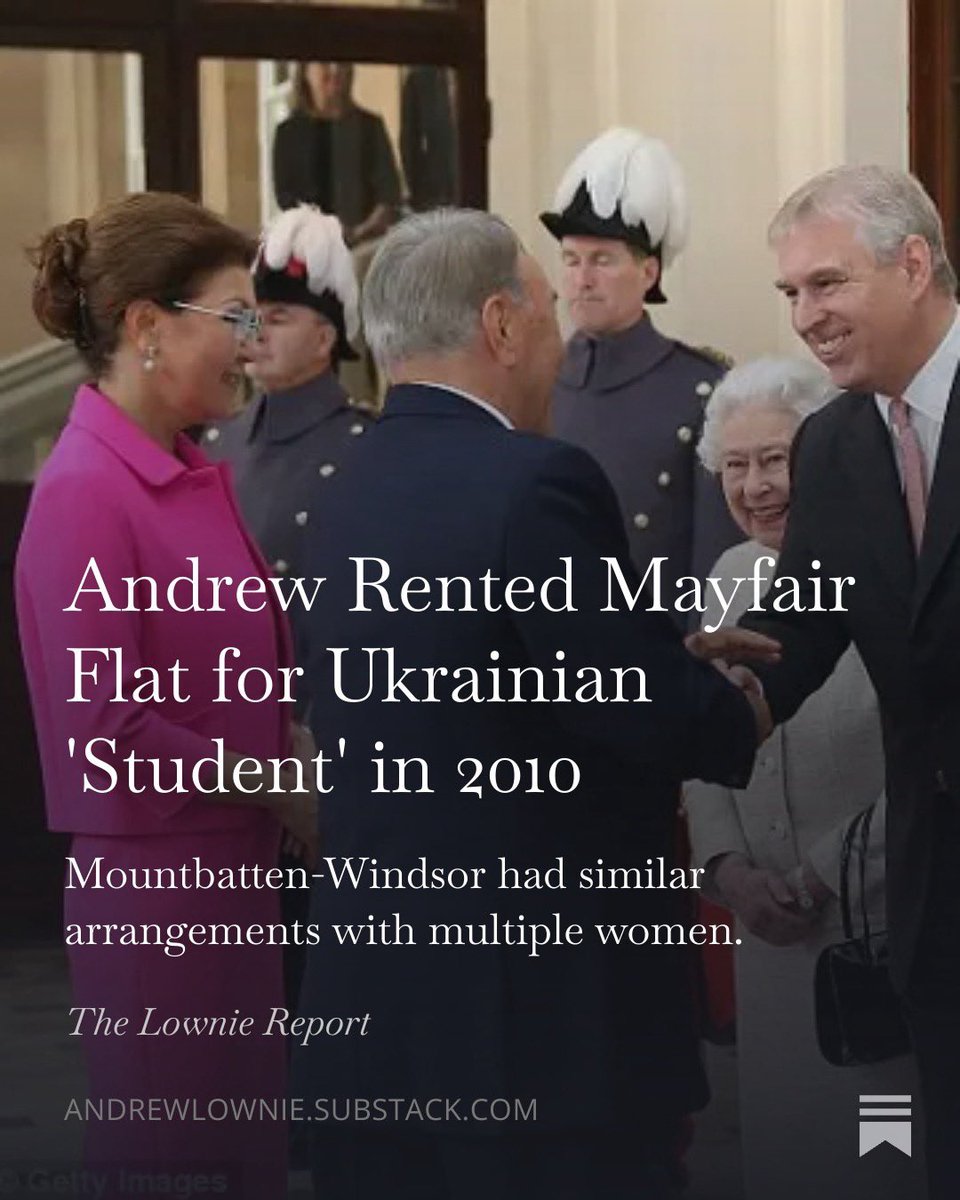
Andrew Rented Mayfair Flat for Ukrainian 'Student' in 2010 and had similar arrangements with multiple women.
open.substack.com/pub/andrew…
7
7
176

Mar 1
Jeffrey Epstein was 21, no degree, when he landed a teaching job at Dalton School—hired by then headmaster Donald Barr, father of William Barr and a former OSS officer. That’s not meritocracy. That’s elite networks reproducing themselves in plain sight. #EpsteinFiles #RulingClass
1
29
44
412
Billionaire Lord Ashcroft of Offshore Belize can't use his private jet(s) or yacht(s)? #Brexshit #RulingClass
2
22
3,166

Feb 25
Is that what you, @ctdems and our #rulingclass thinks of parents in this state, that they won't feed their kids? That only daddy Lamont and the government can feed the children? Really? @CTGOP
10
123